
The New Freedom in Jewellery
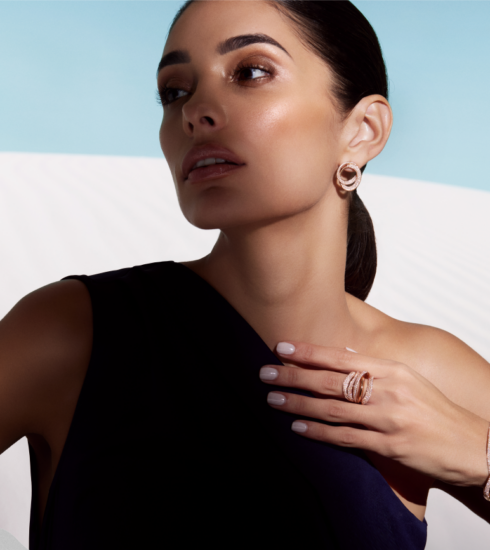
Cover photo: Atelier Wempe au:thetic
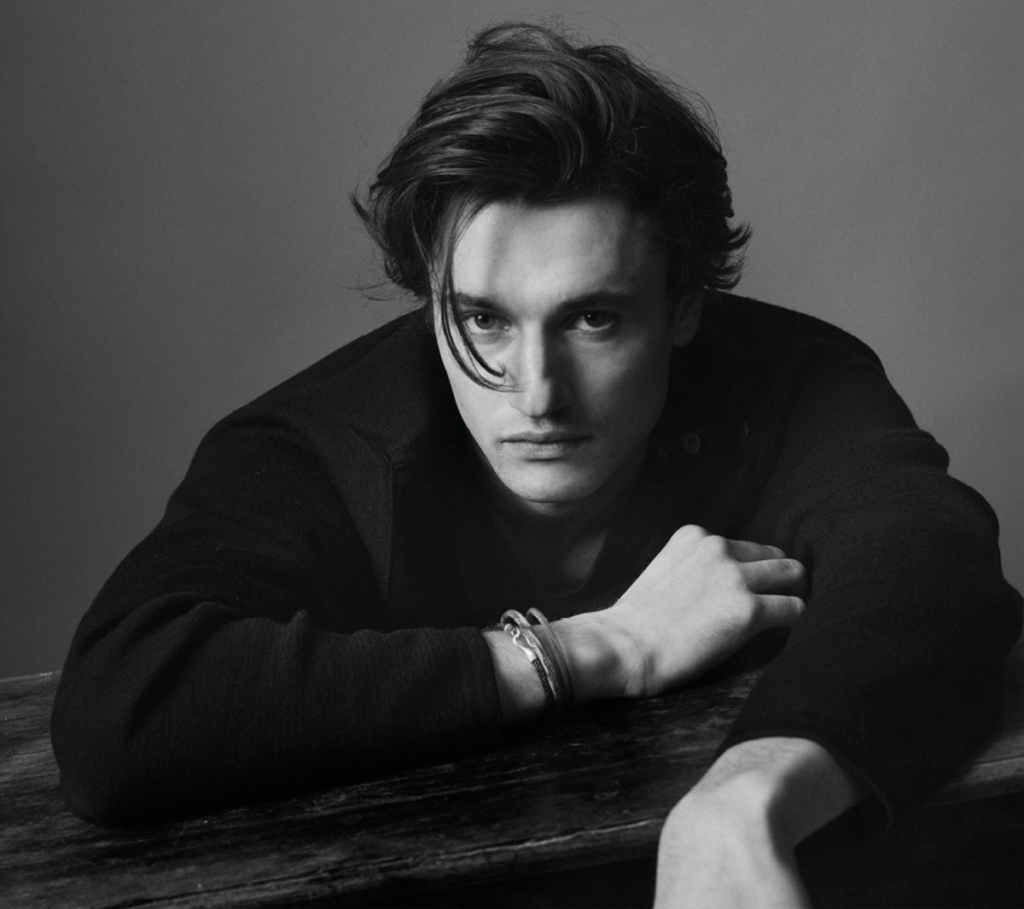
Today, jewelry is increasingly being conceived beyond traditional categories, making it more wearable, more personal, and more versatile. Instead of clearly defined occasions or rigid style rules, the focus is on personality, everyday practicality, and versatility. Jewelry pieces are meant to adapt to different lifestyles, be deliberately styled, and interpreted in a personal way—sometimes more eye-catching, sometimes more understated.
With this trend, traditional categorizations are also becoming increasingly less relevant. Today, many collections are designed less for specific role models and more for people with their own sense of style. Materials, shapes, and gemstones are used more freely, resulting in a more open and versatile jewelry aesthetic that places greater emphasis on personal expression.
Between Everyday Life, Personality, and Style
This shift is particularly evident in the luxury segment. Jewelry is increasingly seen not merely as a status symbol, but rather as a personal companion in everyday life. What matters most is not just the impact of individual pieces, but their wearability, versatility, and the emotional connection they forge with the wearer.
Sculptural forms, darker gemstones, technical materials, and softer organic lines find their place just as naturally as classic styles, diamonds, and design. The boundaries between traditionally “feminine” and “masculine” design codes are becoming increasingly blurred.
New opportunities within the industry
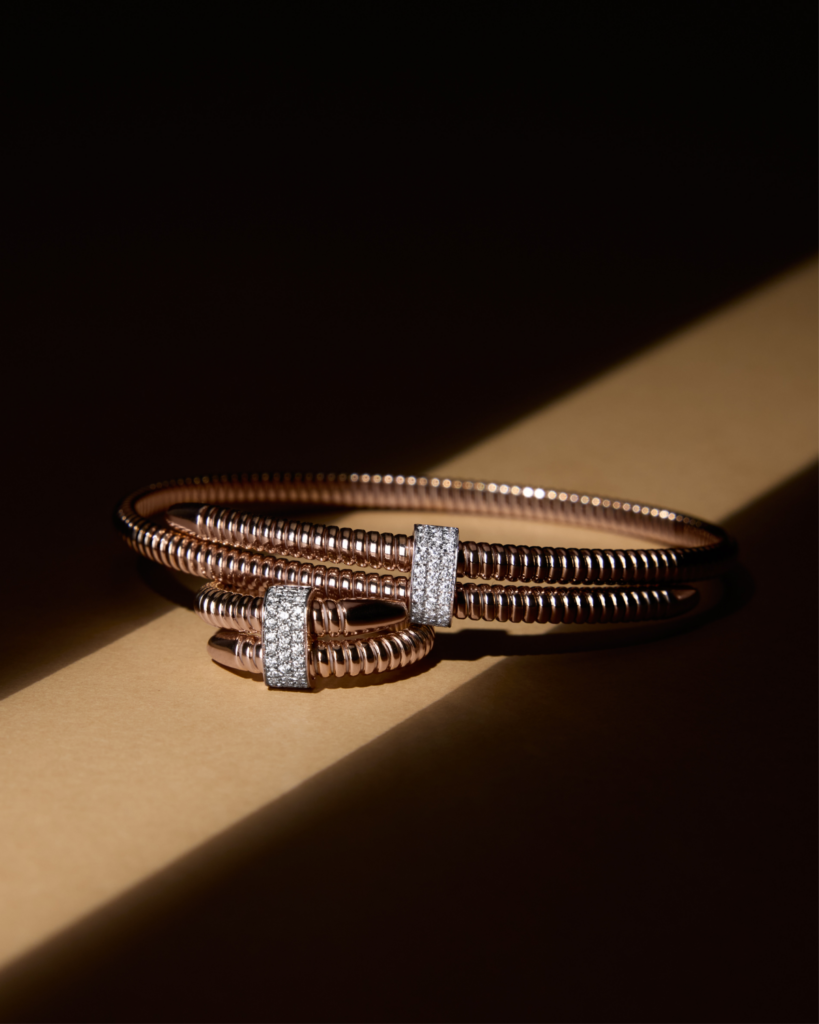
Many brands and manufacturers are now actively embracing this trend: With its Atelier Wempe au:thentic line, Wempe focuses on minimalist jewelry featuring clean lines and high wearability for everyday use.
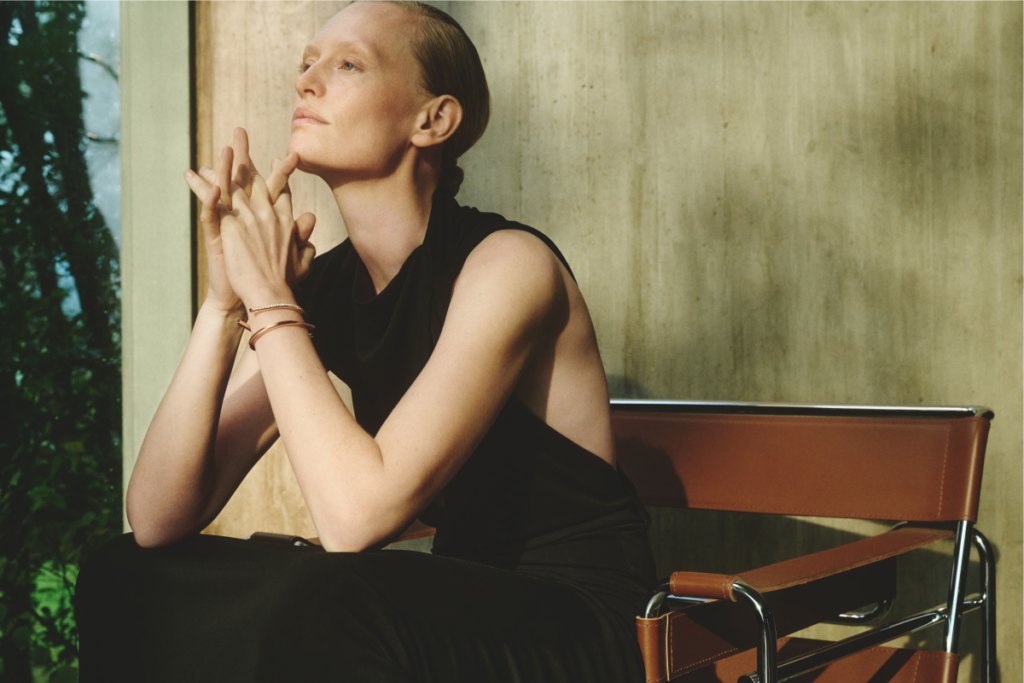

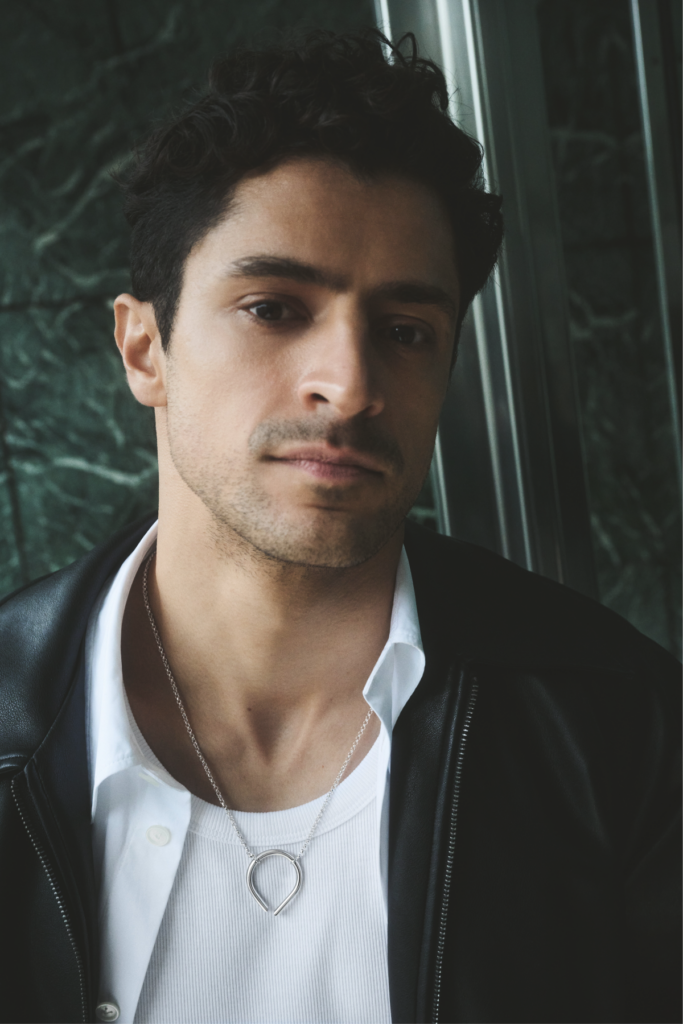
Jewelry by: Atelier Wempe au:thentic
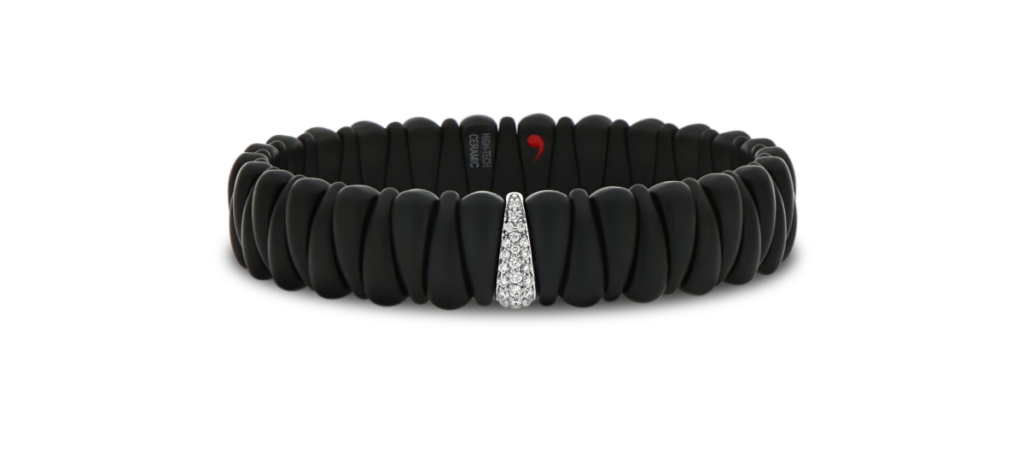
KdiKuore, too, is working on an open design language that balances sculptural presence with natural wearability through collections such as “Flow,” “Panther,” and “Prestige Noire.”
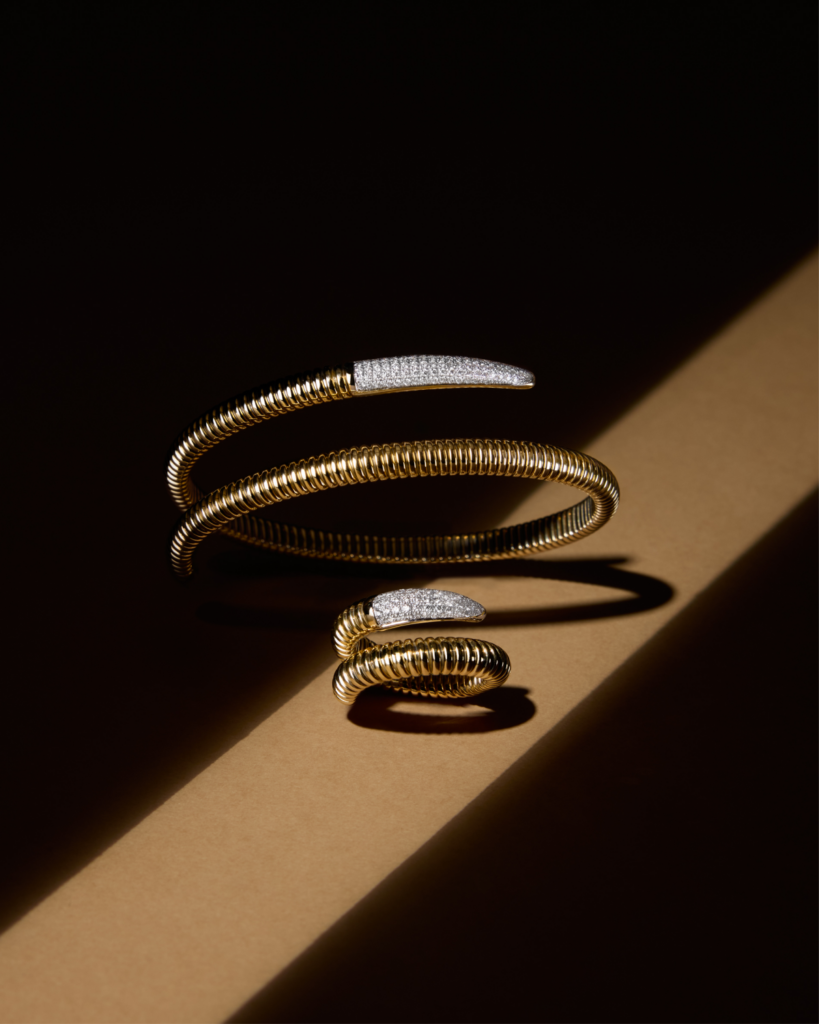
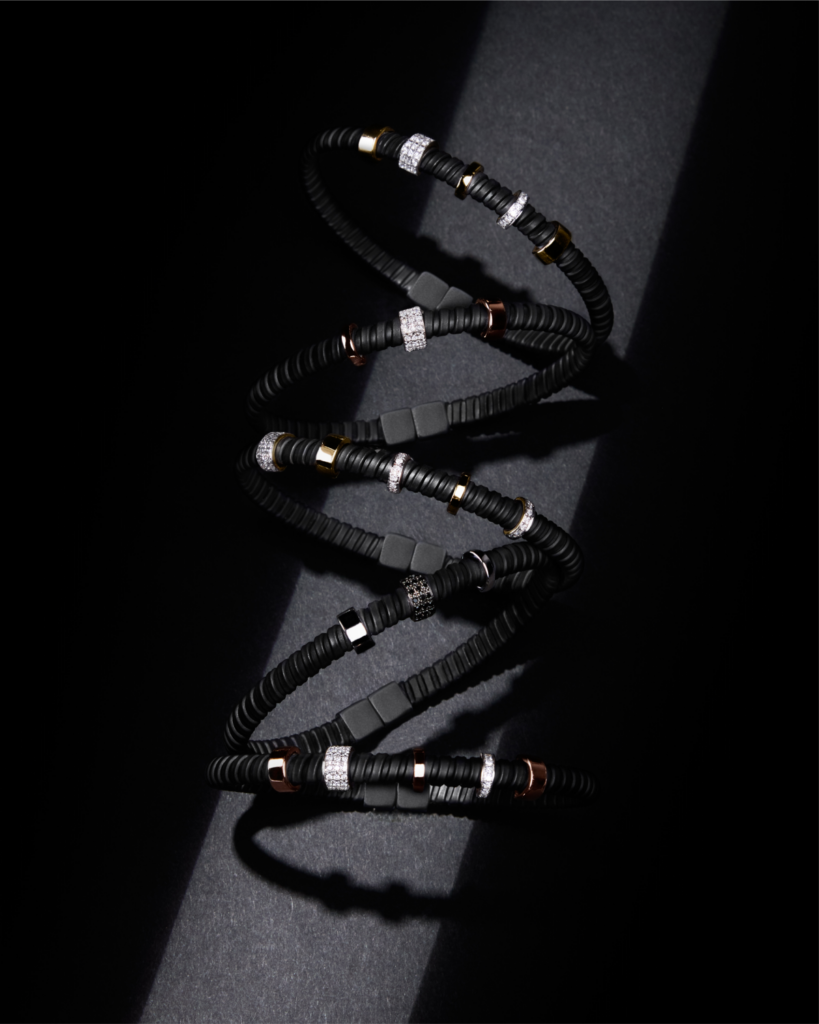
Jewelry by: KdiKuore
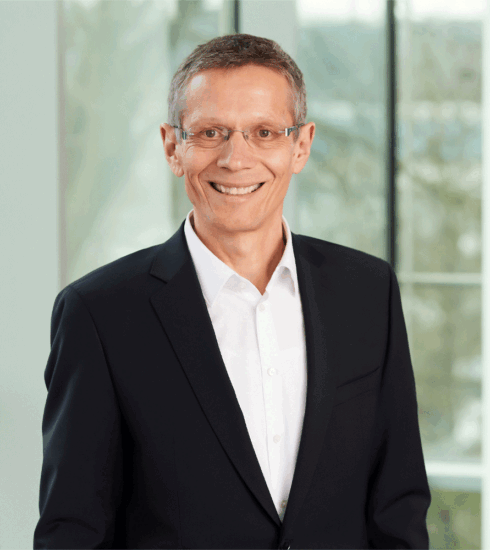
Heinz Mayer reinterprets classic jewelry designs using black diamonds and darker gemstones—less ornate, but more integral to a modern, personal style.


Jewelry by: Heinz Mayer
Technical Aesthetics and New Materials
For years, Barakà has been consistently pursuing its own unique interpretation of modern jewelry. The Italian brand combines architectural forms, technical elements, and unusual materials with traditional goldsmithing.
Collections such as “Casinò” feature movable elements and playful mechanisms, while the “Meteorite” collection incorporates real meteorite fragments and makes materiality itself the focal point of the design.
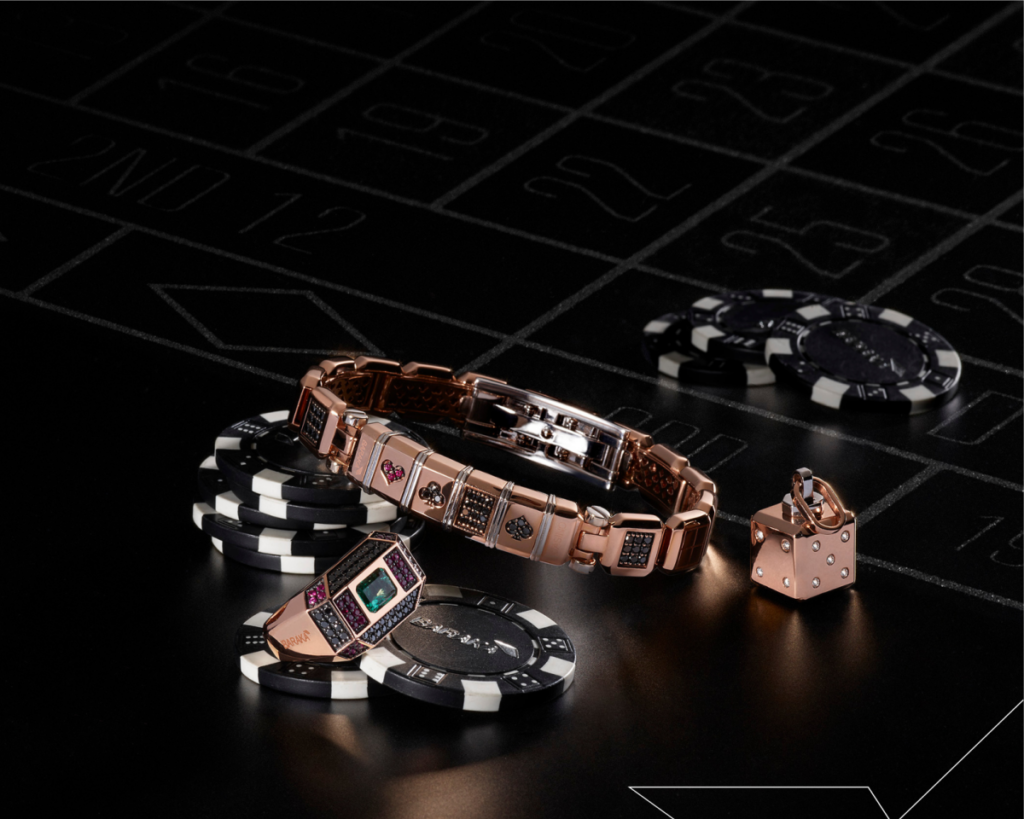
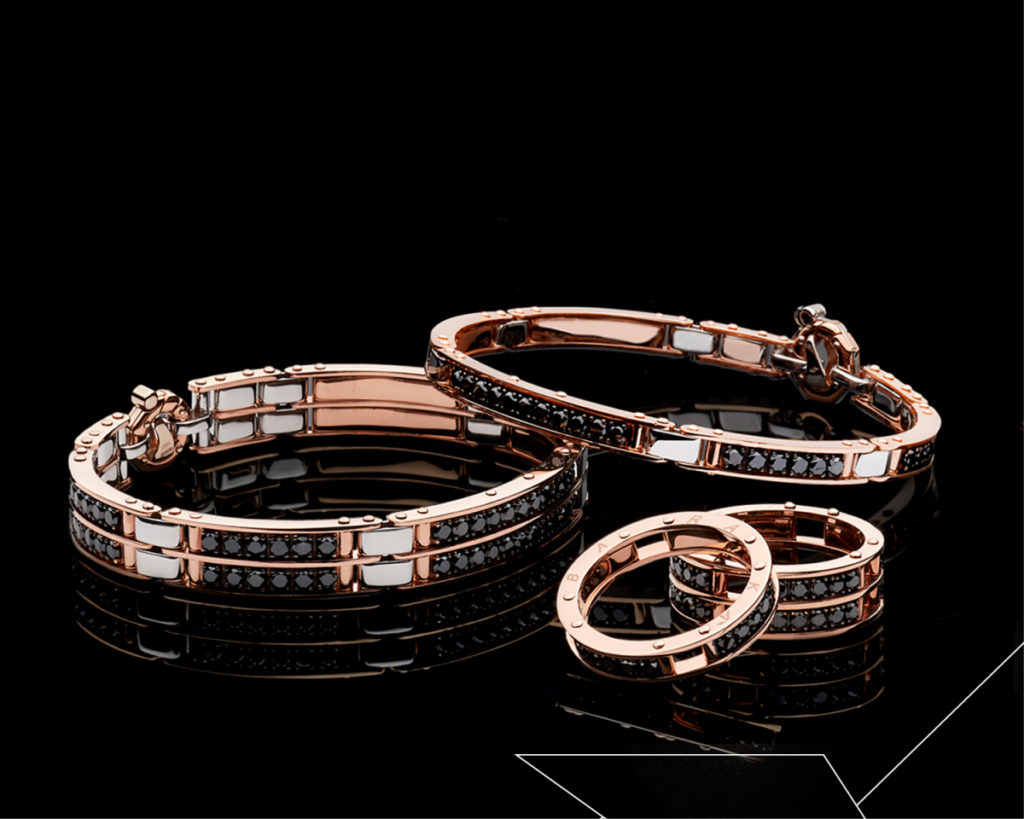

Jewelry by: Baraka
As a result, jewelry is increasingly evolving into a design object—blending craftsmanship, technology, and personal identity.
Naturalness instead of rigid categories
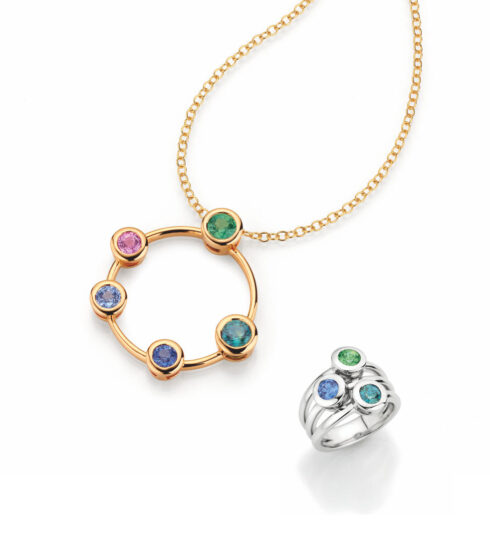
Ole Lynggaard Copenhagen also demonstrates how effortlessly jewelry can be conceived today. Leather, gold, silver, and gemstones are deliberately combined in a soft, organic way. The collections feel less formal and more natural, personal, and versatile.
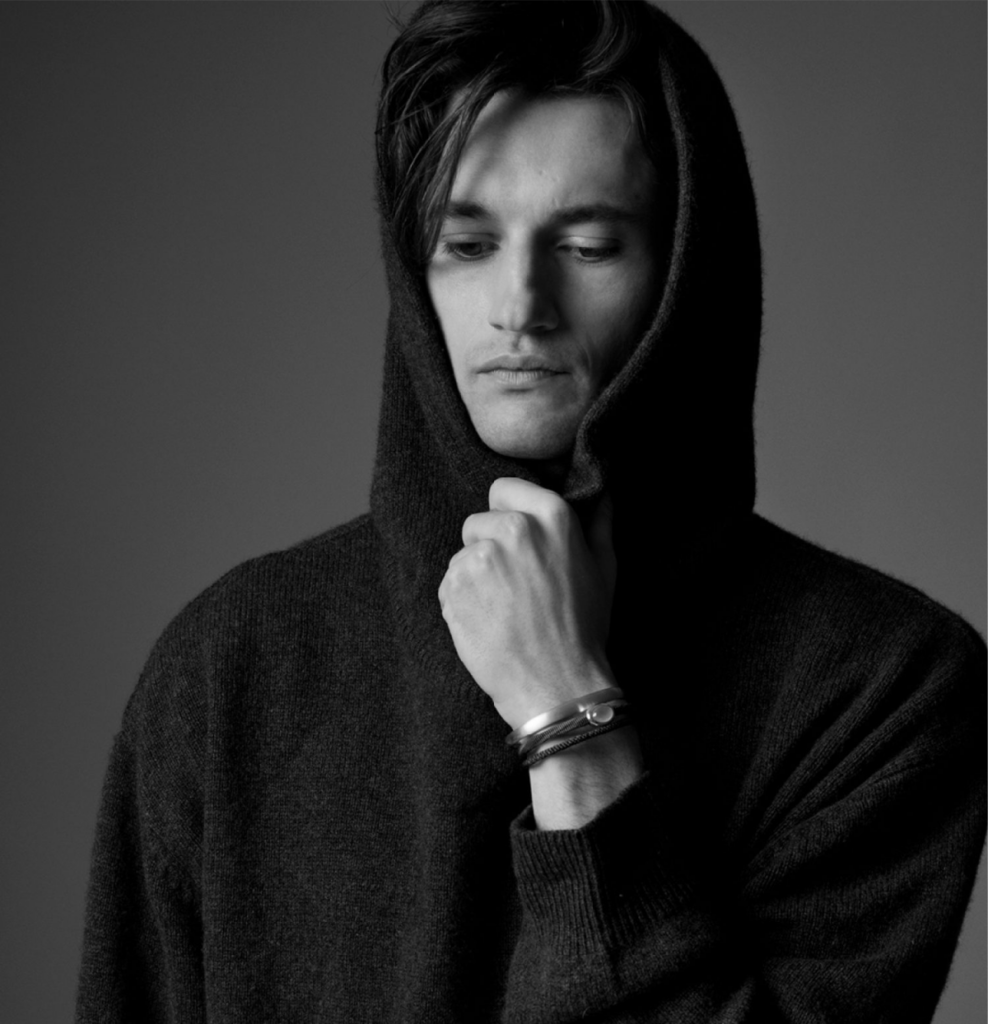
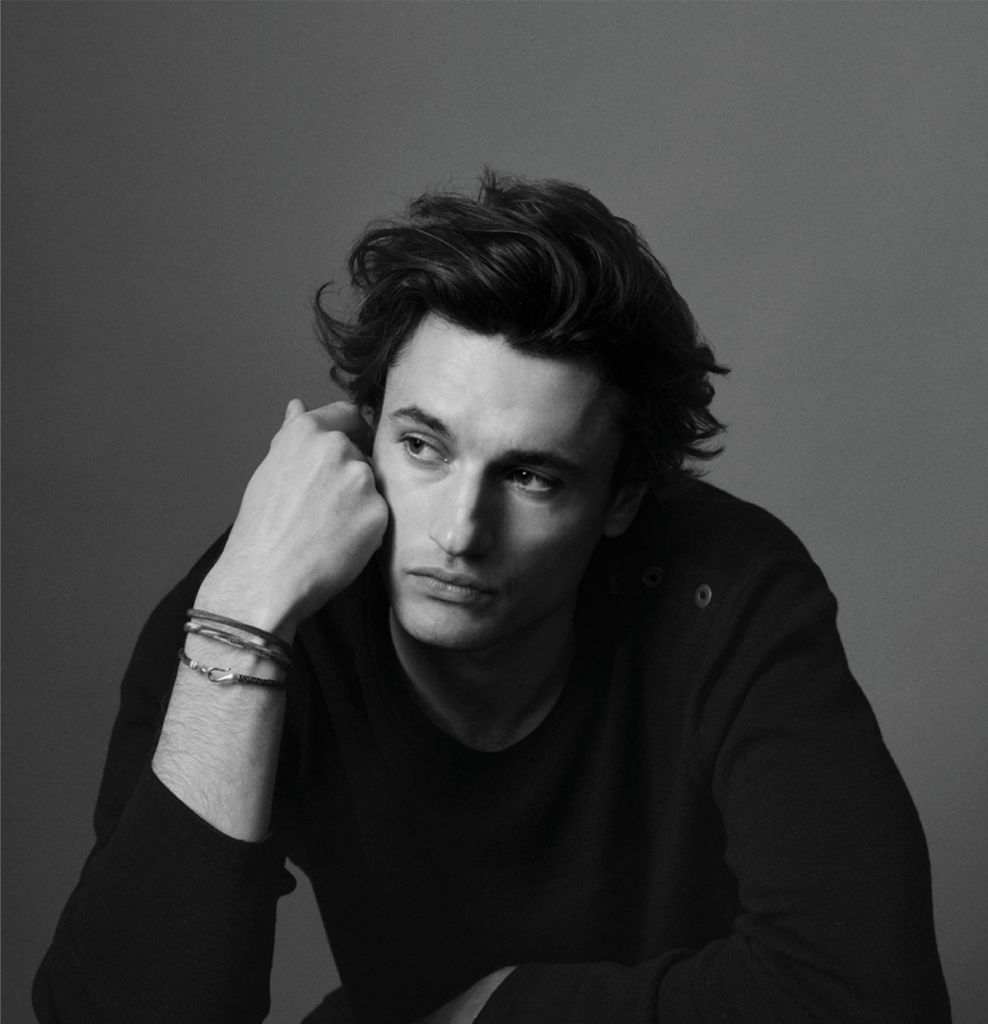


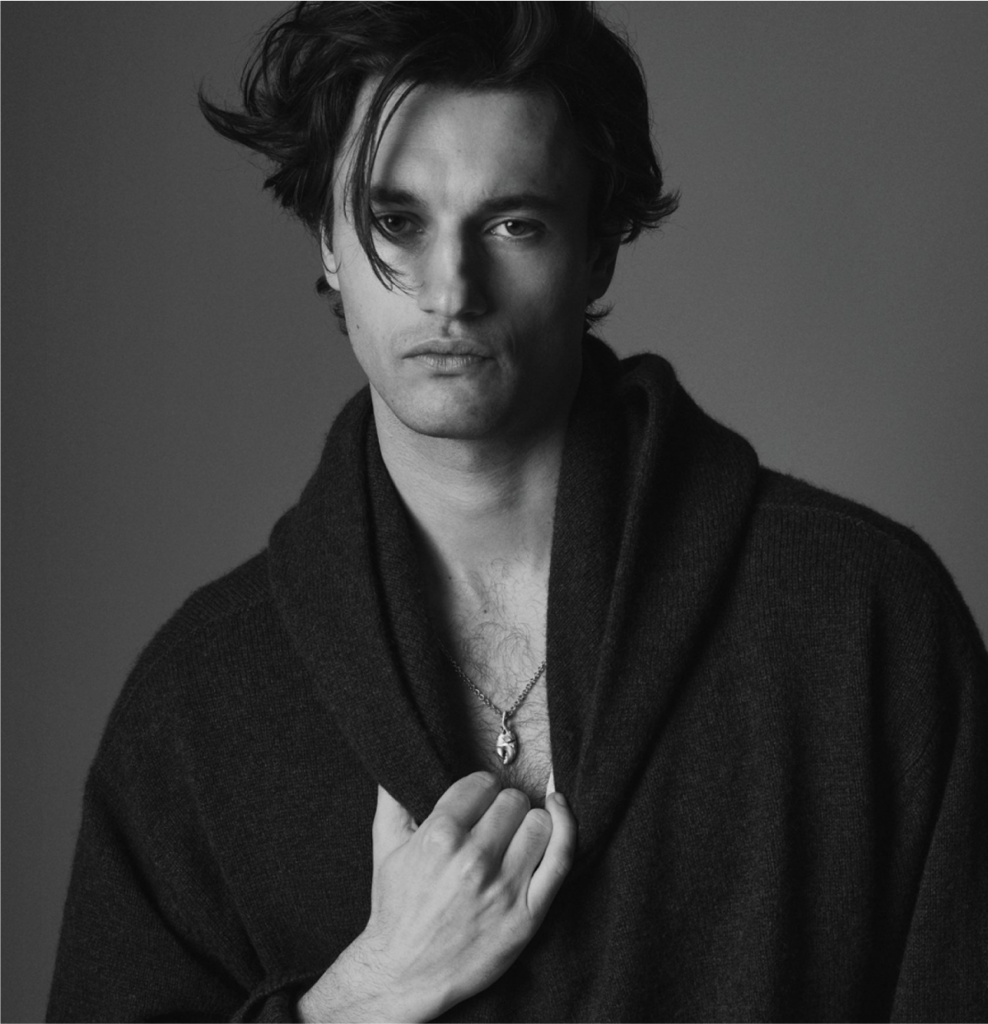
Jewelry by: Ole Lynggaard
This is precisely where one of the key trends in today’s jewelry world comes into play: jewelry is now defined less by rigid categories and more by its ability to complement different personalities, styles, and lifestyles.
Jewelry as an expression of personality
The industry is thus increasingly moving away from traditional classifications toward a more open-minded understanding of luxury. What matters most is no longer who “owns” a piece of jewelry, but how individually it is worn and interpreted.
This makes jewelry more personal, more emotional, and at the same time more suitable for everyday wear. At the intersection of craftsmanship, materials, and style, a new form of luxury emerges—one based less on rules and more on personality, transcending traditional roles and gender boundaries.