



Colored Gemstone of the Month May: The Emerald
Colored Gemstone of the Month May: The Emerald
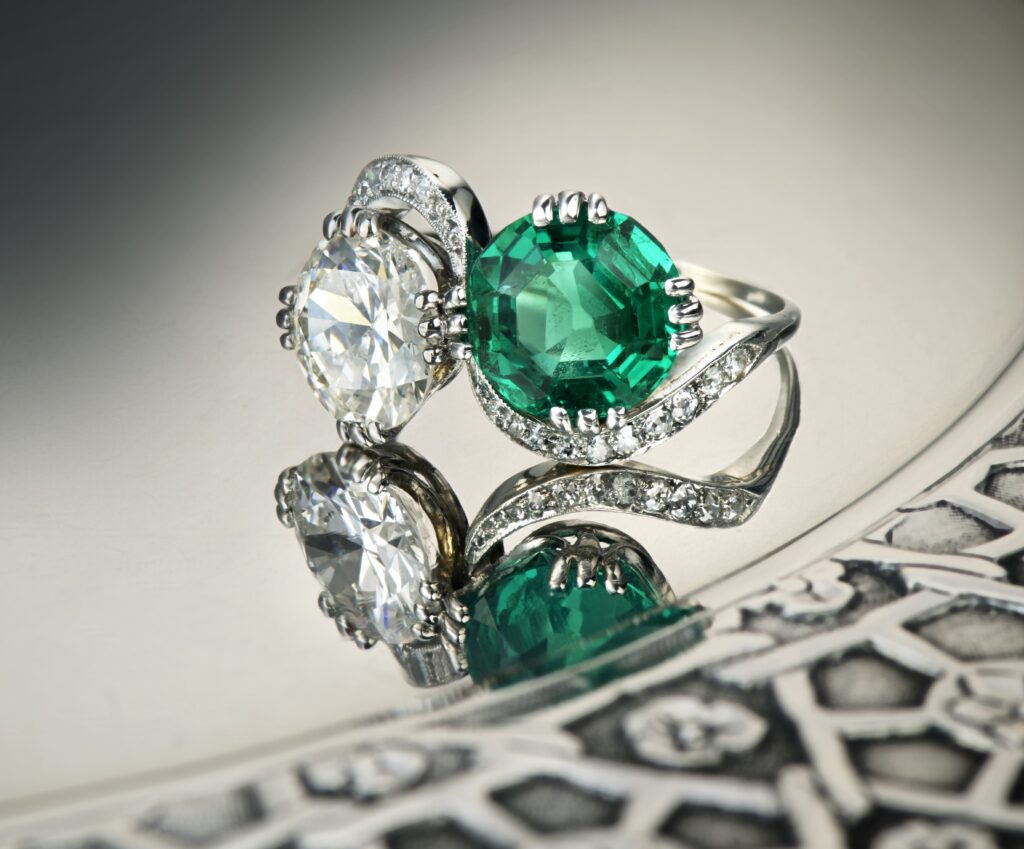
The birthstone of May is the emerald. With its vibrant green color, it's a perfect fit for spring. Its radiance makes it a king among colored gemstones and the centerpiece of many stunning pieces of jewelry.
Left: The 241.04-carat "Magnus Emerald," which was incorporated into an exclusive piece of Bulgari jewelry. © Bulgari
Emerald: The ultimate green
The colored gemstone of the month of May is the emerald – along with the ruby and the sapphire, one of the three absolute classic colored gemstones.
Its name comes from the Greek word "smaragdus," meaning "green." The emerald's name speaks for itself.
The Roman philosopher Pliny the Elder is said to have said of the emerald, "Nothing is greener." He wrote about the craft of gem cutters and noted that there was no better way to rest strained eyes than to feast on the sight of its soft green. The pleasant color of the stone, the scholar claimed, relieved the cutters of their exhaustion and weariness.
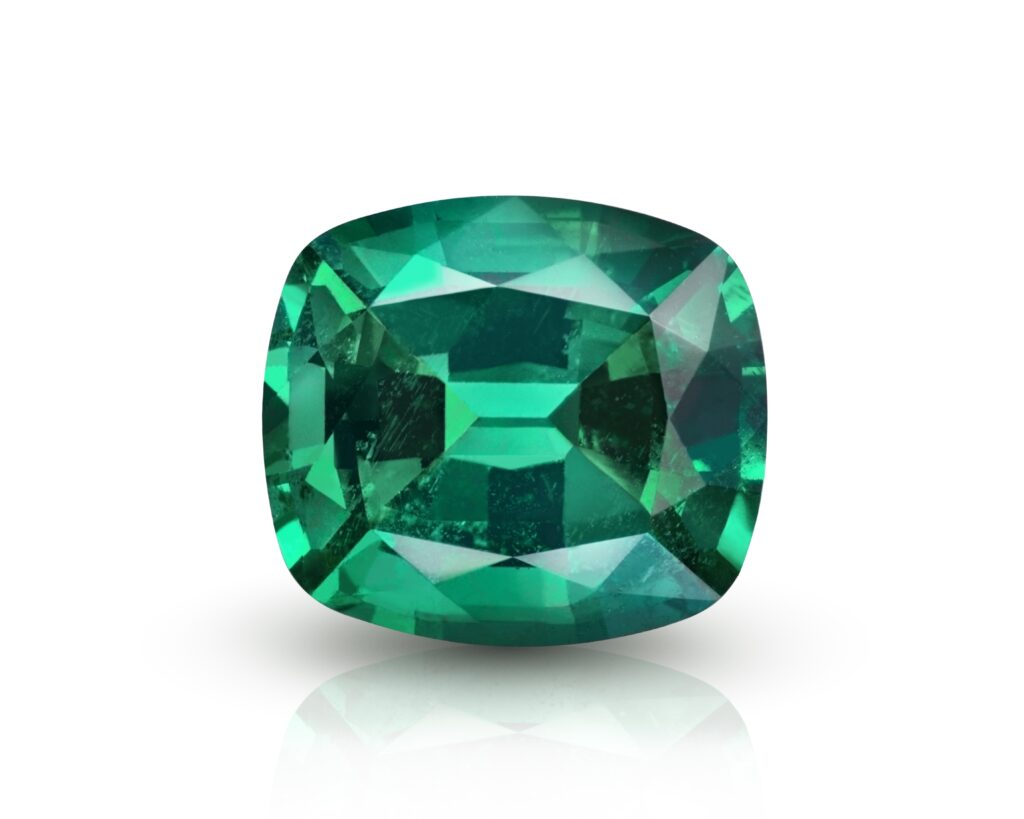

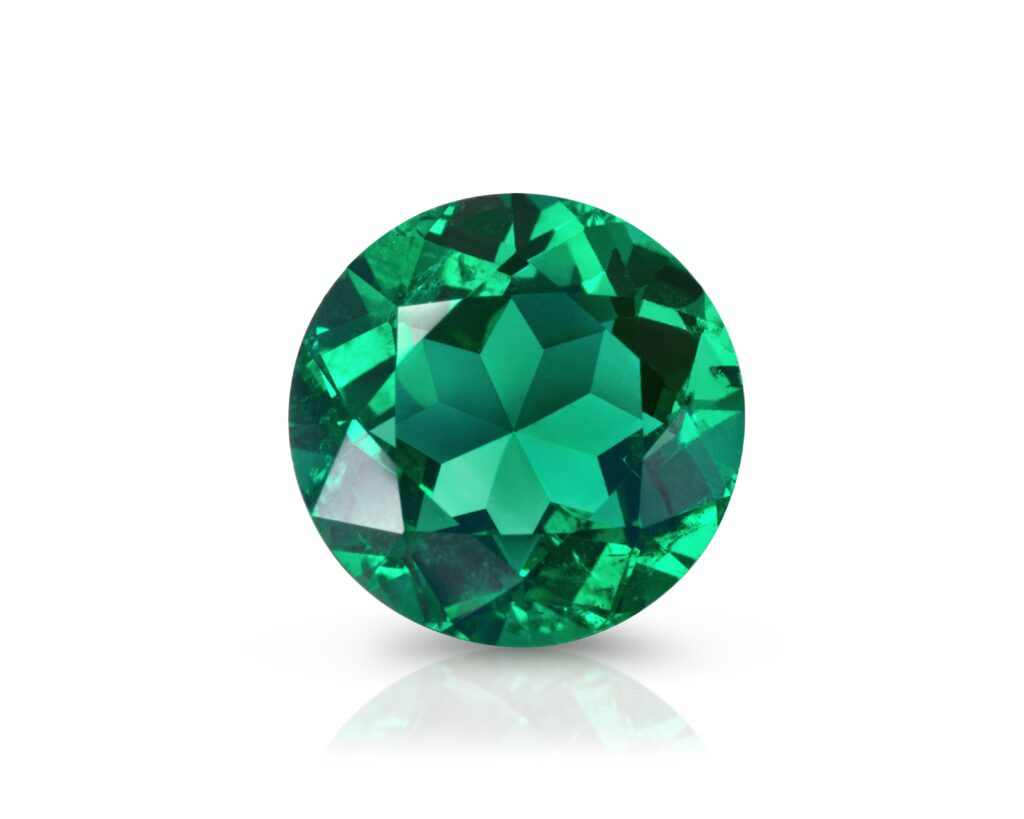
Other colored gemstones such as peridot, tsavorite, and tourmaline also impress with their attractive green tones, but only the emerald has been associated with the greenest and most lush landscapes. Ireland is nicknamed the "Emerald Isle" because of the many lush green meadows that characterize the landscape.
Even the Emerald Buddha, Thailand's national shrine, is not actually made of this gemstone, but was carved from green jade.
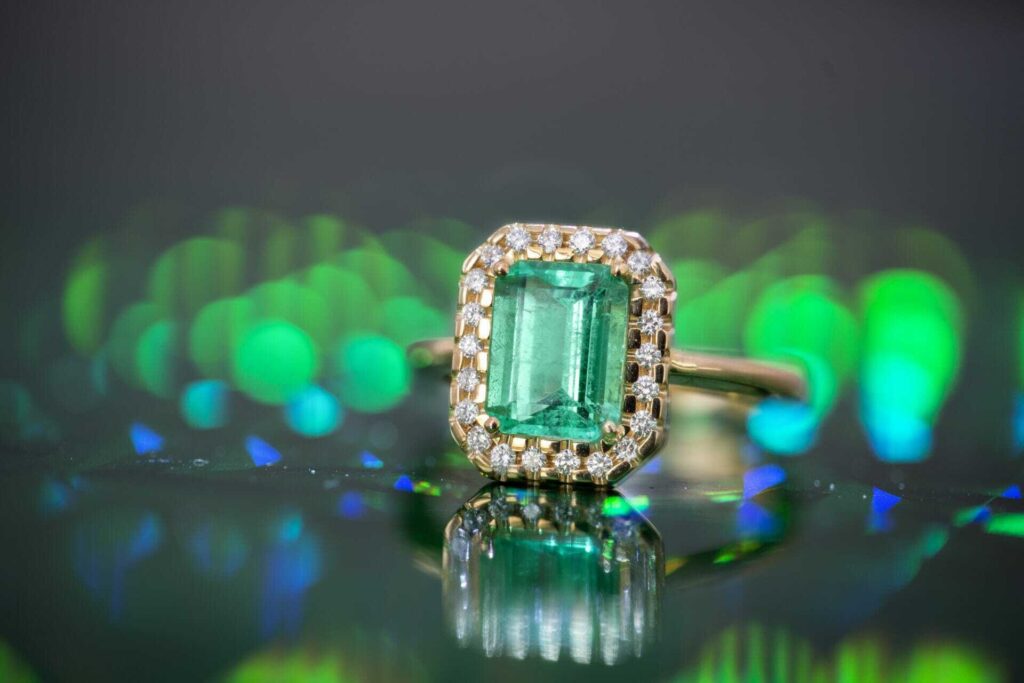
With its green color, the emerald symbolizes a connection to nature. It also stands for immortality and eternal youth. In ancient times, emeralds were believed to help with skin problems. The Greeks associated the emerald with truth and eloquence. Legends claimed that people could foresee the future if they placed an emerald on their tongue.
The emerald was also said to be the favorite gemstone of the legendary Queen Cleopatra; many of her jewelry pieces were adorned with emeralds. The first known emerald mines also originated in Egypt; they were mined from around 300 BC until the 18th century.
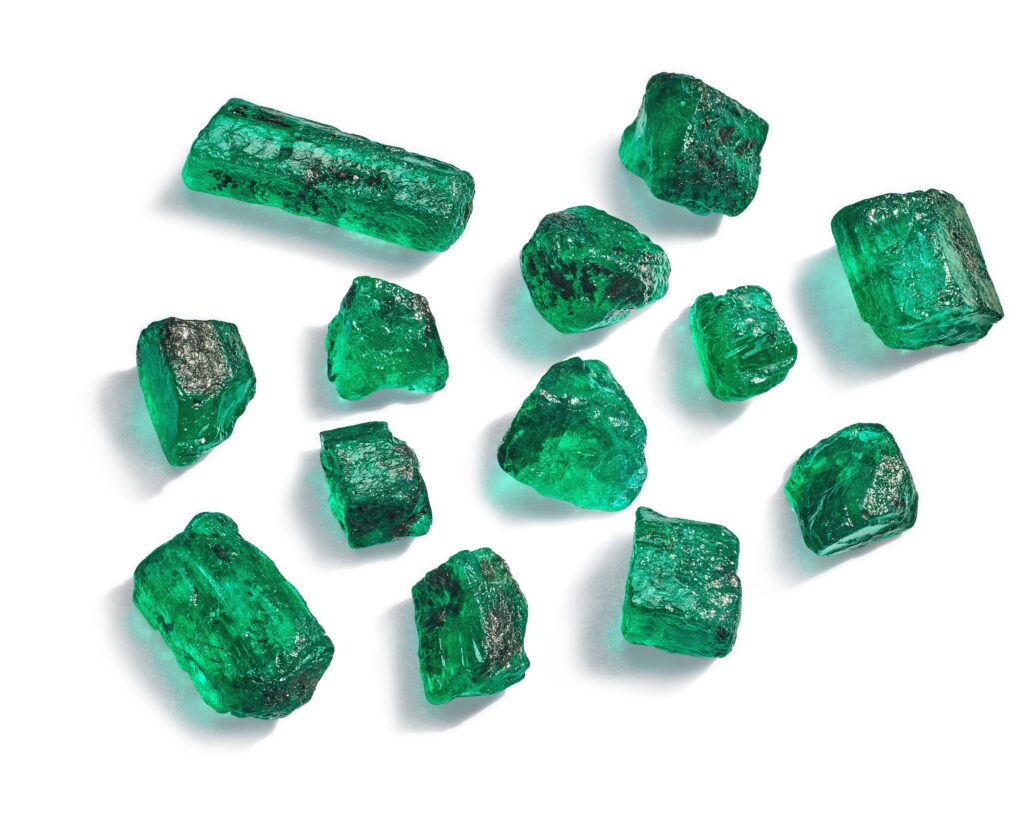
Occurrence and properties of the emerald
The emerald with its bluish-cool green tones belongs to the beryl mineral family, making it closely related to water-blue aquamarine, the colored gemstone of the month MarchThe emerald, like its blue counterpart, is therefore very suitable as a gemstone due to its high degree of hardness—7.5 to 8 on the Mohs scale. The emerald gets its green color from inclusions of chromium.
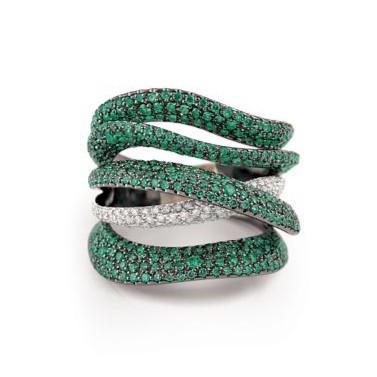
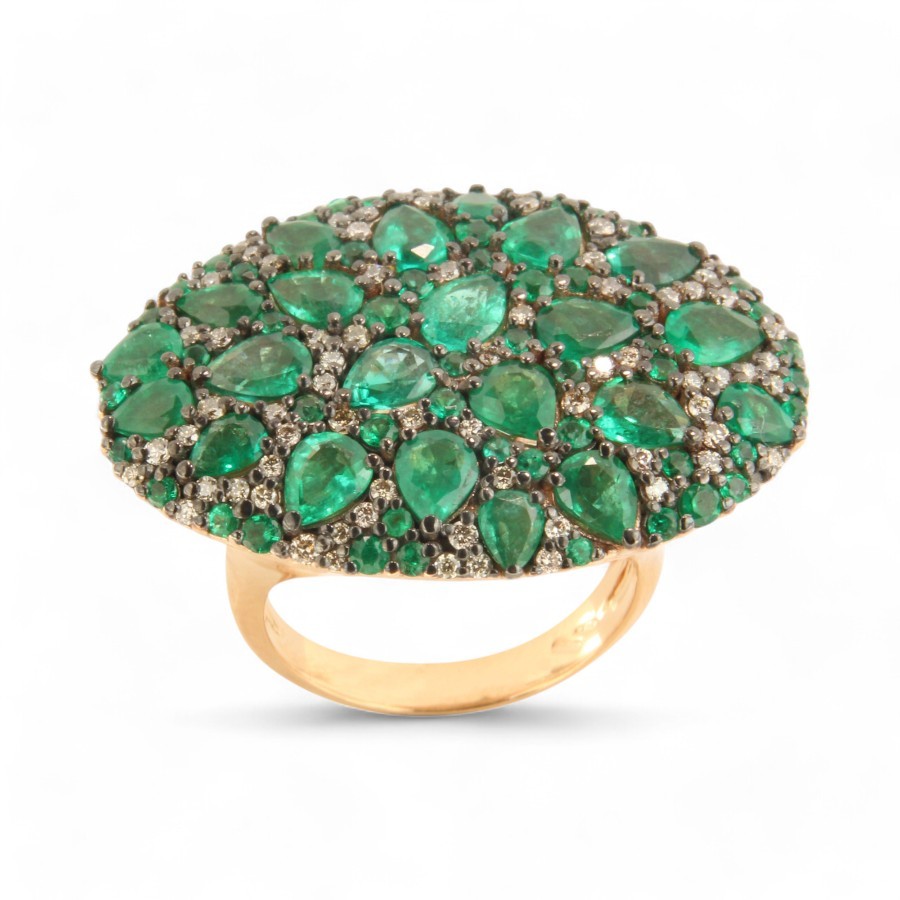
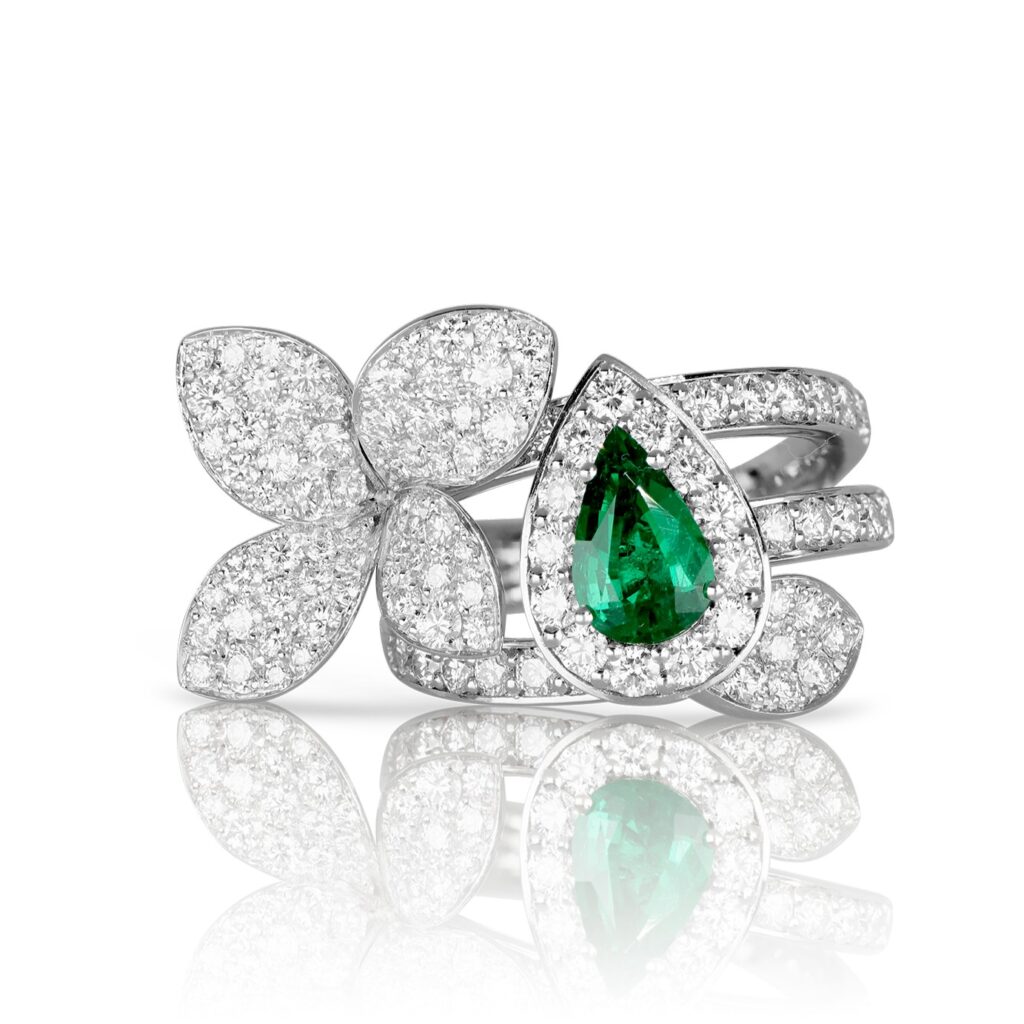
One of the most important sources of emeralds today is Colombia. As early as the 16th century, Spanish conquerors plundered the gemstones, which the Incas had already valued for 500 years and used in jewelry and ceremonies to worship the gods. However, the Spanish preferred to trade them for gold and silver. The emerald trade fueled the interest of European and Asian nobility in these majestic stones.
Today, Colombia has two major emerald mining areas: Muzo and Chivor. Emeralds of excellent quality are also found in Brazil, Zambia, and Russia.
Even in Austria, there are small deposits of emeralds. The site in the Habach Valley in the state of Salzburg is the only significant emerald find in Europe. A few smaller deposits also exist in Norway, Italy, and Switzerland.
The emerald as a gemstone
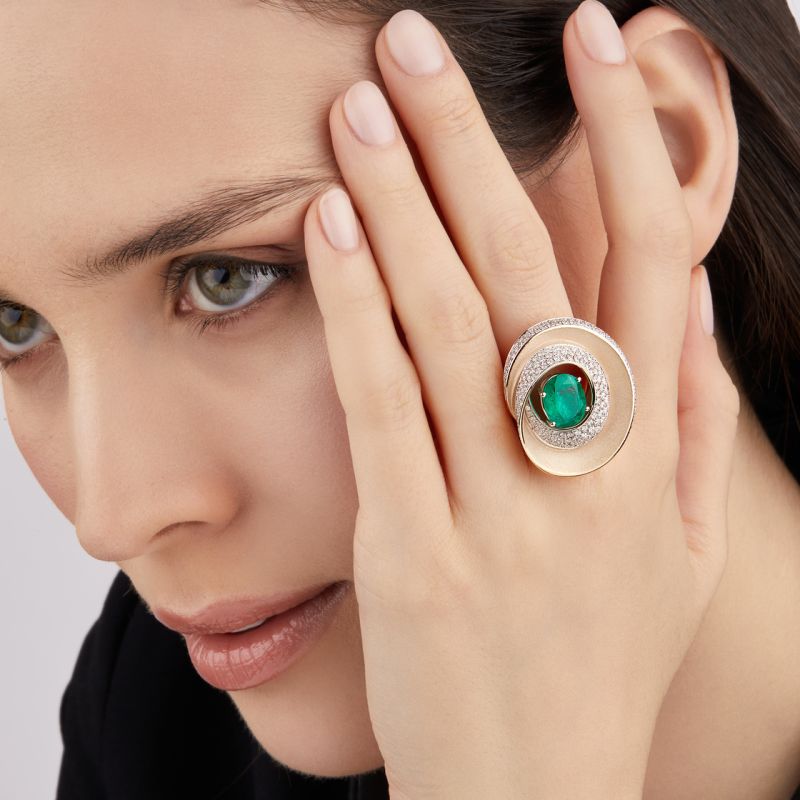
Emeralds are about 20 times rarer than diamonds, making them a truly special treasure. Despite their hardness, this doesn't mean they're invulnerable. Hard doesn't mean tough. Emeralds often have small inclusions, also called "jardins," that are visible to the naked eye.
This makes them more susceptible to breakage or splintering if they are subjected to impact. It's worth handling your emerald jewelry with care to ensure you can enjoy it for a long time.

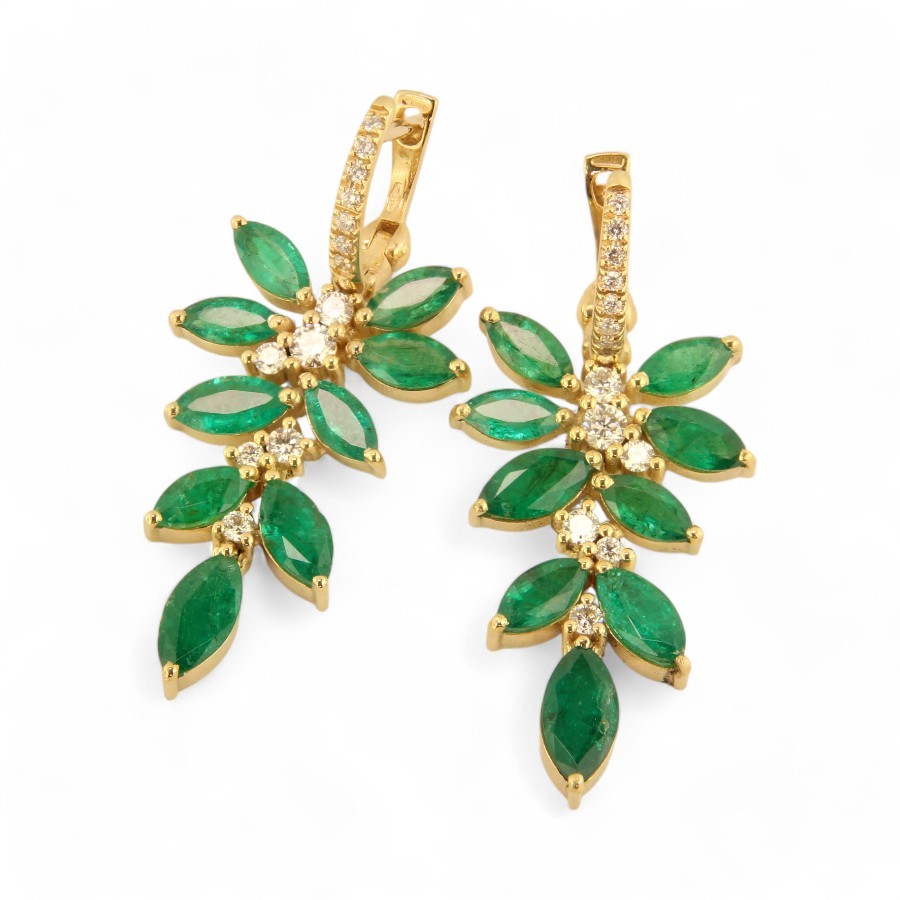
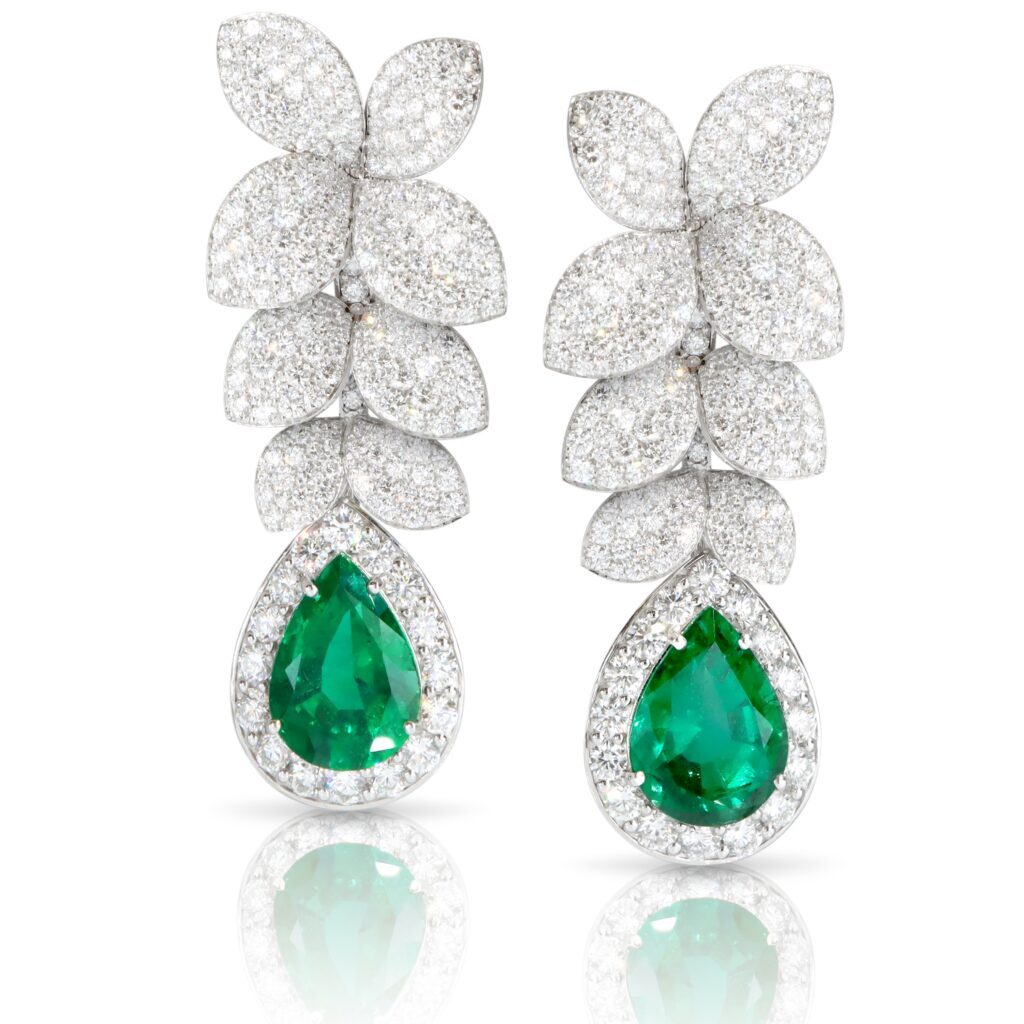
The clarity of an emerald can be improved by treating it with oil, which visually conceals some of the inclusions and protects the stone. Therefore, emeralds should not be cleaned in an ultrasonic bath. Chemicals such as chlorine or saltwater in the ocean can also damage the emerald and dull its shine—so you might want to leave your emerald jewelry at home for certain sporting activities.
Buy colored gemstones from a jeweler
The internet is full of jewelry and gemstone vendors. Unfortunately, the online aspect makes it difficult to know exactly what you're getting just by looking at the website. To be absolutely sure you're getting a decent product, you should go to a specialized retailer like a jeweler.
There, you can examine the jewelry in person and with your own eyes – colored gemstones, in particular, appear very different depending on the lighting conditions. A jeweler is usually an expert in their field and sources the jewelry from trusted gemstone dealers and jewelry manufacturers who can verify and guarantee the origin of the colored gemstones. One such company is the Richard Hans Becker company in Idar-Oberstein. Using special microscopes and various other machines, it is possible to determine whether a colored gemstone has been treated. Treatment with oil, as may be the case with emeralds, is not a problem, but it may affect the price – the better the natural quality of a stone, the more it costs. So it's worth asking.
Sources: Gemological Institute of America, Shoplc.de, Baunat.com, Mineralienatlas.de



 Deutsch
  English (UK)