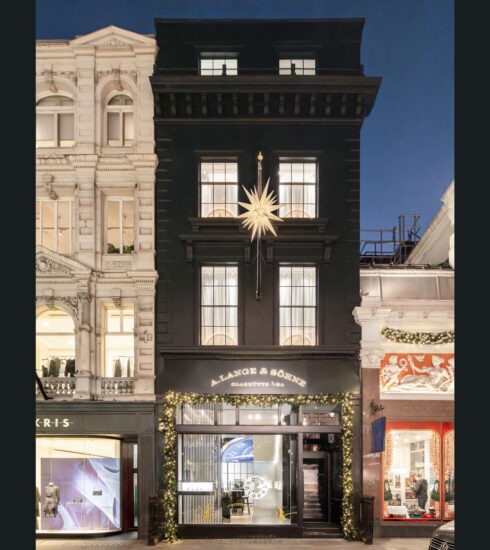


Bulova: „A History of Firsts“
Wer bei Bulova ausschließlich an „Accutron“ denkt, hat definitiv eine faszinierende Uhr im Sinn, aber leider nur eine sehr eingeschränkte Idee von dem, was die US-amerikanische Marke, welche seit 2008 zur Citizen Group gehört, ausmacht. In diesem Jahr feiert sie 150. Jubiläum.
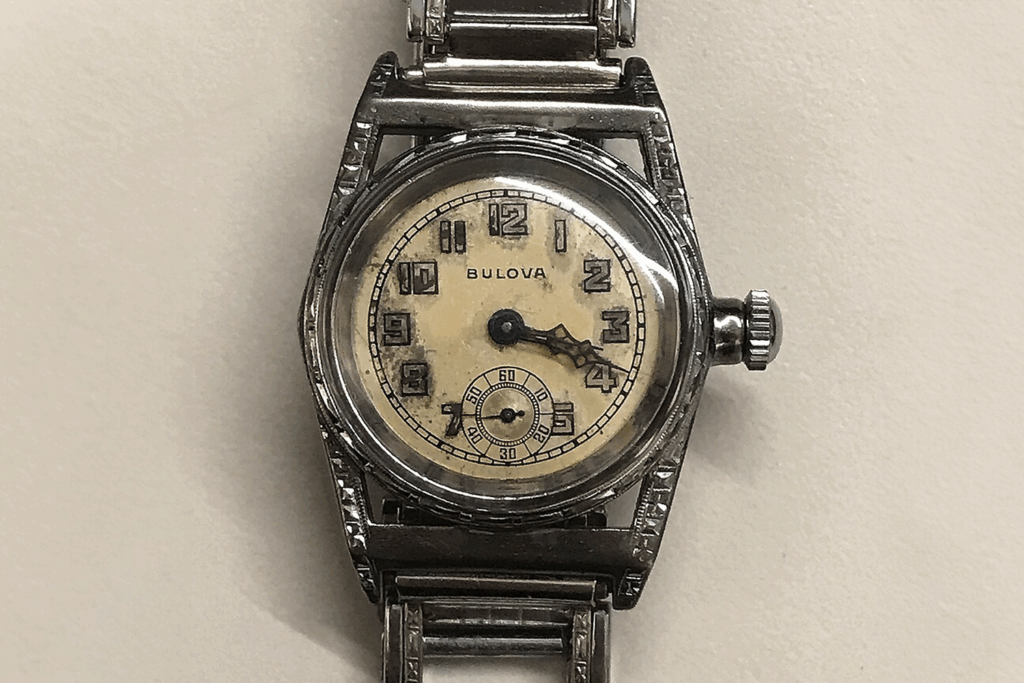
Befasst man sich mit der Geschichte von Bulova, dann liest man häufig die erste, das erste und so weiter. Denn die Marke gehört in vielen Bereichen zu den First Movern.
Und das gilt auch für die Art, wie man zum Jubiläum die eigene Geschichte dokumentarisch aufarbeitet und kommuniziert. Während viele Unternehmen ein Buch in Auftrag geben oder eine Ausstellung kuratieren würden, dreht Bulova einen einstündigen Film. Dieser nimmt die Zuschauer mit auf eine Zeitreise: von den Anfängen in Lower Manhattan bis in die Gegenwart.
Bulova – ein amerikanischer Traum
Joseph Bulova, gerade einmal 19 Jahre alt, begab sich mit Träumen und Entschlossenheit auf eine Reise von der heutigen Tschechischen Republik nach New York City. 1875 eröffnete er sein erstes Geschäft in Lower Manhattan und legte damit den Grundstein für eine Uhrenmarke, die sich zu einer Kultmarke entwickeln sollte.
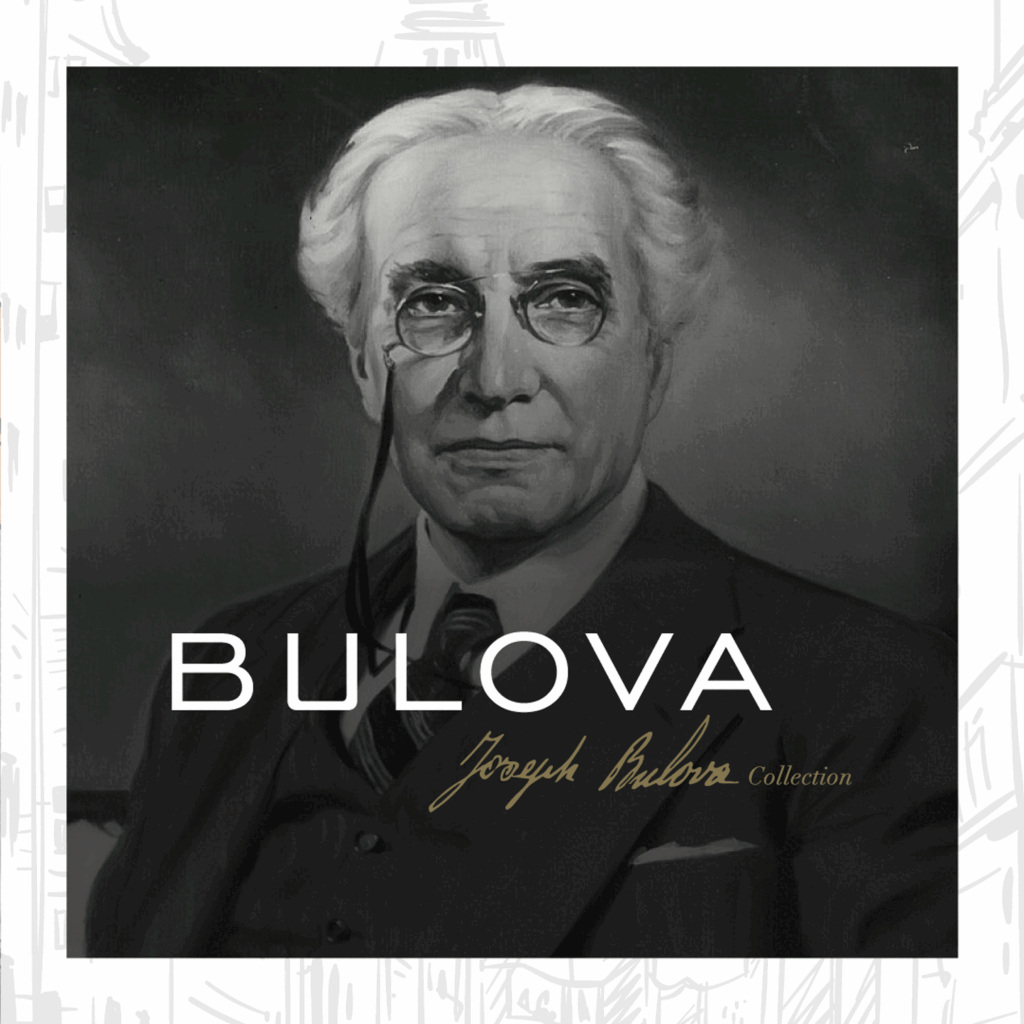
Bulovas revolutionärer Ansatz der Massenproduktion in der Uhrmacherei, der in seiner Fabrik im schweizerischen Biel das „American Watchmaking System“ anwandte, brachte ihm den Spitznamen „Henry Ford der Uhrmacherei“ ein.
Diese innovative Methode ermöglichte präzise und erschwingliche Zeitmesser und führte Bulova auf einen Weg kontinuierlicher Innovation und Vergrößerung des Sortiments.
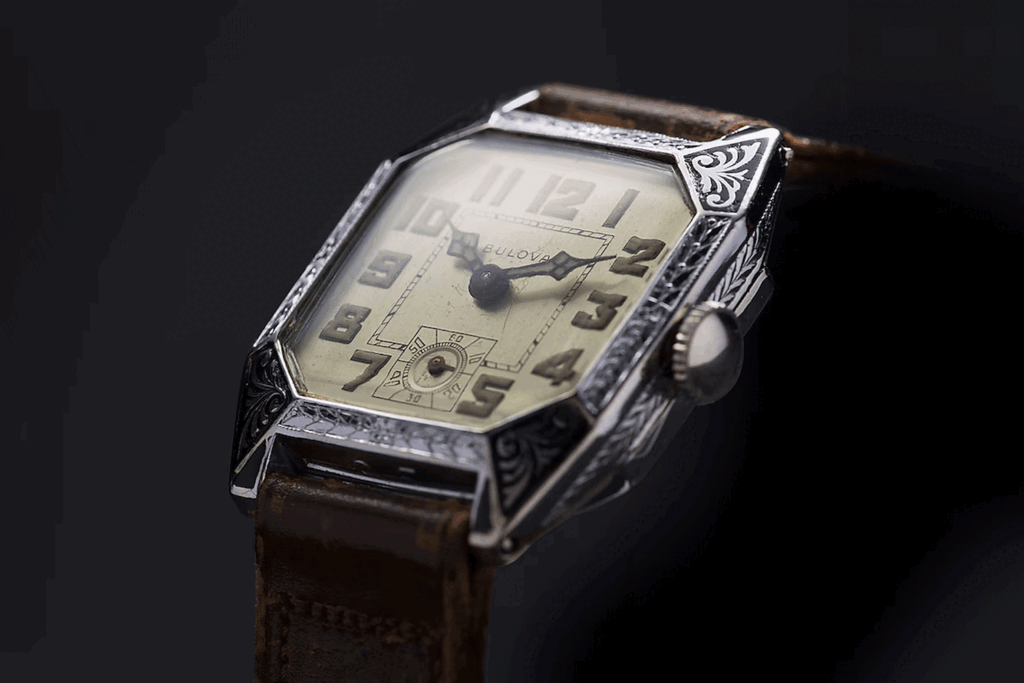
Die Jubiläums-Kollektion
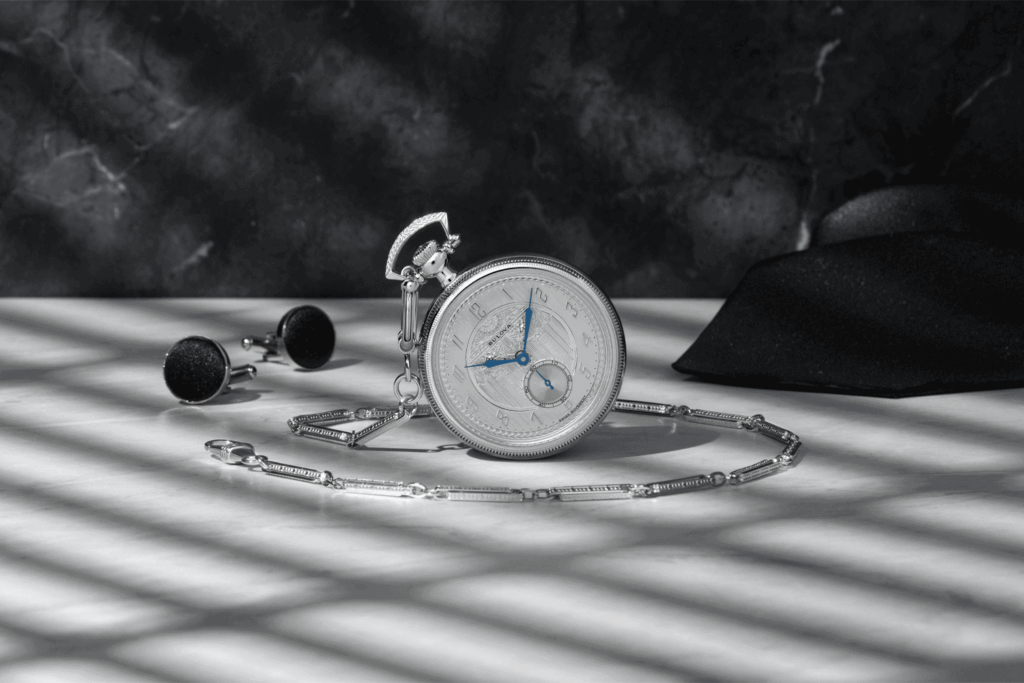
Zum 150. Jubiläum präsentiert Bulova eine Taschenuhr, die von einem Modell aus den 1920er-Jahren inspiriert ist. Das aufwendig gravierte Zifferblatt aus Sterlingsilber sowie der speziell gefertigte Karabinerhaken und Federring an der Gliederkette zelebrieren Bulovas Liebe zur Handwerkskunst. Im 45,5 Millimeter messenden Edelstahlgehäuse der auf 350 Exemplare limitierten Uhr tickt ein Schweizer Automatikwerk mit 62 Stunden Gangreserve. (UVP 2.250 €)
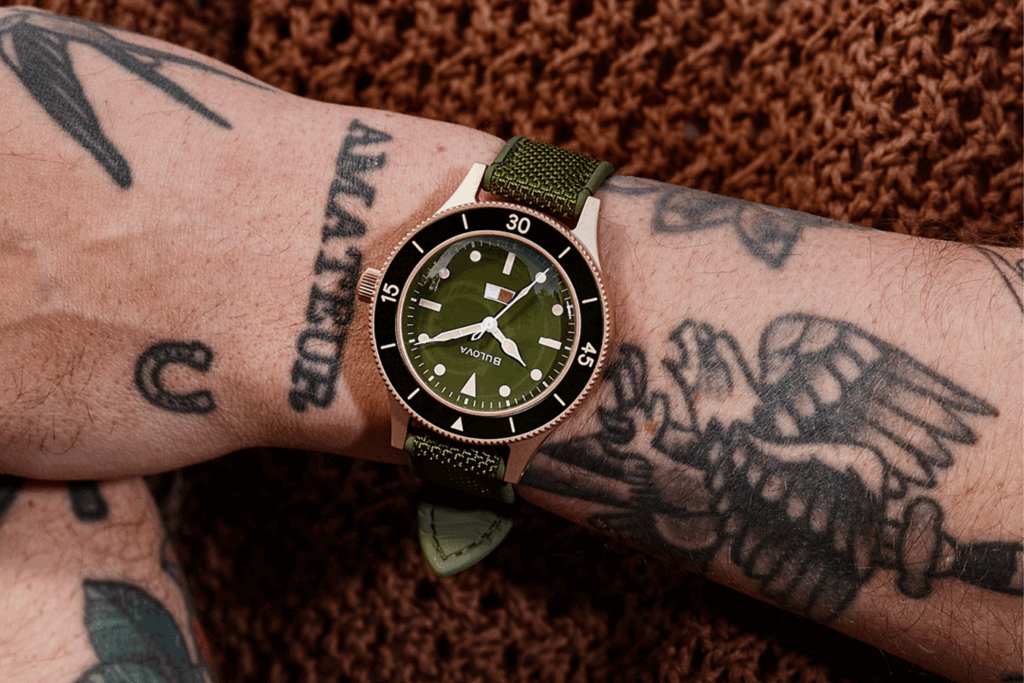
Ursprünglich in den 1950er-Jahren für die US-Marine entwickelt, präsentiert sich die „MIL-SHIPS“ im Jubiläumsjahr mit einem bis 20 Bar wasserdichten 41-Millimeter-Gehäuse aus Kupfer.
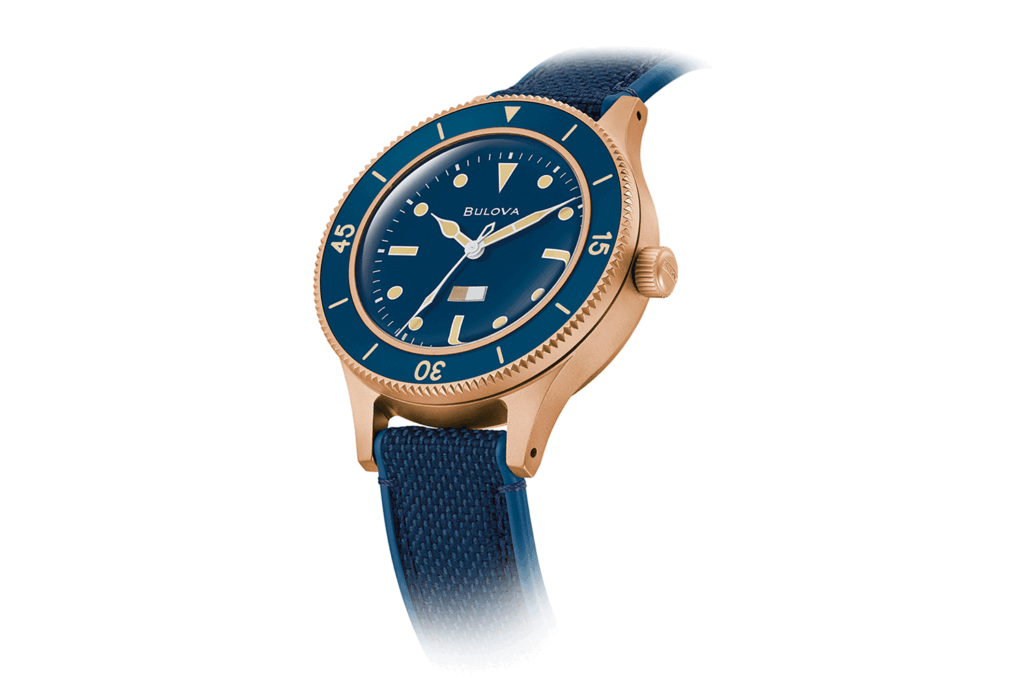
Inspirationsquelle sind die Kupfertaucherhelme aus dem 19. Jahrhundert.
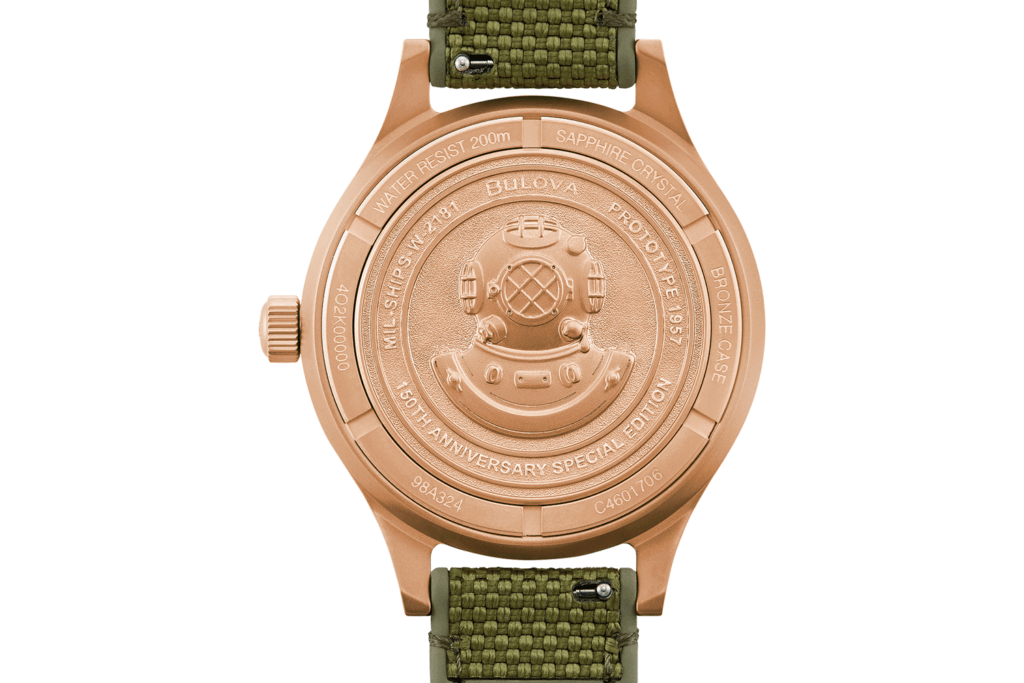
Die natürliche Patina der Legierung, die hauptsächlich aus Kupfer und Zinn besteht, kombiniert Bulova mit Zifferblatt-/Lünetten-Kombis in Grün oder Blau. Im Inneren arbeitet ein Automatikwerk mit 42 Stunden Gangreserve. (UVP 895 €)
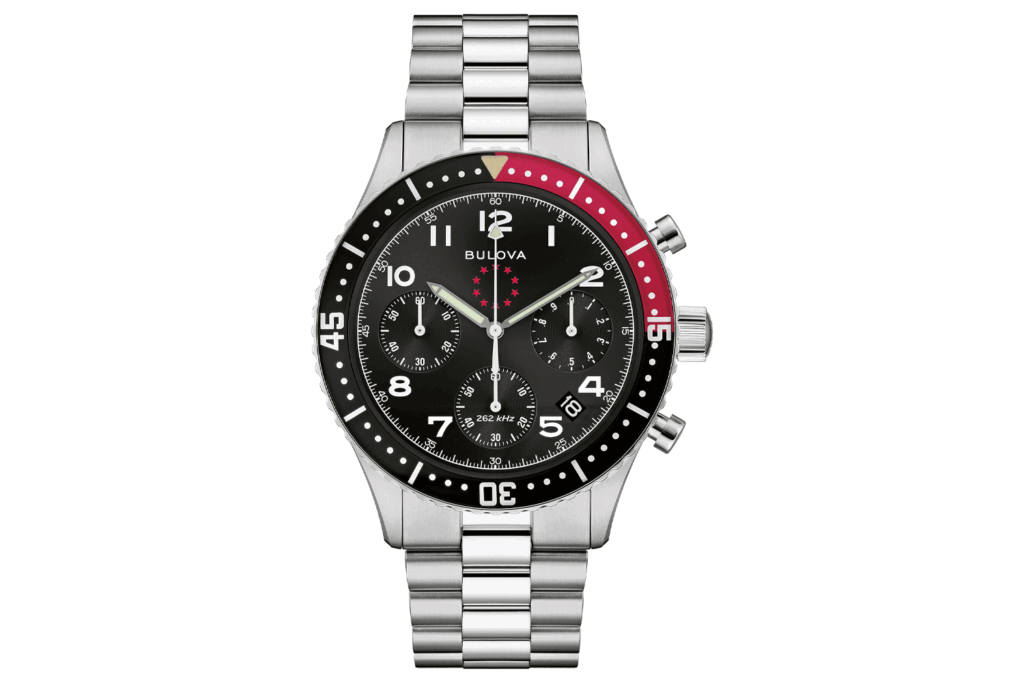
Die „Marine Star“ aus den 1970er-Jahren feiert Bulova mit einer Sonderedition mit Vintage-Logo auf dem Zifferblatt und Motiv-Prägung auf dem Gehäuseboden. Der Chronograph ist mit einem Quarzwerk im bis 20 bar wasserdichten 42,85-Millimeter-Edelstahlgehäuse bestückt und wird mit Jubiläumsbox und Booklet geliefert. (UVP 695 €)
Die 35-Millimeter-Varianten der „Marine Star“ kombinieren funktionale Wasserdichtigkeit bis zehn bar mit schimmerndem Perlmuttzifferblatt mit Open-Heart-Ausschnitt. Im Inneren des Edelstahlgehäuses arbeitet ein Automatikwerk mit 42 Stunden Gangreserve. (UVP 399 bzw. 449 €)

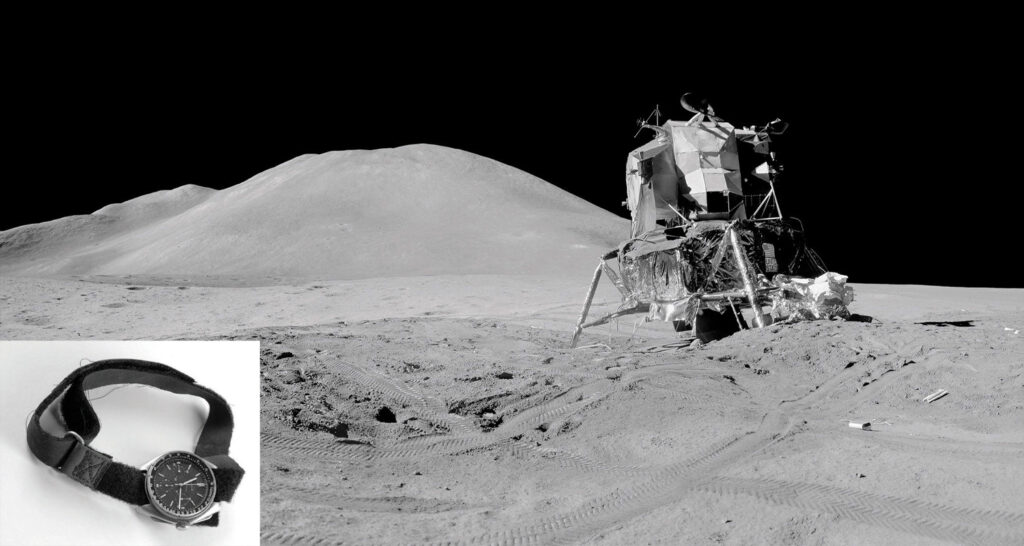
Mit der Sonderedition „Lunar Pilot“ zum 150. Geburtstag von Bulova erinnert die Marke mit einem Zifferblatt aus Meteoritengestein an die eigene Weltraumgeschichte. Genauer gesagt an den 2. August 1971, als bei der Mondlandung von Apollo 15 einer der Astronauten eine „Lunar Pilot“ trug.
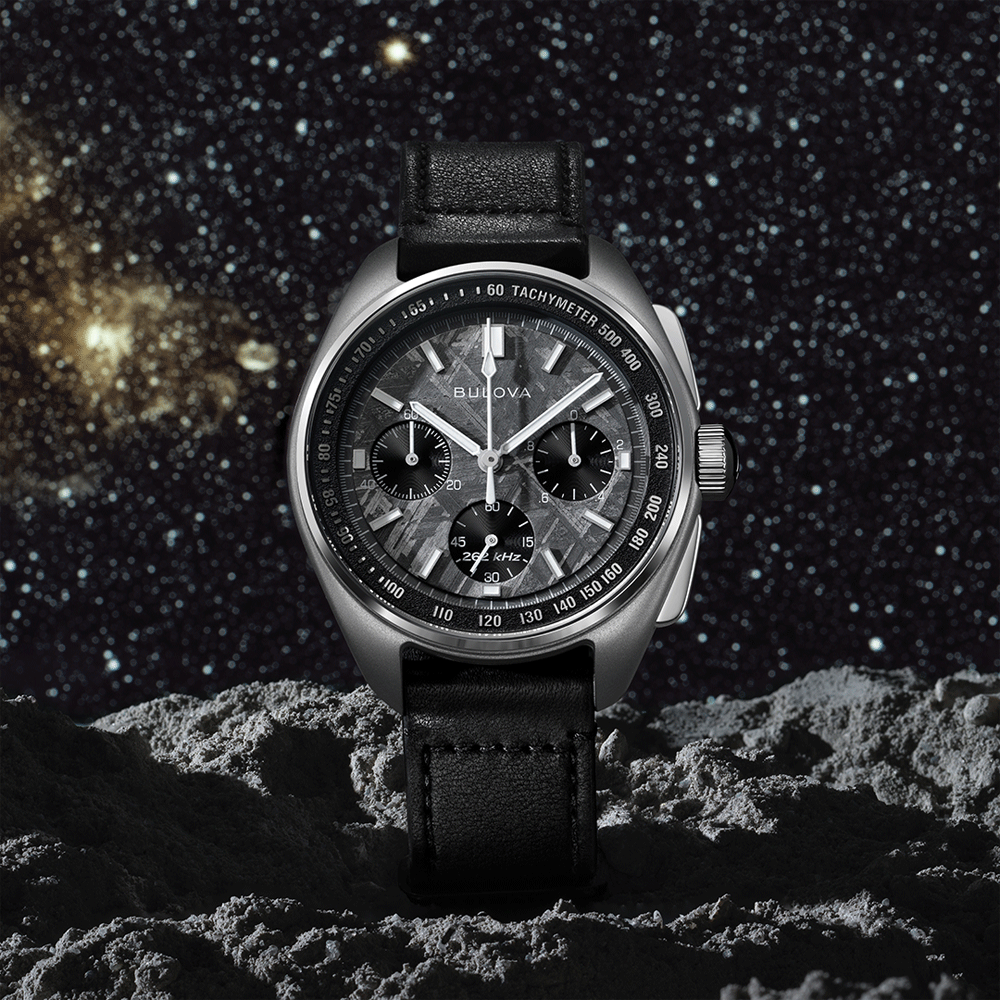
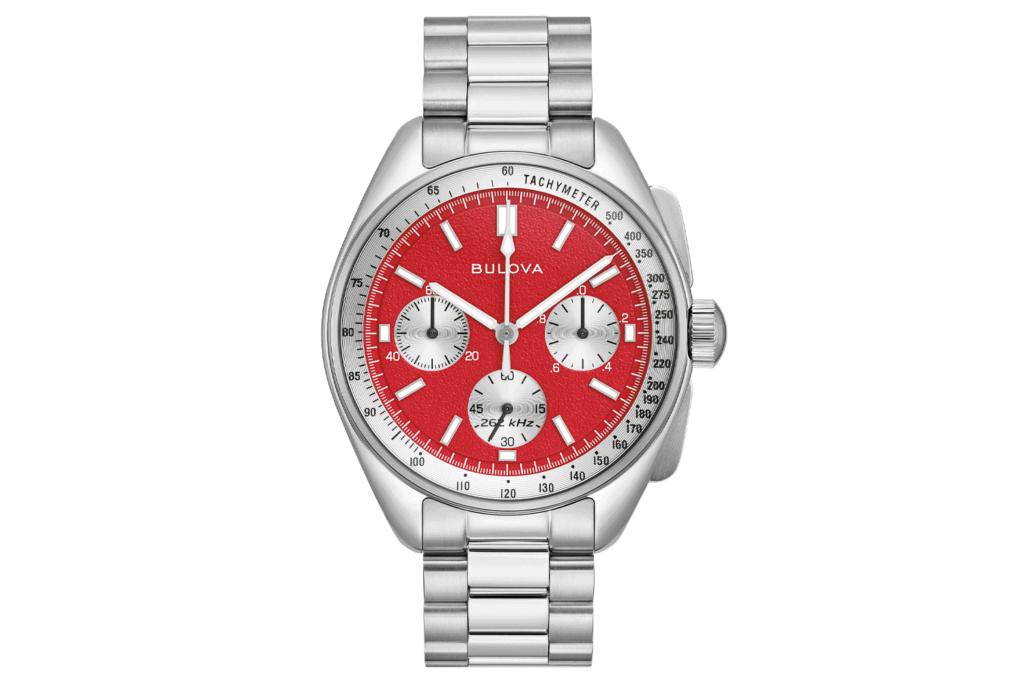
Das Pendant zieht die Blicke mit seinem leuchtend roten Blatt im Panda-Stil an. Für beide gilt: Das Edelstahlgehäuse misst 43,5 Millimeter im Durchmesser und beherbergt ein zuverlässiges Quarzwerk. (UVP 1.299 bzw. 699 €)
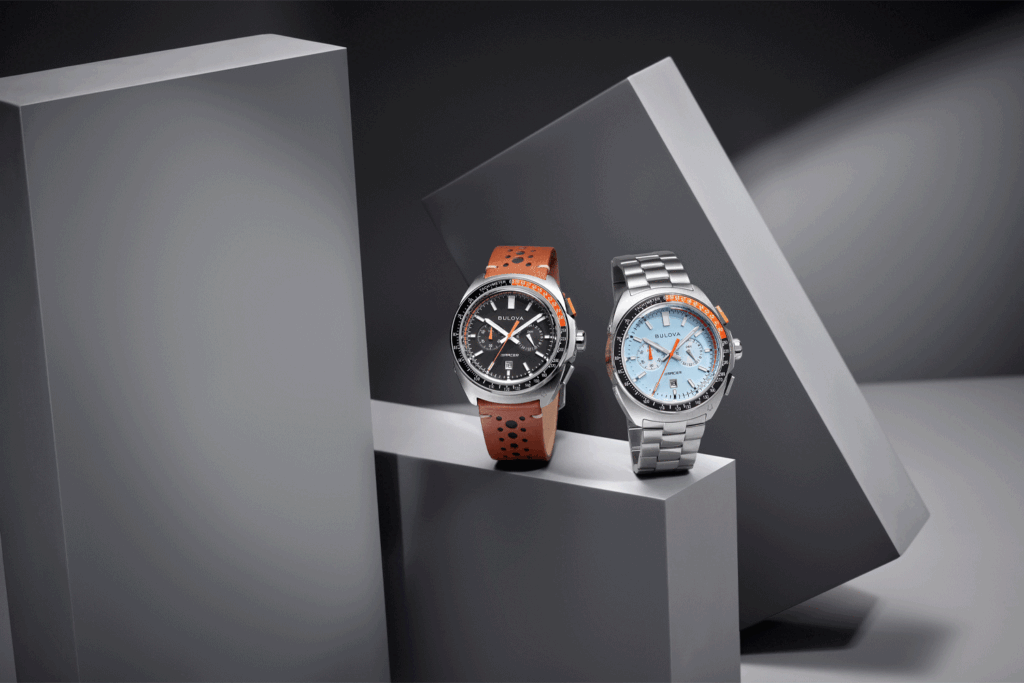
Der neue „Racer“-Chronograph nimmt ebenfalls Bezug auf die facettenreiche Geschichte der Marke Bulova, zu der auch der Motorsport gehört. Bereits 1957 war das Unternehmen Timing-Partner der berühmten Nascar-Serie. Die neuen Ausführungen verweisen optisch auf diese Tradition und werden in einer speziellen Box mit einem Story-Booklet geliefert. Die Quarz-Chronographen mit weißem oder blauem Zifferblatt sind mit einem bis zehn Bar wasserdichten 42-Millimeter-Edelstahlgehäuse ausgestattet, eines davon in PVD-Gold. (UVP 389, 399 bzw. 429 €)
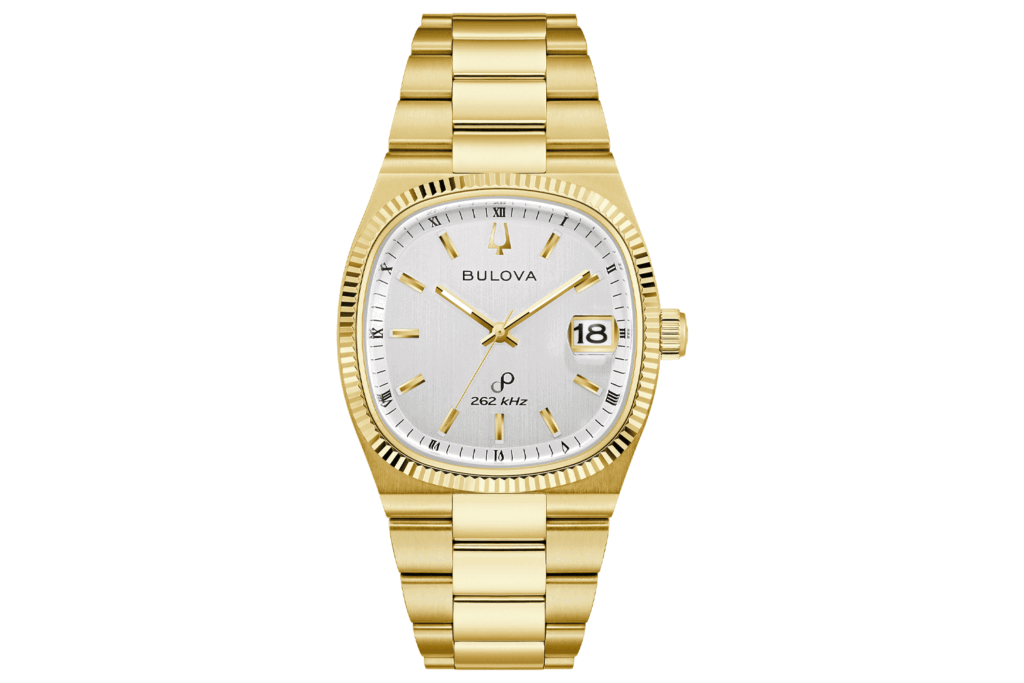
Inspiriert von der „Super Seville Day-Date“ aus den 1970er-Jahren, verbindet die neue Serie Retro-Ästhetik mit moderner Präzision.

Dank des 8-Juwelen-Quarzwerks von Bulova mit 262 kHz Frequenz bietet die Uhr eine außergewöhnlich hohe Ganggenauigkeit. (UVP 499 bzw. 599 €)
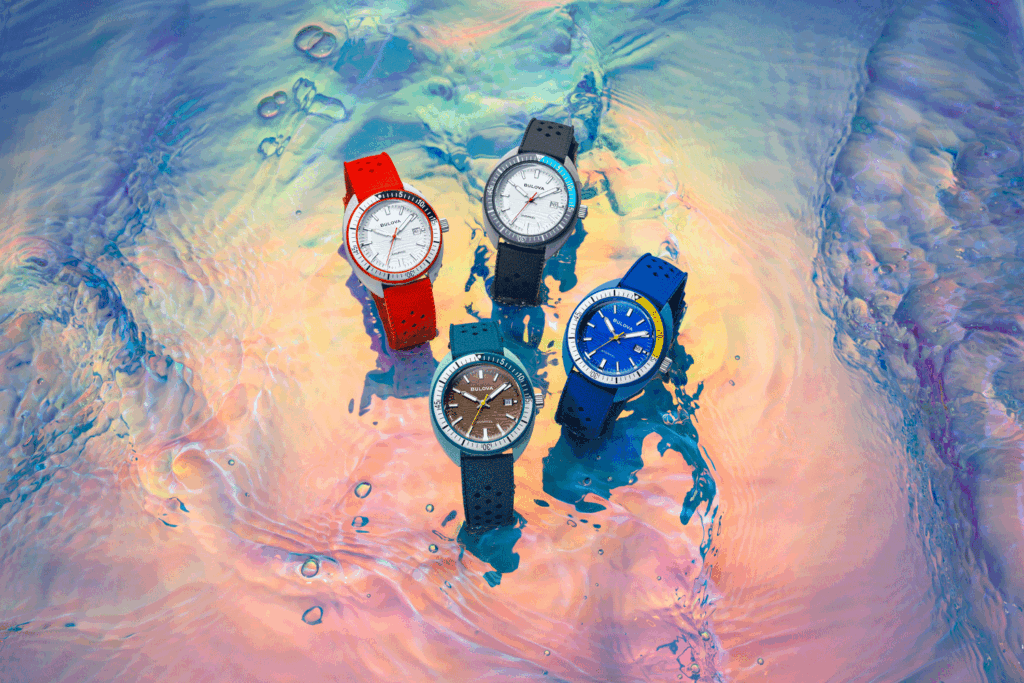
Die „Snorkel“-Serie zeigt sich passend zum Namen in vom Meeresleben inspirierten Farbtönen. Bis zehn bar wasserdicht, setzen die vier Modelle auf ein 41-Millimeter-Gehäuse aus einer innovativen Hybridkeramik – einem Verbundmaterial, das sich angenehm glatt anfühlt und eine verbesserte Haltbarkeit aufweist. (UVP 249 €)
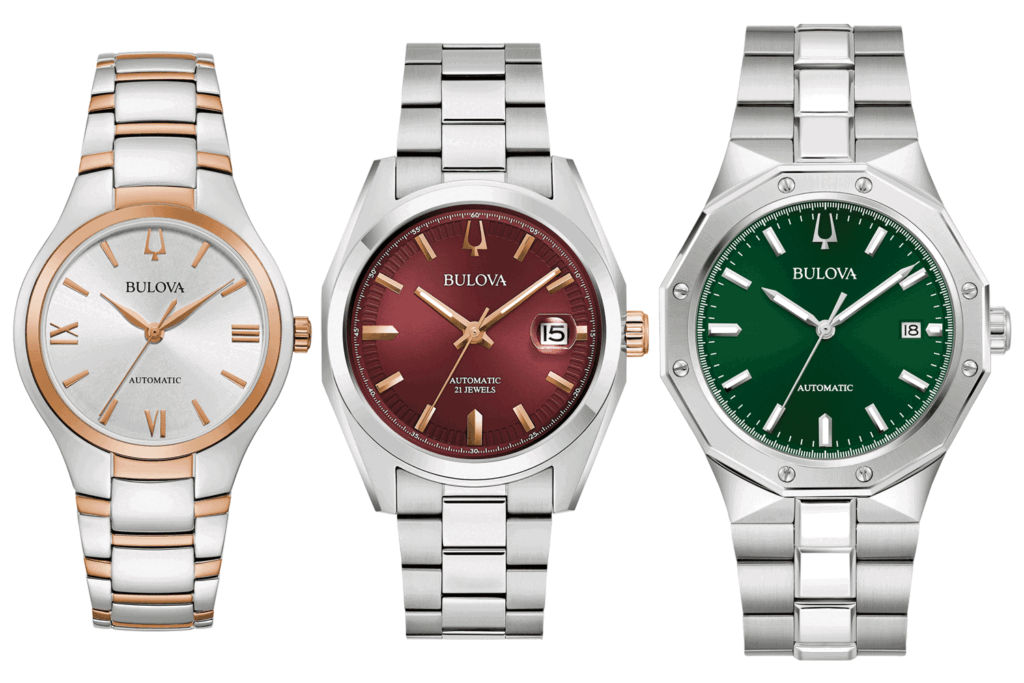
Hinzu kommen Automatikmodelle der Linien „Classic“, „Surveyor“ und „Octa“ mit zahlreichen Zifferblattfarben zur Auswahl in den Größen 34, 39 und Millimeter.
Meilensteine und Historie von Bulova
1911: Start der Taschen- und Großuhrenproduktion in den USA
1912: Eröffnung einer Uhrenfabrik in Biel (Schweiz) für die Herstellung von Uhrenteilen und Montage von Uhrwerken
1919: Markteinführung von edelsteinbesetzten Herrenuhren
1924: Bulova stellt die erste Damenuhren-Kollektion vor, darunter auch mit Diamanten besetzte Exemplare.
1926: Bulova präsentiert die erste Hörfunkwerbung mit dem Slogan: „At the tone, it’s 8 P.M.- Bulova watch time“. („Beim Ton ist es acht Uhr, Bulova Watch Time”)
1927: Charles Lindbergh fliegt als Erster allein nonstop über den Atlantik. Er erhält über 1.000 Dollar Preisgeld und eine Bulova-Uhr. Bulova gibt außerdem eine Sonderedition der „Lone Eagle“-Uhr heraus.
1928: Bulova präsentiert das erste Uhrenradio.
1930er-Jahre: Markteinführung staub- und wasserdichter Uhren.
1931: Bulova stellt die welterste elektrische Großuhr vor und ist der erste Uhrenhersteller, der in einem Jahr über eine Million Dollar für Werbung ausgibt.
1941 Bulova präsentiert die weltweit erste Fernsehwerbung.
1945: Arde Bulova, Sohn des Firmengründers, eröffnet die Joseph Bulova School of Watchmaking für Kriegsversehrte, um ihnen eine neue Berufsperspektive zu bieten.
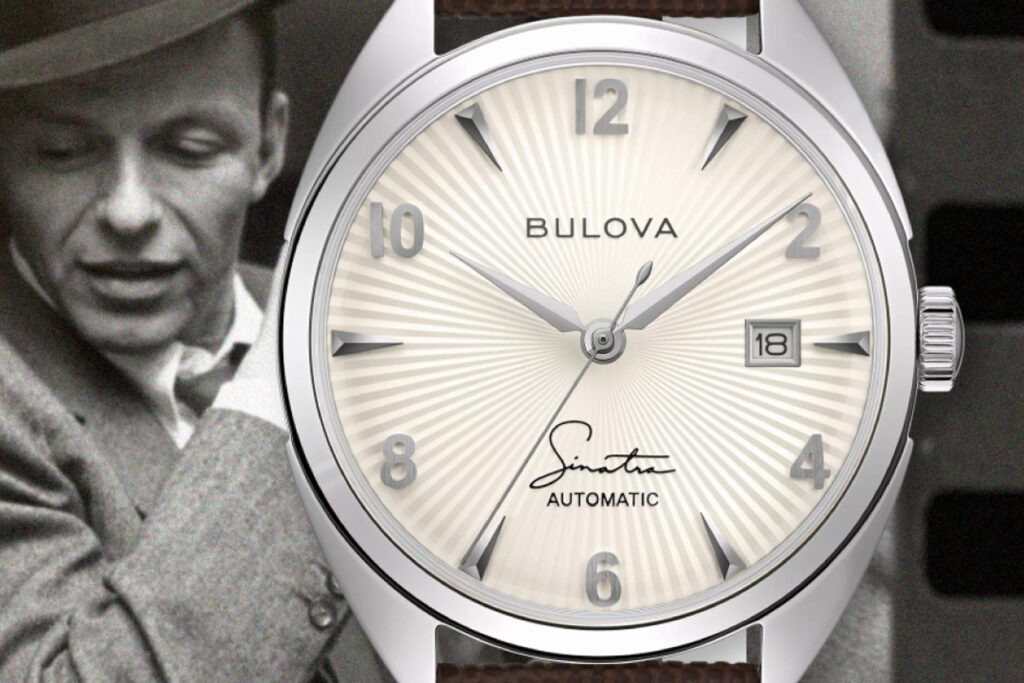
1952: Bulova sponsert die „Frank Sinatra Show“ fort, was zur Kreation einer ganzen Linie von Frank-Sinatra-Uhren führt.
1955: Eine Studie belegt, dass in den USA Bulova-Produkte mehr beworben werden als jedes andere Produkt.
1956: Bulova wird Co-Sponsor der Jackie Gleason Show und schließt damit den bis dahin größten Sponsorenvertrag einer Uhrenfirma ab.
1960er-Jahre: Die „Accutron“ wird 1960eingeführt. Es ist die weltweit erste elektronische Uhr, ausgestattet mit dem firmeneigenen Precisionist-Uhrwerk. Die NASA beauftragt Bulova, „Accutron“ in ihre Computer für das Weltraumprogramm zu integrieren. Bulova-Zeitmessmechanismen werden schließlich zu einem integralen Bestandteil von 46 Missionen des US-Weltraumprogramms in den 1960er-Jahren. Die „Accutron“ wird außerdem zu einem Präsidentengeschenk an Staatsoberhäupter und andere Würdenträger.
1967: „Accutron“-Zeitmesser sind die einzigen Uhren an Bord der Air Force One.
1969: Ein „Accutron“-Uhrwerk ist Teil der Ausrüstung, die die Apollo-11-Astronauten, die ersten Menschen auf dem Mond, auf dem Mond platzieren. Ein Bulova-Timer wird im „Meer der Ruhe“ des Mondes platziert, um die Übertragung wichtiger Daten über die Jahre hinweg zu steuern.
1970: Die „Accuquartz Calendar“ ist die erste Quarzuhr im amerikanischen Einzelhandel. Sie ist aus 118-Karat-Goldund kostete 1.325 US-$.
1971: Ein Bulova-Chronograph ist an Bord der Apollo 15.
1983: Bulova bringt die „Dimension“ auf den Markt. Sie ist die flachste Wanduhr der Welt und misst nur gut 1,5 Zentimeter in der Höhe.
2000: Am 4. Oktober ruft Bürgermeister Rudolph Giuliani zu Ehren von Bulovas 125. Geburtstag einen „Bulova Day“ in New York City aus.
2008: Die Citizen Group kauft Bulova für 247 Millionen US-$.
2016: Bulova stellt mit „Curv“ den weltweit ersten Chronographen mit gebogenem Uhrwerk vor.
2019: der Chronograph „Curv“ wird mit dem Inhorgenta Award in der Kategorie „Watch Design oft he Year“ ausgezeichnet.
Blick zurück und nach vorn
„Bulova war in der gesamten amerikanischen Geschichte und auch heute noch stets präsent und hat einige der einfallsreichsten, ikonischsten und innovativsten Uhren der Welt hergestellt und damit wichtige Momente geprägt“, betont Jeffrey Cohen, Präsident von Citizen Watch America.
„Die Marke hat zweifellos Grenzen in der Uhrmacherei durchbrochen und die Gesellschaft positiv beeinflusst. Vom Aufbau der ersten Veteranenschule für Uhrmacherei direkt nach dem Zweiten Weltkrieg, zu der wir noch heute beitragen, bis zu authentischen Marketingkampagnen wie ‚Equal Time, Equal Pay‘ in den 1970er-Jahren. Auch nach 150 Jahren kreiert Bulova weiterhin herausragende Produkte und spiegelt den amerikanischen Traum wider, den Joseph Bulova verwirklichte.“
„Mit Blick auf die nächsten 150 Jahre wird Bulova unermüdlich Innovationen vorantreiben und sein starkes Fundament aus zukunftsorientiertem Design und technologischem Fortschritt auch in den kommenden Jahren nutzen.“
Jeffrey Cohen
„Accutron“ – eine ganz besondere Uhr
Die „Accutron Spaceview“ von Bulova wurde 1960 erstmals vorgestellt und gilt als die erste vollelektronische Uhr der Welt und wichtige Innovation der Uhrmacherei. Mit ihrer elektronischen Stimmgabel war und ist die „Accutron Spaceview“ nicht nur die berühmteste Uhr Bulovas, sie ebnete auch den Weg zur digitalen Uhr, lieferte eine bis dahin mit mechanischen Uhren unerreichte Präzision und gilt als eine Vorläuferin der Quarzuhr. Der Name „Accutron“ setzt sich daher folgerichtig aus den Begriffen Accuracy und Electronic zusammen.

Neu war dabei vor allem die elektronische Stimmgabel als Regulierorgan, deren Frequenz von 360 Hz deutlich wahrnehmbar ist, wenn man die „Accutron Spaceview“ ans Ohr legt. Der elektronische Biegeschwinger – so der Fachausdruck für die elektronische Stimmgabel – ermöglichte mit einer Gangabweichung von maximal einer Minute pro Jahr eine neue Dimension der Präzision.
Die Genauigkeit und Zuverlässigkeit dieser Technologie beeindruckten sogar die NASA, sodass sie für Cockpit-Instrumente bei fast 50 Weltraum-Missionen verwendet wurde, einschließlich des Apollo-Mondlandeprogramms. Auf dem Mond befindet sich übrigens bis heute ein wenig „Accutron“, und zwar in dem Mondfahrzeug, das die Apollo-11-Besatzung 1969 im „Mare Tranquillitatis“ des Erdtrabanten zurückließ.
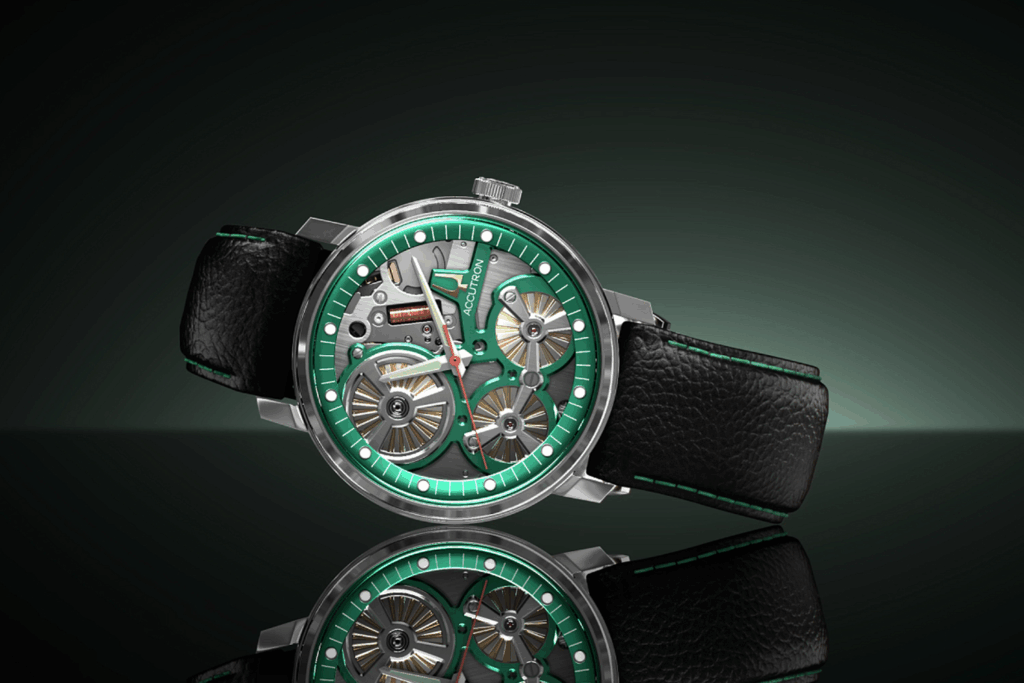
Zum 60. Geburtstag präsentierte Bulova die „Spaceview 2020“, die welterste Uhr, die mit elektrostatischer Energie versorgt wird. Dabei treibt die in einem Akkumulator gespeicherte Energie zwei Motoren an: einen für die schleichende Sekunde und einen für Stunden- und Minutenzeiger. Beide Motoren werden durch integrierte Schaltkreise synchronisiert, um eine Genauigkeit von +/- 5 Sekunden pro Monat zu gewährleisten. Optisch erinnert die „Spaceview 2020“ unübersehbar an ihre Vorgängerin von 1960. Das offene Zifferblatt mit den immer noch futuristisch wirkenden grünen Akzenten erlaubt den Blick auf das neue Uhrwerk.
„Diese neuen, mit elektrostatischer Energie betriebenen Zeitmesser sind die ersten ihrer Art und zollen dem ikonischen‚Spaceview‘-Design Tribut, das ‚Accutron‘ die Anerkennung als Vorreiter der Branche einbrachte“, sagte Jeffrey Cohen, Präsident von Citizen Watch America, anlässlich ihres Erscheinens.
„Rubaiyat“ – in eigener Sache
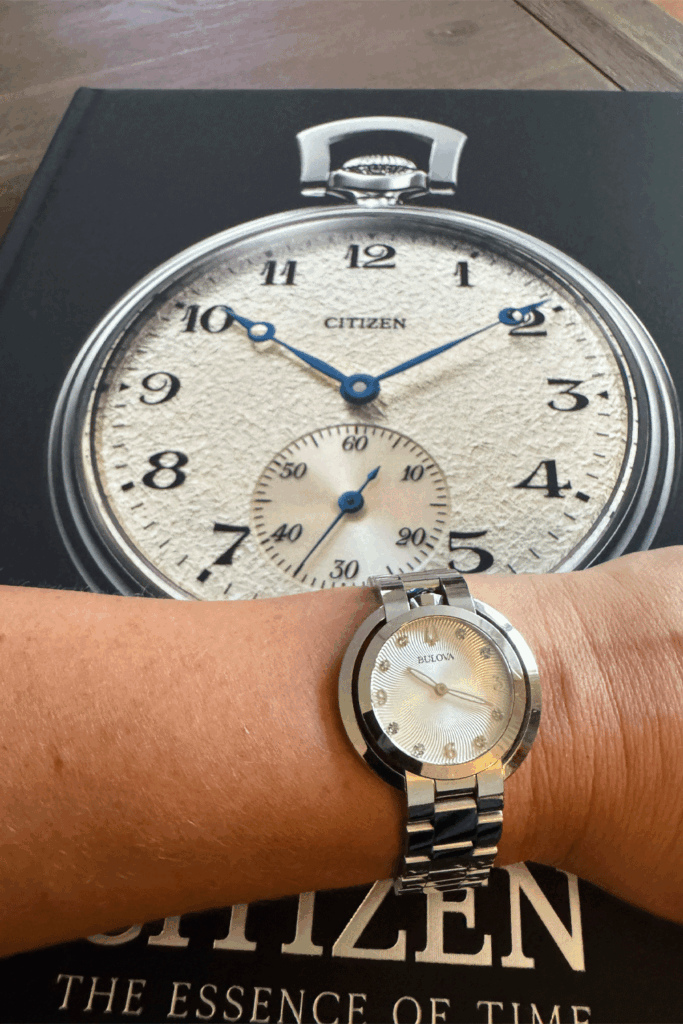
Einer meiner ersten persönlichen Kontakte mit der Marke Bulova war im Jahr 2017 auf der damals noch existierenden Baselworld.
Teil der Präsentation war die damals wieder neu aufgelegte „Rubaiyat“ – und ich war mehr als angetan, sodass ich nicht lange zögerte und mir ein relativ schlichtes Edelstahlmodell mit graviertem weißem Zifferblatt und charakteristischer Krone mit blauem Cabochon bei 12 Uhr zulegte.
Mittlerweile ist eine Bicolor-Variante hinzugekommen, und beide gehören zu meinen Lieblingsuhren. Sie haben mit 35 Millimetern einen für mich perfekten Durchmesser, sie verbinden schlichte Eleganz mit dem Hingucker-Ring rund ums Gehäuse und bieten angenehmen Tragekomfort.