

Insight Talk: Flavio Pellegrini (President of Ebel)
Flavio Pellegrini has been part of the Movado Group for over two decades; the group acquired the long-established Swiss brand Ebel from the luxury goods conglomerate LVMH in 2004.
Following its great successes in the 1970s and 1980s, Ebel had temporarily lost some of its edge—too many models, not enough of a clear direction. Under Pellegrini’s leadership, however, the brand was realigned: the former “Sleeping Beauty” now presents itself once again as a clearly positioned luxury brand with an unmistakable design DNA.
Insight Luxury: Ever since I’ve been in the watch industry, people have been predicting the death of the wristwatch time and again—when the smartphone came along, when the smartwatch came along… Yet classic watches continue to be in high demand, even among younger people. Why do you think that is?
Flavio Pellegrini: A classic wristwatch is far more than a purely functional device like a smartwatch or a smartphone. It combines functionality with emotion and conveys a sense of time. And you can always carry that with you.
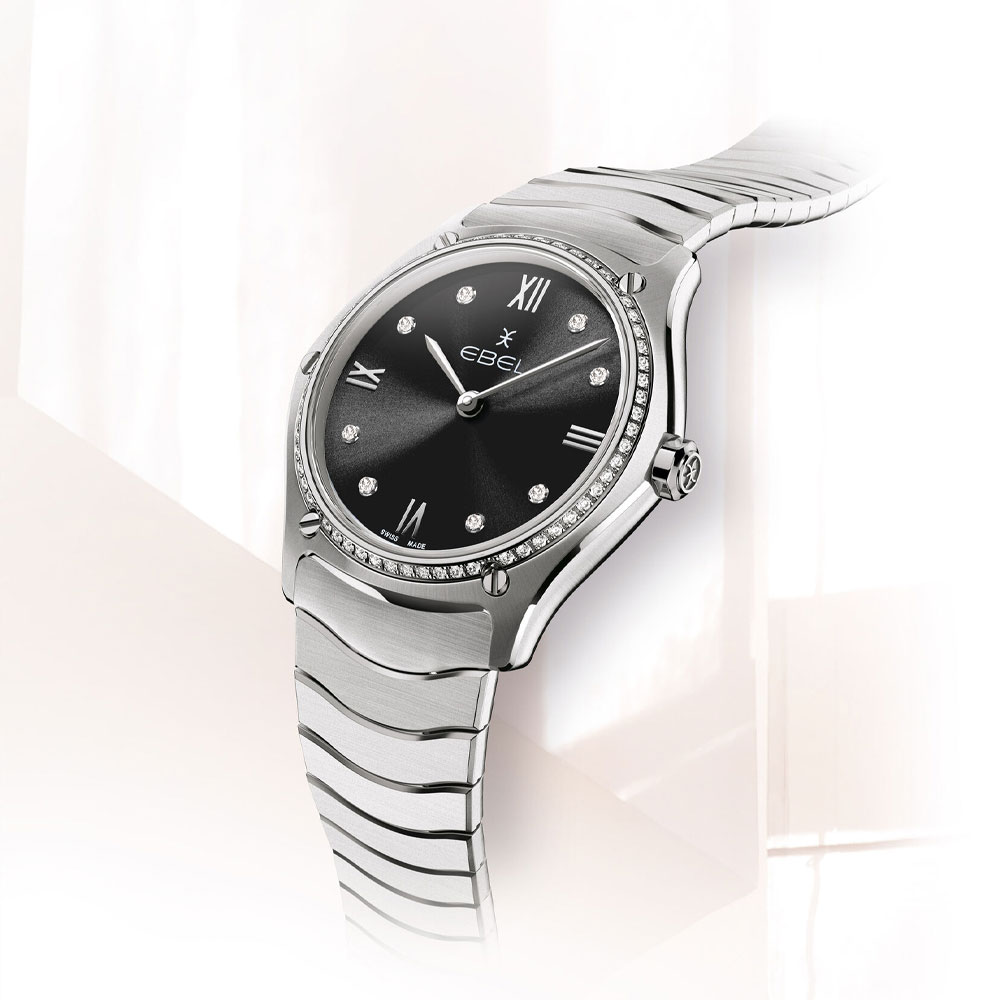
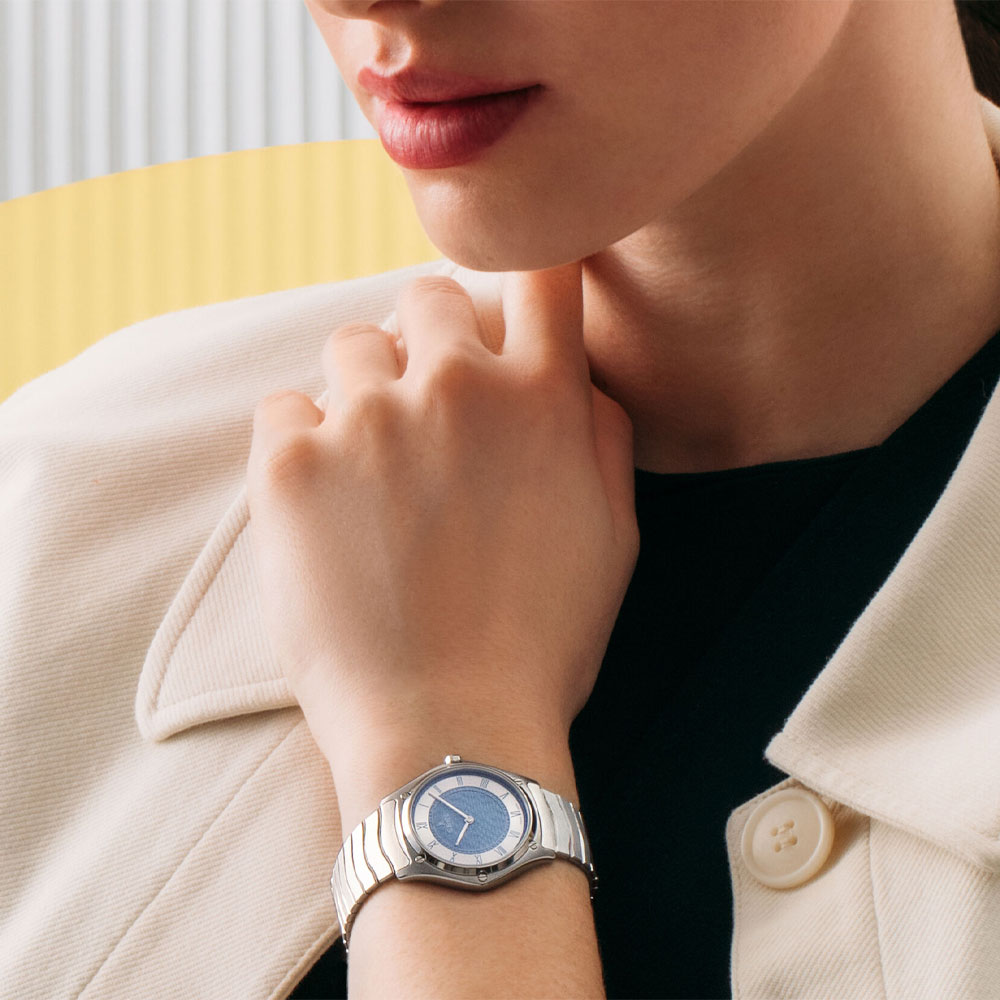
Watches like those from Ebel can also become part of family histories spanning generations, for example when a timepiece is passed down from mother to daughter and later to granddaughter. A smartwatch, on the other hand, lacks the long-term value—both technical and emotional—of a classic wristwatch. It’s a bit like gold, which has always been a coveted commodity and is imbued with deep emotional significance.
IL: Can stories also reach the younger generation?
FP: I think so. My daughters are 15 and 18 years old, and they’re looking for authentic stories—especially those from the pre-digital era. In my view, this has to do with the fact that we, as human beings, need roots and are always exploring our origins. A classic wristwatch can symbolize exactly this search. Our watches, for example, tell the love story of Eugène Blum and Alice Lévy, which led to the founding of Ebel 115 years ago.
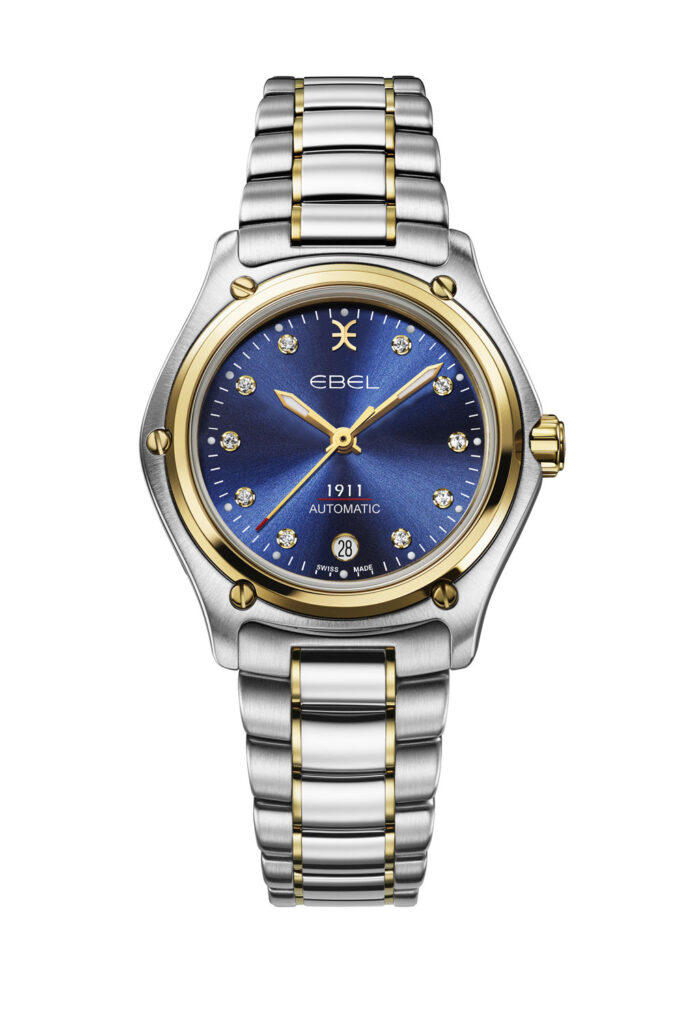
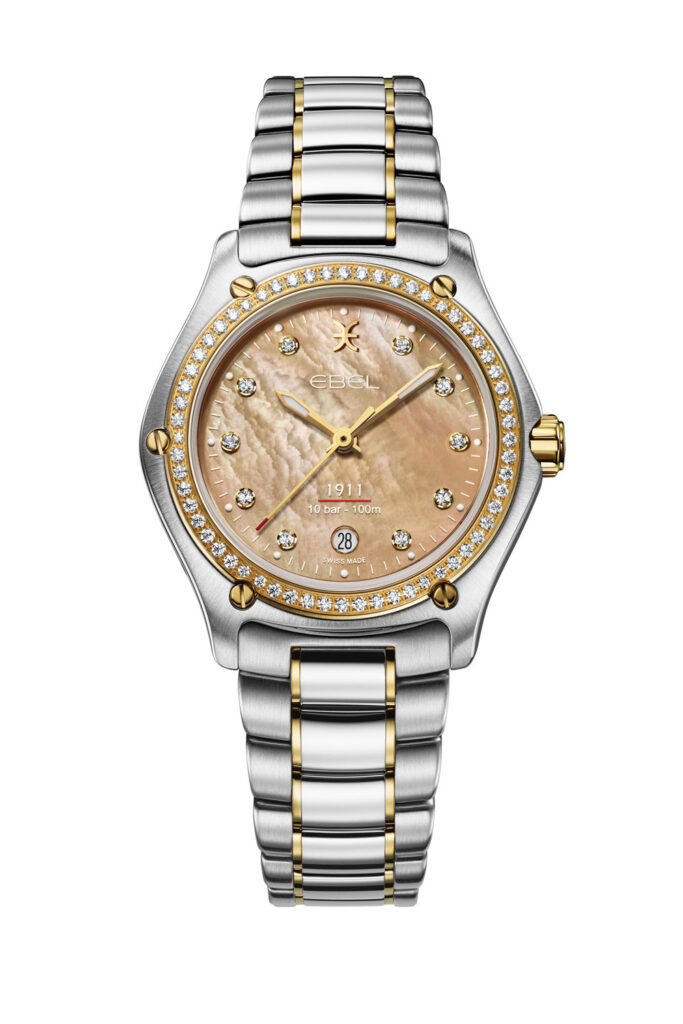
It is also worth noting that women in particular value Ebel watches as functional accessories with meaning: around 75 percent of our timepieces are worn on women’s wrists.
Flavio Pellegrini
IL: Next year, Ebel’s iconic wave bracelet will celebrate its 50th anniversary. What is the secret to its success?
FP: Our bracelet perfectly embodies our motto: “Beauty marries function.” It’s not only beautiful, distinctive, and elegant, but also functional and extremely comfortable to wear—the perfect combination.
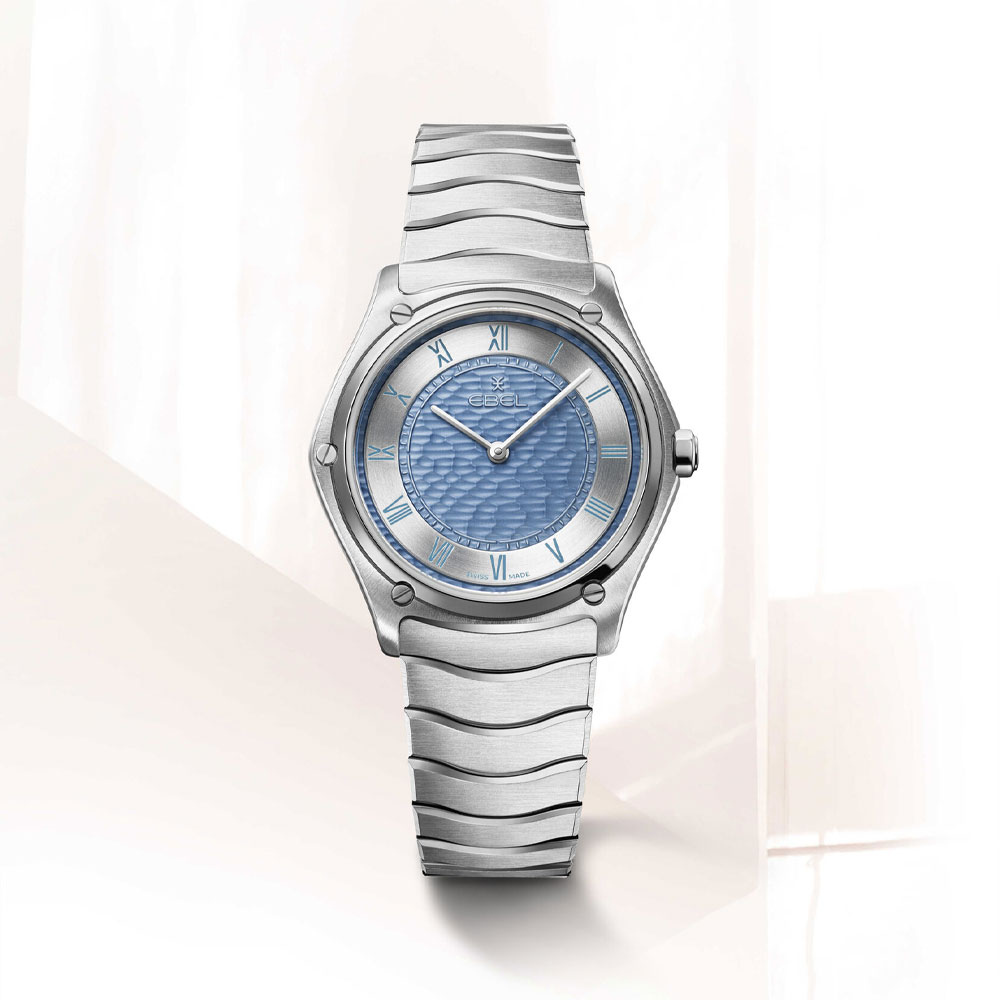
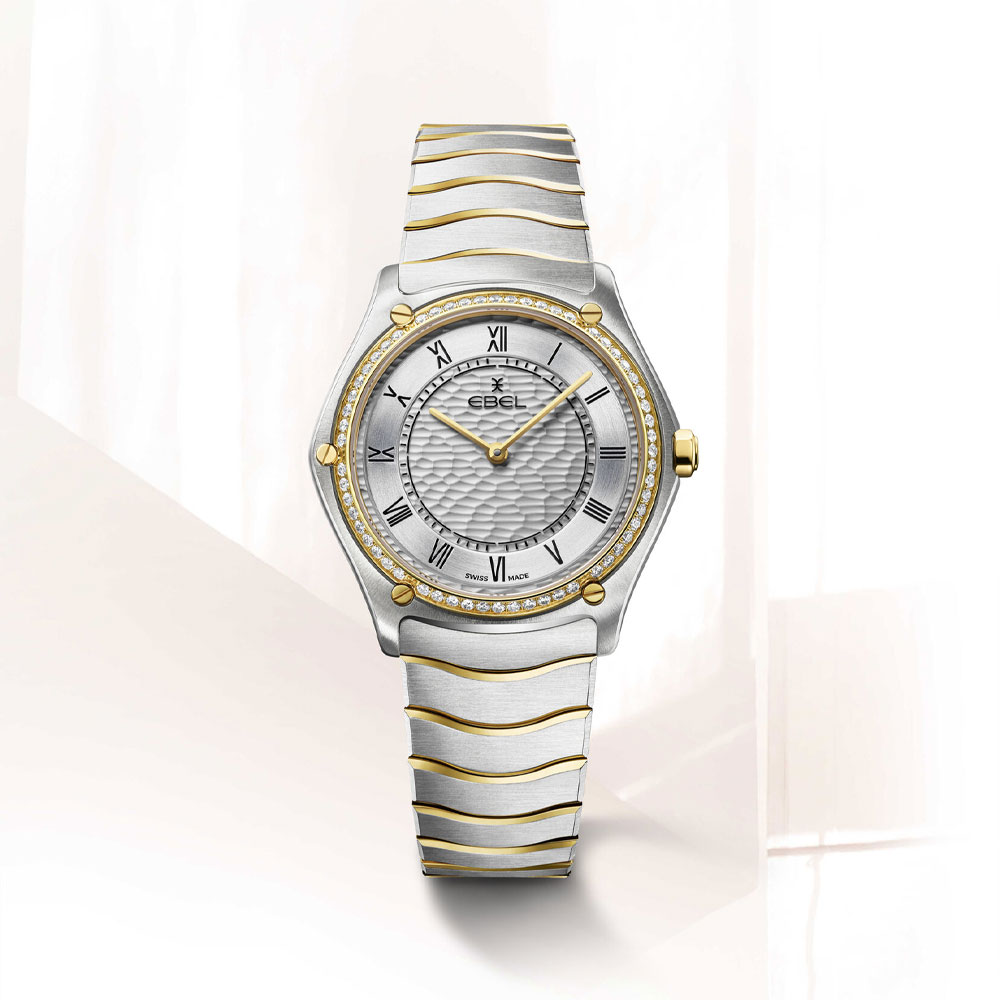
Many customers don’t want to wear any other watch after trying this one on for the first time, because the bracelet feels almost weightless as it nestles against the wrist. This combination of aesthetics and function is the key. By the way: the wave bracelet and I are the same age (laughs).
IL: The Wave bracelet was introduced alongside the “Sport Classic” collection. What significance does it hold for Ebel today?
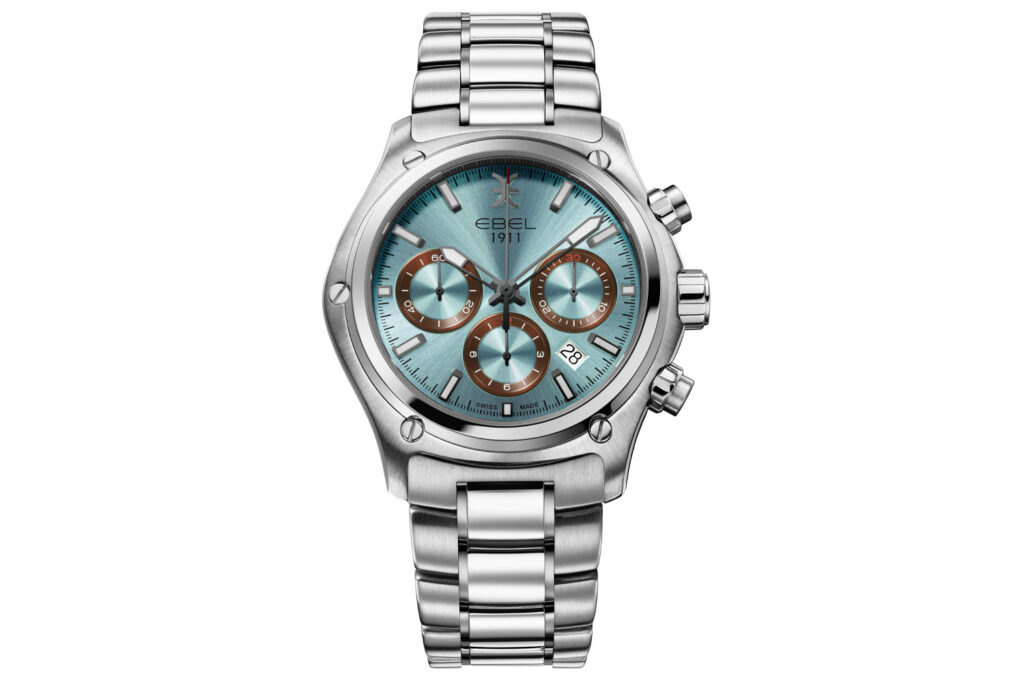
FP: Take a look at our display cases here at Inhorgenta: The “Sport Classic” collection is the heart of our brand and accounts for nearly 70 percent of our sales today. It is our iconic line.
The strength of this watch lies in its versatility. Boris Becker wore it while playing tennis and winning Wimbledon. At the same time, Don Johnson wore it with an elegant suit in Miami. The fact that it can be worn in both sporty and classic styles, during the day and in the evening, by men and women, and in steel and gold, is what makes this product so special. It’s a fantastic product that not many brands offer. We will be releasing new models to celebrate the anniversary.
IL: We’re here at Inhorgenta. How important are B2B trade shows like this for Ebel?
FP: They are of central importance—especially because specialty retailers play a key role for us. We operate only three of our own boutiques and work primarily with independent retailers.
Here at Inhorgenta in Munich, we meet not only customers and media representatives from Germany, Austria, and the Benelux countries, but from all over the world. This morning, for example, I spoke with our Australian sales partner.
An annual industry gathering where everyone can exchange ideas—even on the spur of the moment—is incredibly valuable, offers many benefits, and is irreplaceable. After all, while you can draft any business plan on a computer in the office, business is done in person: through conversations and handshakes. It’s about human interaction—not just Excel spreadsheets.
In my opinion, this type of trade show should therefore definitely be continued and further developed.
IL: What advice do you have for jewelers to ensure they remain knowledgeable points of contact for watch enthusiasts in the future?
FP: It’s the mindset—the attitude toward what you do—that determines success or failure. Of course, the atmosphere and product selection have to be right. Above all, however, you should take advantage of what clearly sets brick-and-mortar retail apart from online offerings: service and a personal connection with customers. You can see it for yourself: Successful retailers offer excellent service, communicate regularly with their customers, and create positive shopping experiences.