
Piaget Cocktail Rings – Jewelry that Blends Personality and Style History
Hardly any piece of jewelry embodies personality and a striking presence quite like the cocktail ring. Its origins date back to the 1920s, when women in the United States began wearing eye-catching rings at social gatherings—and especially at cocktail parties—during the Prohibition era. Along with the cocktail glass, these rings became a deliberate symbol of modernity, self-confidence, and social independence.
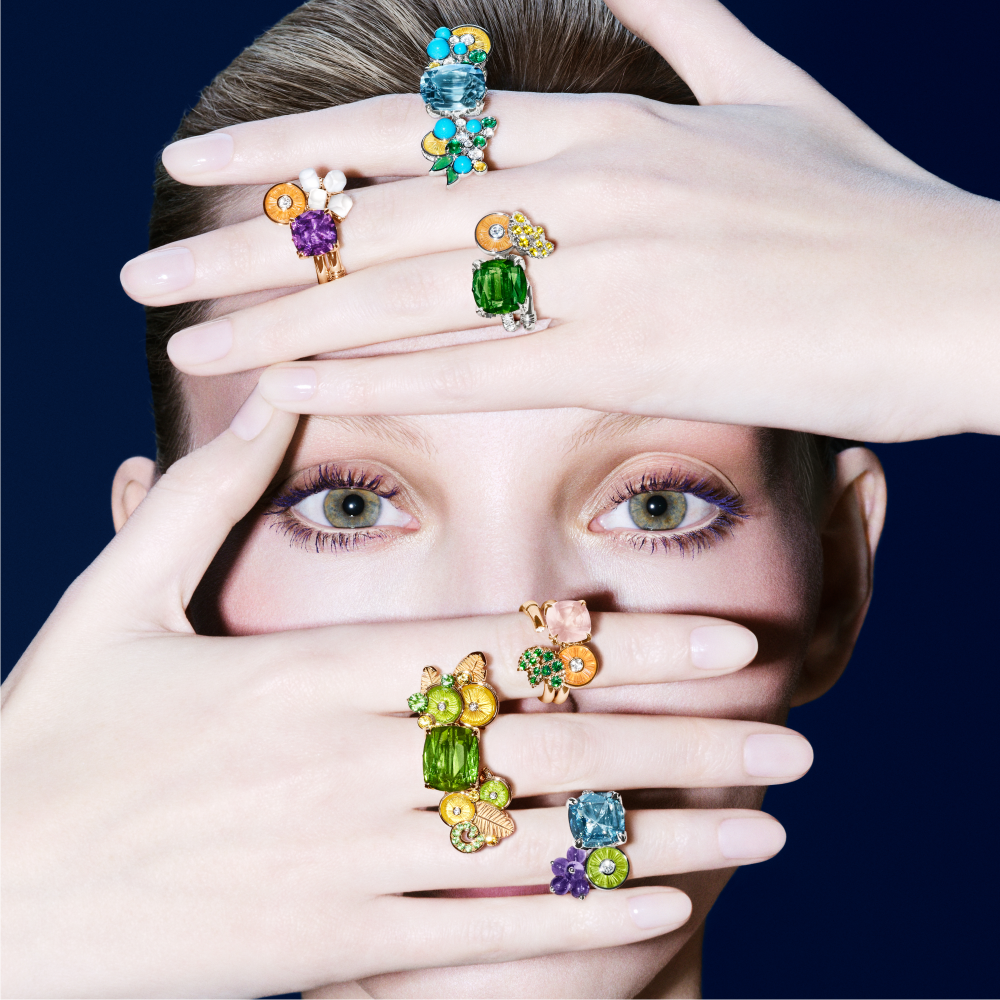
To this day, cocktail rings are characterized by generous shapes, colorful gemstones, and often sculptural settings. Unlike classic solitaire rings, for example, they adhere less to traditional jewelry conventions and instead embody individuality and personal expression. Especially in the 1950s and 1960s, they became an integral part of international high society and high jewelry culture.
The Return of the Cocktail Ring
Today, cocktail rings are experiencing a resurgence in popularity—albeit within a changed social context. What was once seen as a visible symbol of women’s emancipation and social standing is increasingly becoming an expression of individual identity that transcends traditional gender roles.
At the same time, the overall perception of jewelry is also changing. Rather than rigid conventions or clearly defined style rules, the focus is now on personality, individual wearability, and suitability for everyday use. Jewelry is seen less as a formal status symbol and more as a personal companion—versatile, adaptable, and independent of how it is worn.
Piaget Cocktail – Color, Form, and the Legacy of the Piaget Society
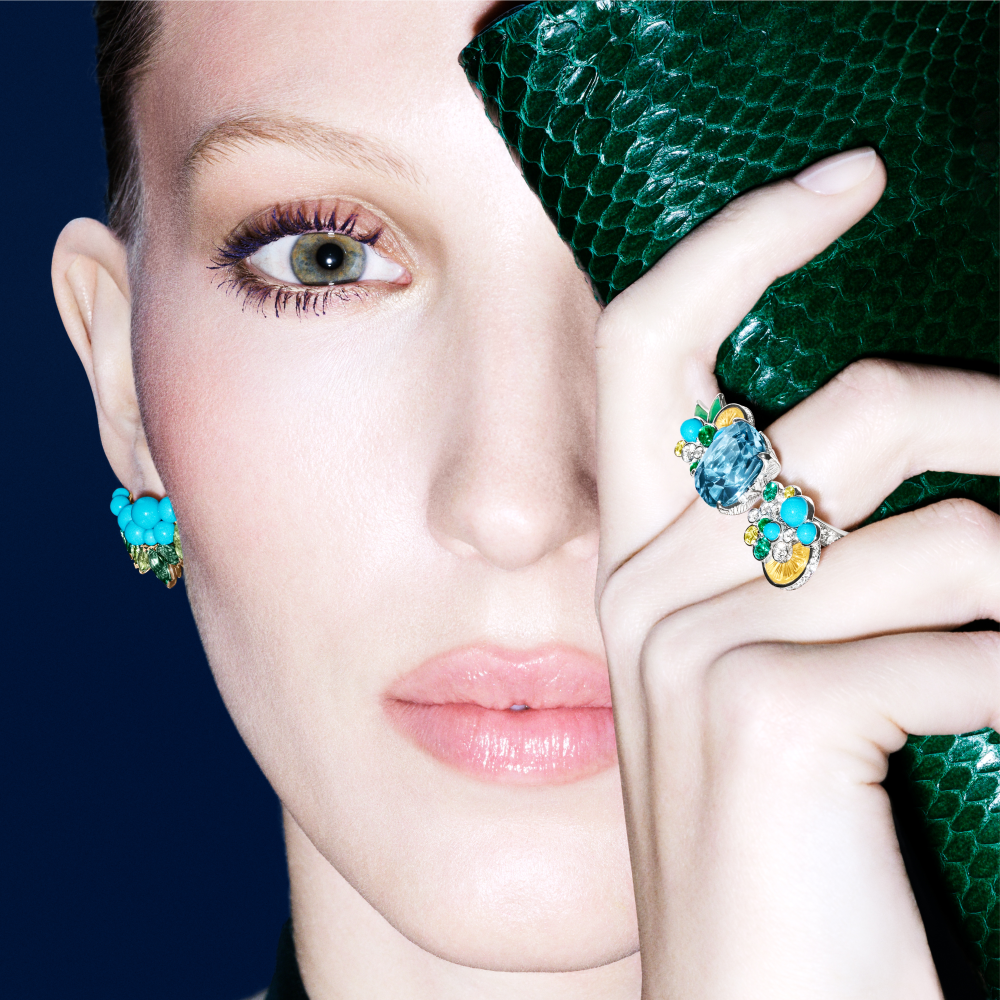
With the Piaget Cocktail collection, Piaget draws on this cultural and creative heritage. The line draws on the Maison’s history in the 1970s and 1980s, when, under Yves Piaget, Piaget was closely connected to the international worlds of art, fashion, and high society. Places like Capri, Monaco, and Palm Beach became the backdrop for a lifestyle that the Maison actively helped shape.
Launched in 2010, the Piaget Cocktail collection translates this concept into a series of vibrantly colored rings and earrings. The focus is on gemstone combinations featuring tourmaline, citrine, aquamarine, amethyst, turquoise, emerald, and diamond. The collection is characterized by organic settings and high-contrast color combinations.
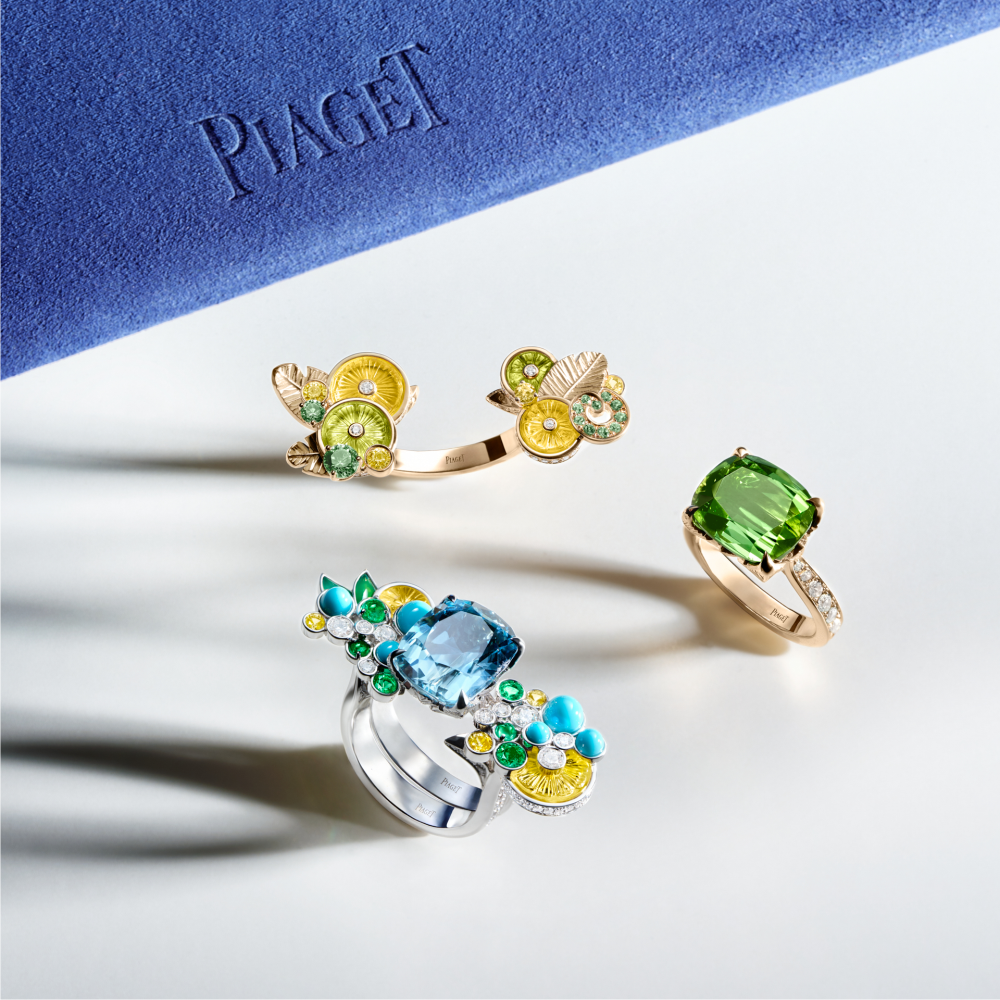
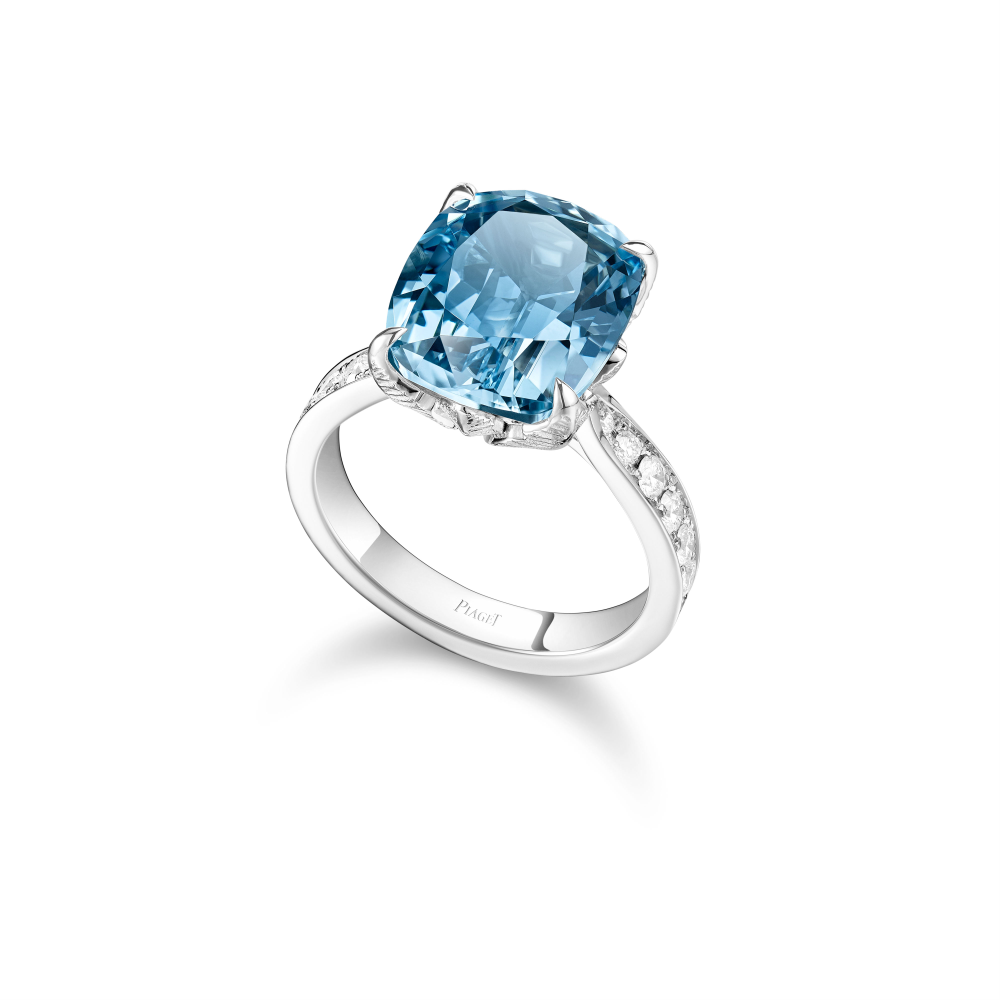
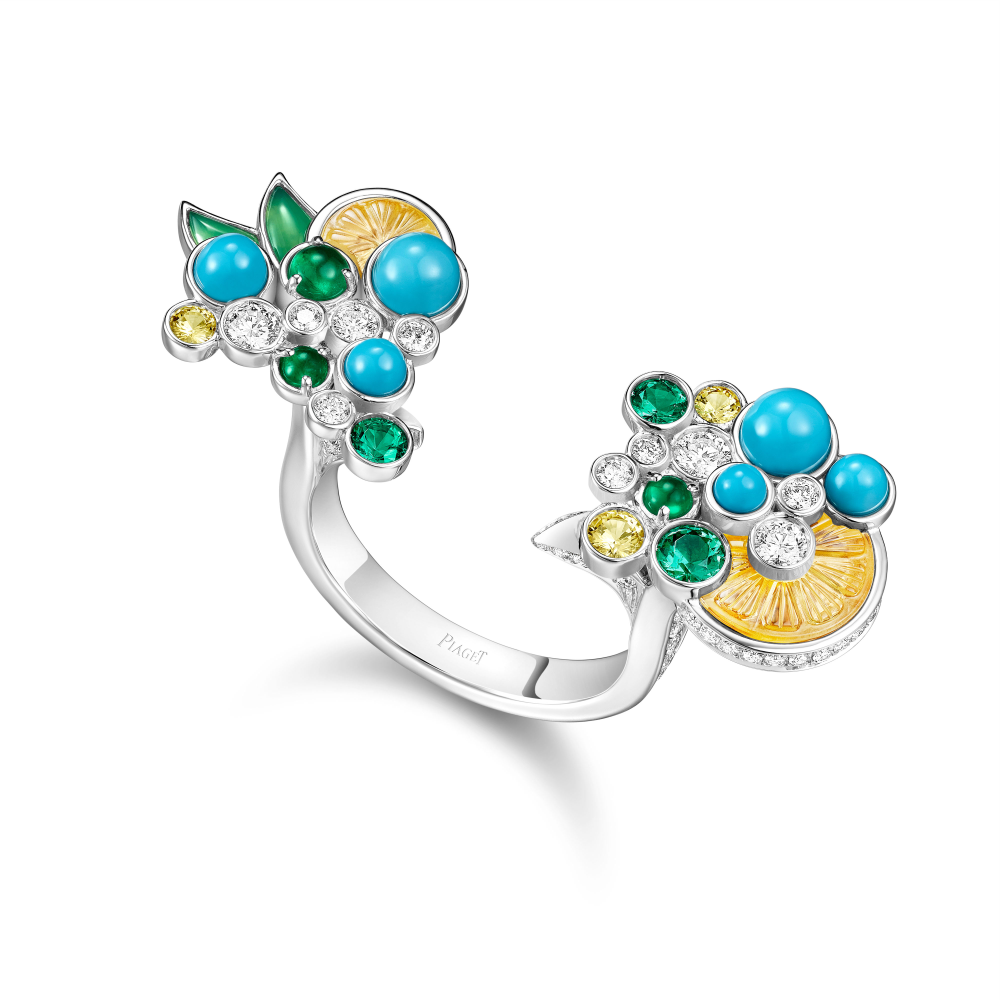
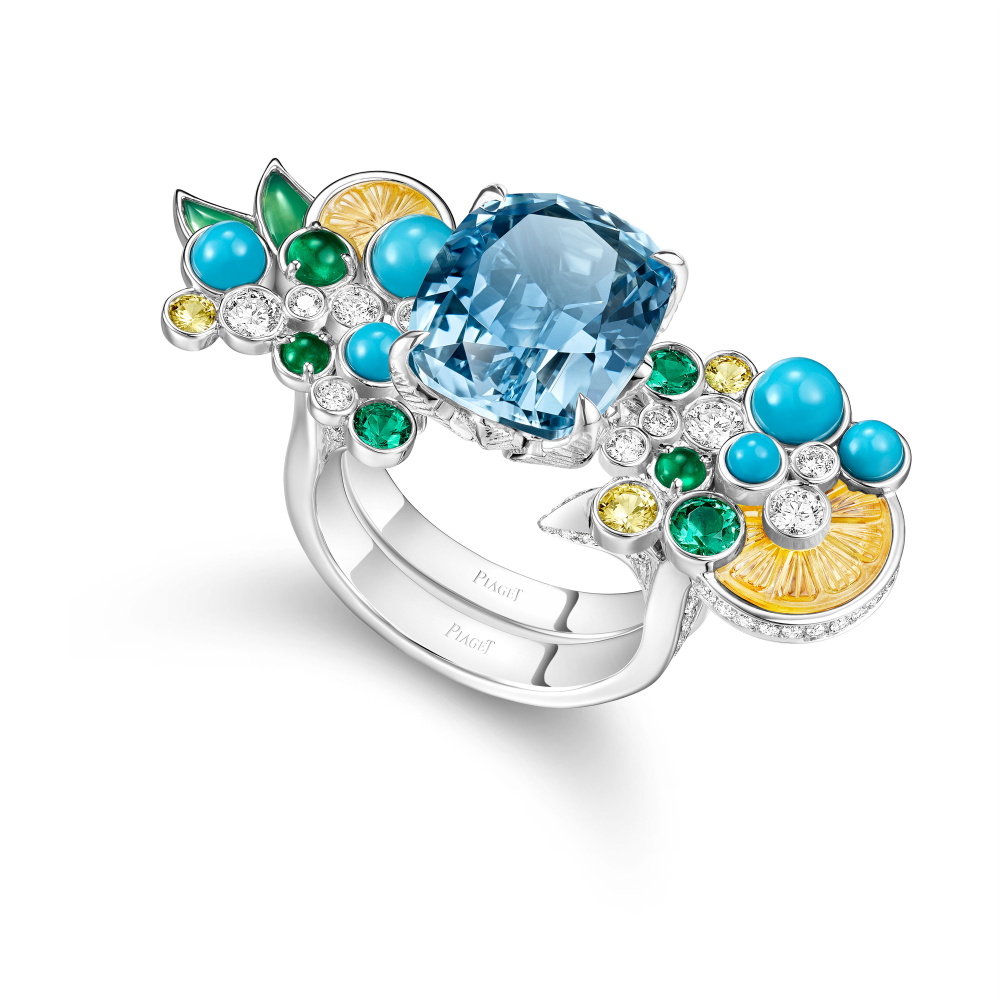
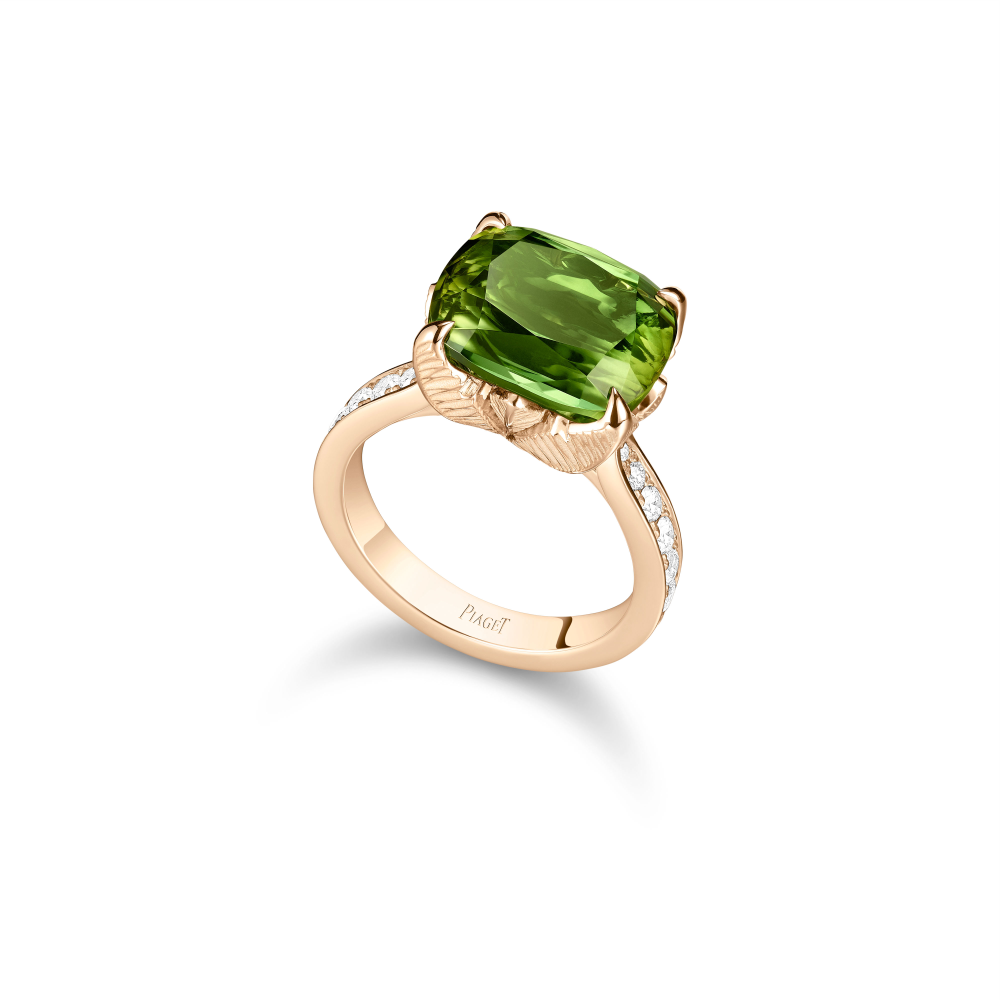
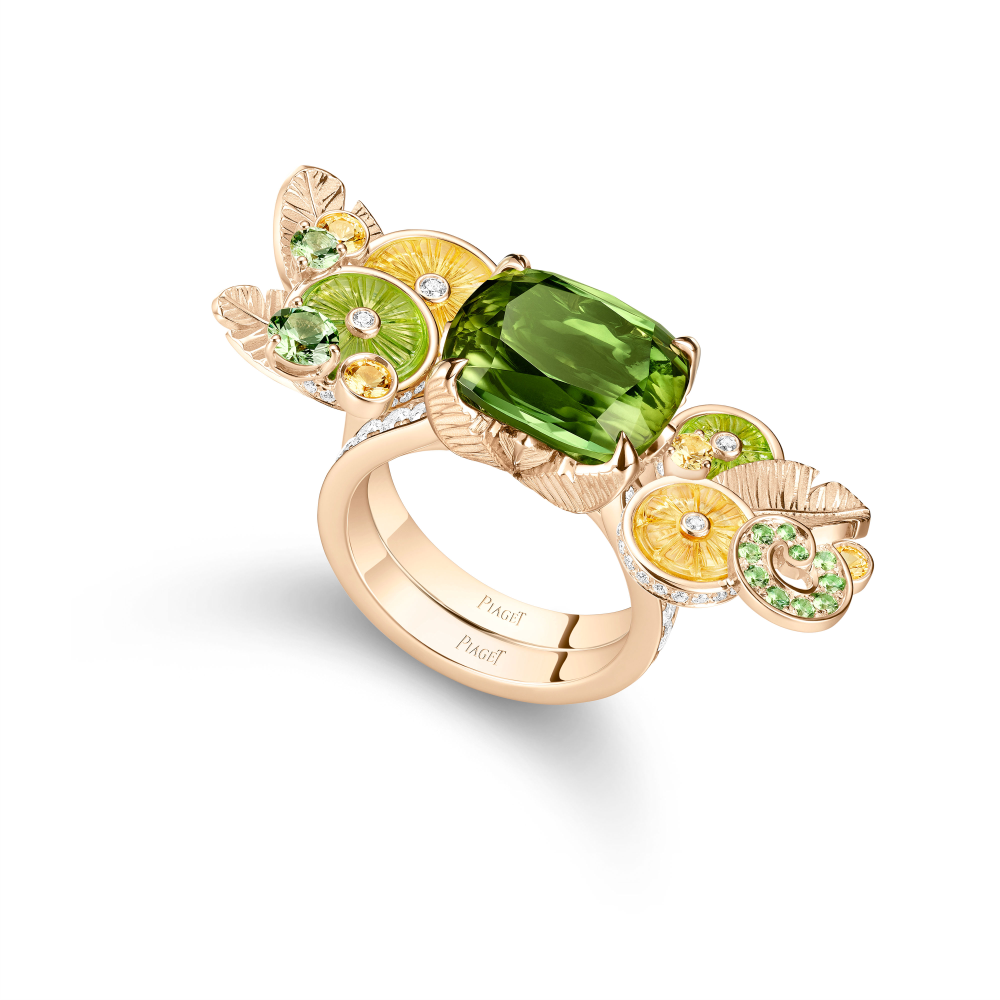
Piaget uses color not merely as a decorative element, but as an emotional design feature. The collection blends the social glamour of the historic Piaget Society with a contemporary understanding of wearable haute joaillerie.
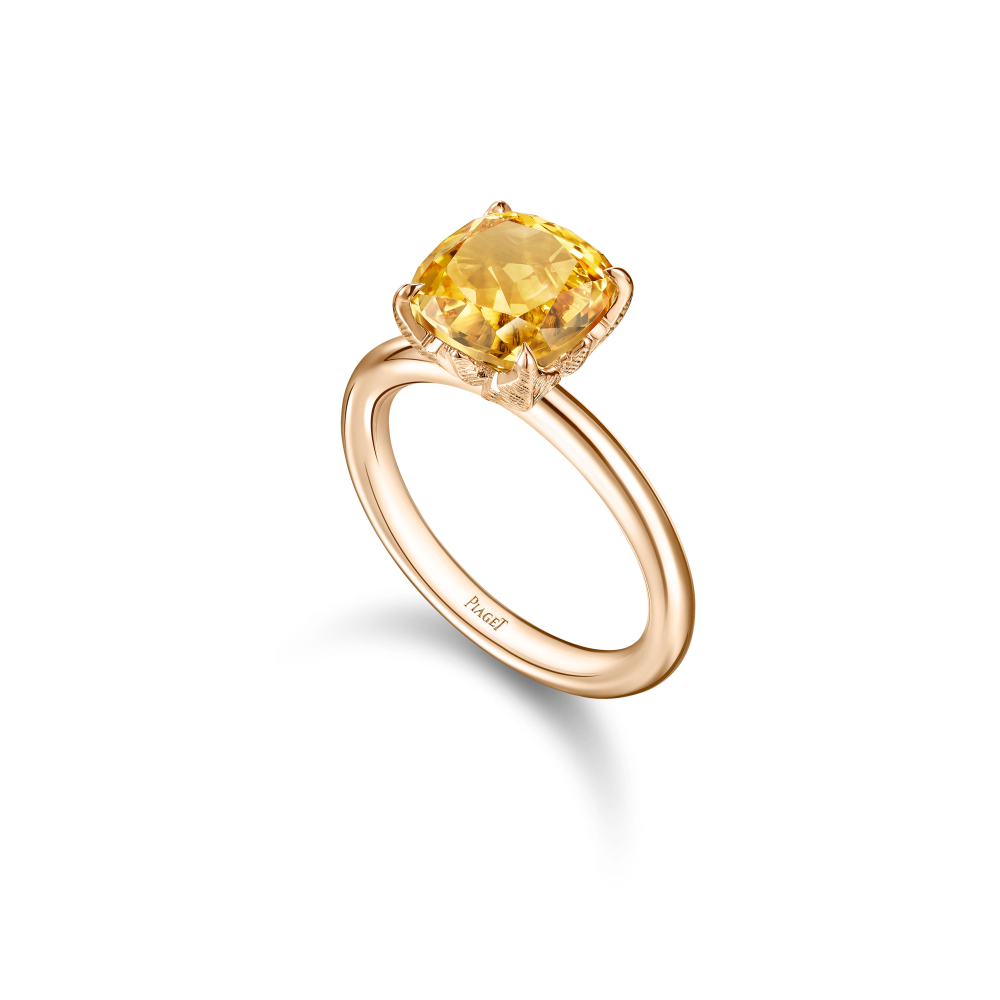
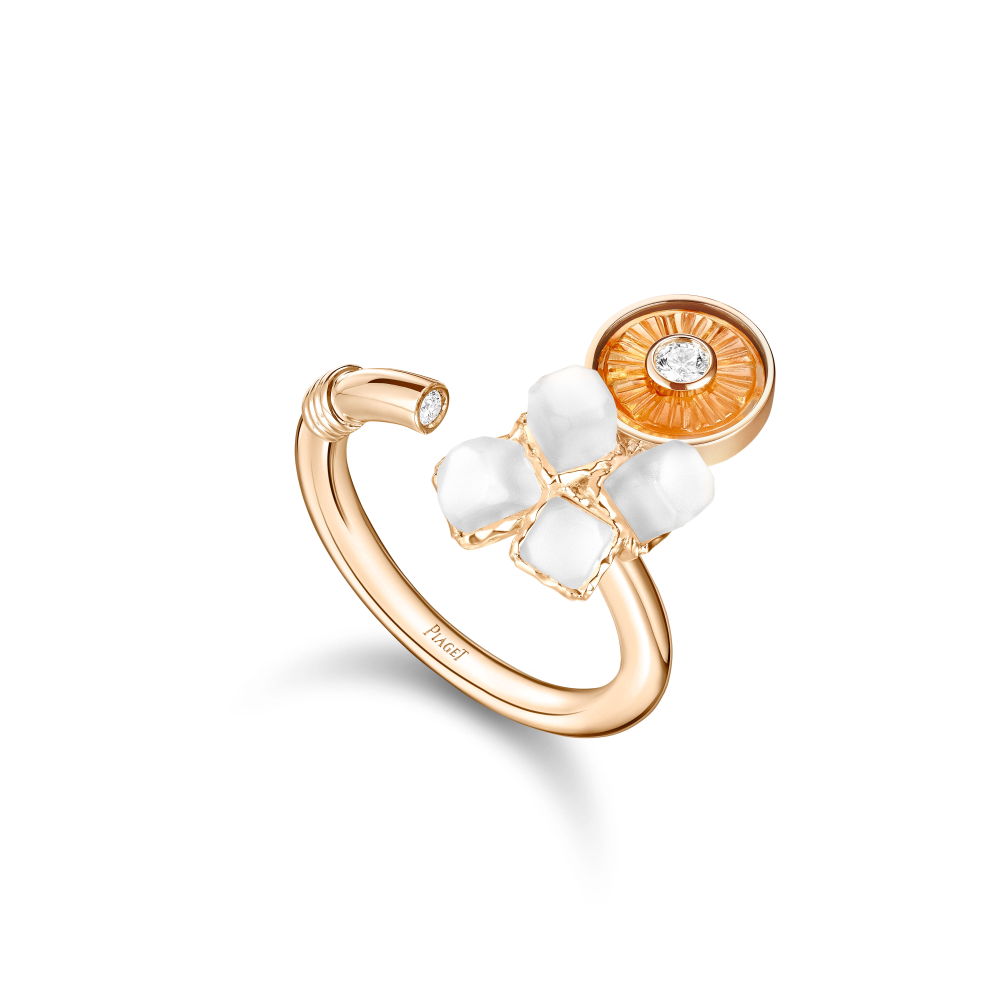
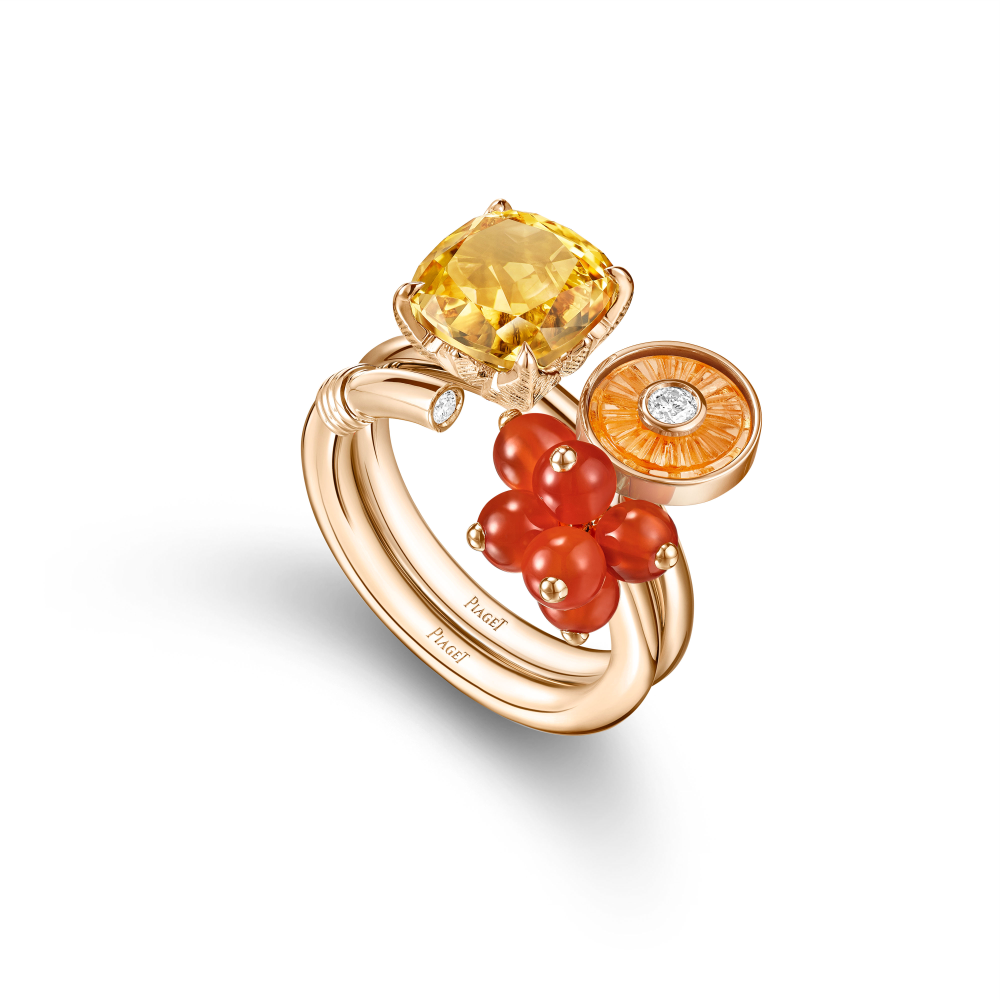
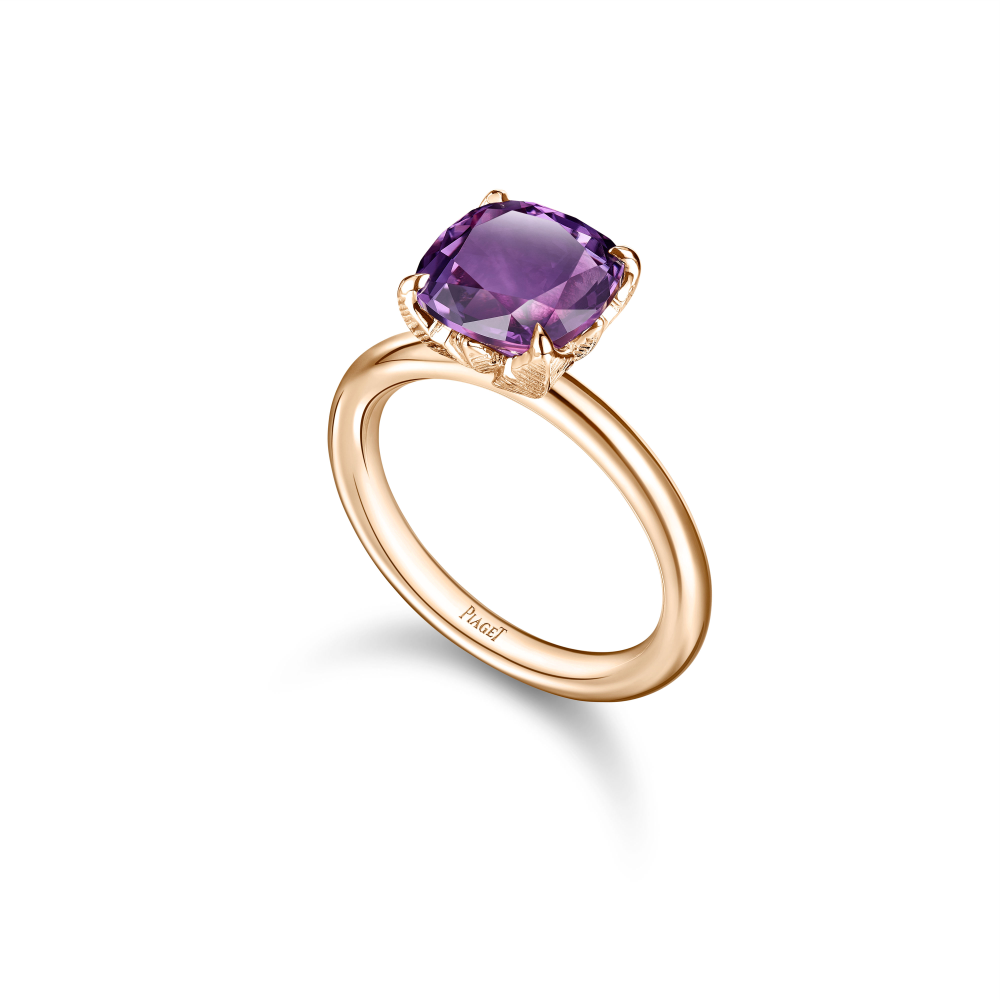
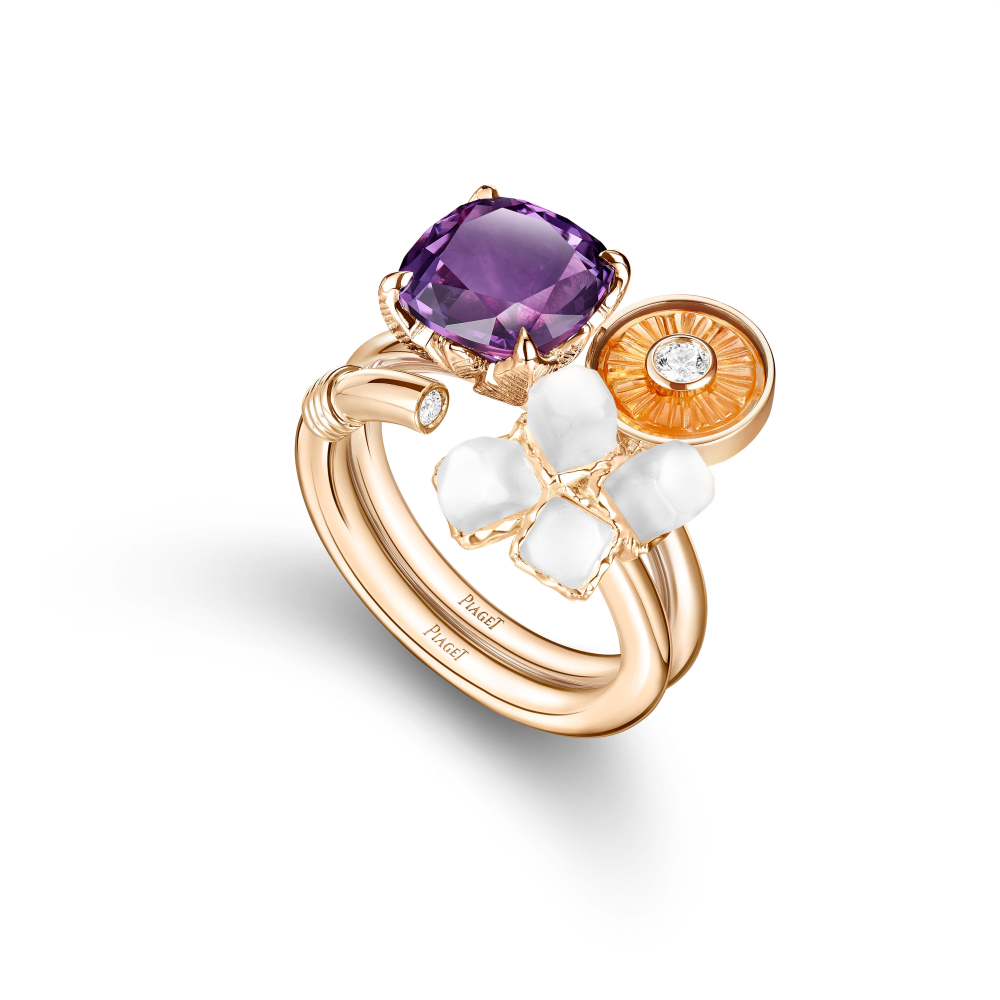
Piaget Cocktail Violet on the Rocks ring in rose gold with amethyst, engraved spessartine, rock crystal, and diamond accents. Piaget Cocktail Sparkling Yuzu ring in rose gold with citrine, engraved spessartine, carnelian, and diamond details.
Jewelry as a form of self-expression
This is precisely where a major shift within the luxury segment is reflected. Today, jewelry is defined less by traditional status symbols and more by personality, individuality, and wearability. Cocktail rings are a prime example of this trend: they can make a bold statement or be worn with deliberate restraint—what matters most is their personal significance to the wearer.
Piaget interprets this approach through the lens of its own history and demonstrates how iconic jewelry designs can be adapted to a modern context without losing their cultural roots.