
Artistry Unseen
A perpetual calendar that accounts for leap years. A worldtimer that keeps track of 24 time zones. And a chronograph that starts a new timing sequence at the touch of a button. Behind these seemingly effortless functions lie extraordinary ideas and mechanical constructions of remarkable sophistication. **Frédérique Constant** offers a glimpse into this fascinating world.
At a Glance
- Frédérique Constant offers insights into the sophisticated mechanics of its manufacture calibres – from the perpetual calendar to the tourbillon.
- Introduced in 2026, calibre FC-719 offers a power reserve of 72 hours; all settings on the Classic Worldtimer Manufacture are adjusted via a single crown.
- Of interest to wearers who wish to read several time zones simultaneously, account for leap years mechanically or start a new timing sequence using a flyback function.
A World of Its Own
It is a world in which tiny wheels mesh, springs release their energy and delicate levers trigger barely perceptible movements – with astonishing results. Mechanical movements have fascinated us for centuries. For their diminutive dimensions and their multitude of components, but above all for the tasks they can perform.
A watch movement can do far more than display hours, minutes and seconds. It can track the movements of celestial bodies, measure time intervals or account for the rules of our calendar. All without electronic controls or software. Through the interplay of mechanical components alone.
What is remarkable is not only the complexity, but also the imagination behind such constructions. Every one of these functions began with an idea or a need – and the question of how it might be realised mechanically.
The Intelligence of Mechanics
Many watchmaking challenges have more than one solution. Two movements can offer the same functions yet be constructed quite differently. Gears, levers and springs perform comparable tasks, but their arrangement and interaction follow distinct lines of thought.
Movement designers can adopt proven principles, modify them or explore new approaches. Sometimes, the elegance of a solution lies precisely in accomplishing a complex task with as few components as possible.
This is where the manufacture calibre takes on particular significance. The term refers to movements developed by a watchmaker itself, whose construction reflects its own vision. Depending on the manufacture, this ambition ranges from distinctive technical solutions to extensive in-house production. Behind it lie considerable development work and specialist expertise.
One comparatively young manufacture deeply committed to this endeavour is Frédérique Constant. Founded in 1988, the Geneva-based company unveiled its first manufacture calibre in 2004. The Maison now counts 35 calibre developments and refinements of its own.
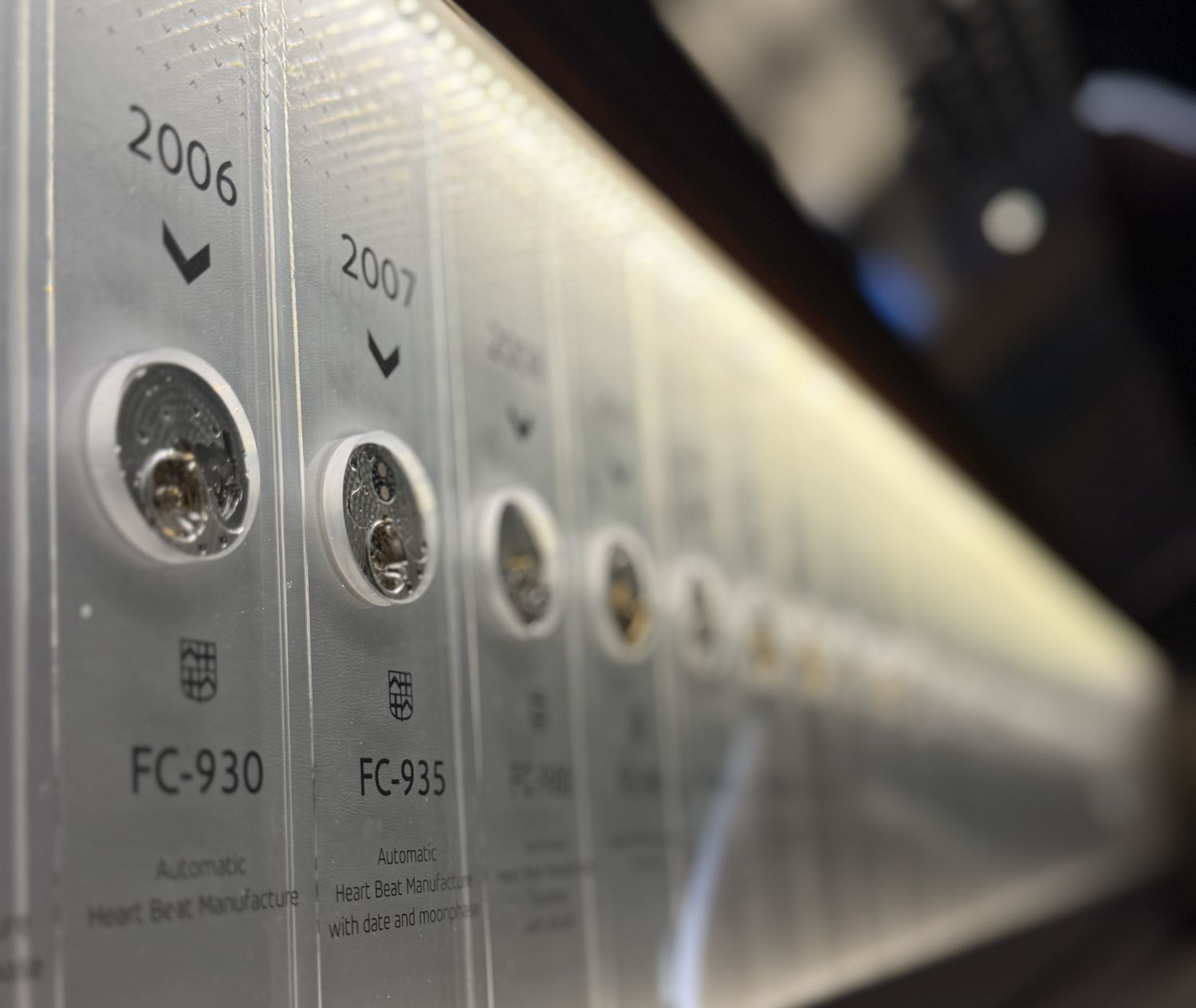
More interesting than the number is the variety of tasks: the constructions range from classic automatic movements to perpetual calendars, and from chronographs to worldtimers. Three of them illustrate particularly clearly the different ideas hidden within the mechanics.
A Calendar with a Memory
The perpetual calendar ranks among the most impressive achievements of traditional watchmaking. Our calendar system is, after all, anything but simple. Months vary in length, leap years add an extra day to February, and even then there are exceptions.
A conventional date display must be corrected by hand at the end of shorter months. A perpetual calendar, by contrast, automatically accounts for the lengths of the months and the four-year cycle.
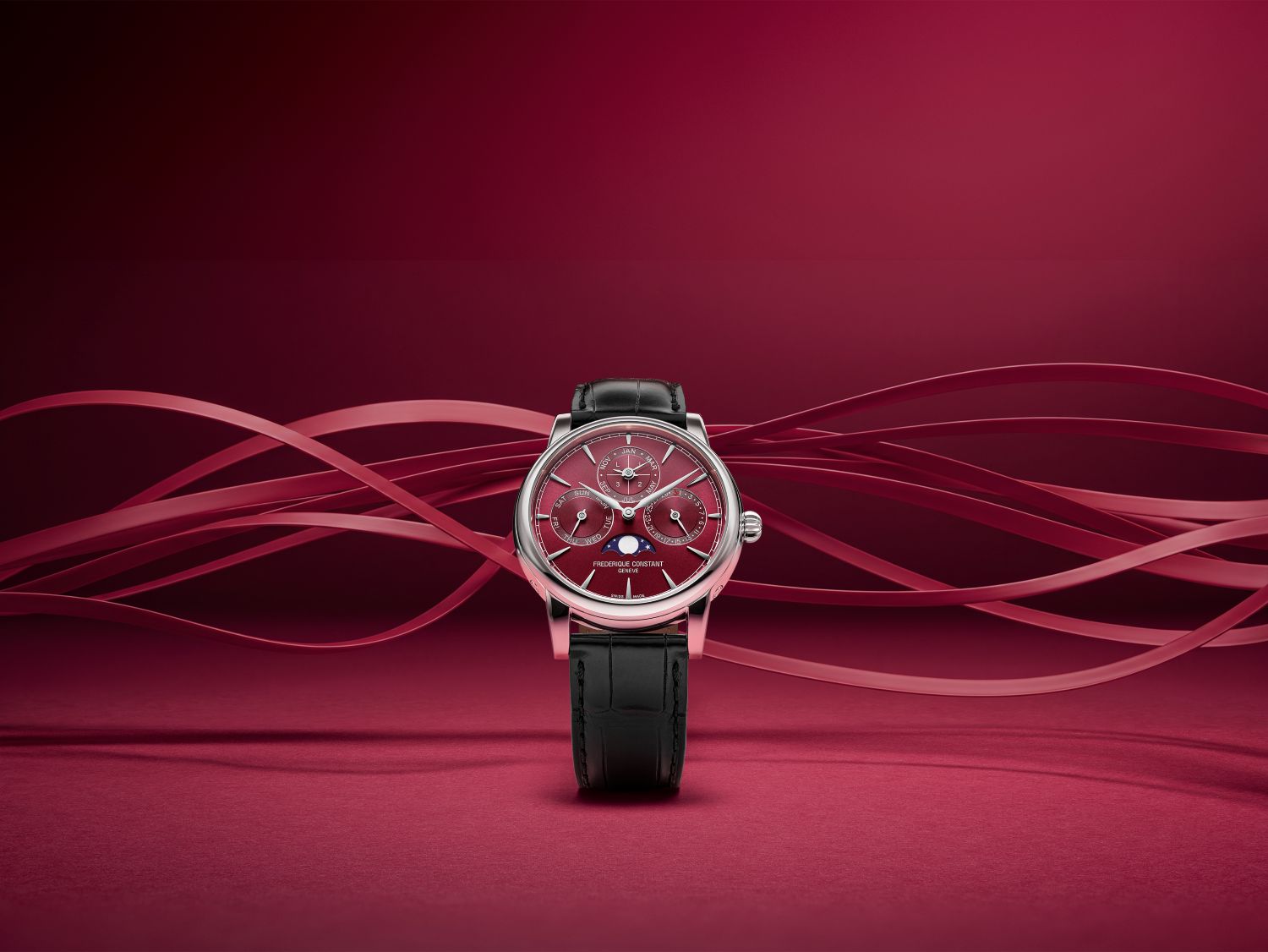
Frédérique Constant’s manufacture calibre FC-776 masters this feat. It governs the date, day of the week, month and leap-year display, complemented by a moon-phase display. A total of 203 components work together to achieve this, driven by a single mainspring.
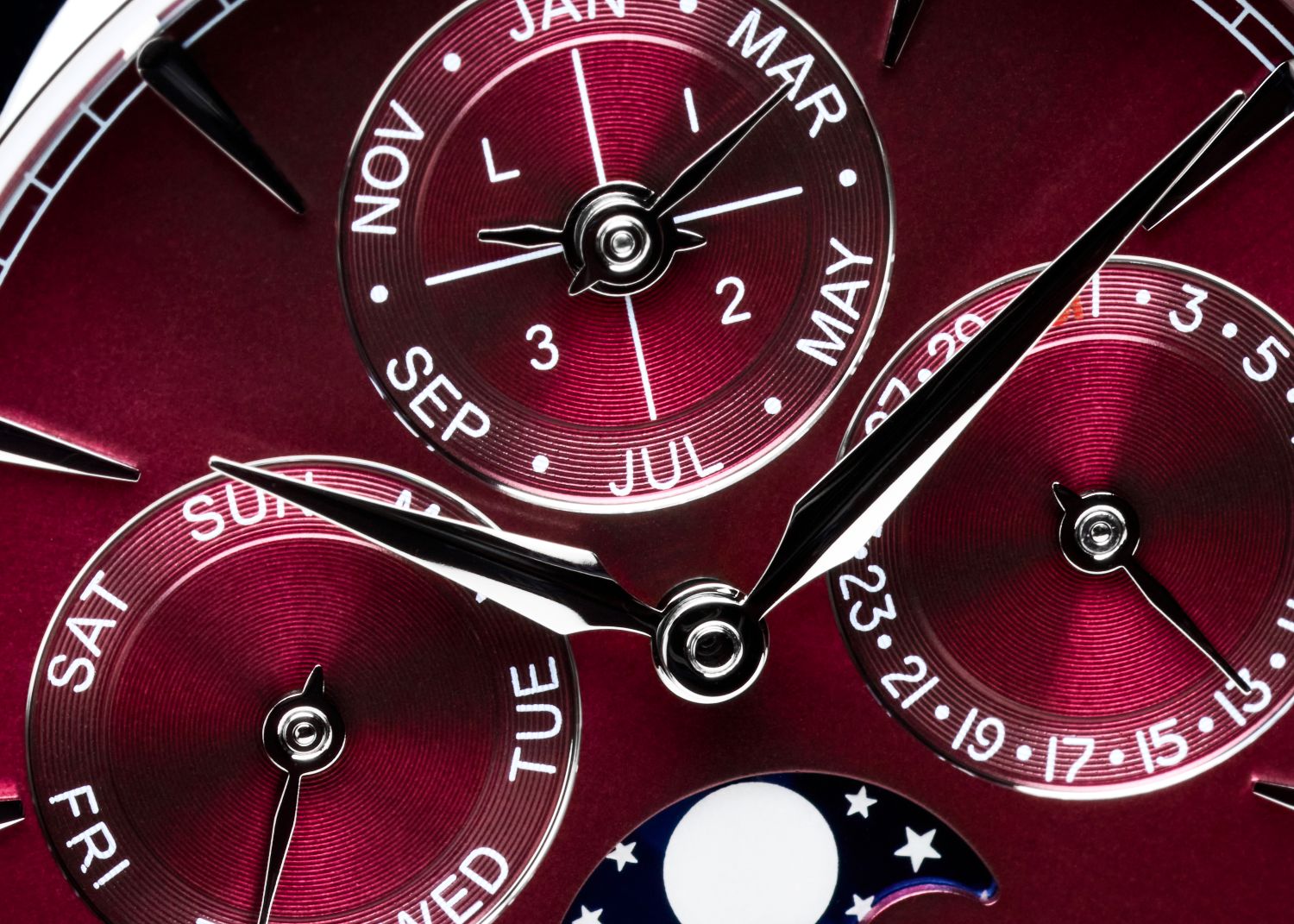
The real achievement lies in translating the rules of our calendar into mechanical sequences. The shape and movement of individual components determine when a display advances. The cycle that repeats over the years is, in a sense, stored within the movement.
This logic works until the year 2100 without any calendar-related correction. At that point, even this perpetual calendar will need a small adjustment, as this century year is, exceptionally, not a leap year under our Gregorian calendar. Until then, however, its owner will doubtless have other things to attend to.
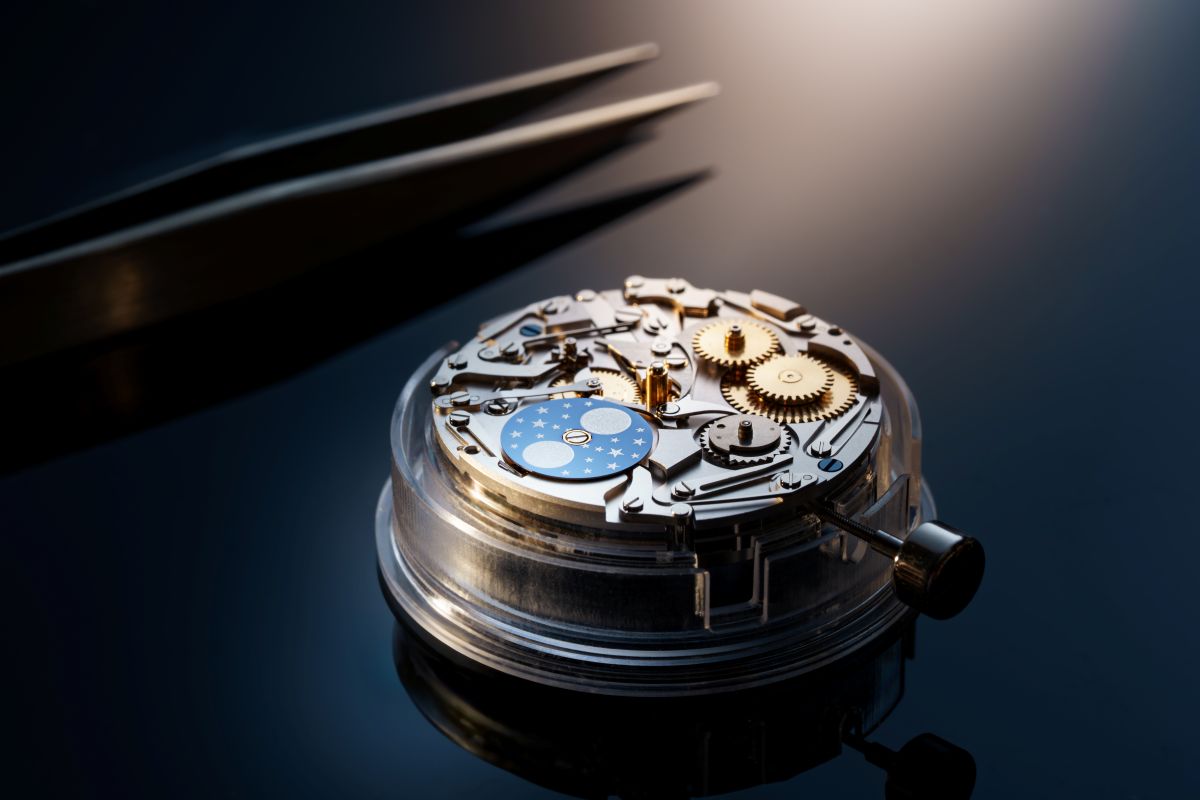
That such a construction fits into a space measuring just a few centimetres is remarkable. That it is expected to function reliably for decades demands precision manufacturing, suitable materials and experienced watchmakers to assemble, test and regulate all these parts.
The Whole World on the Wrist
World time presents a different challenge. While the Earth rotates steadily, we have divided its surface into time zones. Their respective times can also be linked mechanically.
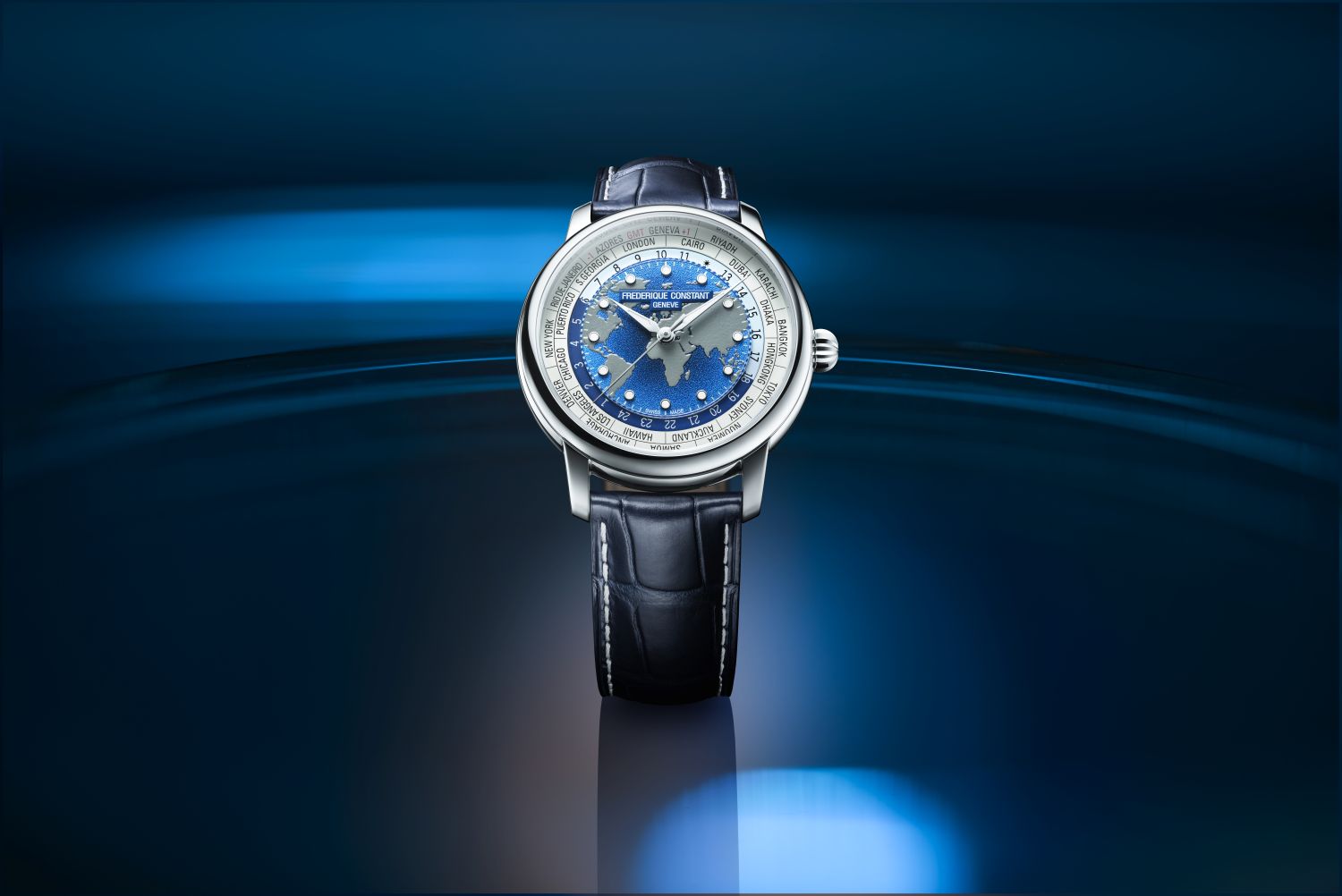
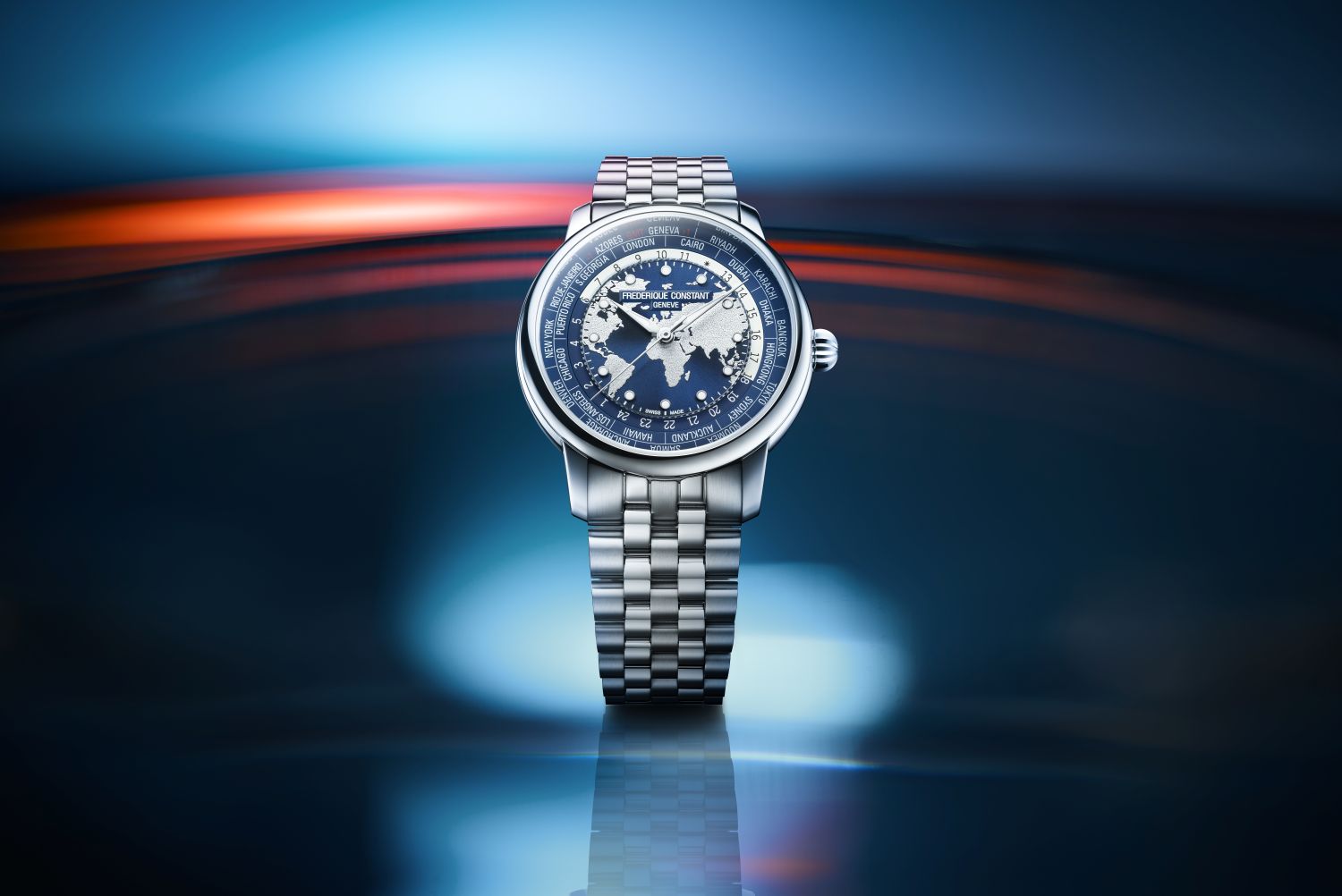
Frédérique Constant has been developing the Classic Worldtimer Manufacture since 2012. Introduced in 2026, calibre FC-719 advances the construction and now offers a power reserve of 72 hours.
The dial brings together a world map, a city ring and a 24-hour display. Once set, the times in different time zones can be read simultaneously. All settings are adjusted via a single crown.
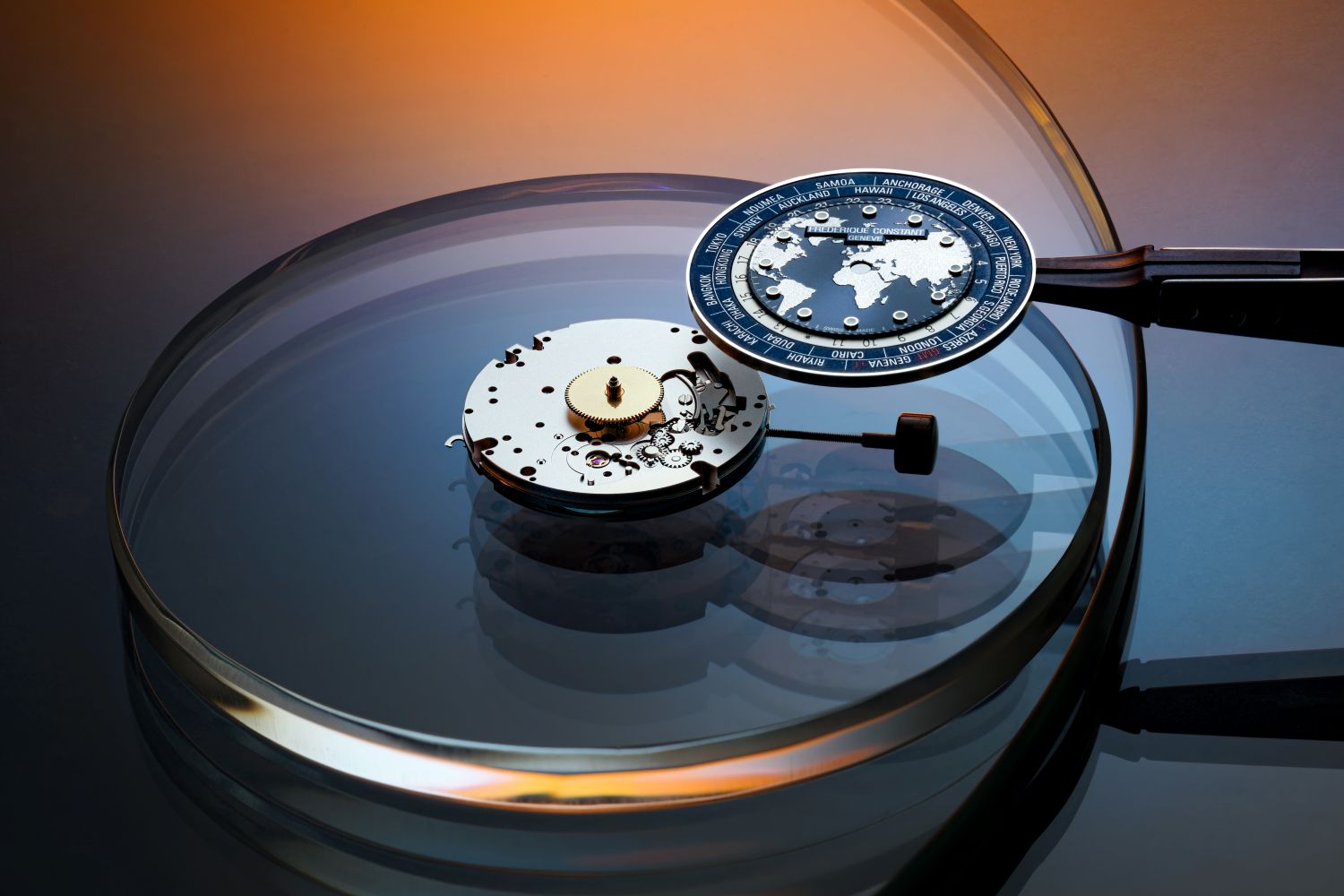
This is precisely where good design reveals itself: what demands a sophisticated solution within remains uncomplicated for the wearer.
A Single Press Is All It Takes
Another form of elegance in movement design can be found in the flyback chronograph. Whereas a conventional chronograph must first be stopped and reset before a new timing sequence can begin, a flyback requires just a single press of a button – even while timing is still in progress.
For manufacture calibre FC-760, Frédérique Constant developed a mechanism with a star-shaped switching wheel and a patented direct-reset function. This allowed for a slimmer construction and fewer components.
A fine example of how ingenuity need not always lead to greater complexity. Sometimes, the real achievement lies in making something simpler.
Inside the Cage
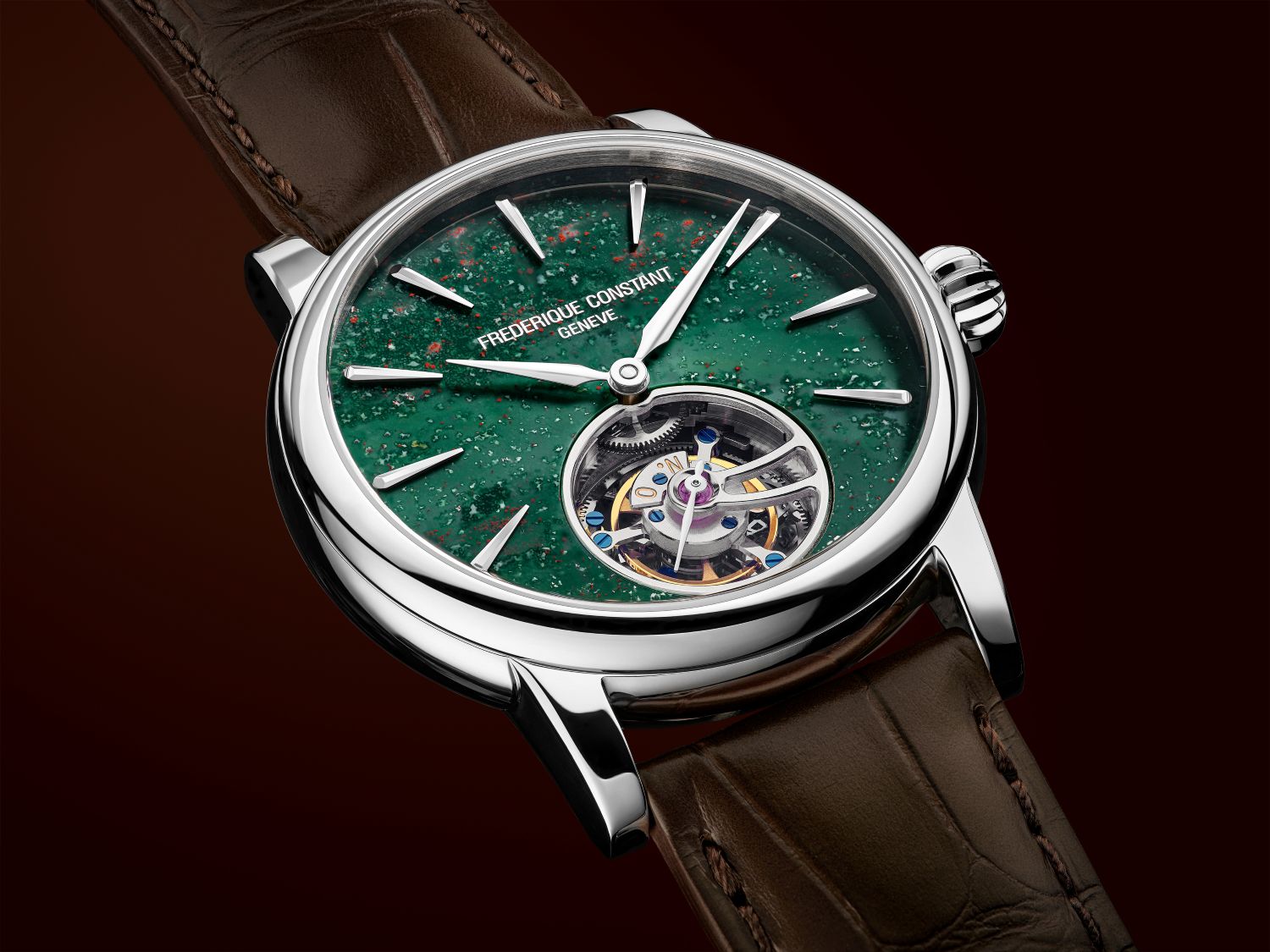
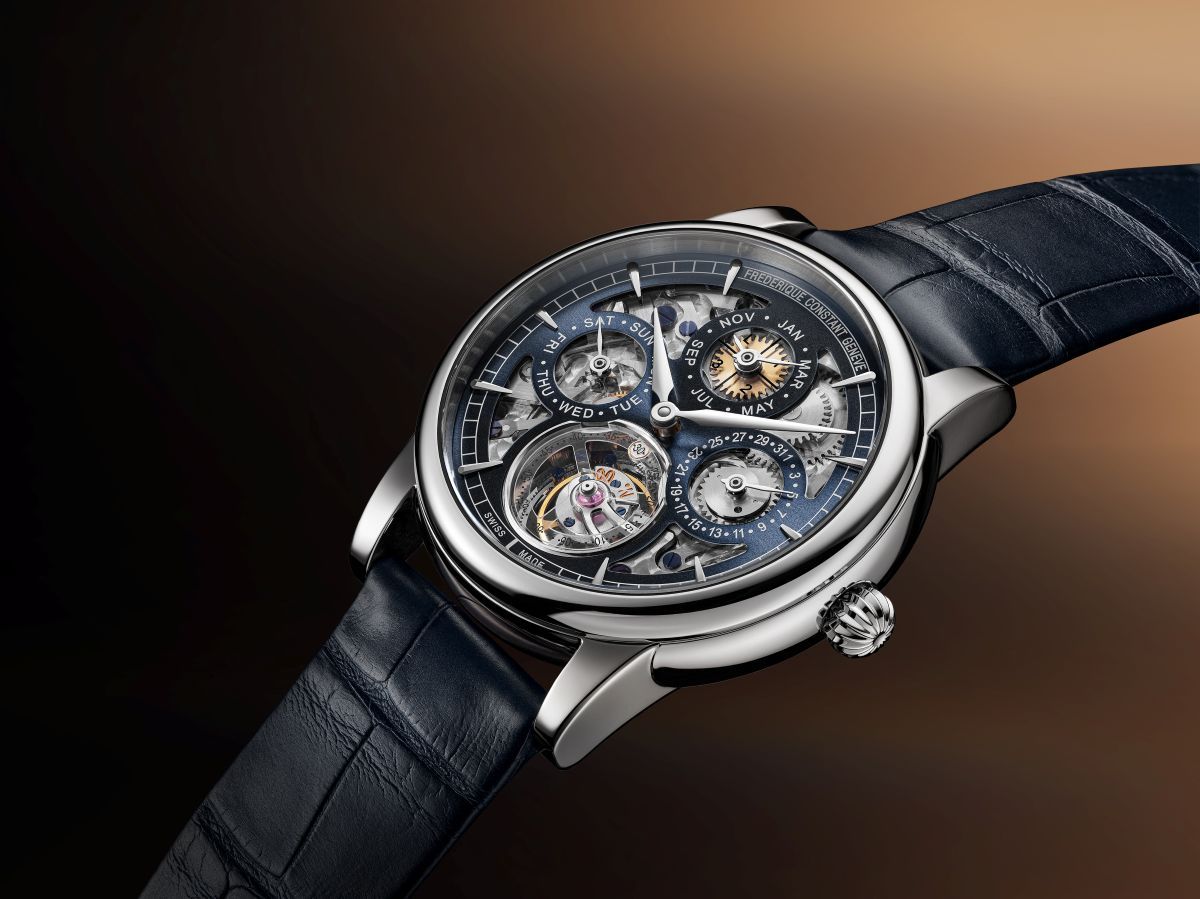
The tourbillon, too, belongs among these constructions: in Frédérique Constant’s in-house-developed manufacture calibre FC-980-4, the balance wheel and escapement rotate within a cage to compensate for positional rate variations.
Limited to 88 pieces, the Classic Tourbillon Perpetual Calendar Manufacture (FC-975N3H6) demonstrates how different watchmaking complications can be combined: it brings together a tourbillon and a perpetual calendar in a mechanical watch.
The Art of Effortlessness
In everyday life, a glance at the dial is enough. The time is correct, as is the date; the time in another city is there to read, and the chronograph begins a new timing sequence at the touch of a button. What happens inside to make this possible remains hidden.
Perhaps this is one of watchmaking’s most beautiful achievements: even highly complicated constructions perform their duties with an effortlessness that scarcely hints at the ingenuity and skill within.
After all, a perpetual calendar does not know that it is accounting for a leap year. It simply does.
Editor’s Picks