
Automotive
David Candaux × Luminari: The DC55 takes to the road
Five vehicles, carbon-fibre bodywork and an AMG V8: the DC55 project brings the marriage of historical inspiration and contemporary technology from watchmaking to the automobile.
At a Glance
- David Candaux and Luminari unveil the DC55: a restomod limited to five vehicles, drawing inspiration from the Mercedes-Benz 300 SL of the 1950s.
- Carbon-fibre bodywork with gullwing doors meets the 5.5-litre AMG V8 M152; the manufacturer quotes 416 hp and 540 newton metres.
- For a watchmaking audience, the DC55 is of interest as a design project with links to the DC6 Wildfire; no new watch reference is being announced.
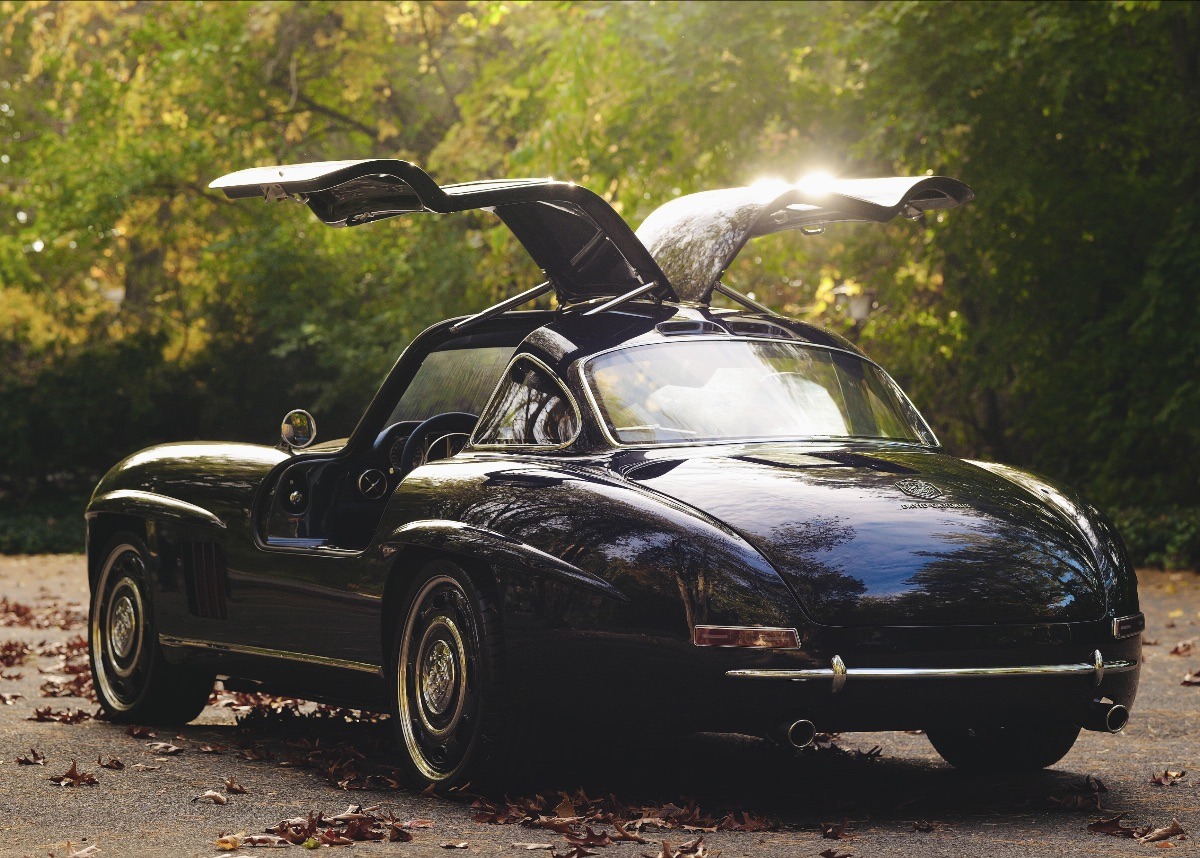
With the DC55, the collaboration between David Candaux and Luminari moves to a different scale. The new project is a restomod limited to five vehicles: its form takes its cues from the Mercedes-Benz 300 SL of the 1950s, while more recent engineering underpins it. Its connection to watchmaking lies in Candaux’s approach to design and the previously unveiled DC6 Wildfire.
Historical silhouette, modern underpinnings
Luminari builds the DC55 on the platform of a Mercedes-Benz SLK 55 AMG from the R172 series. Carbon-fibre bodywork reinterprets the elongated proportions, curved wings and gullwing doors of its historical inspiration. The reference to the 300 SL is clear; the vehicle remains a distinct small-series creation by Luminari.
Carbon-fibre bodywork and gullwing doors reinterpret the historical automotive silhouette.
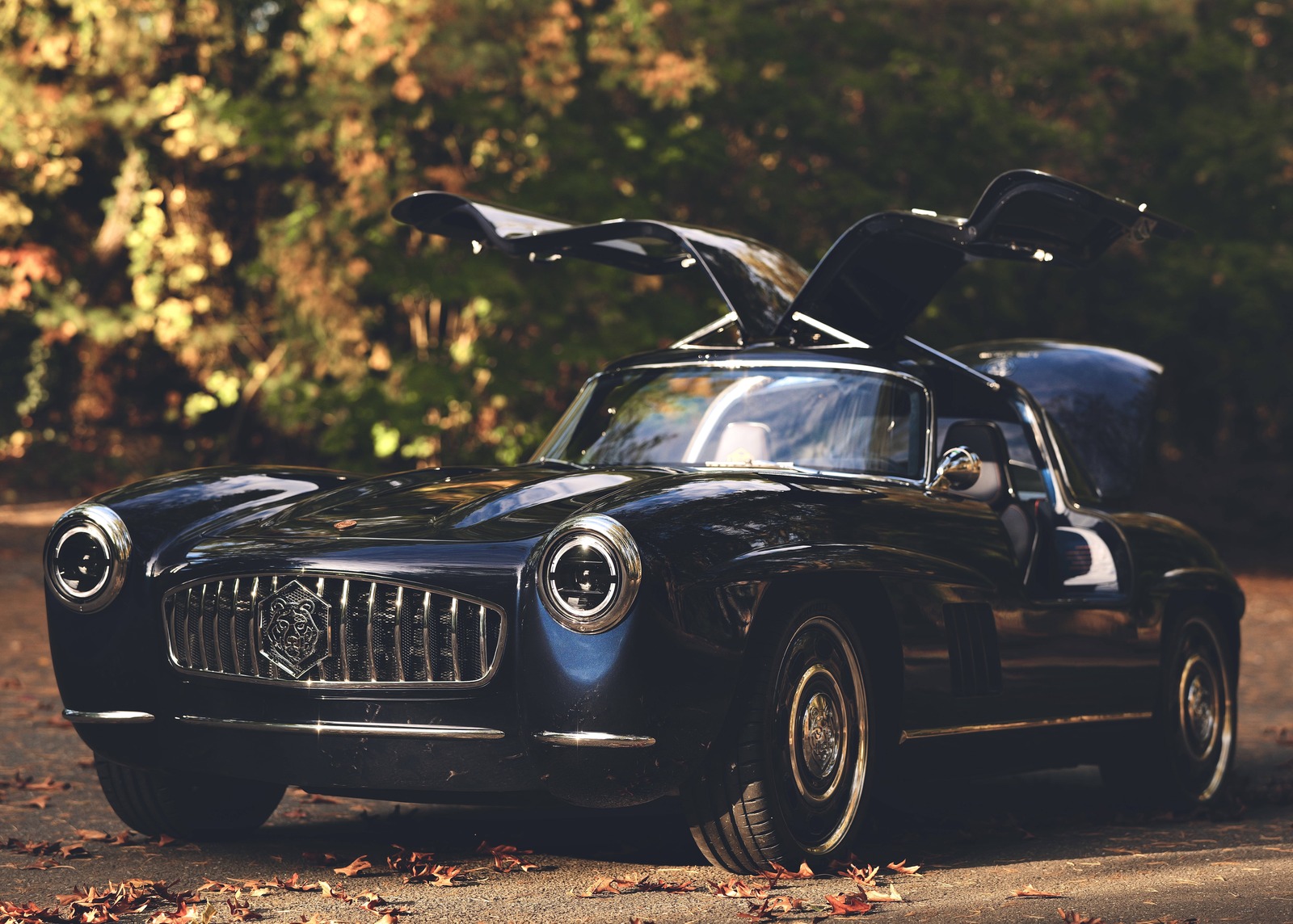
Power comes from the 5.5-litre AMG V8, internally designated M152. The manufacturer quotes 416 hp and 540 newton metres, paired with a seven-speed gearbox. The claimed sprint time of 4.6 seconds to 100 km/h is supplied by the manufacturer. Combining a classic appearance with the performance of a considerably more recent vehicle architecture is thus integral to the project’s character.
The link to David Candaux
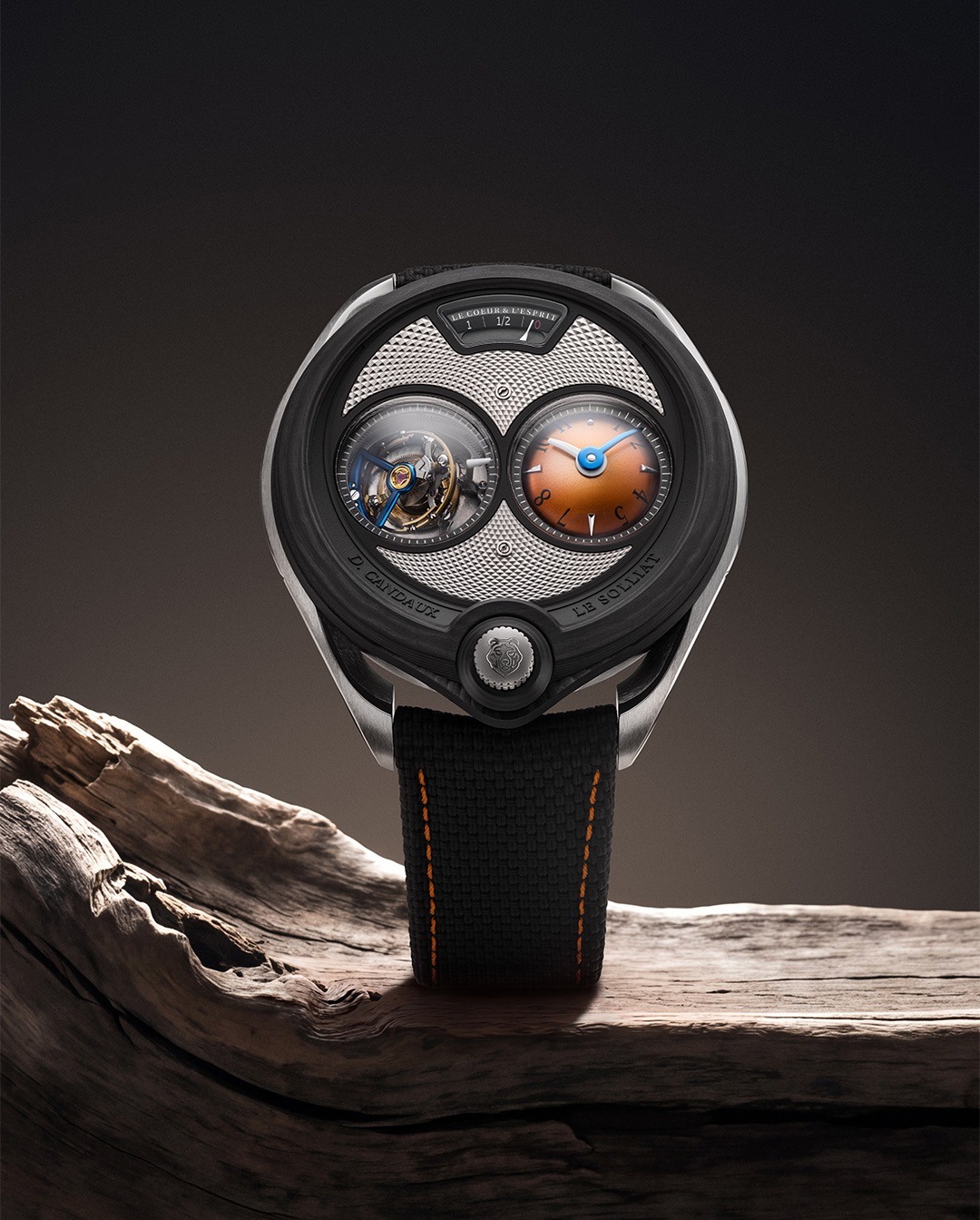
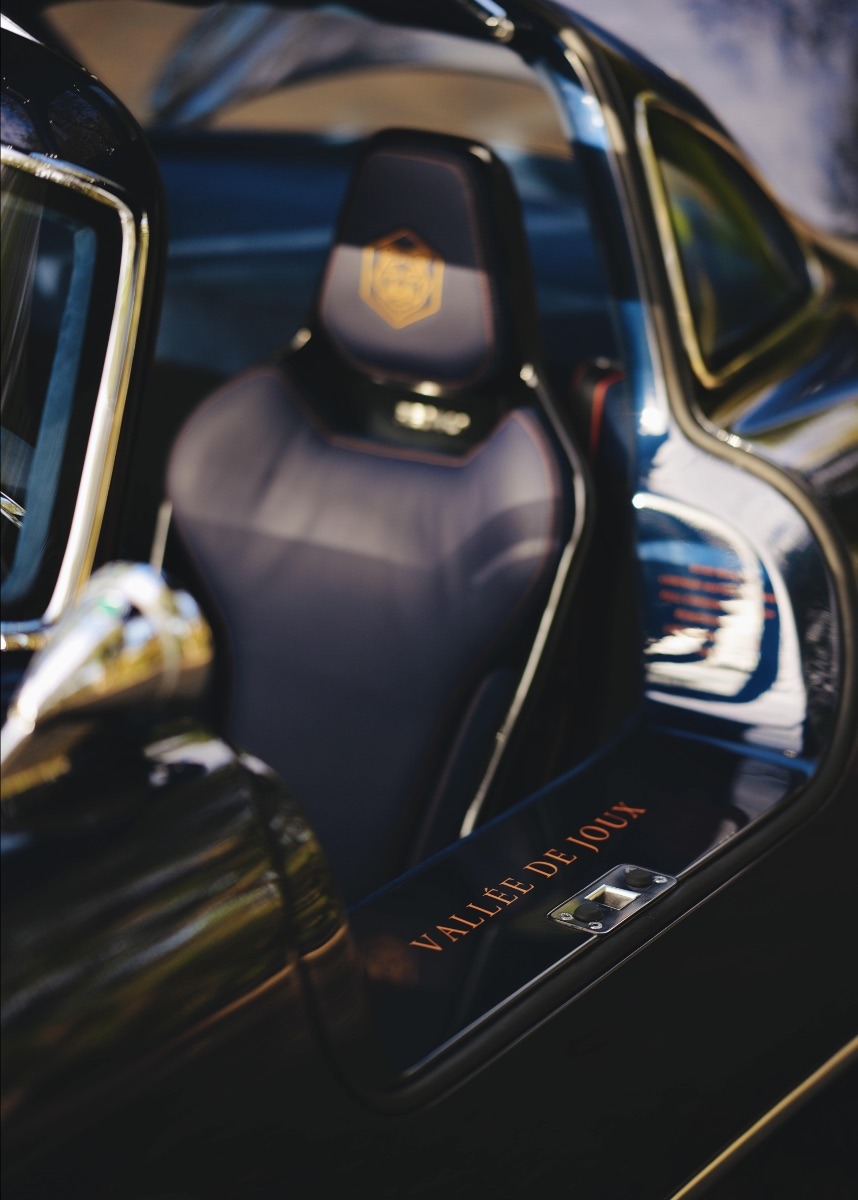
Carbon fibre and metal, exposed construction and carefully orchestrated surface detailing: this is where the design affinity with the DC6 Wildfire lies. The watch expresses these themes on the wrist, the DC55 in automotive form. Inside, bespoke details and the interplay of different materials carry the idea further.
A look inside the individually designed interior of the DC55.
For a watchmaking audience in particular, this collaboration is compelling as a design project. How far can a historical form be altered without losing its recognisability? And which contemporary materials and manufacturing methods lend it a different expression? The DC55 answers these questions with a very limited production run and a highly individualised vehicle. The DC6 Wildfire serves as the collaboration’s horological point of reference. The occasion here is the unveiling of the automobile; no new watch reference is being announced alongside the DC55.
Editor’s Picks