
Awards
GPHG 2026: Rexhep Rexhepi wins the Aiguille d’Or
Rexhep Rexhepi takes the top prize in Geneva with his Chronograph Flyback. An overview of all 20 GPHG 2026 awards, with images and key details of the winning timepieces.
At a Glance
- Rexhep Rexhepi takes the top prize in Geneva with his Chronograph Flyback. An overview of all 20 GPHG 2026 awards, with images and key details of the winning timepieces.
Celebrating the art of watchmaking is central to the identity of the Grand Prix d’Horlogerie de Genève. At this year’s ceremony, which INSIGHT-LUXURY attended live in Geneva, the speeches gave this principle a deeply personal dimension. Many award winners and presenters recalled their earliest encounters with watches, formative family influences and the people who have passed on their enthusiasm and craft expertise through the generations.
UNESCO Director-General Khaled El-Enany, the evening’s guest of honour, also emphasised the importance of watchmaking as cultural heritage. His words drew particular attention to the traditions and skills that have evolved over centuries, connecting people across national, cultural and religious boundaries. It was a sentiment echoed in many of the evening’s personal stories.
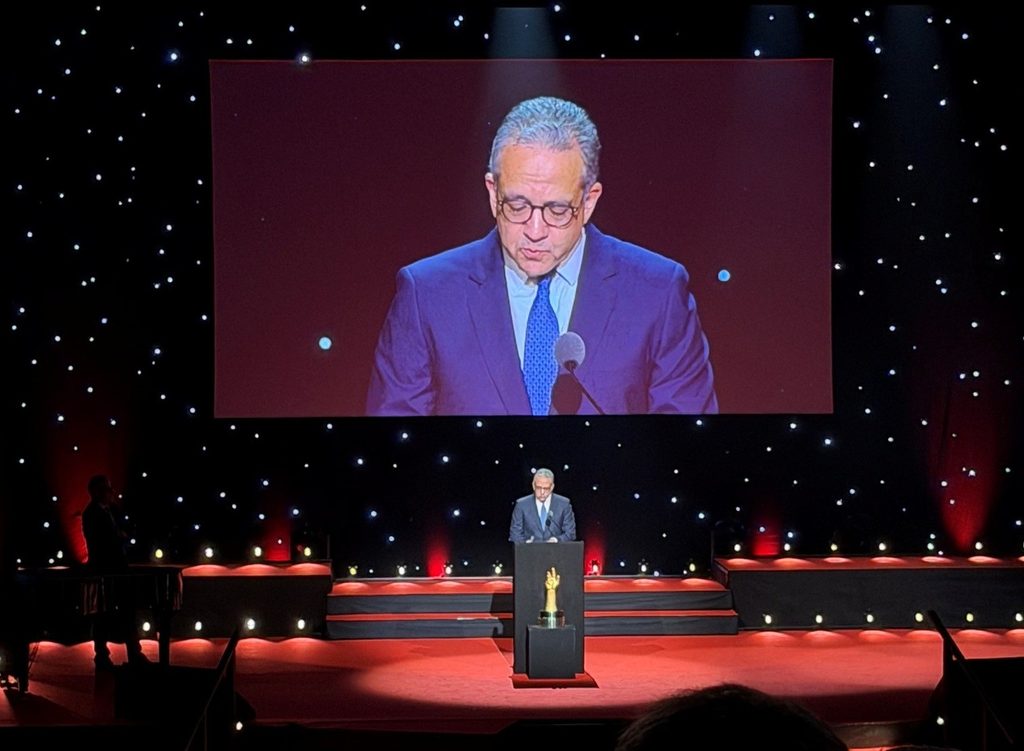
The Grand Prix d’Horlogerie de Genève has honoured outstanding timepieces since 2001. Since 2011, it has been run by a foundation with recognised charitable status. The awards are decided by votes from the international GPHG Academy and the jury, with the latter carrying twice the weight. Within the industry, the prize gives independent watchmakers the same platform as the major manufactures. The accompanying exhibitions open that platform to the public, too, offering a close-up view of mechanisms and craftsmanship that are often otherwise accessible only in photographs.
The awards:
Aiguille d’Or: Rexhep Rexhepi Chronograph Flyback
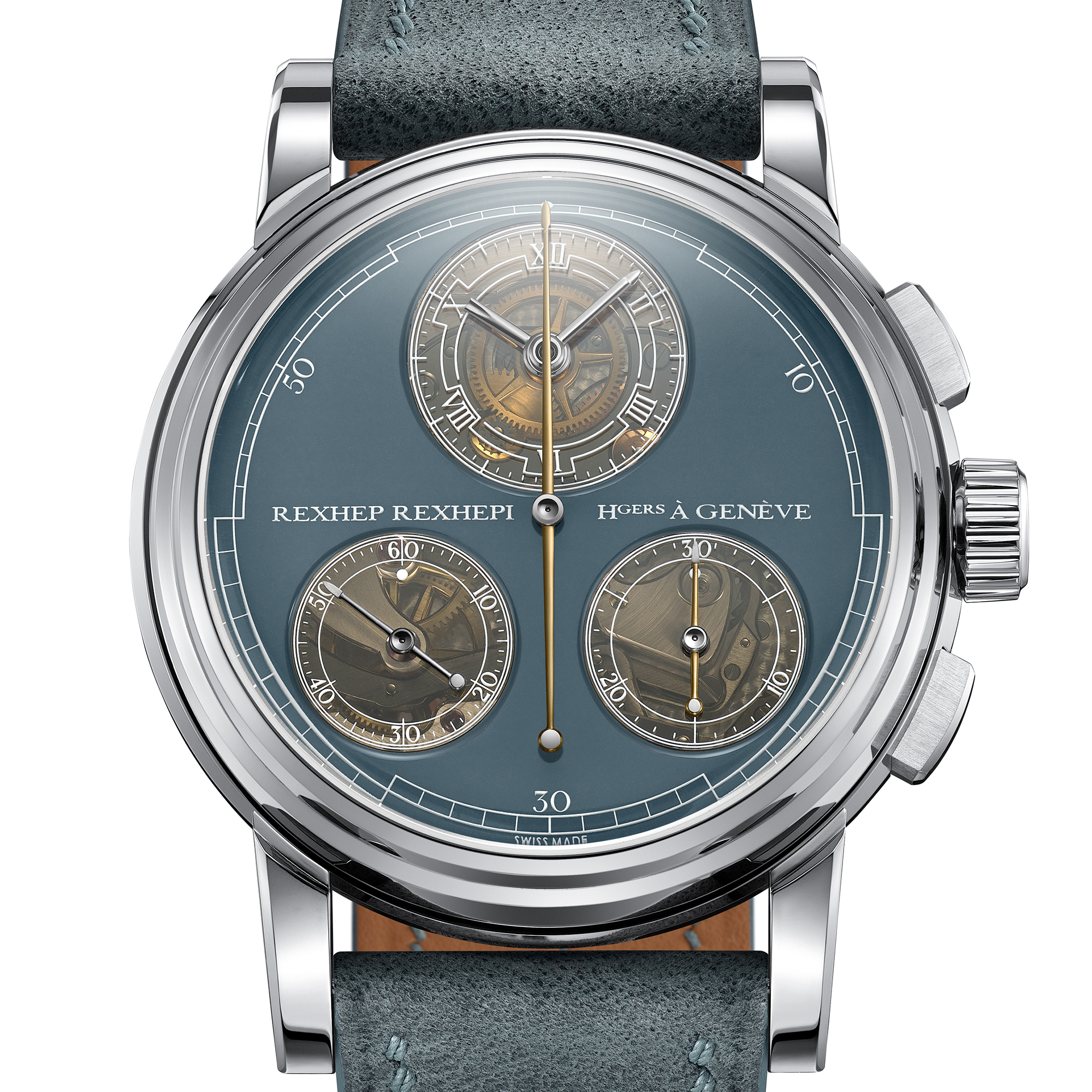
Geneva-based watchmaker Rexhep Rexhepi takes the top prize with his first flyback chronograph. At the push of a button, the mechanism resets a running measurement and immediately starts it again. The integrated, manually wound calibre with a column wheel and horizontal clutch offers 72 hours of power reserve. It also features a minute counter that advances precisely at the end of each minute.
The 38,8-millimetre platinum case pairs a blue grand feu enamel dial with tinted sapphire discs over the counters. The reverse reveals the chronograph in action, while also showcasing the hand-executed finishing.
The winners of the 14 categories
Best Time-Only Watch: Chopard L.U.C 1860
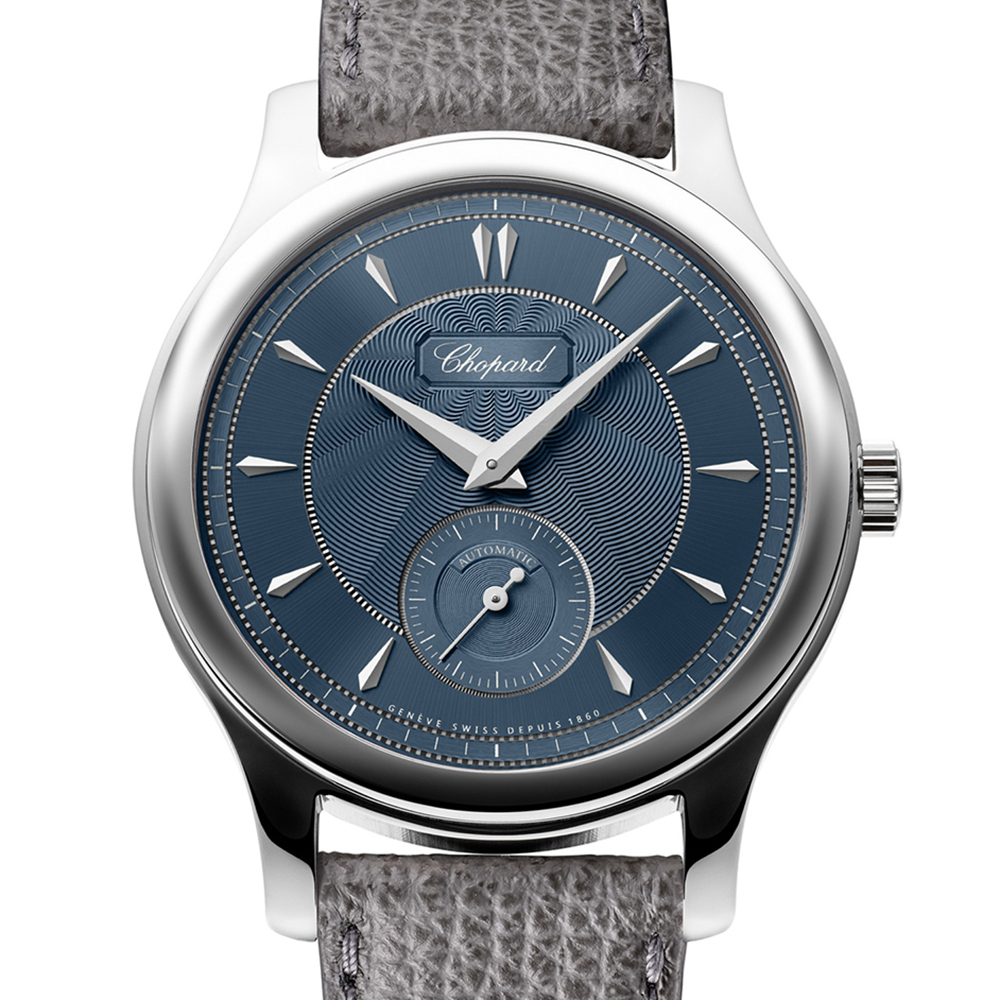
The L.U.C 1860 takes its cue from Chopard’s first L.U.C model of 1996. The blue, hand-guilloché white gold dial dispenses with a date display. Inside the 36,5-millimetre Lucent Steel case is the slim self-winding calibre L.U.C 96.40-L, with a micro-rotor in 22-carat gold. The movement offers 65 hours of power reserve; the watch bears the Geneva Seal and is chronometer-certified.
Essential Watch Prize: Daniel Roth Extra Plat Rose Gold Skeleton
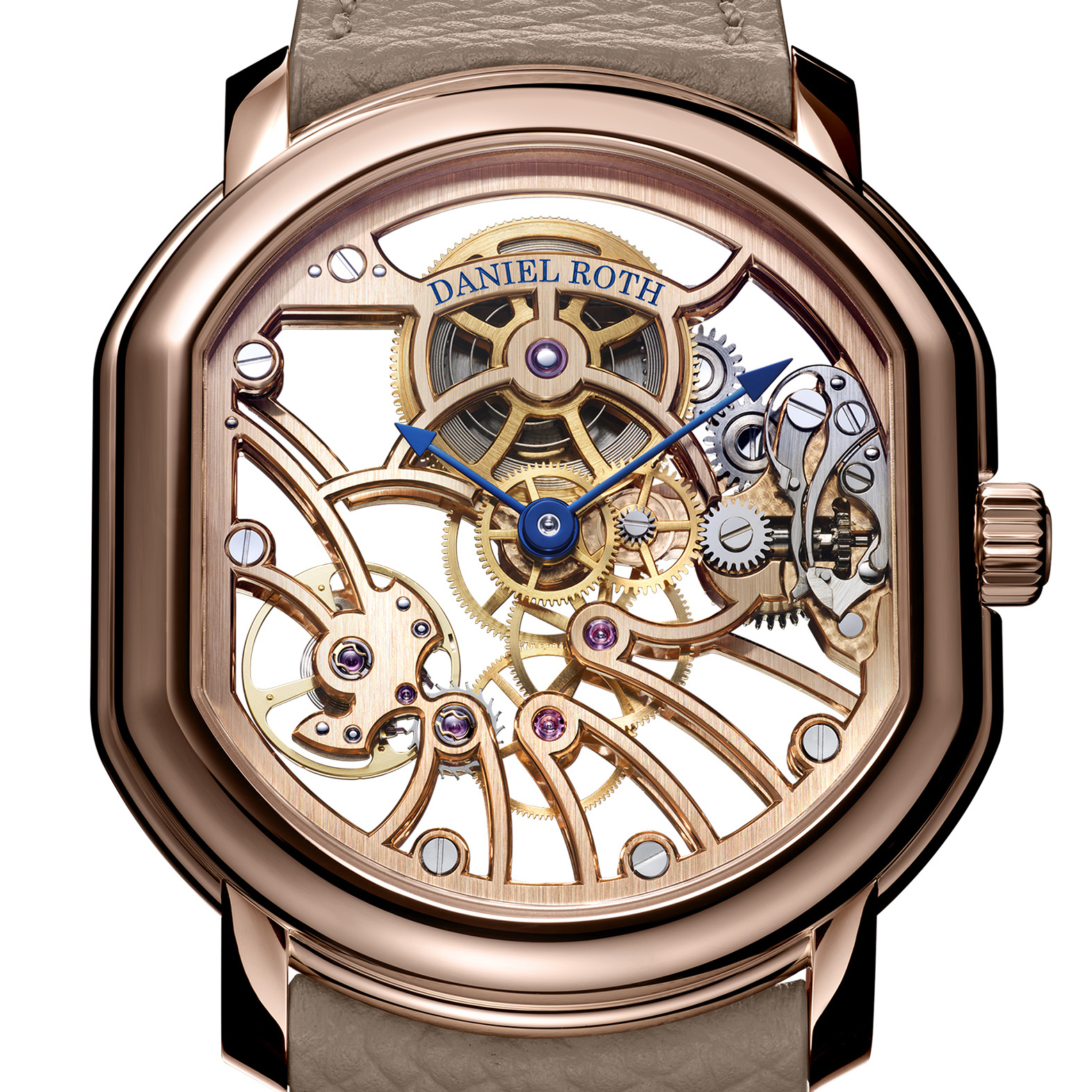
The case’s double ellipse frames the openworked, manually wound calibre DR002SR. The rose gold mainplate and bridges have been cut away extensively, leaving the gear train and barrel clearly visible. Sharp internal angles along the hand-finished edges reveal the extent of the finishing in a watch just 6,9 millimetres thick.
Complication Watch Prize: Cleguer Inspiration One
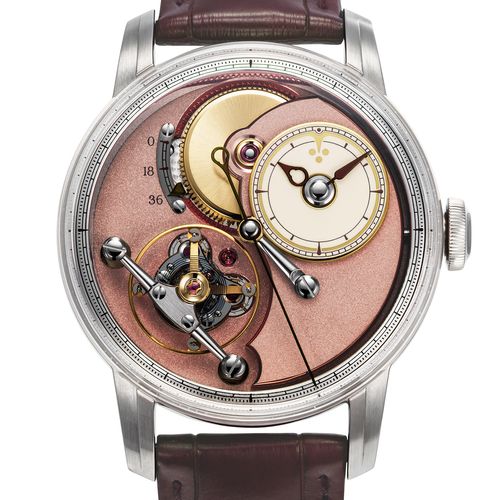
With his debut creation, Mathieu Cleguer introduces an escapement of his own design. Two escape wheels transmit the impulse to a generously sized balance; the mechanism starts by itself once wound. The off-centre time display in grand feu enamel leaves room for the escapement on the front.
Mechanical Exception Prize: Blancpain Grande Double Sonnerie
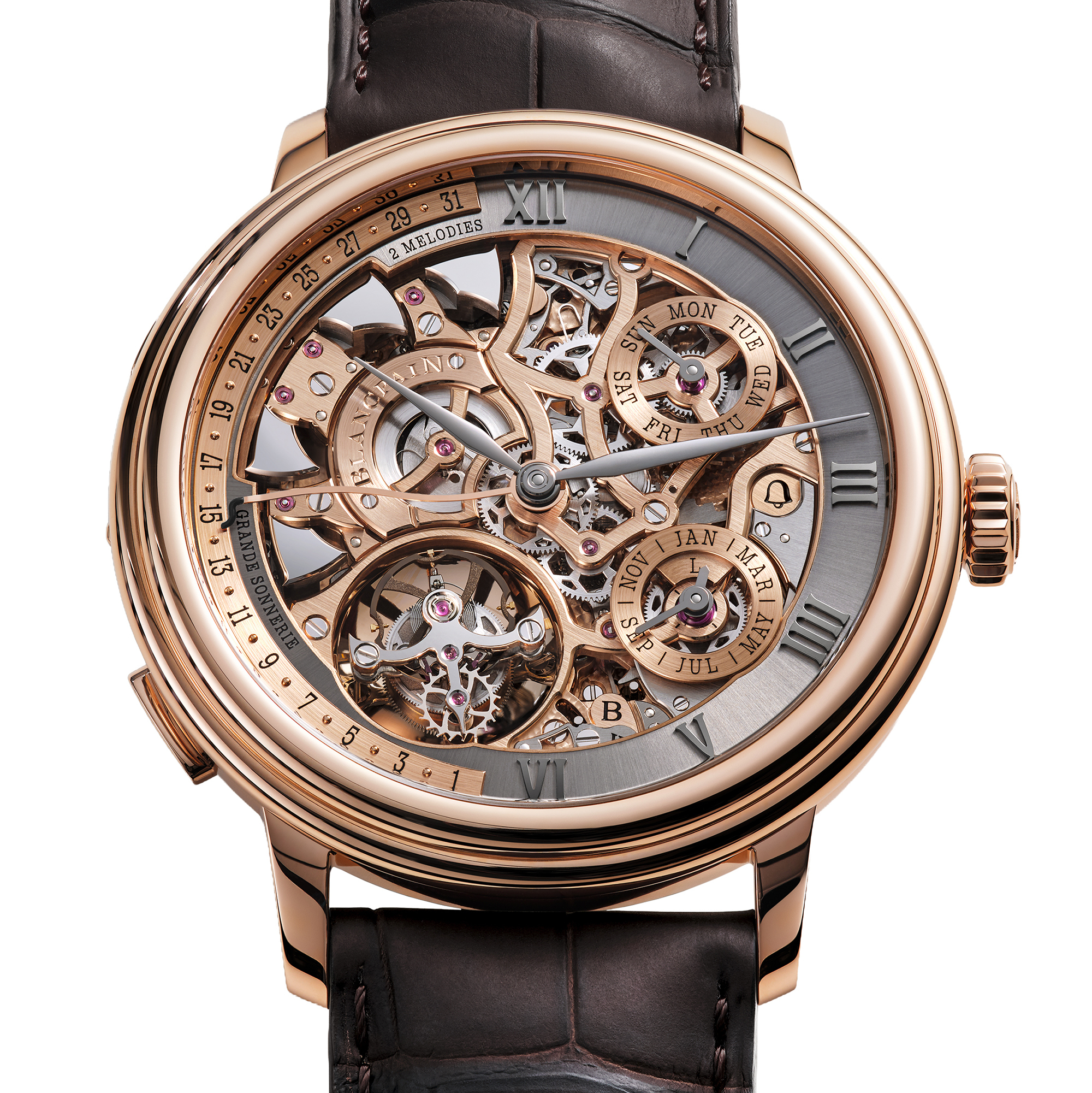
Four hammers and four gongs sound either the Westminster chime or an original melody. The grande and petite sonnerie strike automatically, while the minute repeater sounds on demand. Blancpain combines the striking mechanism with a perpetual calendar featuring a retrograde display and a flying tourbillon. The movement comprises 1.053 components.
Gemset Watch Prize: Piaget Swinging Pebble
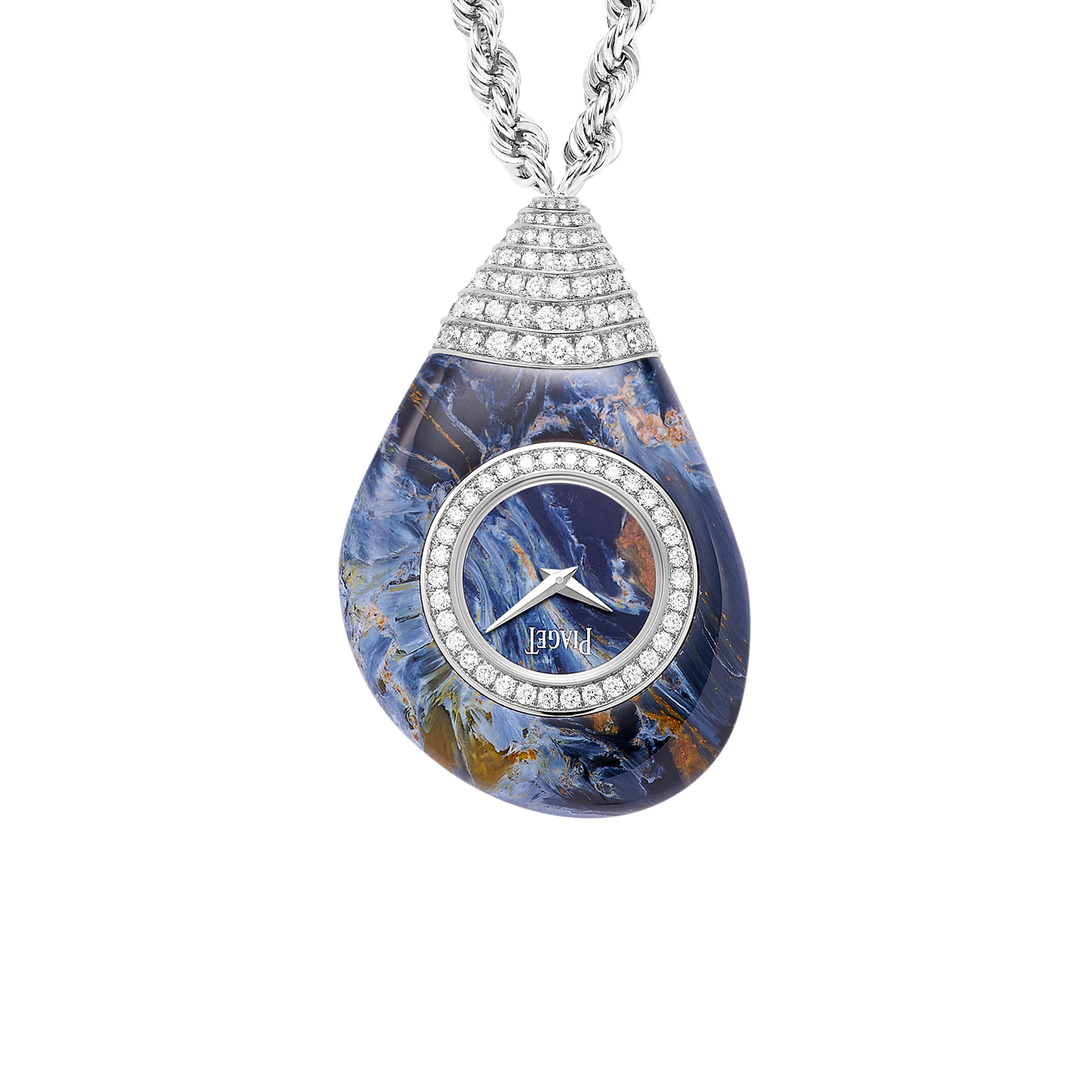
Piaget revisits one of its own jewellery watches from the early 1970s. The asymmetric pendant on a long chain recalls a smoothly polished pebble. In the award-winning white gold version, pietersite meets diamonds, while a quartz movement keeps time.
Tourbillon Watch Prize: Ferdinand Berthoud Chronomètre FB 2TV
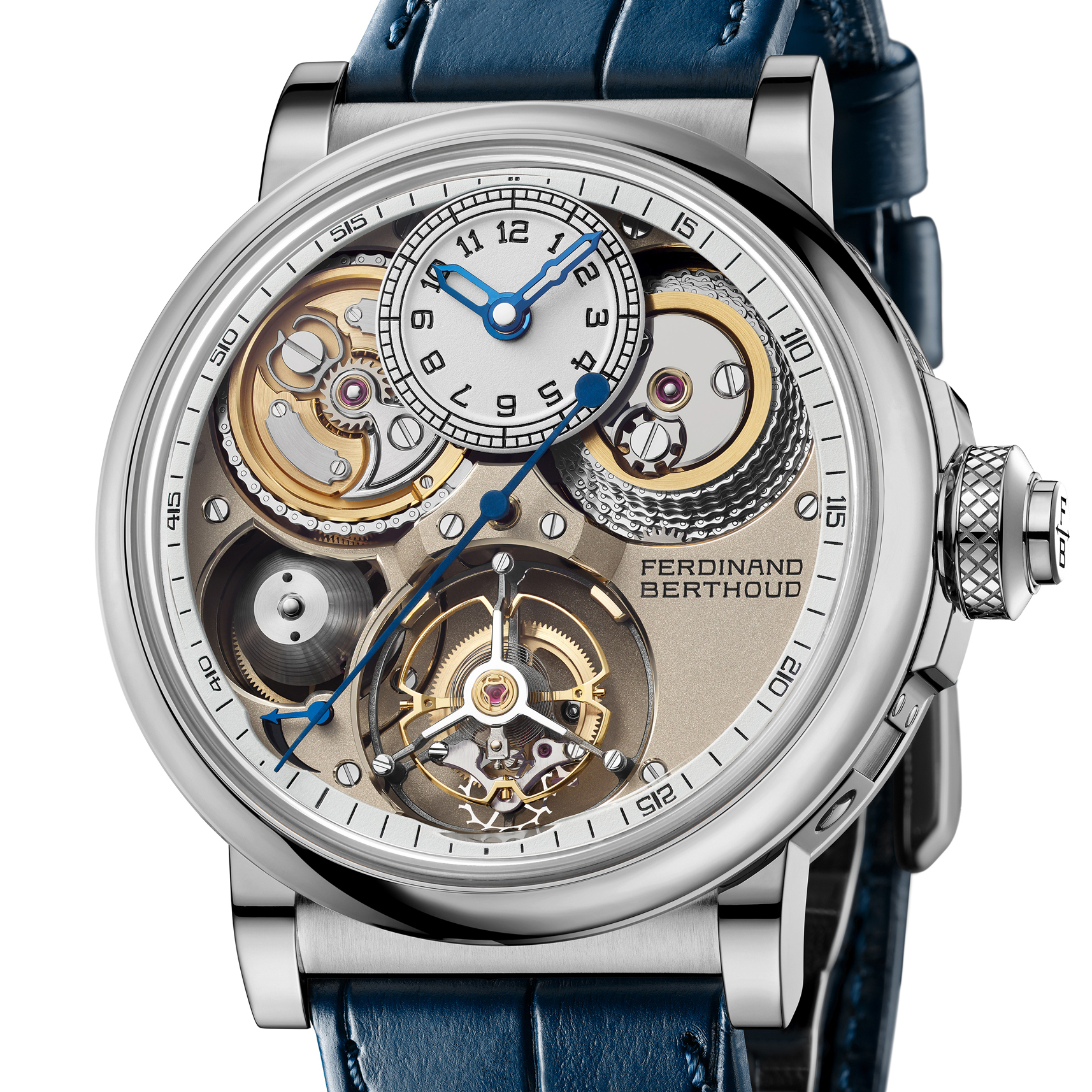
The tourbillon and fusée-and-chain mechanism are visible from the front. As the mainspring unwinds, the fusée changes its effective lever arm, compensating for the diminishing torque. The manually wound calibre FB-TC.FC offers 60 hours of power reserve. It is one of two creations for which Ferdinand Berthoud received an award in Geneva.
Chronograph Watch Prize: Parmigiani Fleurier Tonda PF Chronographe Mystérieux
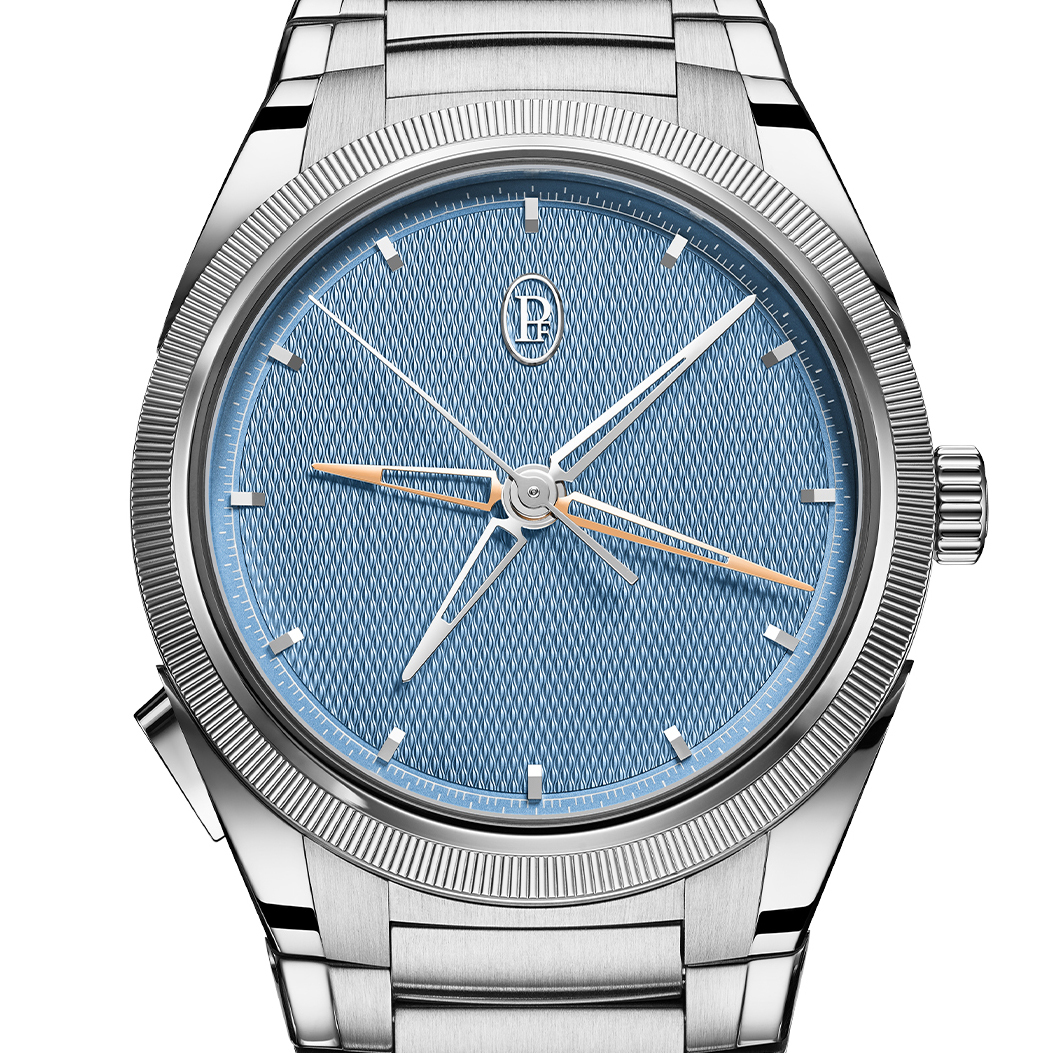
At rest, the Tonda PF retains the appearance of an understated time-only watch. Starting the chronograph reveals three central hands for seconds, minutes and hours. Five hands in total share the same axis. Starting, stopping and resetting are all controlled by a single pusher.
Calendar and Astronomy Watch Prize: Audemars Piguet 150 Heritage
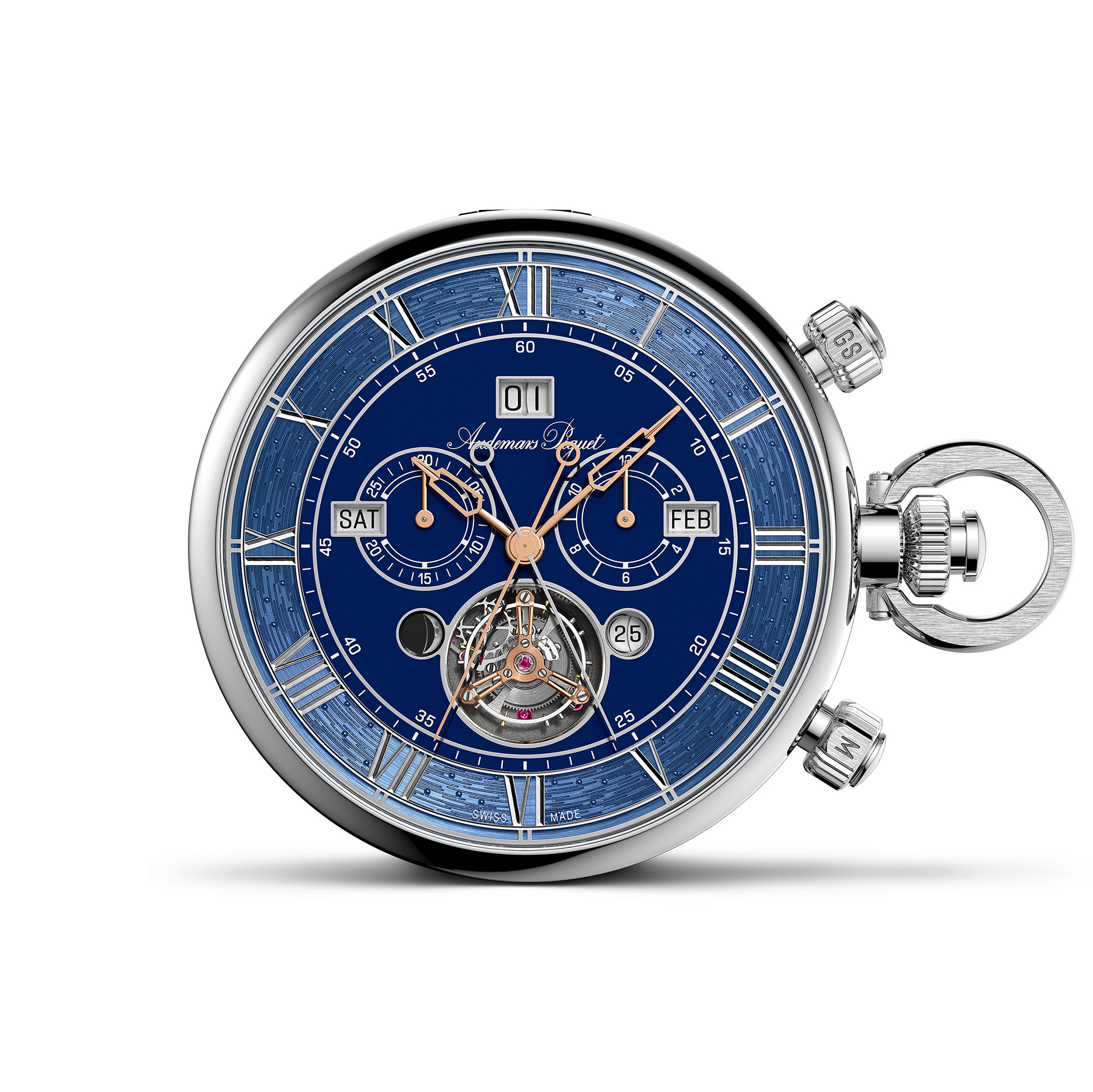
The 50-millimetre platinum pocket watch houses a universal lunisolar calendar on its reverse. The manually wound calibre 1150 also brings together a perpetual calendar, a striking mechanism and a split-seconds chronograph with flyback. Audemars Piguet is producing two examples of this anniversary watch.
Sports Watch Prize: Grand Seiko Spring Drive U.F.A. Ushio 300 Diver
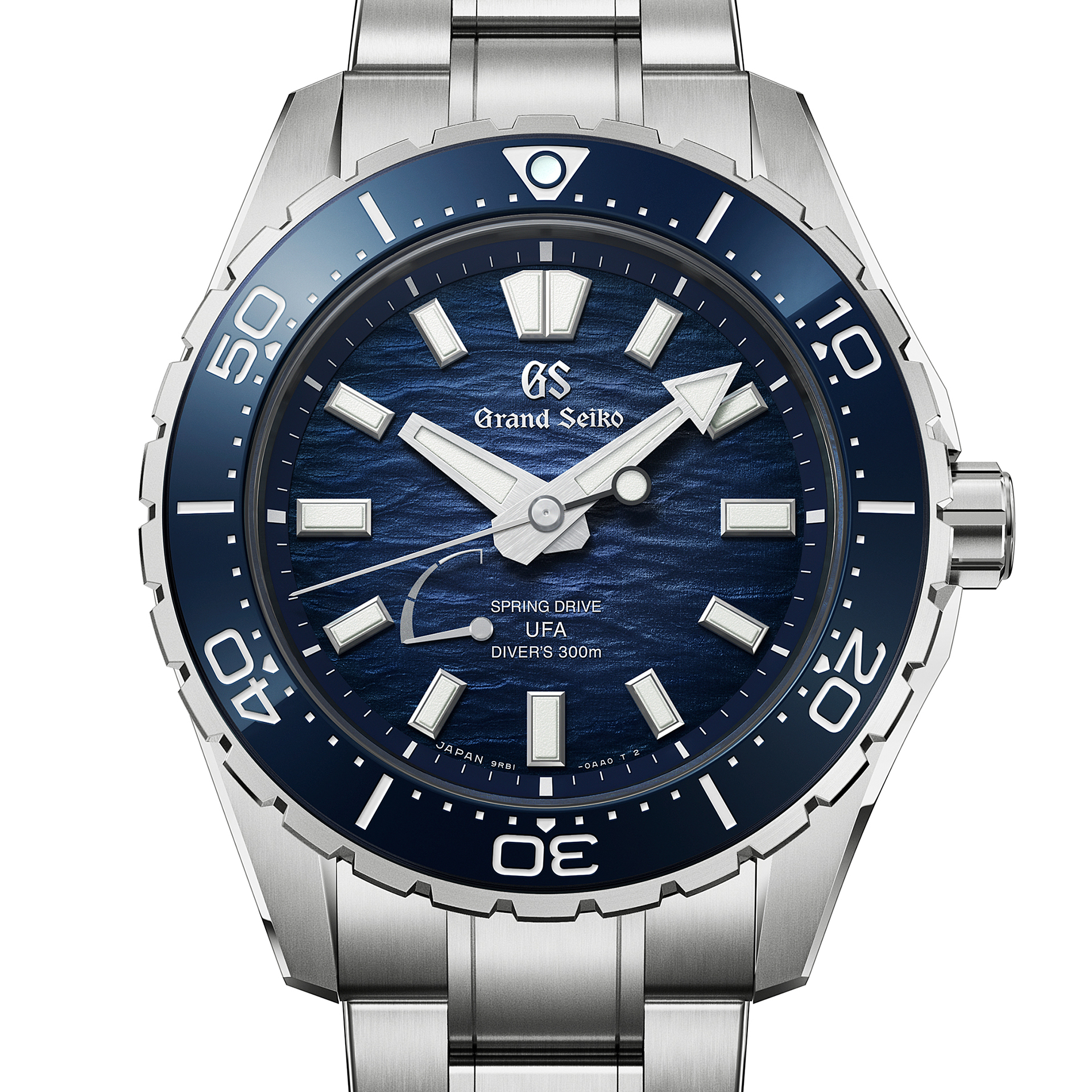
Water-resistant to 300 metres, the SLGB023 dive watch houses the Spring Drive calibre 9RB1 in a 40,8-millimetre case. Grand Seiko states a maximum deviation of ±20 seconds per year. A mainspring supplies the energy, while a quartz signal regulates the movement, which requires no battery.
Jewellery Watch Prize: Chopard Mystery Nut
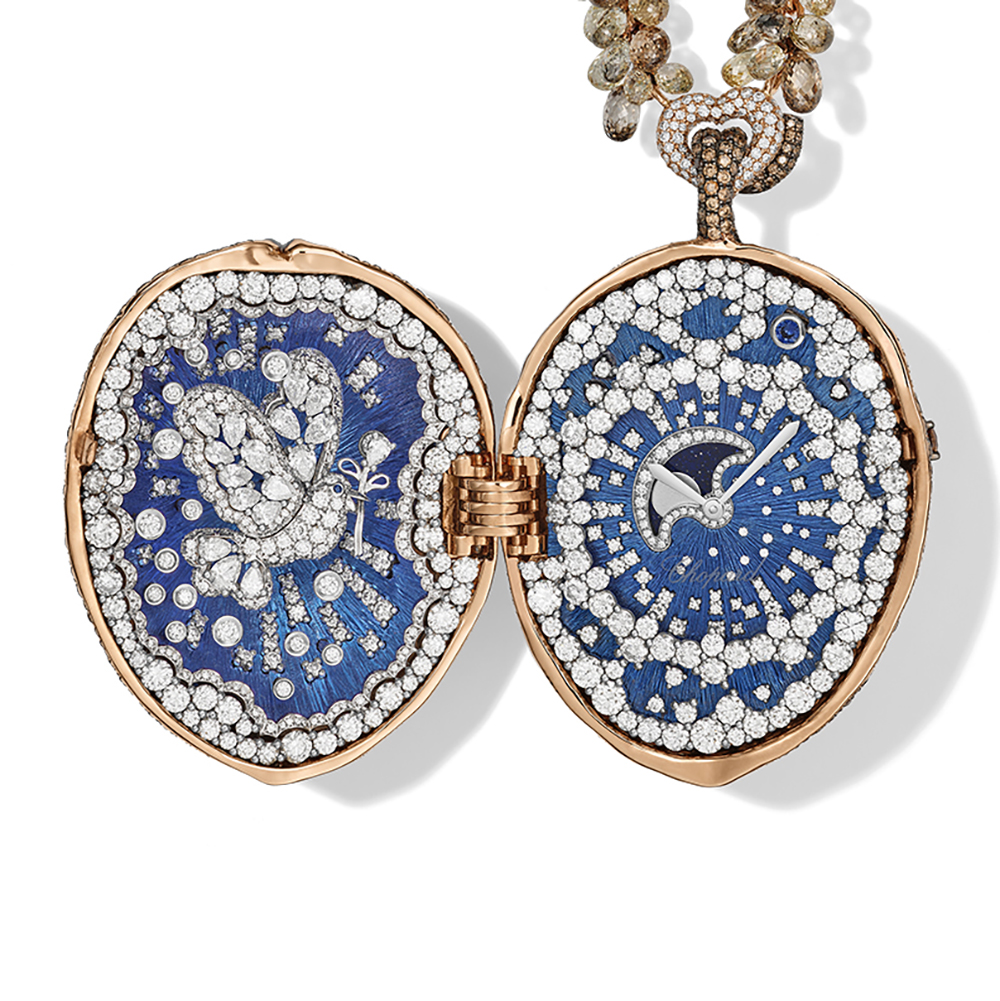
Dark-toned rose gold and brown diamonds give this unique piece the shape and texture of a walnut. The shell opens through 180 degrees to reveal a small watch with a moon-phase display. According to GPHG, some 600 hours of work went into the piece.
Artistic Crafts Watch Prize: Louis Vuitton Tambour Taiko Arty Automata
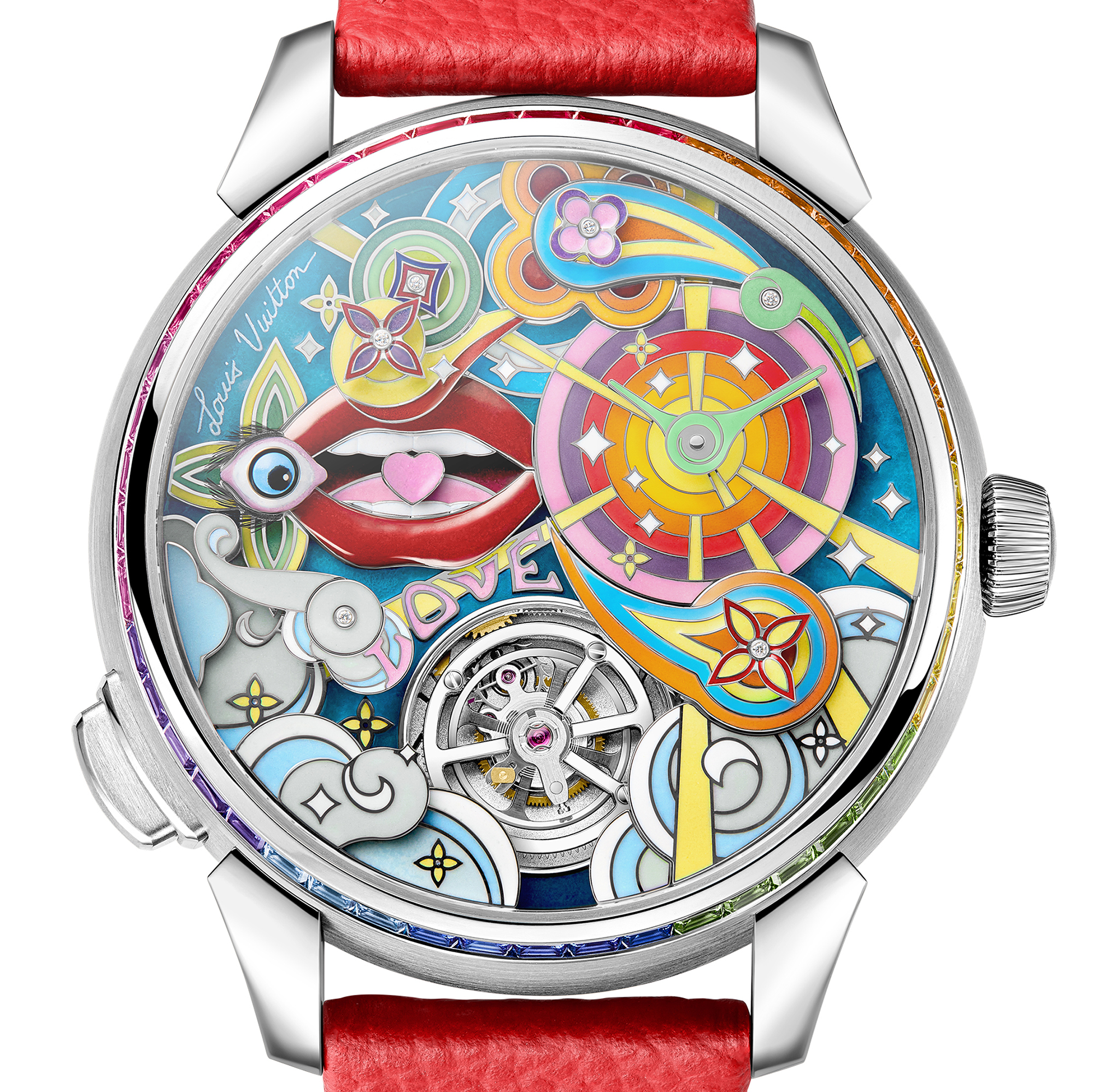
At the push of a button, the enamel scene comes to life: “Love” becomes “Move”. Champlevé and cloisonné enamel meet moving elements and a flying tourbillon. The dial alone represents some 250 hours of work.
Petite Aiguille: Otsuka Lotec No.8
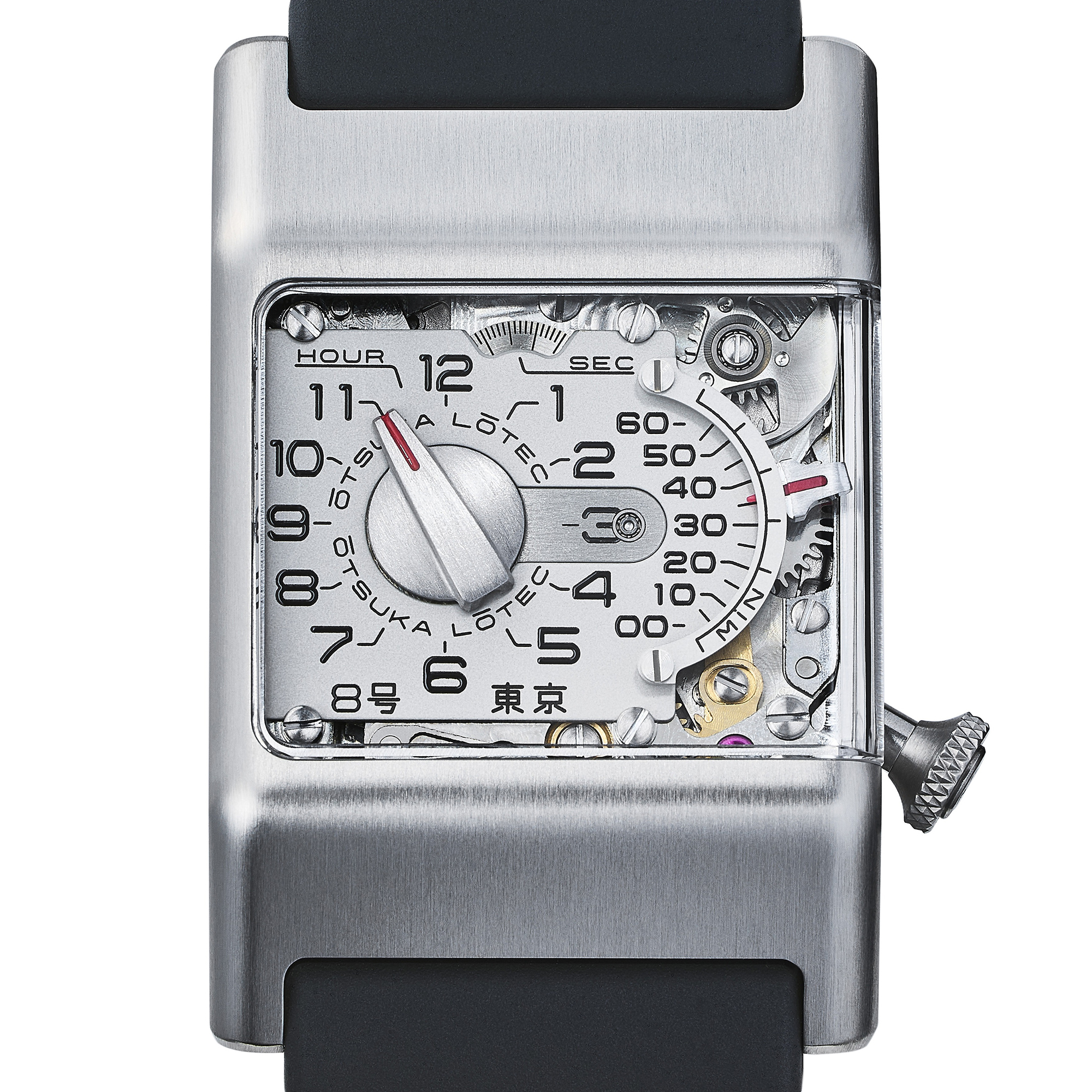
Jiro Katayama divides the time across three displays: the hour jumps, the minute display moves in a straight line and returns to its starting point after 60 minutes, and the seconds disc completes one revolution in 90 seconds. A proprietary module comprising 62 components sits on a Miyota base movement.
Challenge Watch Prize: SpaceOne × Baltic Seconde Majeure
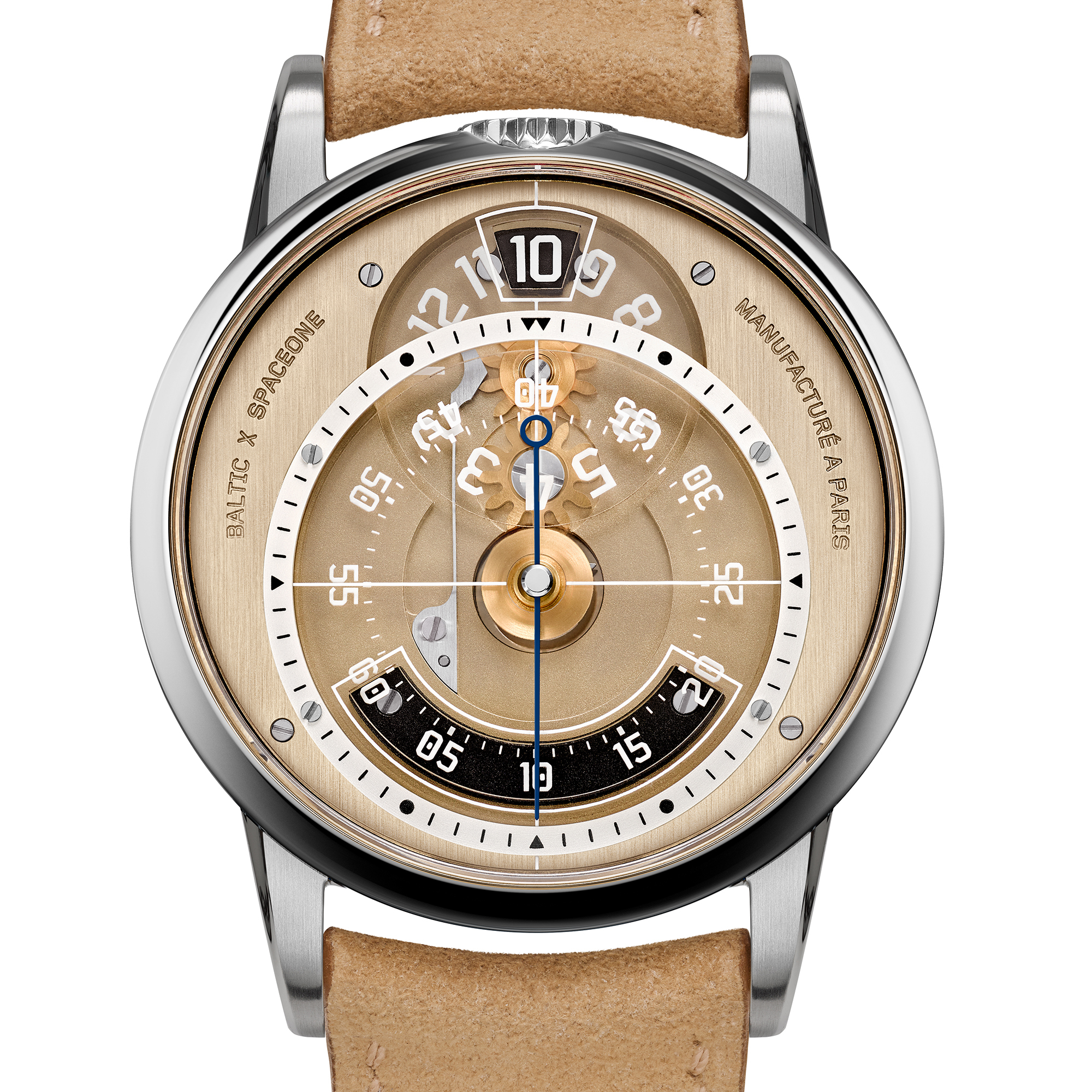
A twelve-toothed wheel reveals the changing hour on the dial. Developed by Théo Auffret, the module uses the German silver dial as its baseplate. The jumping hour thus becomes a focal point of this jointly created automatic watch from SpaceOne and Baltic.
Mechanical Clock Prize: La Vallée Cosmo
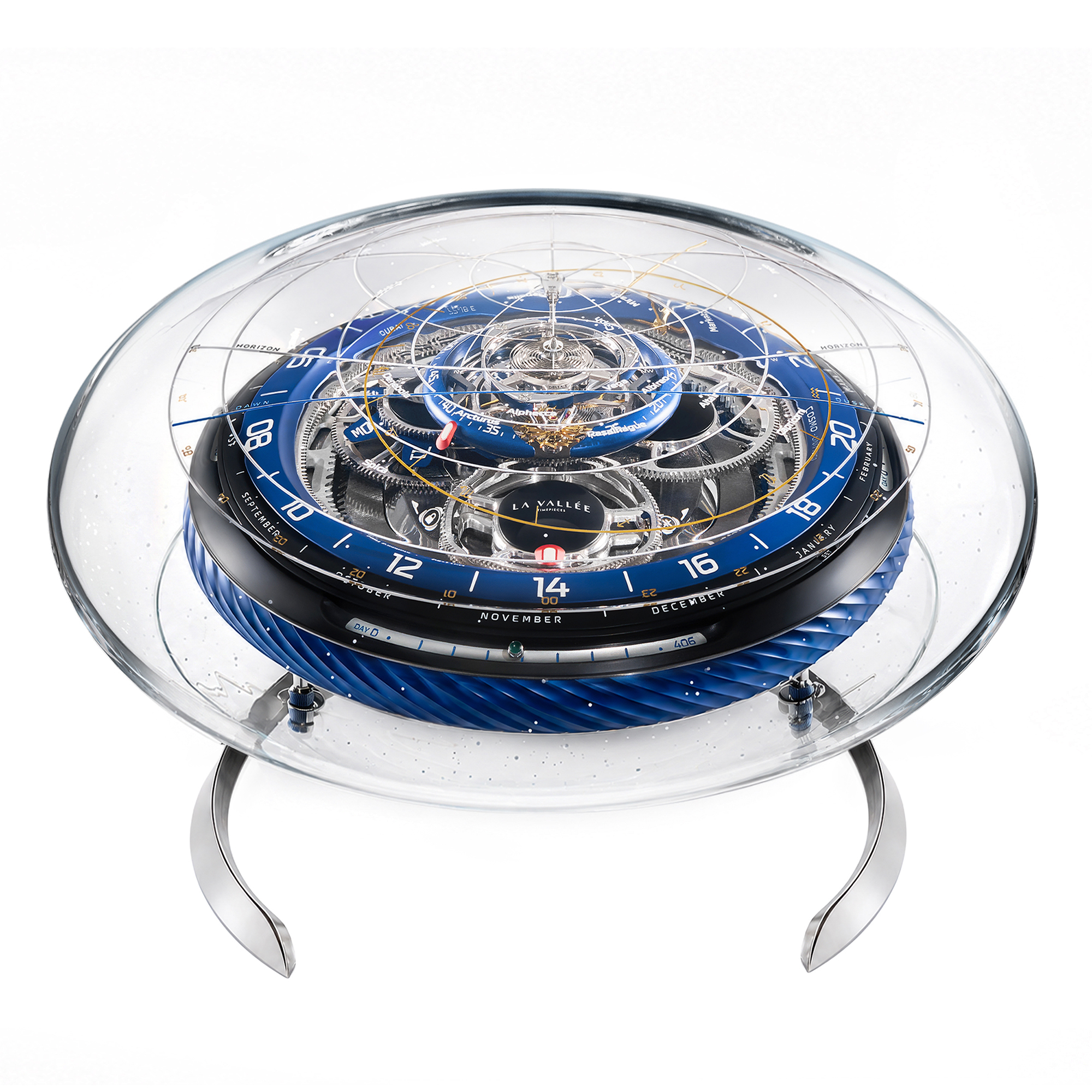
Beneath a mouth-blown Murano glass dome, the movement, weighing around 14,5 kilograms, rests in a magnetic suspension. It completes one revolution per sidereal day, or just under 24 hours. The table clock comprises around 1.280 components and runs for 406 days when fully wound.
Further awards and the special prize
Audacity Prize: Konstantin Chaykin ThinKing Mystery
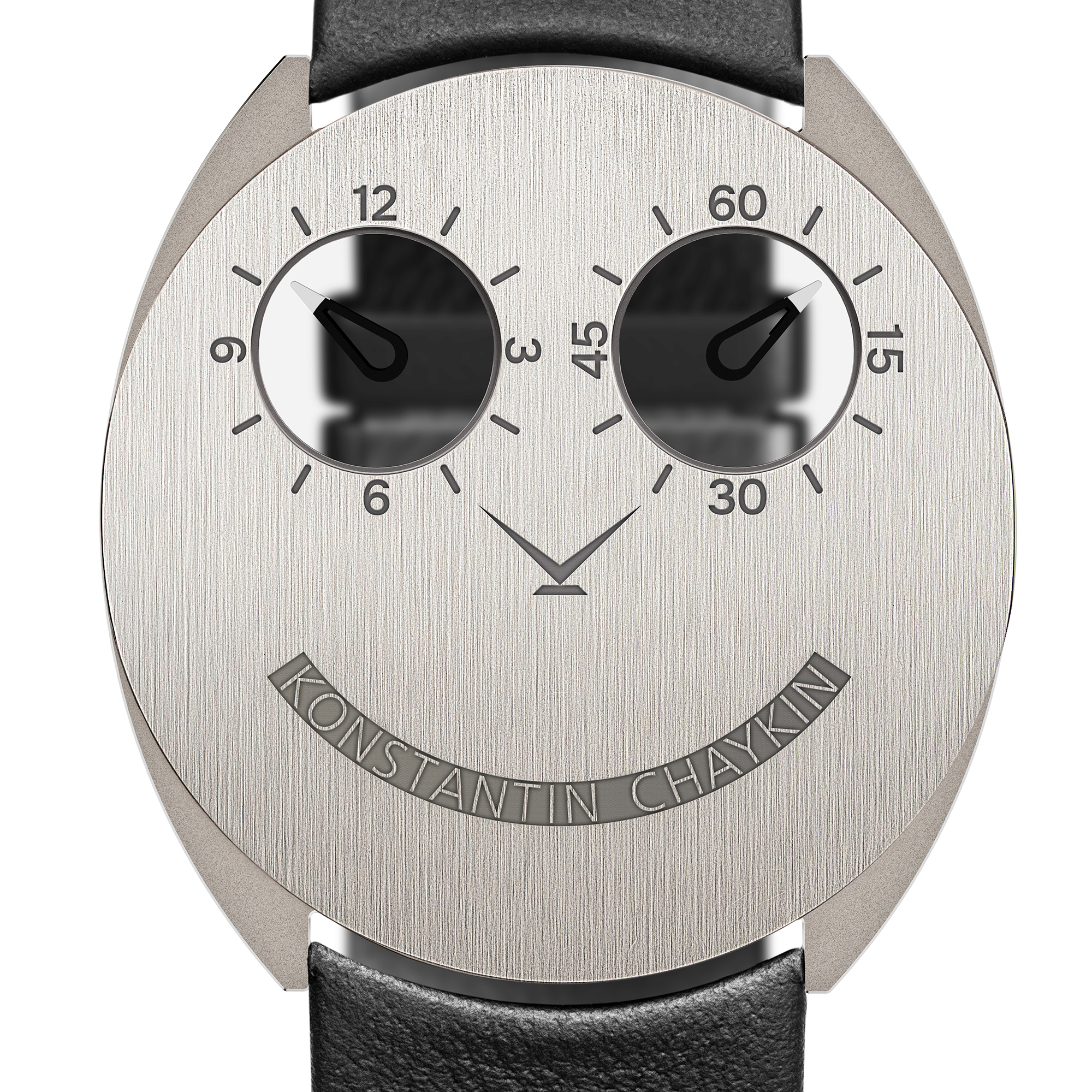
With an overall thickness of 1,65 millimetres, the ThinKing Mystery is thinner than many individual movements. This exceptionally slim profile is achieved by designing the case, movement and display as a single unit. The time display also follows the mystery principle, keeping its driving mechanism out of view.
Horological Revelation Prize: Dominique Renaud Pulse60 Titanium Black
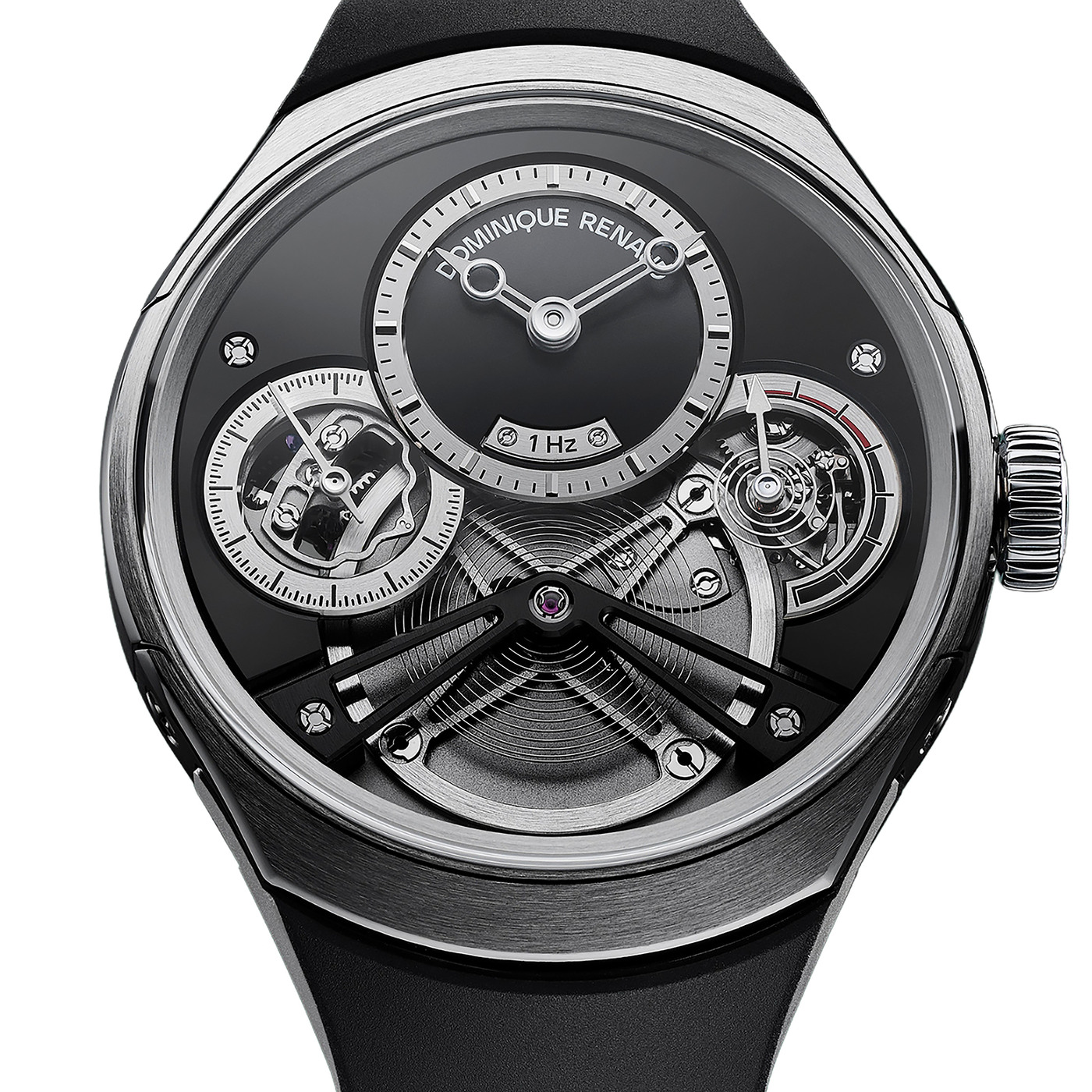
The 60 full oscillations per minute that give the watch its name correspond to one hertz. Dominique Renaud thus opts for an unusually slow beat, clearly observable in the openworked movement. The manually wound watch in a 40-millimetre titanium case offers 96 hours of power reserve.
Chronometry Prize: Ferdinand Berthoud Naissance d’une Montre 3
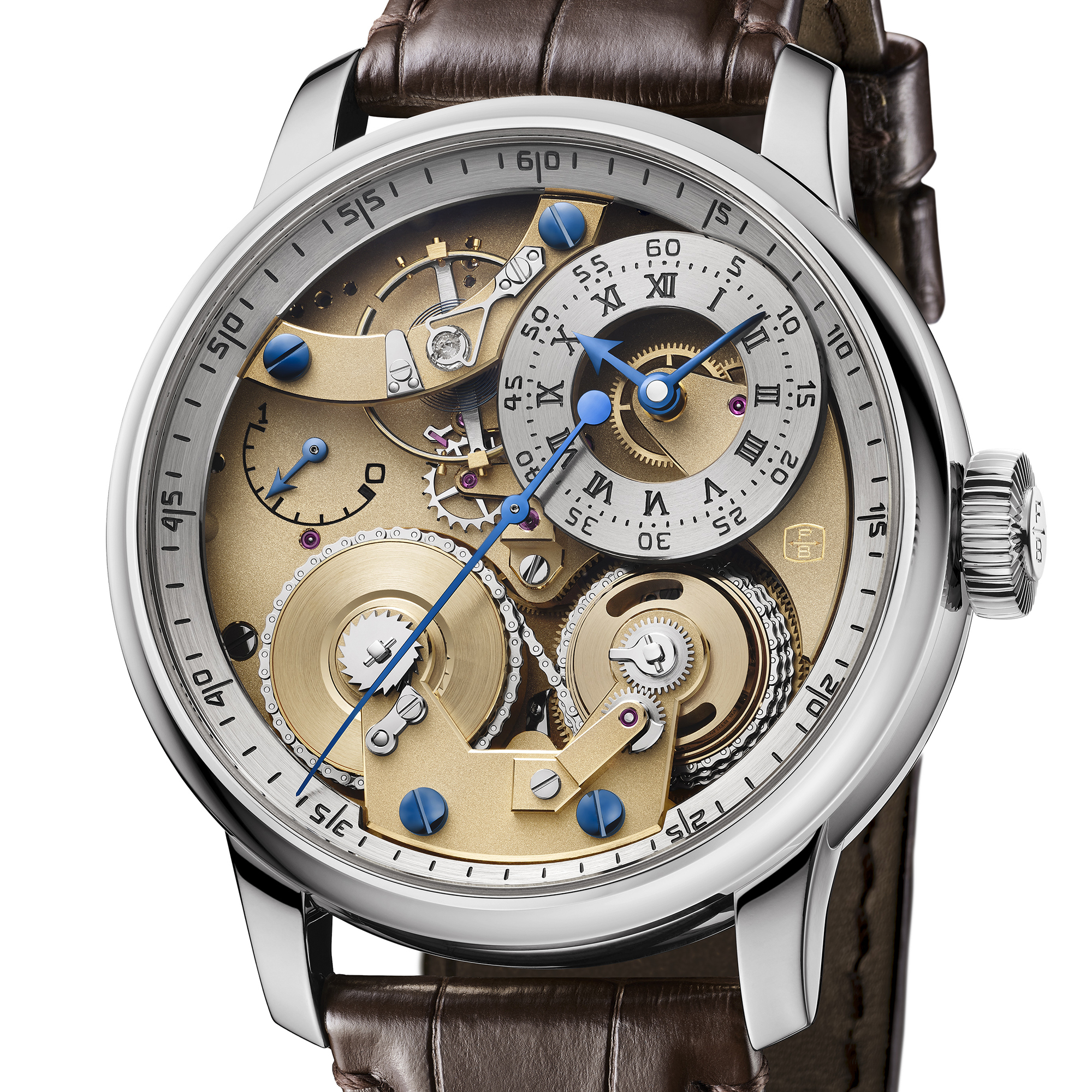
Ferdinand Berthoud’s second prize goes to a project that brings historical precision watchmaking into the present. The fusée-and-chain mechanism equalises the torque of the mainspring, while the split bimetallic balance is intended to compensate for temperature variations. More than 11.000 hours of work went into the first example of the planned eleven-piece series.
Iconic Watch Prize: Audemars Piguet Royal Oak “Jumbo” RD#5
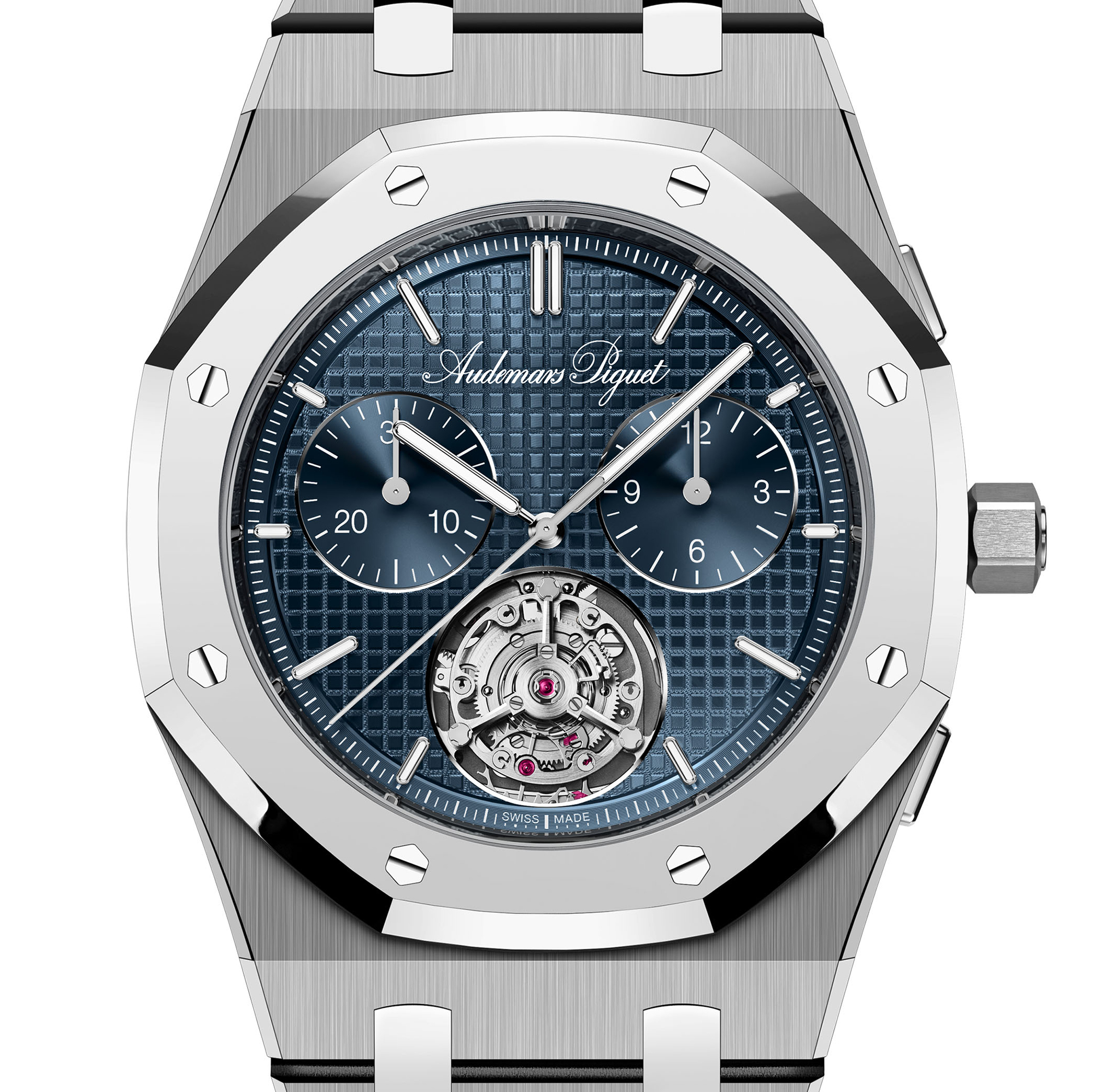
For its 150th anniversary, Audemars Piguet combines a flyback chronograph with a flying tourbillon in the 39-millimetre “Jumbo” format. The self-winding calibre 8100 allows for a short pusher travel. The case uses titanium and an amorphous metal alloy.
Special Jury Prize: Patek Philippe Watch Art Grand Exhibition
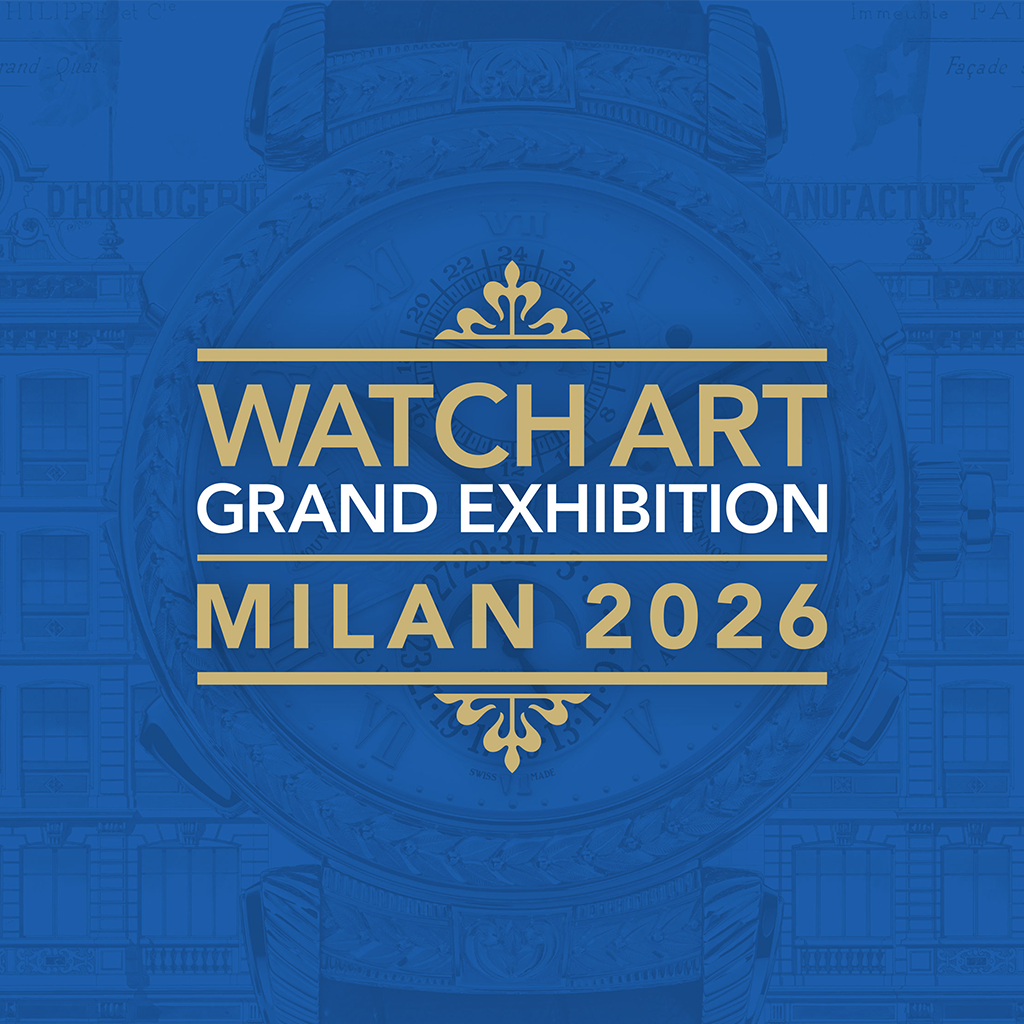
The special prize honours an exhibition. From 2 to 18 October, Patek Philippe presented historical timepieces from its Geneva museum in Milan and offered insights into the work of watchmakers and artisans. According to the manufacture, around 68.000 visitors attended. The exhibition thus also gave an audience beyond the industry an opportunity to discover how mechanical watches are made and how the craft has evolved.
The award winners head to London
In Geneva, the exhibition of the 84 nominated timepieces from 55 brands continues until 15 November at the Musée d’Art et d’Histoire. The award-winning timepieces will be shown in London from 18 to 23 November.
Further reading: the official GPHG 2026 palmarès and Patek Philippe’s review of Milan.
Editor’s Picks