
Novelties · Watches
Jaeger-LeCoultre Reverso: Compact Proportions, the Warmth of Pink Gold
The new Reverso Classic Monoface Small Seconds pairs a pink gold case with proportions close to the 1931 original. Its appeal lies in the interplay of Art Deco lines, subtly contrasting dial textures and a manually wound movement.
At a Glance
- A return to historical proportions rather than a race to go smaller: the 40.1 × 24.4 mm case size was introduced in 2024 and echoes the original 1931 Reverso. The new element here is its execution in 18k pink gold.
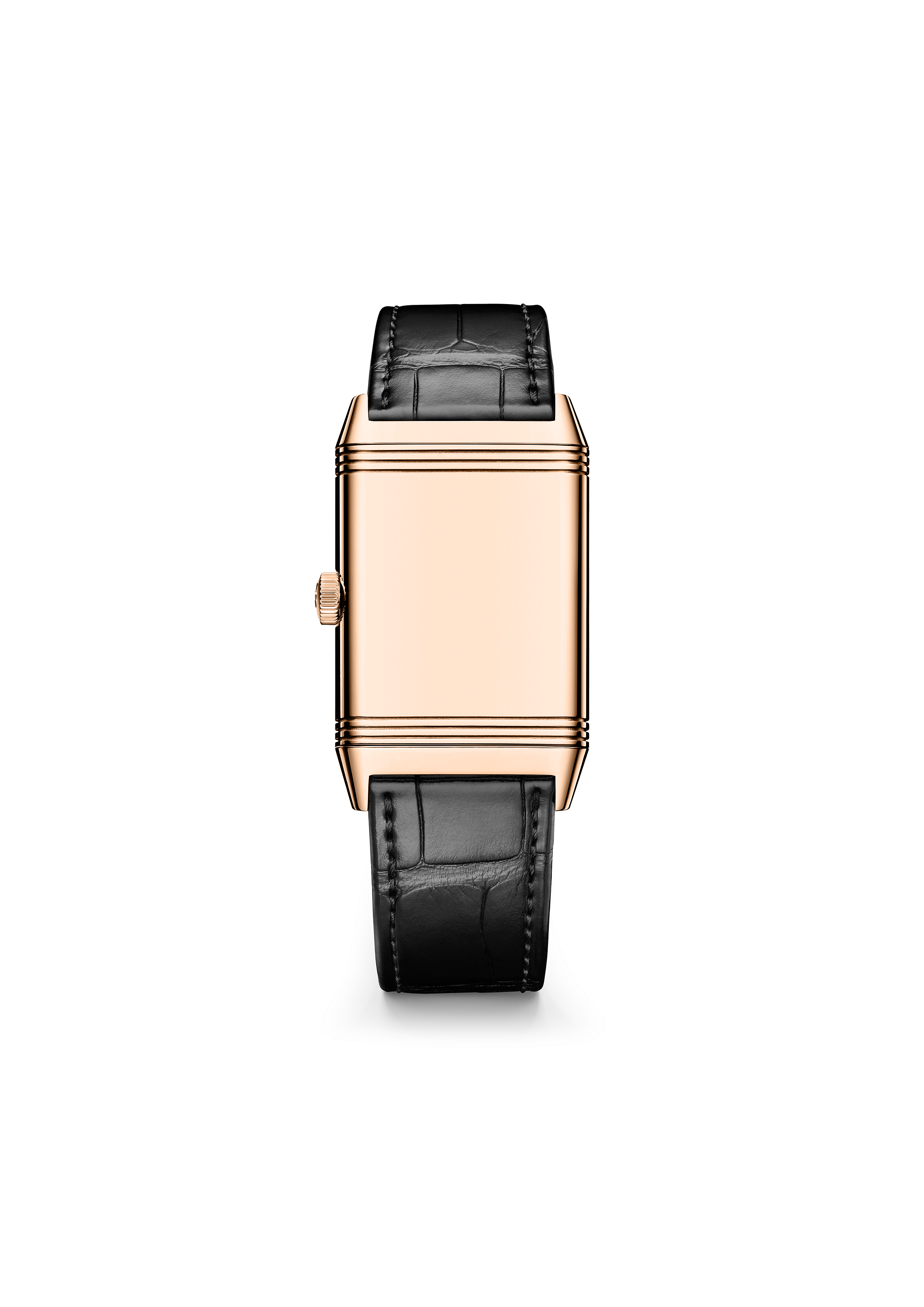
- Two sides with distinct purposes: vertical satin-brushing, textured surfaces and black Arabic numerals define the dial, while the reverse of the swivelling case provides space for a personal engraving.
- Movement and pricing in focus: the manually wound Calibre 822 comprises 108 components and offers a 42-hour power reserve. Reference Q3862520 has a recommended retail price of €19,000 in Germany and €19,100 in Austria.
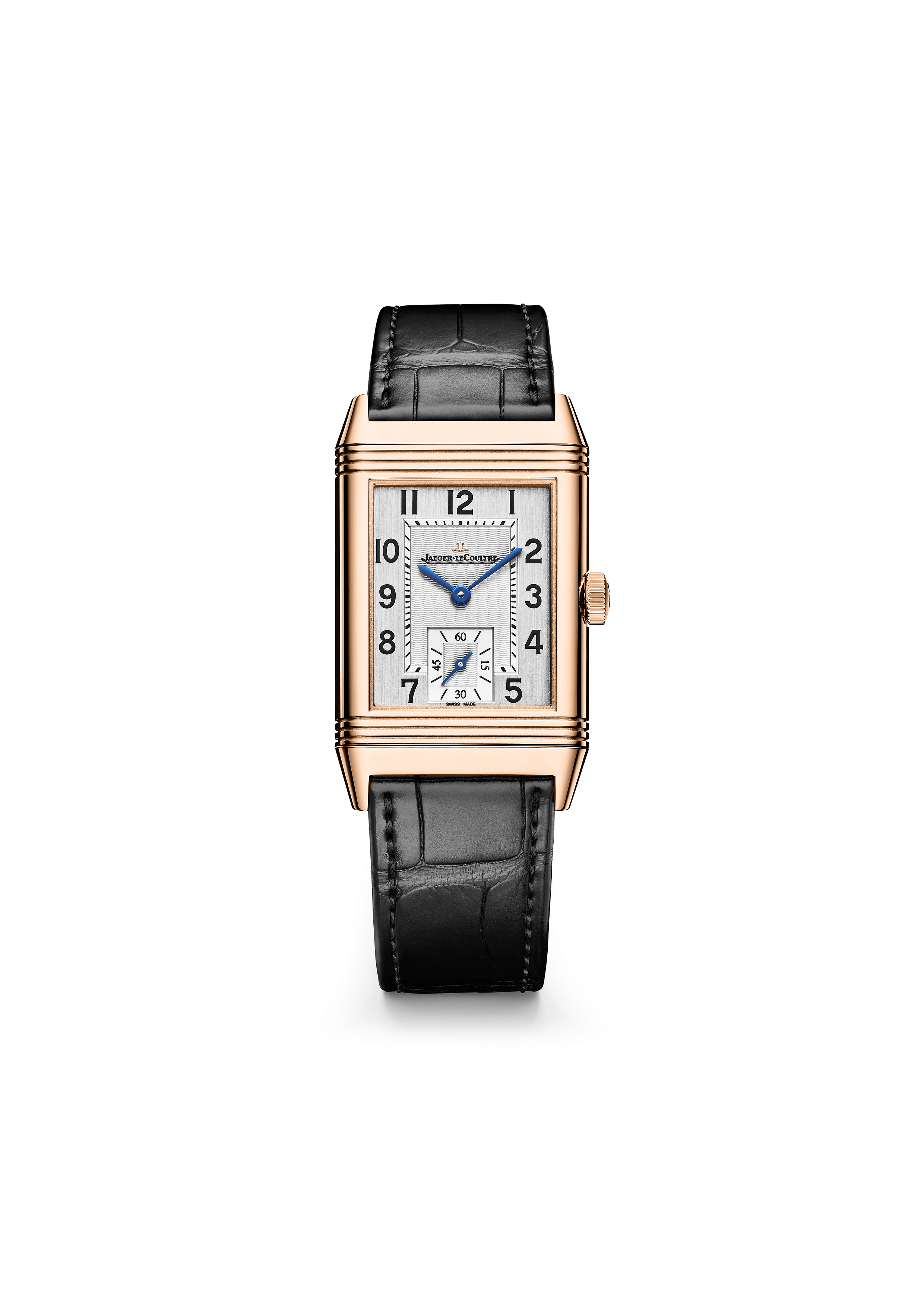
Not every new Reverso needs additional displays to demonstrate its versatility. With the latest Classic Monoface Small Seconds, Jaeger-LeCoultre focuses instead on material, scale and surface: 18k pink gold frames a silver-coloured dial whose textures bring depth to the clean rectangular design. A small seconds display completes the time indication without disturbing its composure.
Proportions with a historical point of reference
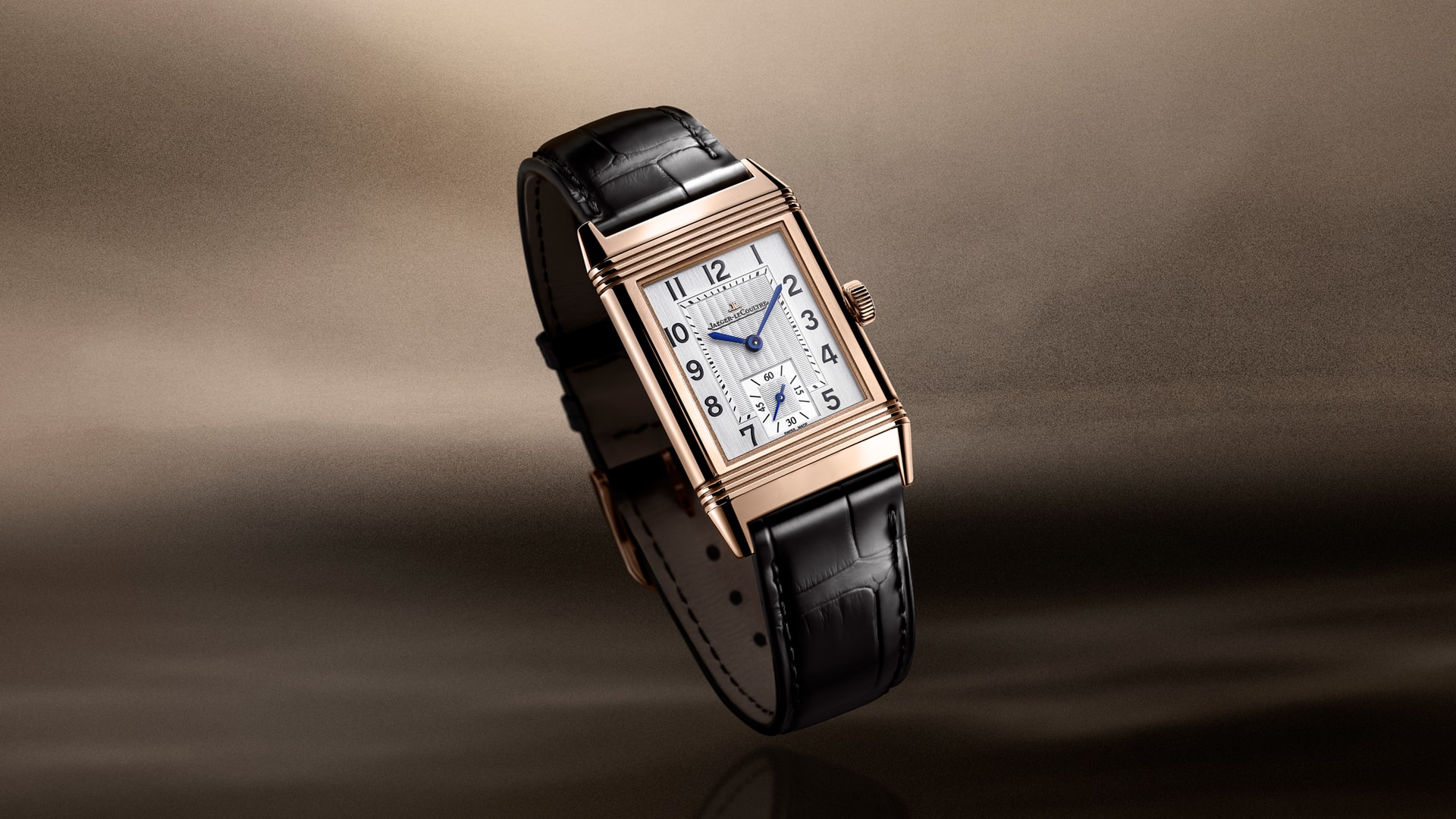
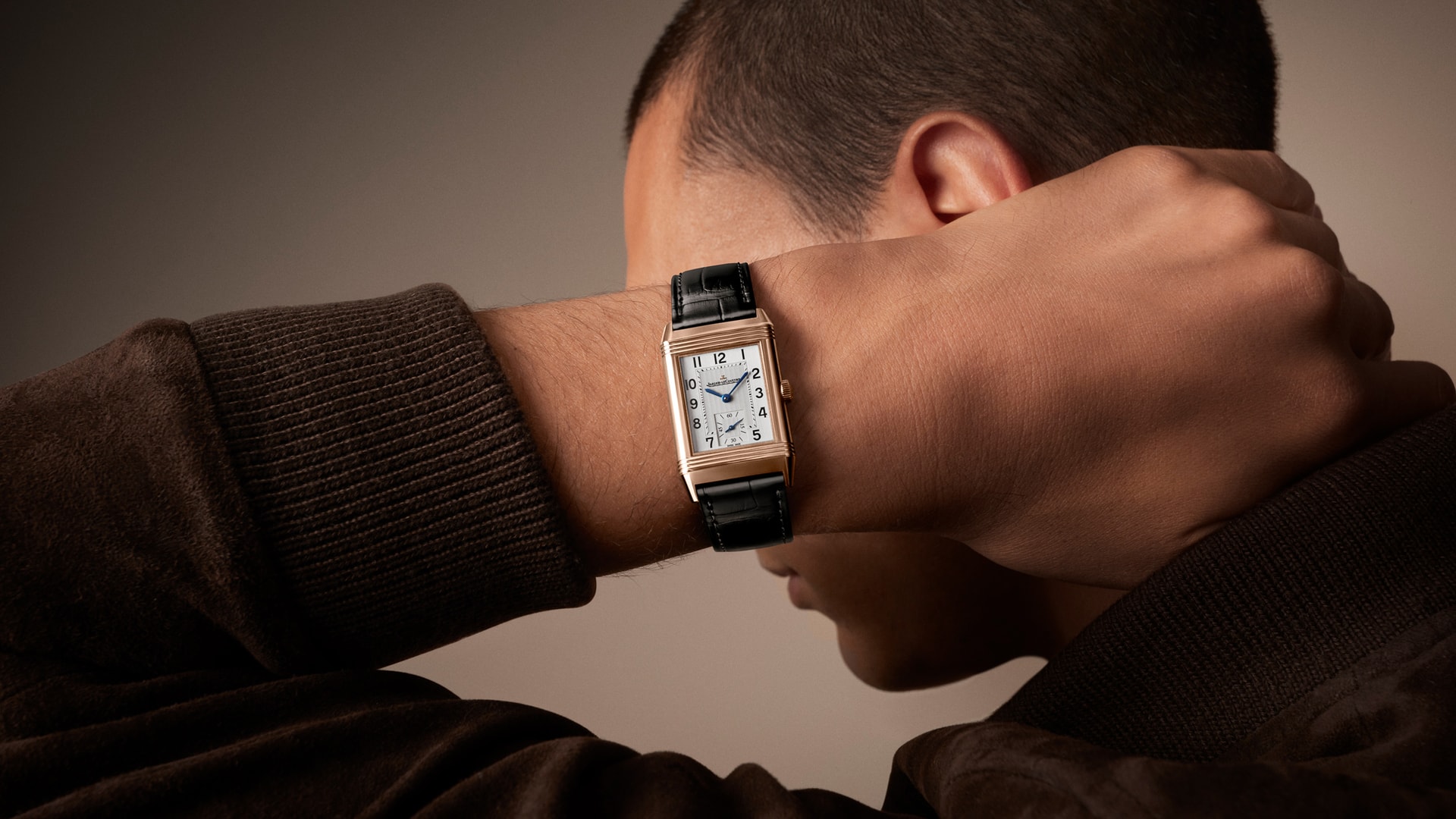
The case measures 40.1 × 24.4 mm and has a slim profile of 7.56 mm. This size was introduced in 2024; the latest version renders it in 18k pink gold with a fineness of 750/1000. Its proportions closely echo those of the original Reverso from 1931. The point is less about downsizing for its own sake than reconnecting with an early expression of the design.
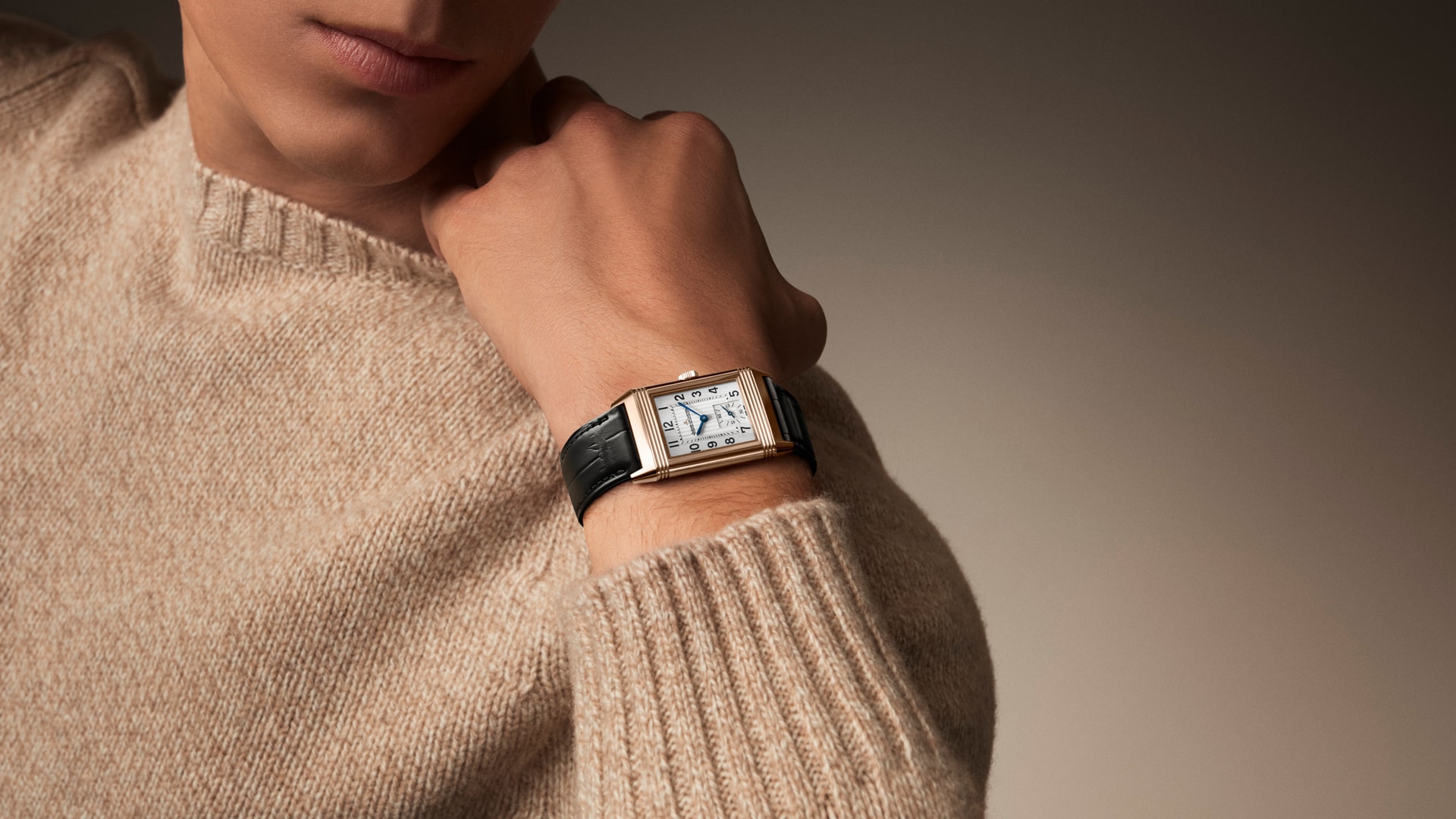
The compact format is intended for both men's and women's wrists. That flexibility is part of the design's strength: its identity does not depend on size or a single stylistic category. The Art Deco lines remain the defining feature, while the warm gold tone draws out the Reverso's more elegant character.
From the polo field to an enduring design
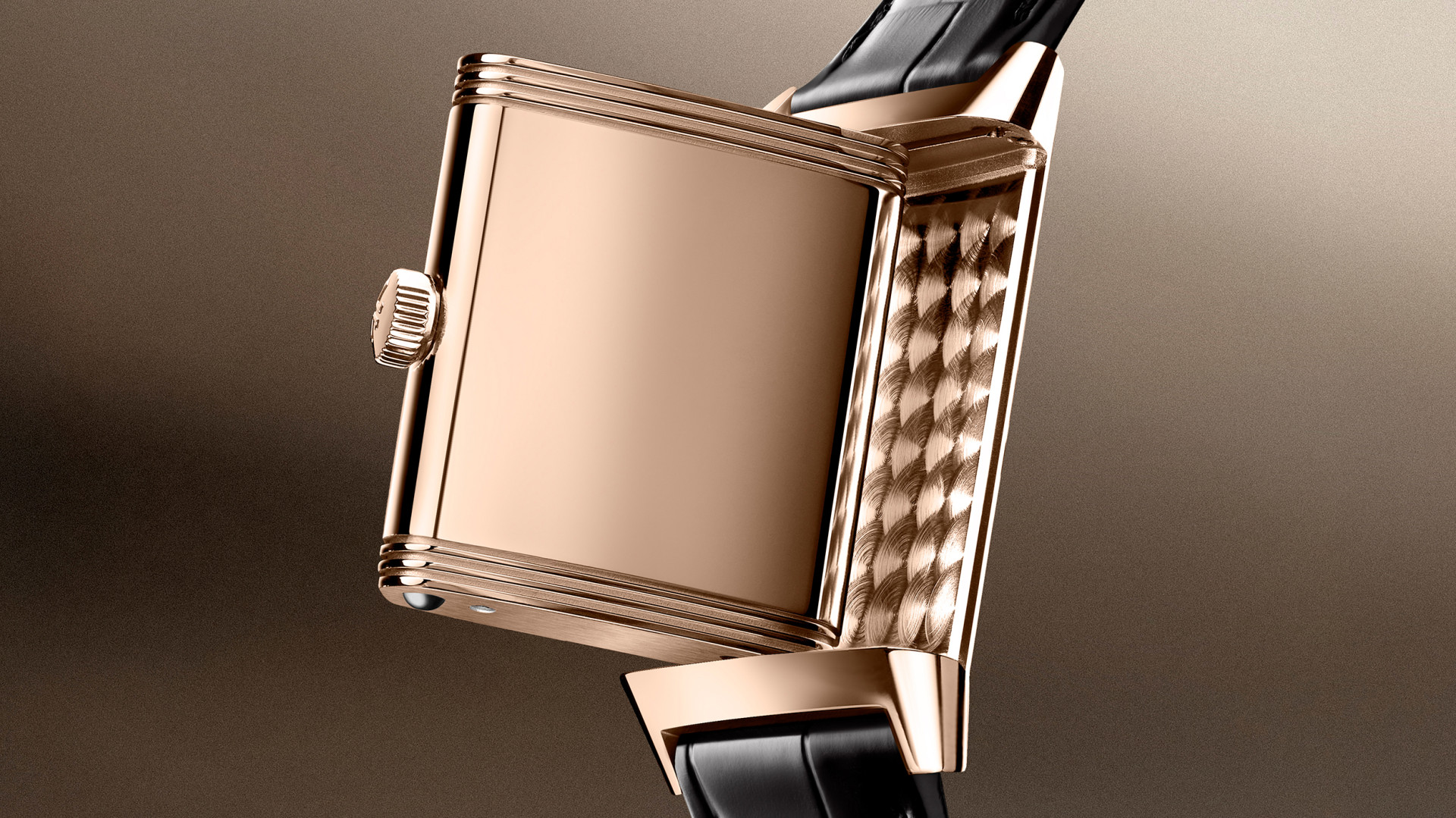
The starting point was a practical challenge. Polo-playing military officers in British-ruled India wanted a watch that could withstand the demands of their sport. Created in 1931, the Reverso answered with its swivelling case, recorded under historical patent CH159982. What began as a sporting solution soon found an audience beyond the polo field, with variations appearing for both men and women.
A dial balancing texture and clarity
Contrasting finishes give the silver-coloured dial its visual interest. At the centre of both the main dial and the small seconds display, a textured pattern recalls the edges of a stack of coins. This is set against the subtle vertical satin-brushing of the hour and seconds tracks.
Bold black transferred Arabic numerals add a crisp graphic accent. Rather than relying on a broad palette, the design draws its effect from texture, light and dark outlines. The display remains restrained without appearing flat.
A reverse side with room for expression
The Monoface keeps its time display on one side. The caseback offers space for an engraving instead, whether to reflect its owner's style or commemorate a significant moment. Turning the case over reveals not a second time display, but an opportunity to make the watch personal.
Manual winding and market pricing
Inside is the manually wound Calibre 822, comprising 108 components and delivering a 42-hour power reserve. An interchangeable black alligator strap with an 18k pink gold pin buckle completes the watch. Its materials and colours extend the restrained contrast of the case and dial onto the wrist.
The Reverso Classic Monoface Small Seconds, reference Q3862520, has a recommended retail price of €19,000 in Germany and €19,100 in Austria. Its design proposition is equally clear: historical proportions, the warmth of a precious metal and a deliberately pared-back display. This is a Reverso whose impact rests on the precision of its design.
Editor’s Picks