
THE ART OF SHAPING TIME
Some objects impress and inspire us all the more when we know how they came into being and understand the story behind them.
At a Glance
- An encounter with Girard-Perregaux reveals how ingenuity, knowledge accumulated over centuries and the skills of many people come together to create watches whose fascination extends far beyond timekeeping.
- The art of small things - Girard-Perregaux possesses a remarkable breadth of technical expertise and craftsmanship.
An encounter with Girard-Perregaux reveals how ingenuity, knowledge accumulated over centuries and the skills of many people come together to create watches whose fascination extends far beyond timekeeping.
For a watch can be far more than an instrument for telling the time. It can embody a technical idea, push the boundaries of what is possible or become an expression of artistic skill. Sometimes, it brings all these qualities together in a single object.
A discovery
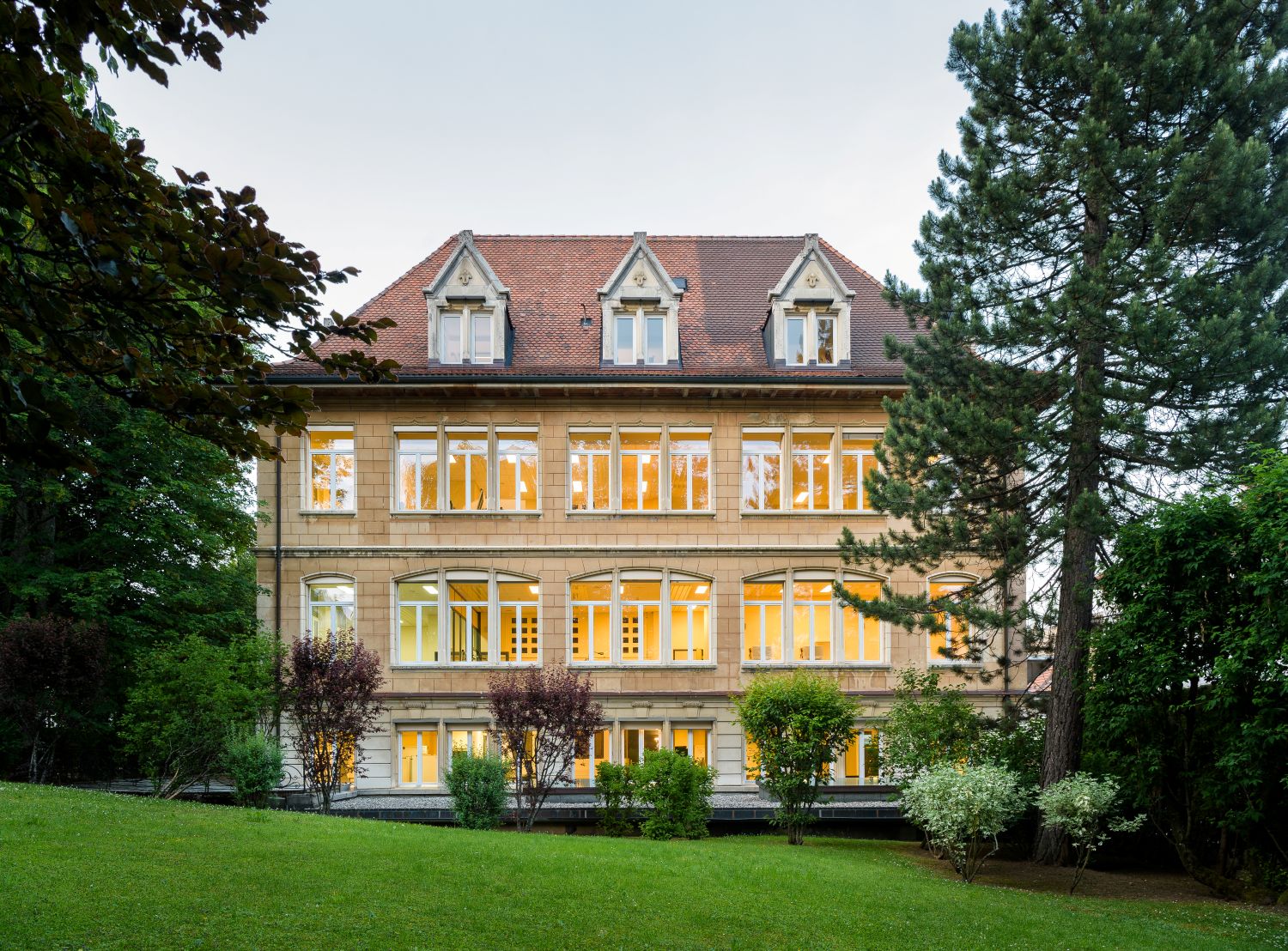
For me, Girard Perregaux has, of course, always been one of the great names in watchmaking, somehow ever-present — somehow. The famous three bridges, significant technical developments, a wealth of history — and yet, it seems I had appreciated only part of what defines this house, until I had the opportunity to look a little deeper into the brand.
What stood out was less the staging than the way it was presented. Factual, precise and refreshingly free of the usual superlatives, it revealed a manufacture whose capabilities extend far beyond what one ordinarily associates with a brand name:
Fine watchmaking, an immense wealth of knowledge, exceptional design expertise and a distinctly carefree delight in beautiful things came together to form a compelling whole.
A look at individual developments from the manufacture reveals just how differently these skills can find expression. One leads directly to a fundamental challenge of mechanical watchmaking.
Neo Constant Escapement - the power of the unconventional
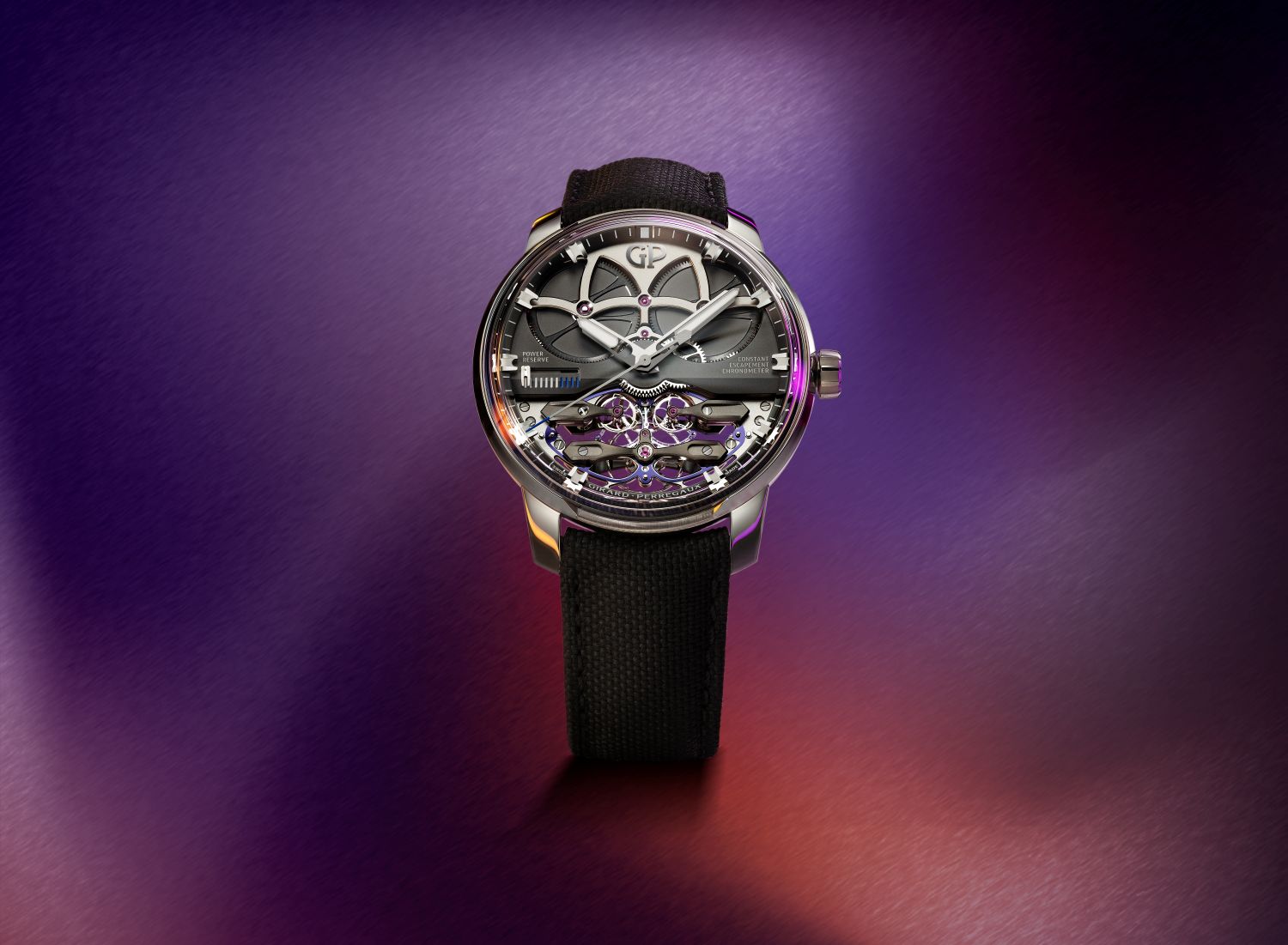
The Neo Constant Escapement offers a particularly impressive example. At its heart lies a problem that has occupied watchmakers for centuries: a mechanical watch needs the most consistent energy supply possible, yet its mainspring does not deliver energy at a constant rate — with consequences for timekeeping accuracy.
Girard-Perregaux’s solution is as unusual as it is elegant. An exceptionally thin silicon blade is flexed in a controlled manner, releasing energy in even impulses. This ensures a largely constant transmission of force despite the fluctuations of the mainspring.
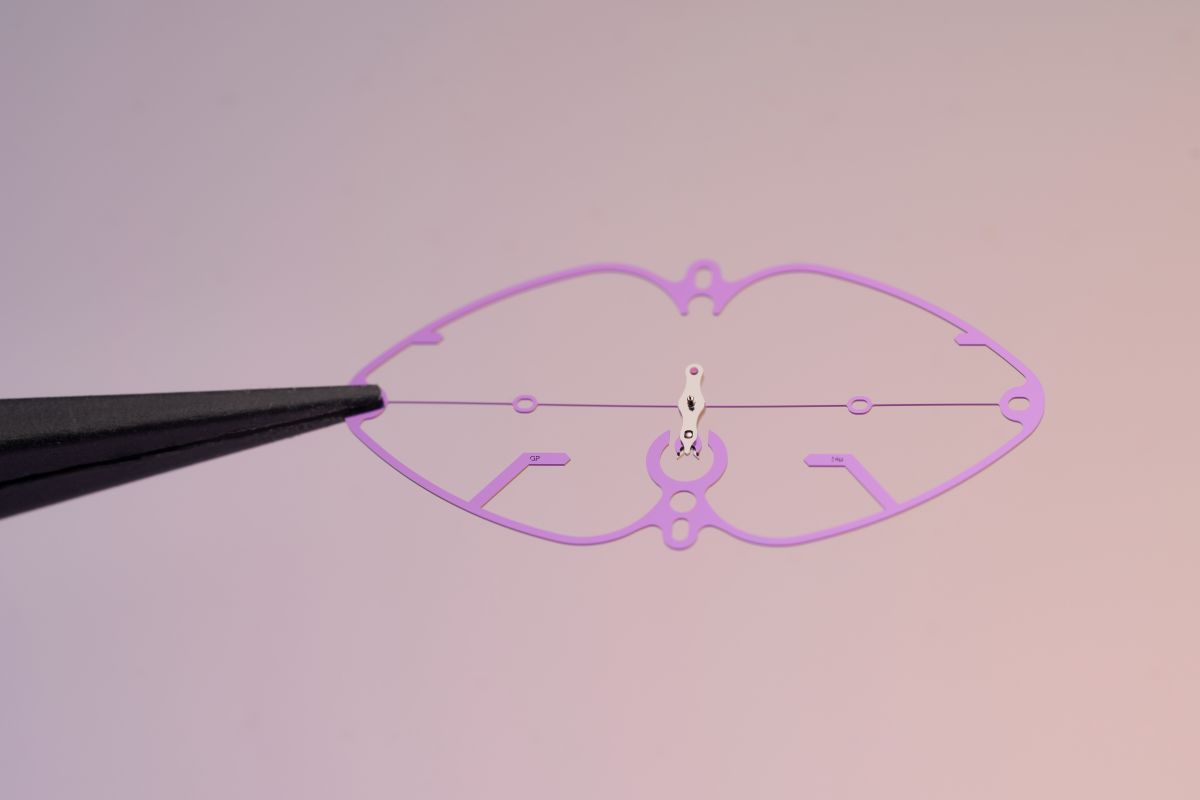
Almost more impressive than the technical achievement is the idea behind it. Even after centuries of horological development, it is still possible to find a fundamentally new answer to a familiar problem.
As early as 2013, the Constant Escapement L.M. was awarded the Aiguille d’Or at the Grand Prix d’Horlogerie de Genève for this achievement. Ten years later, Girard-Perregaux developed the principle further with the Neo Constant Escapement, turning it into a captivating spectacle: the exposed mechanism defines the watch’s appearance.
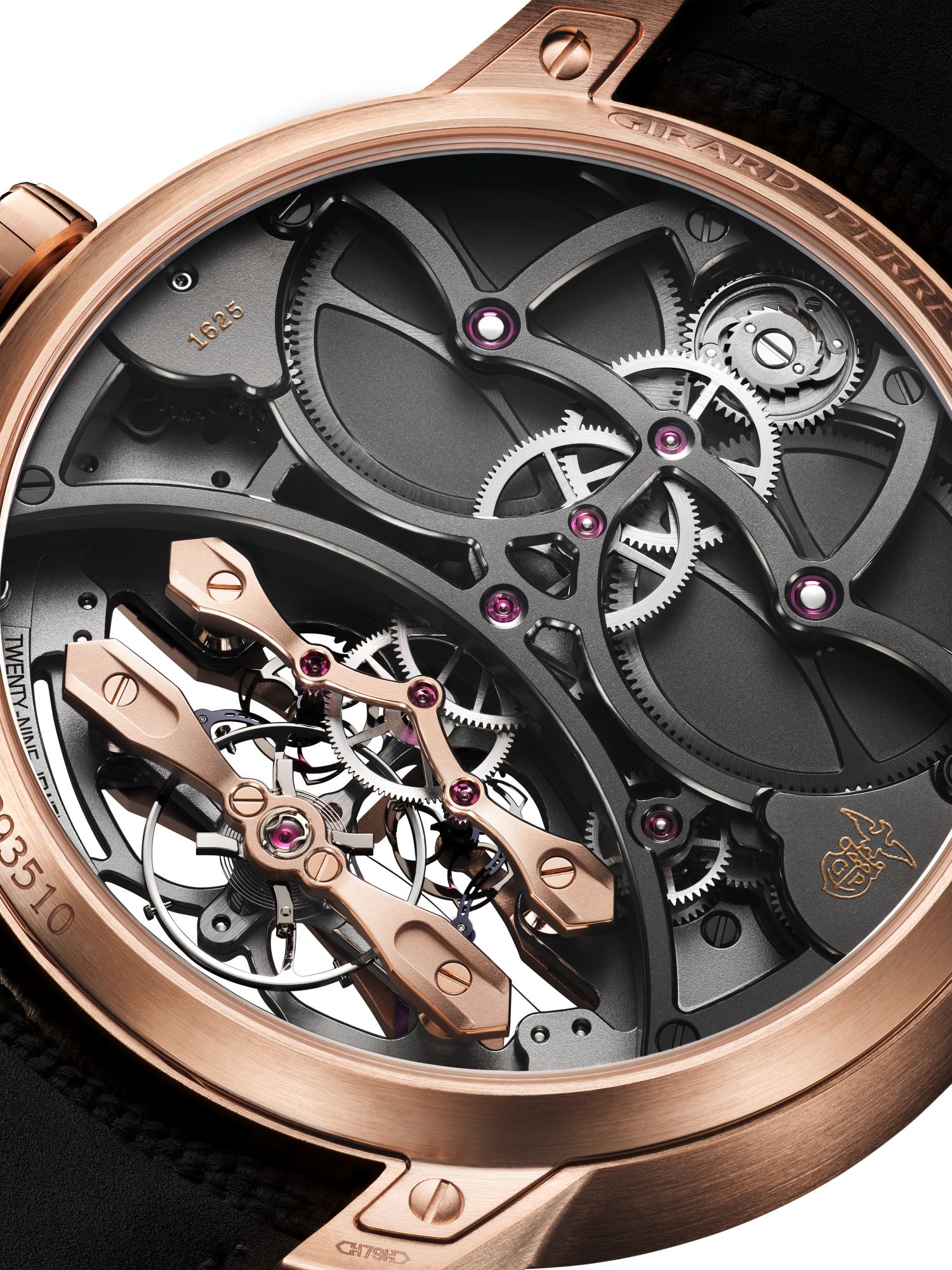
Engineering is not solely a matter of calculations and the laws of physics. It also requires imagination, curiosity and the courage to question established solutions. There is a certain charm in the fact that people devote themselves so ambitiously to mechanical timekeeping when any smartphone performs the task effortlessly and more accurately. Evidently, human ingenuity is not always content with the merely useful. Fortunately.
An idea across generations
This spirit of invention is nothing new at Girard-Perregaux. As early as 1867, Constant Girard presented a construction with three parallel bridges that would become one of watchmaking’s most recognisable design ideas.
Originally, the Three Bridges were functional components that gave the movement its mechanical structure. Girard, however, recognised their aesthetic potential, gave them a distinctive shape and made them the visible centrepiece of his construction. He patented this architecture in 1884.
Technical necessity became a design idea
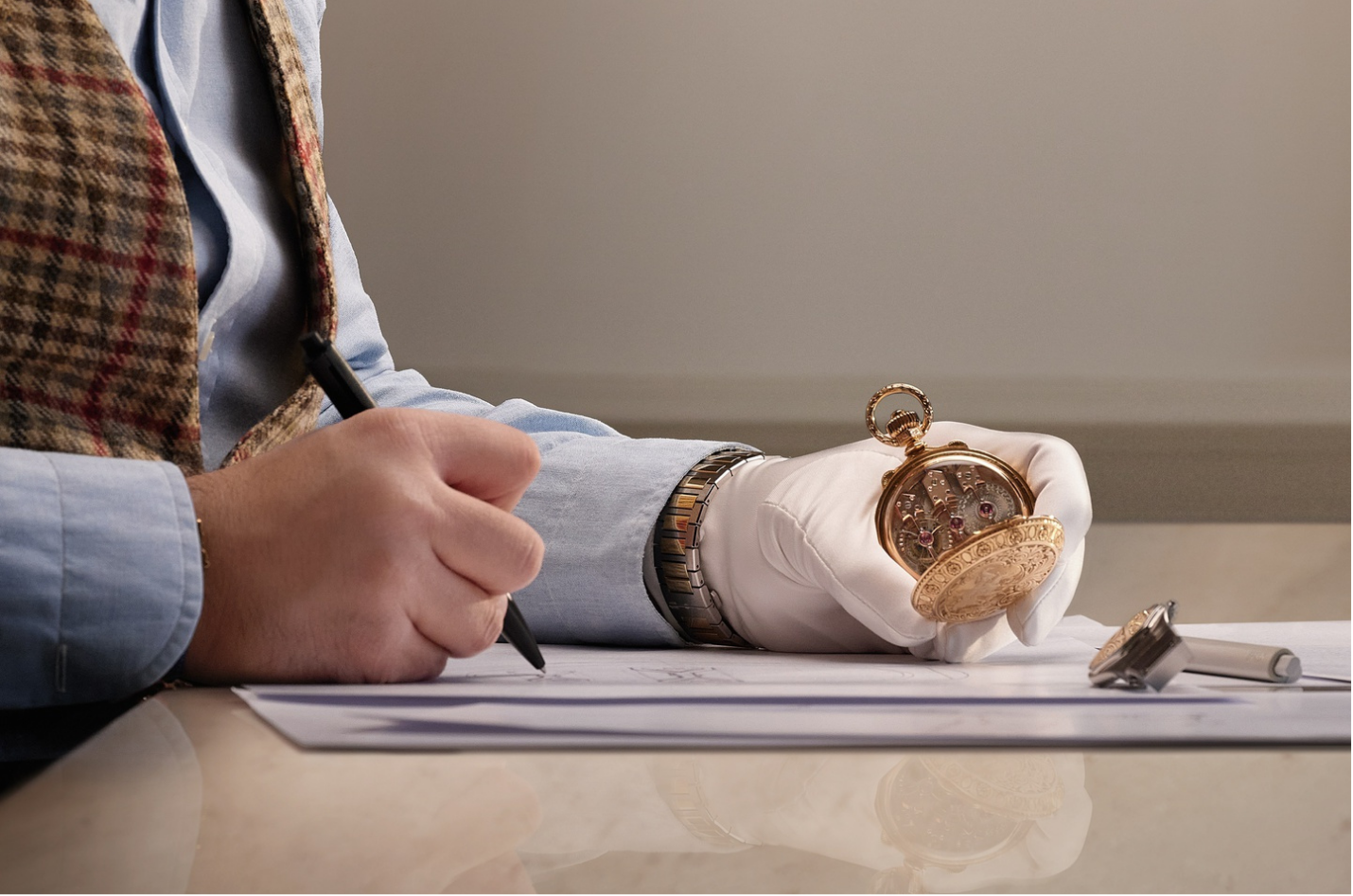
In 1889, he presented his famous pocket watch with three gold bridges at the Paris World’s Fair. Later known as "La Esmeralda", it won a gold medal and established a design language that has lost none of its individuality to this day.
This is remarkable. While tastes change across generations, harmonious proportions and a clear design idea can prove astonishingly enduring. Good design does not constantly need something new to remain interesting.
For Girard-Perregaux, however, this never meant standing still. High-frequency movements, early developments in quartz technology and, ultimately, the Constant Escapement demonstrate the diverse paths the manufacture takes in its search for new solutions.
Its history is therefore more than a repository of past achievements. It also shows how ideas live on, evolve and occasionally lead to something their original creators could scarcely have imagined.
The art of small things
A good idea, however, is only the beginning. It must also be brought to life. And between an accomplished design and its masterful execution may lie many years of experience. Girard-Perregaux possesses a remarkable breadth of technical expertise and craftsmanship. The results are particularly captivating where watchmaking skills meet traditional decorative arts, creating watches with much to discover beyond their mechanics.
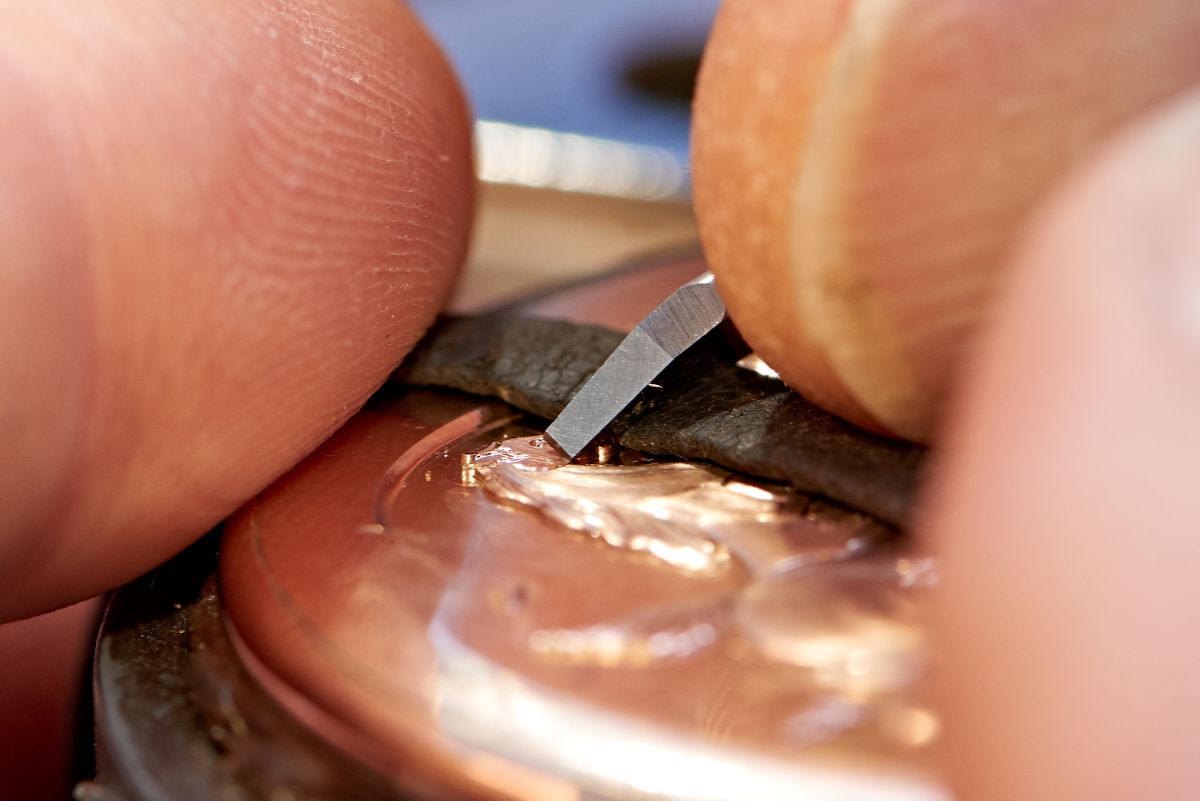
One need only look at the house’s intricately engraved cases. It is hard to believe how alive a gold surface can appear. The finest contours, sculpted ornamentation, light and shadow create miniature pictorial worlds that scarcely betray the painstaking work behind them. The engraver’s individual touch remains part of the work, lending it a distinctly personal quality.
The art of enamelling has a different appeal.
Its colours possess a particular depth and luminosity that can endure for generations. Such beauty, however, cannot be created at the touch of a button. Glass constituents, pigments and high temperatures must come together over several stages. And sometimes the fire decides otherwise than the enameller intended.
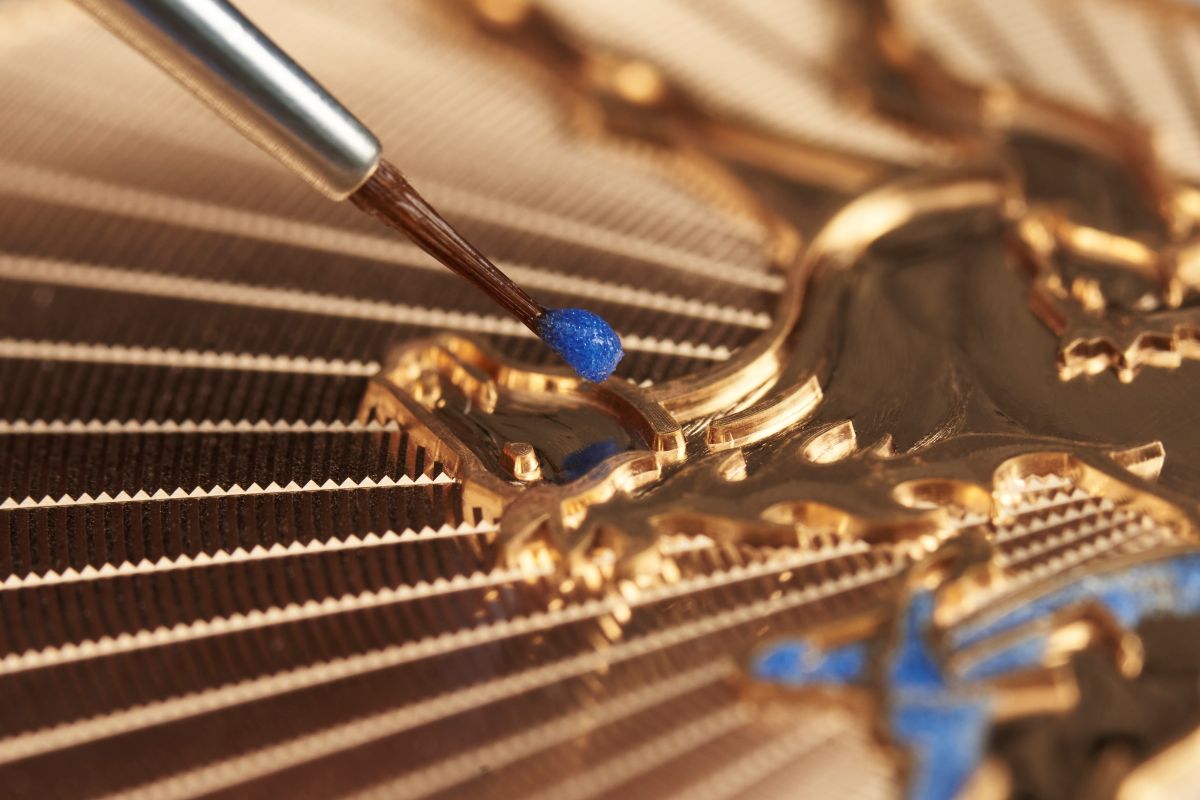
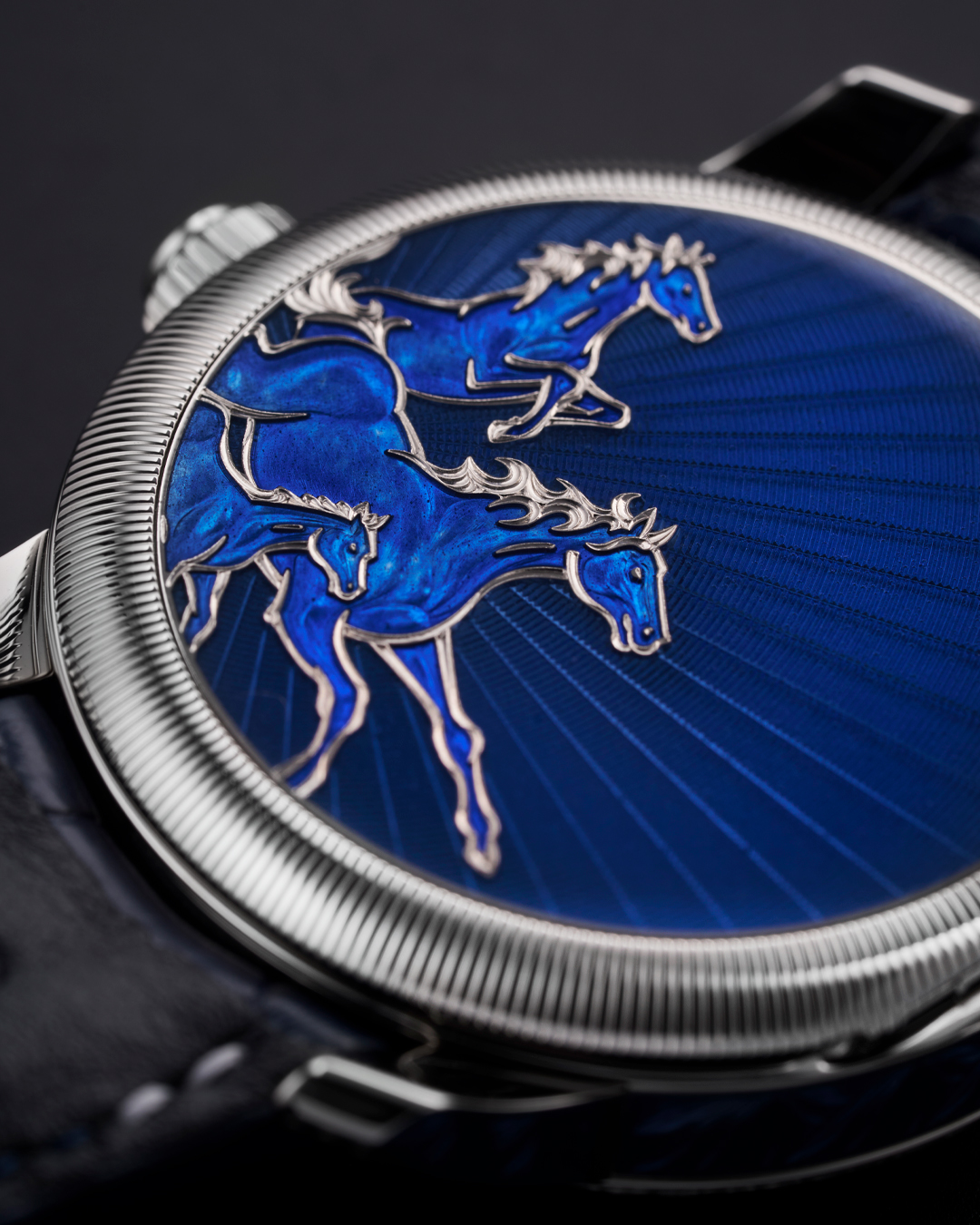
This increasingly rare art is nurtured at the specialist enamel workshop Donzé Cadrans, which has belonged to Ulysse Nardin since 2011 and also works for Girard-Perregaux. Even a Laureato with a grand feu enamel dial demonstrates its effect: the serene, deeply luminous surface lends the familiar form a character all its own.
Miniature painting is more astonishing still.
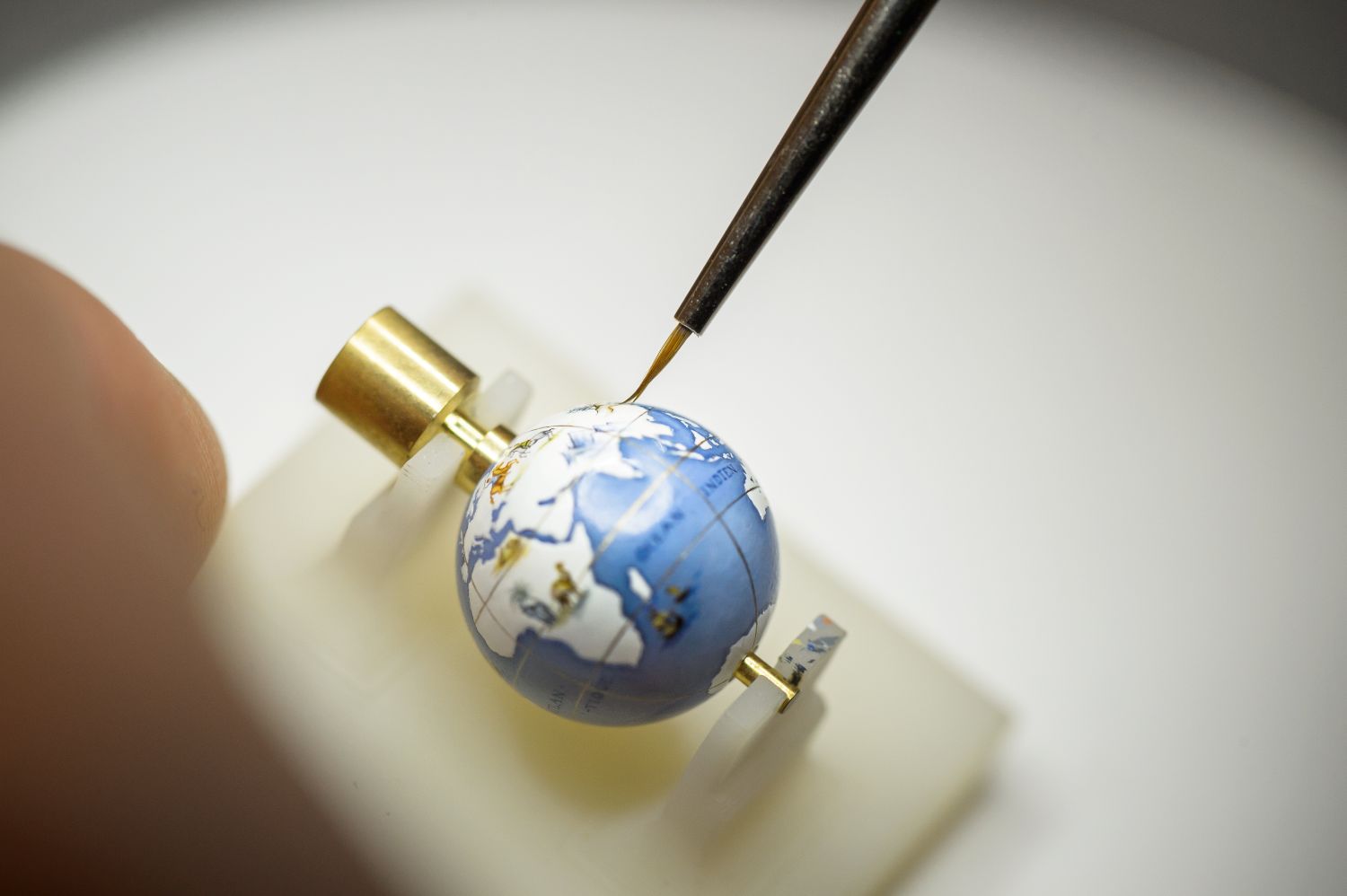
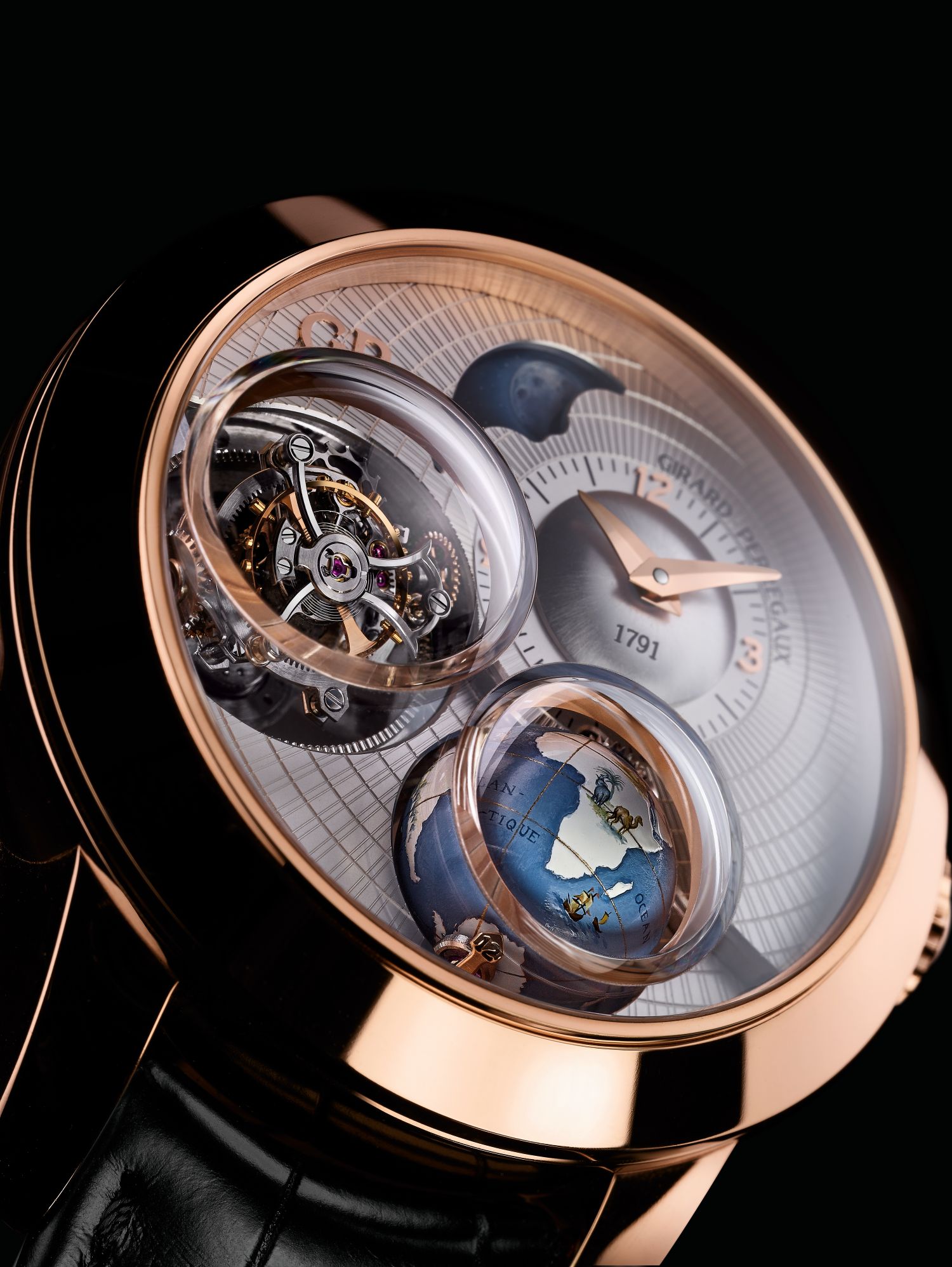
An entire world unfolds on the tiny terrestrial globe of the Planetarium Tri-Axial, painted by hand with the finest brushes. Anyone examining such work under magnification is likely to wonder instinctively how it is possible to paint with such precision on so small and curved a surface.
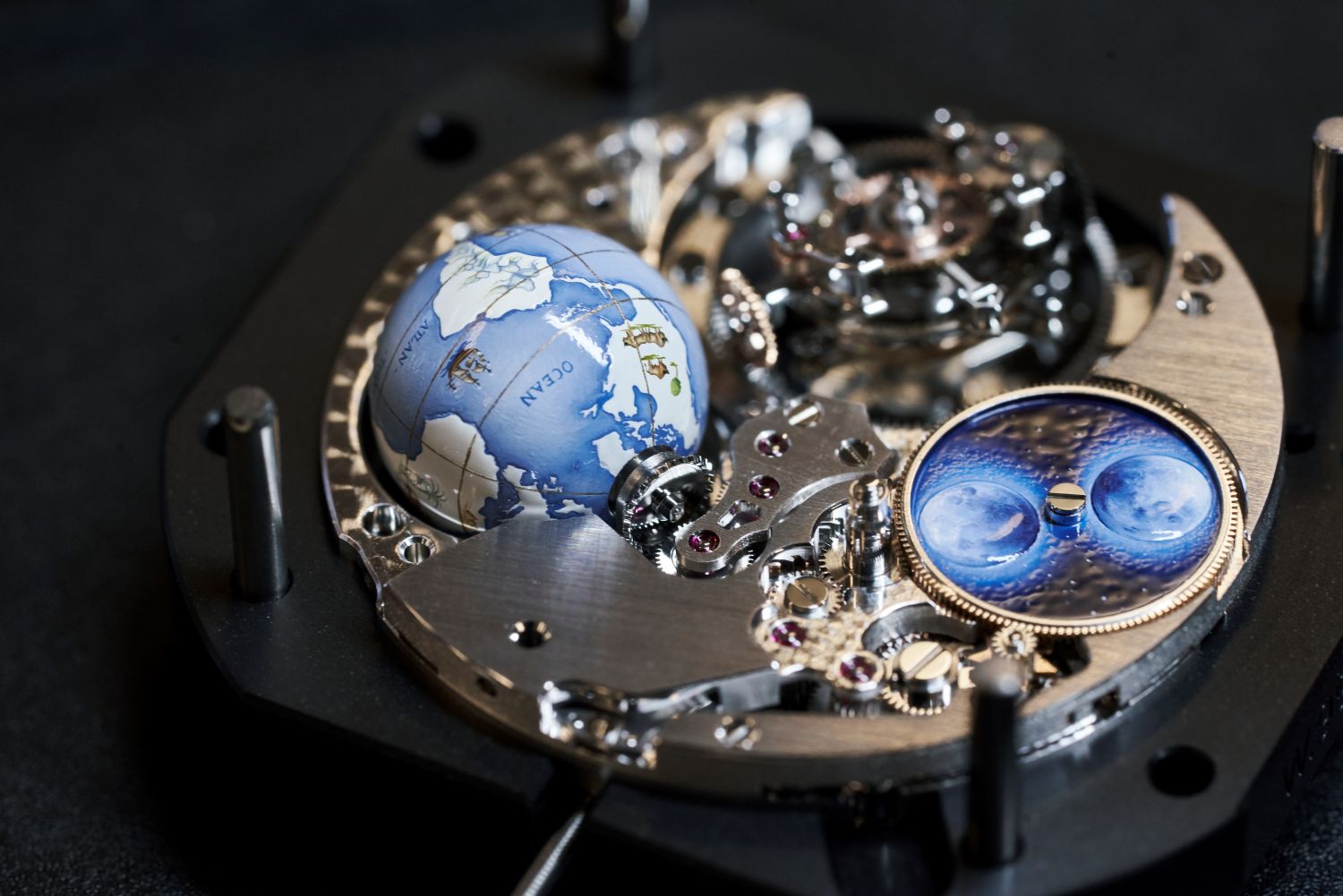
Of course, tiny motifs could now be reproduced using modern processes. But that is not the point here. The fascination lies precisely in the fact that a person has actually created these details by hand. The dimensions may be tiny. The achievements behind them most certainly are not.
The work of many masters
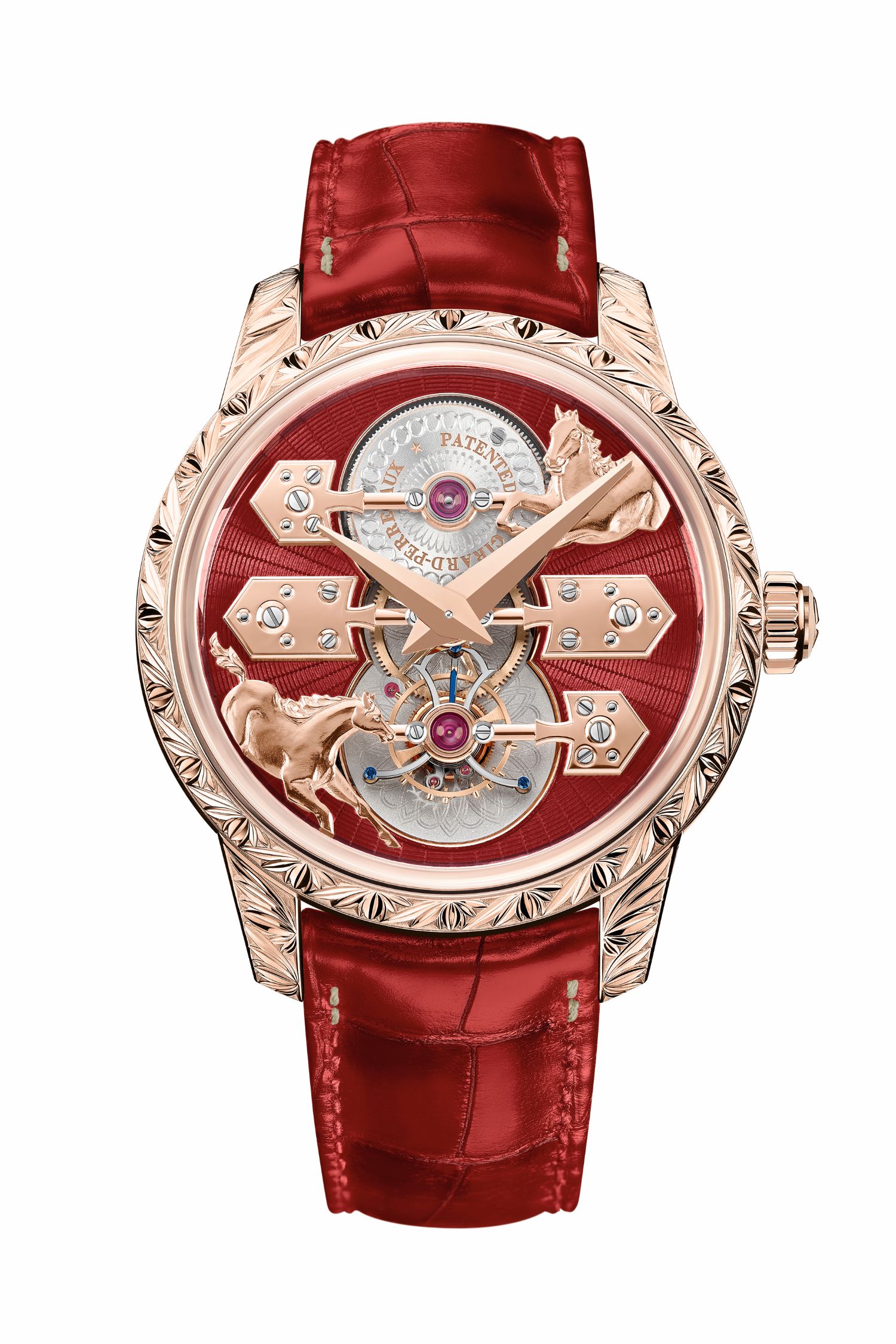
All these skills perhaps find their most beautiful expression when they come together. The LaEsmeralda Tourbillon “A Secret” brings a historic idea into the present: three gold bridges define the movement’s architecture. Engraving, guilloché and grand feu enamel lend the case an artistic quality.
Who is the creator of such a work? The movement designer who develops its architecture? The engraver who gives it expression? Or the artisans who add something that did not exist before?
The answer lies in their collaboration. In a sense, people who never met have worked together on a La Esmeralda, for they lived in different centuries. Constant Girard laid the foundations in the 19th century. Generations later, watchmakers, designers and artisans take up his idea and lend it their own individual touch.
Laureato Chronograph Williams Edition
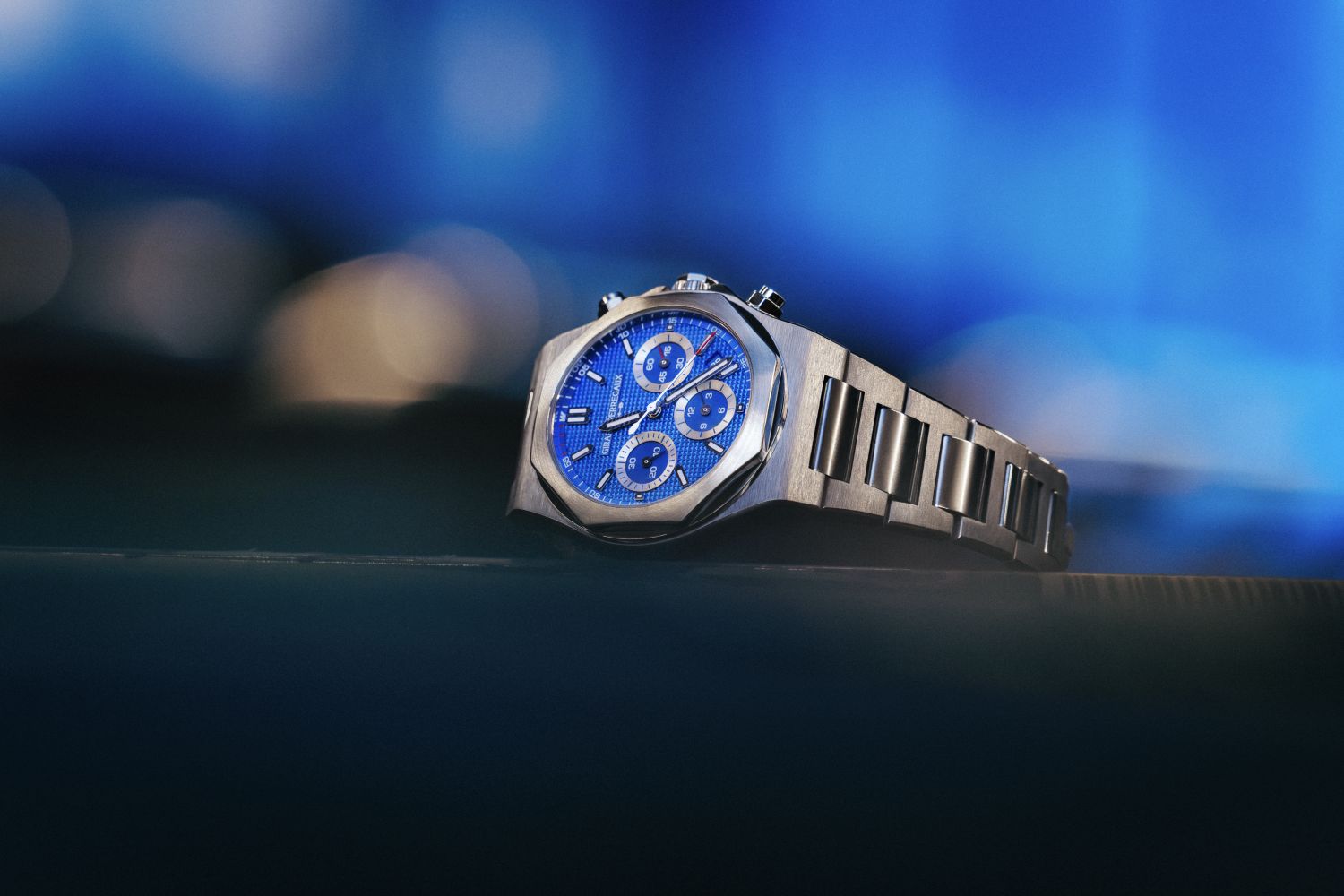
The same ambition is evident in a Laureato Chronograph: to give an idea a distinctive form. The Williams Edition builds a bridge to motorsport, where precision and exceptional achievements likewise emerge from the collaboration of many specialists.
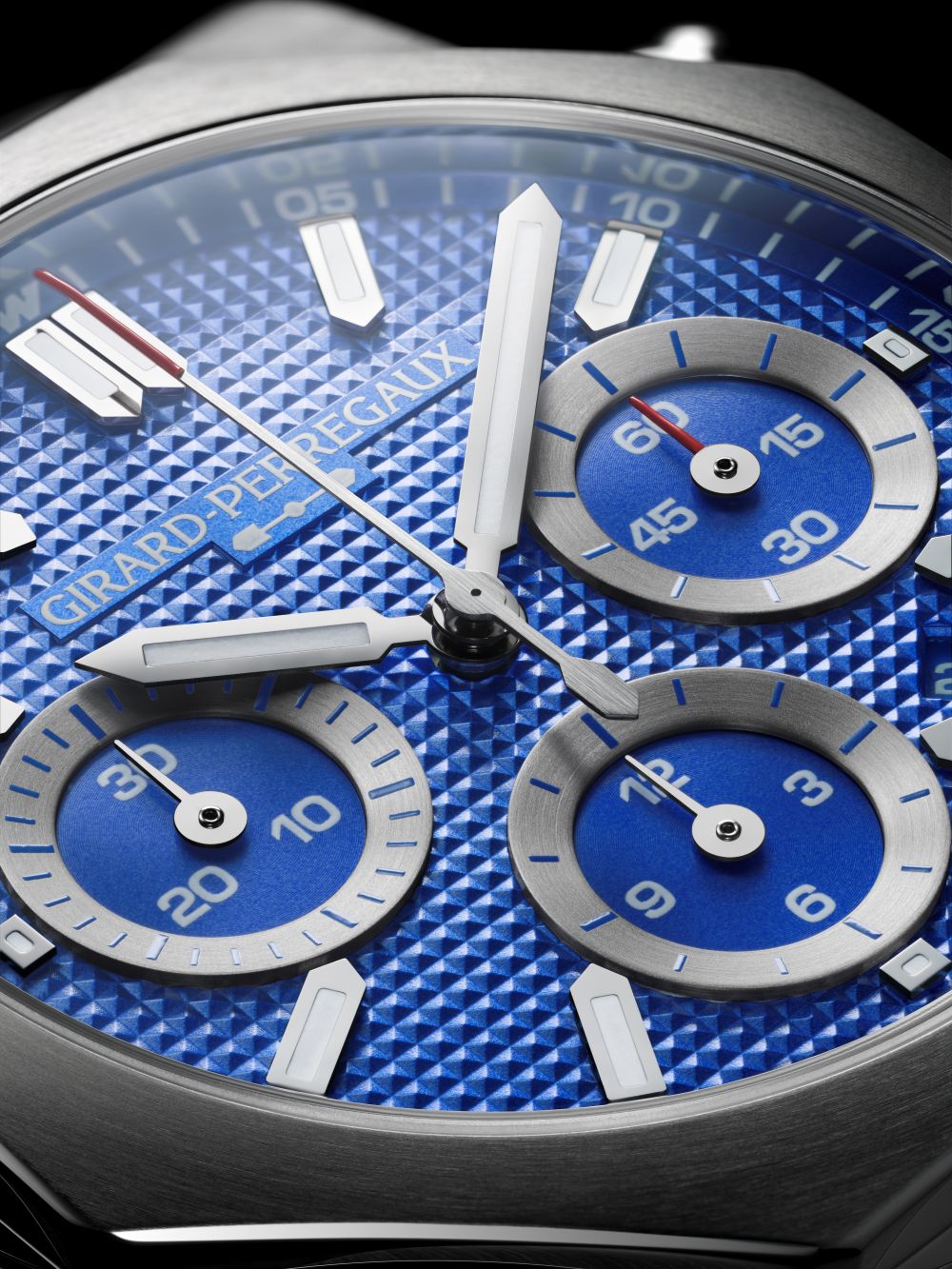
Behind an exceptional object, then, there is rarely just one exceptional idea. The visions, experience and skills of many people give it form.
This holds true for watchmaking just as it does for jewellery, architecture or design. A compelling whole requires a shared vision and an instinct for bringing different talents together. In the end, only one name appears on the dial. The people behind it usually remain unseen.
Editor’s Picks