
New releases
Watch News Briefing: CASIO, BALL, NOMOS and Bruno Söhnle
From a design collaboration with A.P.C. and American railway heritage to the little black dress for the wrist: four new releases reveal different interpretations of contemporary watch design.
At a Glance
- CASIO VINTAGE × A.P.C., BALL Trainmaster Standard Time, NOMOS Noir and Bruno Söhnle Catania explore fresh approaches, from retro design to jewellery watches.
- Highlights include BALL’s RR1101 automatic movement, NOMOS’s manually wound DUW 4001 calibre and twelve laboratory-grown diamonds on the Catania.
- The new releases cater to enthusiasts of analogue-digital watches, railway heritage, understated elegance and slim ladies’ watches with a jewellery-inspired character.
Sometimes a colour, a distinctive case shape or a detail on the dial is all it takes to give a familiar design a new character. The latest releases from CASIO, BALL, NOMOS Glashütte and Bruno Söhnle reveal just how differently watchmakers approach this. Some focus on rediscovering historical design, others on a particularly considered union of watch and jewellery.
CASIO VINTAGE × A.P.C.: French restraint meets Japanese retro charm
The collaboration between CASIO and French fashion label A.P.C. brings together two design worlds with much in common: functional design, clean lines and a considered approach to detail.
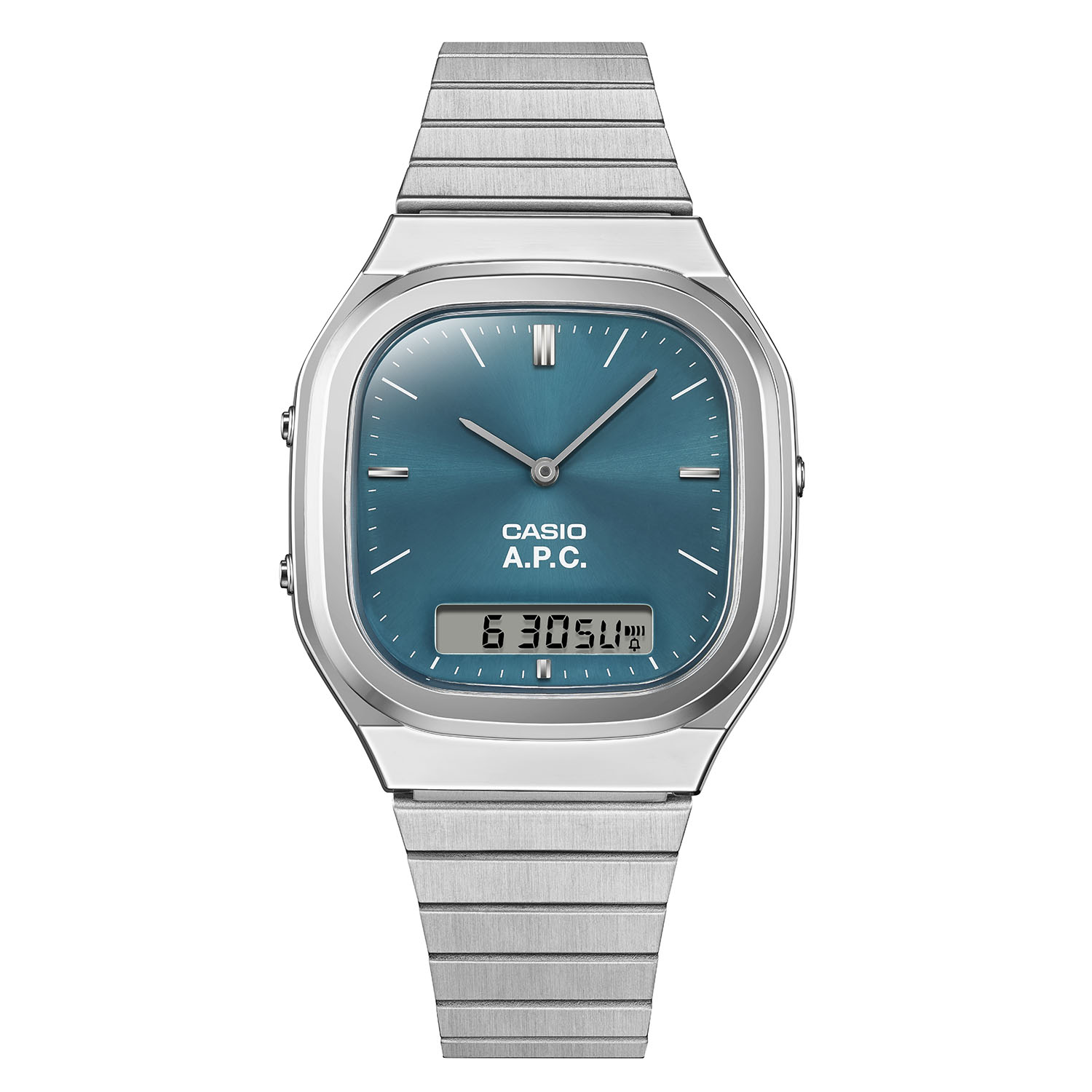
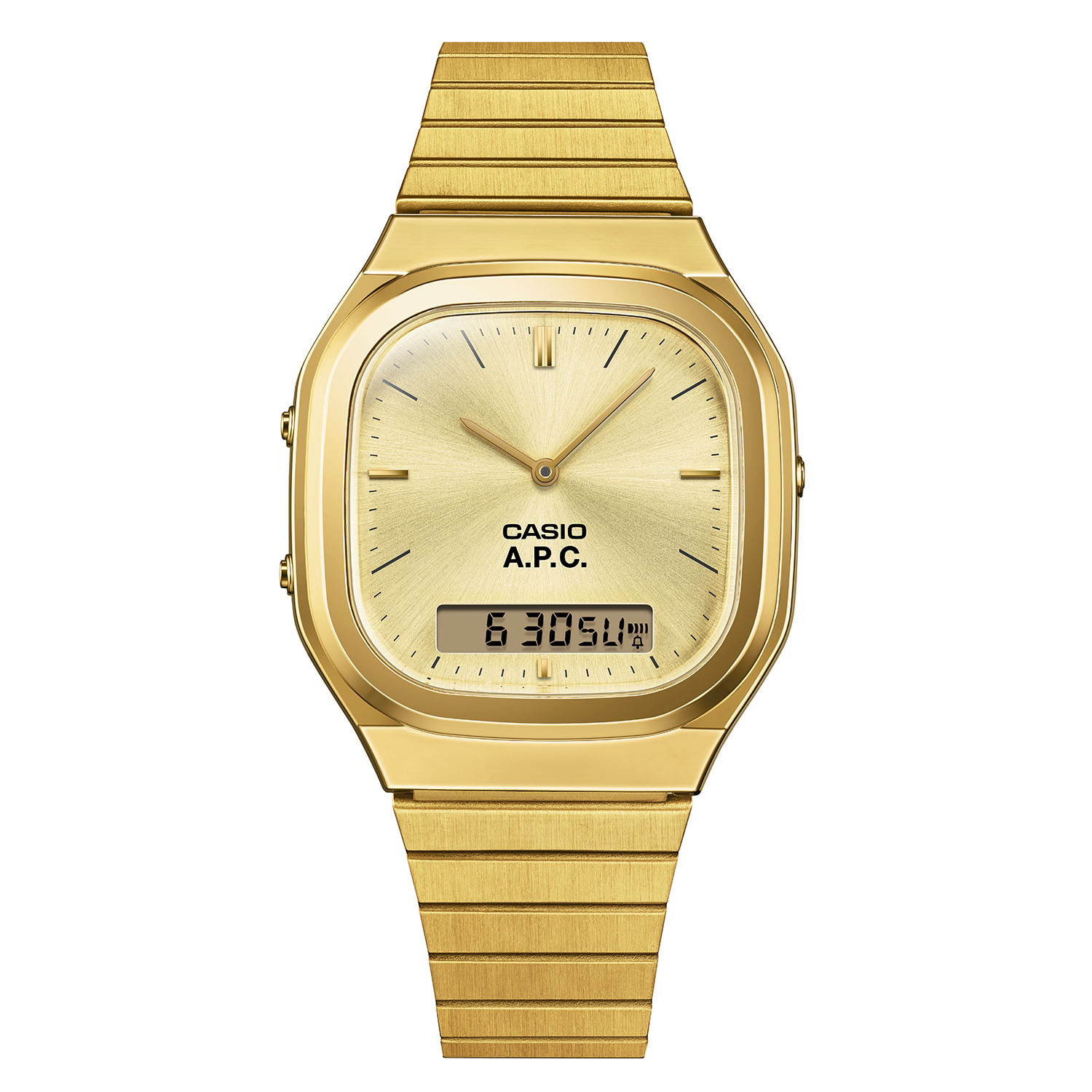
The starting point is the AQ-240, whose analogue-digital concept combines traditional hands with an additional digital display. The rounded, compact case and metal bracelet recall the digital watch culture of decades past.
For the collaboration, the familiar design has been distilled into two colour variants. A silver-coloured version pairs the metal case with a green dial, while the second adopts an entirely gold-coloured look.
It is precisely this restrained design that allows the AQ-240’s distinctive forms to shine. Both models have been available from German retailers since November, priced at 99 and 119 euros respectively.
BALL Trainmaster Standard Time: A watch with railway heritage
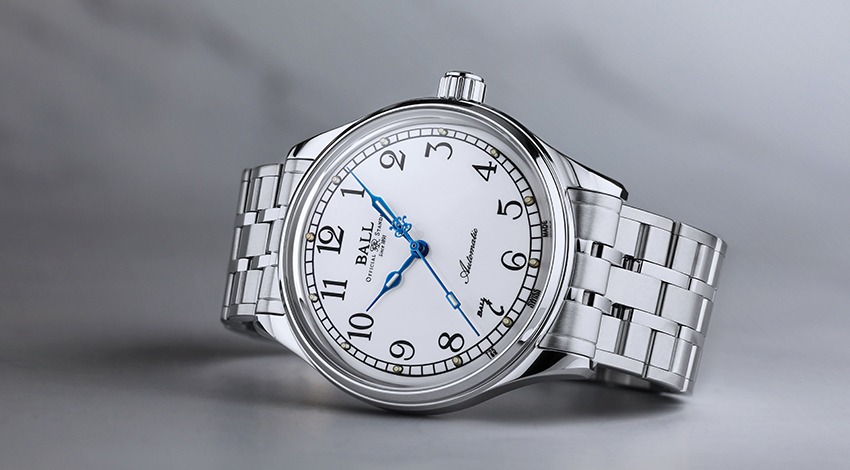
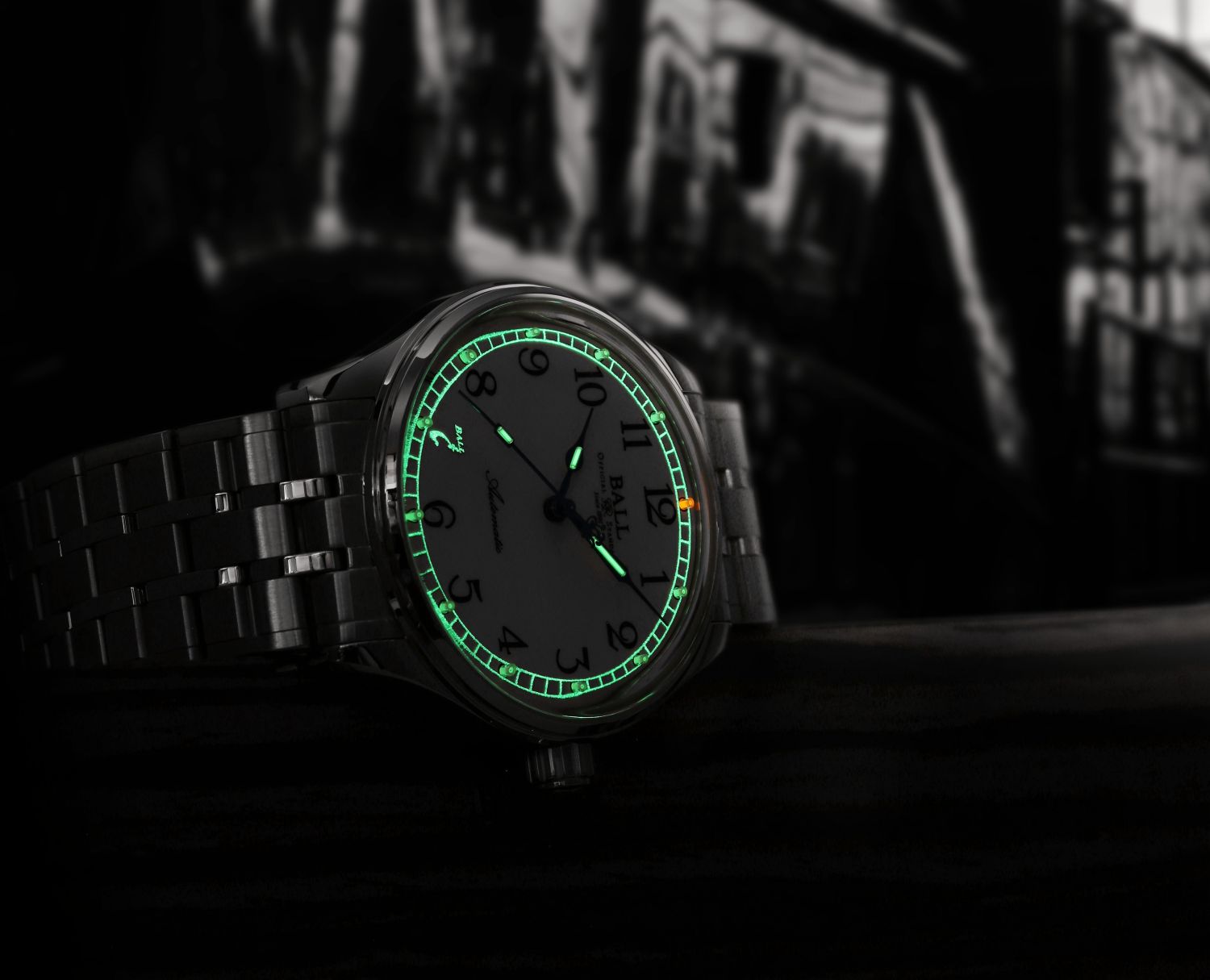
The history of BALL Watch is closely intertwined with the development of precision timekeeping for the American railways. To mark its 135th anniversary, the brand’s Trainmaster Standard Time pays tribute to the pocket watches that once played an important role in railway safety and coordination.

The white enamel dial, with Arabic numerals, a classic railway minute track and distinctive hands, echoes this design. A charming detail appears at seven o’clock, where the inscription “BALL & Co.” forms a stylised numeral.
The historical connection goes back to Webb C. Ball, who, following the serious railway accident at Kipton in 1891, played a pivotal role in introducing stringent standards for the inspection of railway watches. North American railway time zones had already been standardised in 1883.
The stainless steel case measures 40 millimetres in diameter and 10.3 millimetres in height. Inside is the RR1101 automatic movement, visible through a sapphire crystal caseback.
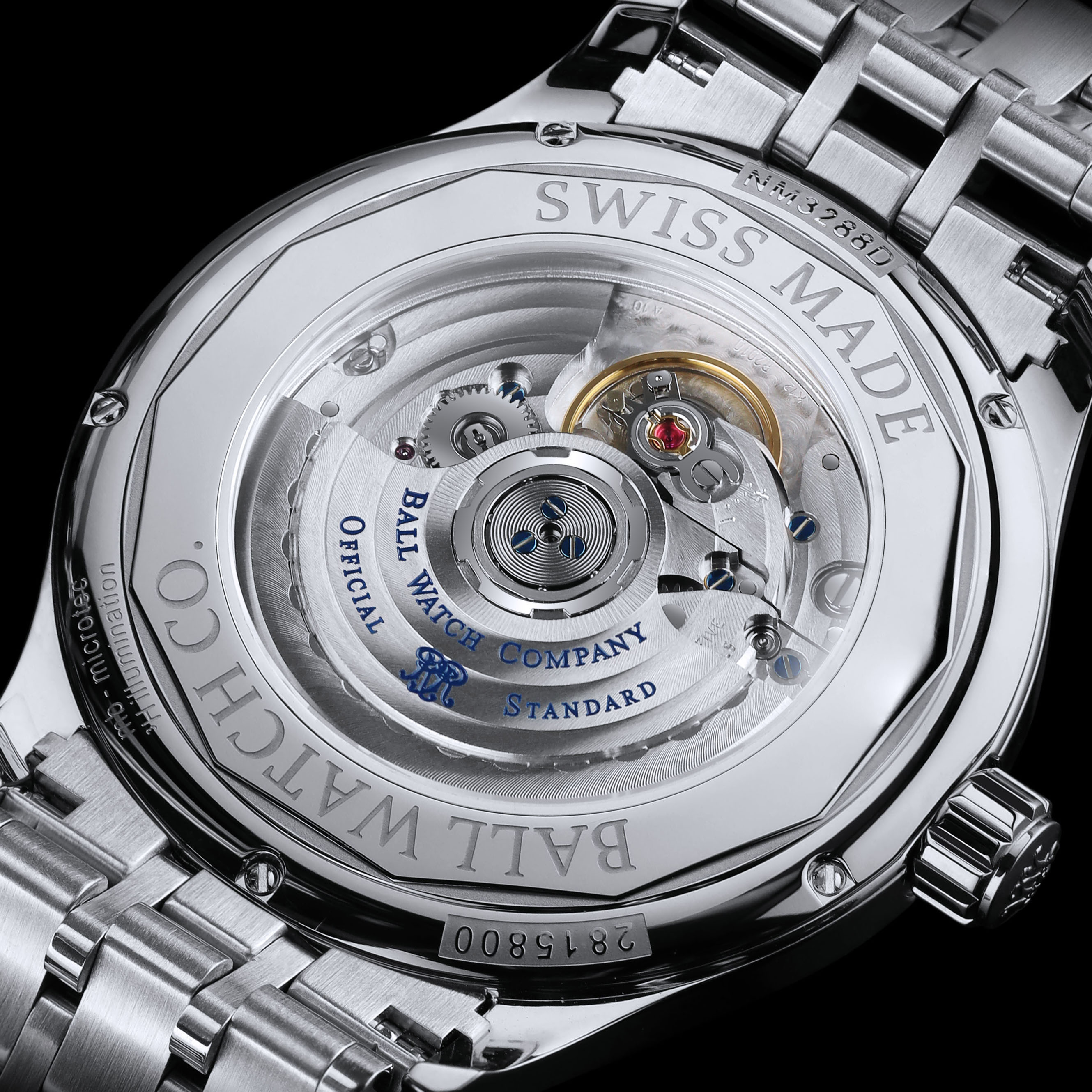
Contemporary technology complements the traditional design: 15 self-illuminating gas tubes ensure legibility in the dark, with additional Super-LumiNova markings on the minute track and the stylised seven.
NOMOS Noir: The little black dress from Glashütte
The little black dress has been a fashion classic for around a century. NOMOS Glashütte embraces this idea with the new Noir series, applying it to three of its best-known watch models: Tangente, Ludwig and Tetra.
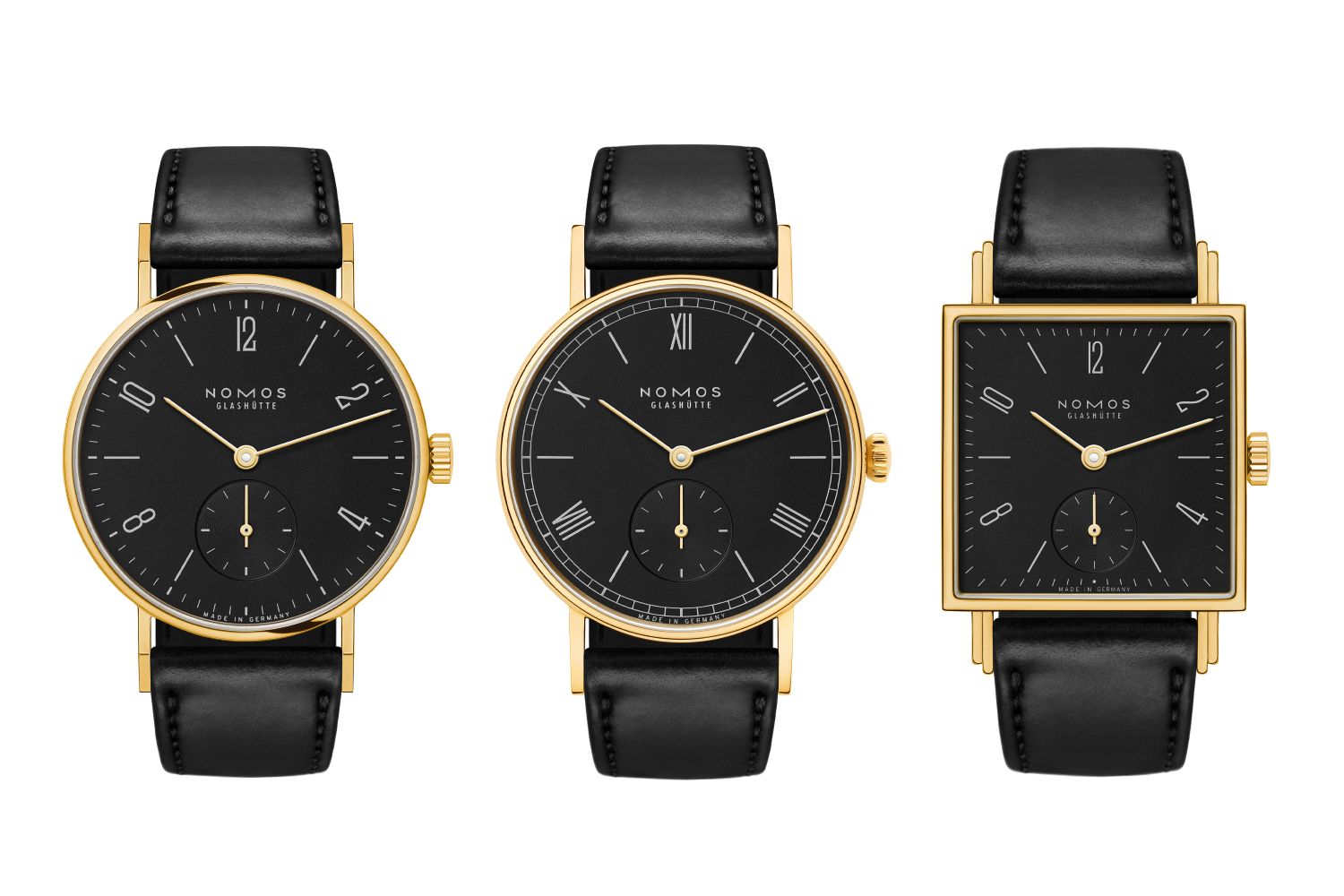
At its heart are three small watches in 18-carat gold with manufacture movements. The Tangente Gold 33 noir stays true to its characteristic geometric design. The Ludwig Gold 33 noir takes a more classical approach with Roman numerals and curved lugs. The square Tetra Gold 27 noir strikes a different note with its distinctive stepped lugs, which recall the design language of Art Deco.
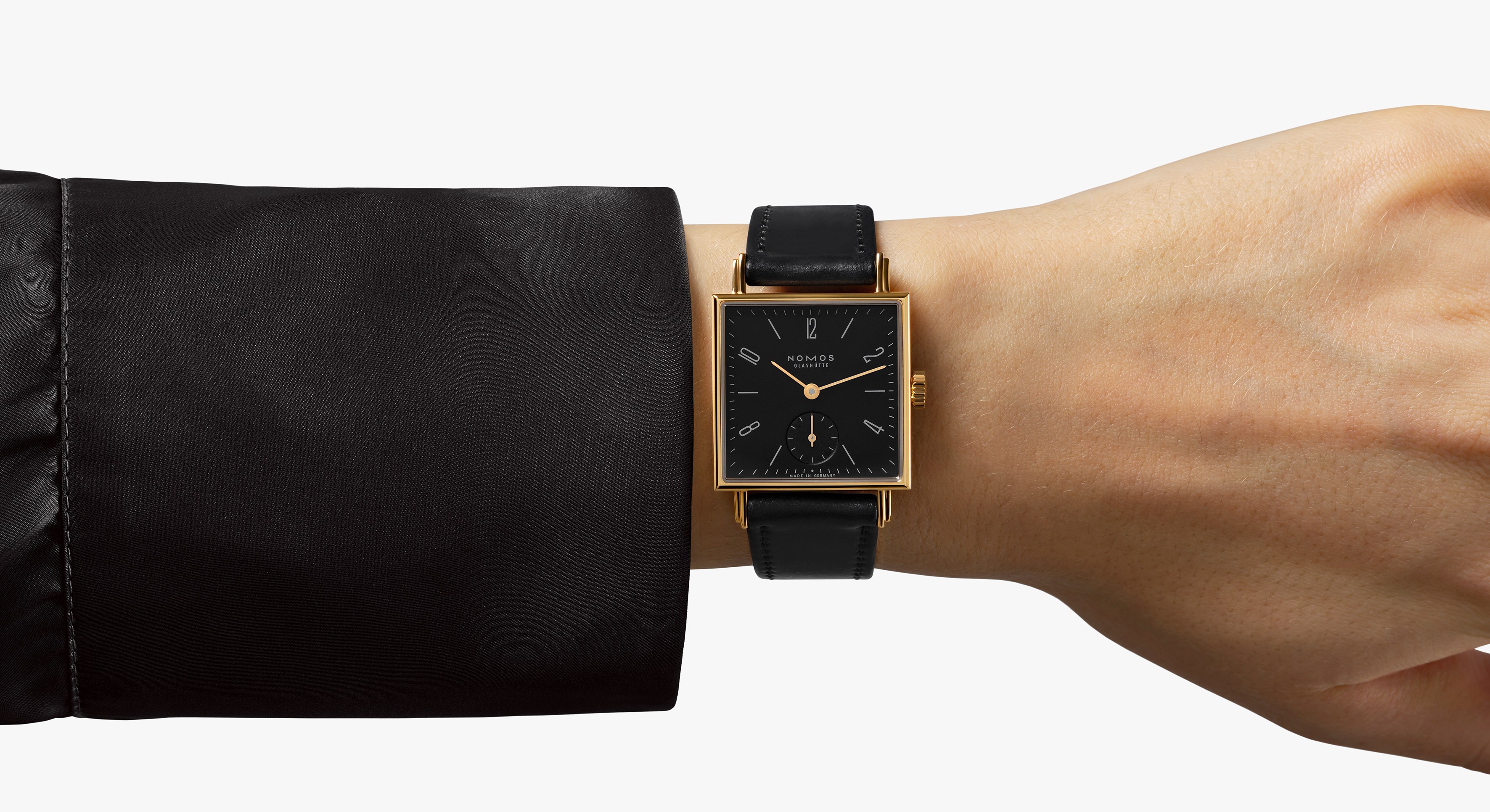
All three models share black dials and gold hands. The contrast between the dark background and the warm metallic tones lends the watches an understated elegance.
The Noir series is also expanding in stainless steel.
The new Tangente 33 noir and Tetra 27 noir join the already available Ludwig 33 noir. Here, matt black dials meet silver-coloured numerals and gold hands. Anthracite-coloured straps in vegan velour underscore the pared-back design.
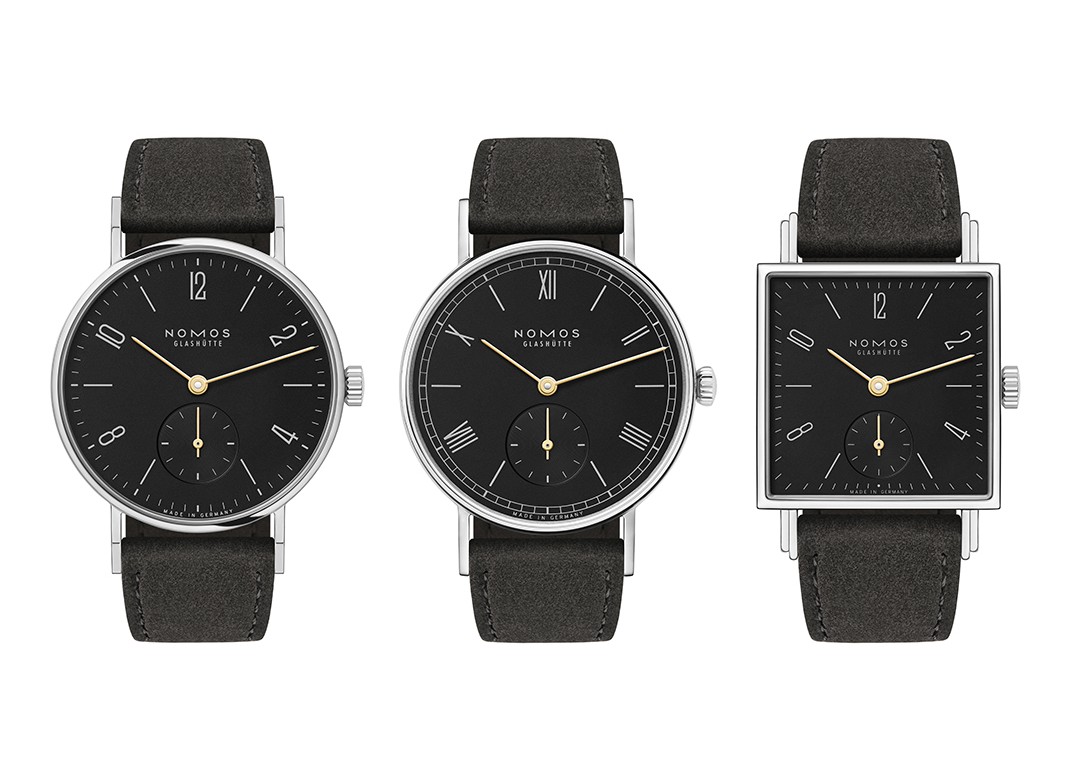
All six versions are powered by the manually wound DUW 4001 calibre with the in-house NOMOS swing system. Adjusted in six positions, the manufacture movement features stop-seconds and a power reserve of up to 53 hours.
Bruno Söhnle Catania: A seamless transition from watch to jewellery
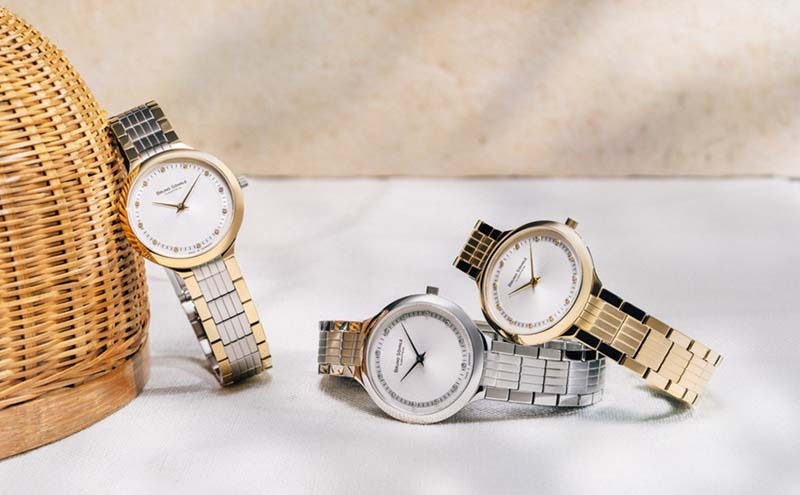
The connection between case and bracelet is the focus of the new Catania from Bruno Söhnle. The integrated metal bracelet follows the lines of the watch, extending them almost without interruption. The discreetly designed clasp reinforces this impression.
With a diameter of 31.5 millimetres and a height of just 5.15 millimetres, the Catania has exceptionally slim proportions. Twelve laboratory-grown diamonds serving as hour markers lend a subtle jewellery character to the dial with its fine silk-textured relief.
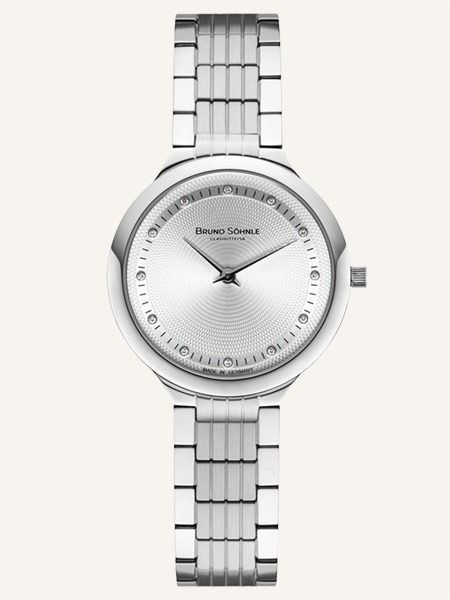
The slim construction is made possible by a quartz movement based on the Ronda 1062. Features include a sapphire crystal and water resistance to three bar. The Catania is offered in three versions: stainless steel, two-tone and with a gold-coloured coating. Prices start at 650 euros.
With its flowing silhouette, the Catania belongs to a category of ladies’ watches in which watch and bracelet form a unified design. In doing so, Bruno Söhnle draws on a tradition that also plays an important role in classic jewellery watches.
Editor’s Picks