MARLI: A young brand with three generations of experience
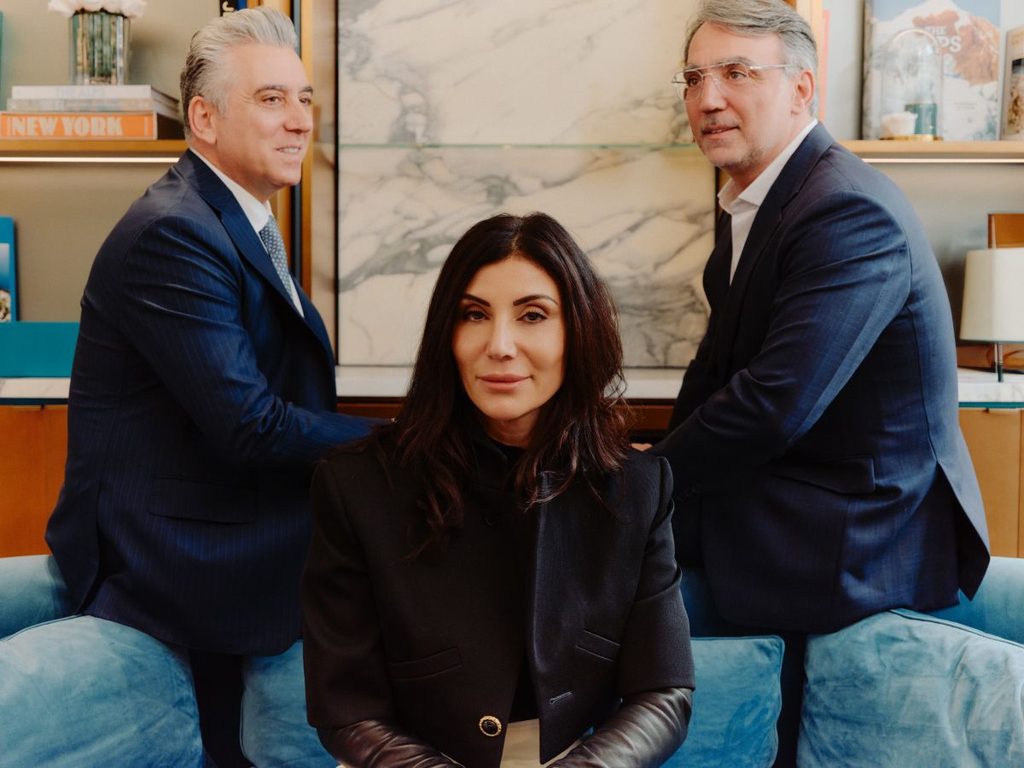
New York shapes the design, while the experience of a family of jewelers provides the backdrop—and with its own Swiss manufacturing capabilities, watchmaking is now part of the mix as well. During the Geneva Watch Days, INSIGHT-LUXURY met with Arto Artinian at the MARLI boutique in Geneva. The conversation focused on how the still-young brand is developing, why Europe works differently from New York, and why MARLI is increasingly viewing jewelry and watches as a unified concept.
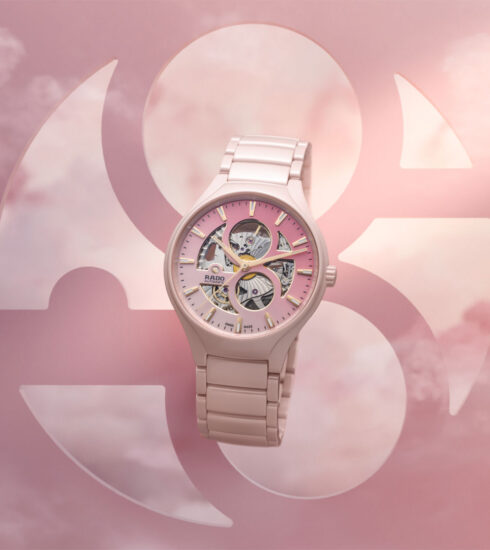
Cover photo: MARLI Timepieces – the watch collection unveiled in 2026 brings the geometric design language of the jewelry lines to the wrist
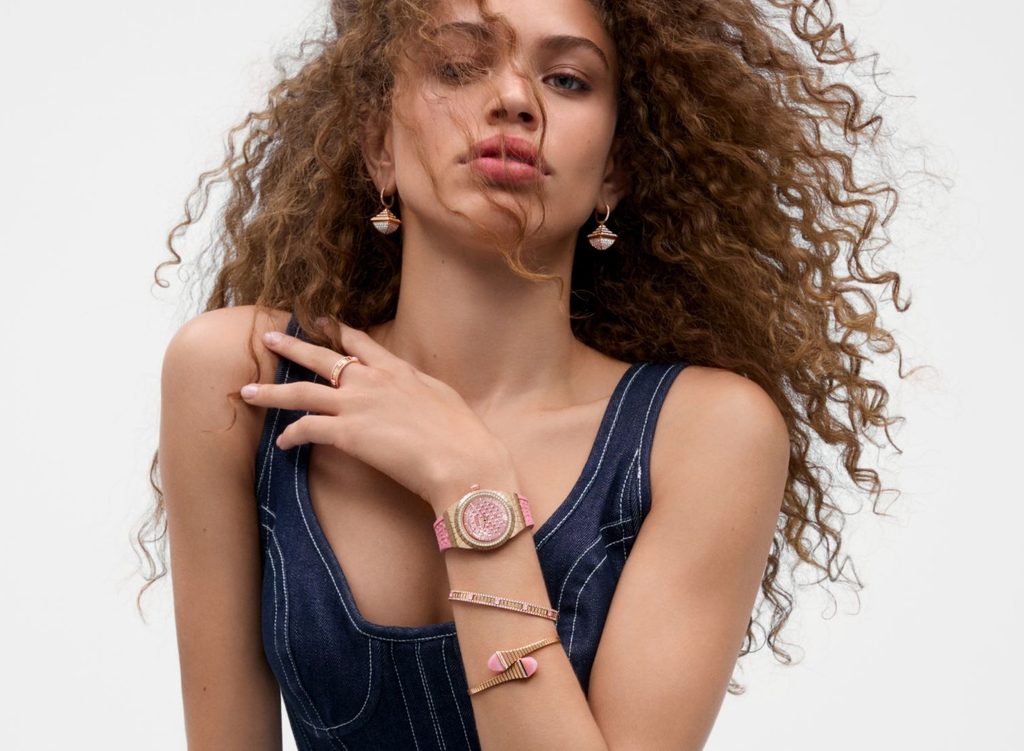
MARLI has only been around since 2014. Behind the brand, however, is a family whose history in the jewelry industry stretches back three generations. Founder and Creative Director Maral Artinian developed MARLI in New York with the goal of viewing jewelry more as an expression of one’s own personality. Today, Cleo, Avenues, and Tip-Top are among the brand’s signature collections; watches were added to the lineup for the first time in 2026.
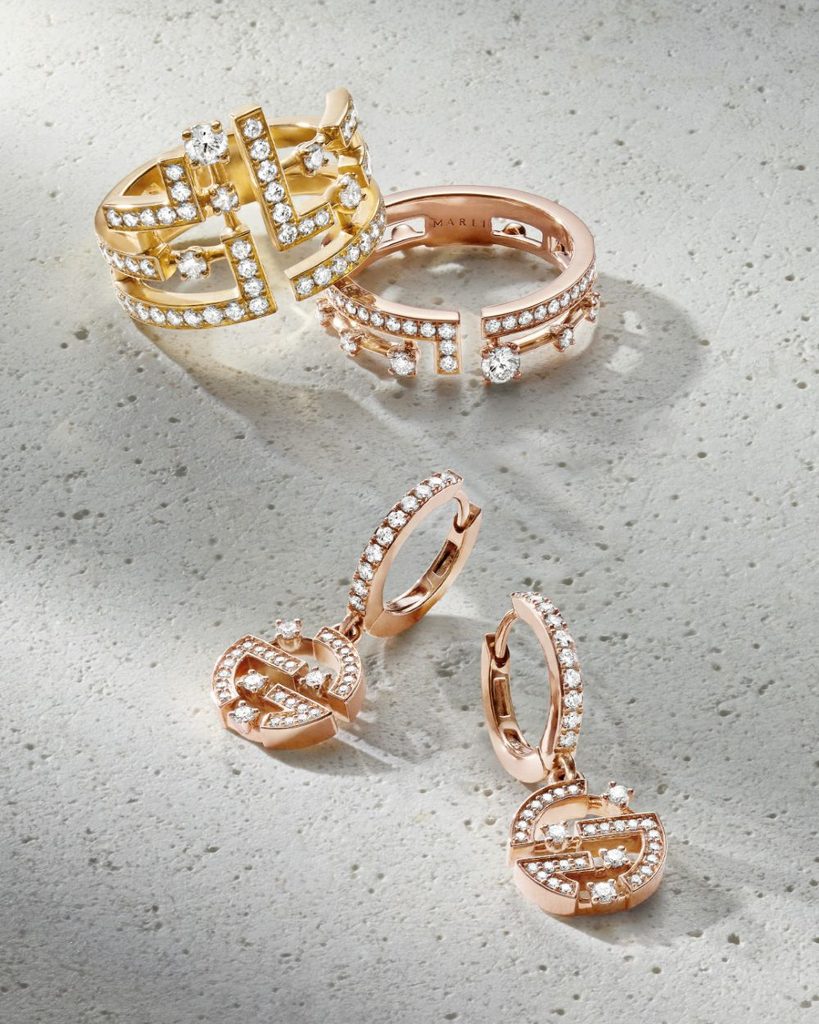
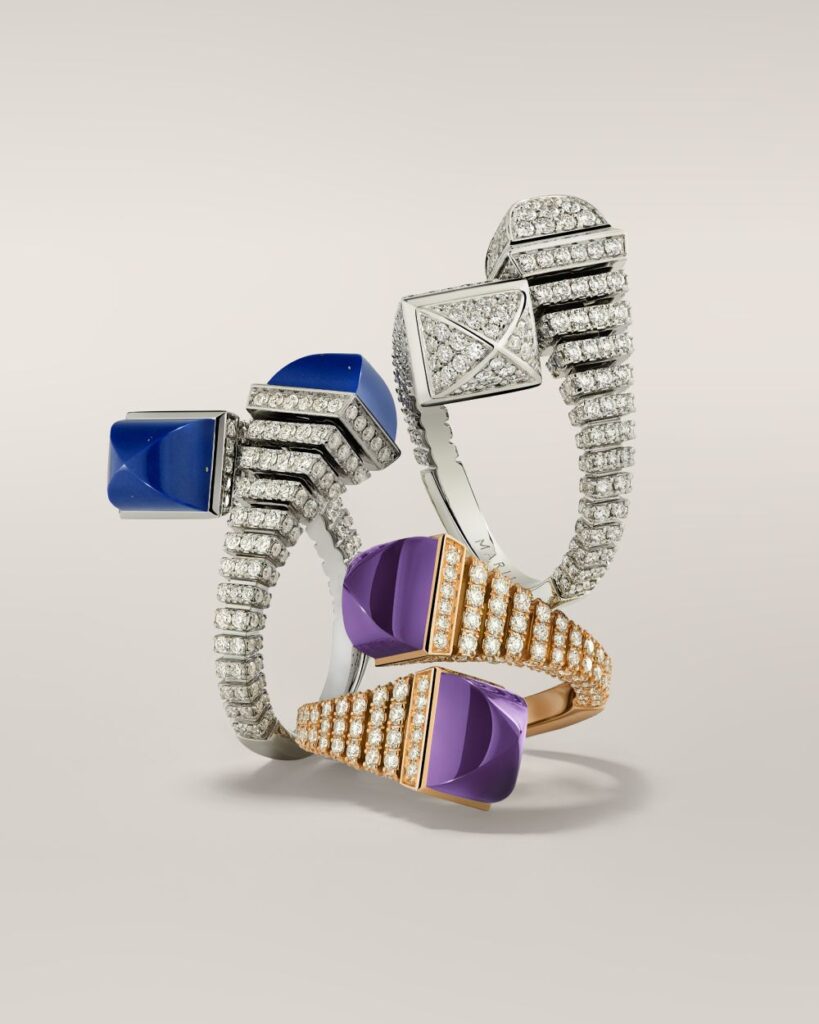
Marli jewelry from the Avenues (left) and Cleo (right) collections
Europe is still relatively new territory for the brand. MARLI already has a much stronger presence in the Middle East and the U.S. That is precisely what makes the next phase of development so interesting.
“We want to build brand recognition the right way.”
INSIGHT-LUXURY: MARLI was founded in New York in 2014 and has since grown into an increasingly international fine jewelry brand. How would you describe MARLI’s position today—and what has changed the most in recent years?
Arto Artinian: In the Middle East, we’ve now reached a point where people recognize the design before they even read the name. That’s where this trend is most clearly visible. We’re growing rapidly in the U.S., and you can see that in how often MARLI now appears in popular culture—through activations, celebrity placements, and partnerships.
In Europe, we’re even further along in this process. We see this as an opportunity to build our brand awareness the right way—one customer at a time. My sister and co-founder, Maral Artinian, wanted to create a brand without borders from the very beginning. Today, that’s evident in our presence: from our new flagship store in New York to our latest expansion into Latin America.
Cleo: MARLI’s Signature
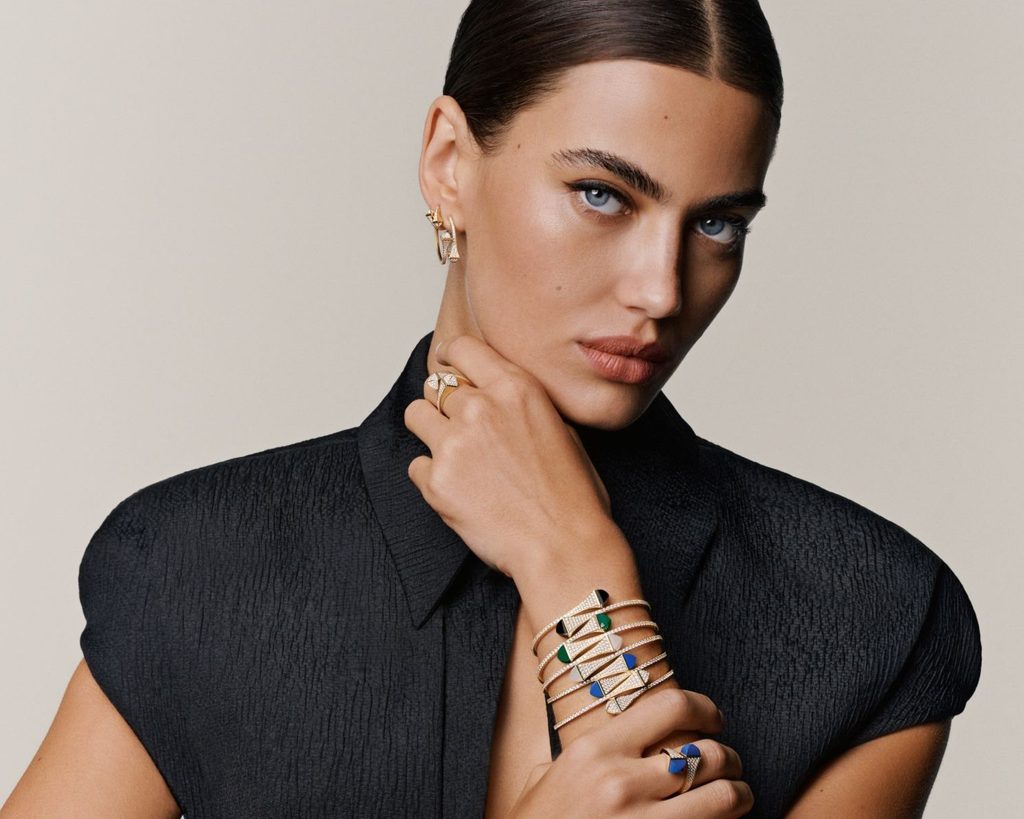
MARLI’s first collection is also the one that continues to best represent the brand to this day. Cleo was introduced in 2014. It is characterized by pyramid-like shapes that recur in gold, diamonds, and colored gemstones. The geometry is clean but not rigid—a principle that runs through many of the brand’s designs.
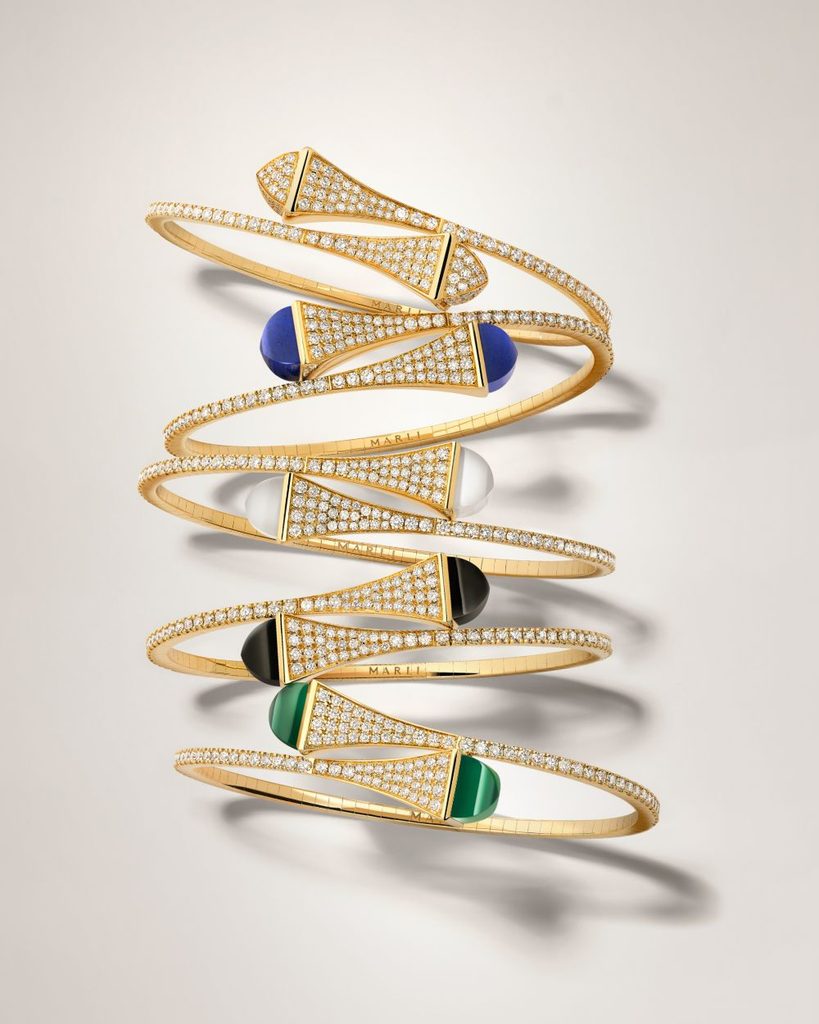
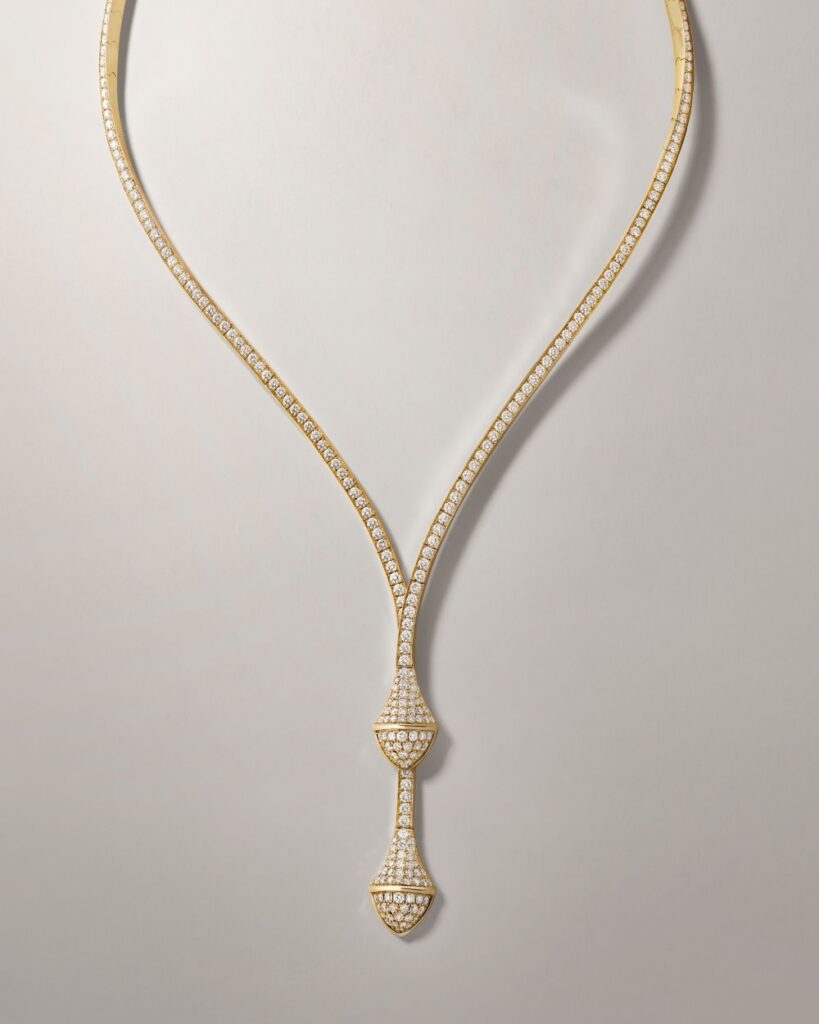
Cleo gold bangles with diamonds and colored gemstones. Cleo gold necklace with diamonds.
Three generations—but not a historic brand
INSIGHT-LUXURY: MARLI is a young brand, but it benefits from decades of experience within the Artinian family and the group. How has this background influenced MARLI’s development—in terms of design, craftsmanship, business strategy, and growth?
Arto Artinian: Our family has been in the jewelry business for three generations. Our history dates back to the store my father and uncle ran in Damascus in the 1950s. We grew up sorting gemstones and learning how a piece of jewelry is made. At MARLI, this is reflected in ways that aren’t always immediately apparent.
Design and manufacturing are developed in tandem. So what we design is also influenced by what we know from experience we can produce particularly well. Because we have our own production facilities and work with more than 800 artisans in Bangkok, we are able to maintain the same standard across all our pieces.
And in business, this background has taught us patience. We think in terms of decades, not seasons.
Manufacturing is indeed a key part of the structure behind MARLI. In addition to the MARLI New York and Sartoro Genève brands, the Artinian Group includes, among others, the jewelry manufacturer Artinian Co. in Bangkok and PreciTech in Le Locle, Switzerland. The group thus controls large parts of the process, from the sourcing and evaluation of gemstones through design and production to quality control and finishing.
New York is more than just a place of origin
INSIGHT-LUXURY: MARLI deliberately incorporates “New York” into its name and identity. What does New York represent for the brand—beyond its place of origin?
Arto Artinian: For MARLI, New York is as much a mindset as it is a geographical location. When Maral came to me at the beginning of this journey, she told me how much she was fascinated by the city’s energy, its diversity, and that sense of unlimited possibilities.
She wanted to create a brand for people who define who they are for themselves, rather than letting others define them.
You can see that in our designs, too. The geometry comes from the skyline; the rhythm comes from the city. New York also gives MARLI a sense of self-confidence that can’t be artificially created. For us, bearing the name New York also means a commitment to constantly evolving.
Avenues: Manhattan as Jewelry
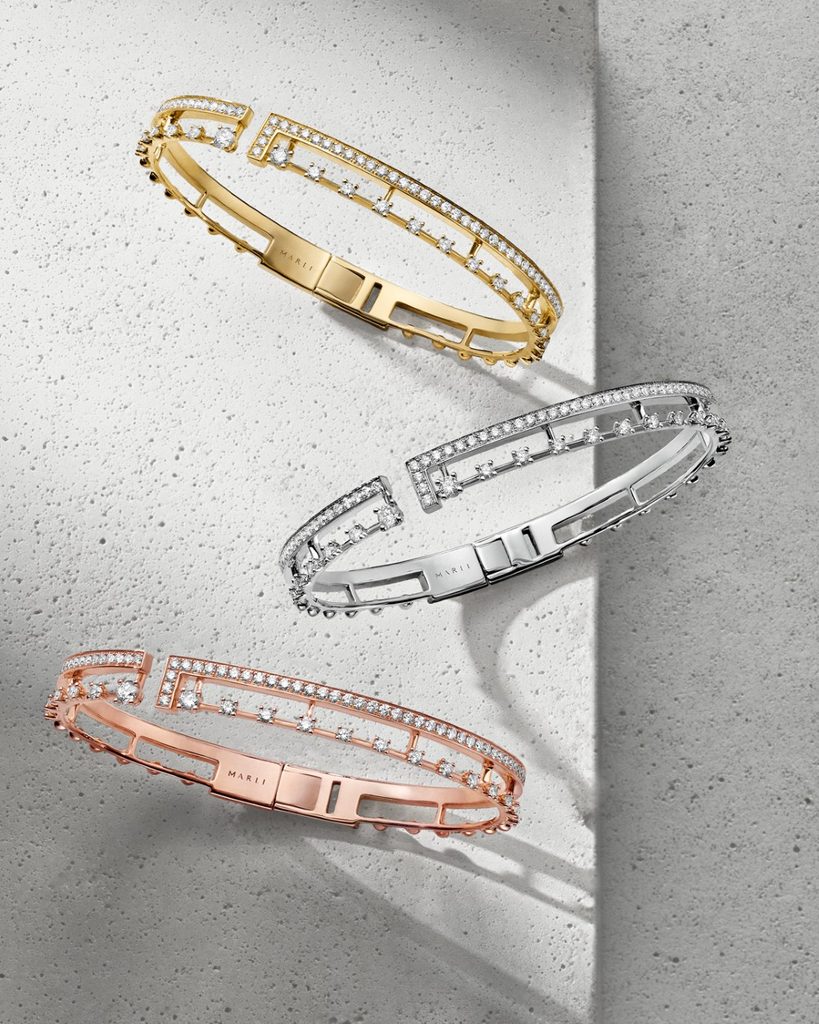
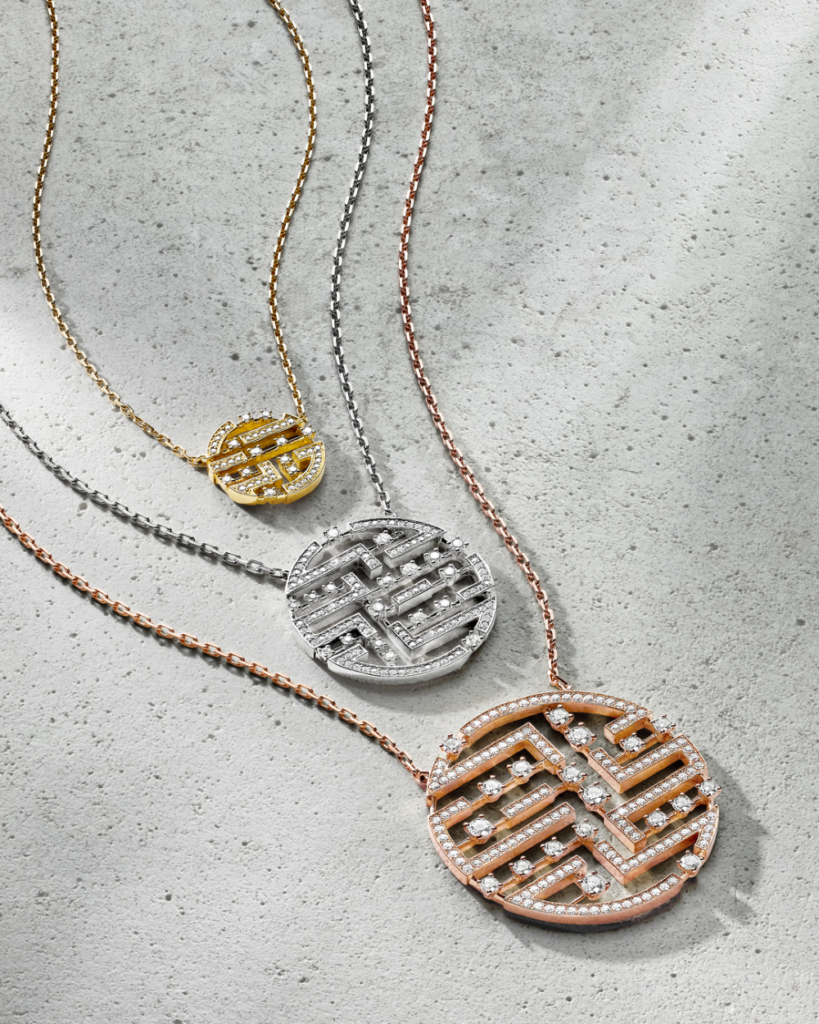
Avenues bangles in yellow, white, and rose gold with diamonds. Avenues pendants in various shades of gold: The graphic motif translates the geometry of New York into jewelry.
With Avenues, this connection becomes particularly immediate. Introduced in 2016, the collection draws inspiration from Manhattan’s grid and the geometry of its streets. Lines of 18-karat gold meet brilliant-cut diamonds; the asymmetrical compositions translate urban architecture into jewelry.
Shopping in New York is different from shopping in Europe
INSIGHT-LUXURY: What key differences do you see today between jewelry customers in New York and Europe—in terms of design, purchasing behavior, and willingness to discover new brands?
Arto Artinian: I want to be careful about making generalizations, but some differences are noticeable. Customers in New York embrace a new brand relatively quickly if it has a clear positioning. They shop very much with their lifestyle in mind. They look for pieces that work from day to night, are easy to mix and match, and fit into a busy daily routine.
European customers take a little more time and look more closely. They want to know where a piece of jewelry comes from, how it’s made, and who’s behind it. Once that trust is established, customer loyalty is very high.
At the same time, European customers today are more open to discovering independent brands than they were ten years ago.
Recognizability alone is not enough
INSIGHT-LUXURY: MARLI has developed a highly distinctive design language characterized by geometry, clean lines, and versatility. How important is a unique visual identity today in a jewelry market where more and more brands are competing for attention?
Arto Artinian: It’s more important than ever. With so many brands out there, brand recognition is crucial. Someone should be able to see a piece of jewelry from across the room and know immediately what it is.
At MARLI, this means geometry, clean lines, and flowing proportions.
But identity has to be more than just a look. It also has to convey a feeling. Our pieces are designed to be worn, mixed, and layered during the day and in the evening—in a way that suits each person’s personality.
And they should be worn often, not just on special occasions. A design language only truly earns its place when people actually live with it.
Tip-Top: Precision on Your Wrist
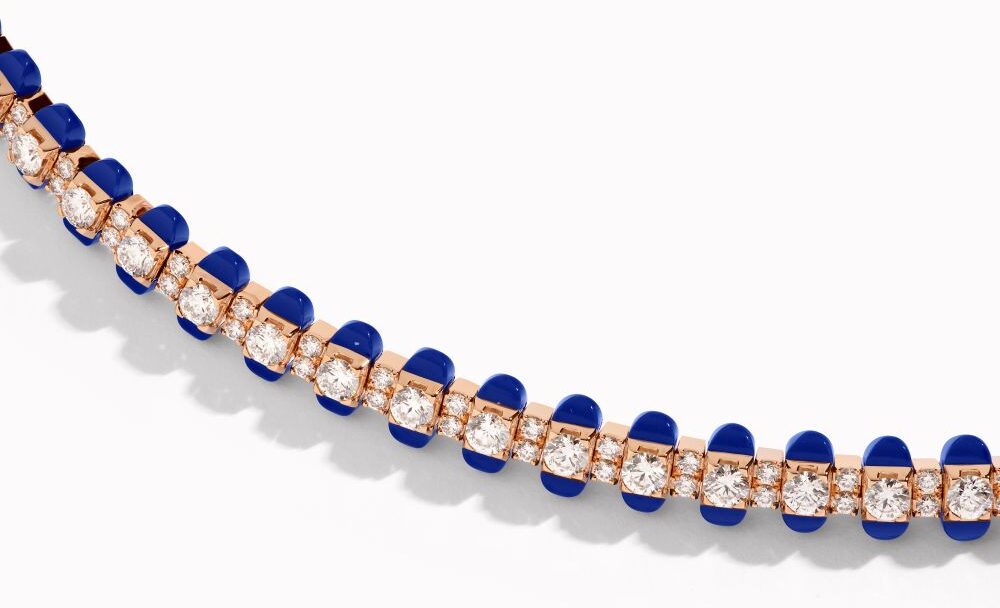
Tip-Top takes the classic tennis bracelet as its starting point but clearly breaks away from its traditional look. The key feature is MARLI’s signature Pyramid Cut: a geometric finish along the edges of the stones that gives the jewelry greater depth and a more defined architectural effect. The result is a collection in which precision is not merely a technical concept but becomes a design element in its own right.
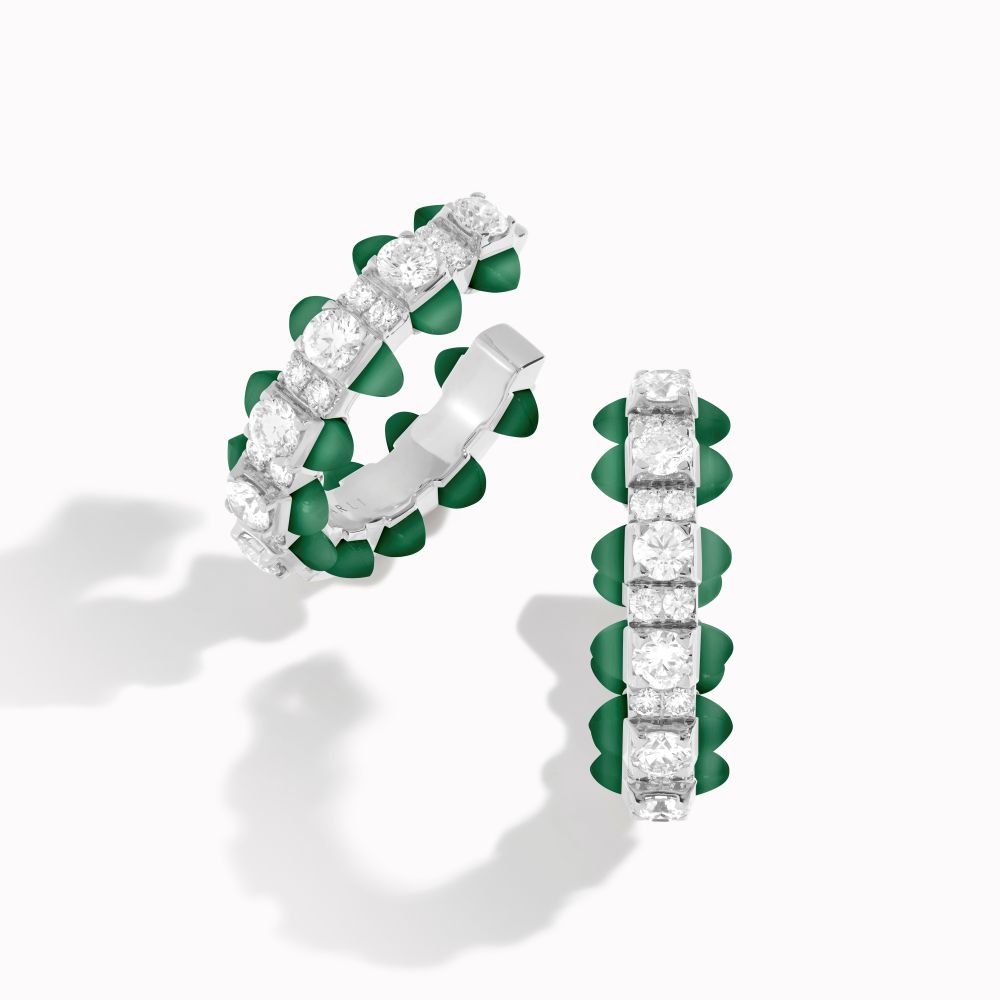
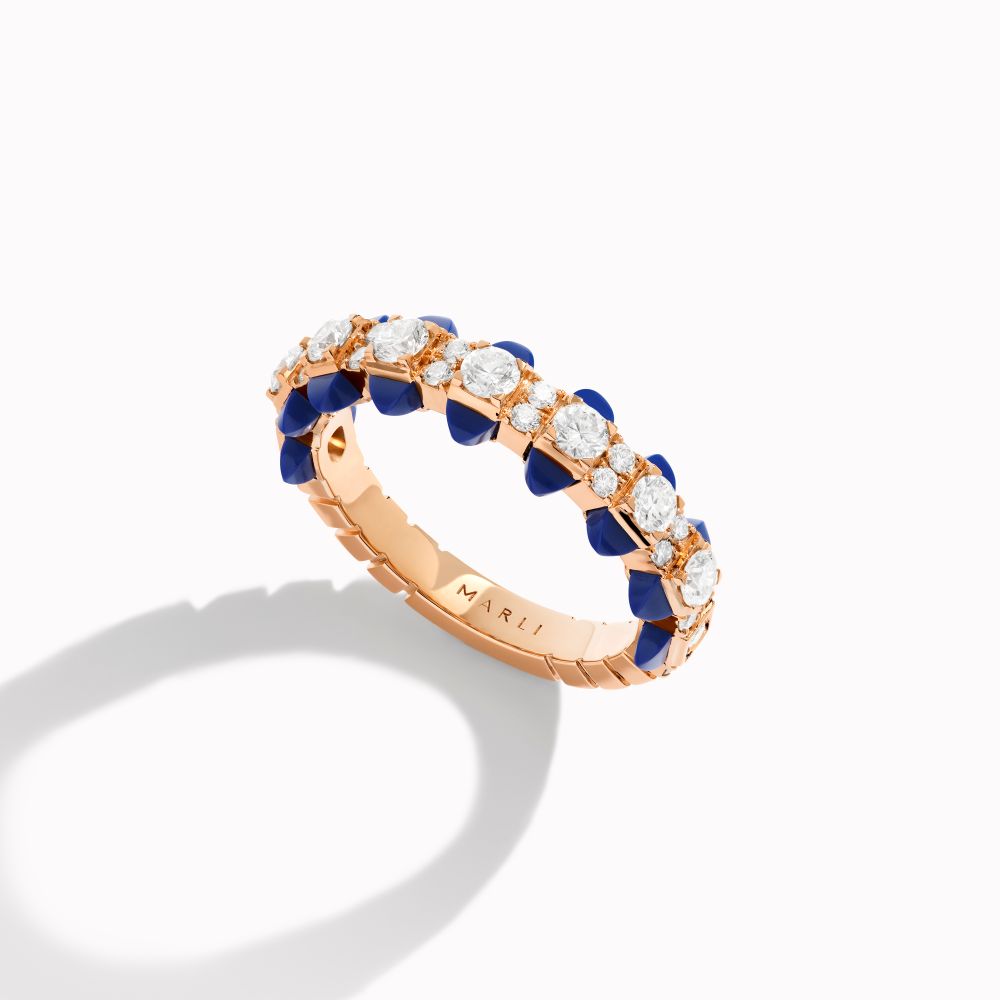

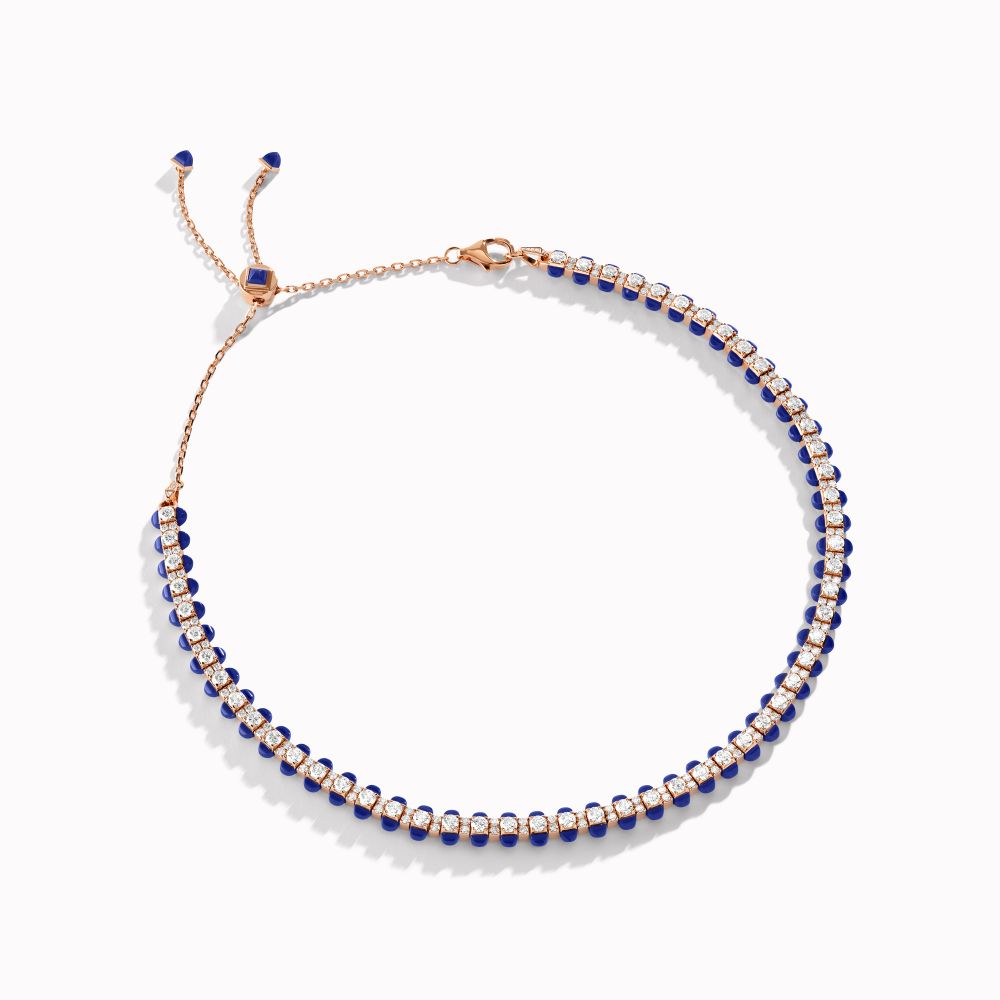
TipTop KolleTip-Top jewelry in rose and white gold with diamonds and pops of color—characterized by geometric precision and the signature pyramid cut.
Could a young brand be any freer?
INSIGHT-LUXURY: Is it an advantage not to have a brand history spanning decades or centuries, because that allows for more creative freedom—or does it make it harder to build trust?
Arto Artinian: Both are true. The freedom is real. There is no archive we have to reproduce, and no set idea of what a MARLI piece should look like. This has allowed us to develop a design language rooted in architecture.
Trust, on the other hand, takes longer to build, and I don’t think there’s a shortcut to it. I don’t measure success solely in financial terms. Reputation and trust are crucial to me.
When we first started out in Thailand, it took a while for people to understand that we weren’t just there temporarily, but that we wanted to build something for the long term. It’s no different in Europe.
Trust is built through the way we manufacture our products and the transparency with which we handle this process: our in-house production, RJC-certified responsible processes, and now also a digital certification that allows owners to verify the authenticity of their piece. Heritage is built piece by piece.
MARLI introduced the digital certification mentioned above in 2026. It is intended to digitally document the authentication and traceability of the jewelry, as well as any subsequent transfer of ownership. In March 2026, the manufacturing company Artinian Co. also received certification under the Responsible Jewellery Council’s 2019 Code of Practices.
From Jewelry to Watches
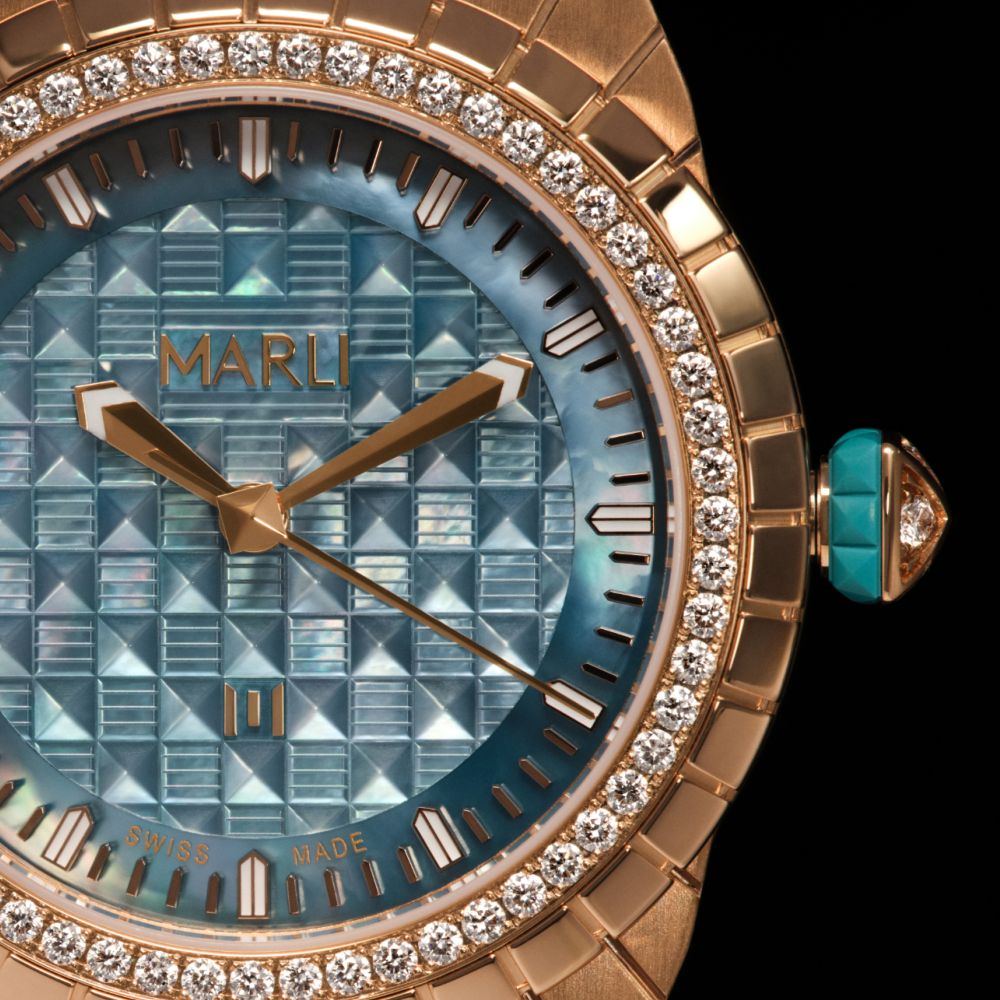
In 2026, the brand took another step forward: MARLI unveiled its first in-house watch collection. With this move, the brand is entering a field that is not entirely new within the Artinian Group. Through PreciTech S.A. in Le Locle, the group has its own manufacturer of components for the Swiss watch industry.
INSIGHT-LUXURY: MARLI has now entered the watchmaking industry. Why was now the right time to expand from jewelry into watches—and what role are they expected to play for the brand in the future?
Arto Artinian: Watches were the natural next chapter for MARLI. After a decade of developing our own design language centered on precision and self-expression, the time had come to translate that language into a new medium—and one of the most technically challenging in the luxury sector.
This is not a departure from who we are, but rather a further development of what we have built.
This was also made possible by PreciTech, our Swiss manufacturing facility in Le Locle.
PreciTech combines cutting-edge technology with a deeply rooted Swiss manufacturing tradition. There, components and finishes are produced according to very demanding watchmaking standards—from surface quality and dimensional accuracy to consistent technical performance.
Through vertical integration, we maintain control over quality, technical performance, and our own ongoing development. This gives us independence. We can oversee the entire process from the initial design to the finished watch—and the design can take the lead because it is underpinned by a solid technical foundation.
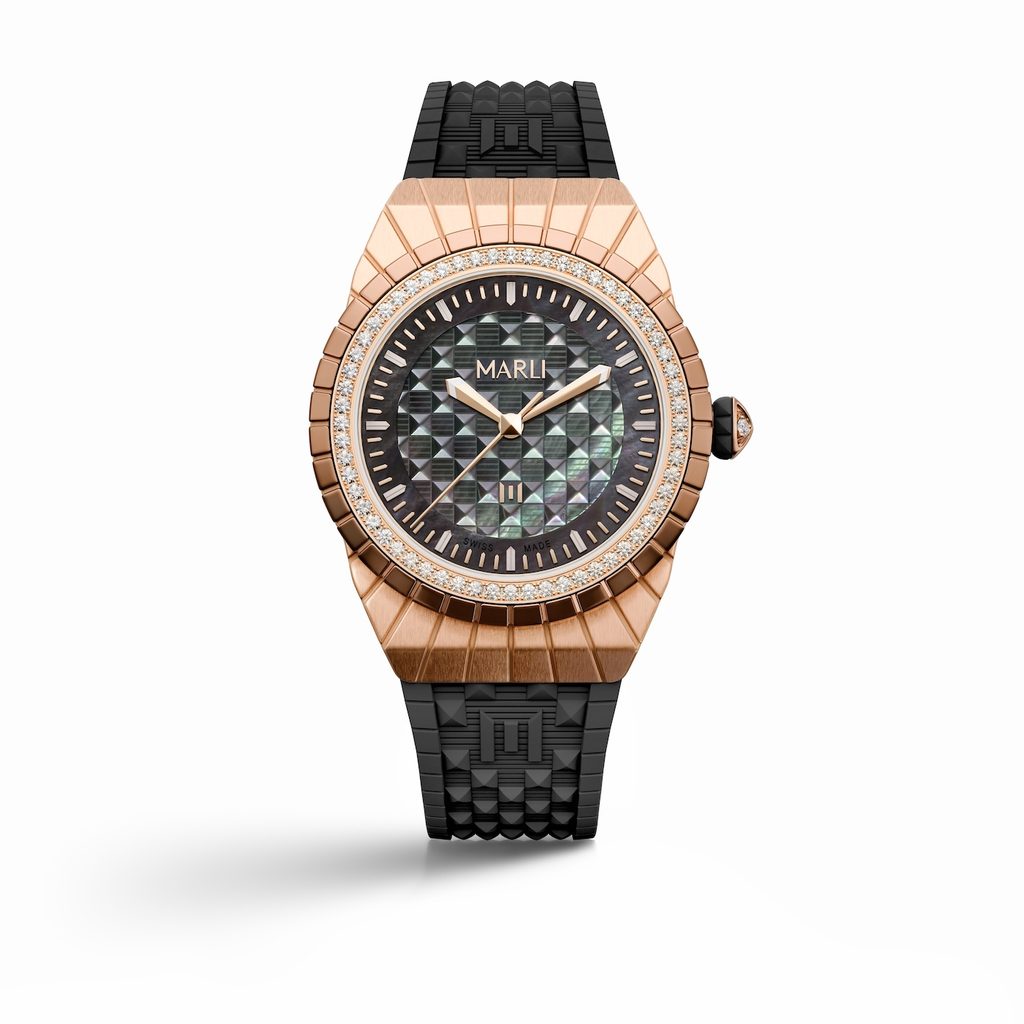
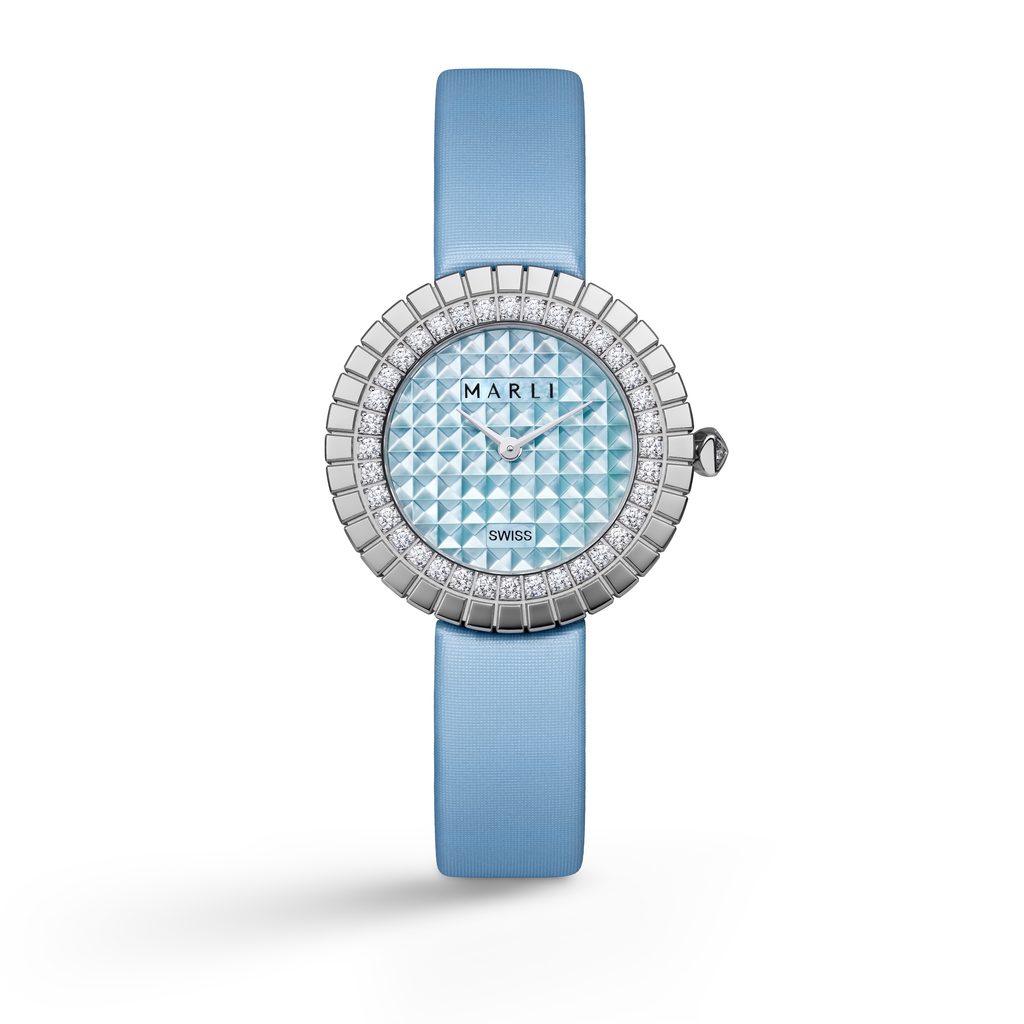
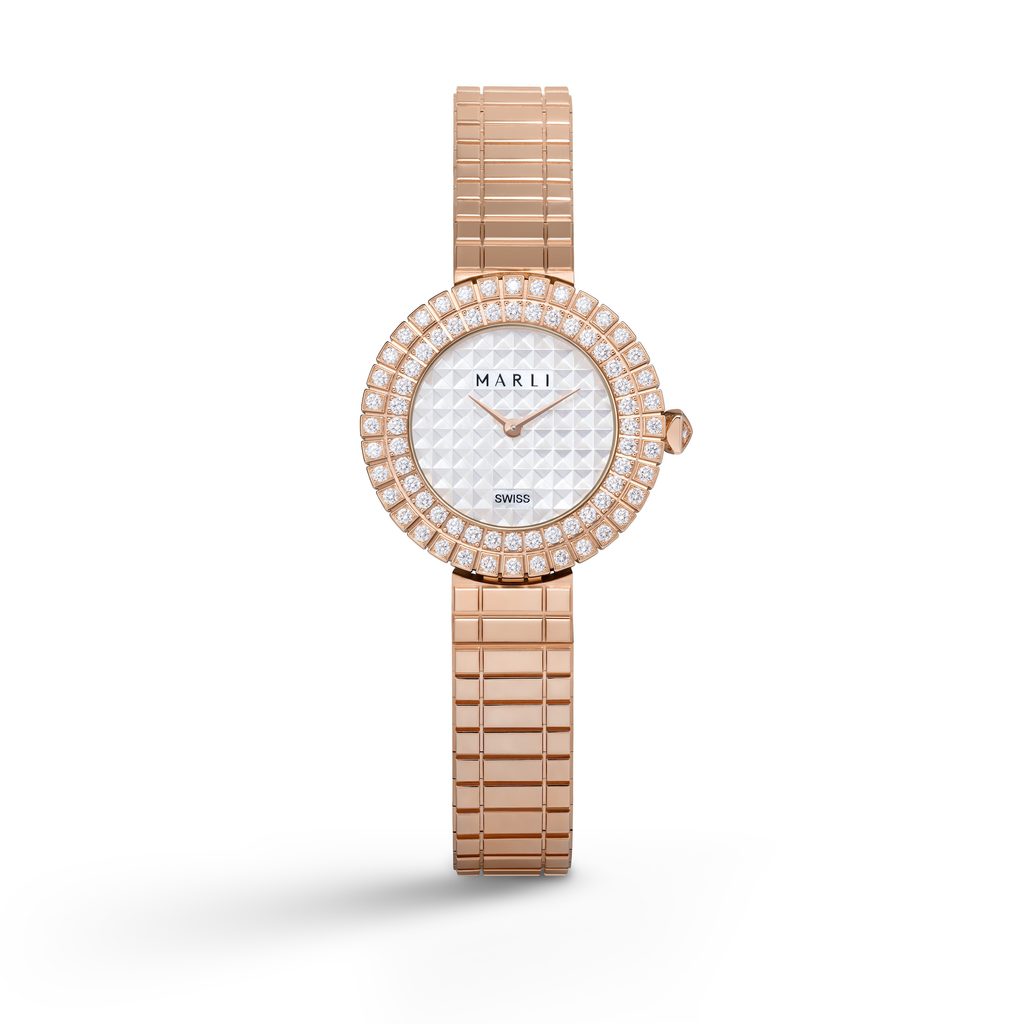
Marli Timepieces: L35, L30, and L23—the numbers correspond to the diameter of the case
New York and Le Locle
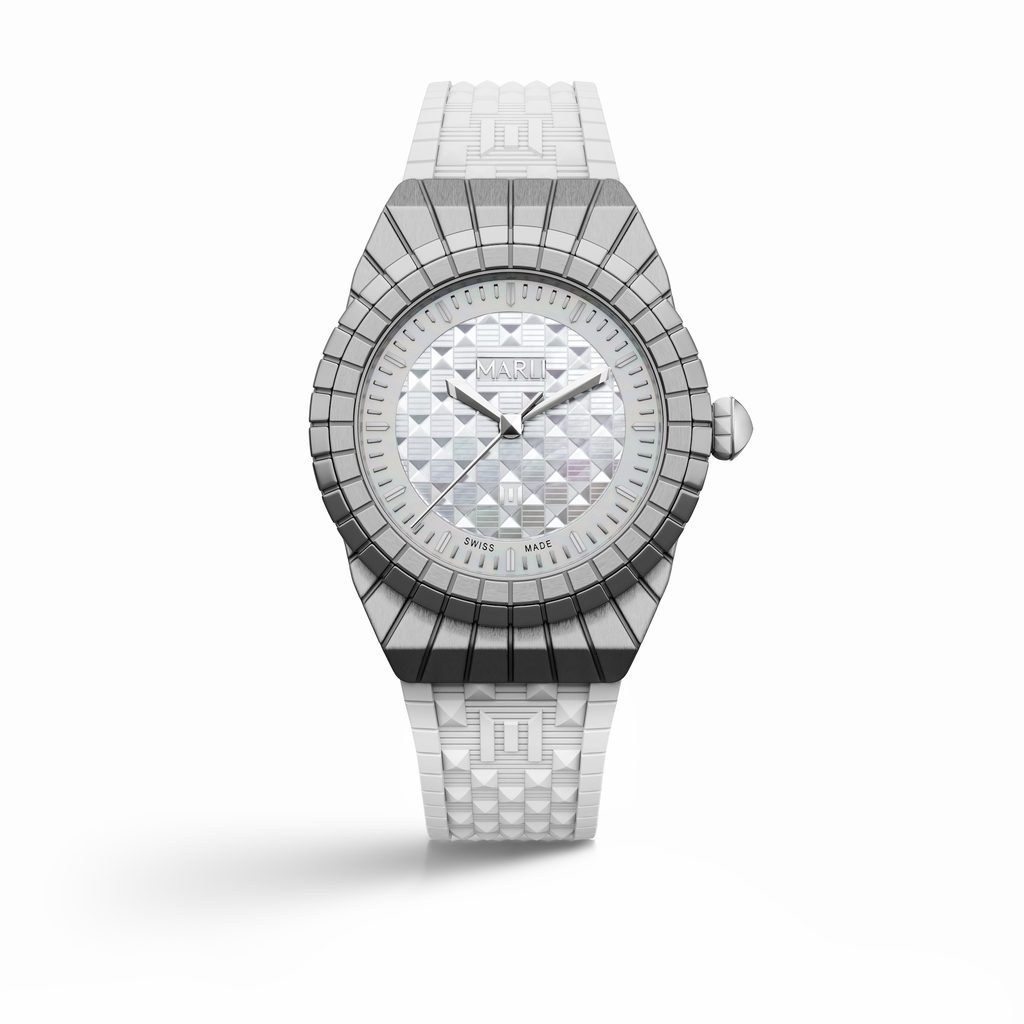
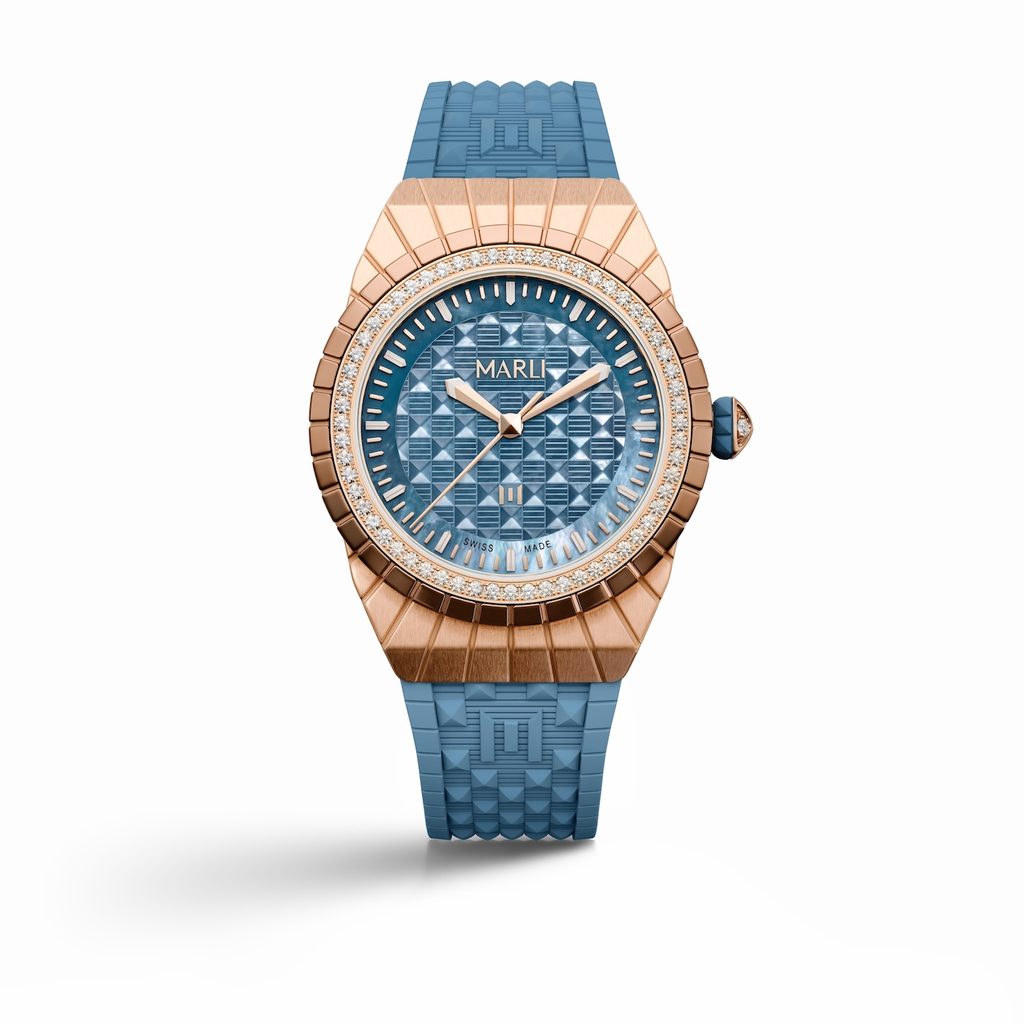
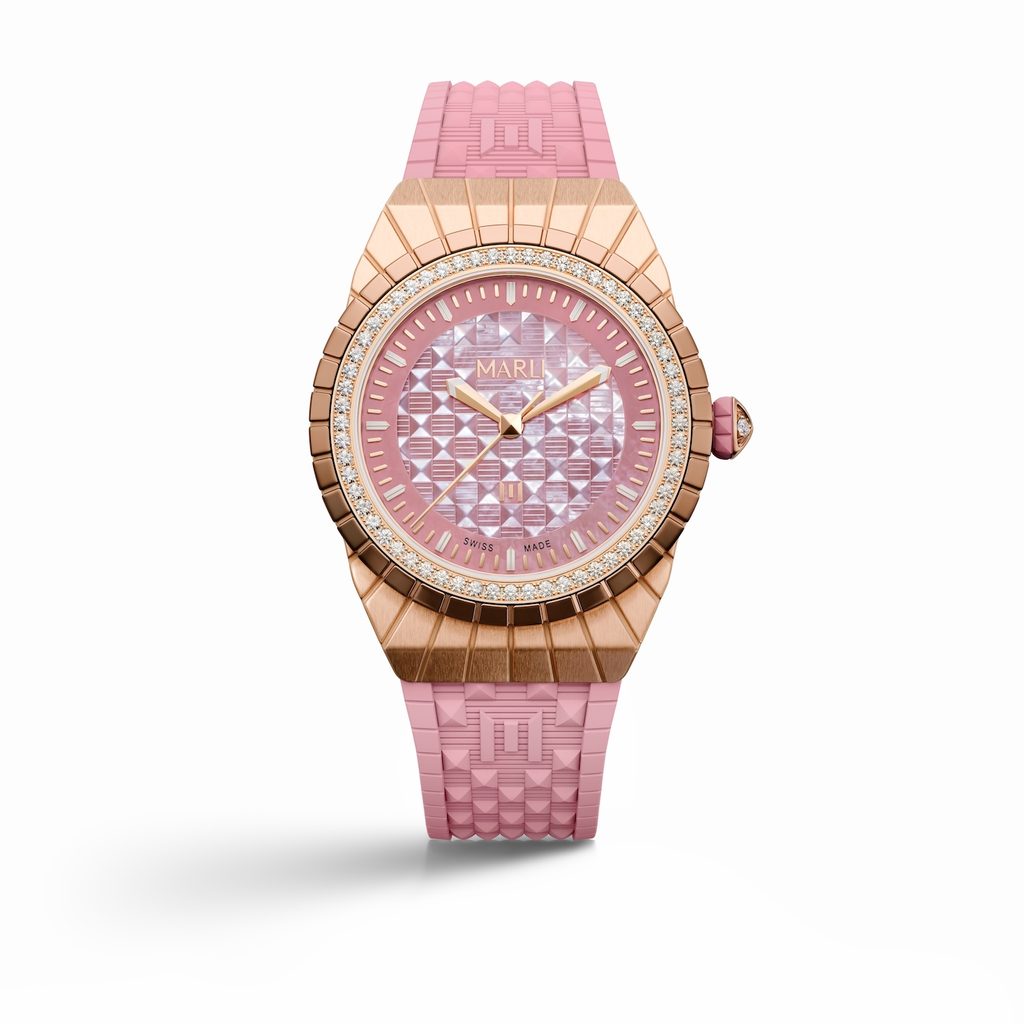
Marli Timepieces: L35 in various versions
INSIGHT-LUXURY: MARLI combines a strong New York identity with Swiss watchmaking. How important are Switzerland and Geneva when it comes to building credibility in this new category?
Arto Artinian: Swiss watchmaking is a centuries-old craft, and we treat this tradition with great respect. That is why our watch components are manufactured in Le Locle, a city with a very long history of watchmaking and a manufacturing culture rooted in precision.
The Artinian Group is headquartered in Geneva, and PreciTech incorporates this standard into every MARLI watch.
When it comes to MARLI’s story, Switzerland completes the other half of the equation: New York brings design and attitude, while Switzerland provides the precision behind it all. We want to show that a brand can be strongly rooted in design while also maintaining quality control from start to finish.
When Watches and Jewelry Come Together Again
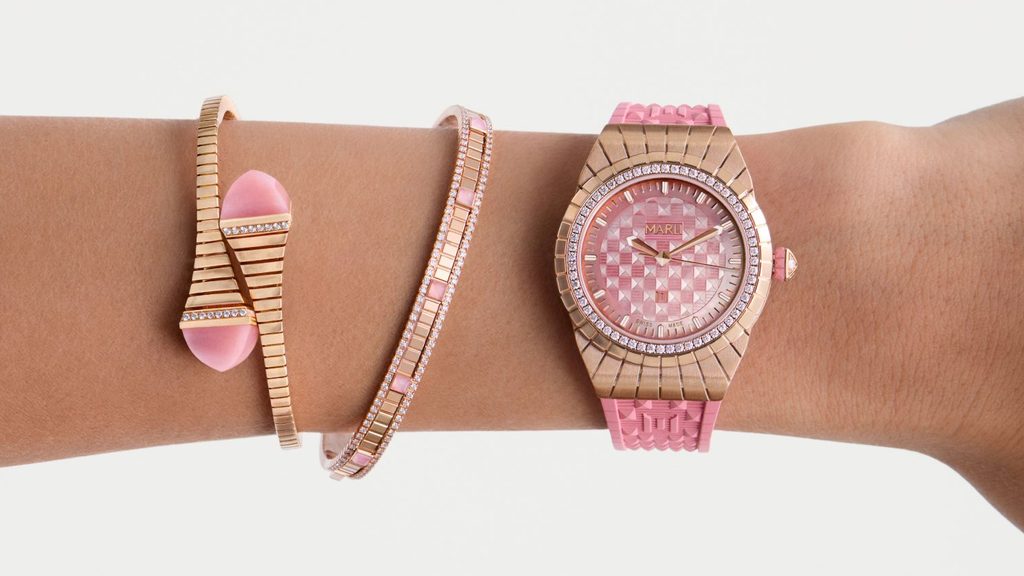
INSIGHT-LUXURY: Do you see jewelry and watches converging more closely again—not only in terms of design, but also in how customers discover, wear, and purchase them?
Arto Artinian: Yes, and I think our customers are already a step ahead in this regard. A watch sits on the wrist just like a bracelet, and more and more people are thinking of the two together: they mix and match metals and gemstones and view the watch as part of their overall look rather than as a separate purchase.
There is also a long tradition of the jewelry watch. So, in a way, it’s also a return to the past.
For MARLI, this comes naturally, because MARLI is a language, and each piece engages in a dialogue with the others. The watches are inspired by our jewelry and therefore fit in seamlessly.
Mixing and styling are at the heart of the brand. For us, there are no rules about how someone wants to express themselves.
This also changes the relationship with the brand: one customer, one boutique—and someone might start with a ring and come back later for a watch. Or the other way around.
“Heritage is built piece by piece”
INSIGHT-LUXURY: When we meet again in five years: What do you think should have changed by then in terms of how European customers perceive MARLI?
Arto Artinian: In five years, I hope that people will recognize our design at first glance and trust the quality behind it—from jewelry to watchmaking.
Trust is built slowly and through consistency. Every single piece should contribute to that.
I also hope that MARLI will be seen as a brand that continues to evolve: modern, unconventional, and designed for everyone. These are pieces for everyday wear. They’re meant to be worn often and in your own way—not just for special occasions.
If someone somewhere in Europe sees a MARLI piece, recognizes it immediately, and at the same time understands what it stands for, that would be the change I hope for.