
Rado: 40 Years of Passion for High-Tech Ceramics
The fact that Rado is not only a self-proclaimed “Master of Materials” but also has a veritable obsession with materials and their optimization becomes immediately apparent during a tour of Comadur to mark 40 years of Integral, made from high-tech ceramics.
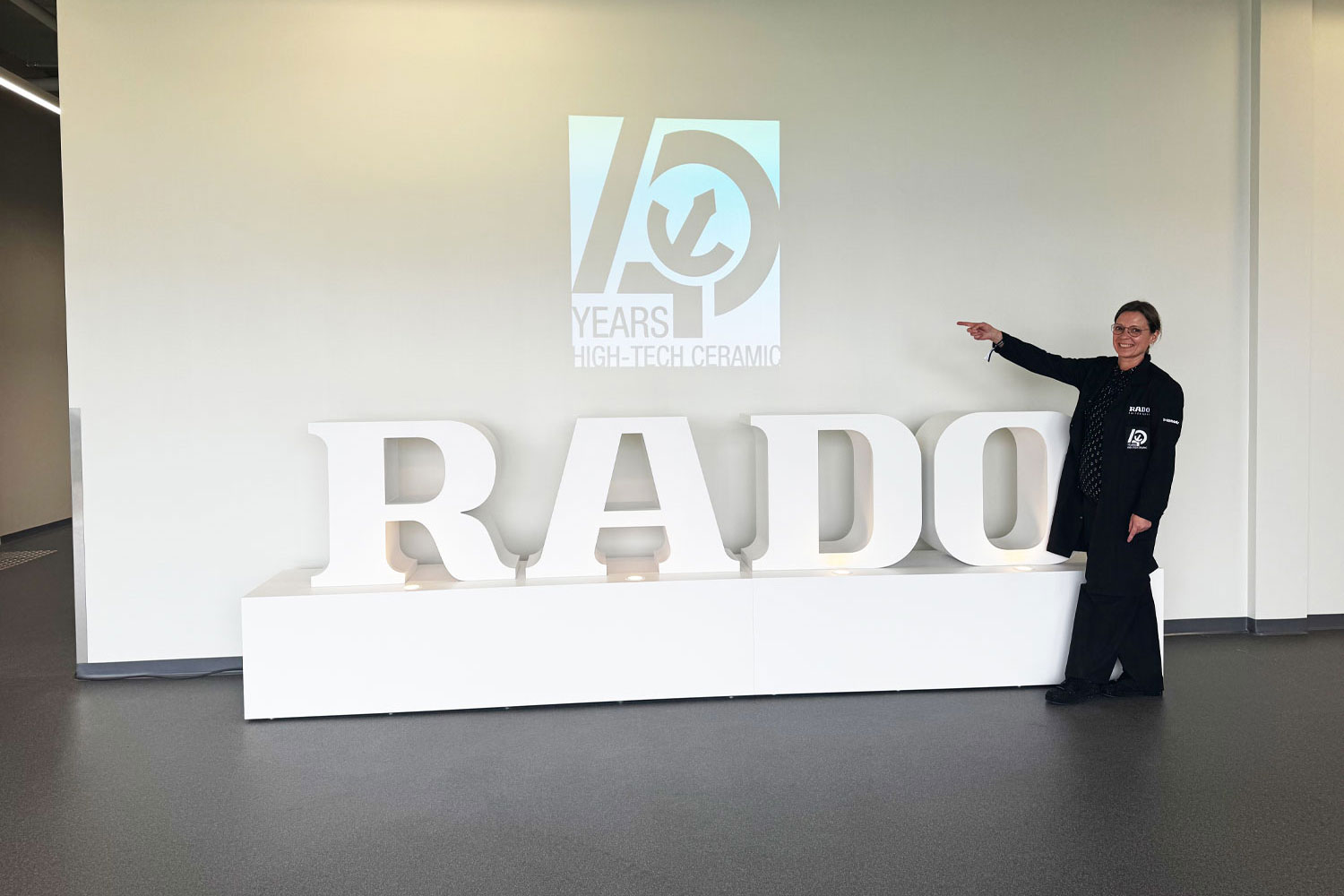
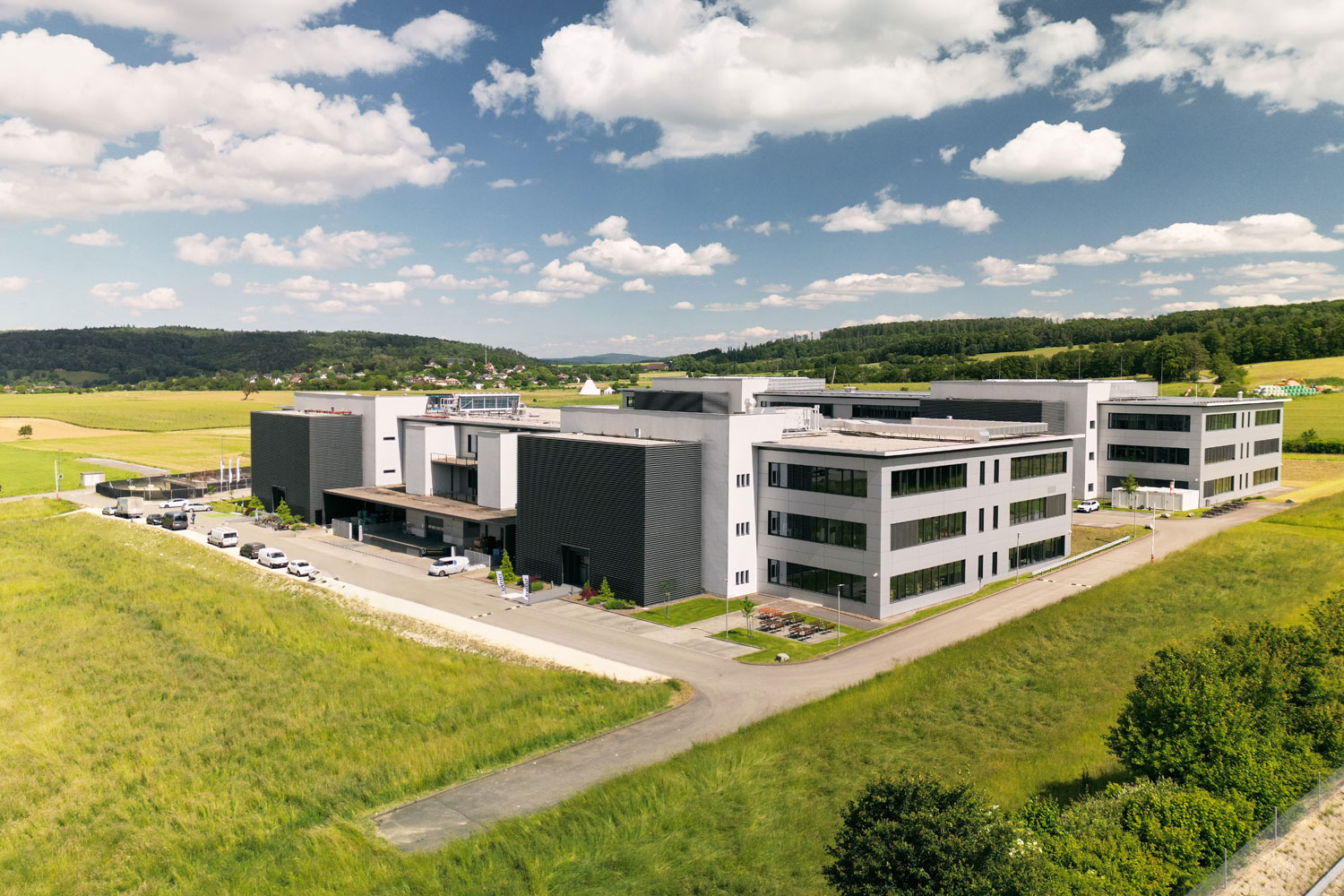
Comadur, headquartered in Le Locle, Switzerland, with a production facility in Boncourt, is part of the Swatch Group, just like Rado. The name is derived from the French terms for components (composants), materials (matériaux), and durability (durabilité). The company functions both as a materials laboratory and a manufacturing facility and specializes in extremely hard precision materials—including synthetic rubies and sapphires used as jewels in watch movements, but above all ceramics in various forms and alloys, such as high-tech ceramics, plasma ceramics, and Ceramos.
Rado’s roots date back to 1917. That was when the company Schlup & Co. was founded; in 1928, it registered the name “Rado” with the Swiss Federal Institute of Intellectual Property in Bern. The name corresponds to the Esperanto word “rado,” which means “wheel”—a most fitting name for a watch brand, considering its inner workings.
From Carbide to a Philosophy of Materials
But it wasn’t until 1957 that Rado was marketed as an independent watch brand. The “Golden Horse” is considered its first key model. In 1962, Rado finally gained recognition as an independent brand with the “DiaStar 1,” the world’s first scratch-resistant mass-produced watch.
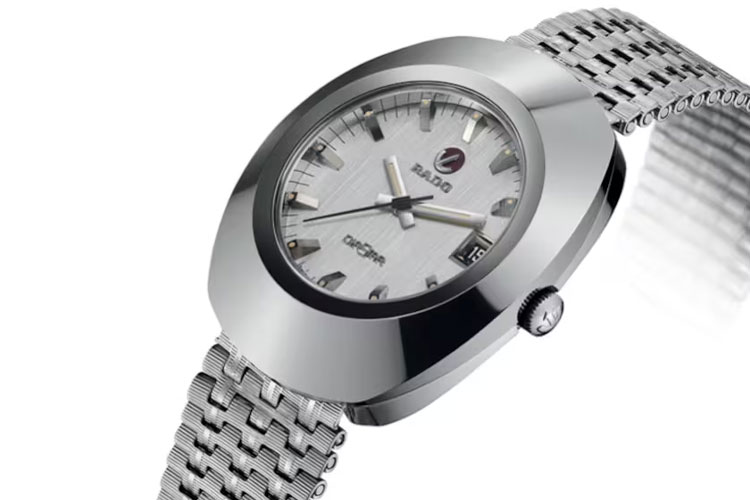
The case was made of hard metal—a tungsten carbide alloy—and was covered with sapphire crystal. This made Rado one of the pioneers in the use of these materials in watchmaking.
This chapter laid the foundation—which remains unshakeable to this day—for Rado’s pursuit of durable materials that do not limit watch design but rather open up new creative possibilities.
In the early 1980s, Rado asked itself: “How can we create a material that is even stronger—one that pushes the boundaries once again and anticipates the future of our industry?” The answer was high-tech ceramics.
1986: The Era of High-Tech Ceramics Begins
Rado was the first watchmaker to successfully use the material in mass production and introduced the “Integral” in 1986. With its bracelet—whose center links were made of high-tech ceramic—it ushered in a new era for the brand.
This first “Integral” showcased the material’s unique qualities: colors that never fade and a luster that never wanes. With this masterstroke, Rado had definitively secured its place as the—obsessive—“Master of Materials” in the world of watchmaking.
Rado CEO Adrian Bosshard explains: “Our tireless pursuit of innovation is perfectly reflected in our history with high-tech ceramics—a material that was 40 years ahead of its time.”
Why High-Tech Ceramics Are So Challenging
The use of ceramic in watchmaking is anything but trivial. During the manufacturing process—more specifically, during sintering—the material shrinks by about 23 percent. For a watch that demands the highest precision not only in its movement but throughout the entire timepiece, this poses an enormous challenge: the case must be watertight, a link bracelet must operate smoothly, and tolerances are practically nonexistent.
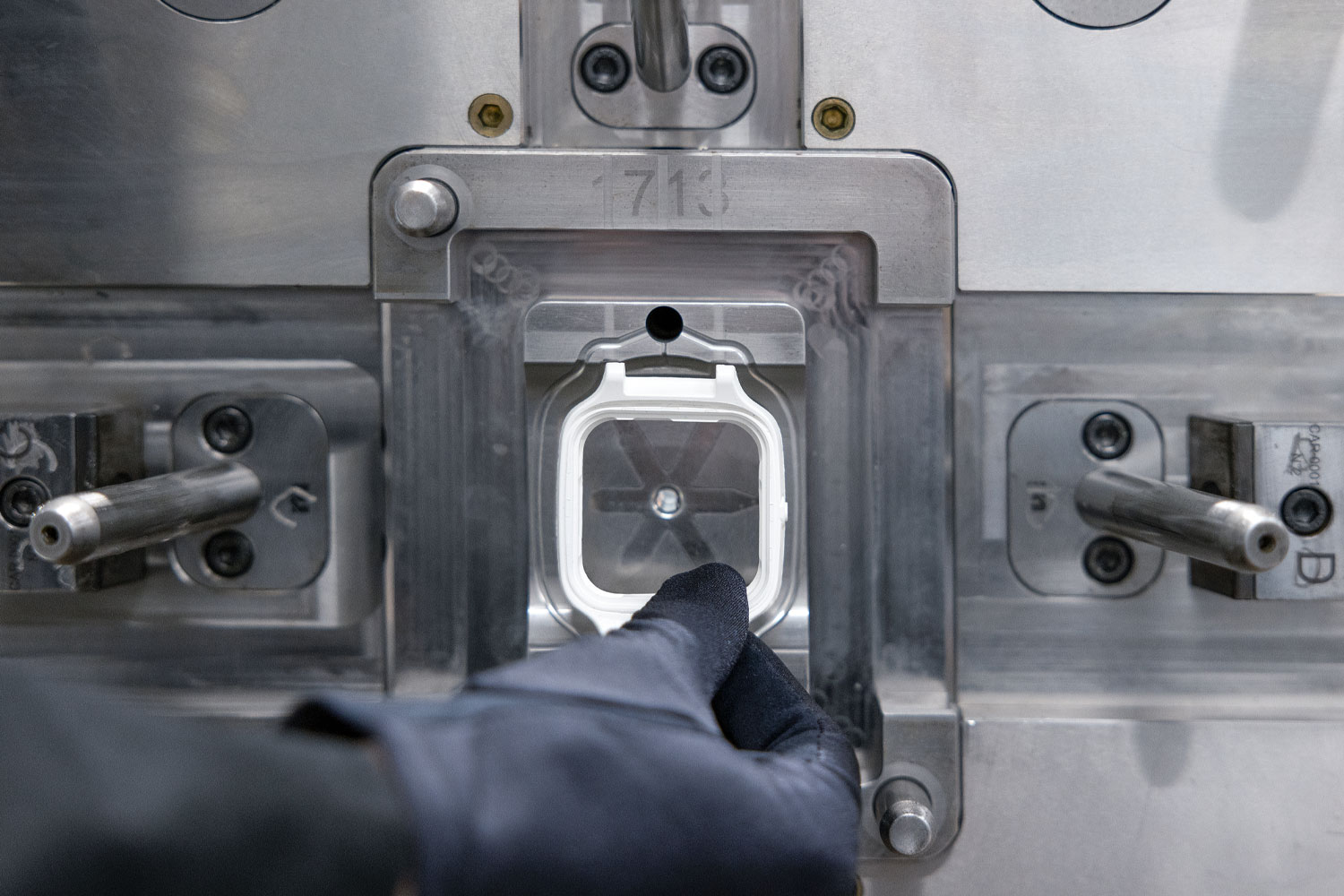
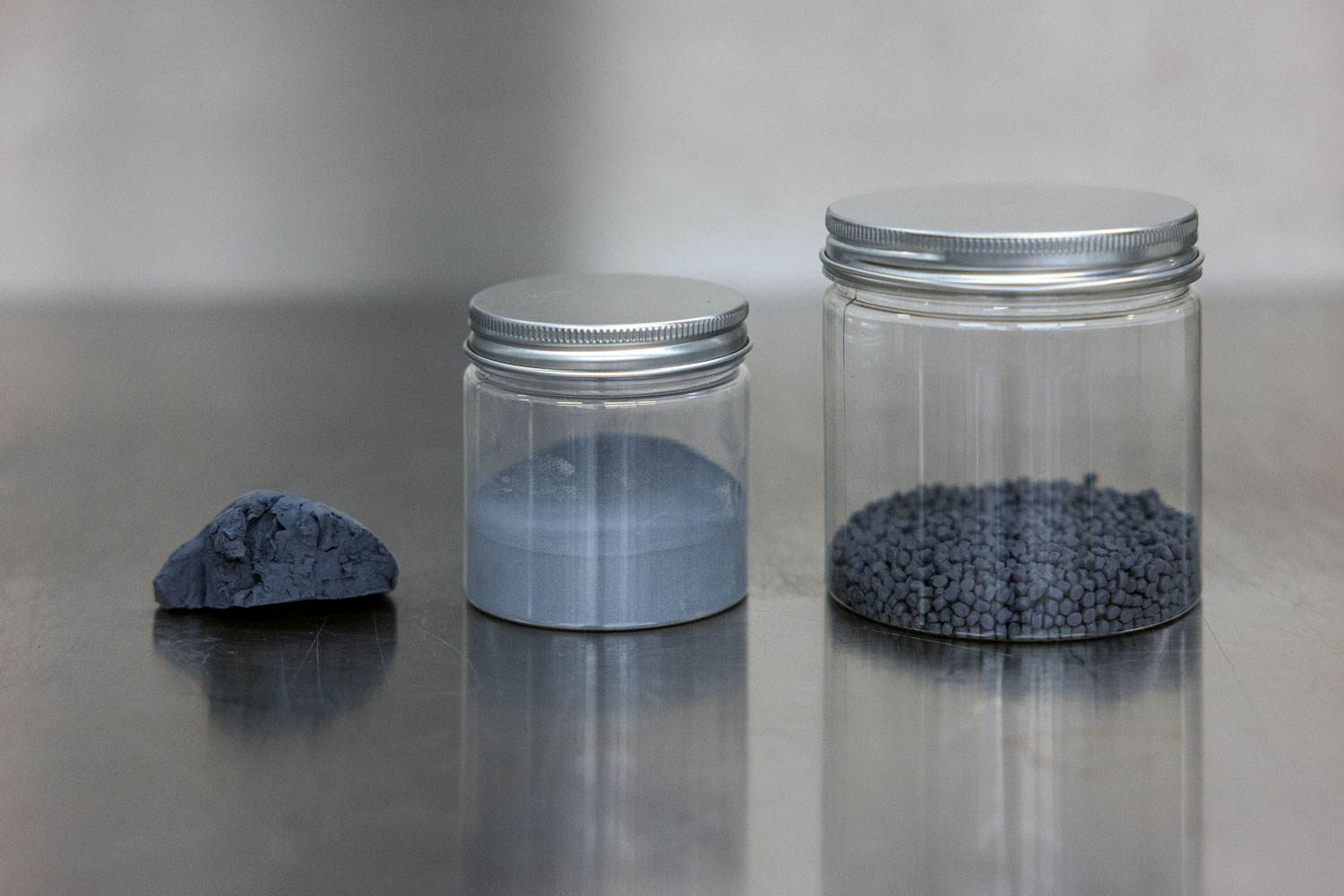
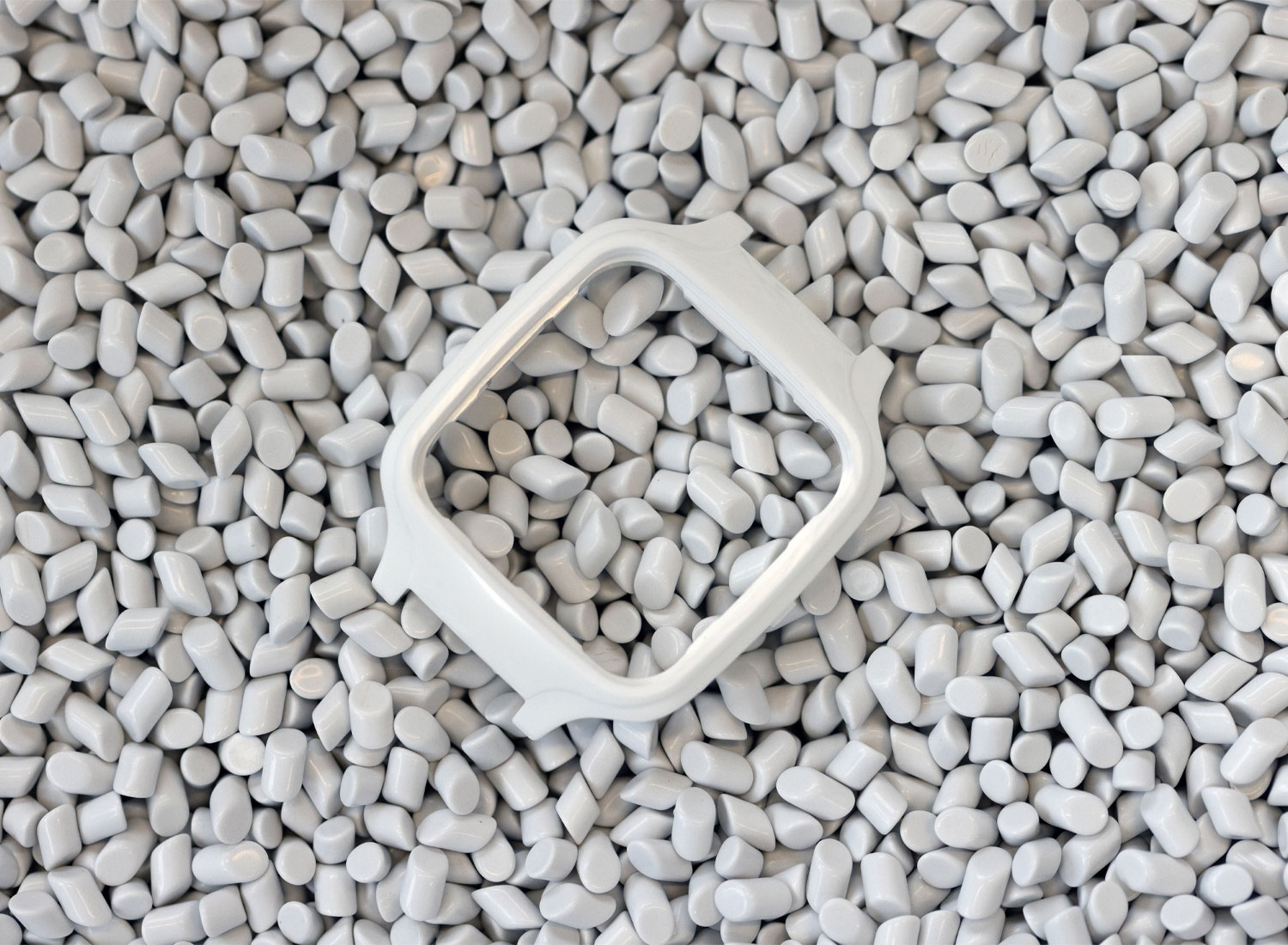
Added to this is the material’s high hardness. As a rule, this is synonymous with fragility, brittleness, and similar properties. “But because high-tech ceramics are manufactured under strict scientific conditions and involve sophisticated processes such as sintering, the final material is completely homogeneous, 100 percent densified, and in no way porous,” emphasizes Alexandre, a process engineer at Comadur.
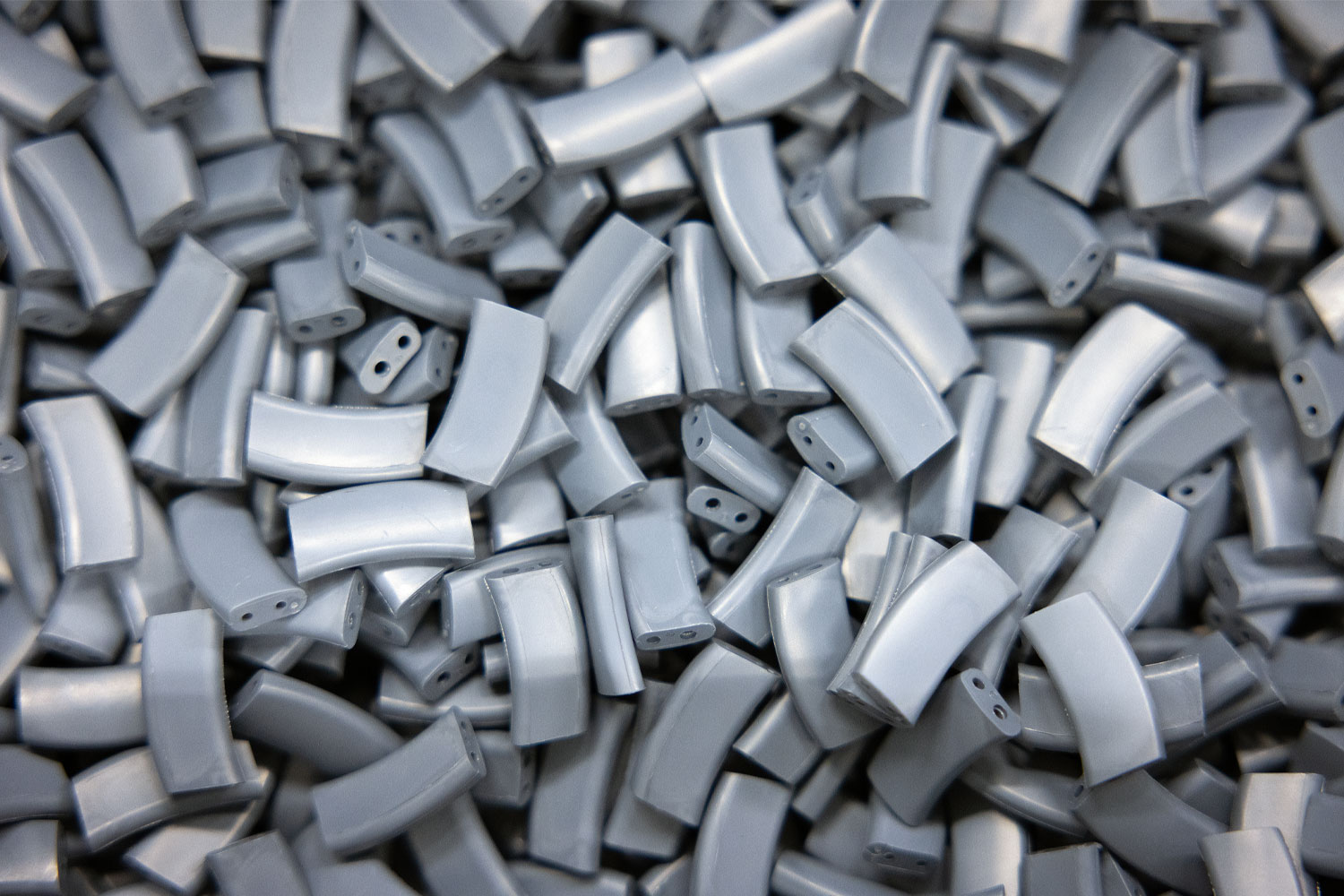
Instead, high-tech ceramic is extremely scratch-resistant and can withstand heat, pressure, and corrosion. At the same time, it is surprisingly lightweight, quickly adapts to body temperature, and is hypoallergenic. Anyone who has ever worn a ceramic watch on their wrist will attest to how comfortable it is to wear and how pleasant it feels to the touch.
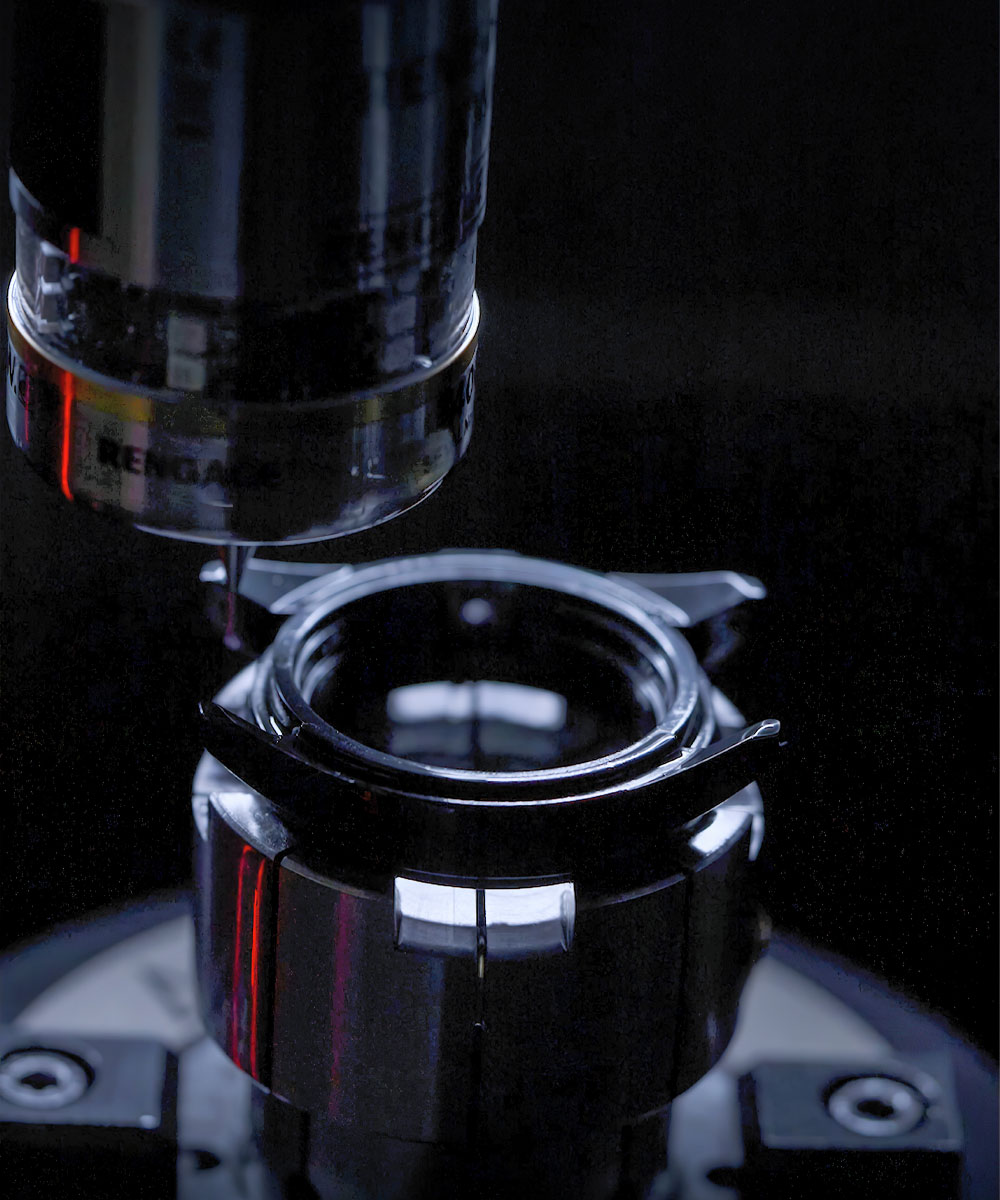
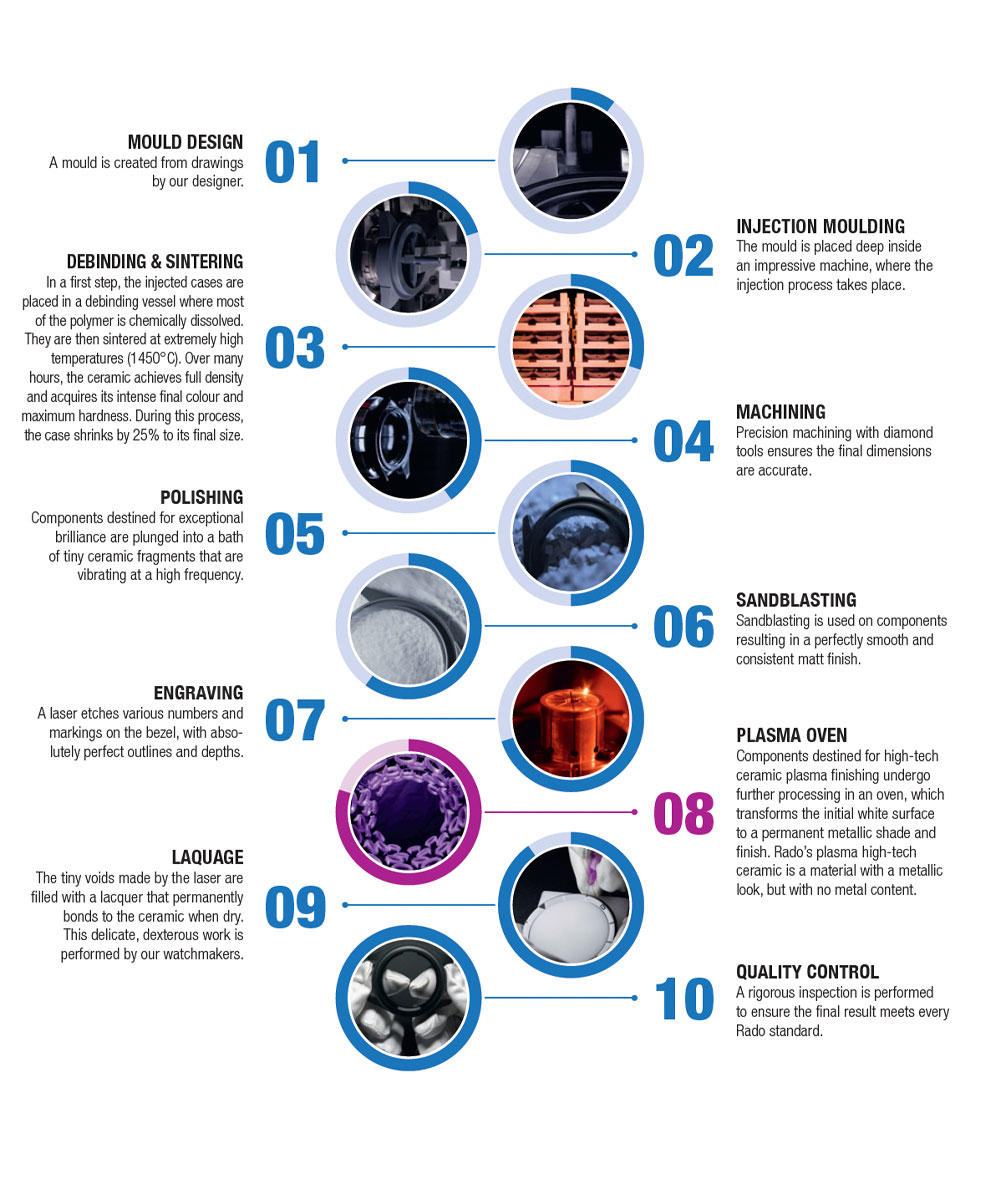
That’s reason enough for Rado to continue developing the theme of ceramics and to use it to create a new design language.
High-tech ceramics are getting colorful
Rado continues to expand its expertise in ceramics. While the focus was initially primarily on the material properties and production conditions, color has increasingly become a key consideration.
The dark shades of the early years—which were technically easier to produce—evolved into pastel hues and vibrant colors that further highlight the material’s sensuous texture.
What began as a primarily monochromatic material has evolved into a range of more than 20 colors. The “Le Corbusier” product line is a striking example of this.
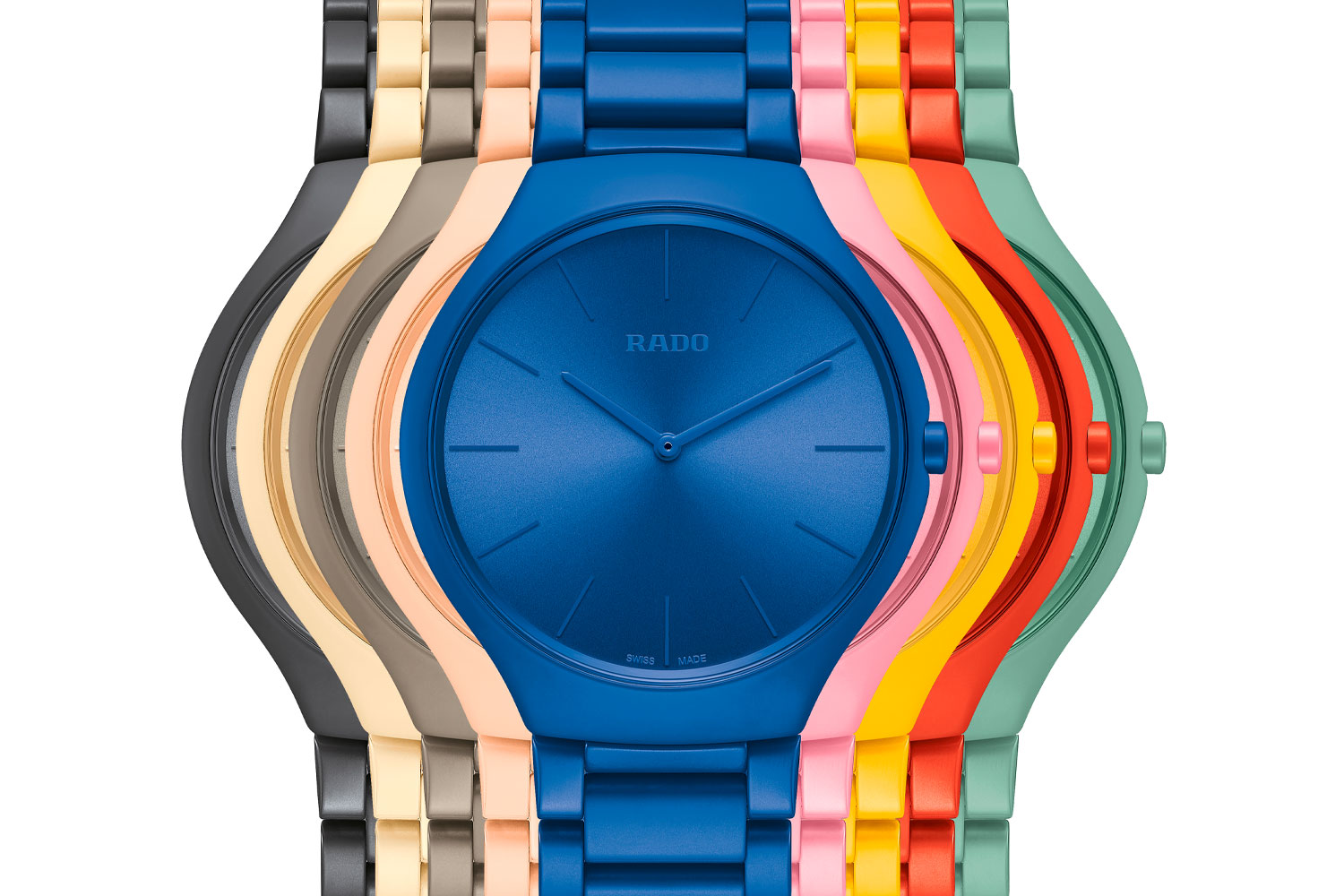
“The development of each of these colors is a long, complex process that demands the utmost precision from our materials engineers in research and development,” explains process engineer Alexandre. “But the range of colors and shades continues to grow, which is a good sign for the future. Each color comes with its own unique characteristics and complexities. Basically, it’s not that one specific color causes problems—to be honest, they all do. This is especially true when the color has to match exactly across different components—the case, bracelet links, crown, and bezel—which are produced neither at the same time nor under the same conditions.”
2026: The Integral Celebrates Its Roots
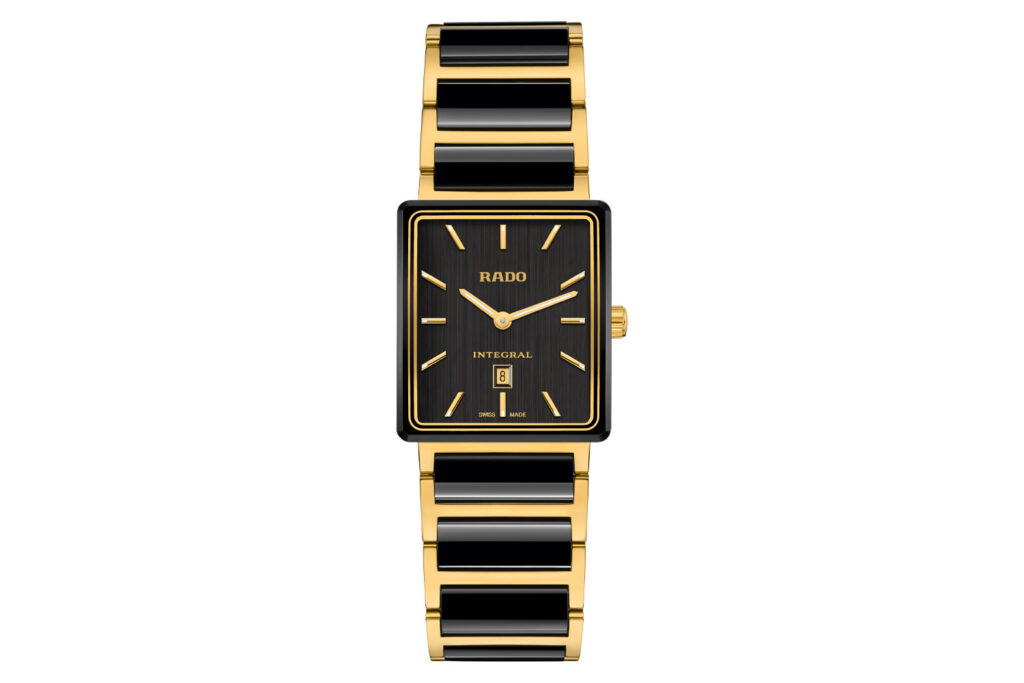
Rado is, of course, celebrating 40 years of high-tech ceramics with an anniversary model of the “Integral.” The “Integral 40-Year Anniversary Edition” remains largely faithful to the original, fluid design from 1986: Its bracelet combines polished black ceramic center links with yellow gold-colored elements. The flat, square case features a sapphire crystal that is beveled all the way to the edge and finished with precise metallization. The timepiece is powered by the Rado R279 quartz movement with PreciDrive technology. It also features a special engraving on the case back: “Since 1986, Anniversary Edition.”

“Four decades after its original launch, the new ‘Integral 40-Year Anniversary Edition’ stands as a worthy successor to one of our most significant technical breakthroughs: It honors the legacy of its distinctive design, robustness, and timeless beauty, while confidently looking toward the future,” said Adrian Bosshard.
The Integral from 1986
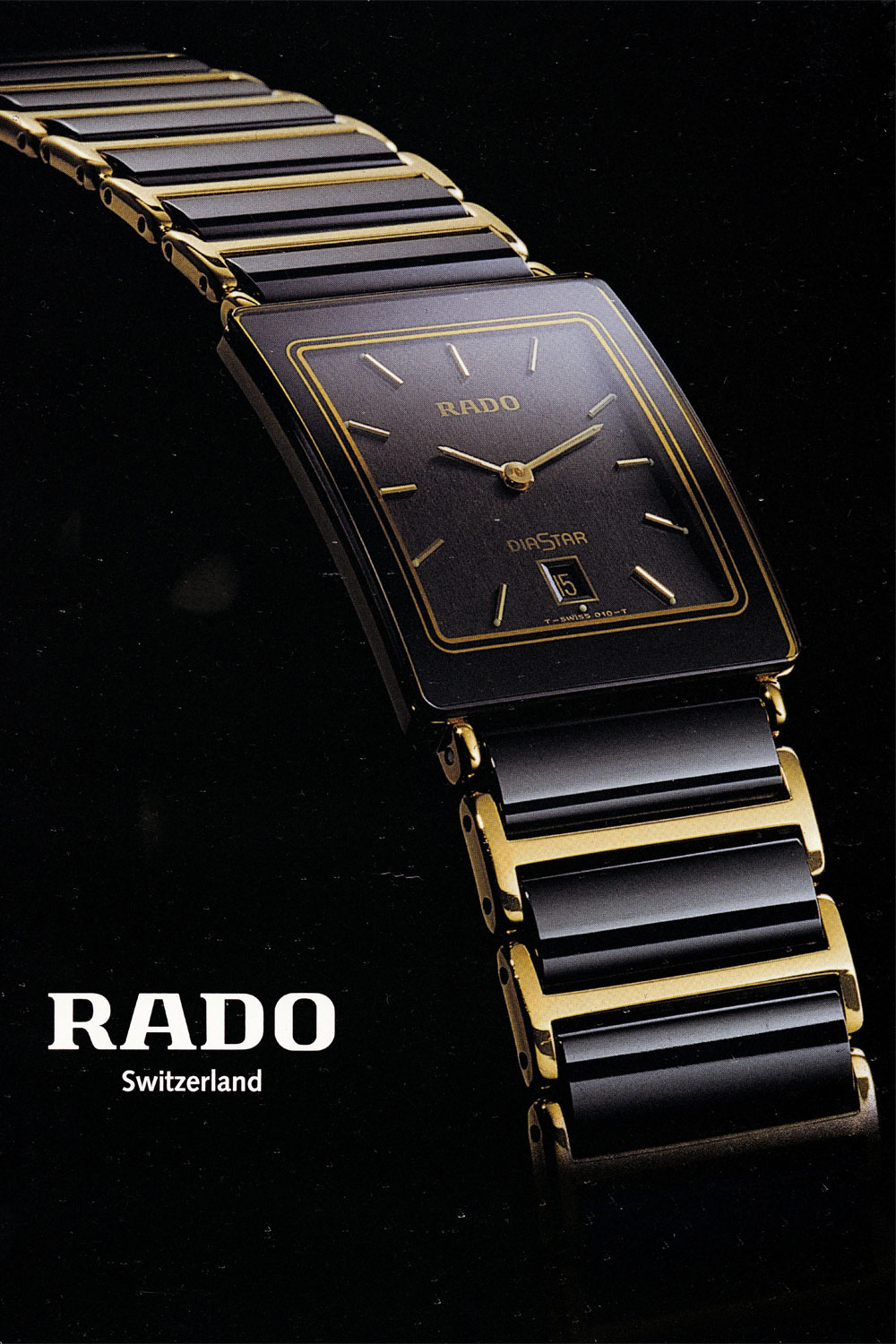
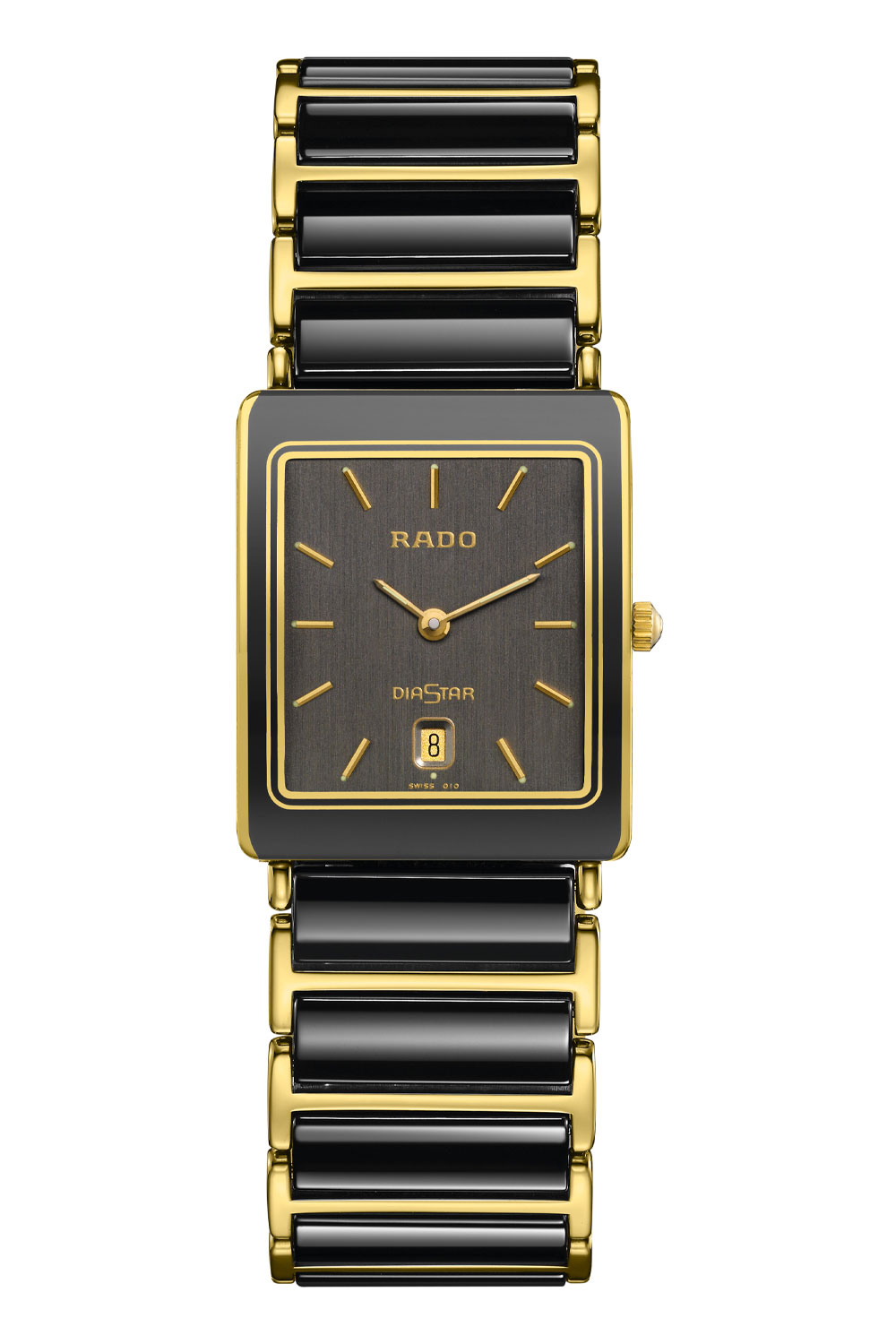
Case: yellow gold-colored PVD-coated stainless steel, 24 x 34.1 x 5.6 mm Movement: Quartz movement 03.160.502 Functions: Hours, minutes, date Dial: Black with gold-colored hour markers and hands, and Superluminova Strap: Yellow gold-colored PVD-coated stainless steel links with center links made of black high-tech ceramic
The 2026 Anniversary Integral
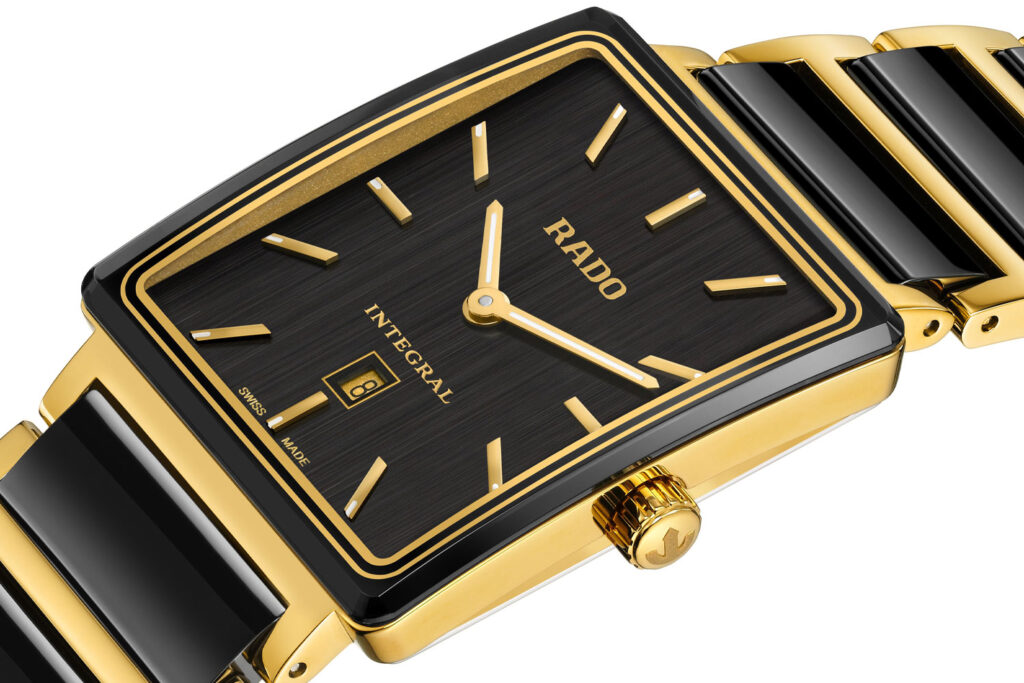
Case: yellow gold-colored PVD-coated stainless steel, 28 x 39.8 x 7.3 mm Movement: R279 quartz movement Functions: Hours, minutes, date Dial: Black with gold-colored hour markers and hands, plus Superluminova Strap: Tapered yellow gold-colored PVD stainless steel links with center links made of black high-tech ceramic MSRP: €2,600
The Integral 2026 Collection
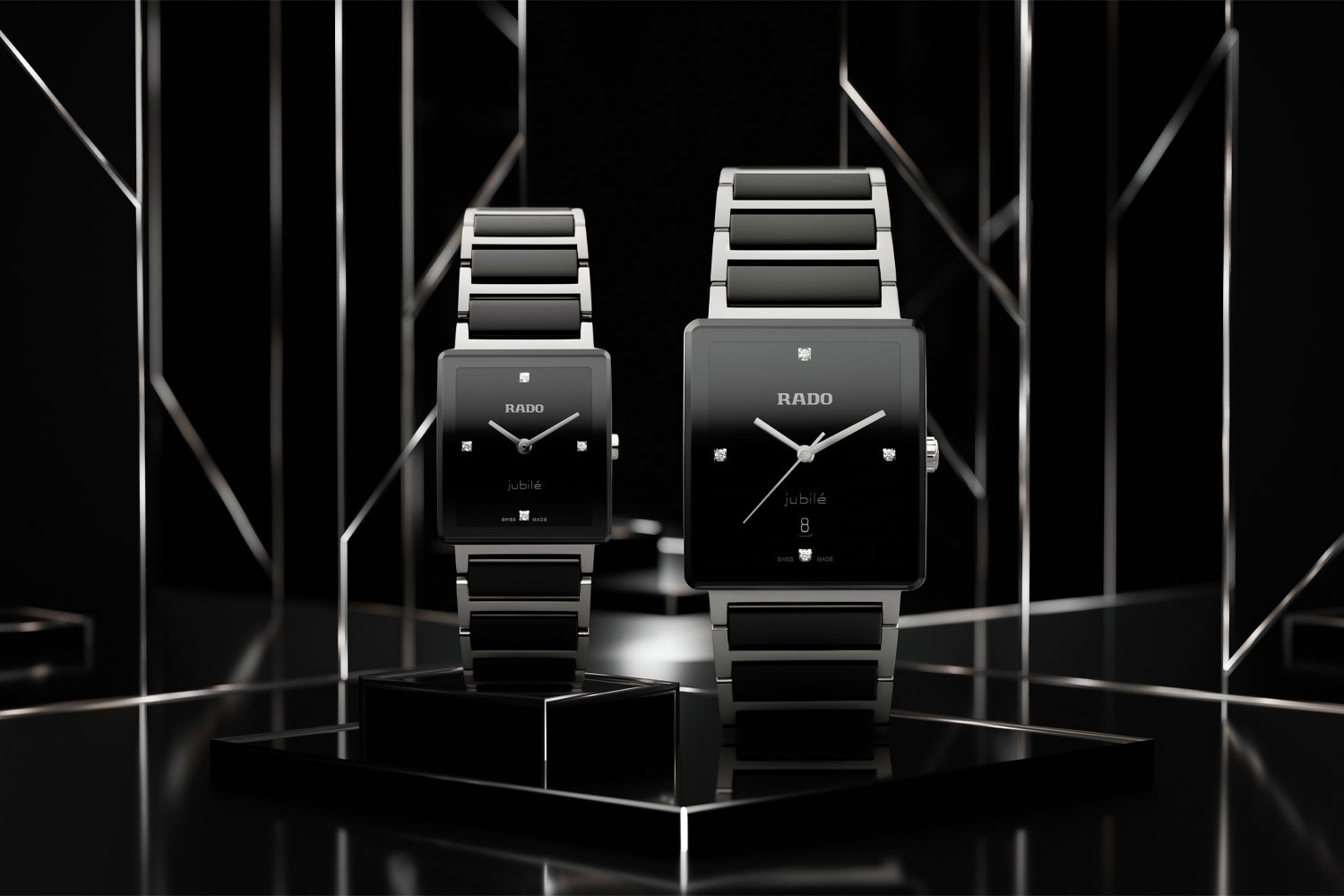
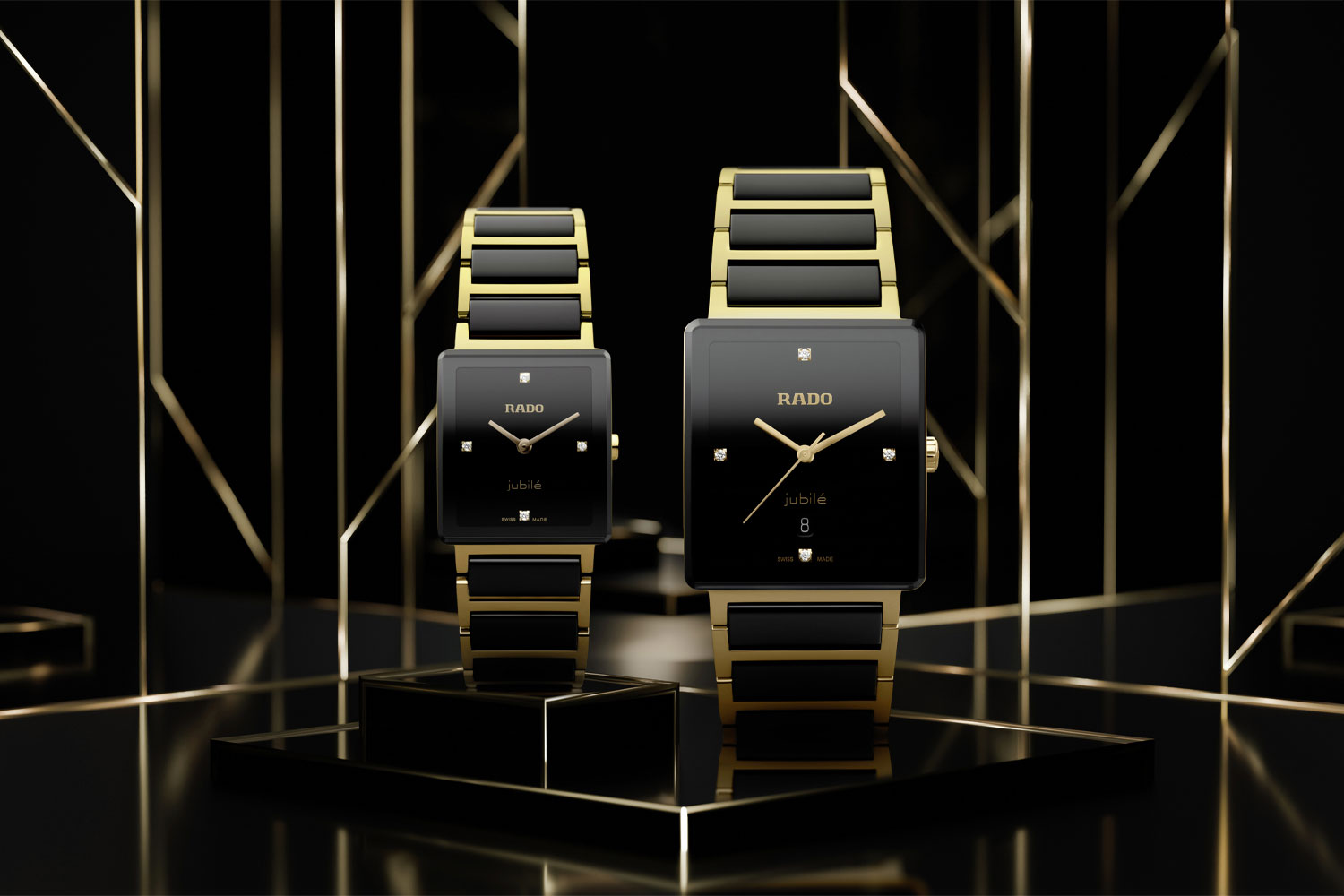
To mark its anniversary, however, the “Integral” isn’t limited to just the anniversary edition; it also features eleven reinterpretations of its 1986 predecessor, available in two sizes. In addition, there is another version that celebrates 40 years of high-tech ceramic and “Integral” with 56 Top Wesselton diamonds. (MSRP €2,350–4,650)

1986: High-Tech Ceramics
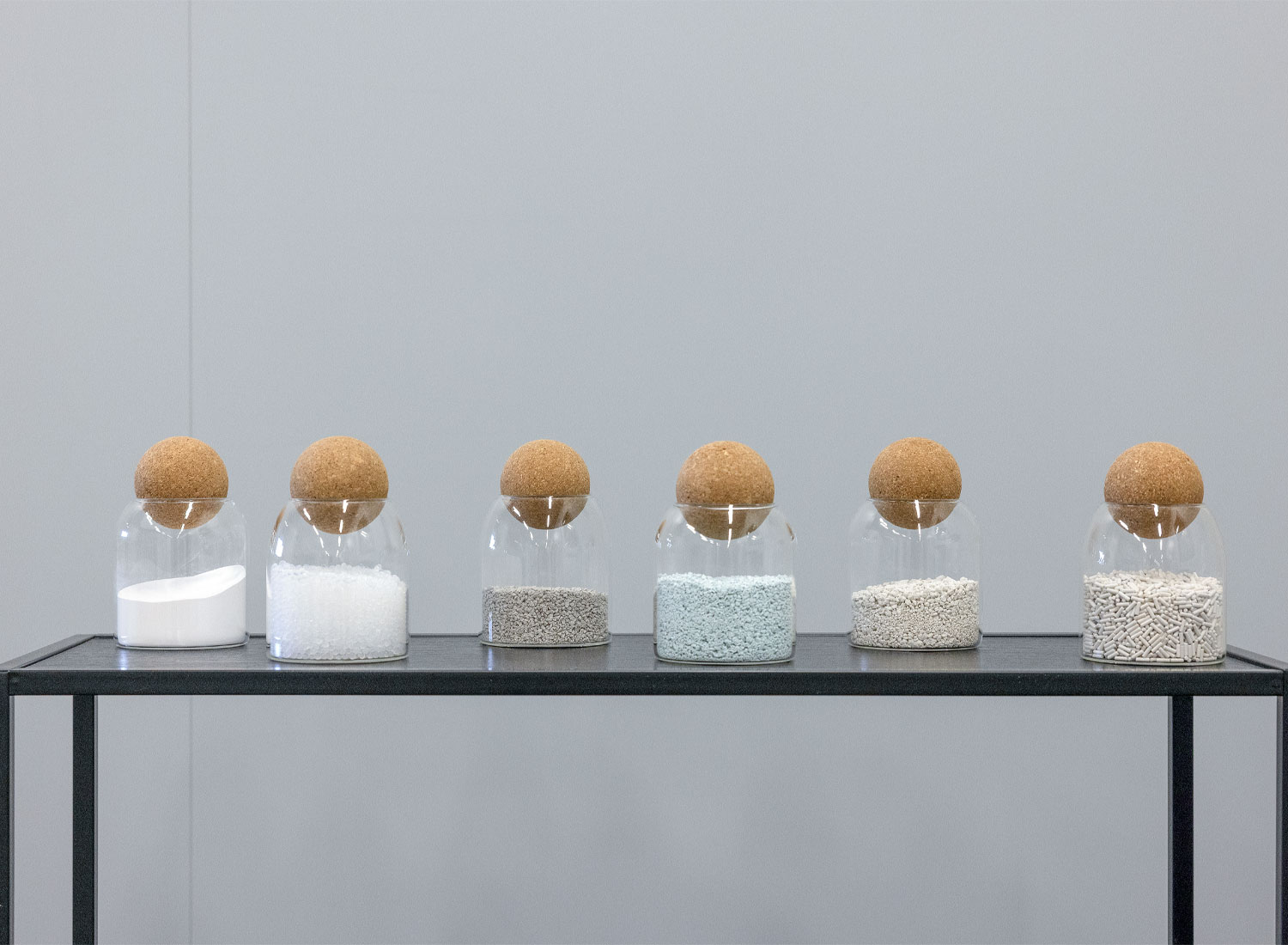
While conventional ceramics are made from natural materials such as clay, silica, or ordinary stones and minerals, high-tech ceramics are produced under extremely demanding conditions using high-purity, finely calibrated powders of aluminum oxide, zirconia, and silicon nitride—with perfectly uniform grain size—are shaped under extremely demanding conditions and then fired at high temperatures to produce an object with the desired dimensions and properties.
In the processes developed by Rado, a plastic carrier medium is mixed with the mineral powders to enable injection into precision molds at a pressure of approximately 1,000 bar. After cooling, the parts are removed from the mold, and the carrier material is dissolved using a standard process involving chemical solvents before they are sintered at 1,450 °C.
This precisely controlled sintering process is what gives high-tech ceramics their exceptional density and hardness compared to conventional ceramics.
The process is a real challenge because the dimensions of the initially formed elements shrink during sintering: the particles contract as the porosity disappears, and this significant change in dimensions—approximately 23 percent—must be taken into account in the precise calculations.
The result is a housing that now has a hardness of 1,250 on the Vickers scale, placing it between hardened steel and diamond. It is virtually scratch-resistant and extremely resistant to heat, pressure, and corrosion, and can only be machined with diamond tools.
1998: High-Tech Plasma Ceramics
With its high-tech plasma ceramic, which made its debut at “Ceramica” in 1998, Rado took things a step further, combining the properties of high-tech ceramic with the luster of metal—without any metallic components at all.
To achieve this, Rado subjects the finished white ceramic components to a plasma treatment, in which the molecular composition of the ceramic is altered by gases that are activated in a specially designed furnace by a plasma discharge at 20,000 °C. This process, which lasts several hours, alters the chemical composition without affecting the structure of the ceramic. Its properties remain fully intact.
2011: Ceramos
After incorporating high-tech ceramics into the standard “Master of Materials” lineup, Rado engineers focused on enhancing their existing high-tech ceramics with new surface treatments and color tones, and on refining the properties of their signature “cemented carbide”—first used in the “DiaStar 1” from 1962, and thus developed Cermet, a ceramic-metal composite material consisting of approximately 90 percent titanium carbide. It combines the hardness of ceramics with the luster and durability of a metal alloy. The cases were produced using a die-casting process, just as with the first cermet watch in 1993, the “Sintra.”
Rado subsequently succeeded in developing an injection-molding process for this alloy and officially introduced it under the name Ceramos in 2011. The process was first used for the “D-Star,” a reinterpretation of the “DiaStar1.”
By adjusting the composition and proportions of the ceramic and metal components, Rado was able to create a range of additional metallic colors and shades. The warm, golden hue of titanium nitride, for example, produces gold-colored Ceramos, while other metallic compounds can be used to create rose gold or other shades.