INSIGHT-RADAR: News Briefs from the Watch Industry
An odyssey from the mountains to the North Sea, virtual worlds, and Swiss short-time work—Insight-Radar brings you the most important news briefs from the international watch industry.
This week on Insight-Radar: Hamilton continues its collaboration with Christopher Nolan; Longines brings a maritime flair to Sylt; G-Shock launches a digital brand world on Roblox; and the Swiss watch industry gains additional planning certainty thanks to the extension of the short-time work program.
Hamilton and the Odyssey
Hamilton has maintained a close relationship with the world of film for years. The Swatch Group brand integrates its watches into storytelling in three ways: by featuring existing models on screen, developing custom designs for film productions, and creating timepieces inspired by movies and their worlds.
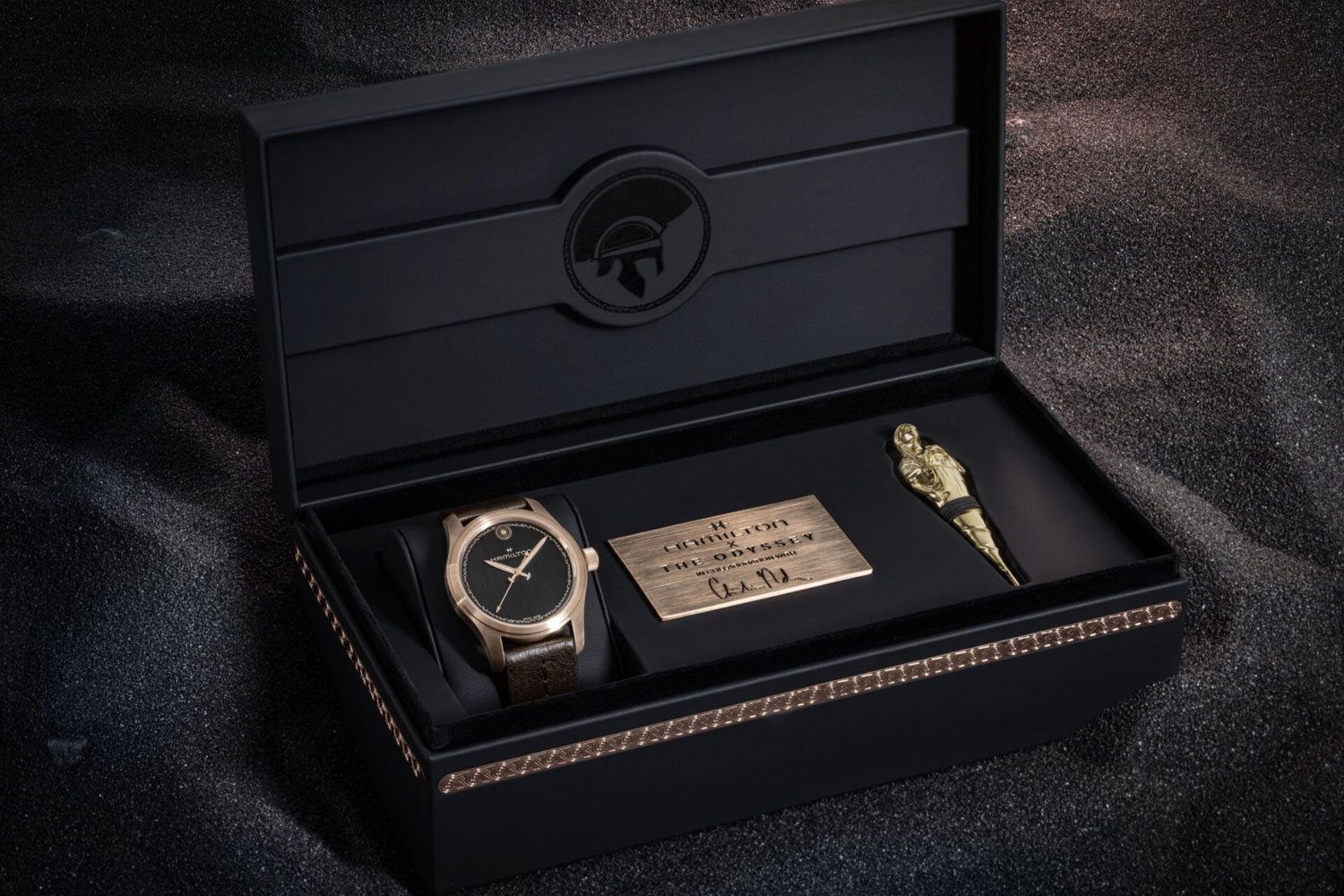
Following previous collaborations on “Interstellar” (2014), “Tenet” (2020), and “Oppenheimer” (2023), Hamilton and British-American film director Christopher Nolan are teaming up once again. Although the bronze watch—inspired by Nolan’s new mythical action epic “The Odyssey” from Universal Pictures—is not worn in the film—after all, the story is set in a time long before mechanical timekeeping—it was created in close collaboration with Nolan.
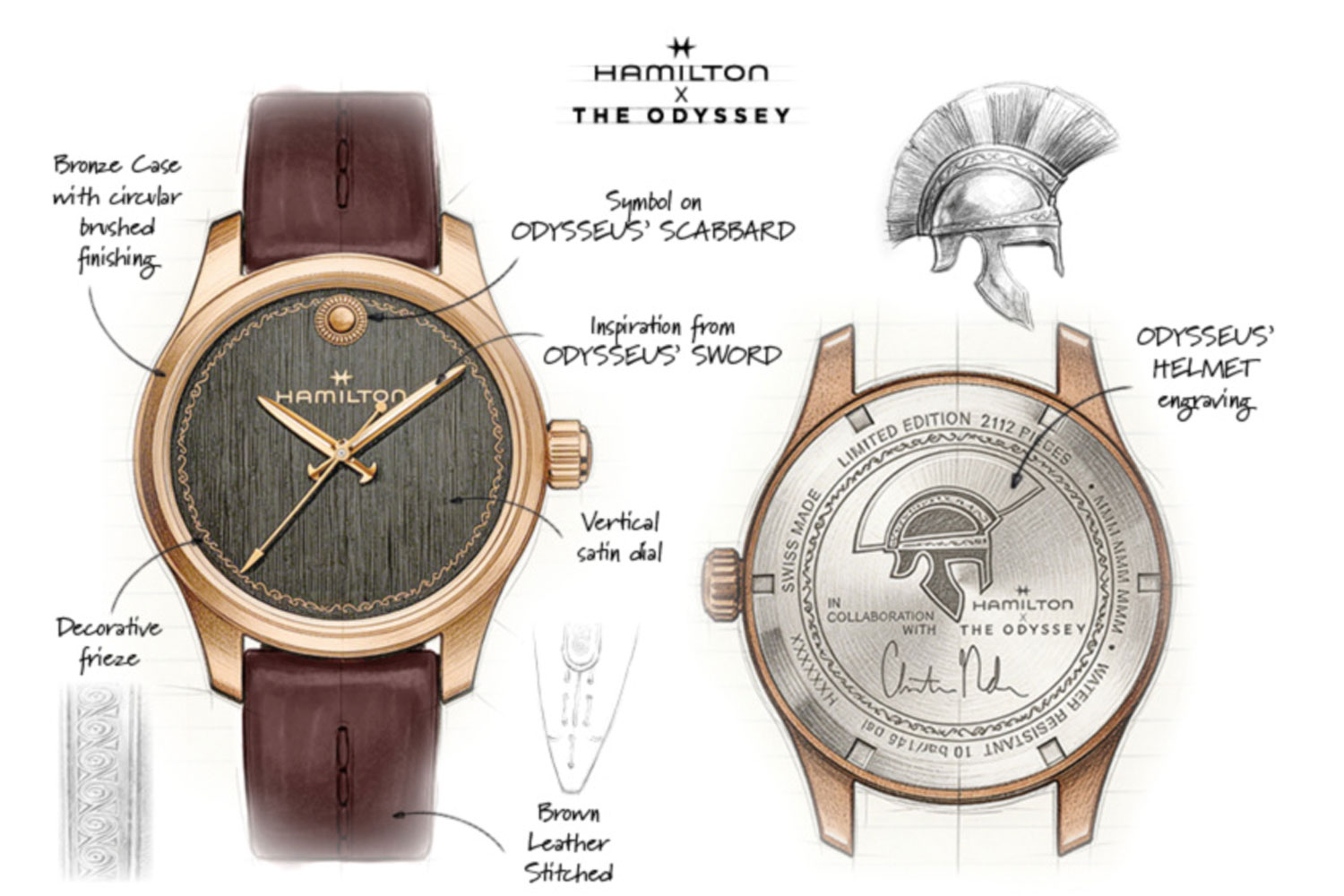
The result is the “Khaki Field Auto The Odyssey,” limited to 2,112 pieces, whose design is inspired by the symbols, materials, and mythology of the epic tale—most notably the helmet and sword of the hero Odysseus. The 42-millimeter timepiece is powered by the H-10 automatic movement with an 80-hour power reserve and is water-resistant to 10 bar. The watch comes with a replica of the brooch of the goddess Athena. In the film, Odysseus receives this as a gift from his wife Penelope and wears it as a talisman. (MSRP: €1,375) hamiltonwatch.com
From the Swiss Alps to the North Sea: Longines on Sylt
Longines’ presence in Kampen during the summer has become a tradition. This marks the fifth time the Swiss watchmaker has been drawn to the island of Sylt. Sylt combines the rugged natural beauty of the North Sea with an exclusive island charm. Endless beaches, sprawling dunes, the Wadden Sea—a UNESCO World Natural Heritage Site—and charming island villages define the character of this popular vacation destination. It’s the perfect setting for a brand like Longines, which combines functional technology with stylish elegance.
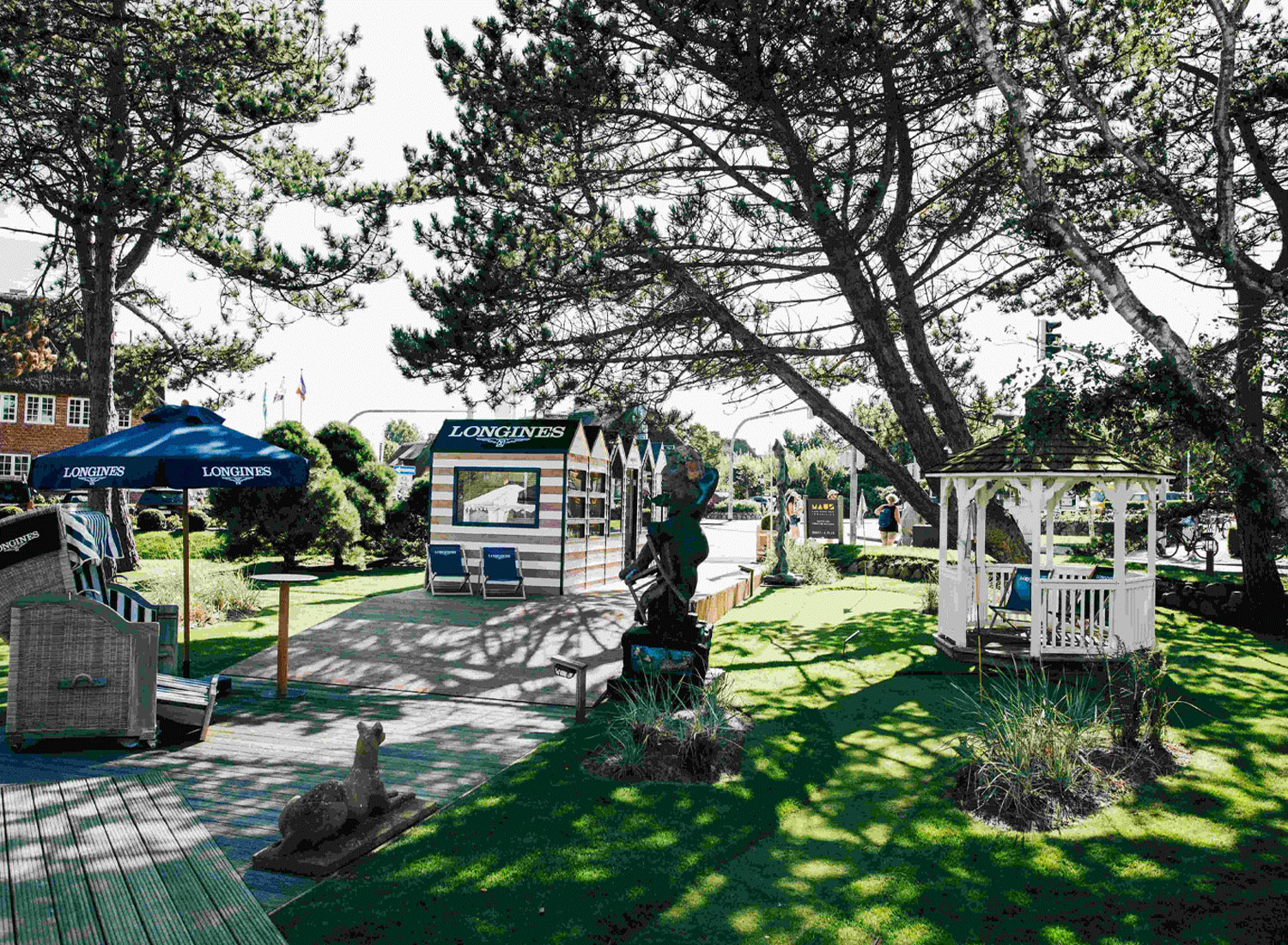
From July 15 to August 15, 2026, Longines will join in the island’s lively festivities in Kampen. As part of a pop-up installation, visitors will not only be able to view the new “HydroConquest Sylt Edition,” but also receive personalized advice and immerse themselves in the world of Longines in a relaxed atmosphere. longines.com
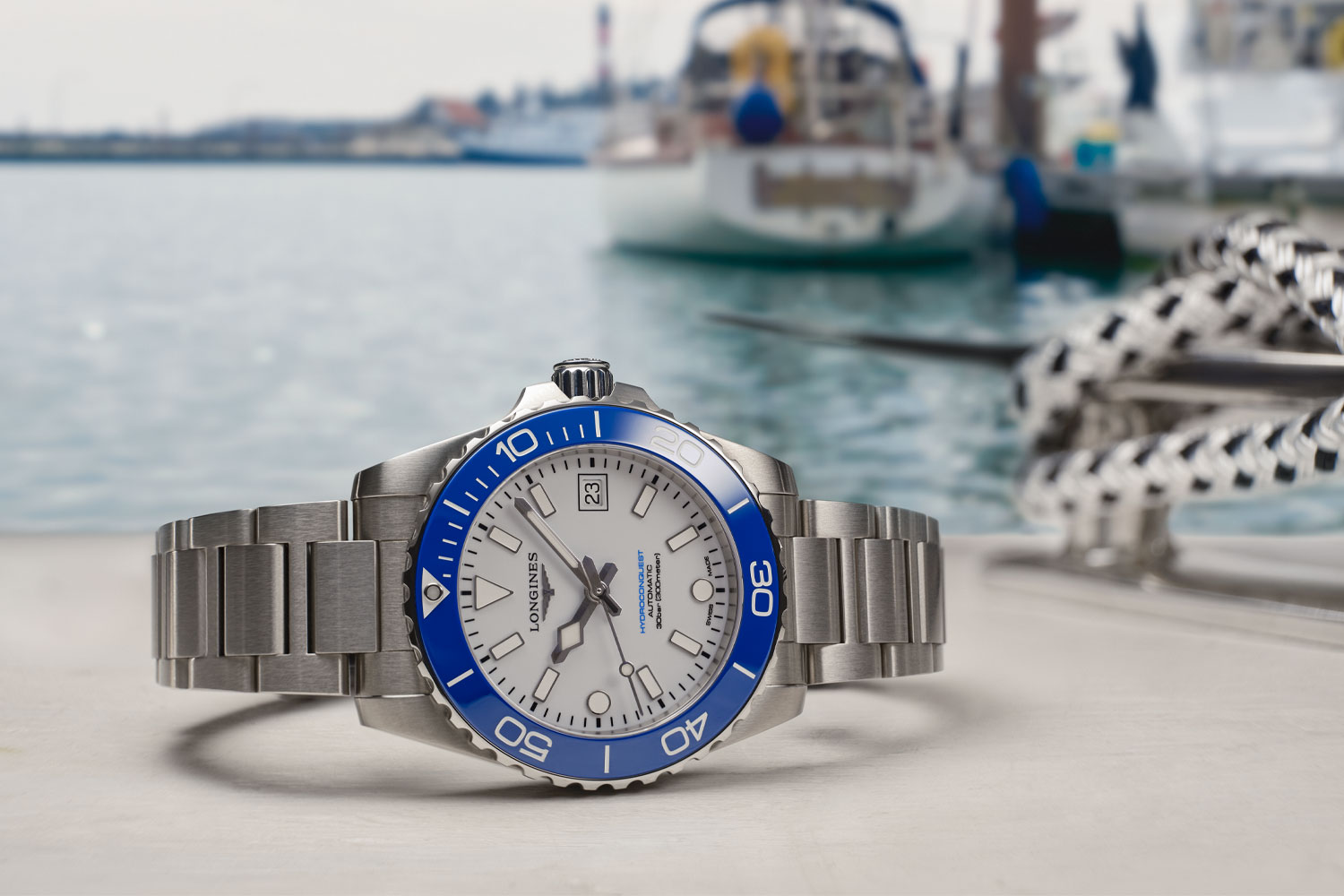
Case: Stainless steel, 39 or 42 mm diameter, 11.7 mm thick, unidirectional rotating ceramic bezel, water-resistant to 30 bar
Movement: Caliber L888.5, automatic, 72-hour power reserve
Functions: Hours, minutes, central seconds, date
Strap: Stainless steel with folding clasp and micro-adjustment system
Special feature: Limited to 300 pieces, available exclusively in Germany, Sylt motif on the case back
MSRP: €2,300
G-Shock Brings the Brand Experience to Life on Roblox
As part of the “Virtual G-Shock” project, G-Shock is offering content on the immersive gaming and creative platform Roblox. This includes virtual G-Shock models as well as a virtual world where users can experience the Casio brand universe. Launched in 2023, the project explores new possibilities for G-Shock through non-fungible tokens (NFTs), the metaverse, and other digital experiences. As part of the project, new content is being created and a user community is being built.
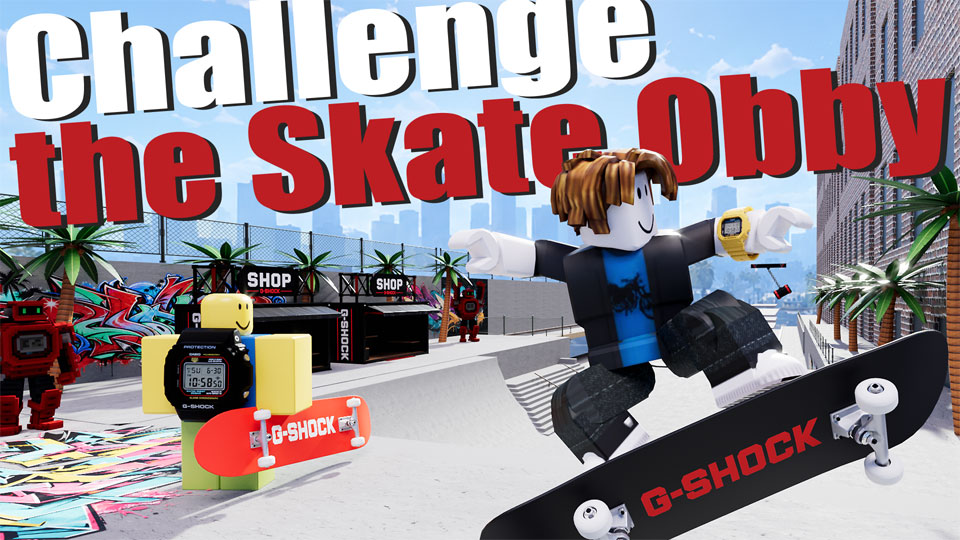
G-Shock is now also offering avatar items in the form of twelve virtual watches. These are available on the Roblox platform, which has more than 150 million daily active users (DAUs) worldwide and is particularly popular among younger audiences.
At the same time, “Challenge the Skate Obby: G-Shock” is launching. Here, players can immerse themselves in the brand’s world and test their skills on a skateboard obstacle course (known as an “Obby”). Wearing one of the virtual watches in the game triggers special effects.
Swiss Watch Industry Continues to Rely on Short-Time Work
The Swiss Federal Council has decided to extend the maximum duration for receiving short-time work compensation (KAE) for the third time. It will remain at 24 months instead of 12 until January 31, 2027.
The Swiss Watch Industry Employers’ Association (CP) welcomes this decision, which addresses a current concern of the watchmaking and microtechnology sectors. Back in March, the association had already requested this extension from Federal Councilor Guy Parmelin as part of a joint initiative with the Unia union.
“This request highlighted the challenges facing some companies in the industry amid a complex economic and geopolitical environment—exacerbated by the persistently strong Swiss franc,” the CP stated. “In this context, short-time work compensation remains a temporary but essential tool. It enables companies to respond to declines in orders while preserving their resilience as well as the specialized skills and know-how that constitute the sector’s strength. This decision provides the affected companies with welcome planning certainty. It helps secure jobs, preserve skills, and support the industrial capacity of a sector that is central to the Swiss economy.”
Since the end of the post-COVID rebound in consumer spending, short-time work benefits have been propping up the Swiss watch industry, which is struggling with falling demand in China, rising interest rates, and a strong Swiss franc.
About a quarter of Swiss watch manufacturers are currently utilizing short-time work, and since mid-2024, about 43 percent of all companies in the industry have already resorted to this measure at times. It is considered a key reason why employment has remained relatively stable so far, despite the ongoing sales crisis.
At the end of last year, the CP reported that, for the first time since the COVID-19 crisis, the sector had lost 835 jobs (-1.3%) compared to the same period the previous year. “This moderate decline is a sign of companies’ efforts to preserve jobs in a challenging environment. Through extensive use of short-time work and its extension, the extent of this trend was limited and production capacity was maintained.”