

INSIGHT-RADAR: Industry News in Brief
Personal Information, Motorsports, and Product Authentication.
Kering is strengthening its corporate structure, TAG Heuer is expanding its Formula 1 involvement to Silverstone, and Haelixa is adding an experienced watch industry executive to its advisory board.
Kering Appoints Sophie Maddaloni as Secretary General

Kering has appointed Sophie Maddaloni as Chief Administrative Officer of the French luxury group. The new role consolidates key functions within the group’s organization and strengthens coordination between leadership, governance, and the cross-functional business units.
This personnel change comes at a time when Kering is reorganizing its structures. In addition to its fashion and leather goods divisions, the group is expanding its jewelry business, with Boucheron, Pomellato, DoDo, and Qeelin as independent focal points.
TAG Heuer to Be Title Partner of the 2027 British Grand Prix

The British Grand Prix at Silverstone will bear the name “TAG Heuer” in its official title in 2027. The brand is taking on the title sponsorship of this historic race, thereby further expanding its role as the official timekeeper of Formula 1.
In 1950, Silverstone hosted the first race of the modern Formula 1 World Championship. For TAG Heuer, the circuit combines historical significance with one of the brand’s most important markets. Following its title sponsorship of the new Grand Prix in Madrid, the brand is now also forming a highly visible partnership with an established European classic.
Frank Müller Joins Haelixa’s Advisory Board
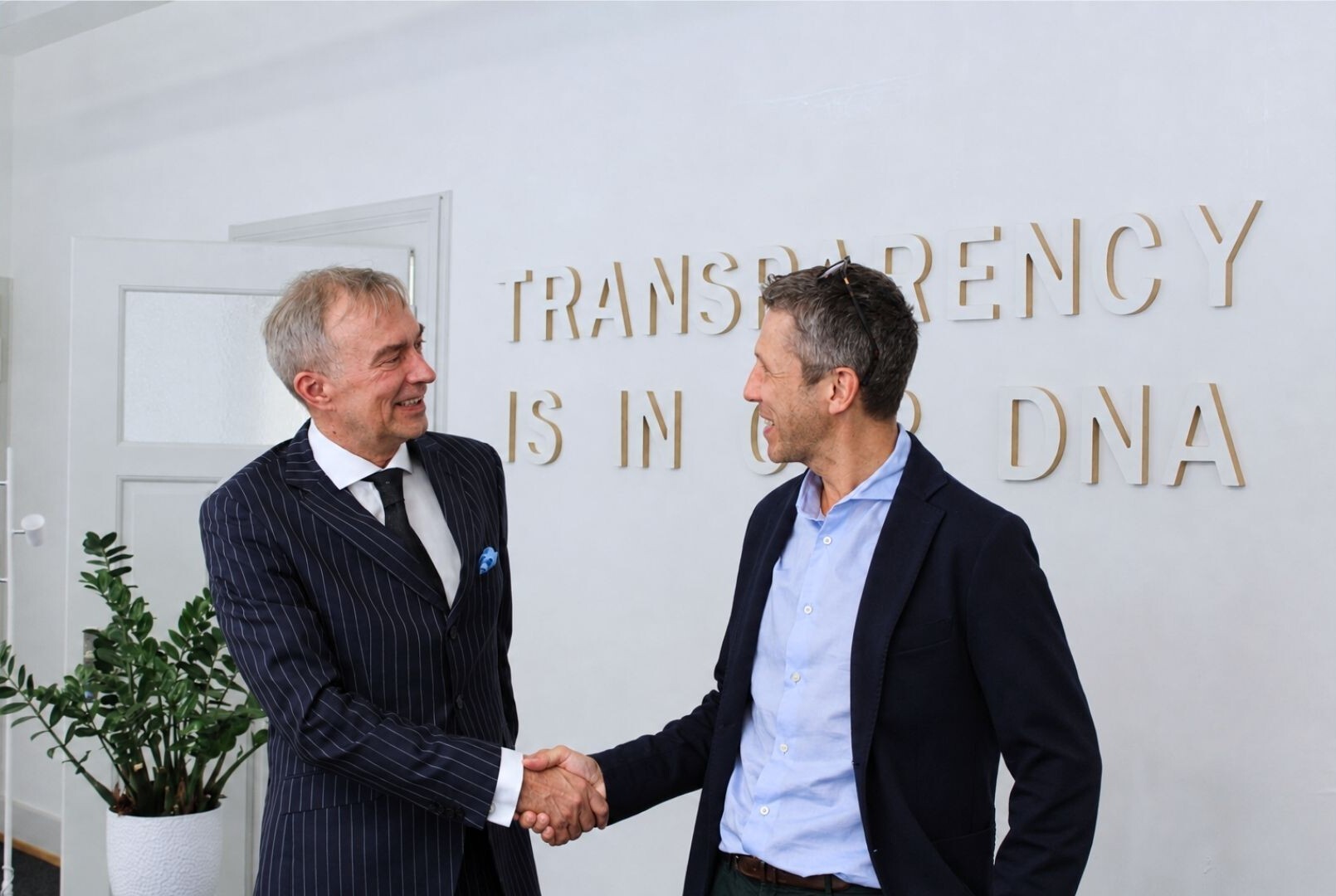
Frank Müller, the former CEO of Glashütte Original, is joining the advisory board of the Swiss technology company Haelixa. Müller brings nearly three decades of experience in the luxury watch industry. His previous positions include roles at A. Lange & Söhne and in the senior management of the Swatch Group.
Haelixa is developing ProofDNA, a material-based authentication solution for watches, jewelry, and other luxury goods. Invisible, brand-specific DNA markers are embedded in materials or surfaces and can later be verified with a swab test. The process is designed to ensure traceability of authenticity throughout the entire lifecycle—from production to repair, return, and resale.