Jaeger-LeCoultre High Precision Guarantee: A New Seal of Precision
With the HPG.Seal, the manufacturer will henceforth combine chronometry, everyday practicality, and finishing into its own quality standard. Following its debut with the Master Control Chronometre, the certification is set to be gradually expanded to other collections starting in 2027.
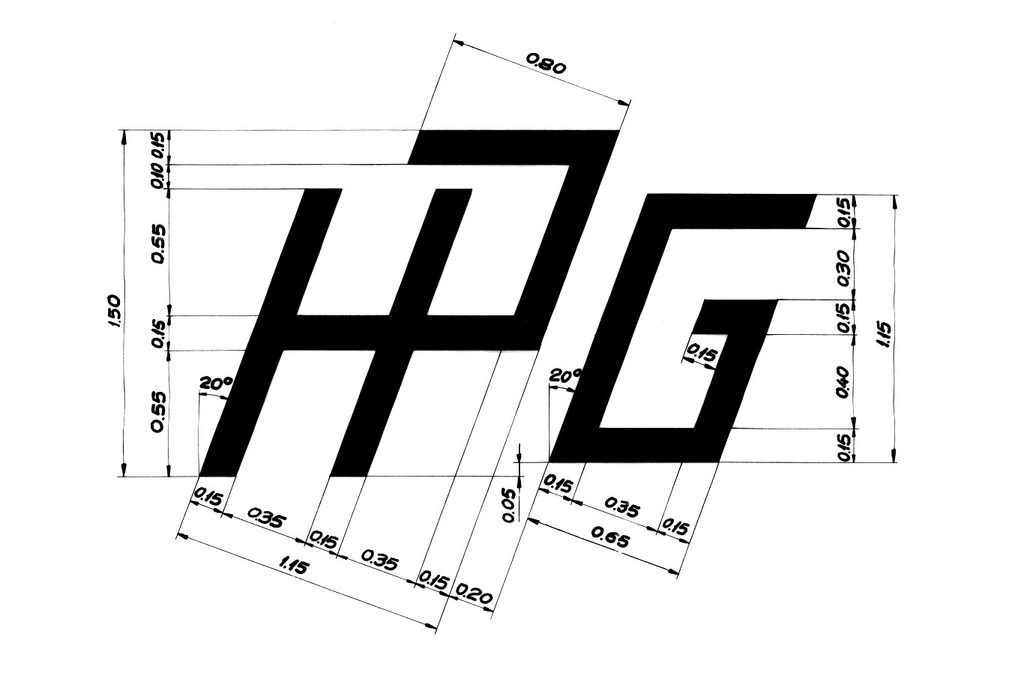
Jaeger-LeCoultre is introducing a new proprietary quality standard: the High Precision Guarantee Seal, or HPG Seal for short. The certification covers two areas: chronometric precision under conditions designed to simulate real-life daily use, and the quality of the movement’s finishing. The seal is displayed on the case back of the certified watches.
The HPG Seal was first unveiled at Watches and Wonders Geneva 2026 alongside the Master Control Chronometre. For the first Master Control Chronometre models, the calibers were initially certified by the COSC and then subjected to the manufacture’s more comprehensive HPG testing procedure.
Precision Under Real-World Conditions
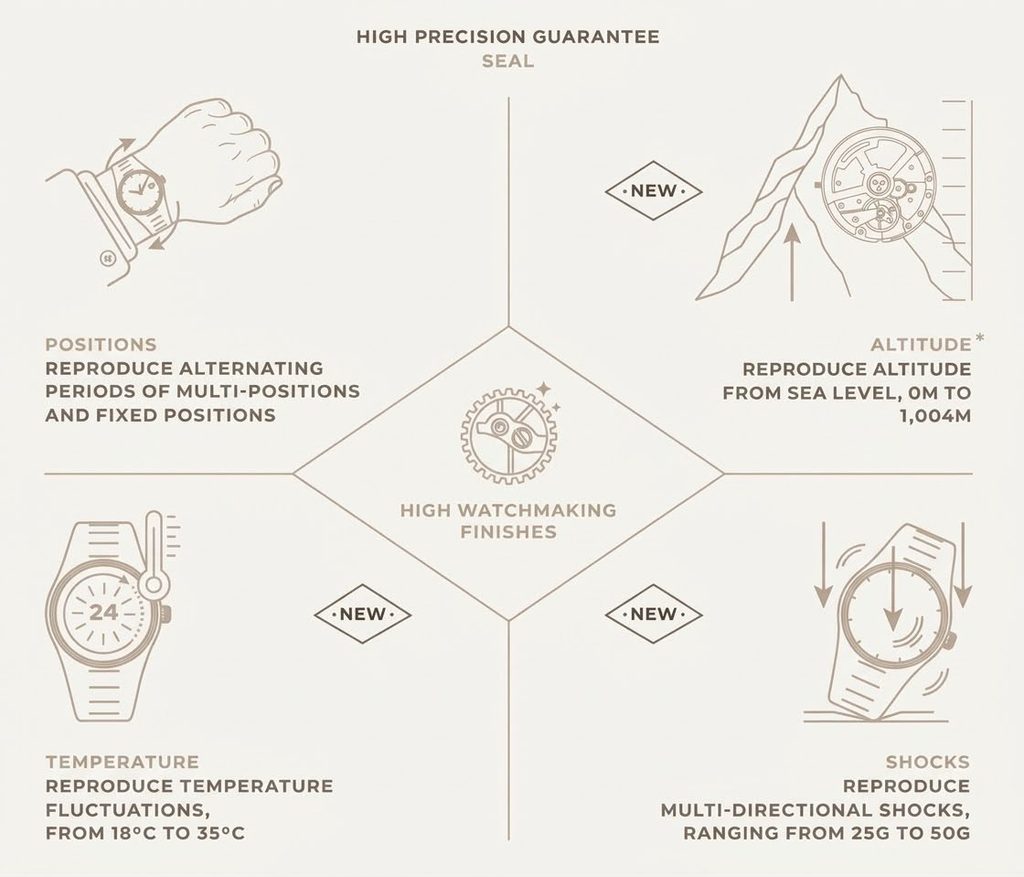
At the heart of the process is a newly developed test protocol that does not simply examine individual stress factors in isolation. Instead, the watches are subjected to varying conditions designed to simulate everyday wear on the wrist as realistically as possible.
Tests include, among other things, altitude differences and changes in air pressure up to the elevation of the manufactory in Le Sentier at 1,004 meters, multidirectional shocks ranging from 25 to 50 G, various wearing positions, and temperature fluctuations between 18 and 35 degrees Celsius. The altitude test is performed on the caliber itself, while the remaining tests are conducted on the assembled watch.
A specially designed HPG testing machine combines these factors in dynamic cycles. Two days of testing simulate a more active daily routine, including movement, changing positions, impacts, and temperature changes. On the third day, the watch undergoes a rest phase in a fixed position—similar to a watch that is set aside over the weekend.
Precision Meets Finishing
It is worth noting that Jaeger-LeCoultre does not define the new certification solely based on timekeeping accuracy. The finish of the movement is also part of the certification.
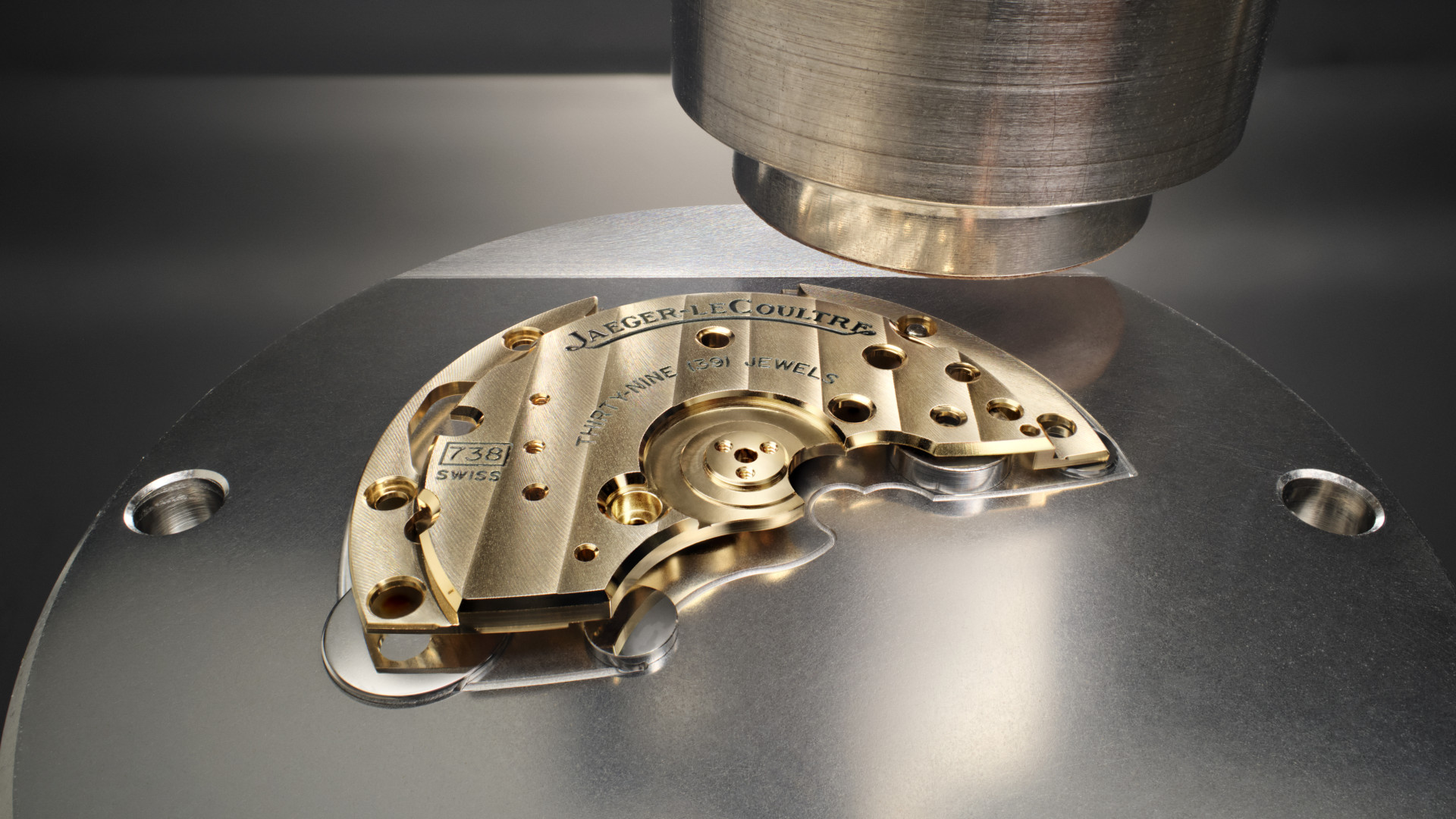
To earn the HPG Seal, a watch must feature at least six of eight traditional finishing techniques. These include, among others, anglage, Côtes de Genève, perlage, polished screw heads, circular and linear finishes, and the finishing of jewel settings.
In doing so, Jaeger-LeCoultre brings together two areas that are often considered separately: technical precision and artisanal craftsmanship.
A Name with a History
However, the term “High Precision Guarantee” is not entirely new to Jaeger-LeCoultre. As early as 1970, the Polaris II bore this designation on its dial. At the time, it referred to the watch’s innovative 4-hertz caliber. In 1992, the 1,000 Hours Control followed—another in-house testing standard in which fully assembled watches were tested over an extended period of time.
With the new HPG Seal, the manufacturer is reviving this historic concept and transforming it into a significantly more comprehensive system.
This is not simply a matter of adding yet another testing standard to existing certifications. Rather, Jaeger-LeCoultre has turned it into its own concept of quality: precision should not be limited to the laboratory, but should also be evident in everyday life—while remaining visibly linked to the standards of haute horlogerie.