
Managed Resale Instead of a Marketplace: Vintage.com Focuses on Convenience and Expertise
We’ve all been there. All sorts of treasures and keepsakes—including, not infrequently, watches and jewelry—have been sitting in drawers and boxes, in the attic, or in the basement for years.
They’re far too good to throw away, but they haven’t been worn or used in a long time. Yet there are surely people who have been searching for exactly these treasures for a long time. But how do you find these potential new owners without going to a lot of trouble? That’s where Vintage.com comes in.
Founded in 2016, the online platform Vintage.com purchases used valuables directly from private individuals, appraises them with the help of its own experts, and then resells them or sends them for recycling.
Wristwatches and pocket watches are now among the most important categories for purchases. The proportion of watches submitted in Germany is higher than in any other market where Vintage.com operates.
“Germany is one of our most important and fastest-growing markets in Europe.”
Tobias Hinteregger, CEO of Vintage.com
Vintage.com does not sell the items it purchases through its own online store, but instead relies on a broad network of professional buyers. These include auction houses, antique dealers and specialty retailers, museums and institutions, as well as independent artisans and restorers who refurbish or repurpose the items.
Customers can order a free shipping box or use their own box to send items they wish to sell—such as watches, jewelry, gold, silver, coins, cameras, etc.—to Vintage.com. The company’s experts then appraise the items and make a purchase offer. If the customer accepts the offer, they receive the quoted purchase price; if they decline it, the items are returned free of charge.
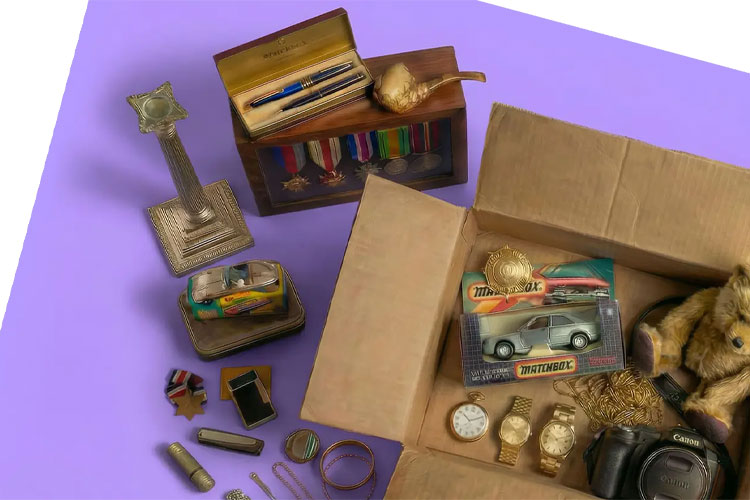
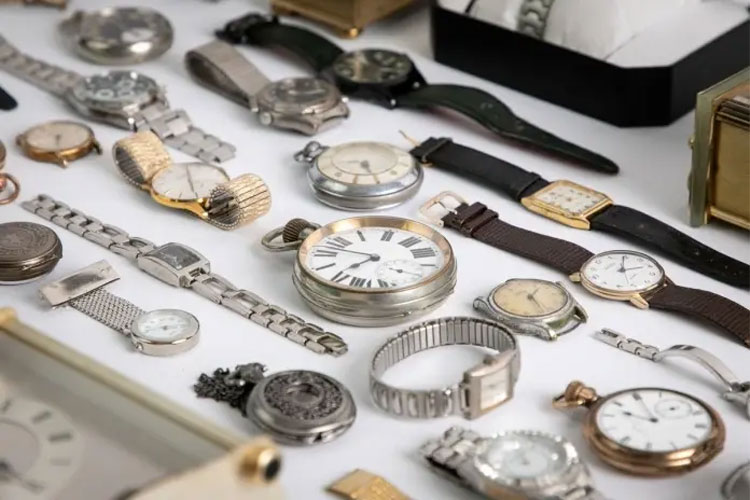
Vintage.com operates in Germany, the United Kingdom, the Netherlands, France, Italy, and Spain. According to the company, it has served more than 800,000 customers and processed over one million submissions since its founding. With more than 700 employees, Vintage.com operates nine locations across Europe where submissions are processed and evaluated, including in Leeds and Duiven.
In an interview with Insight Luxury, CEO Tobias Hinteregger explains the details of the business concept, current market trends, and his plans for Vintage.com.
“Today, the most important driver is something else: convenience.”
Tobias Hinteregger, CEO of Vintage.com
Insight Luxury: In recent years, the pre-owned and secondhand markets have evolved from a niche market into a significant economic force. To what do you attribute this transformation?
Tobias Hinteregger: The resale market has evolved significantly over the past ten years. Consumers are now much more open to buying and selling used products than they were just a few years ago. The initial growth was driven primarily by rising awareness of sustainability and a shift toward greater acceptance of secondhand goods.

Today, the most important driver is something else: convenience. More and more people realize that their unused items have value. At the same time, they don’t want to handle the sales process themselves—from researching prices and posting listings to negotiating and shipping. That’s exactly what’s driving the growing demand for services like ours.
“The more mature the market becomes, the more important comfort, trust, and specialized expertise become.”
IL: Vintage.com isn’t a traditional online marketplace. You purchase watches and jewelry directly, rather than connecting buyers and sellers. Why did you deliberately choose this business model?
TH: Our business model is based on a simple observation: Many people own unused valuables but don’t sell them because the process seems too time-consuming.
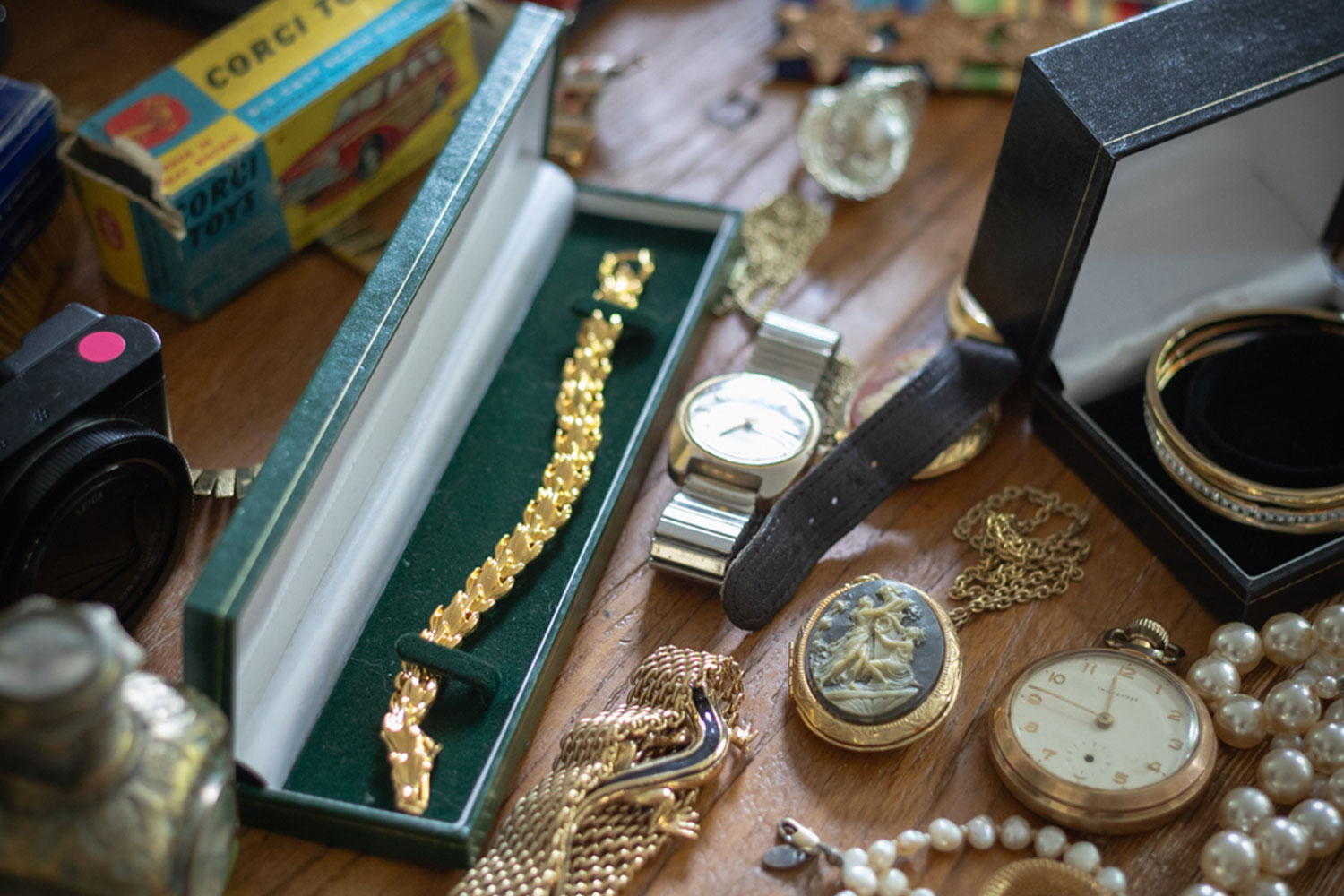
On average, our German customers send us more than eleven items in a single package. This shows that most of them don’t want to sell just a single watch, but rather an entire drawer or collection.
Our service takes care of all the work involved for you. Instead of creating multiple listings, conducting conversations and negotiations, or organizing shipping, simply send us a package. Our specialists evaluate each item, and our customers receive a total offer for all the items they’ve sent in. They then decide whether they want to sell.
IL: What advantages does the Vintage.com concept offer private sellers compared to traditional online marketplaces?
TH: The biggest advantage is the convenience and the time saved. If you sell valuables on your own, you have to take photos of them, post listings, communicate with potential buyers, arrange shipping, and often find the right sales channel.
At Vintage.com, all you need to do is send us an insured package. We’ll handle the appraisal, prepare a comprehensive offer, and take care of the rest of the sales process. Our customers can then take their time to decide whether they’d like to accept the offer. If not, we’ll return their valuables free of charge.
“Trust is the foundation of our business model.”
IL: The sale of high-end watches and jewelry often stems from a personal event—such as an inheritance, a separation, or the liquidation of an estate. How important is trust in your business model, and how do you go about building that trust?
TH: Many customers send us valuables that have not only financial value but also great personal significance. That’s why a convenient sales process alone isn’t enough.
You need to be able to trust that your items will be handled professionally, safely, and with the utmost care. We build that trust through transparency and reliable processes.
All shipments are insured, trackable throughout the entire process, and handled according to clearly defined procedures. Technology makes our processes efficient and transparent, but the critical decisions are made by our experienced specialists.
They are supported by our customer service team, which is always available to our customers to answer questions or address personal concerns.
The fact that just under a quarter of our customers in Germany use our service again confirms this. For us, repeat customers are an important indicator that we are building this trust over the long term.
IL: Critics argue that, because of their business model, direct buyers are inevitably forced to purchase goods below market price. How do you respond to this criticism?
TH: In some cases, a private sale can yield a higher profit. However, it requires time, experience, and a willingness to organize the entire sales process on your own.
Our clients consciously choose a different path: a comfortable, secure, and professionally guided sales process. Which approach offers greater value ultimately depends on individual priorities.
IL: What factors are taken into account when determining the price?
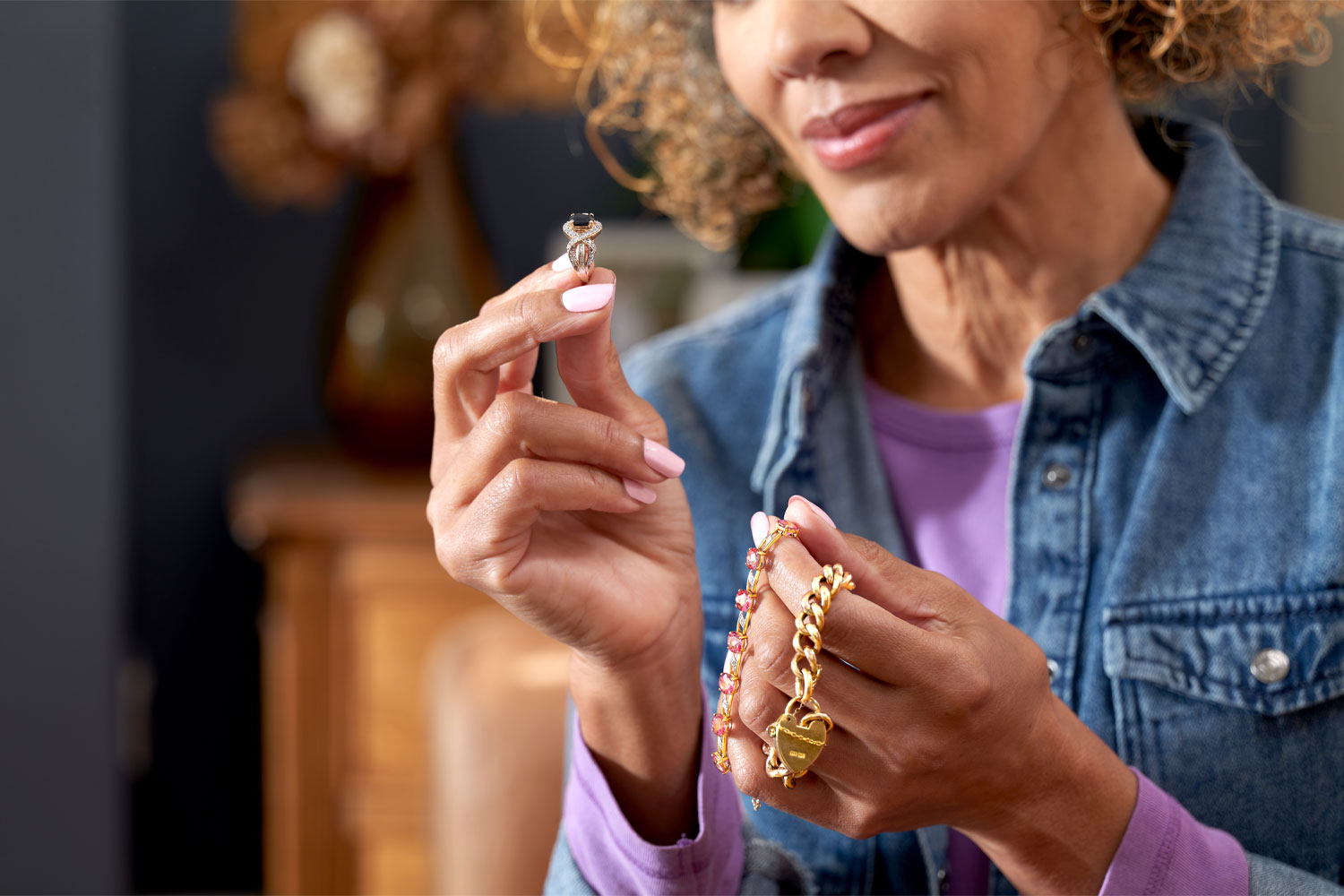
TH: There is no one-size-fits-all pricing formula. Key factors include the brand, condition, materials, completeness, and current market demand. For watches, factors such as the movement, model reference, documentation, and service history also play an important role.
Our service also covers all the work involved after the purchase—from a professional appraisal and secure transaction processing to marketing through the appropriate sales channel.
IL: What role do watches and jewelry play in your business model—and how do they differ from other product categories?
TH: Watches and jewelry are among our most important and strongest product categories, particularly in Germany. Nearly one in four valuables that German customers send to us is a watch.
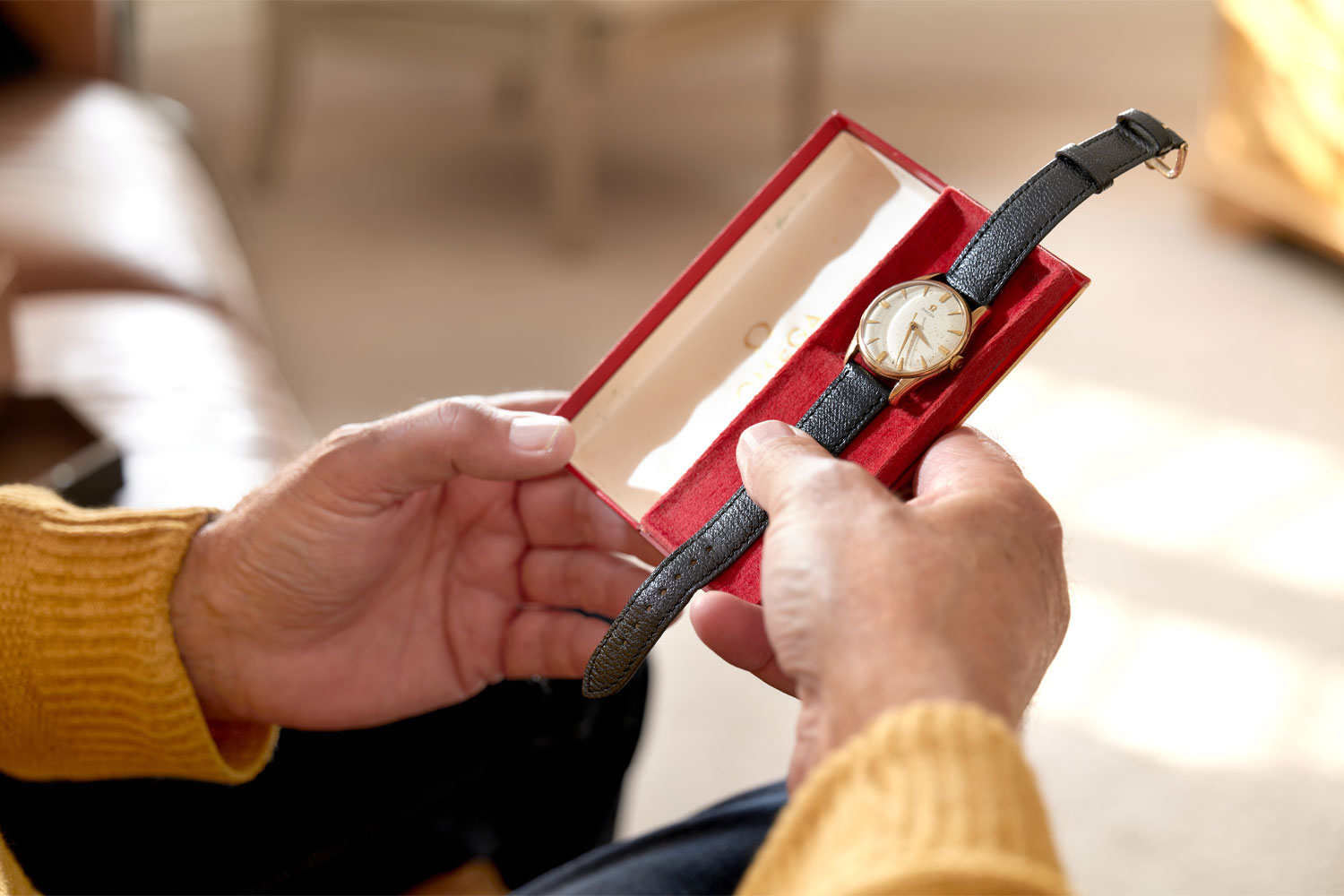
At the same time, they are among the most challenging categories. Two watches that look nearly identical on the outside can have very different values, depending on their condition, documentation, and current collector demand.
Then there’s the emotional aspect. Many items have been inherited or have been cherished for many years. Our customers therefore expect not only a straightforward sales process, but also the assurance that their valuables will be expertly appraised and handled with care.
IL: You say that a suitable sales channel can be found for every item purchased. To whom do you resell the watches and jewelry? Who are your most important customers—retailers, auction houses, or other market participants?
TH: There is no single sales channel that is equally suitable for every watch or piece of jewelry. It depends on the specific item, its condition, its collectible value, and the potential buyer base.
That is why we work with a network of professional buyers, including auction houses, specialized resellers, and online marketplaces.
“Our job is to find the right sales channel for each item.”
This infrastructure is one of the major strengths of our model. It allows us to reintroduce a wide range of valuables into circulation while offering our customers a simple and convenient selling process.
IL: So why don’t you sell to individual customers?
TH: Our focus is on making the selling process as easy and convenient as possible for private individuals.
Direct sales to end customers would require a different business model, with a focus on retail, product presentation, and the processing of numerous individual transactions.
Our strength lies in the professional appraisal and preparation of a wide variety of valuables, as well as in finding the right professional sales channel for each item. In this way, we offer our customers an efficient, straightforward, and trustworthy sales process.
“This clear focus enables us to continuously invest in our teams’ expertise, our operational infrastructure, and the customer experience.”
IL: Are the watches and jewelry items that are sent in simply resold, or are they refurbished before being sold?
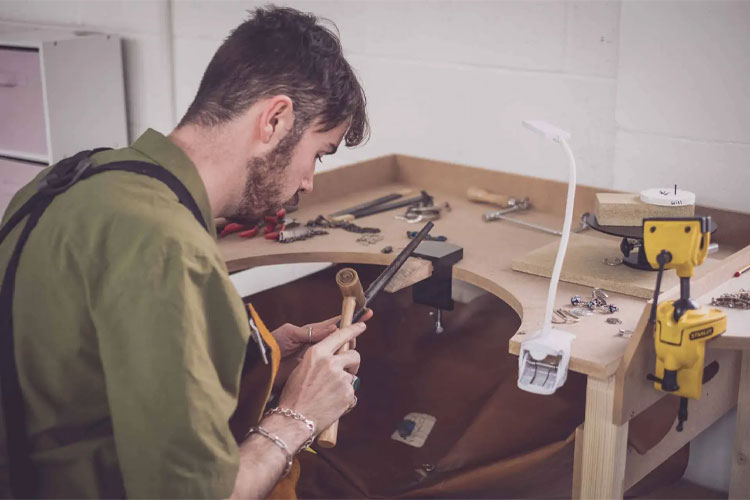
TH: What happens next always depends on the specific item, its condition, and the planned sales channel. Many items can be resold immediately. Others are cleaned, serviced, or repaired.
“With vintage watches in particular, originality is often a key factor in determining value. That’s why having a watch refurbished isn’t automatically the best decision.”
For each item, we assess whether restoration will actually increase its value or whether preserving its original condition is the better solution.
Repairs and maintenance are handled by our in-house watch specialists. Thanks to this in-house expertise, we only rely on external specialists in exceptional cases.
“Authenticity verification is a key component of our evaluation process.”
IL: Authenticity plays a crucial role, especially when it comes to watches. How do you verify whether a watch is authentic, and how do you deal with counterfeits or tampered watches?
TH: Each watch is inspected by our specialists before it is resold. In addition to the watch’s overall condition, we also check its composition, serial numbers, and the compatibility of all components.
Technology supports our documentation and traceability processes. However, the final assessment is always carried out by our experts.
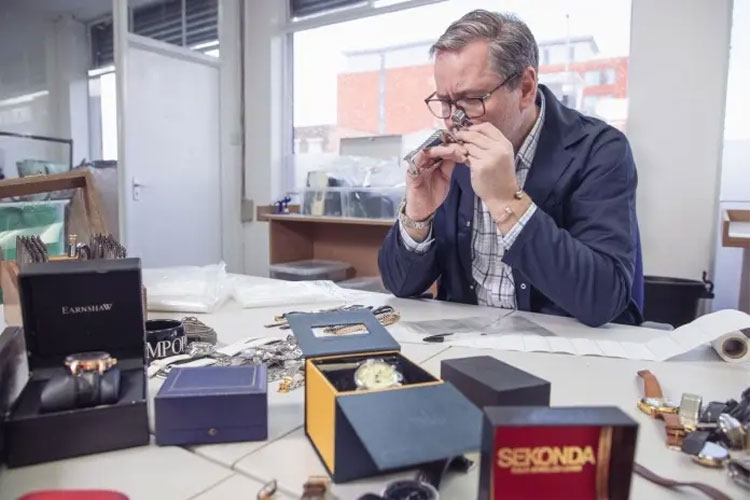
Replacement parts are clearly identified for buyers. If there are any doubts about authenticity or originality, the watch is removed from the regular sales process and inspected separately. We never sell counterfeit items.
IL: Not every item can be resold. What happens to watches and jewelry that can no longer be sold?
TH: Our goal is to find the best solution for each item and, whenever possible, give it a second life. If an item cannot be sold through a particular sales channel, we explore alternative distribution channels or deliberately wait for a more favorable market opportunity.
If a watch is no longer marketable as a whole, individual original parts may still be valuable and can be used by watchmakers for repairs or restorations.
Whether it is worth refurbishing an item depends on its condition, originality, cost, and expected market value. When reuse is not possible, we send valuable materials, such as precious metals, for recycling.
IL: Why are so many watches sent in from Germany?
TH: Germany is one of our most important and fastest-growing markets in Europe. We’re seeing particularly strong interest in watches here, as well as high expectations regarding quality, transparency, and a professional approach to handling valuables. At the same time, Germany has a long tradition of craftsmanship, engineering, and durable, high-quality products.
German customers often do their research very thoroughly and value clear information and transparent processes. At the same time, we’re seeing a trend that’s evident throughout Europe: More and more people want to sell secondhand items, but they want the process to be as simple and convenient as possible.
Watches are often items that are kept for a long time, even if they haven’t been worn in ages. Many owners don’t know their value or how best to sell them.
“Our service lowers this barrier because customers don’t need to know the exact model or find the right buyer on their own.”
IL: What is the price range for most of the watches submitted?
TH: The range is wide. We receive everything from relatively simple quartz and fashion watches to high-quality mechanical collector’s watches from renowned Swiss manufacturers.
Most of the watches submitted fall within a price range of 100 to 200 euros.
“However, we also regularly receive significantly higher-end pieces from brands such as Rolex, Omega, or Breitling.”
It is precisely this diversity that makes a thorough evaluation so important. After all, neither a well-known brand name nor an unassuming appearance alone can provide insight into the actual value.
IL: Which brands or watch categories sell particularly quickly—and which ones sell surprisingly slowly?
TH: Brands such as Rolex, Omega, and Breitling, as well as models that are in high demand among collectors, typically find buyers very quickly, especially if they are in good condition and come with the original documentation.
At the same time, demand can vary significantly even within a single brand. Some models are in particularly high demand, while others take much longer to find the right buyers.
“The watch market is constantly changing. That’s why trends and the current market situation are key factors.”
Less well-known brands often take more time. At the same time, we repeatedly see that seemingly unremarkable watches attract a great deal of interest because of their design, a special movement, or the value of their precious metals.
IL: Where do you see Vintage.com in five years—and how will the market have changed by then?
TH: We’re convinced that so-called “managed resale” will become an integral part of the secondhand market. Marketplaces will continue to play an important role, but they aren’t the right solution for all sellers. Many people want an easier and more time-saving way to part with unused valuables without having to organize the entire sales process themselves.
Our goal is to continue expanding our presence in Europe while continuously investing in technology, operational excellence, and the expertise of our teams.
“We want to make Managed Resale just as natural an option for selling as online shopping is today for buying.”