
A Moment at Botta Design: A Break from the Clock
Klaus Botta, the inventor of the modern single-hand watch, will celebrate the 40th anniversary of his concept of a more relaxed way of experiencing time in 2026.
The name of this section—“A Moment at”—is a perfect fit for the German watch brand Botta Design. For founder Klaus Botta, time consists less of hours, minutes, or even seconds than of moments—moments that sometimes seem to last forever and other times fly by far too quickly.

“It’s not the amount of time we have that determines its value, but rather the attention we give it,” emphasizes the watch designer. It is precisely this confident approach to time that he aims to convey through his watches. However, this isn’t about aimlessly drifting through the day, but rather about conscious experience.
Delays & Relaxation
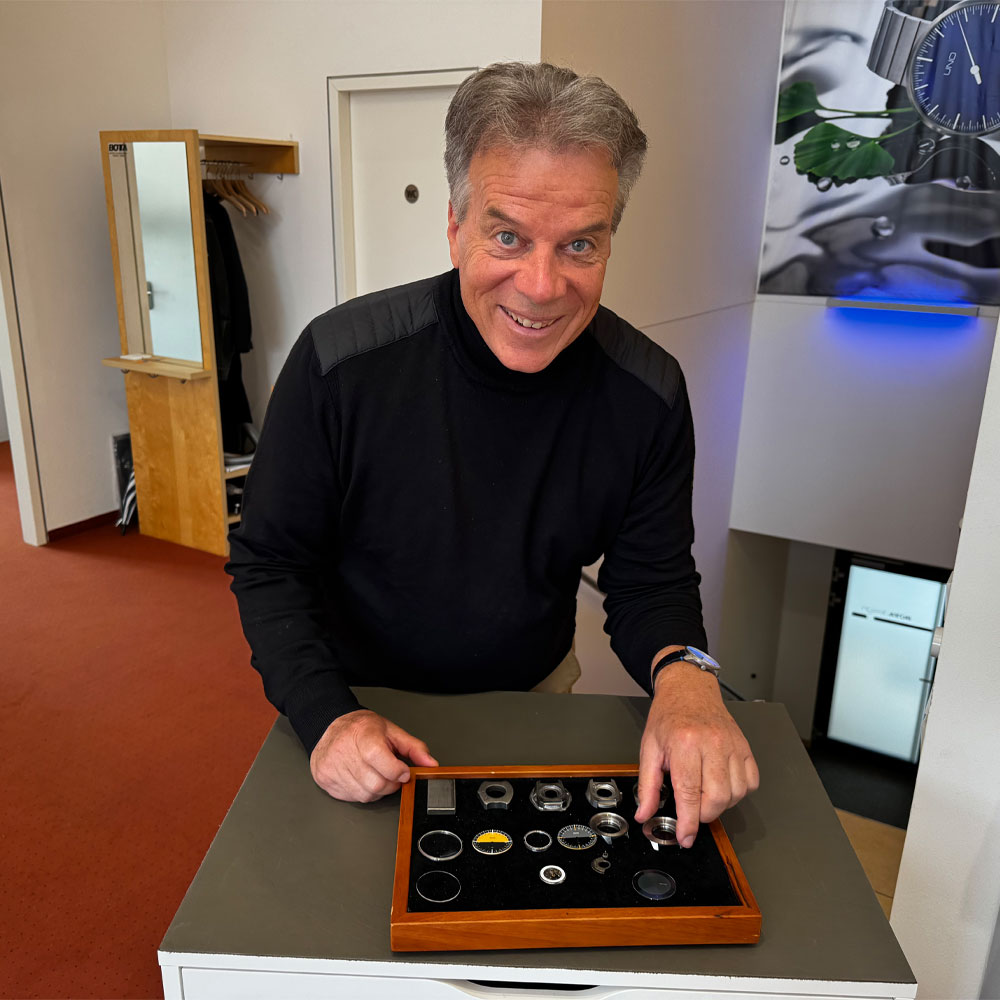
To mark the 40th anniversary of the “UNO” concept—Klaus Botta’s first modern single-hand watch—I visit him, his wife Anke, the team, and the office dog Puma in Königstein im Taunus, where the company has been headquartered since 2003. There, I immediately receive a lesson—as vivid as it is entertaining—on what confident time management really means.
The thing is, I’m running late—thanks to Deutsche Bahn. Normally, this causes noticeable anxiety on both sides: Will there be enough time to do what’s planned? Will I make it back in time for the train—which will probably be on time?
When Klaus Botta greets me at the train station, relaxed and in good spirits, there’s no sign of any of that. Instead of taking the shortest route to the studio, he invites me to take a walk through Königstein—and, in the process, proves to be a knowledgeable tour guide.

This spa town in the Hochtaunus district, about 20 kilometers northwest of Frankfurt am Main, is best known for its imposing castle ruins. From there, the view stretches across the Rhine-Main Plain all the way to Frankfurt. Among watch enthusiasts, however, the town is primarily associated with Botta Design. That’s because Anke and Klaus Botta live and work here—she is an architect, he is a designer, and together they are the heart and soul of the brand.
A little spoiler: Later, when I’m back at the train station, I glance at my watch. For the first time in a long while, I don’t care how many minutes the train is running late. The only thing that matters is that I still have enough time.
History & Career
There is a decisive turning point in Klaus Bottas’s professional career. After two semesters of technical physics at the University of Bayreuth, he transferred to the Offenbach University of Art and Design, which follows in the tradition of the Bauhaus. In retrospect, it was likely this very step that shaped his unique design philosophy.
However, Botta is less interested in the design language of early Bauhaus works than in the fundamental principles of the design and architecture school founded in 1919: to create products that are more functional, easier to understand, and more durable.
“Simply adapting the aesthetics of the early 20th century to the present day may be easy to implement, but it does not serve the needs of users. Such a backward-looking design would contradict the Bauhaus philosophy itself. Instead, Bauhaus design puts people at the center: offering the best possible quality, durability, and a contemporary design,” explains Klaus Botta.
At first, however, he wasn’t thinking about watches at all. While in college, he designed, among other things, a speaker, a sorting console, and a CD player. It wasn’t until the mid-1980s that he created a wristwatch, much to the surprise of his classmates and professors.
“A wristwatch says something about the person wearing it and is a kind of reflection of their personality,” Botta recalls. “I found that—and still find it—extremely fascinating.”
Insight & the UN
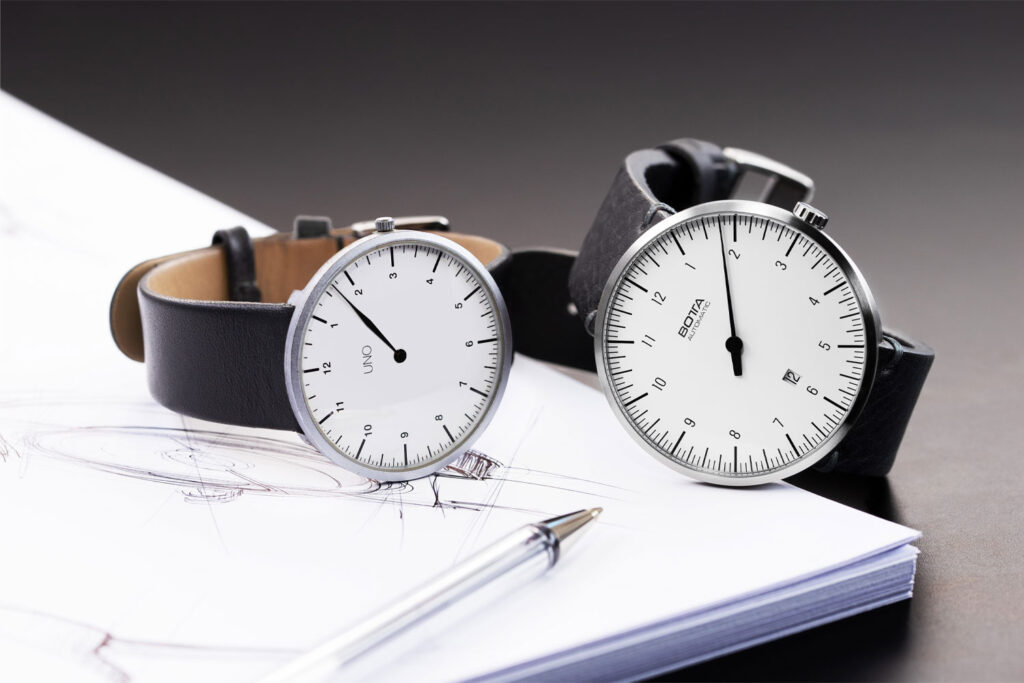
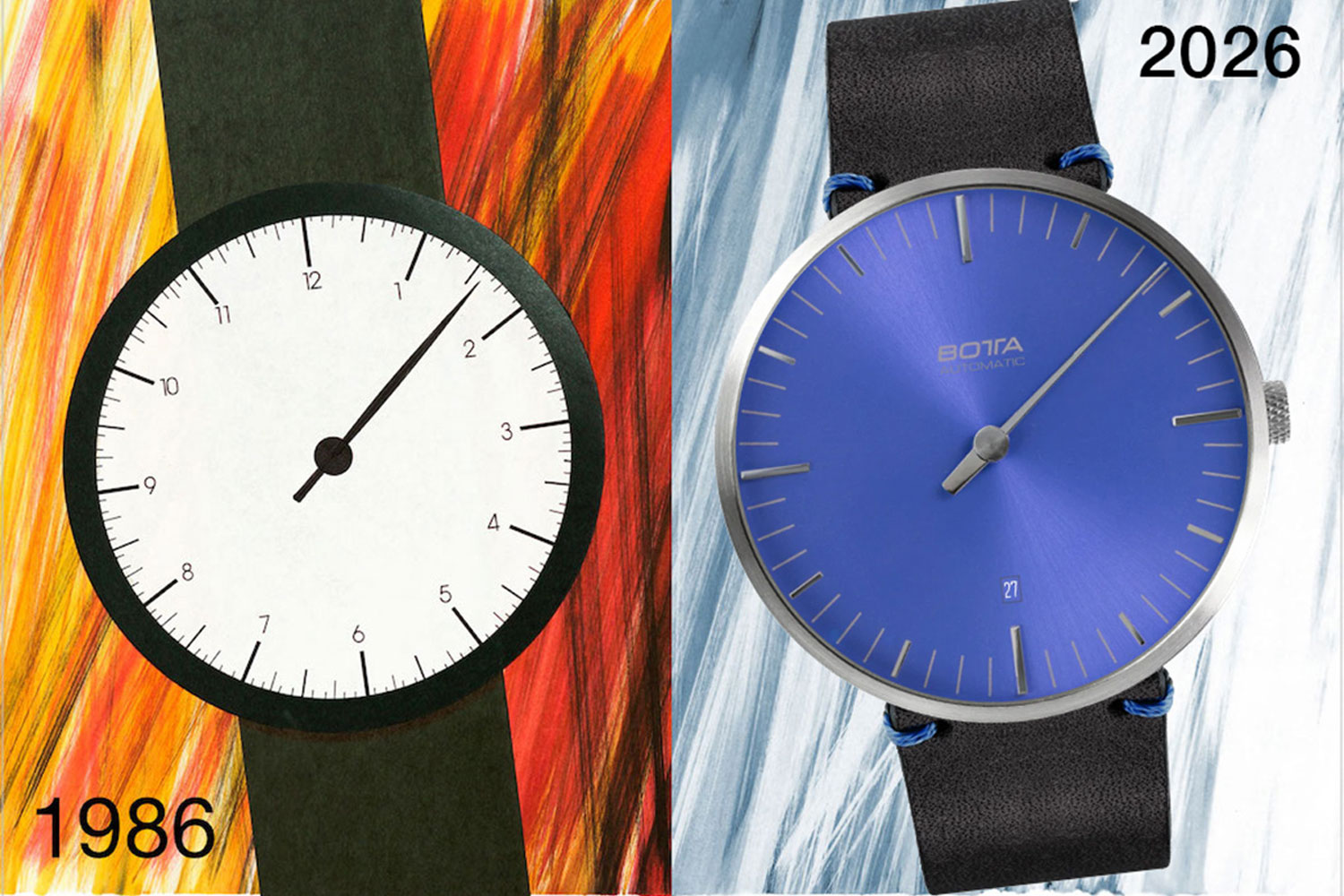
What began as a hobby quickly turned into a passion. Botta designed watches for himself, his classmates, and his future wife. This led to a small series featuring hand-painted dials—and ultimately, in 1986, the groundbreaking single-hand watch “UNO,” whose minimalist design remains the hallmark of Botta Design to this day.
“I was standing with a classmate in Offenbach in front of a jeweler’s storefront,” Botta recalls of that pivotal moment. “Even back then, I had the impression that many wristwatches lost rather than gained clarity due to additional hands, displays, and details. I was interested in the opposite approach: not more information, but deliberate reduction. The idea was to display time as clearly as an analog measuring instrument—with a clearly positioned hand and a scale that is intuitively understandable. This concept gave rise to the first design of the UNO single-hand watch in 1986.”
That same year, he founded Botta Design and took on design commissions for various companies, including the “Solar-1” for Junghans. His single-hand concept, however, remained on the back burner at first—until Watchpeople brought it to market as a quartz watch in the 1990s. The UNO went on to become a bestseller.
Your Own Brand
When Watchpeople was sold in 1999, the rights to use the “UNO” design reverted to Botta. This marked the beginning of the true success story of his own brand. That same year, he began selling his watches under his own name from Offenbach—and the BOTTA watch brand was born.
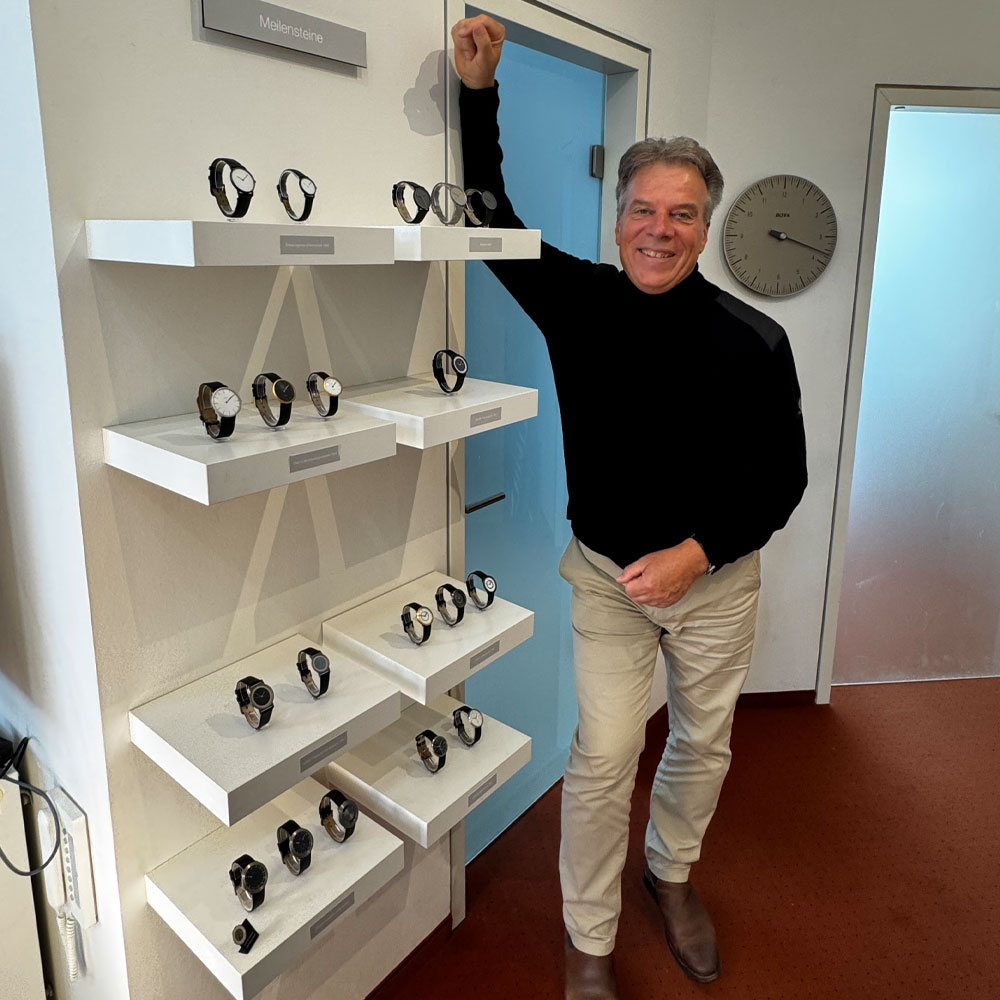
“Looking back, that was the beginning of a new category of watches,” explains Klaus Botta. “In the years that followed, many other brands took up the theme and developed their own single-hand models. I also see this as confirmation that there’s more to the concept than just a formal quirk. For me, it was about a different perception of time from the very beginning: less anxious, less fixated on seconds, but instead more generous, calmer, and more human.”
Philosophy & Message
The concept behind the first “UNO” remains the brand’s guiding principle to this day: “Our watches are not timekeepers, nor are they instruments of control; rather, they are tools for consciously managing one’s own rhythm,” says Botta.

Even his watches cannot influence the passage of time, but they can influence the way people perceive time. “Our time is limited. That is precisely why it is valuable. We cannot hold on to every moment, but we can decide which moments we choose to focus on.”
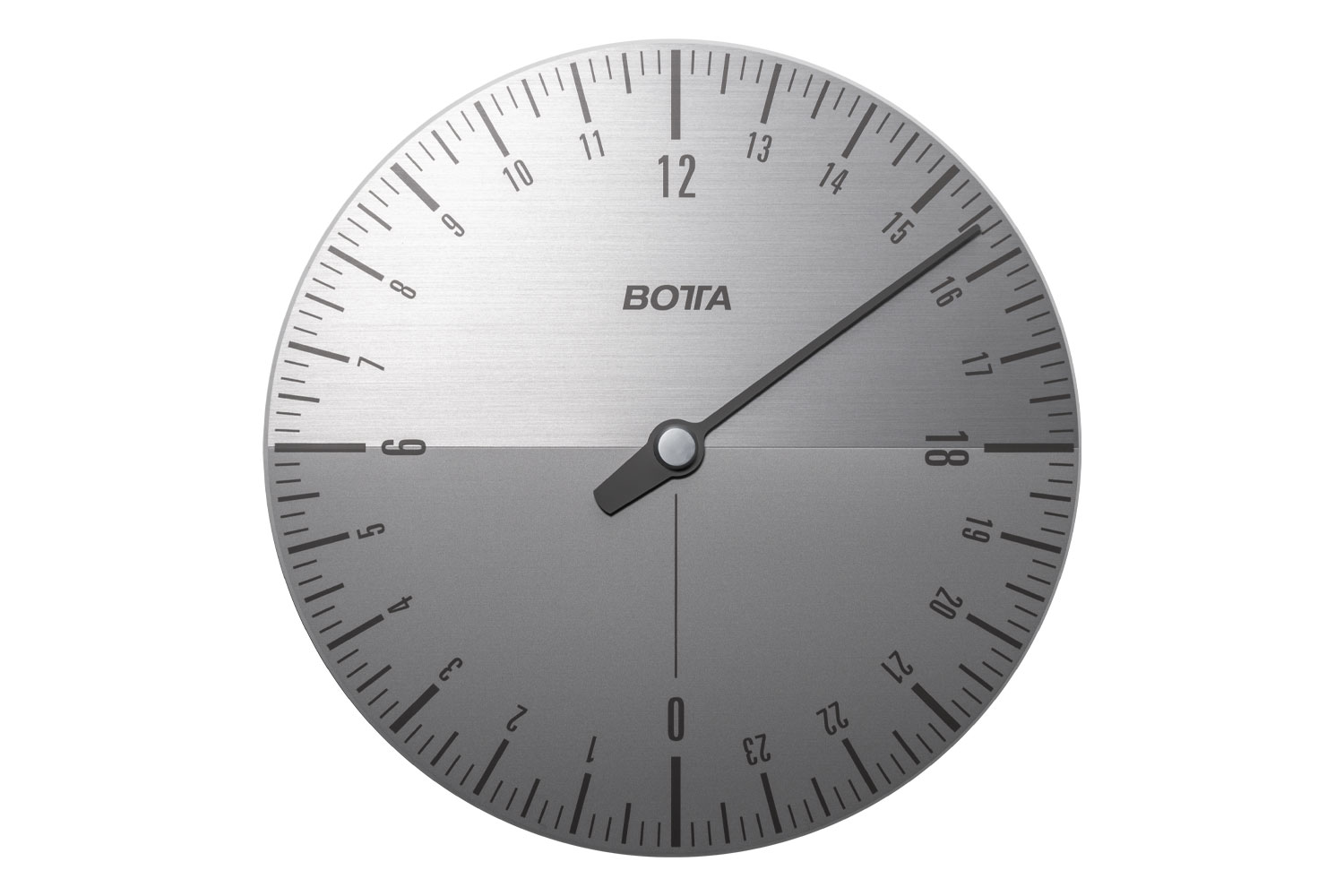
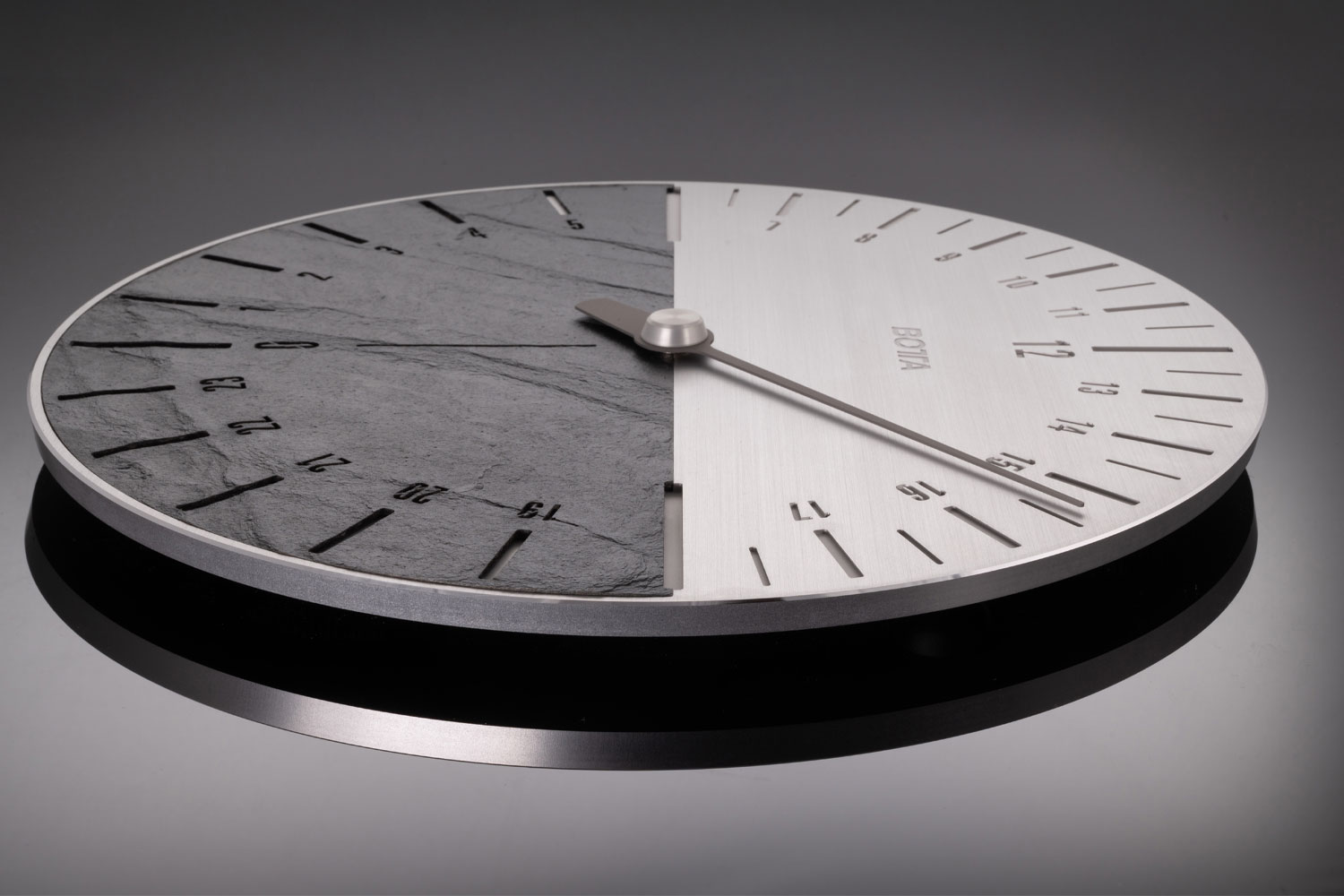
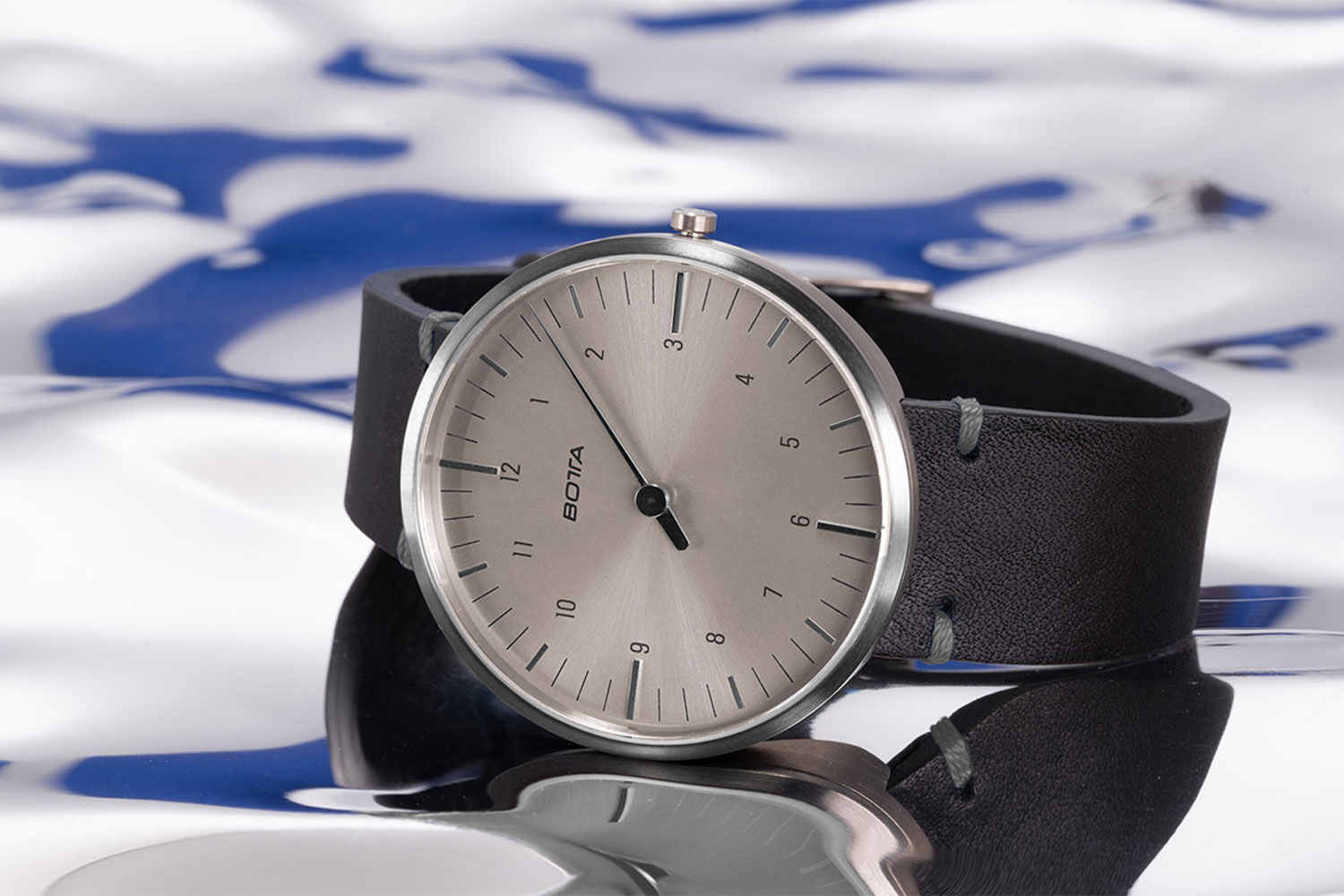
A prime example of this concept to this day is the “UNO” model, which features just a single hand, available in both 12-hour and, more recently, 24-hour versions. While the single hand completes a full rotation within twelve or 24 hours, the scale—marked in five- or ten-minute increments—provides a time display that is perfectly adequate for everyday use and, at the same time, pleasantly relaxed.
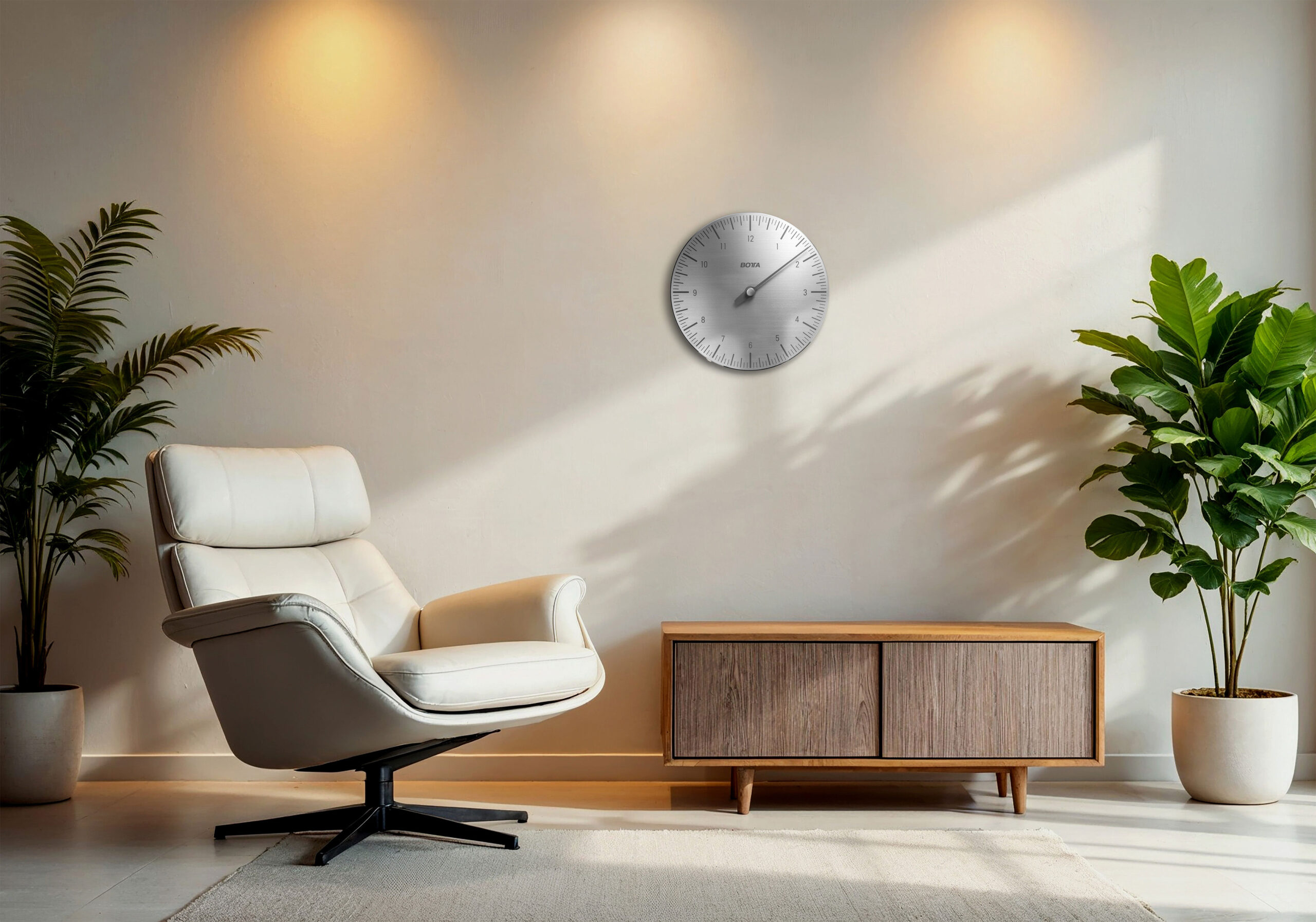
Today, the product line includes seven watch collections—“UNO,” “TRES,” “NOVA,” “CLAVIUS,” “UNO 24,” “TRES 24,” and “MONDO GMT”—as well as various single-hand wall clocks.
Quality & Quadrology
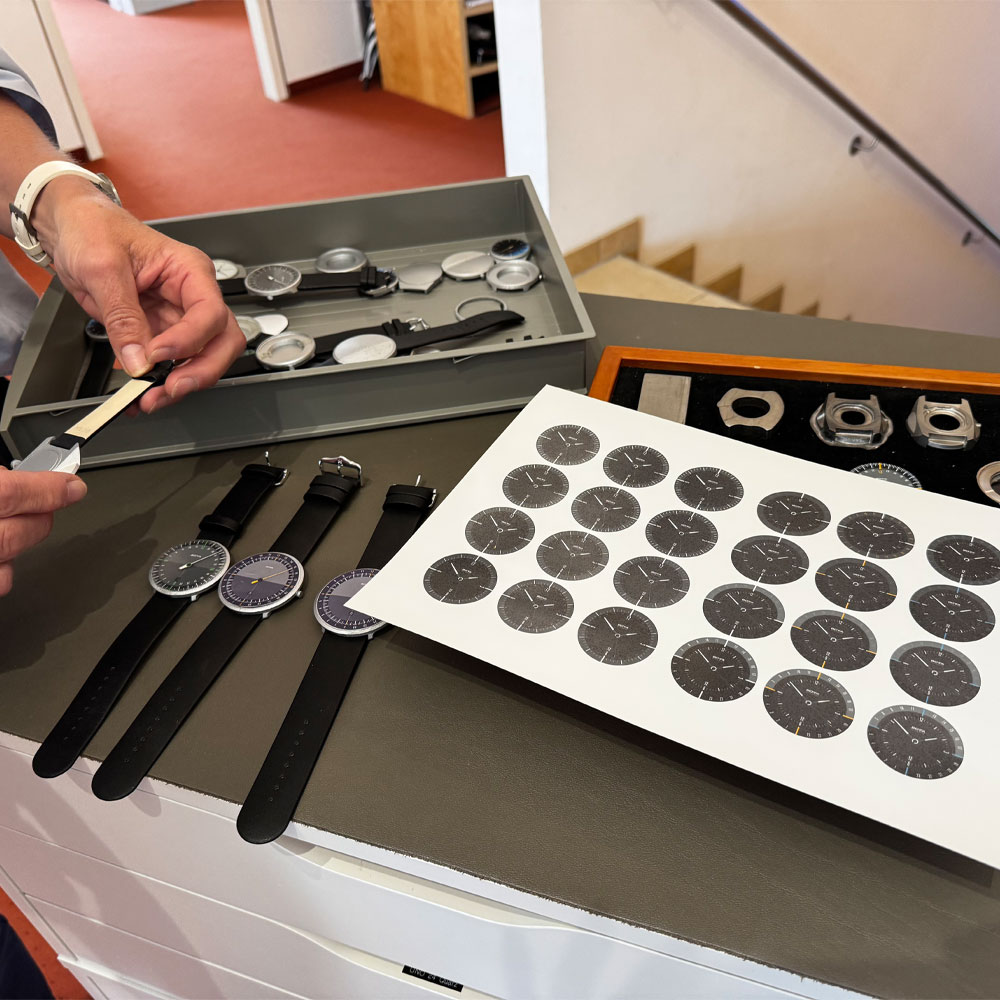
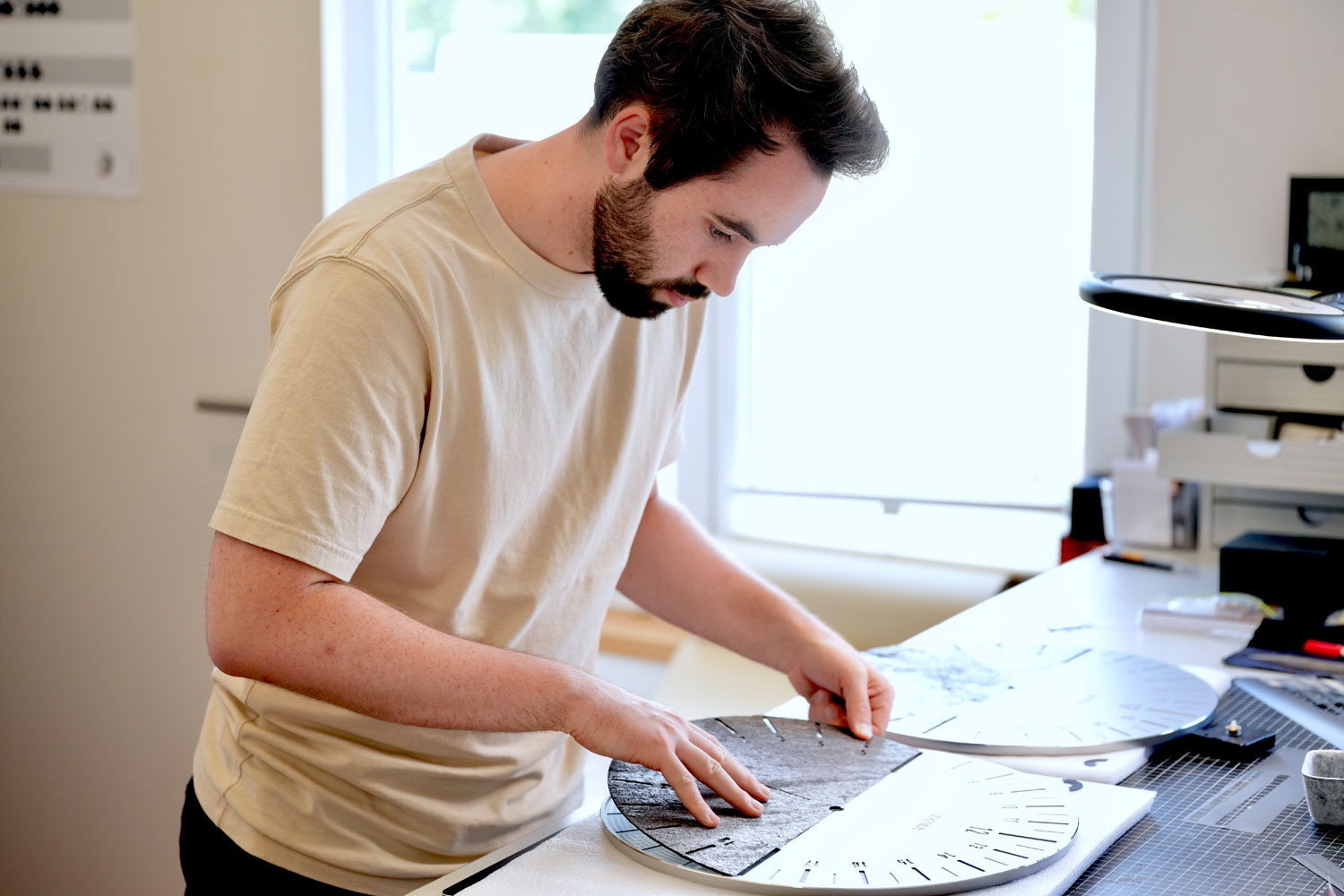
All Botta watches are created in the design studio in Königstein—from the initial hand-drawn sketch through CAD design and prototyping to the creation of data sets for the individual components. After being manufactured by specialized suppliers, they are assembled by experienced watchmakers, and all mechanical models are then finely adjusted.


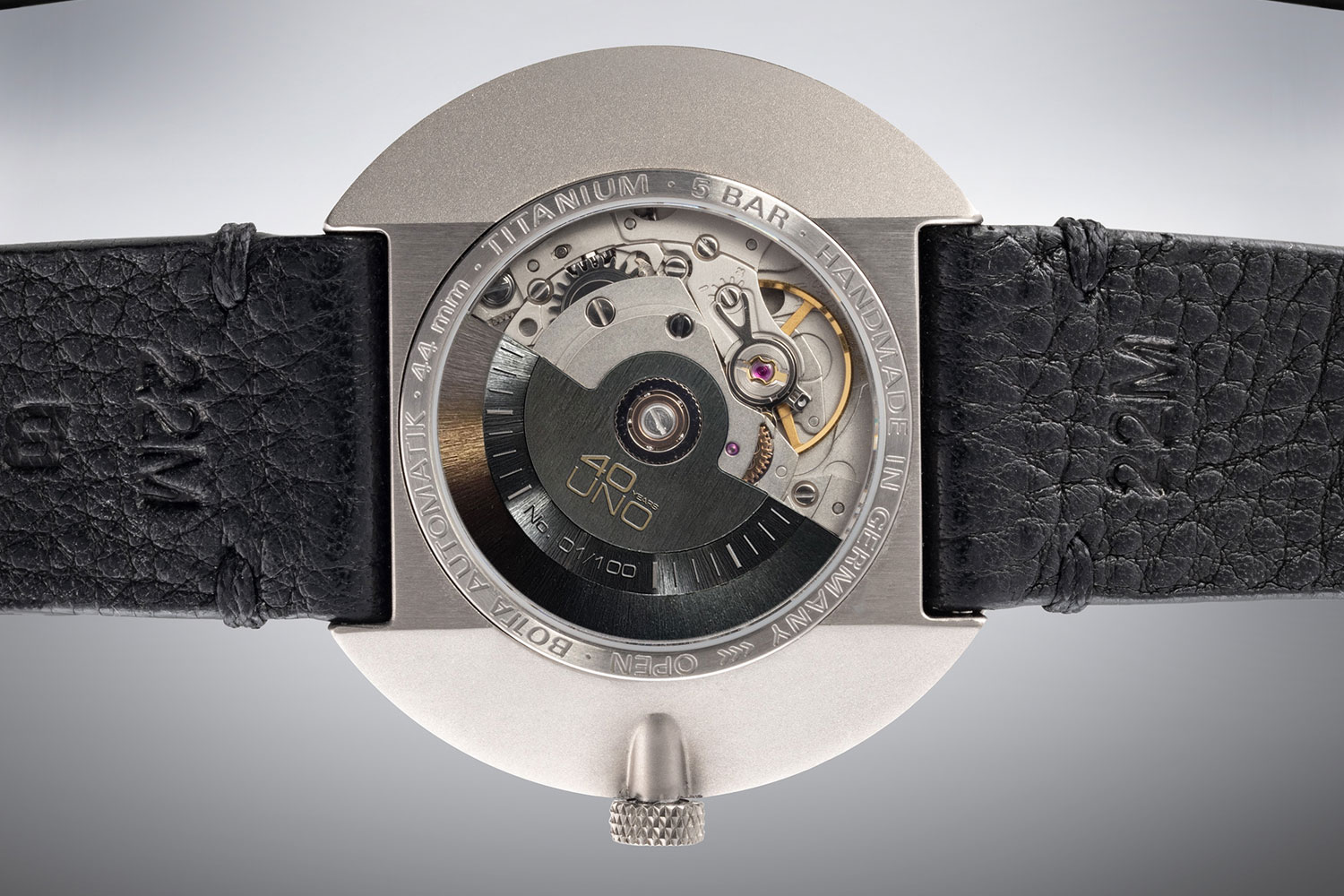
Botta relies exclusively on high-quality materials and proven technology. Since 2023, for example, the brand has been using so-called Tri-Titan cases, in which three different titanium alloys each bring their own material advantages to bear. Inside, the watches are powered by Swiss-made movements from ETA, Sellita, or Ronda.
Despite their relatively large size, the watches are surprisingly comfortable to wear. This is thanks to the beveled edges on the underside and the brand’s proprietary Inverted-Lug system, which significantly reduces the distance between the strap attachments.
However, Botta does not limit himself to single-hand watches. His entire collection follows a classification system he developed himself, called “Quadrology.” It categorizes the models according to two principles: single-hand or multi-hand display, and 12-hour or 24-hour format. This results in four categories—ranging from the classic “UNO” and “NOVA” to the “UNO 24” and the multi-hand models “TRES,” “TRES 24,” and “MONDO GMT.”
My Conclusion
None of these watches can stop time. But they remind us that in life, it’s usually not the seconds or minutes that count, but the moments—and the way we experience them.
And what if I had actually missed the train in Königstein? Then I would have just stayed a little longer in this beautiful town in the Taunus—and would have done exactly what Klaus Botta wants to encourage people to do with his watches: consciously enjoy the moment. botta-design.de
The Botta Philosophy on Your Wrist
UNO and UNO 24
The “UNO” collection continues to embody Botta’s philosophy most consistently to this day. In addition to the classic 12-hour version, it is also available with a 24-hour display—known as the UNO 24—in which the single hand completes just one revolution per day. Its position follows the natural path of the sun: in the morning, it rises above the stylized horizon; at noon, it reaches its highest point; and in the evening, it descends again. A subtle mark at midnight signals the transition to the next day and triggers the date change.
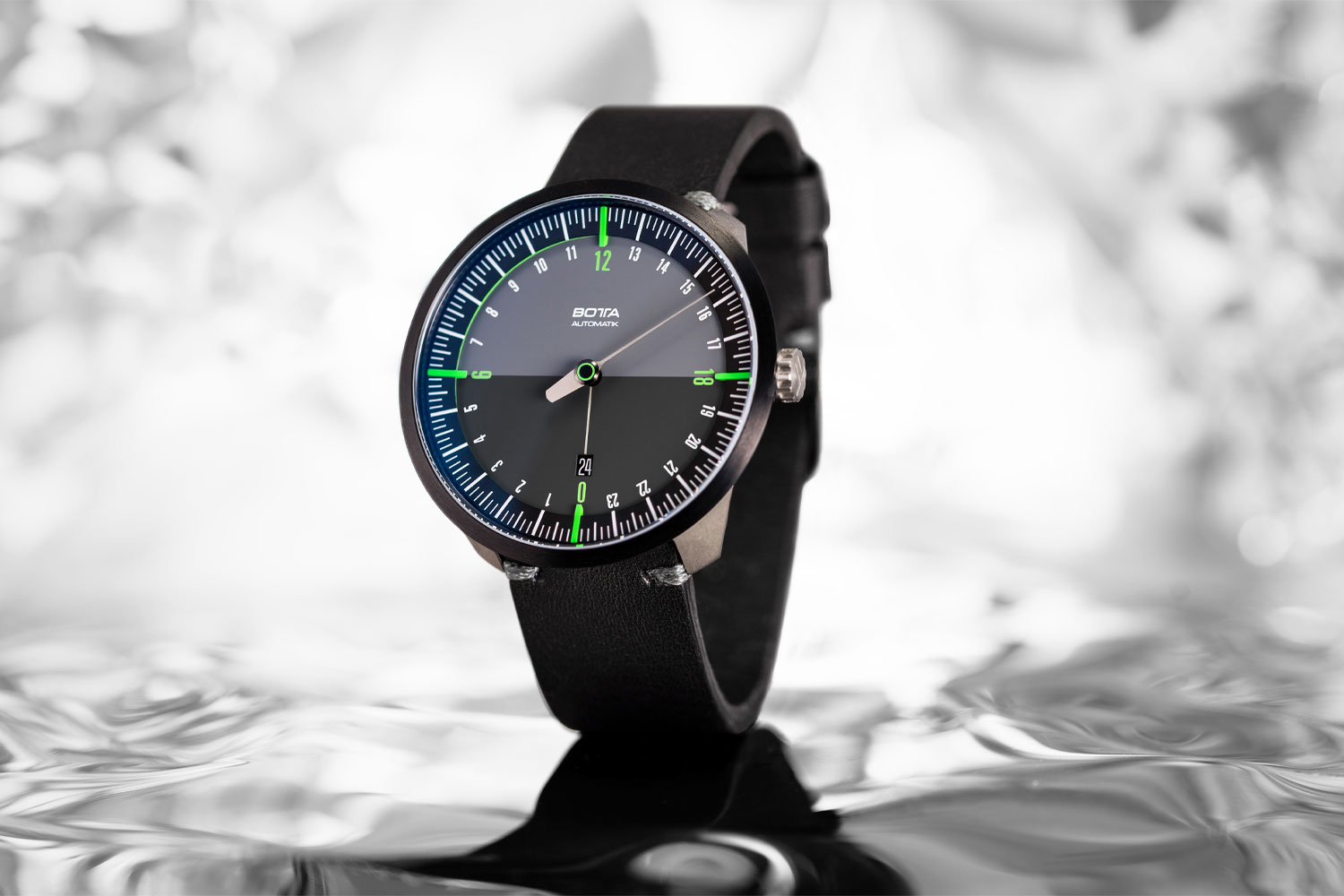
UNO Issue 40
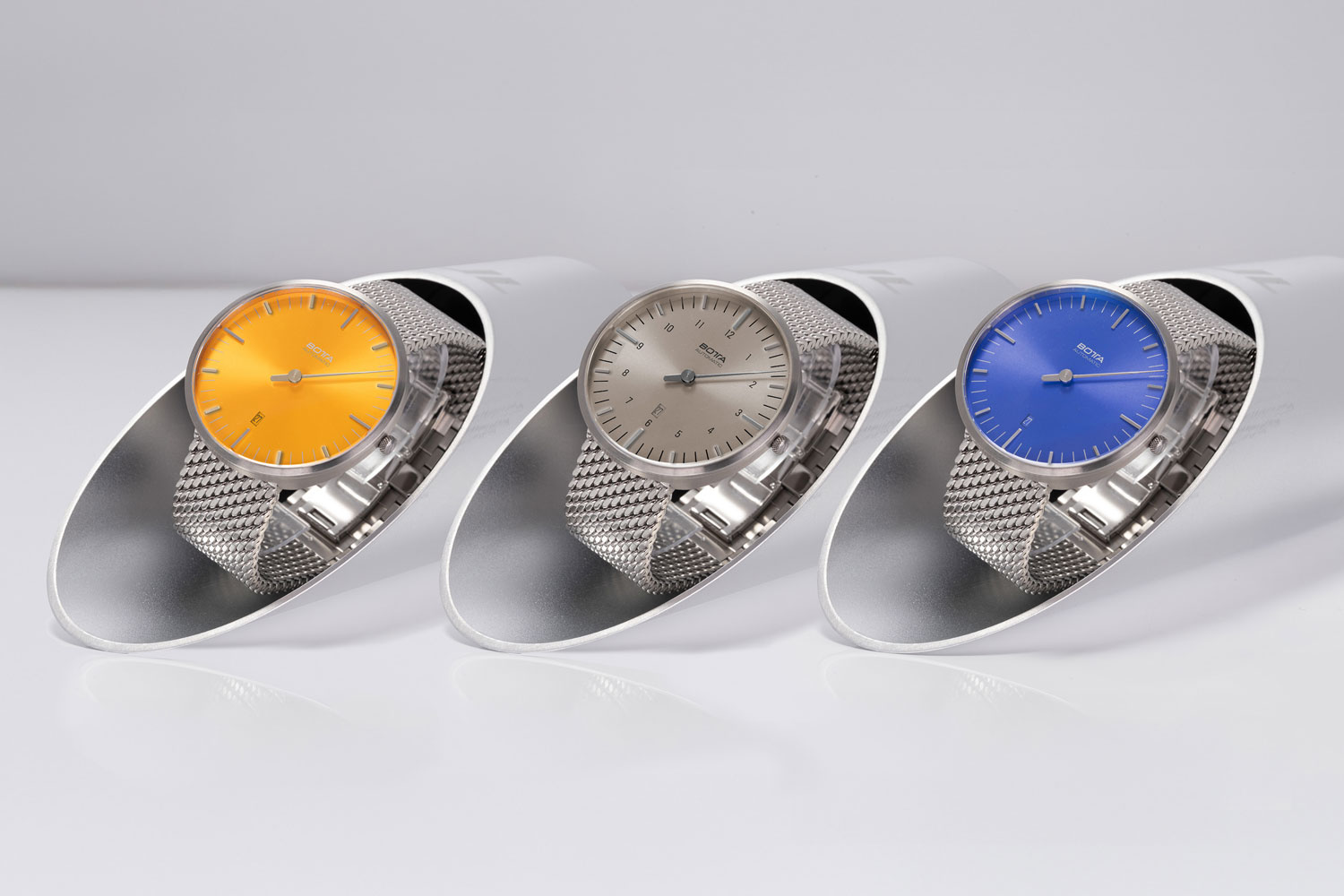
With the “UNO Edition 40” commemorating the anniversary, the 12-hour single-hand principle was further refined. For this special edition, the scale was further reduced by deliberately omitting the 5-minute indices. Only full hours and quarter-hours remain. “This makes the dial appear even calmer and more orderly. The watch conveys an even more relaxed sense of time without losing any clarity,” says Botta.
The “UNO Edition 40” is available in three color options: Mango Yellow conveys warmth, optimism, and a zest for life. Titanium Gray embodies precision, practicality, and timeless understated elegance. Cornflower Blue stands for calm, clarity, and inner balance.
NOVA
The “NOVA” consistently takes the concept of minimalism a step further. Klaus Botta focuses on the basic shapes of the circle and the cylinder. Even the time display thrives on the art of omission: there are no minute markings at all; only the numerals three and nine still evoke a classic watch face.

TRES and TRES 24
Even though single-hand watches define the brand’s image, Botta has always developed multi-hand watches. The “TRES” is available in 12- and 24-hour versions and is designed for people who want a more precise time display without sacrificing the clean design language of Botta Design.
CLAVIUS
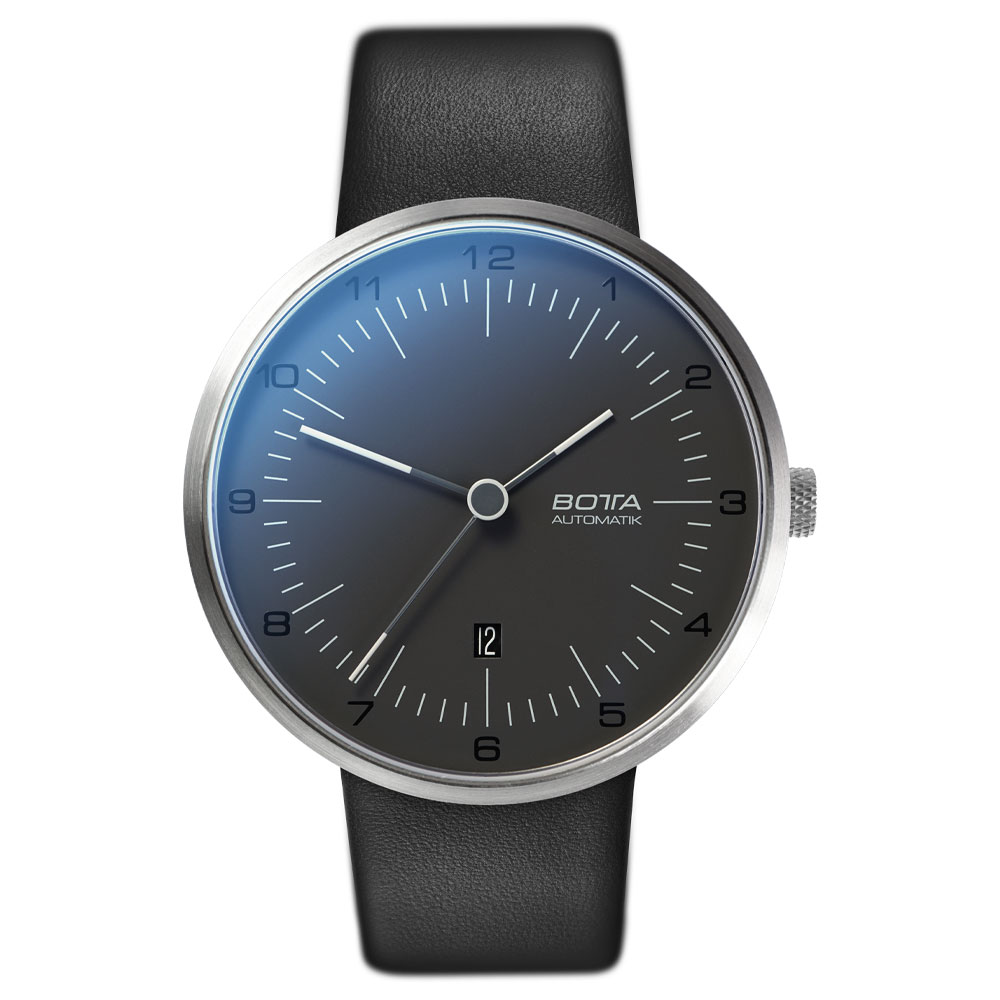
The “CLAVIUS” interprets time in its own unique way. A circular disc covers most of the dial, leaving only a ring-shaped window at the edge. There, the hour and minute hands trace their paths like trapezes that appear to be floating. The second hand remains hidden behind the central disc and is visible only through fine slits.
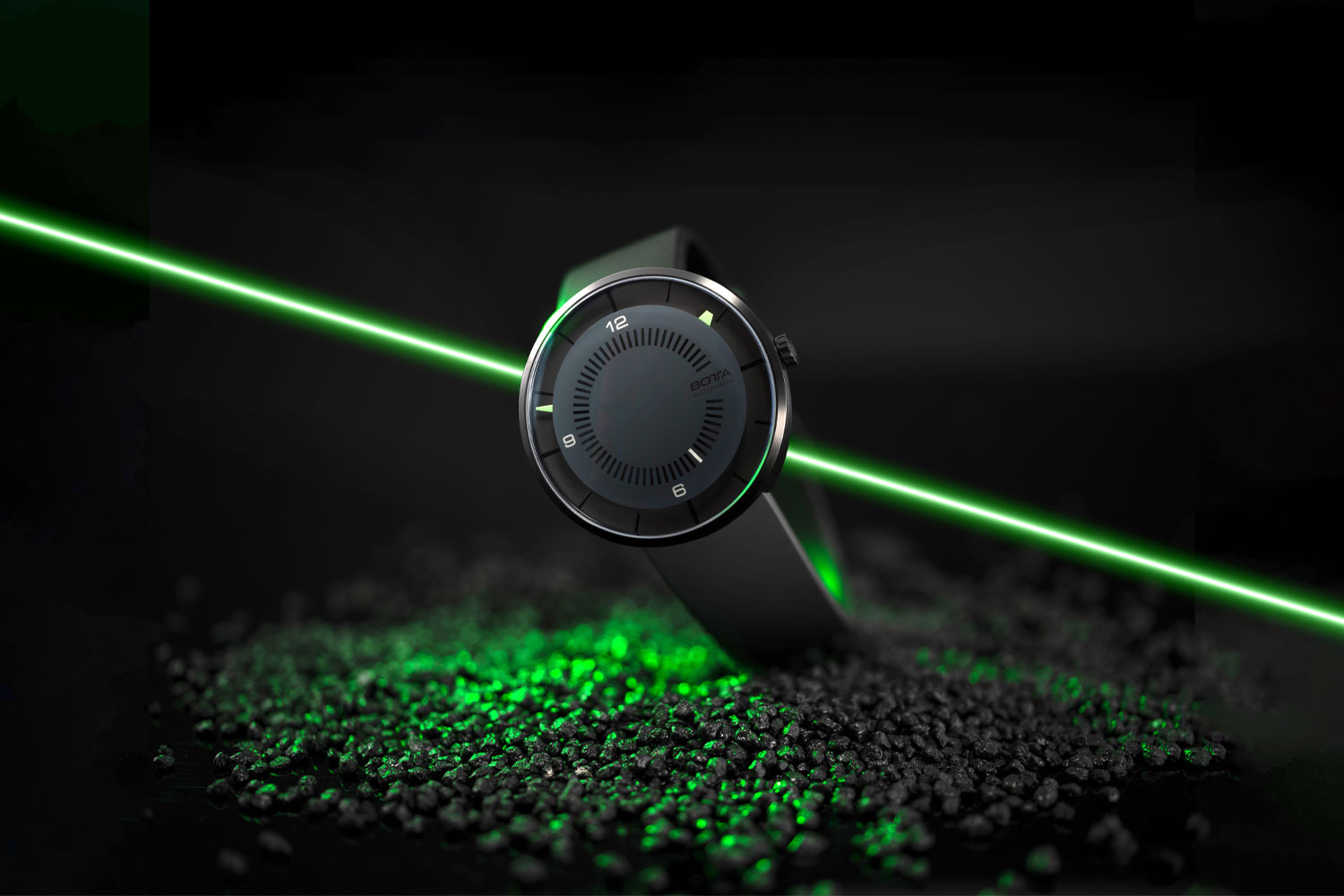
As a result, it appears to pause briefly at each second mark, even though it is moving continuously. This fascinating effect is caused by the so-called moiré effect, which gives the CLAVIUS its extraordinary, almost digital appearance.
MONDO GMT
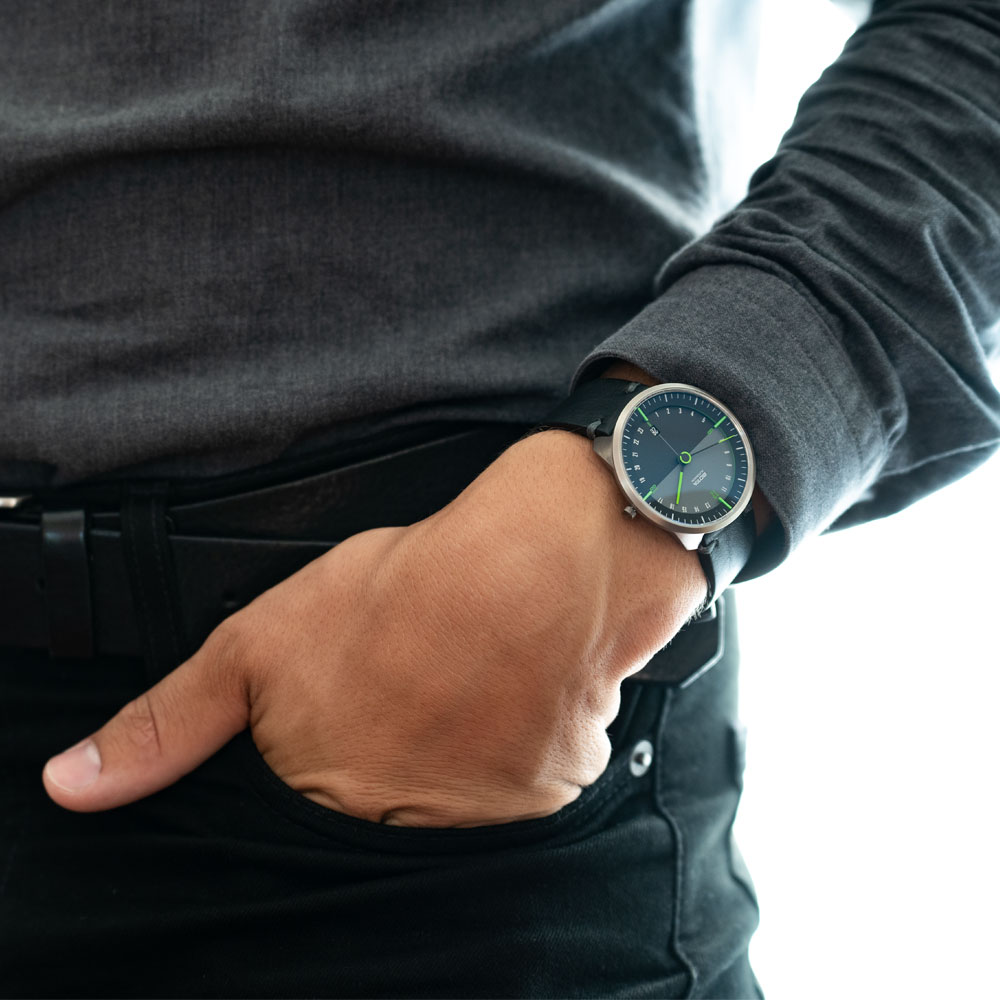
The “MONDO GMT” combines a classic 12-hour display for local time with a sun-synchronous 24-hour single-hand display for a second time zone. The display, divided into day and night halves, makes it easier to navigate between different time zones—and helps prevent the occasional unwanted wake-up call.