
Geneva Watch Days 2026: Trends from Geneva
Smaller sizes, unique materials, lots of color, and plenty of haute horlogerie: What runs through the new releases at Geneva Watch Days
Cover photo: Alto ART02
Nearly 400 new models were unveiled during the 2026 Geneva Watch Days. With such a large number, there isn’t a single dominant trend. Nevertheless, certain commonalities stand out across the collections, confirming existing trends rather than setting new ones.
Materials are becoming more diverse, case diameters are shrinking, and dials are increasingly defined by their gemstones and finishes. Added to this are open-worked movements, unusual displays, and a large number of sophisticated complications.
Titanium is everywhere—tantalum stands out
In 2026, titanium will be one of the most striking materials.
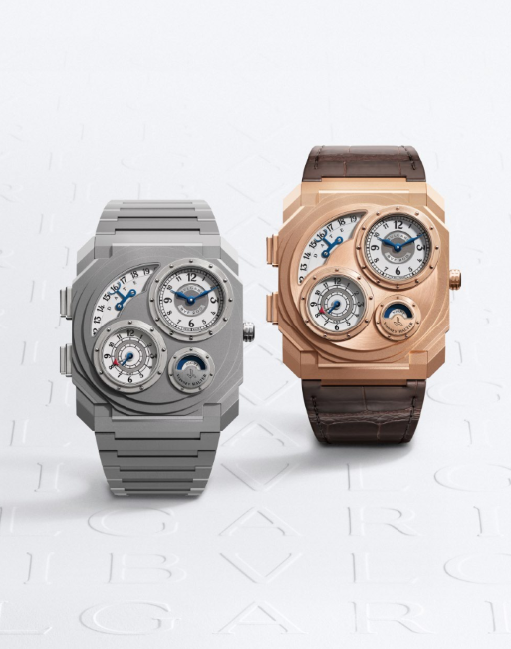
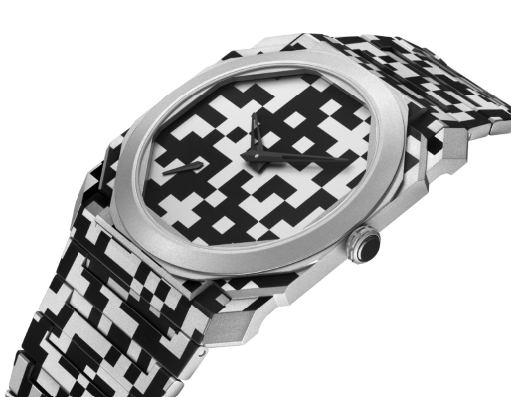
Bvlgari unveiled several new models that make innovative use of metal: the Octo Finissimo Dual Time × Vianney Halter, the new Bvlgari Titanio, and the Octo Finissimo Dazzle, which features a titanium case, dial, and integrated bracelet are adorned with a continuous laser-engraved pattern.
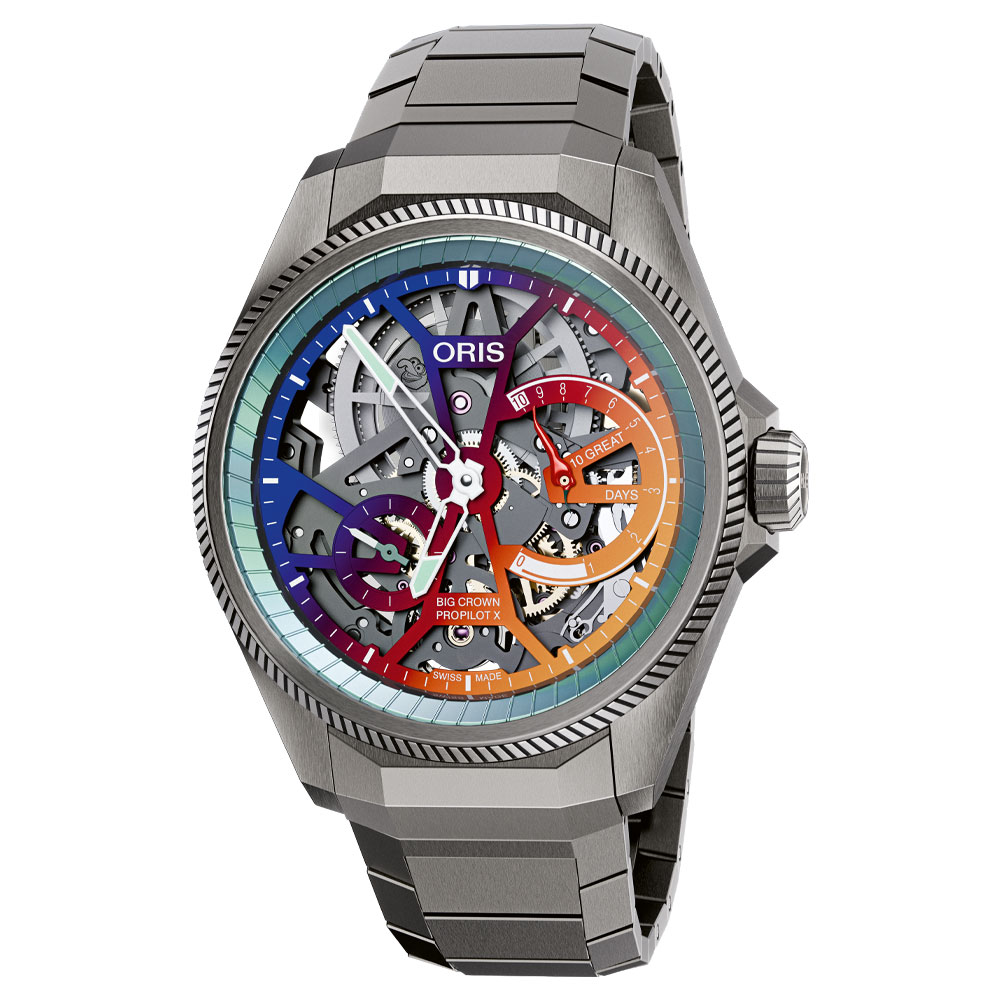
Oris also relies on titanium for the ProPilot X Gonzo Edition. The case and bracelet are made of this lightweight metal, combined with a skeletonized dial and the playful design typical of the collaboration with the Muppets.
In addition, less common materials are coming to the forefront. Tantalum is one of them. Precisely because this heavy, corrosion-resistant metal is difficult to work with, it remains unusual and stands out as a result.
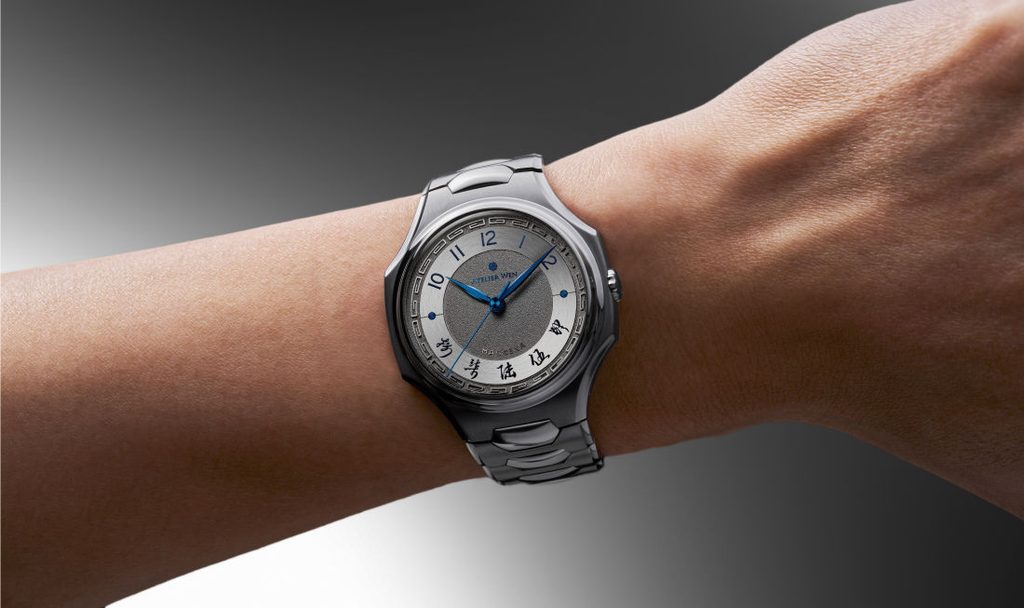
Material is therefore not just a technical specification, but a clearly visible component of the design.
Stone, Meteorite, and Special Surfaces
Natural stone is a recurring theme in watch dials.
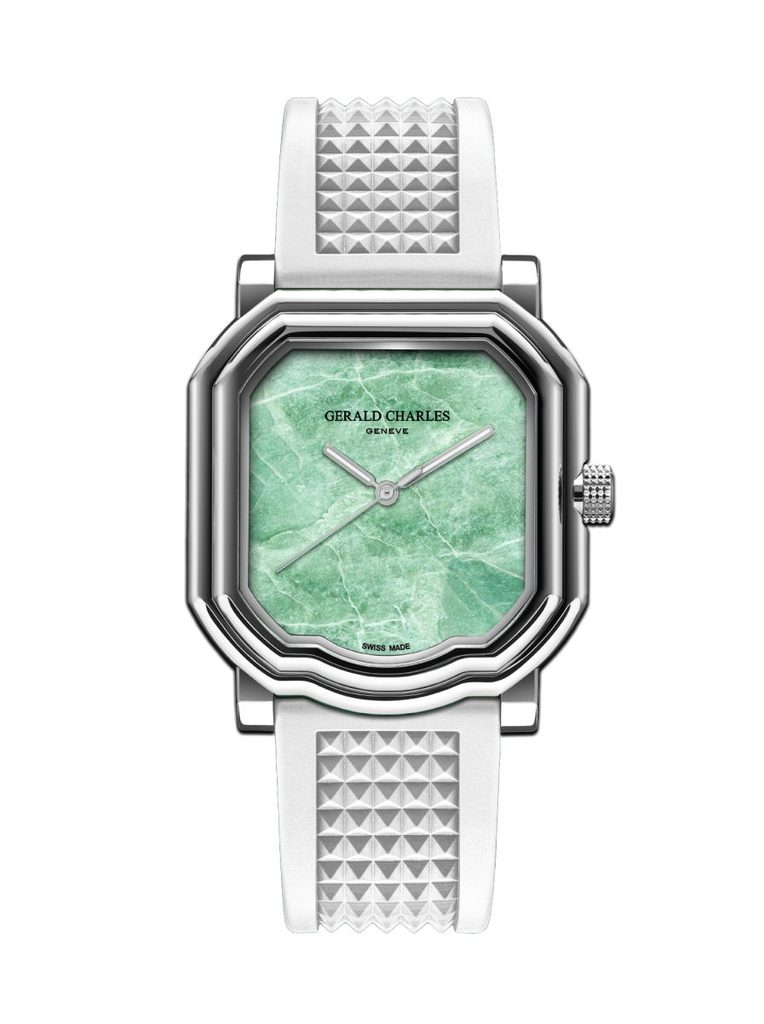
Gerald Charles presents the Masterlink Gem Set Stone Dial, featuring aventurine, spectrolite, or iron eye. The 38-millimeter model combines the gemstone dials with a white gold bezel and colored gemstones.
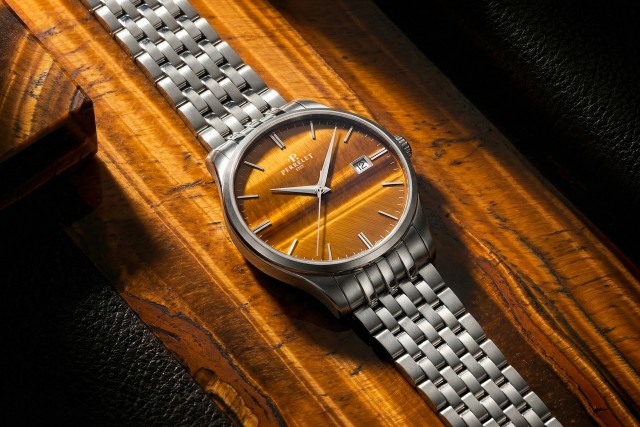
Perrelet is expanding its Weekend collection with dials made of turquoise, lapis lazuli, black onyx, and tiger’s eye. Because natural inclusions and patterns vary, each dial is slightly different.
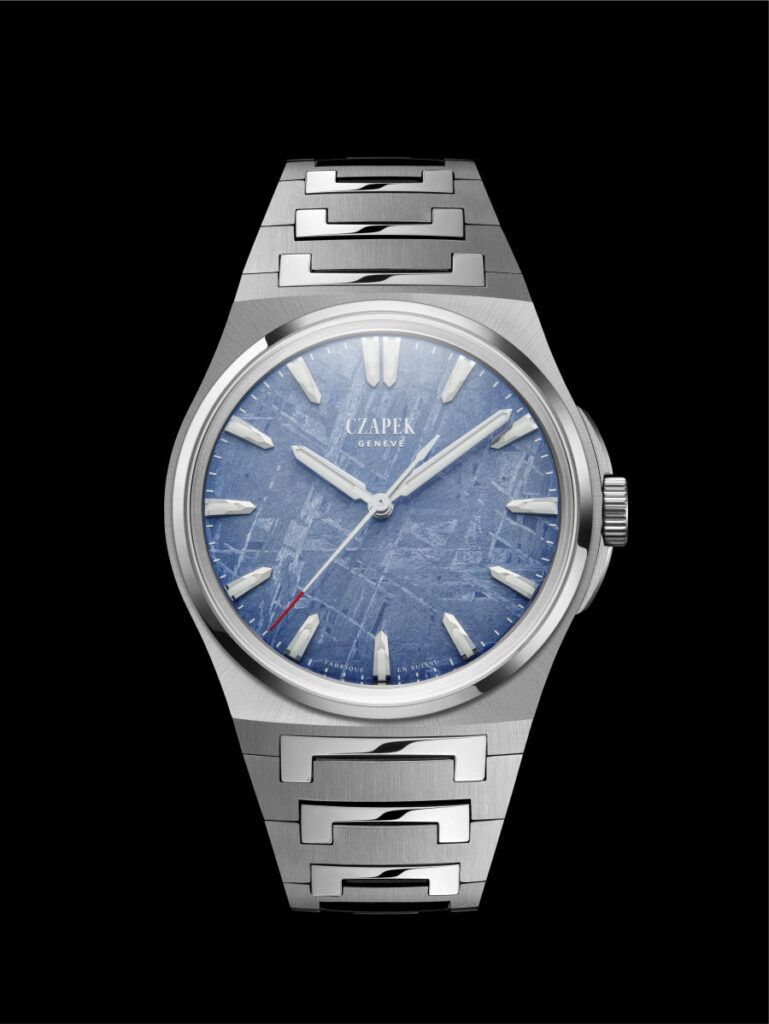
For the Antarctique S Frozen Meteor, Czapek uses a Gibeon meteorite with a light blue lacquer finish. The natural Widmanstätten pattern makes each dial unique.
What stands out is the wide range of applications: Stone is used not only in classic, elegant models, but also in sportier and more modern watches.
Smaller is becoming the norm
The growth trend is also clearly evident.
Sizes of 36, 38, or 39 millimeters are found across a wide variety of brands and watch types.
The Gerald Charles Masterlink Gem Set Stone Dial measures 38 millimeters. The Czapek Antarctique S Frozen Meteor measures 38.5 millimeters. Girard-Perregaux offers the Laureato Fifty Tourbillon Micro-Rotor, which measures 39 millimeters.
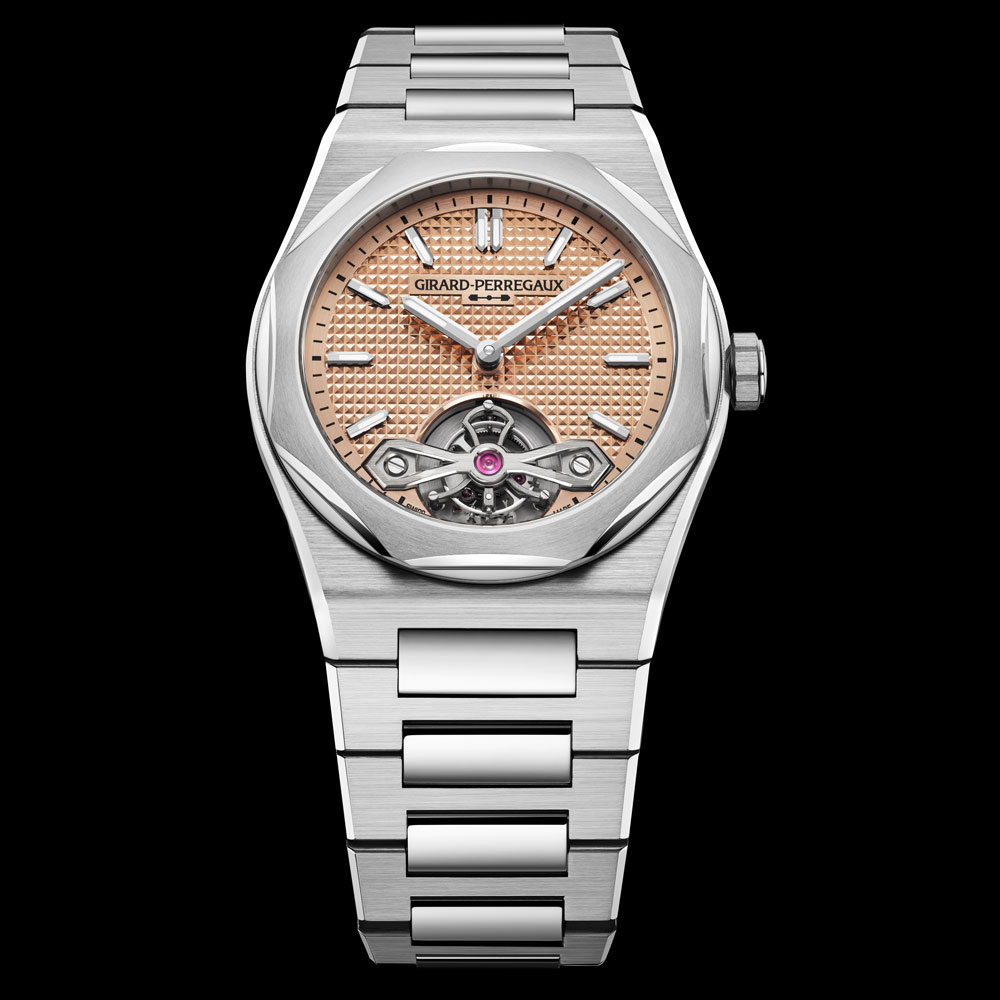
At the same time, the distinction between women’s and men’s watches is becoming less clear-cut. Many models in these sizes fit a wide range of wrist sizes.
However, larger sizes haven’t completely disappeared. The Oris ProPilot X Gonzo Edition, at 44 millimeters, deliberately makes a statement.
Open works remain present
Exposed structures and visible mechanics are also featured in numerous new products.
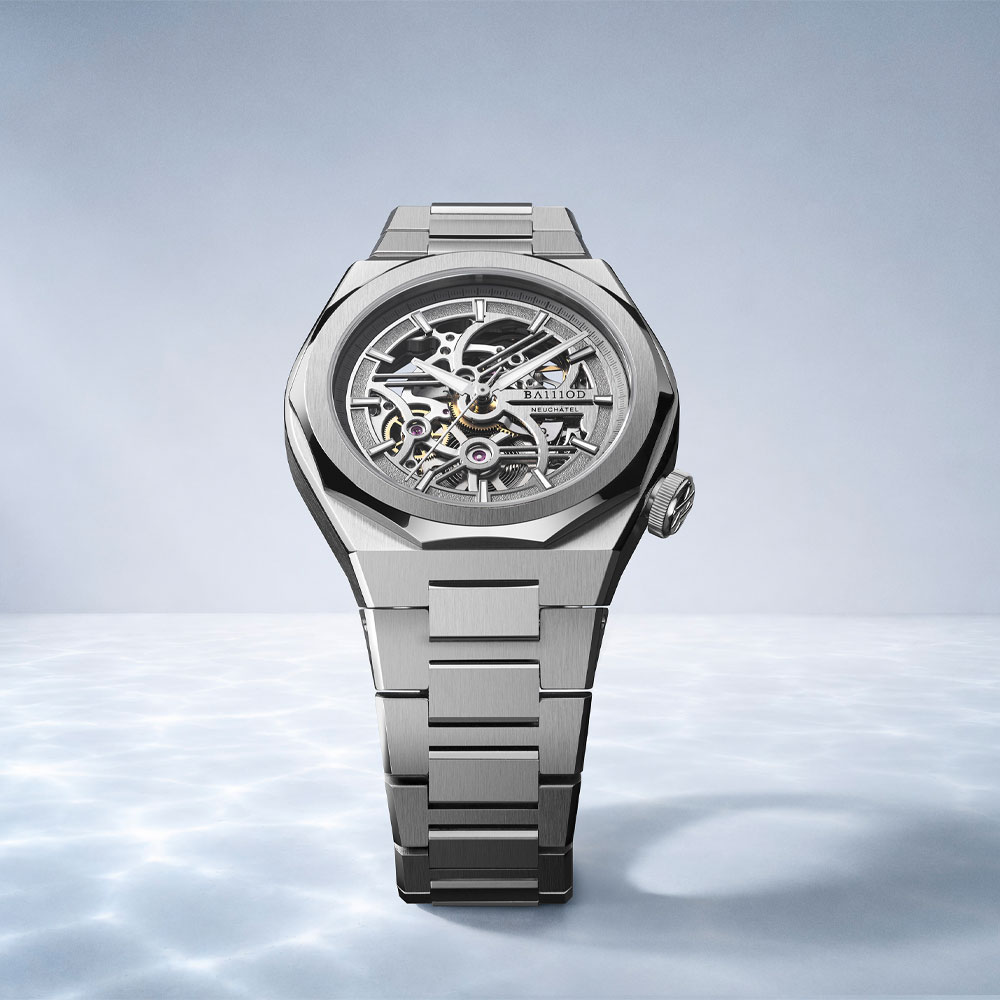
In BA111OD, in the “Chapter 7 Skeleton” section, the mechanism itself becomes a design element.
Oris also offers the ProPilot X Gonzo in a skeletonized version (see above)
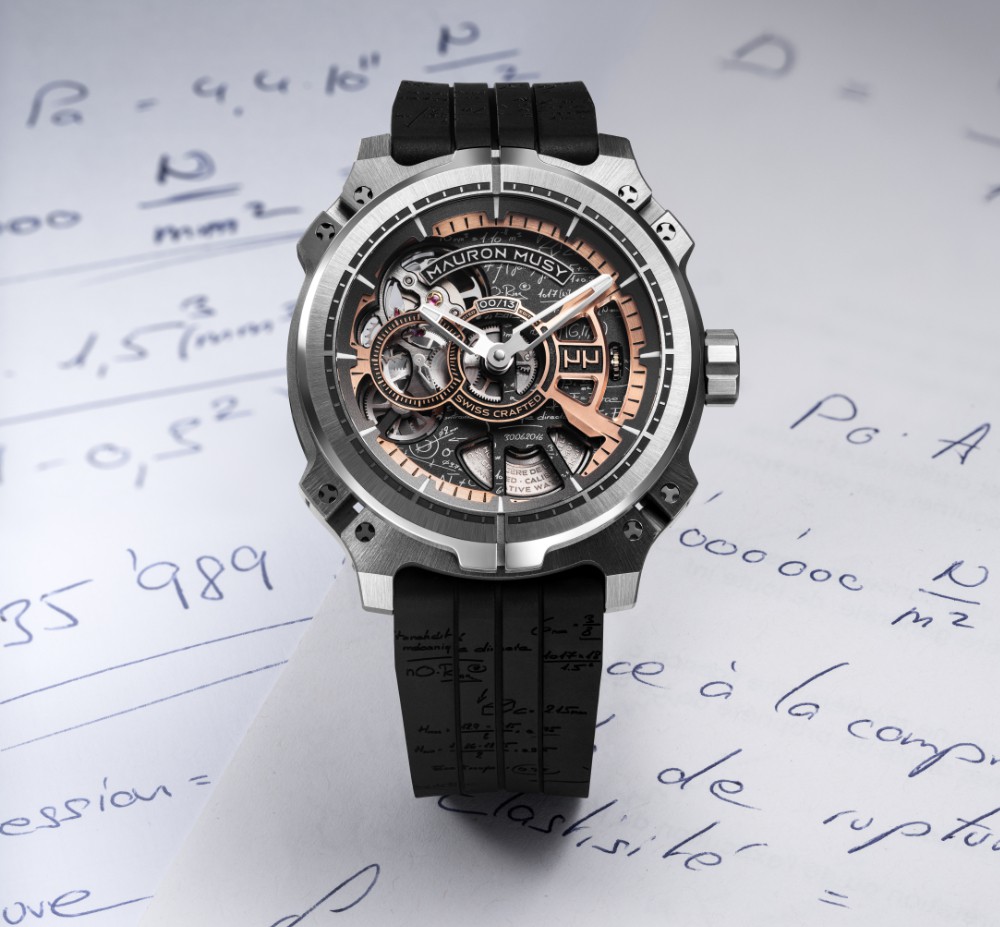
With the MU05-111 nO-Ring Origin, Mauron Musy is blazing his own trail: excerpts from Christophe Musy’s original technical calculations appear on a black plate within the open dial. Each of the 13 watches features a different excerpt.
Open designs are no longer used simply to show as much of the mechanism as possible. They are part of the respective design language.
Complications of all kinds
In 2026, the Geneva Watch Days will once again showcase the diverse ways in which mechanical complications are interpreted.
On the De Bethune DB25 Digitale, the hour is displayed in a jumping window, while the minutes are shown via a rotating disc. Added to this is the characteristic spherical moon phase, which, according to the manufacturer, deviates by only one day after 1,112 years.
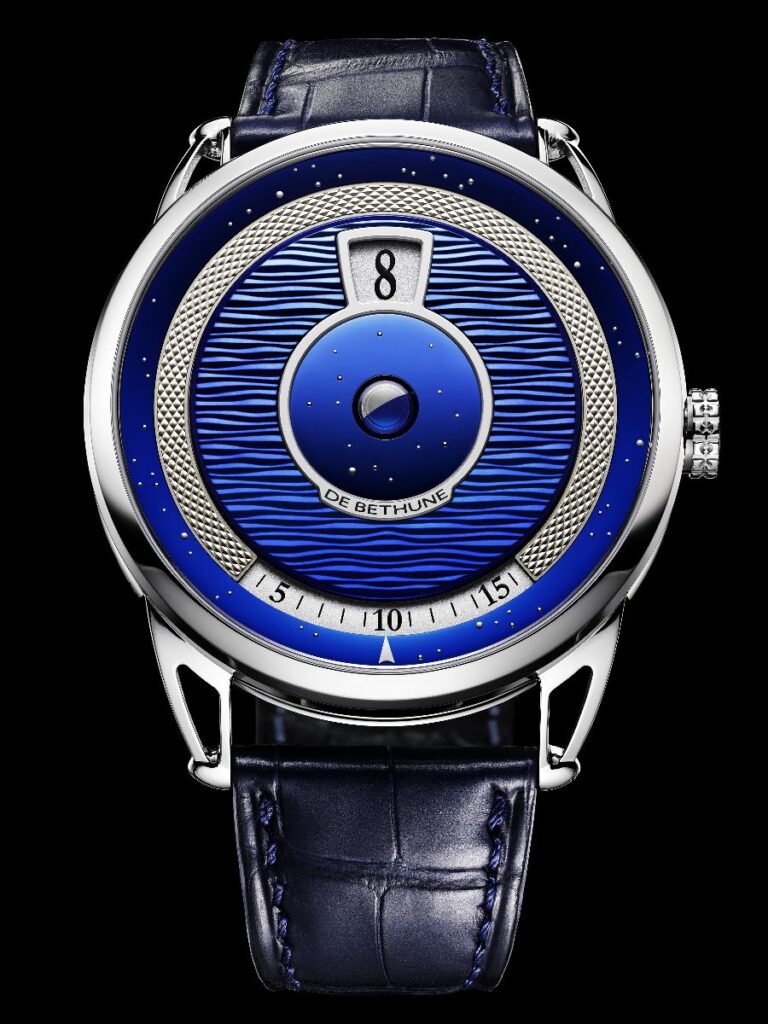
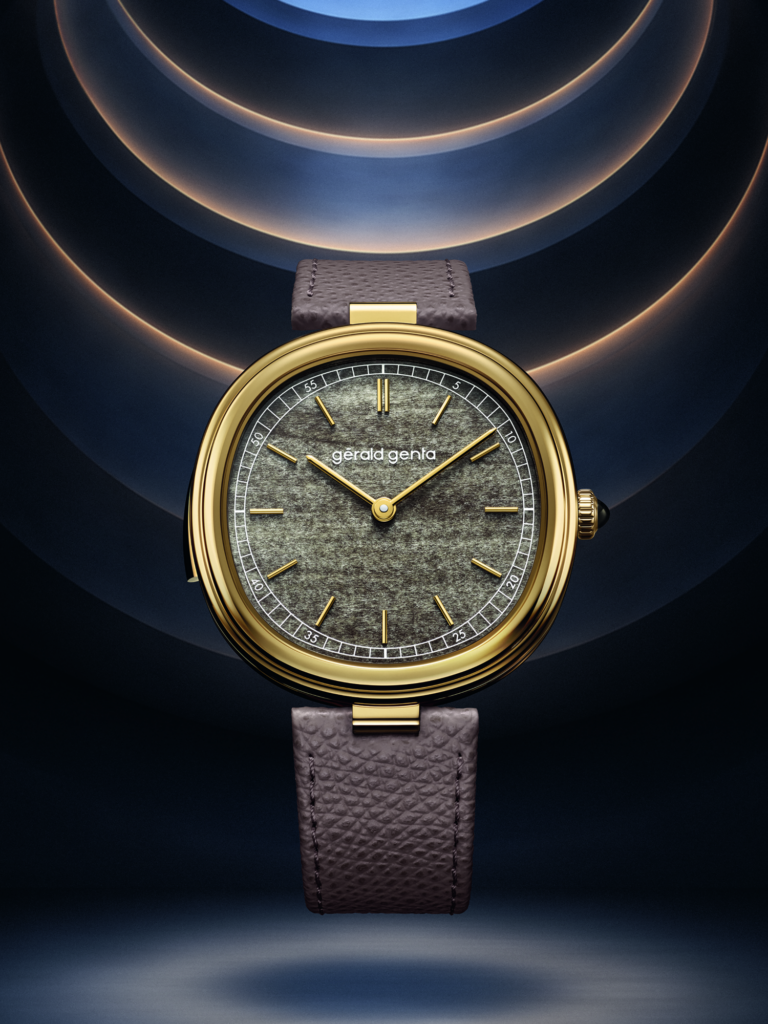
With the Geneva Minute Repeater Golden Obsidian, Gérald Genta focuses on one of the classic grand complications. The hand-wound GG-002 caliber consists of 316 components; the gongs and hammers are tuned to the tonal characteristics of the minute repeater.
David Candaux’s DC6 Wildfire features a flying tourbillon inclined at a 30-degree angle. The design is consistently geared toward lightweight construction: titanium for the movement and inner case is paired with a unidirectional carbon fiber bezel.
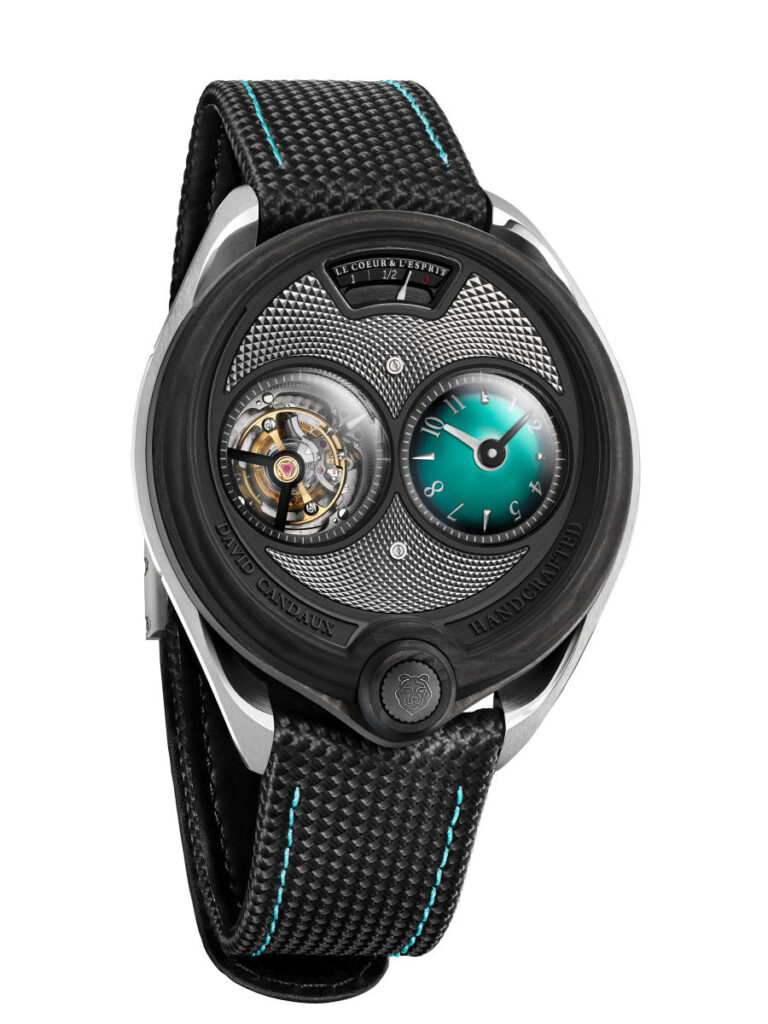
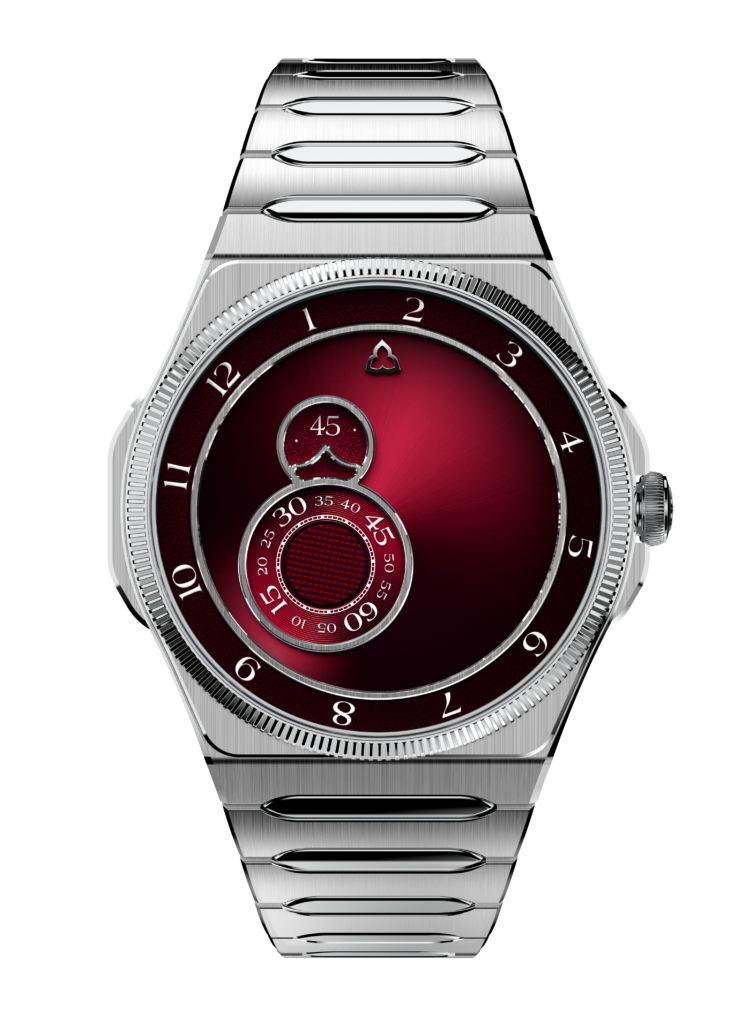
Trilobe, on the other hand, demonstrates that even the way time is displayed can become a complication in itself. In the Château Trente-Deux, three rotating elements display the hours, minutes, and seconds—there are no traditional hands.
In addition, other brands feature tourbillons, retrograde displays, jumping hours, astronomical functions, and unusual movement architectures. Especially among independent watchmakers, the technical concept often serves as the starting point for the entire watch.
More about these watches: https://insight-luxury.com/2026/09/03/geneva-watch-days-2026-sechs-neuheiten/
It doesn’t always have to be round
Anyone who’s looked here already has probably noticed: once again, this shows that watches don’t have to be round. The same goes for the cover photo for this post:
The ALTO ART 02, which is also made of titanium and thus embodies several of today’s trends
No Consistent Look
Titanium alongside tantalum and steel. Natural stone alongside meteorite. 38 millimeters alongside 44 millimeters. Three-hand watches alongside tourbillons, dual-time displays, and skeletonized designs.
The most distinctive features of Geneva Watch Days 2026 are therefore not so much a specific color or shape as a few recurring themes:
Materials are becoming more diverse. Watches continue to get smaller. Dials are gaining a greater sense of individuality through the use of gemstones and finishes. And mechanical complications remain a central focus, especially among independent watchmakers.