
French Watches and Motorsports: Seven Brands, Seven Perspectives
Watchmaking and motorsports share a common language of precision, speed, and controlled mechanics. Seven French brands demonstrate just how diverse this connection can be today: Lorige, Arpiem, Depancel, Kelton, Yema, Reservoir, and B.R.M Chronographes.
Lorige: Racing Materials Become Housing
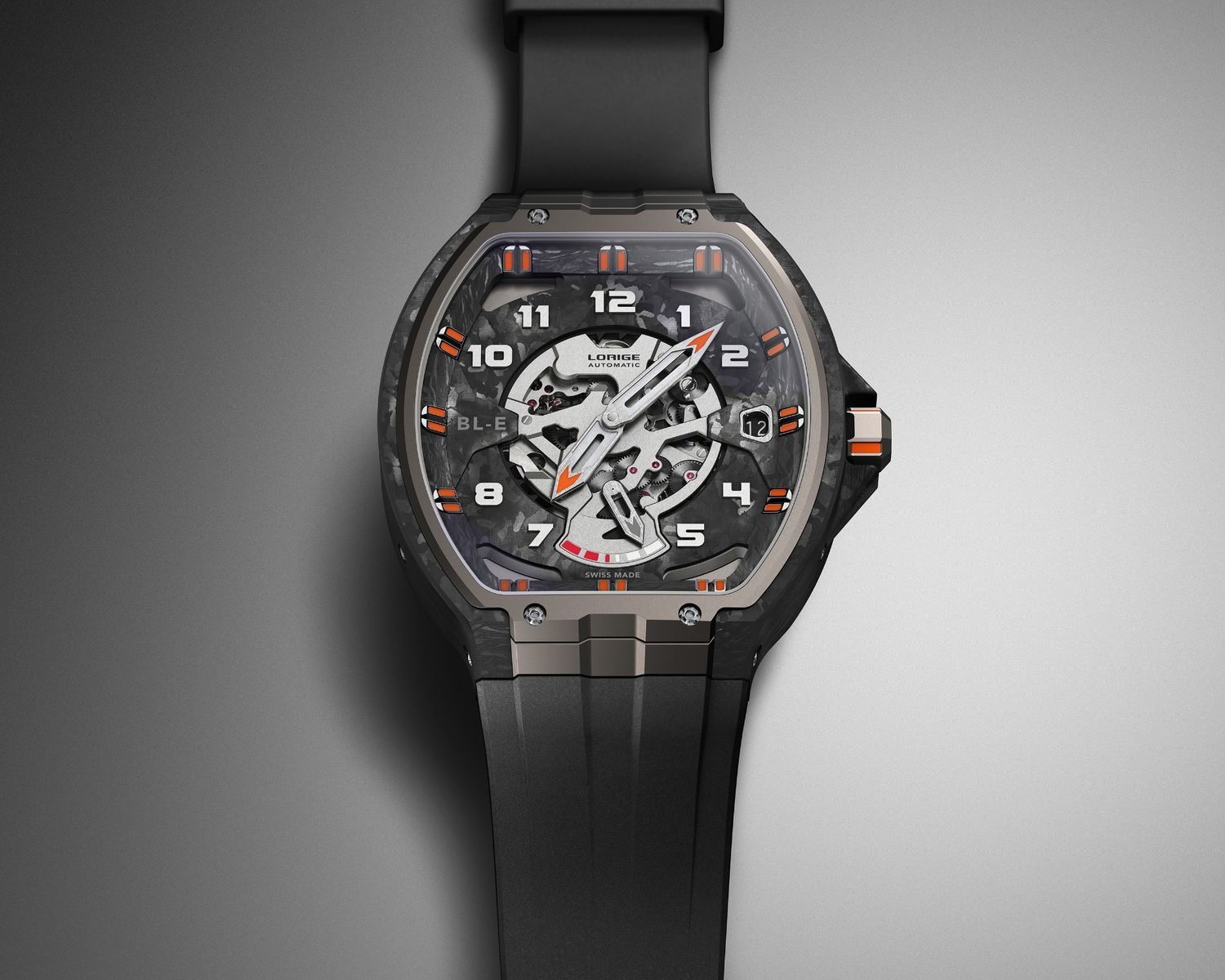
Lorige translates motorsports into watchmaking not only in terms of design but also in terms of materials. Founded in 2018, the brand transforms used carbon brake pads from racing into watch cases. To do this, the brand developed a patented process that allows the material—which has been subjected to high temperatures—to be reshaped. Each limited-edition watch thus literally bears the marks of a race car.
In the BL-Evolution, the brake pads are sourced from Aston Martin Valkyrie prototypes that were used, among other races, at the 2025 12 Hours of Sebring and the 2026 24 Hours of Daytona. Inside, the watch is powered by the LOR-DB hand-wound caliber developed by Chronode, featuring two barrels and a 168-hour power reserve.
Arpiem: Rally Instruments for the Wrist
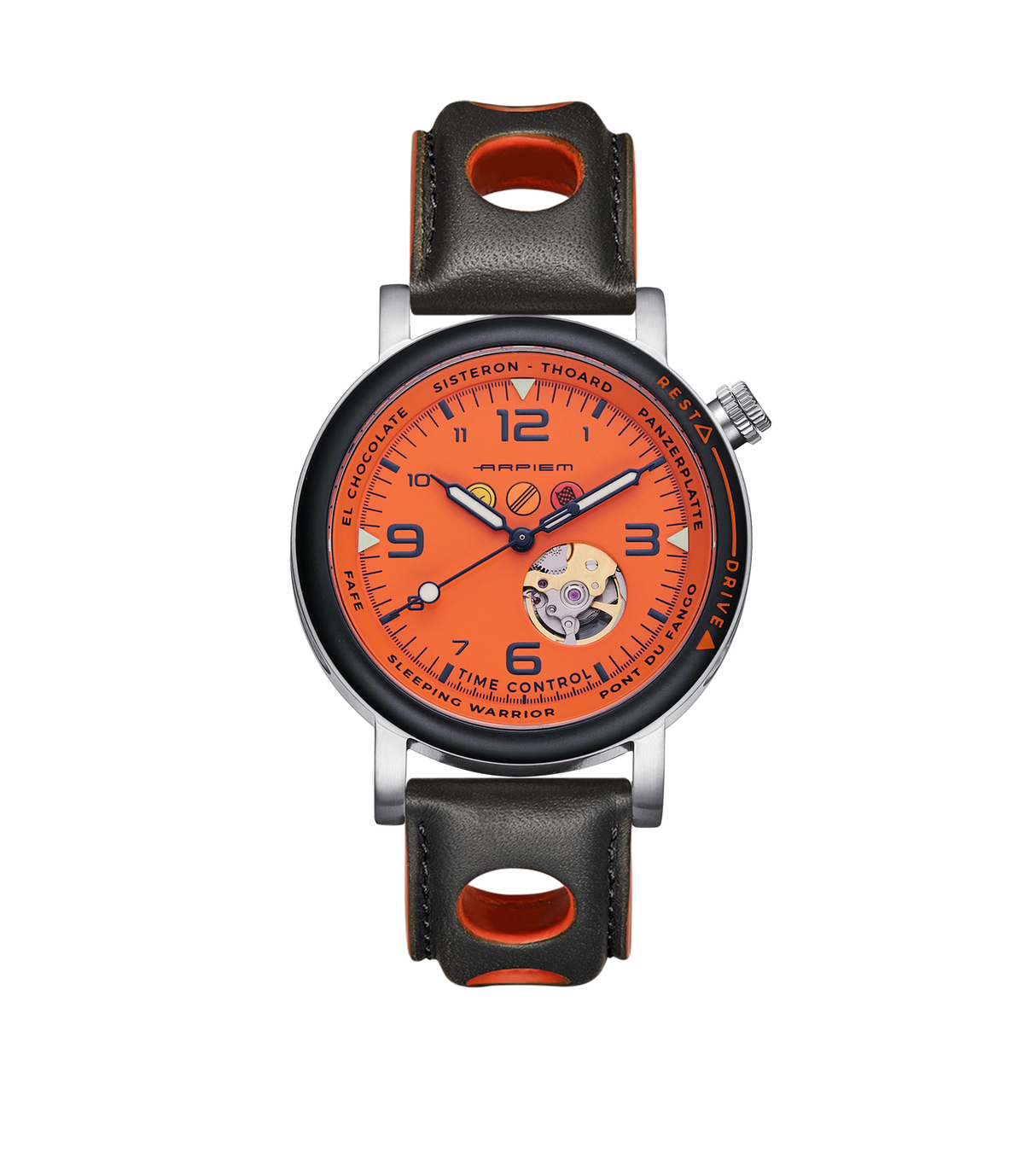
Arpiem draws its inspiration primarily from the vibrant world of auto racing in the 1960s and 1970s. The dials are characterized by the typography of vintage gauges, bold body colors, and the graphic layout of classic cockpits. The watches clearly draw inspiration from this era, yet remain distinct, contemporary interpretations.
This is particularly evident in the Ride & Drive collection. Its rotating dial switches between a classic position and an angled position designed for easier readability while driving. Models such as Fesh Fesh, Macchia, and Time Control pay homage to the Dakar Rally, the Tour de Corse, and historic rally special stages.
Depancel: Chronographs Like Instruments in the Cockpit
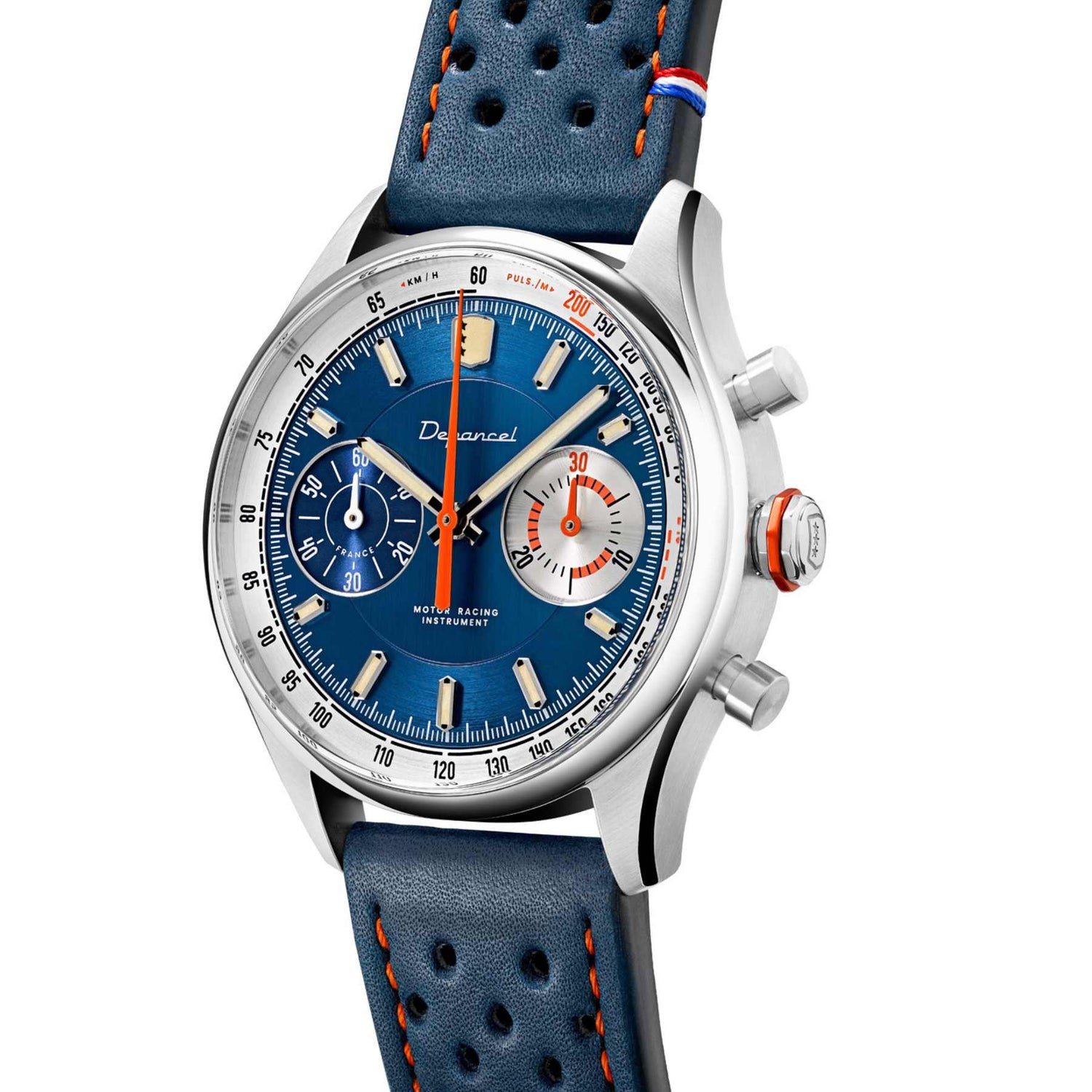
The name Depancel is a combination of Delage, Panhard, and Facel Vega—three French automobile brands. Founded in 2018, the Besançon-based manufacturer draws inspiration from the functional design of historic dashboards and combines it with classic chronograph mechanics.
Scales, contrasting accents, and perforated leather straps evoke the instruments and materials of classic sports cars. While the Autosport Racing Chronograph embraces the concept of an on-board timing device in a particularly direct way, the Allure Chronographe Manuel pictured here also demonstrates how Depancel combines technical readability with French racing nostalgia.
Kelton: Racing Design from the 1970s
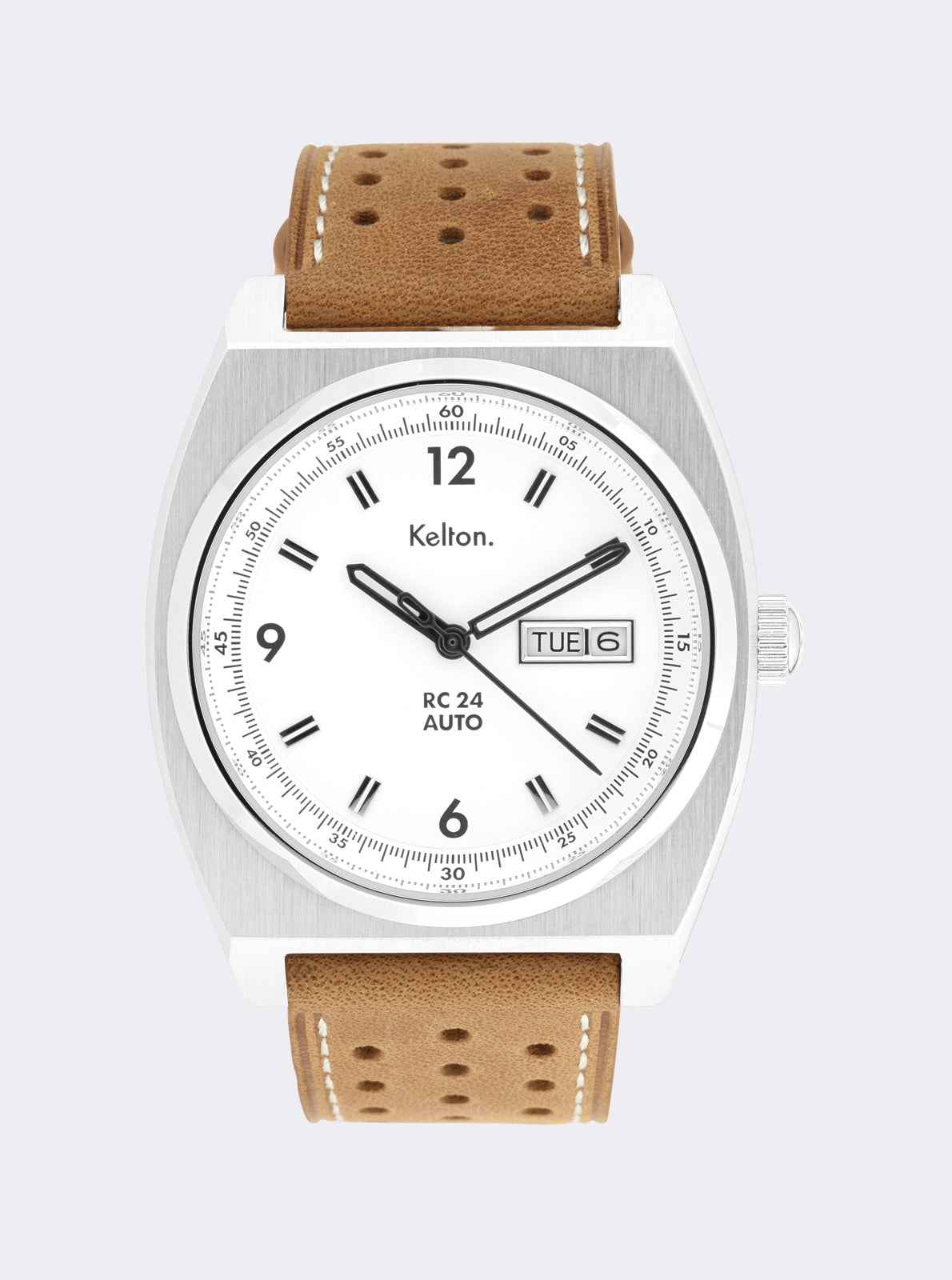
Kelton’s connection to motorsports dates back to the 1970s. At that time, through its then-parent company Timex, Kelton formed a partnership with Emerson Fittipaldi, the 1972 and 1974 Formula 1 World Champion. In 1975, three limited-edition models bearing the Brazilian racer’s signature were released.
Today’s RC line revisits this history with bold colors, striking cases, and a deliberately uncomplicated racing look. The RC 24 refines the historic design with sleeker lines and is available with automatic, Mecaquartz, or quartz movements, depending on the model.
Yema: The Rallygraf—a French Sports Watch Icon
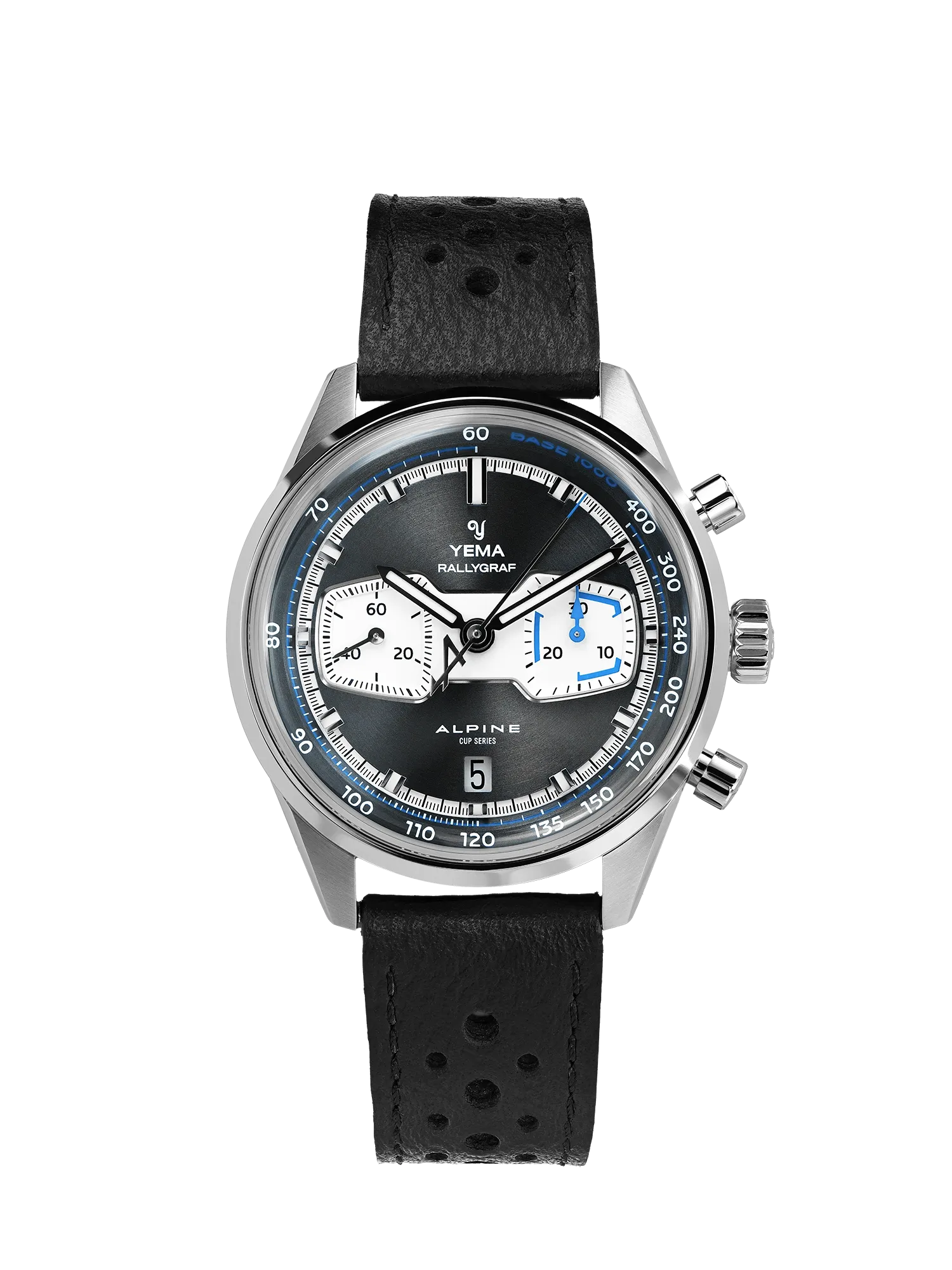
Yema has been associated with motorsports since the 1960s. With its high readability, contrasting dials, and tachymeter design, the Rallygraf became one of the most famous French chronographs. Drivers such as Mario Andretti and, later, Franck Montagny epitomize this connection.
Today, Yema continues this theme through collaborations such as the Alpine Elf Cup Series. The Rallygraf Alpine Cup Series MK II combines an internal tachymeter scale with a perforated rally strap, while its blue dial echoes one of the signature colors of French motorsports.
Reservoir: The Logic Behind the Tachometer
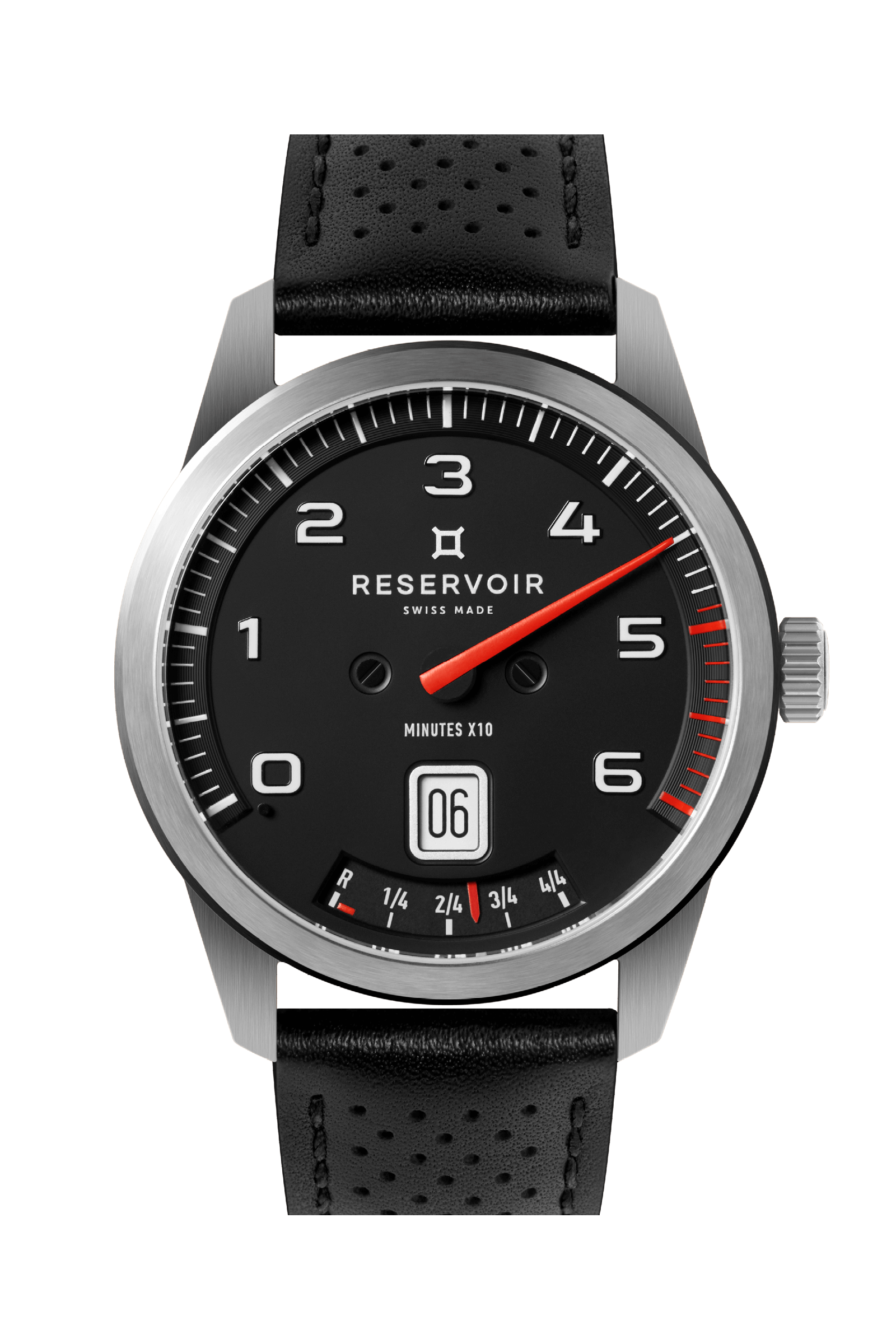
Reservoir applies the display principles of analog gauges to the wrist. A retrograde minute hand moves along an arc and jumps back to its starting point after one hour; the hour is displayed separately in a window. A power reserve indicator complements the design, which is reminiscent of cockpit instruments.
The GT Tour draws on the design of classic GT cars: a black dial, bold contrasts, and a perforated leather strap evoke the look of tachometers and vintage sports seats. The unique display concept ensures that the automotive inspiration is not merely decorative, but rather the functional heart of the watch.
B.R.M. Chronographs: Mechanics from the Pit Lane
Bernard Richards founded B.R.M Chronographes in 2003 with the goal of incorporating the technical aesthetics of motorsports into French watches. Collections such as the V12 feature piston-shaped cases, distinctive pushers, and components reminiscent of brakes, rims, or suspension parts.
The brand also draws inspiration from racing technology in its design. Its proprietary “Shock Absorber” system is modeled after competition suspensions and is designed to absorb shocks and vibrations. Titanium, carbon fiber, stainless steel, and Makrolon reinforce the workshop-style aesthetic; special models for Corvette Racing and other partners highlight the connection to actual racing.
Seven Distinct Perspectives
These seven brands demonstrate that motorsports does not define a uniform style in French watchmaking. Sometimes they incorporate actual racing components; other times, they reinterpret historic chronographs, instrument panels, or suspension technologies. What they have in common is not so much a specific design language as a fascination with mechanics, readability, and motion.