A Moment at Franck Muller: Inside Its Extraordinary Cosmos
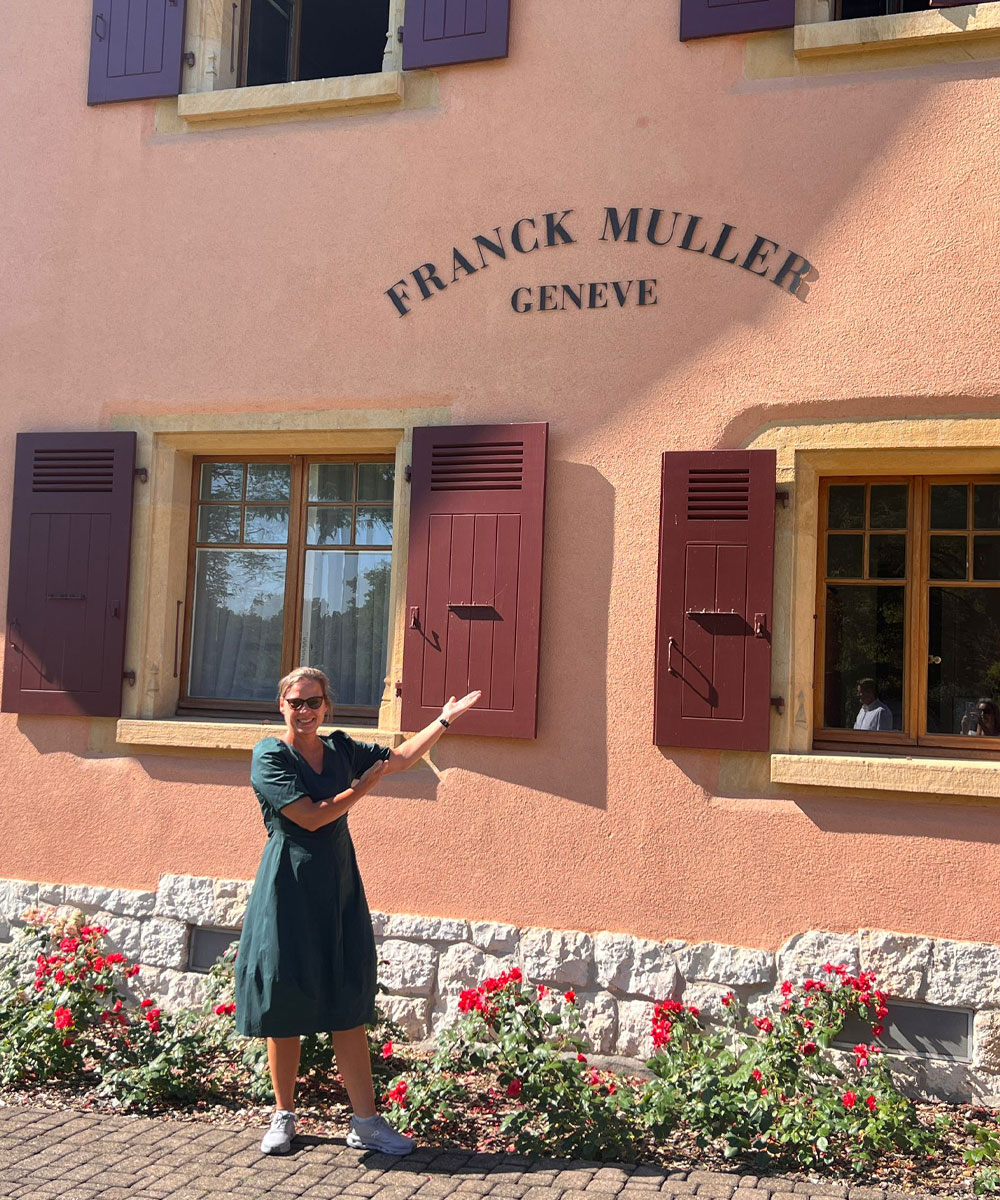
I recently had the opportunity to visit the Franck Muller manufacture. Over the course of two intense and rewarding days, the journey took me from the unique Watchland campus near Geneva to the Jura Arc, the historic and industrial heart of Swiss watchmaking.



After more than 25 years in the watch industry and countless visits to watch manufactures, I thought there was little left that could truly surprise me. Franck Muller proved me wrong. Not because of a single watch or a particular complication, but because stepping into its world feels like entering a cosmos all its own—fascinating, unconventional, and one that continues to divide opinion.
The Power of Vertical Integration
While many watch manufacturers rely on specialized suppliers for key components such as cases, dials, straps, and even movements, Franck Muller has taken a different path, operating several highly specialized production facilities of its own.
During my visit, I had the opportunity to tour each of them. It quickly became clear that it would have been easier to list the components the brand doesn’t manufacture itself. These are essentially limited to most balance springs and mainsprings, jewel bearings, and sapphire crystals. Virtually everything else is produced in-house—and exclusively for Franck Muller’s own watches.
In the Swiss watch industry, this level of vertical integration remains the exception rather than the rule. What makes it even more remarkable is that every component produced in-house is destined exclusively for Franck Muller’s own watches, not for third-party brands—underscoring the company’s commitment to maintaining the highest possible degree of independence.
Watchland – A Watchmaking World of Its Own
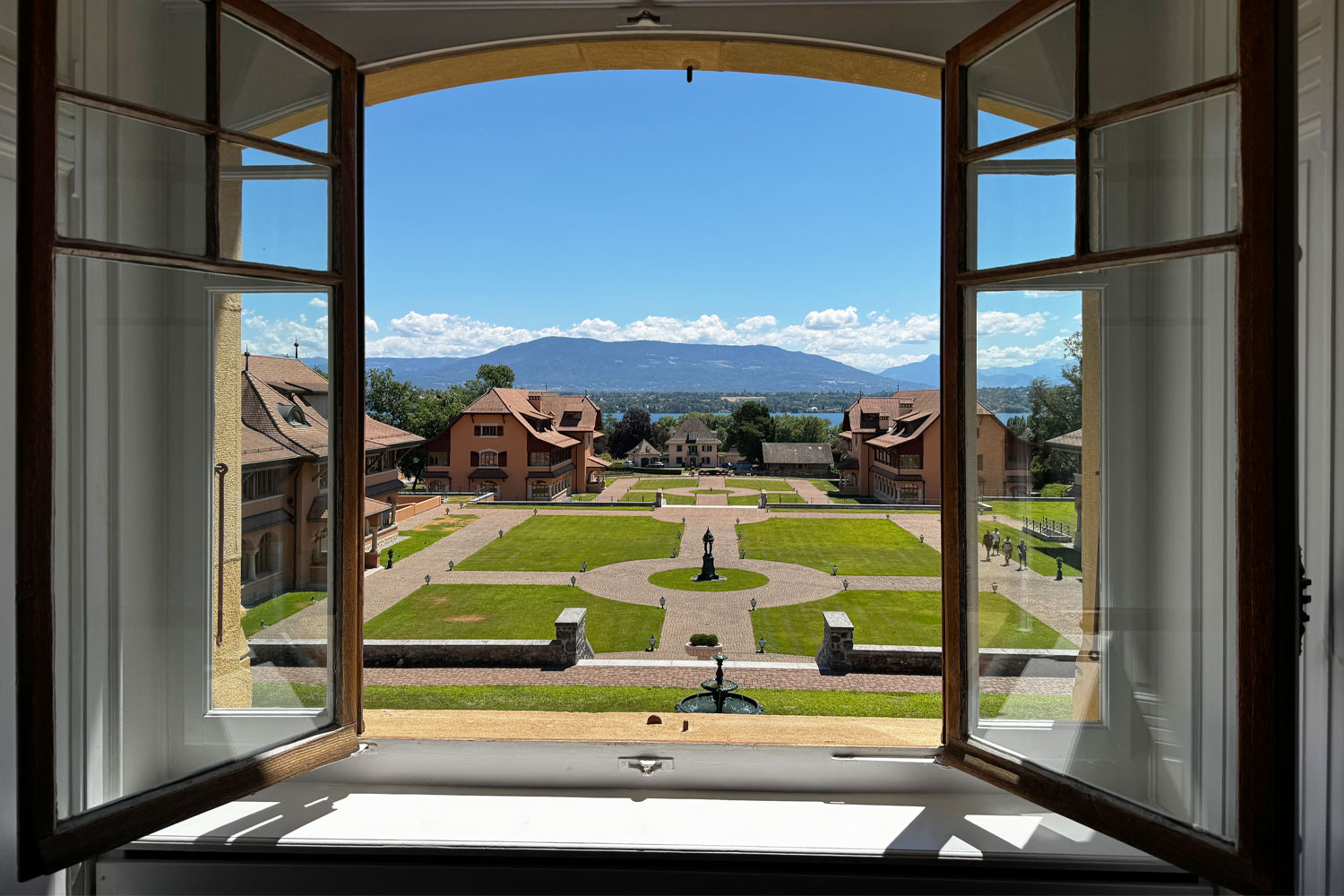
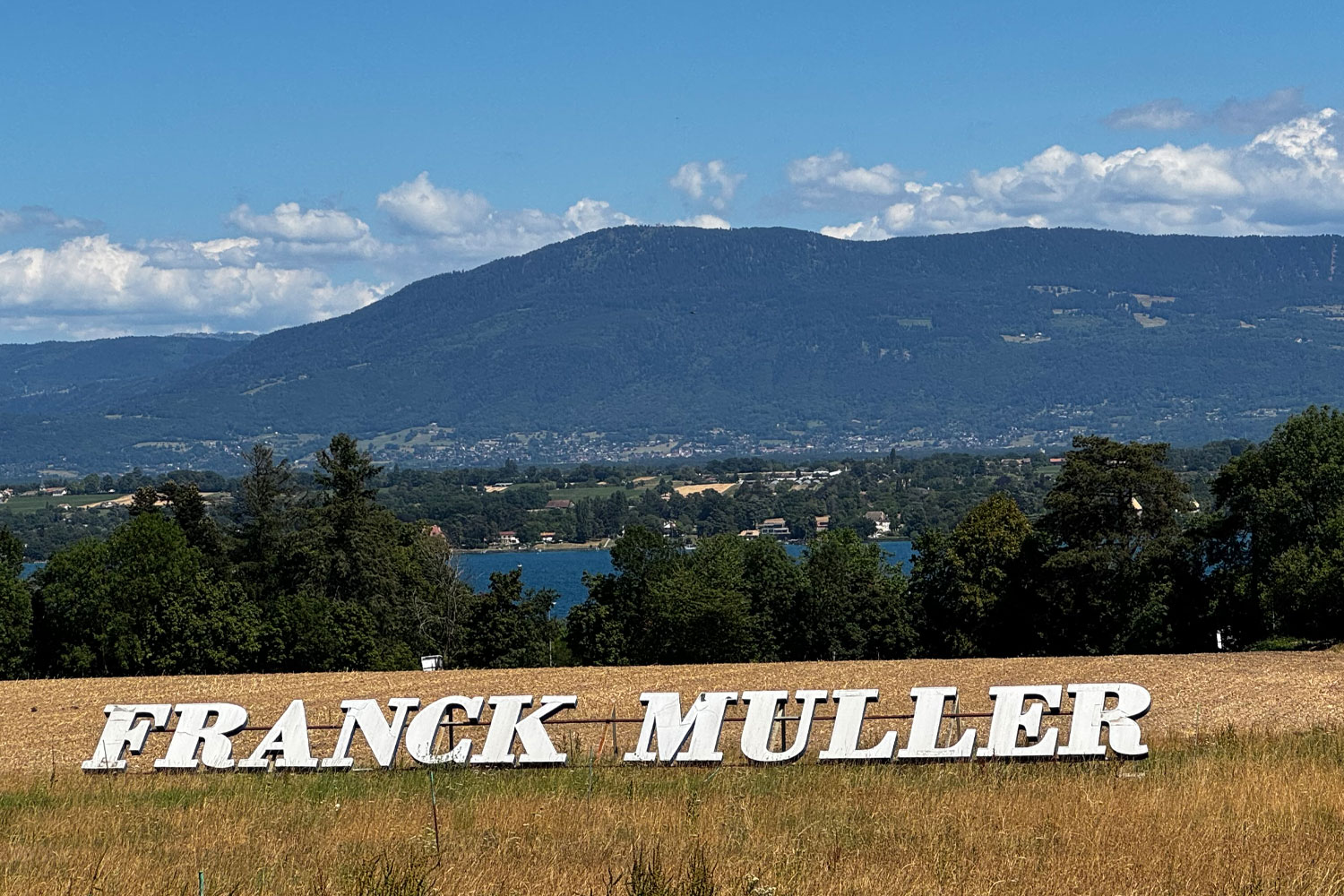
Watchland, this vast castle-like estate with its turrets, grand staircases, and manicured gardens overlooking Lake Geneva and Mont Blanc, looks at first glance like a film set straight out of the Harry Potter universe. Surrounding the neo-Gothic Château Grand Malagny, built in 1905, is a prestigious campus that seamlessly blends traditional architecture with state-of-the-art watchmaking.
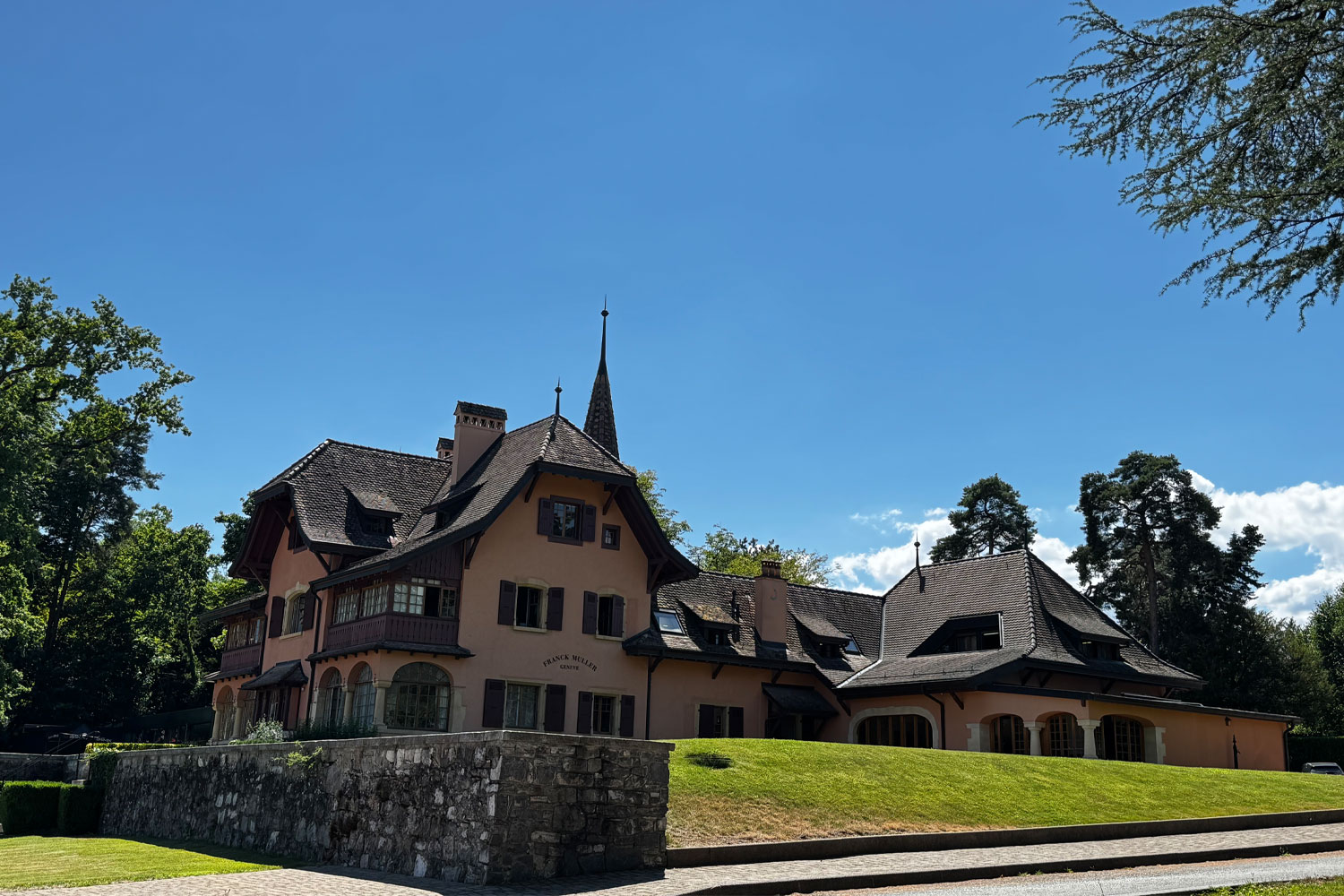
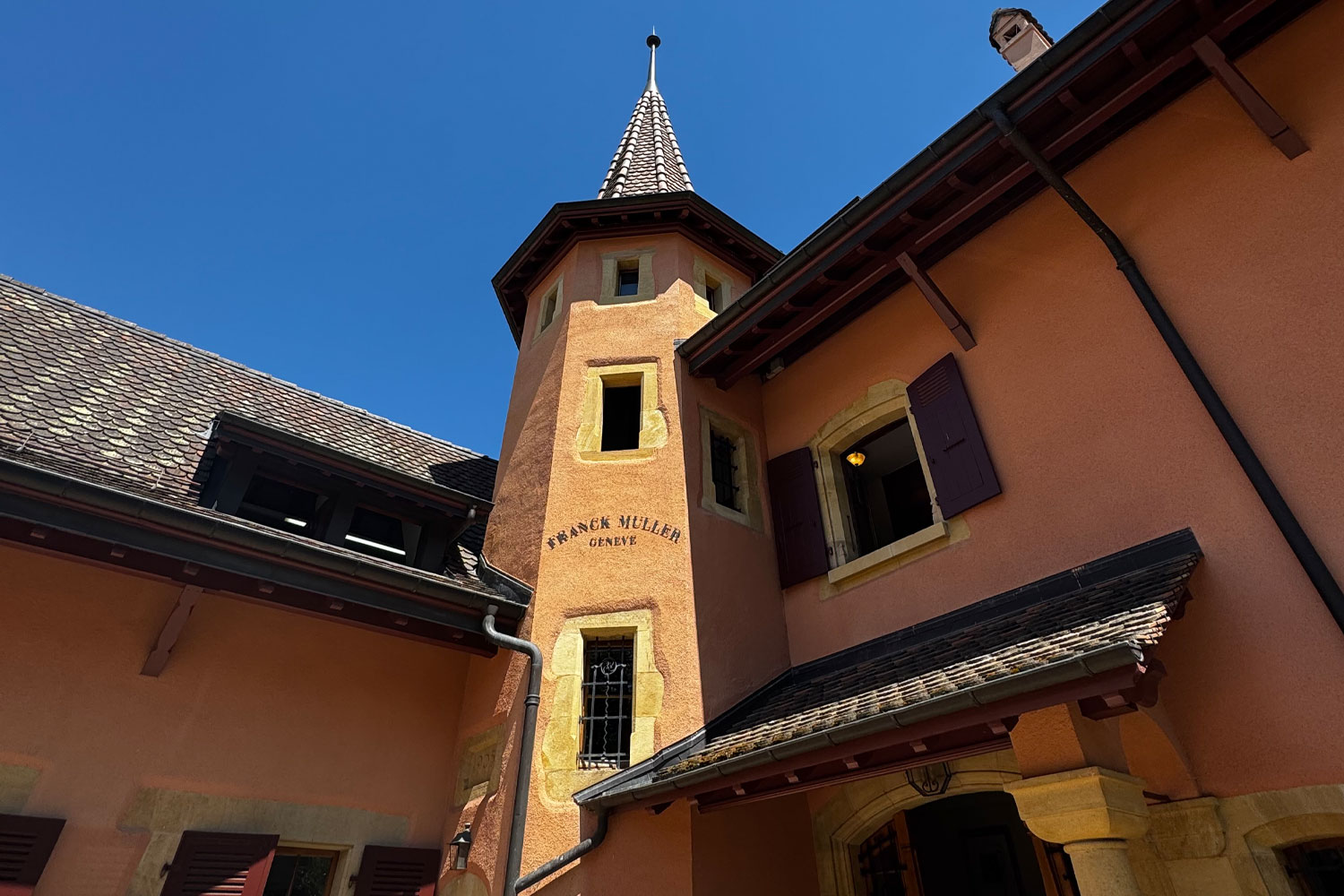
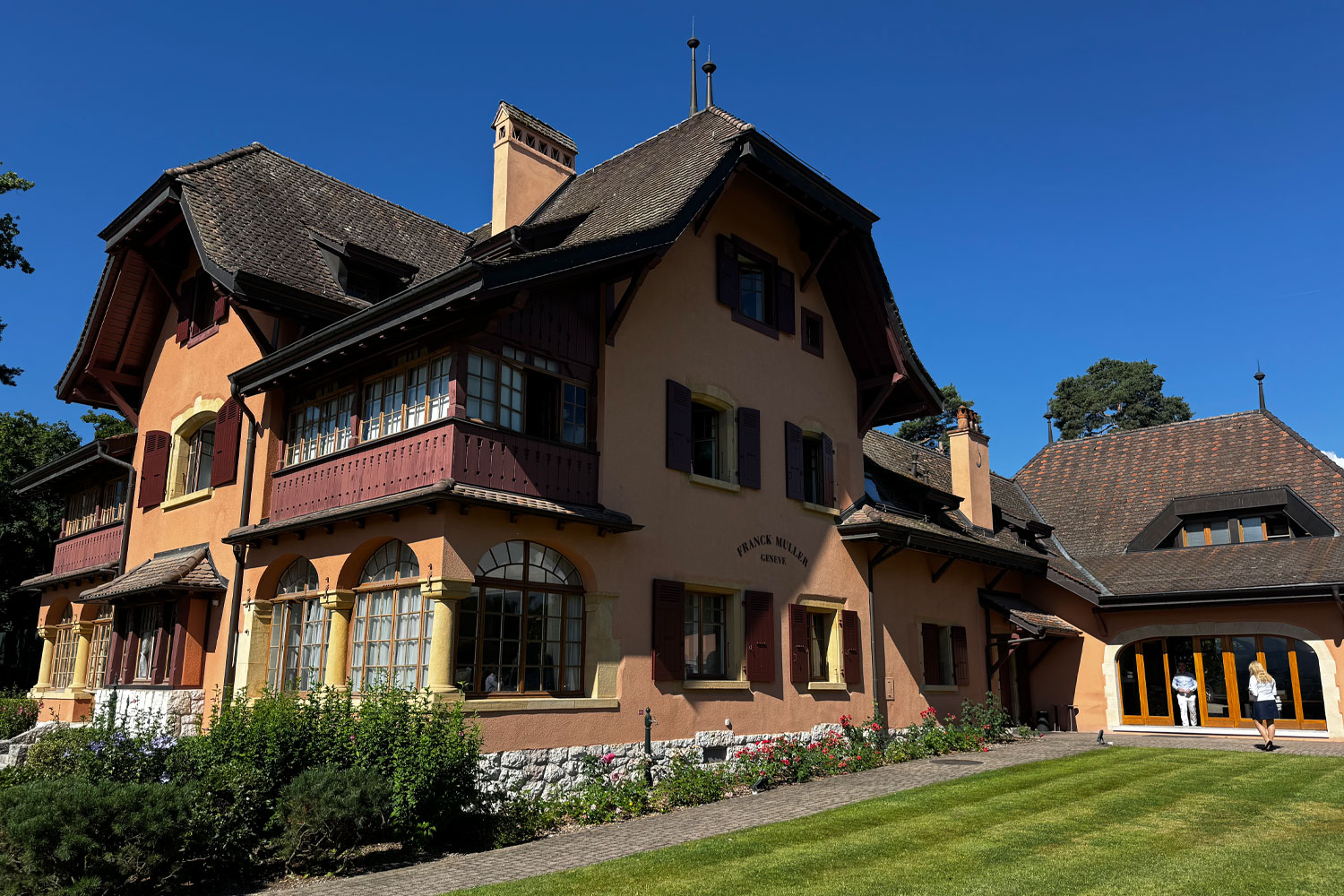
In a way, magic happens at Watchland, too. But instead of white rabbits or sawn-in-half assistants, what emerges here are exceptional timepieces. Behind the fairy-tale façade lies a cutting-edge manufacture, where several hundred specialists carry out the final stages of producing every Franck Muller watch.
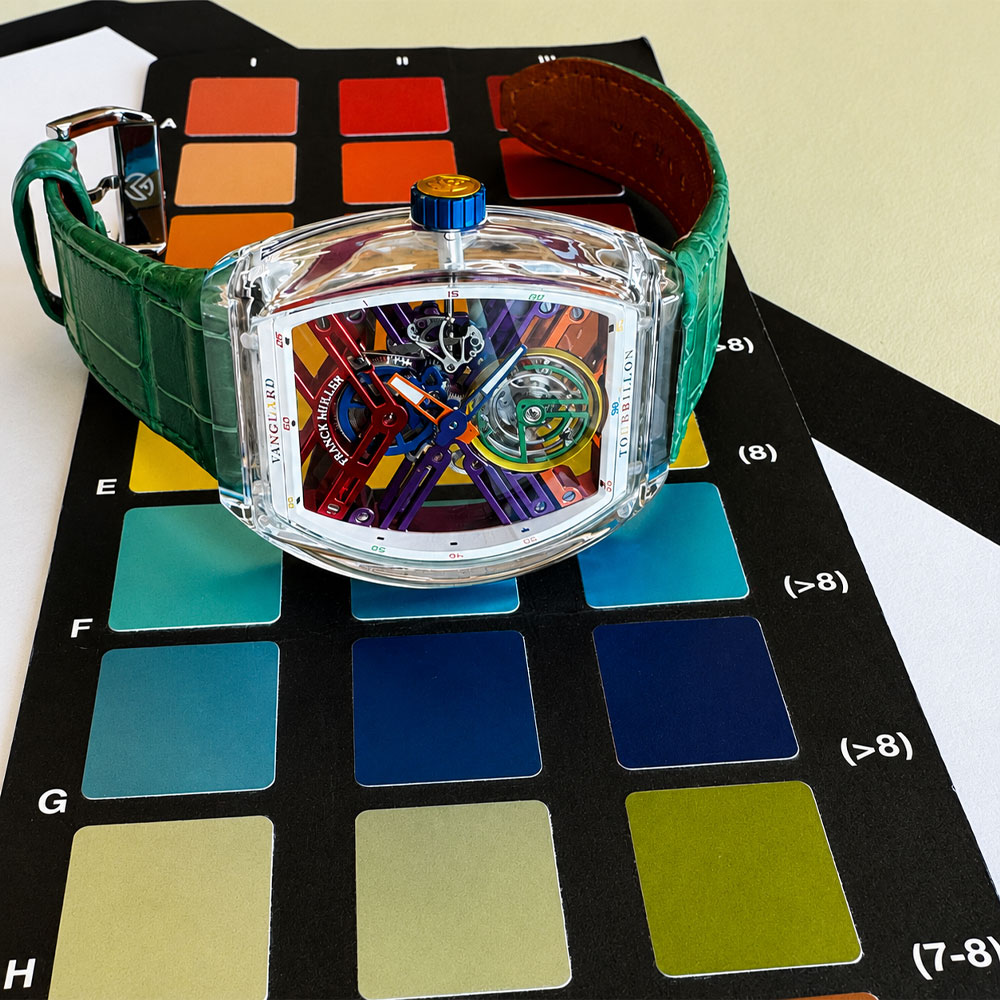
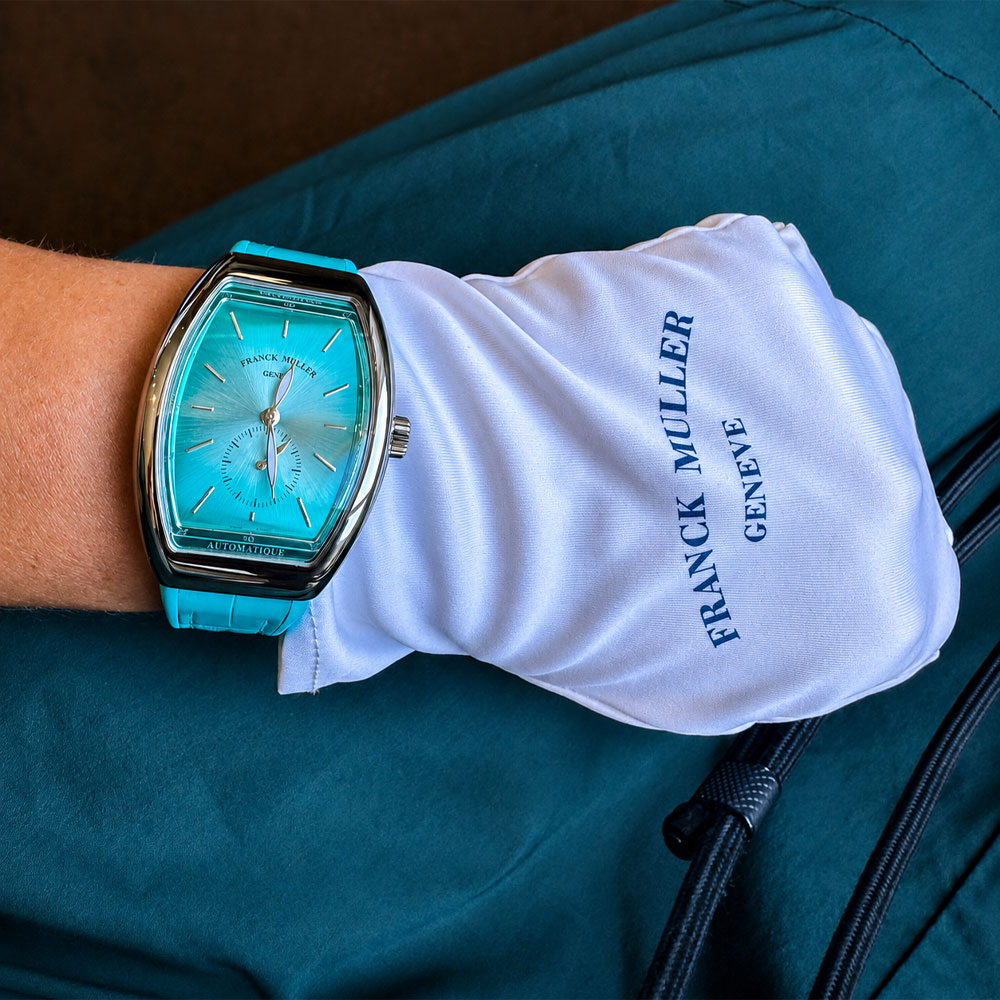
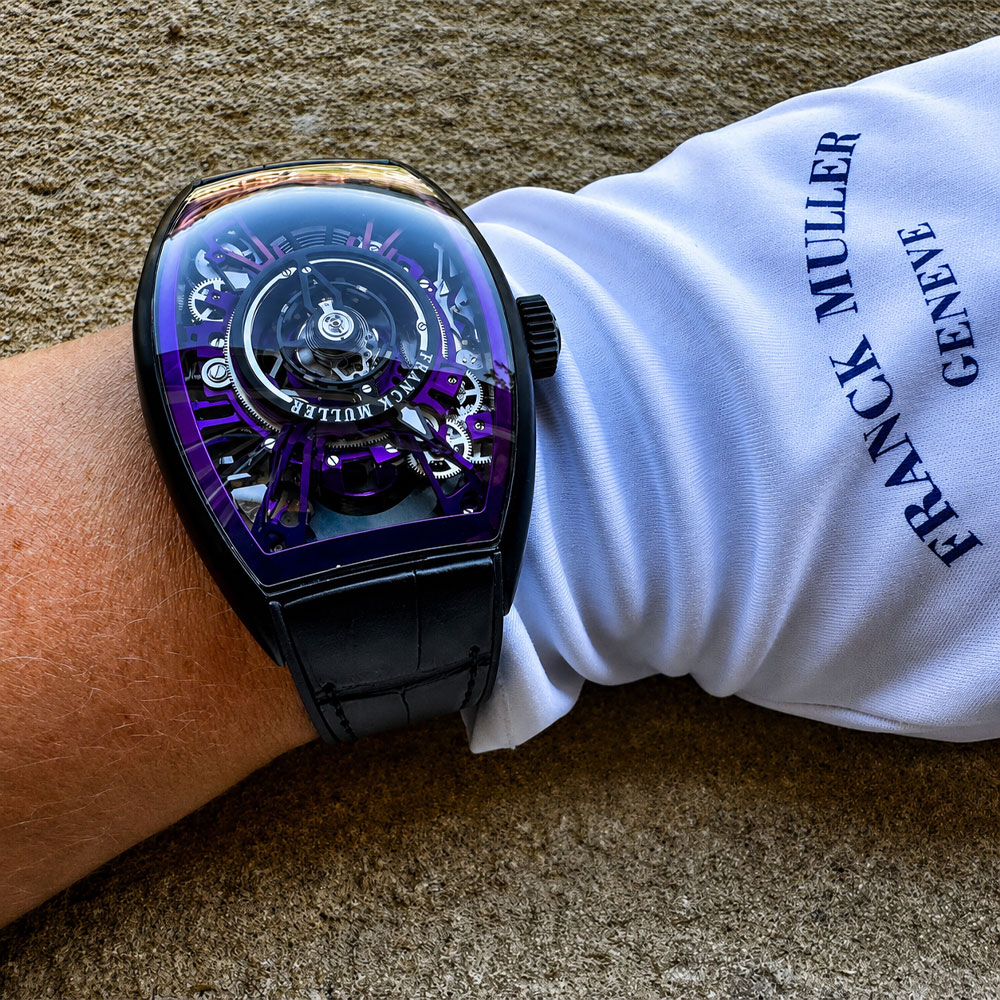
The result is an extraordinary collection of timepieces—from quartz to mechanical, from grand complications to playful, colourful creations. One thing they all share is Franck Muller’s unmistakable design language, defined by expressive aesthetics and its signature, often curved case shapes.
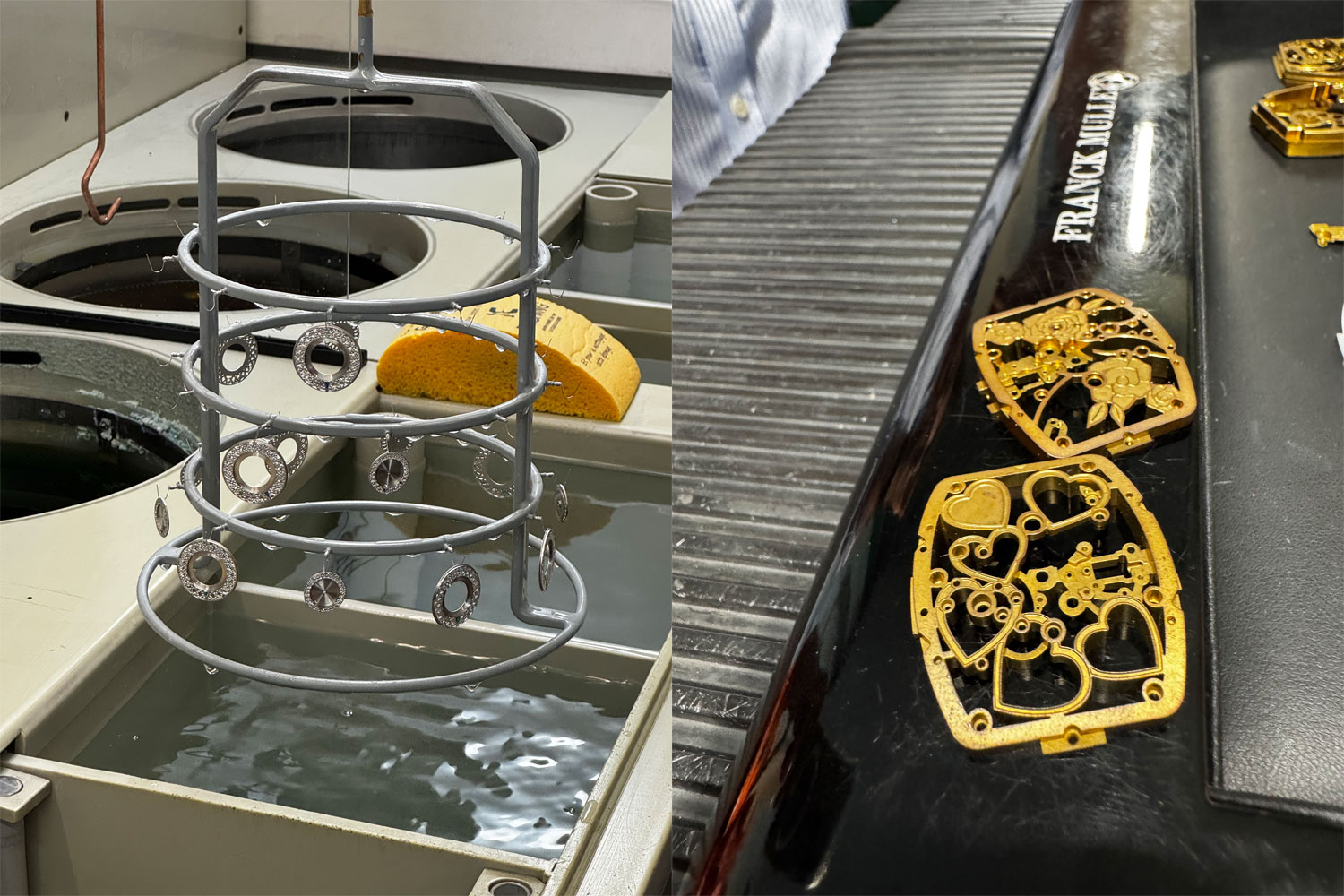
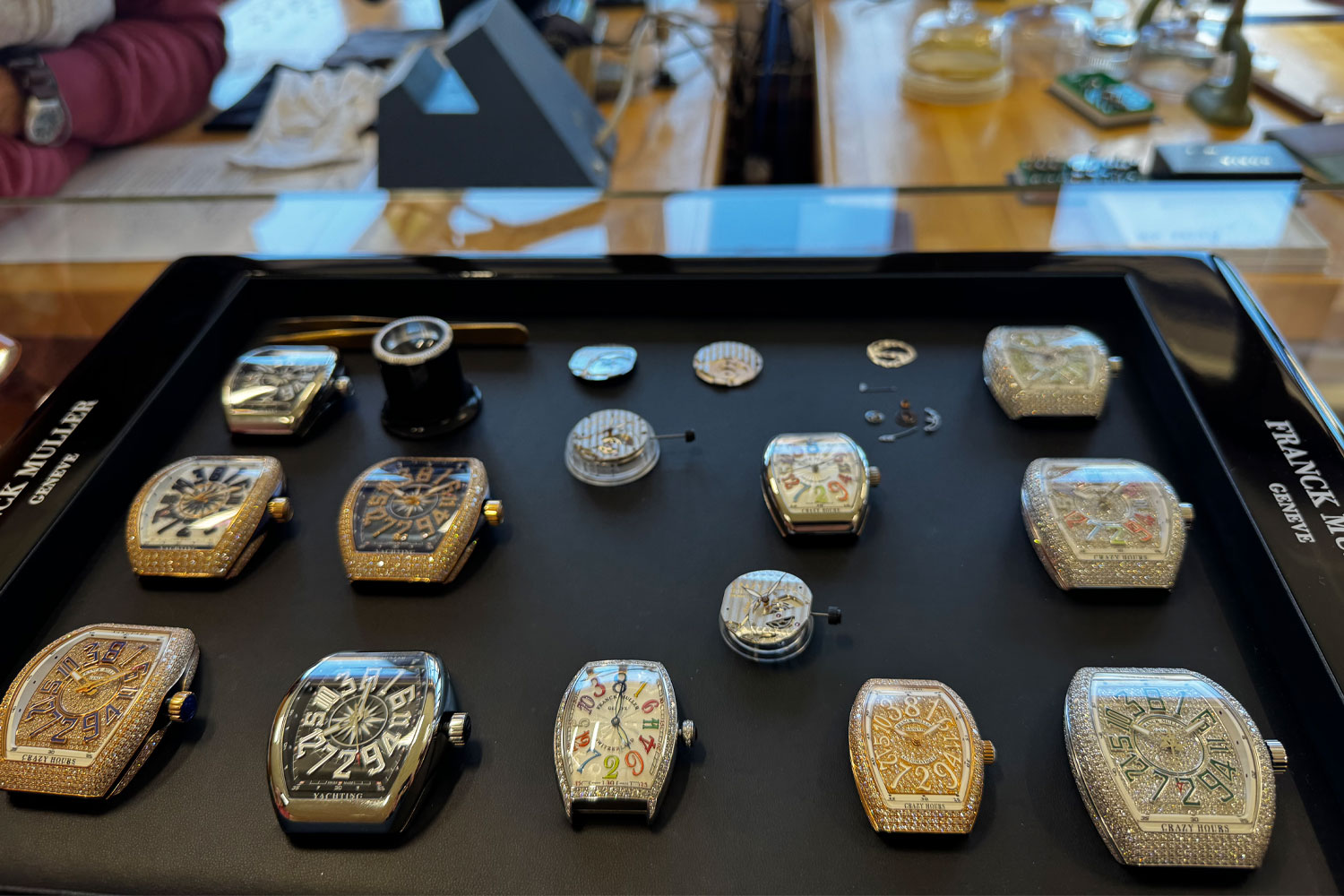
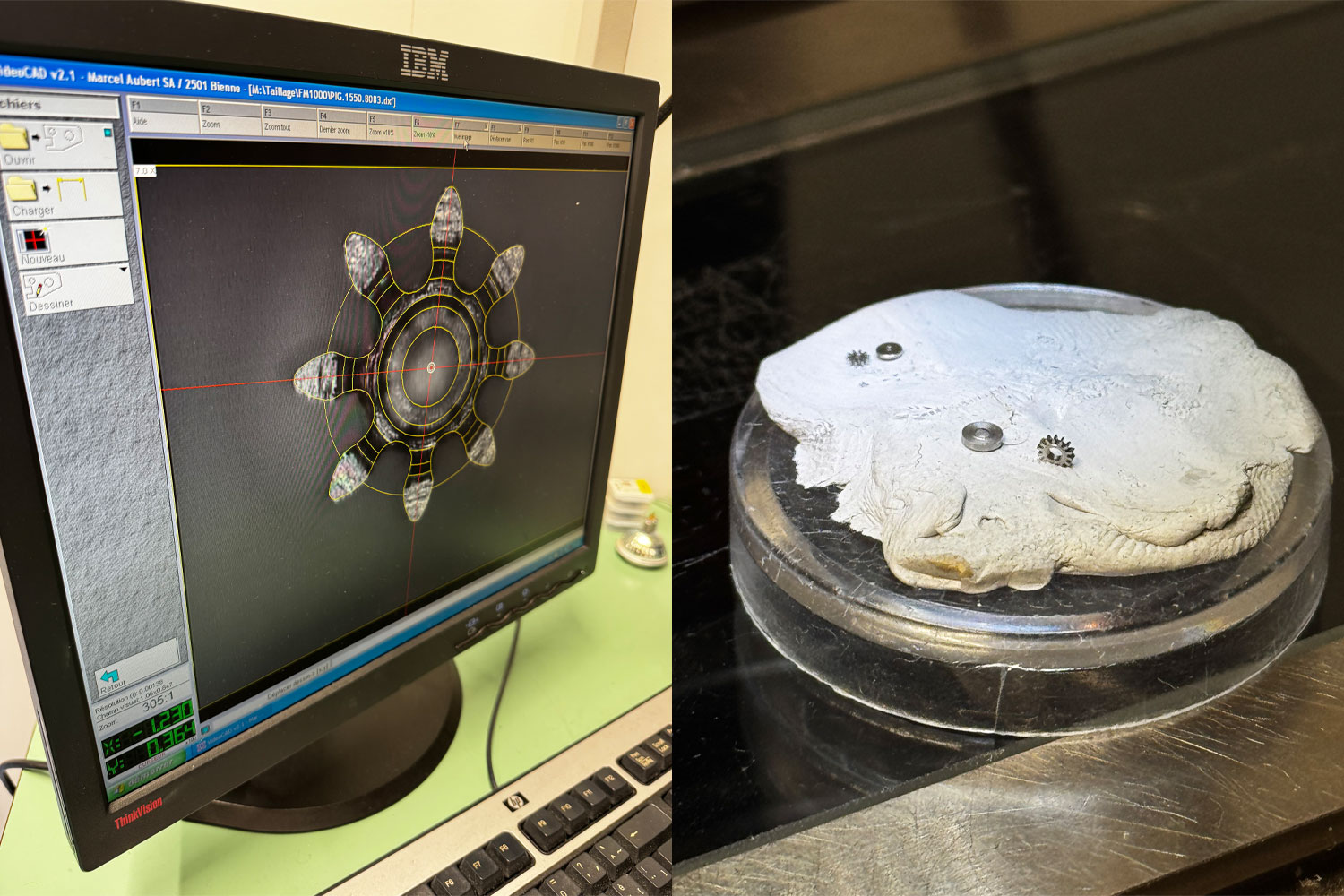
At Watchland, development, assembly, finishing, quality control, and after-sales service all take place under one roof. The site also carries out parts of the case manufacturing process, gem-setting, and the production of countless components—from the smallest screw to parts for some of the brand’s most complex calibres.
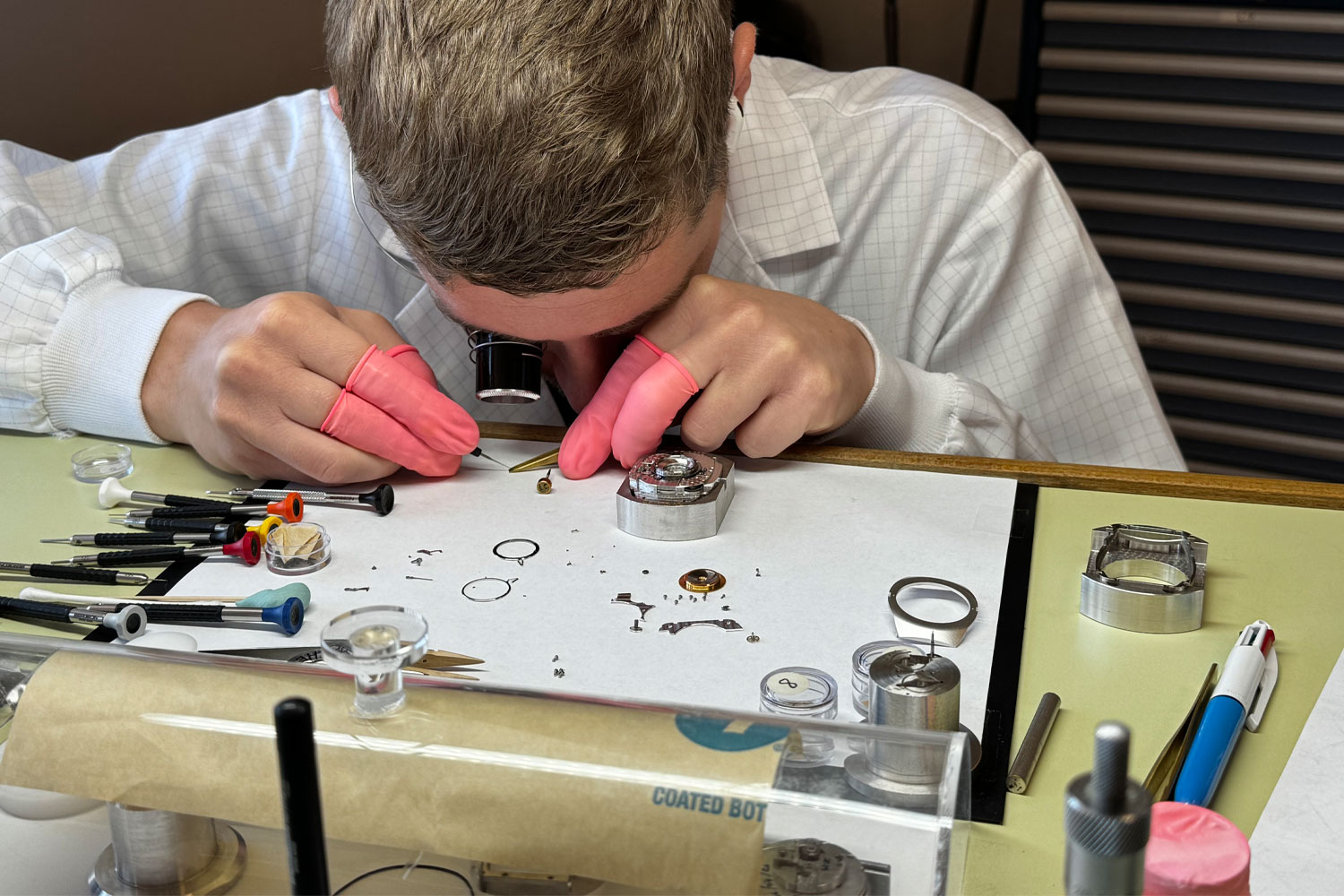
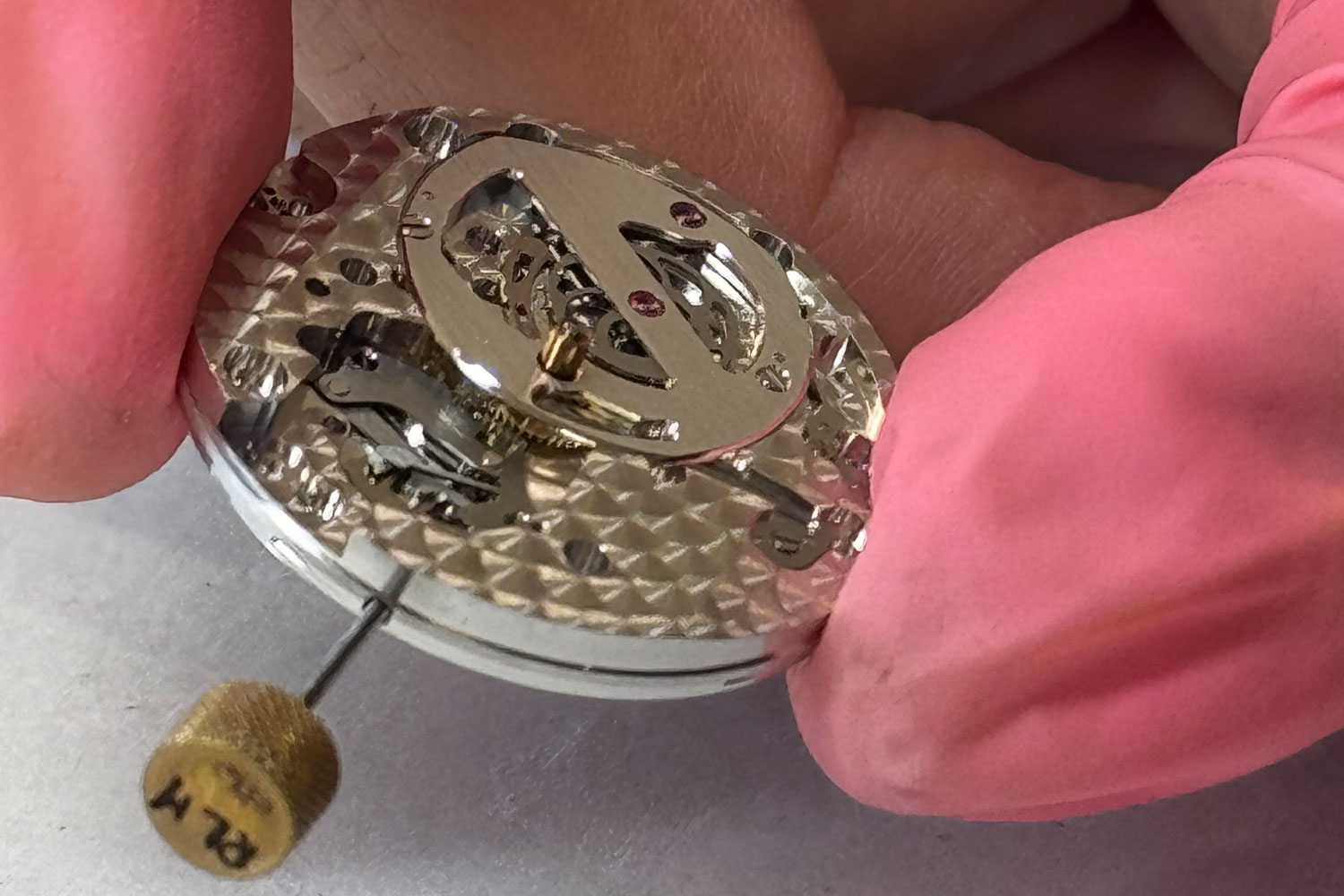
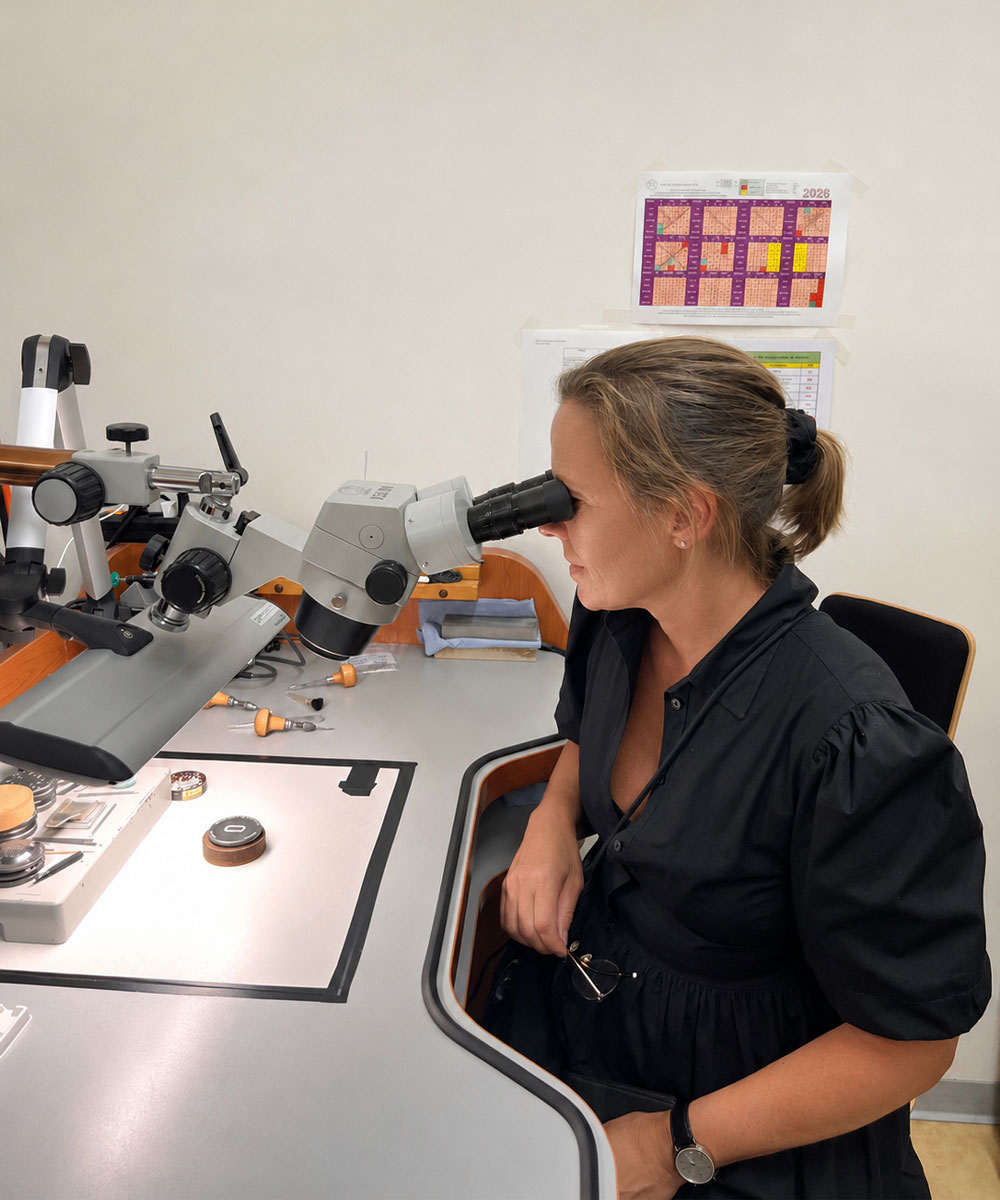
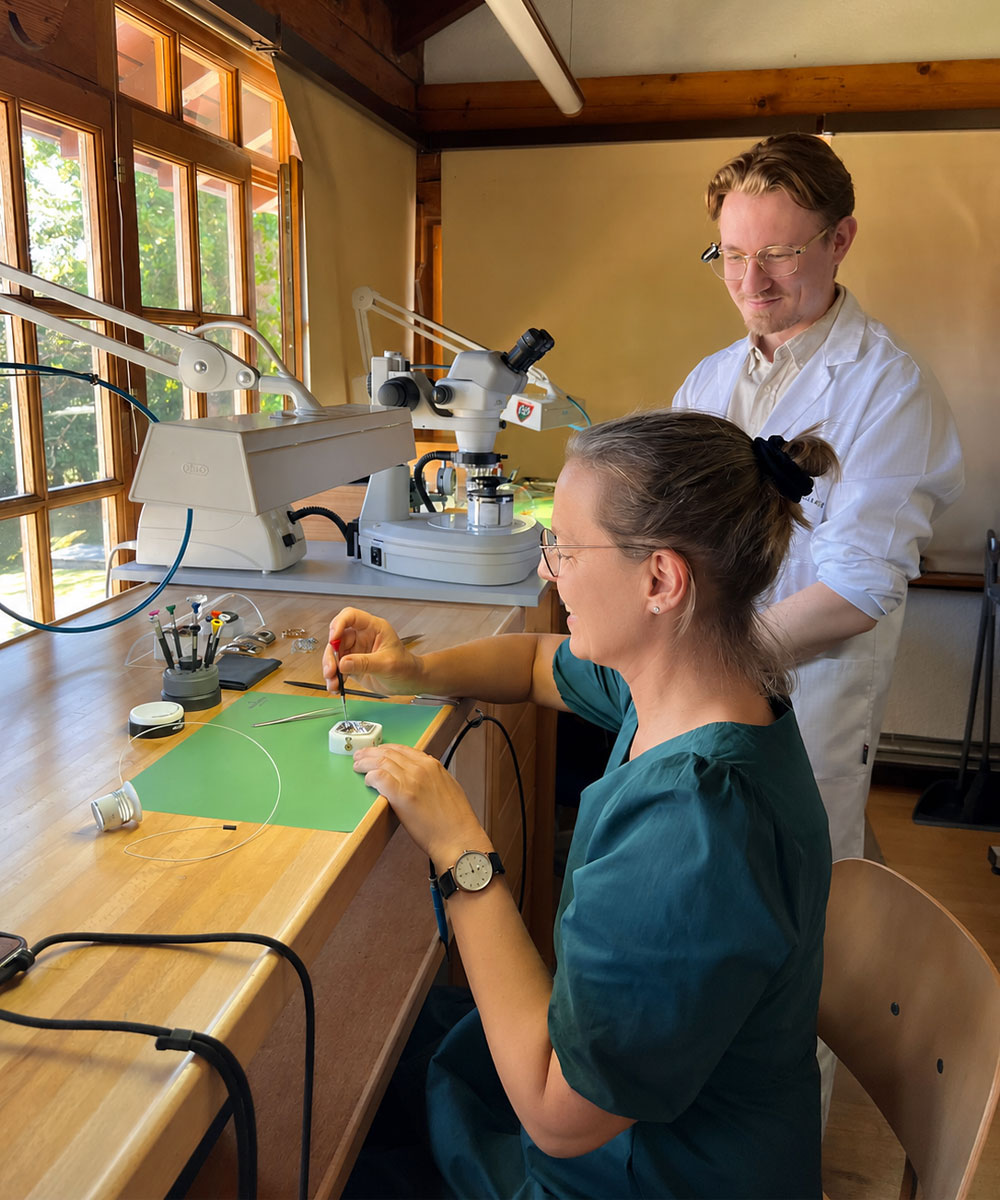
The department dedicated to grand complications is particularly impressive. It has a calm yet intensely focused atmosphere, reflected in the concentration of the watchmakers at their benches. Here, complicated movements are assembled according to the principle of single-station assembly, meaning that one watchmaker builds an entire movement from start to finish. A “Crazy Hours” movement, with its unique jumping-hour display, can be completed in as little as three days, while a tourbillon may require considerably more time.
Watchmaking Expertise
Since its founding, Franck Muller has developed numerous in-house mechanical calibres, ranging from straightforward movements to some of the most sophisticated complications in contemporary haute horlogerie. While its most complicated movements are developed entirely in-house, the brand also uses modified ébauches from specialist movement manufacturers for some of its simpler models. Quartz movements are sourced externally.

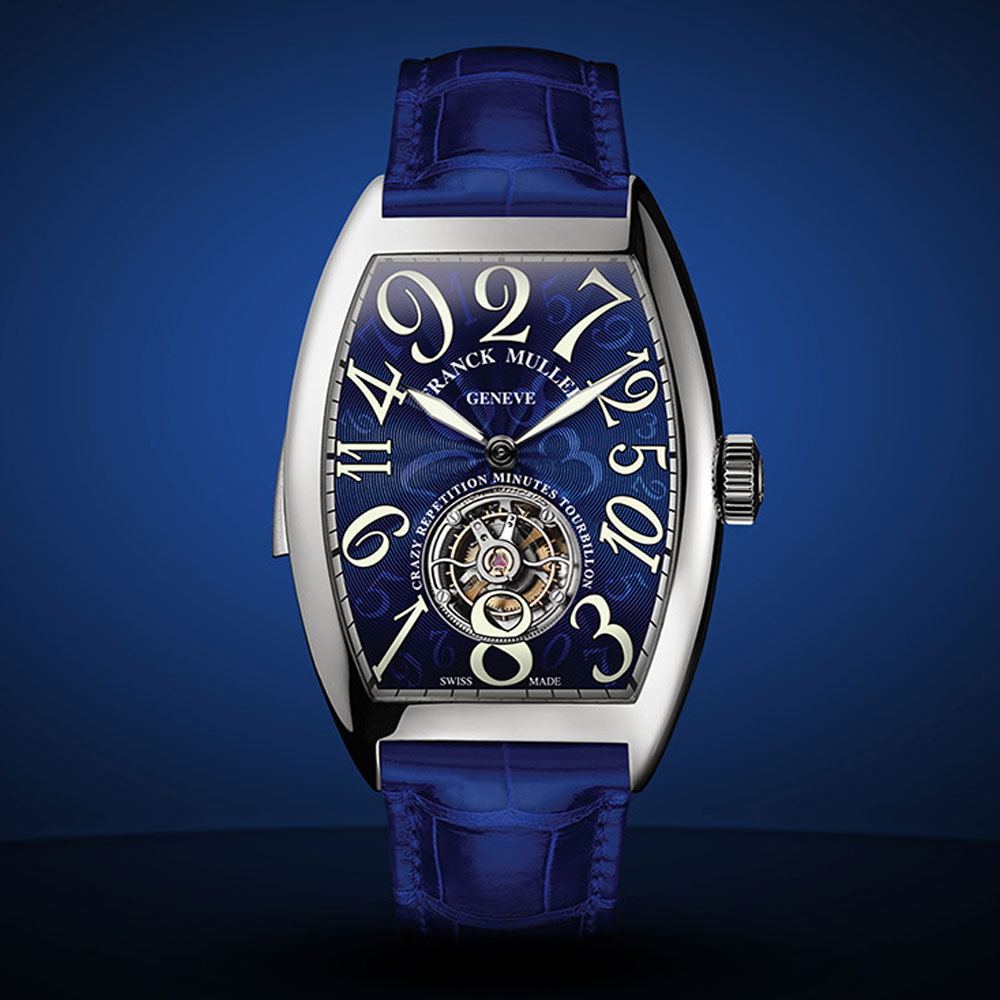
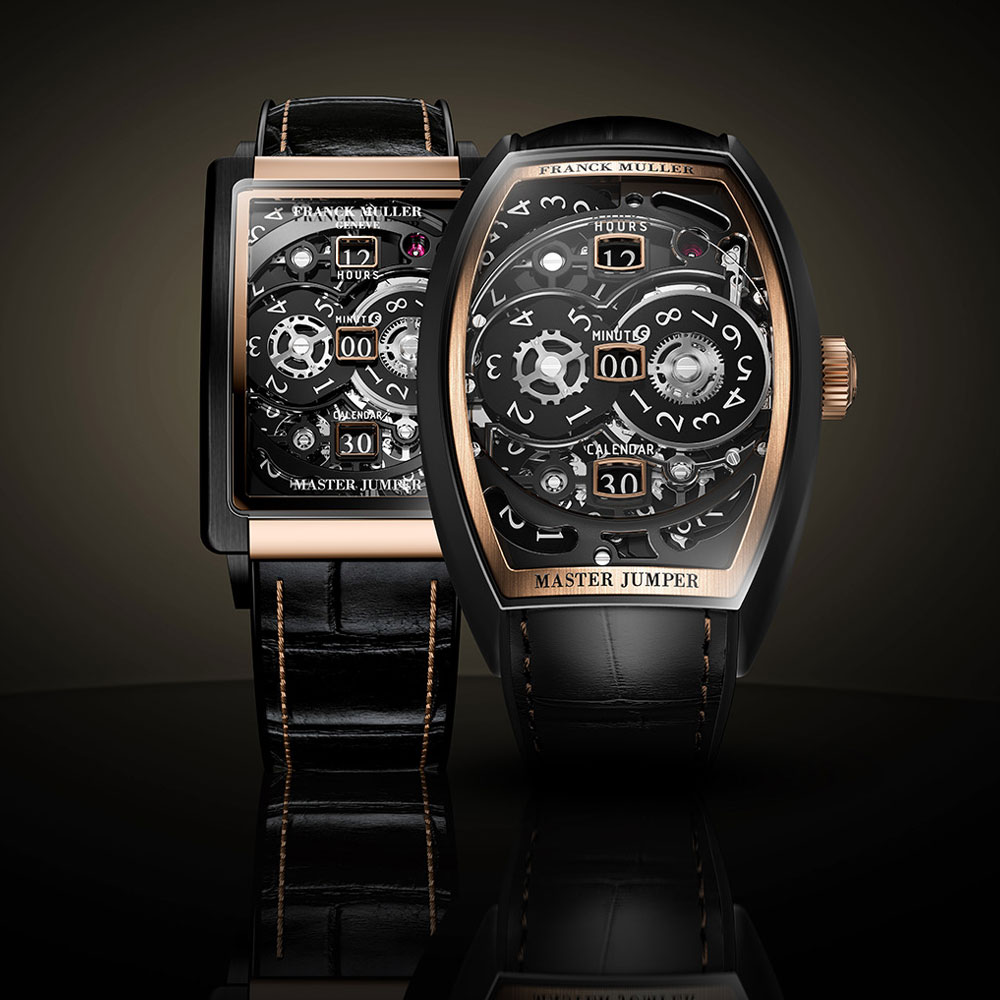
The “Aeternitas Mega 4” is perhaps the ultimate expression of Franck Muller’s watchmaking expertise. Unveiled in 2009 after around five years of development, it was widely regarded as the world’s most complicated mechanical wristwatch, incorporating 36 complications—from a flying tourbillon and minute repeater to a perpetual calendar. It retained that distinction until it was eventually surpassed by even more complex creations from other manufacturers.
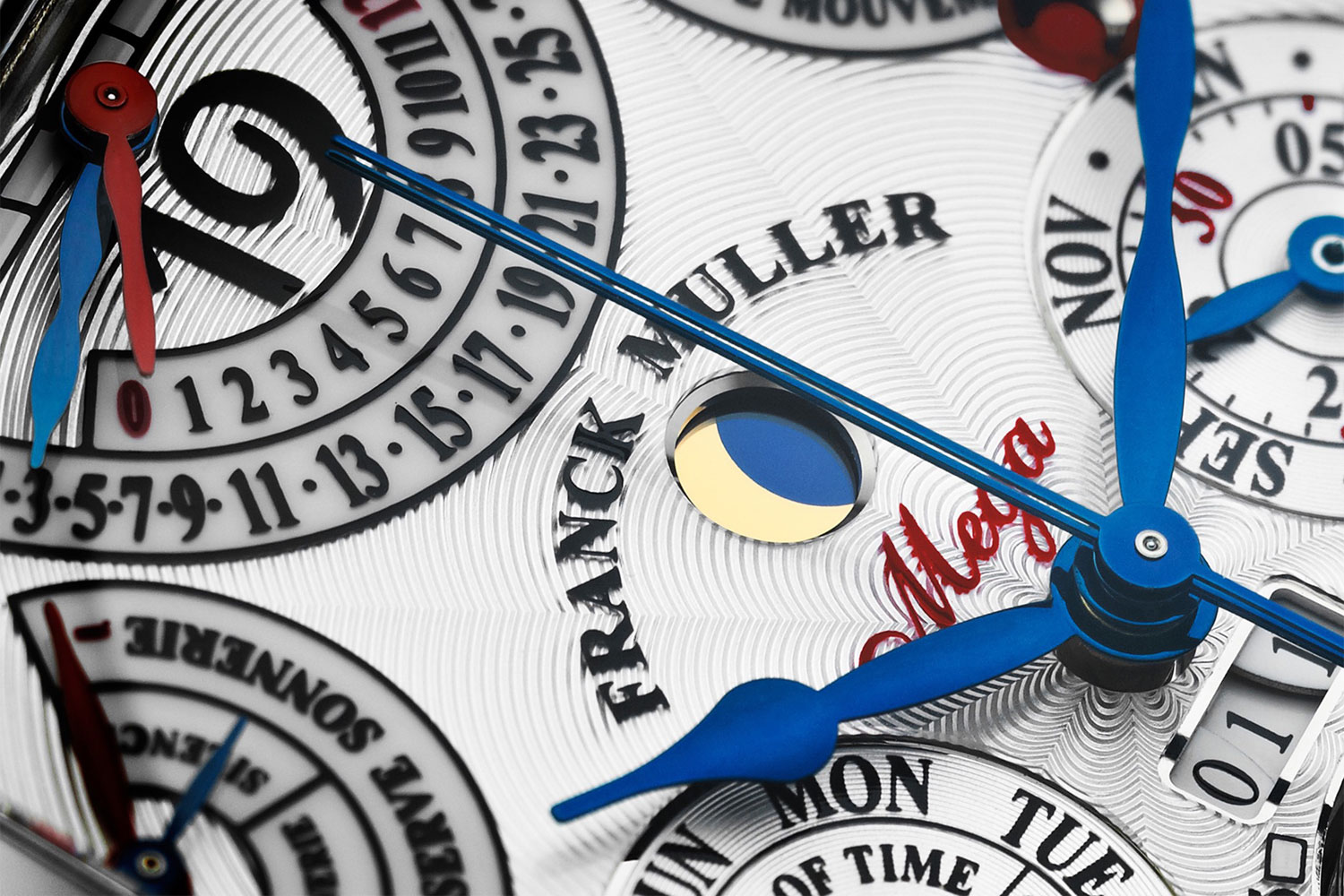
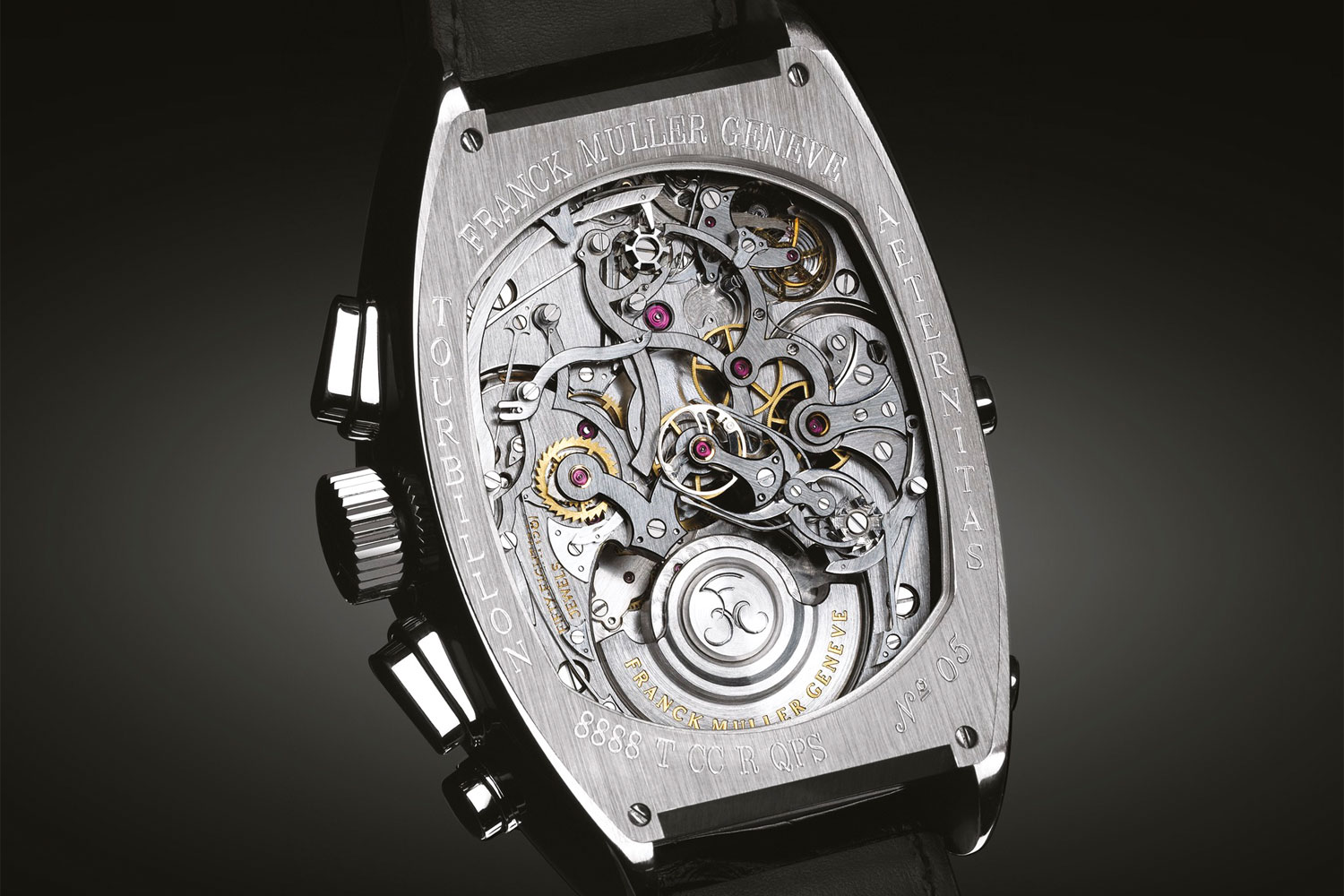
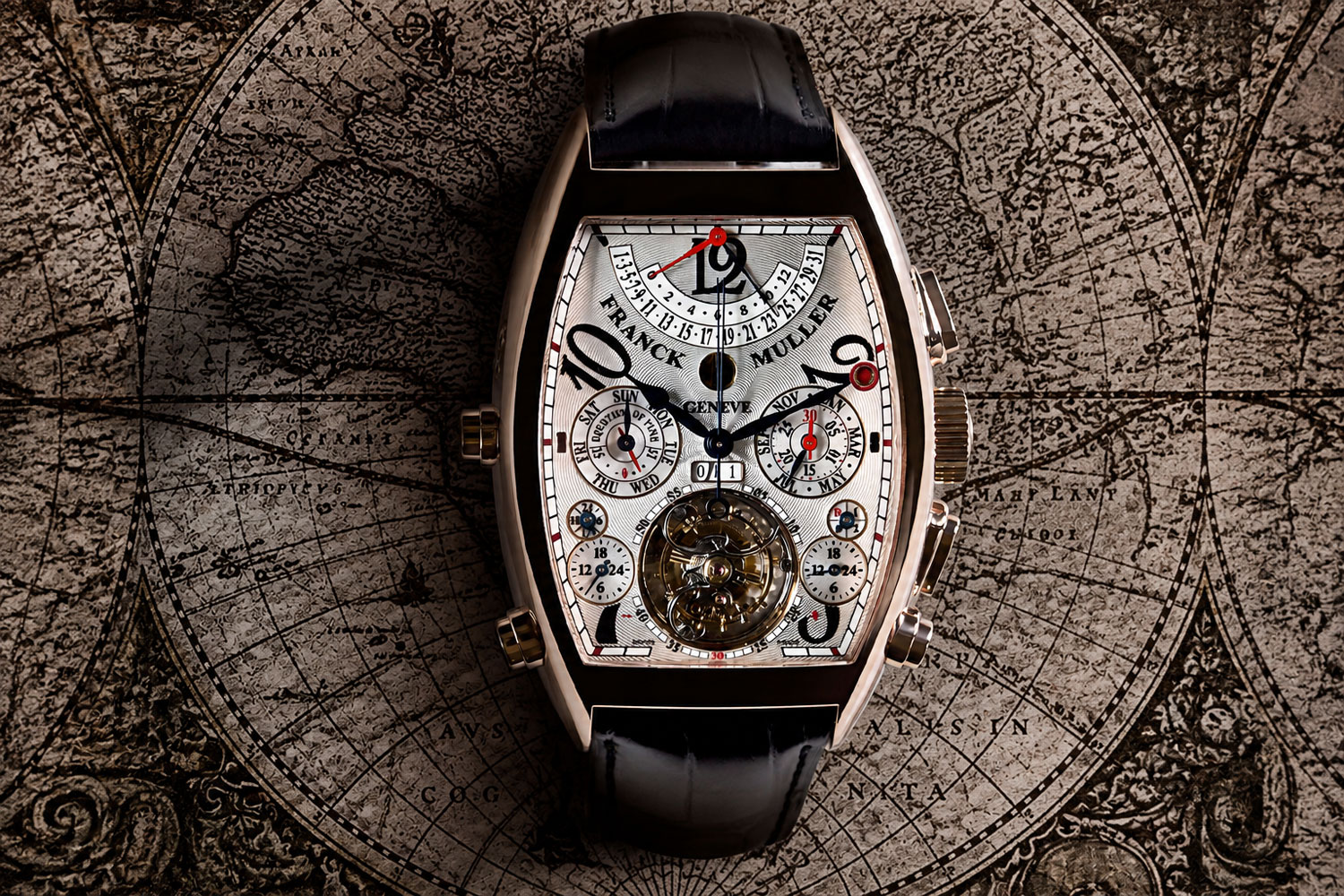
When it comes to tourbillons, Franck Muller has repeatedly pushed the boundaries of what is technically possible. Whether creating the thinnest, largest, fastest, or smallest tourbillon, the manufacture has consistently challenged convention. Although many of these records have since been surpassed, they remain a testament to the brand’s relentless pursuit of innovation.
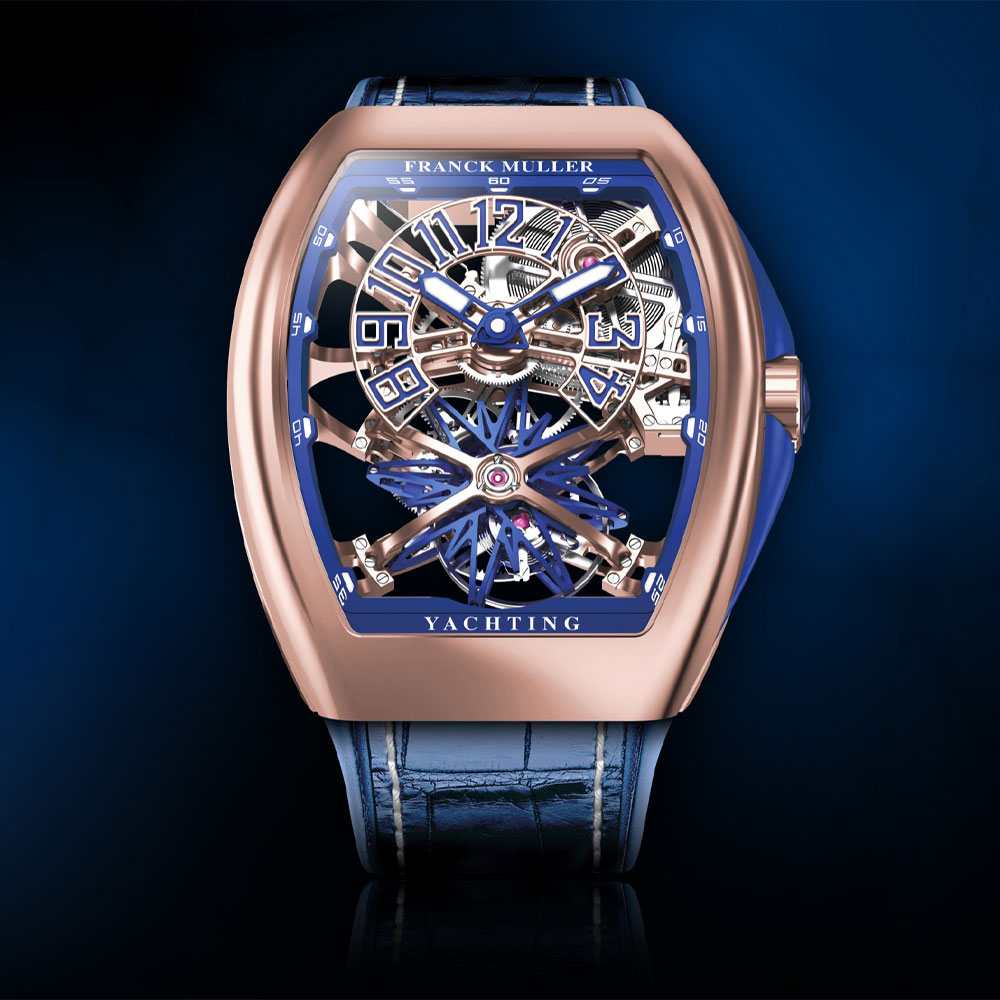
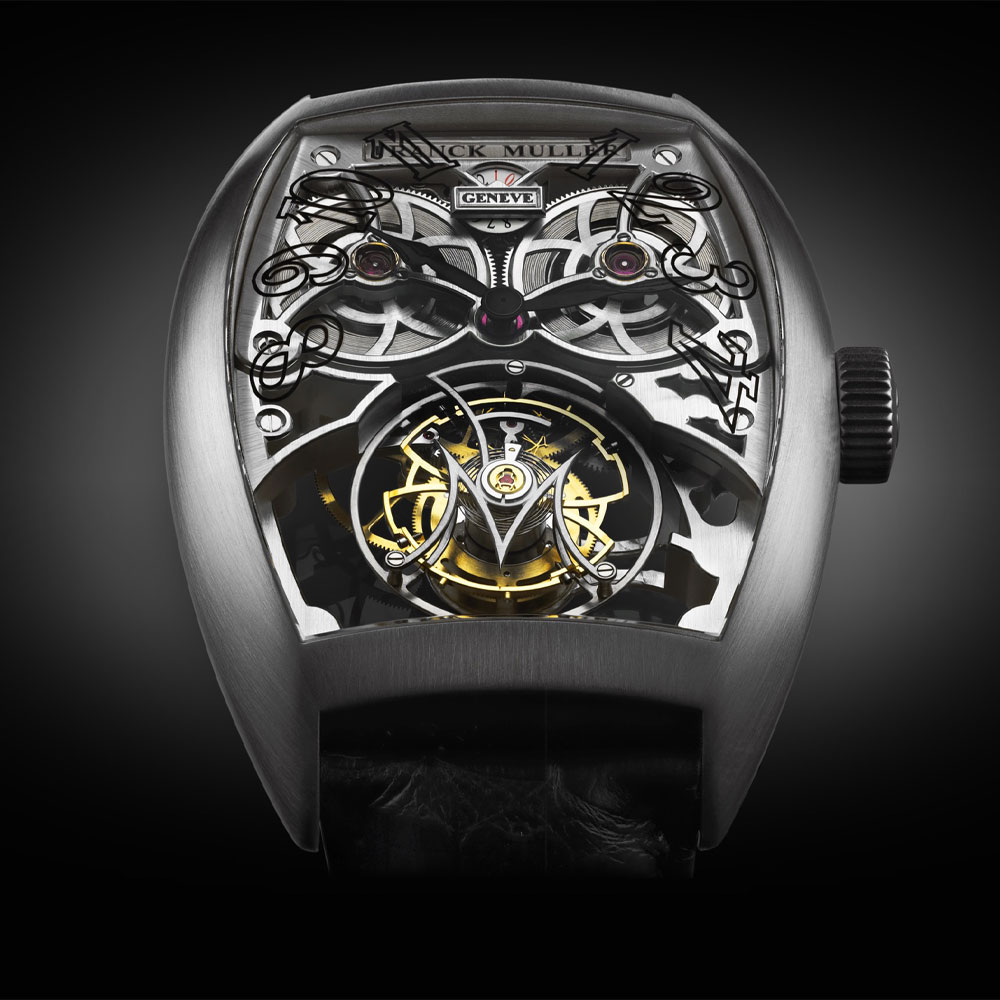
With the “Revolution 3”, introduced in 2004, Franck Muller once again surprised the watch world by presenting a three-axis tourbillon. Compared with a conventional single-axis tourbillon, it can compensate for positional errors across a far greater range of positions, further demonstrating the manufacture’s pioneering spirit. It followed the “Revolution 1”, whose tourbillon cage completed a full rotation in just 20 seconds instead of the traditional 60, and the two-axis “Revolution 2”.
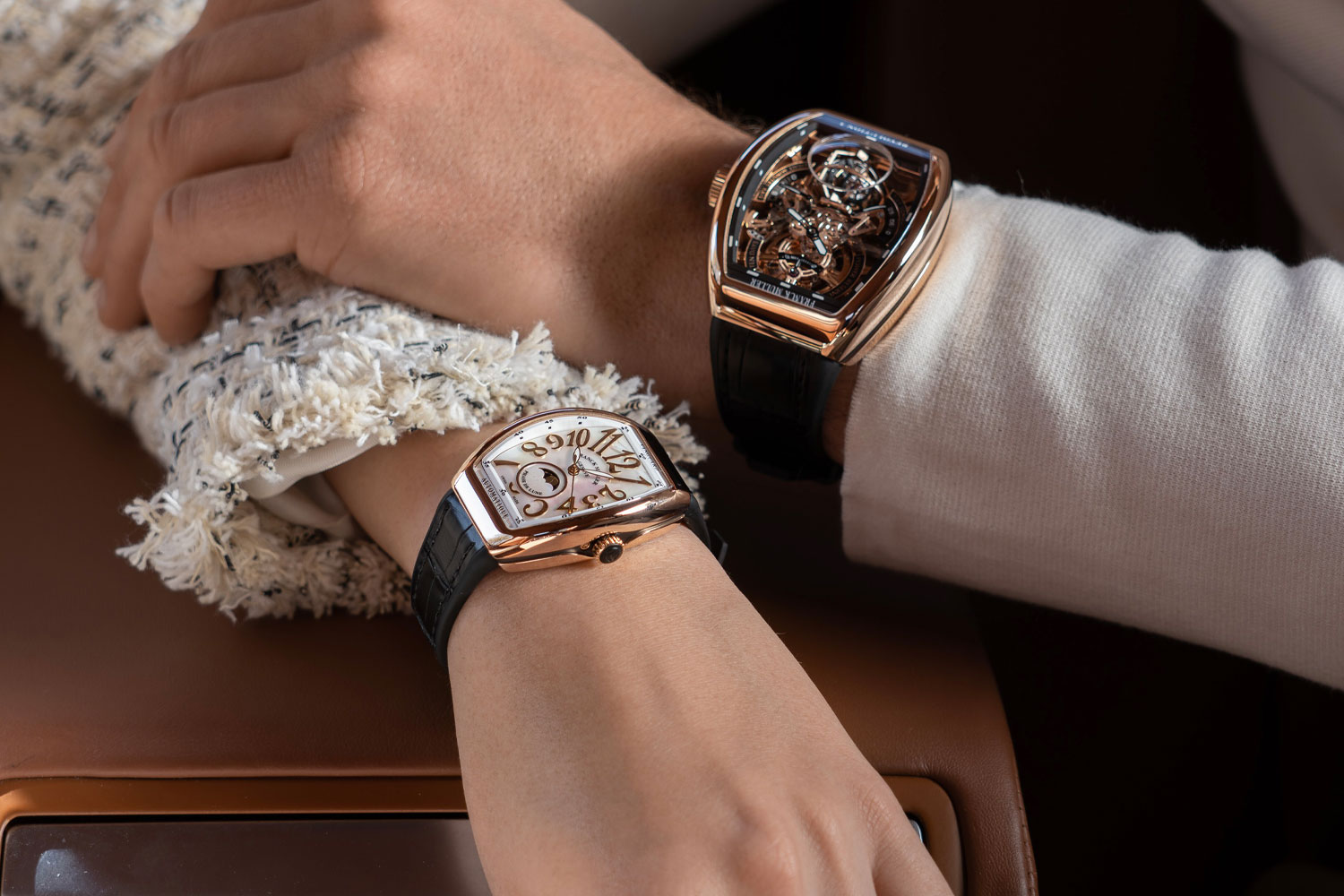
Yet the remarkable world of Franck Muller extends far beyond the gates of Watchland. It reaches across the Jura Arc—the historic cradle and enduring heart of Swiss watchmaking.
Cases from La Chaux-de-Fonds
One of Franck Muller’s distinguishing features is the way it manufactures approximately 135,000 watch cases each year from titanium, stainless steel, aluminium, and precious metals. Rather than machining or forging every case entirely from solid stock, the process begins with a blank produced on presses exerting forces of up to 200 tonnes. The blanks then undergo numerous CNC machining and finishing operations. Depending on the material, each case requires between 20 and 40 individual production steps.
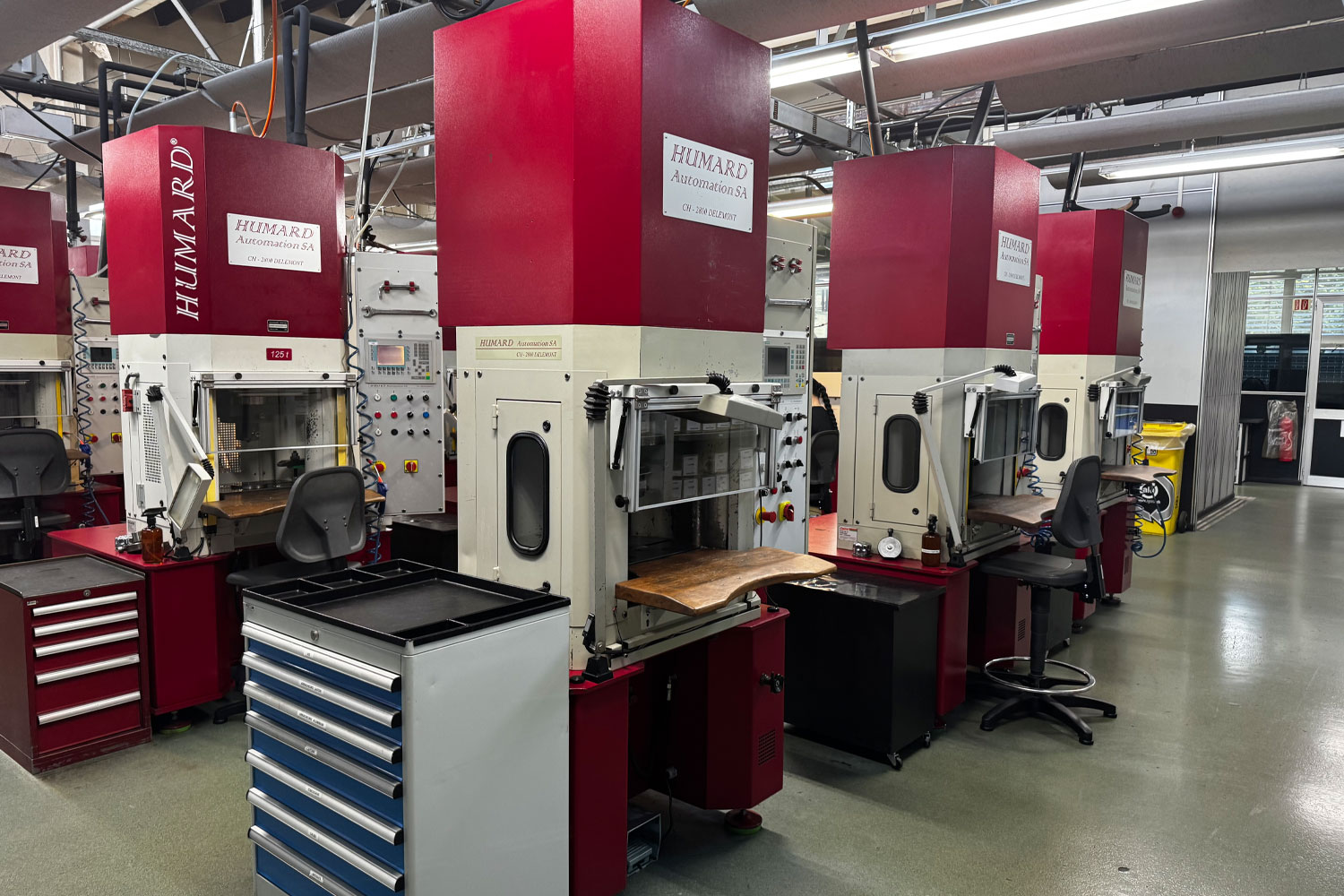
Using a dedicated fleet of 25 Humard presses, the manufacture can produce even highly complex case geometries, including the three-dimensional Cintrée Curvex. Every detail—from the surfaces and edges to the bevels and flowing curves—must be executed flawlessly, as even the slightest imperfection would disrupt the harmony of the design. As a result, producing a single case takes around three days.
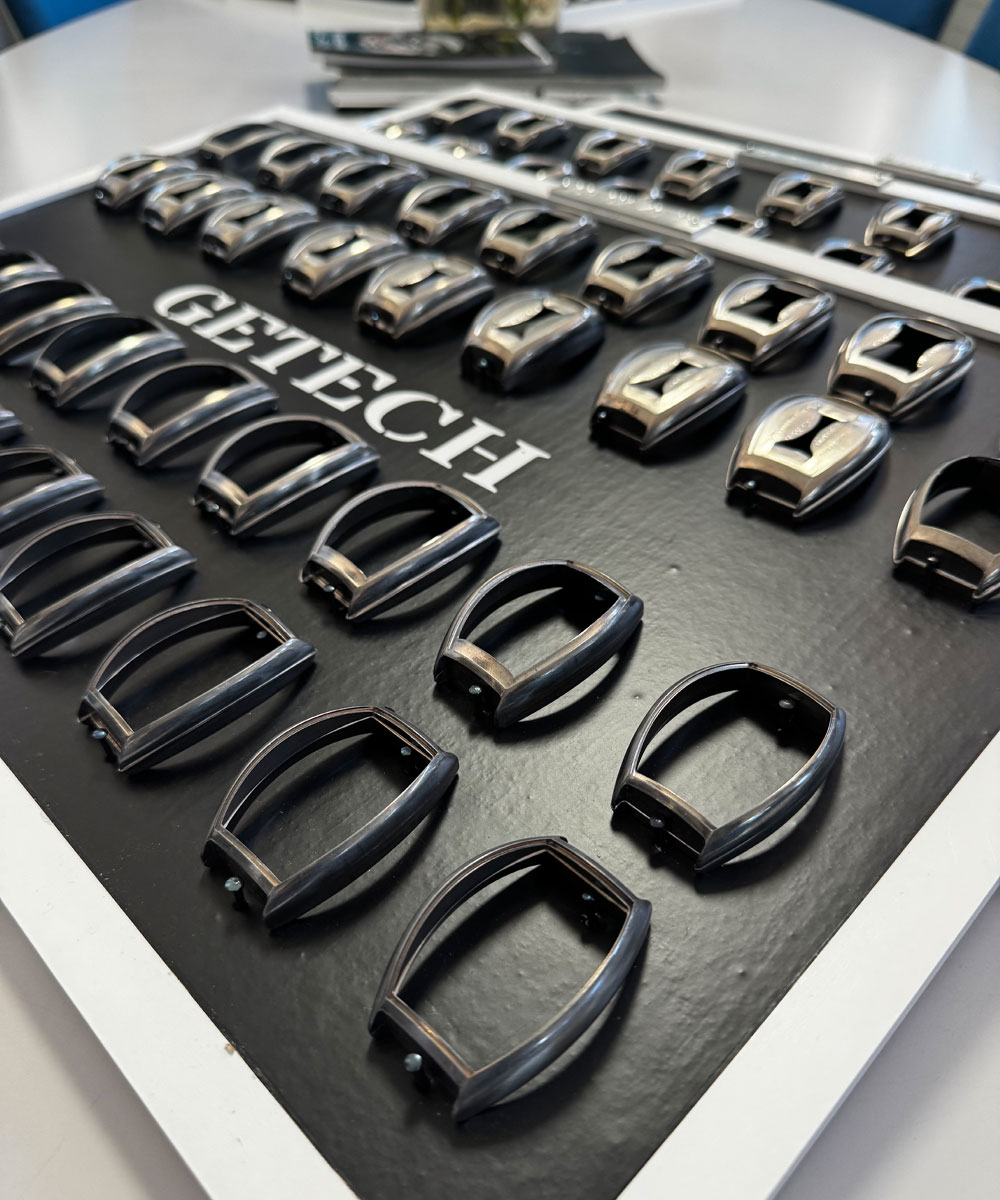
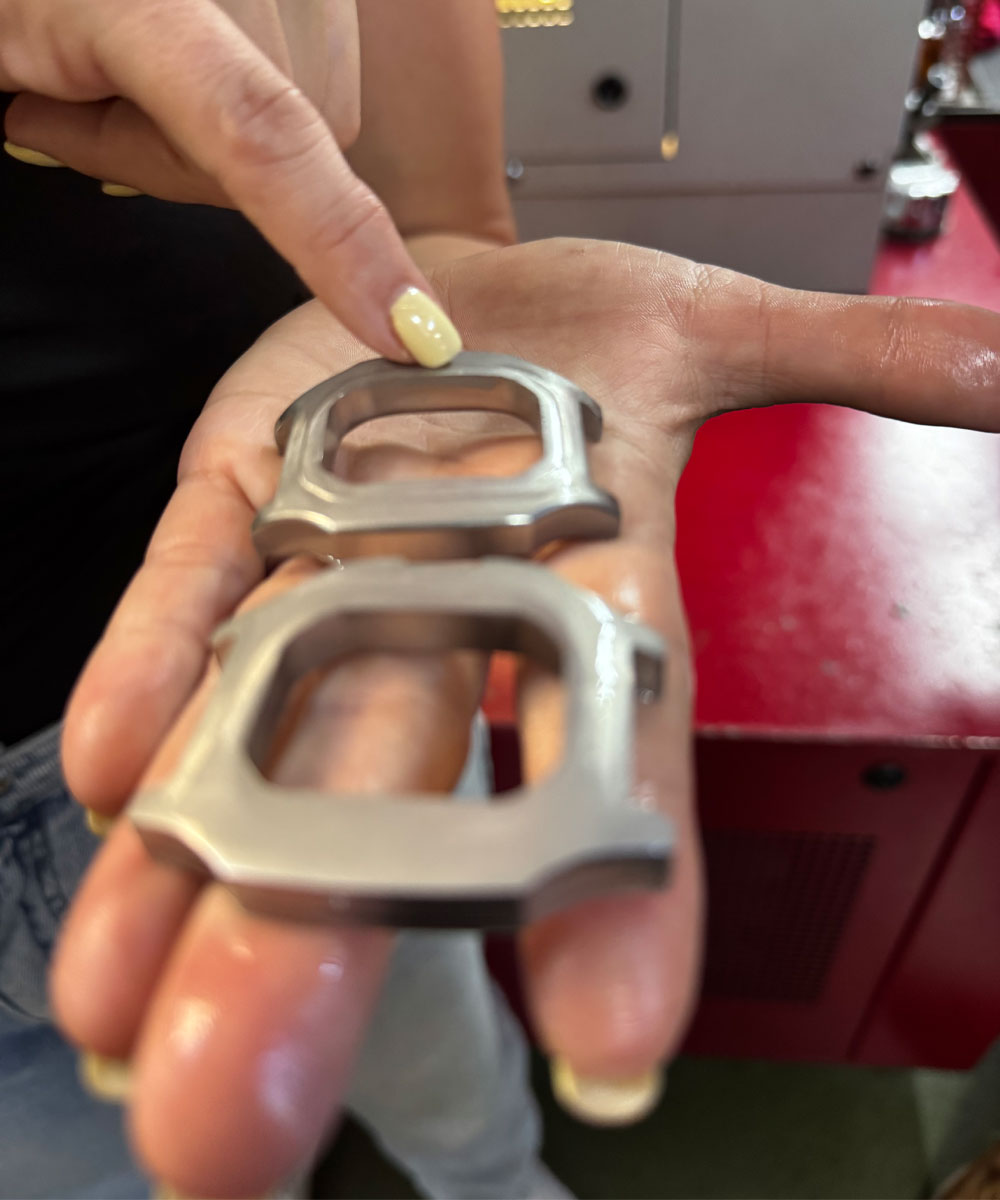
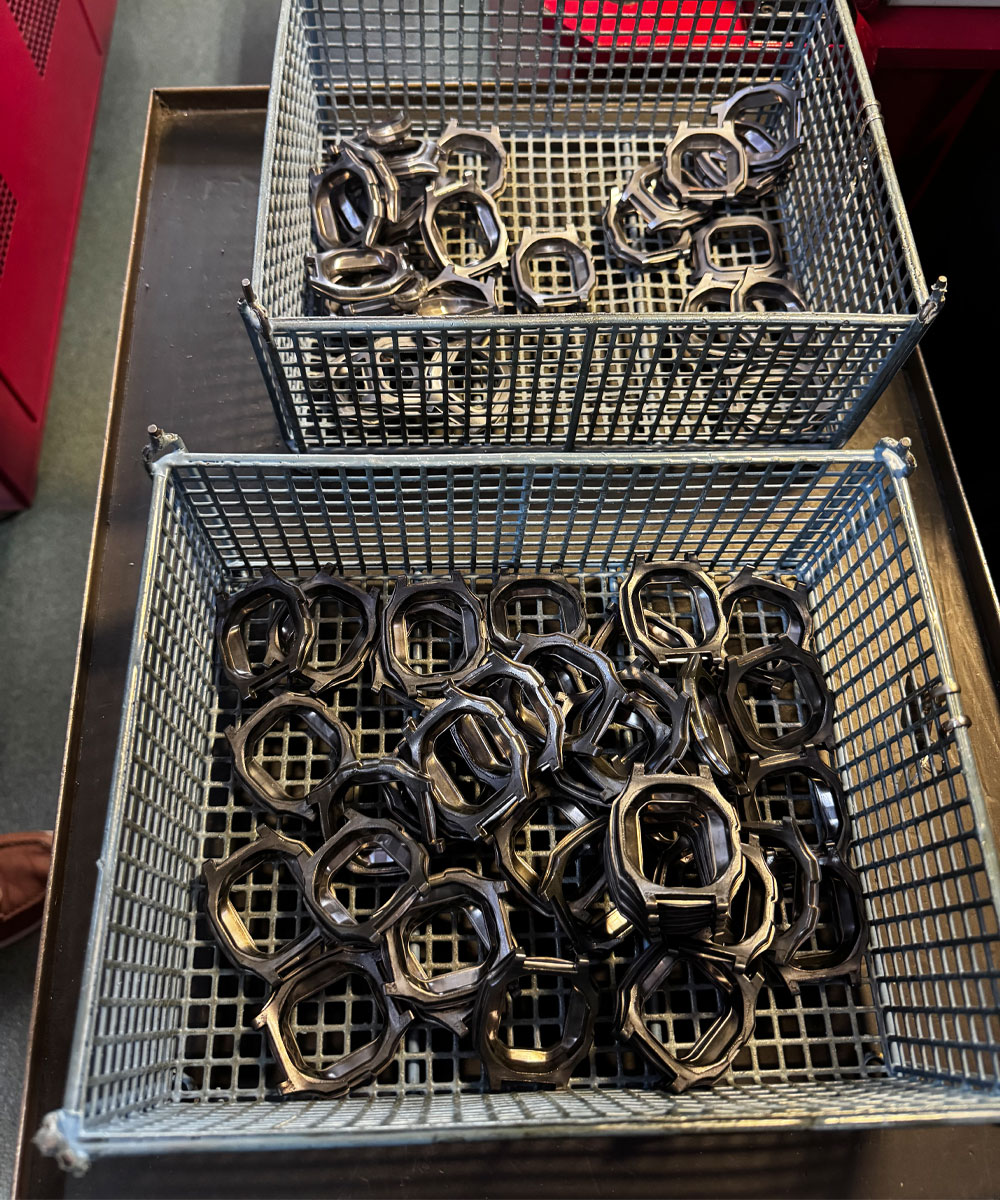
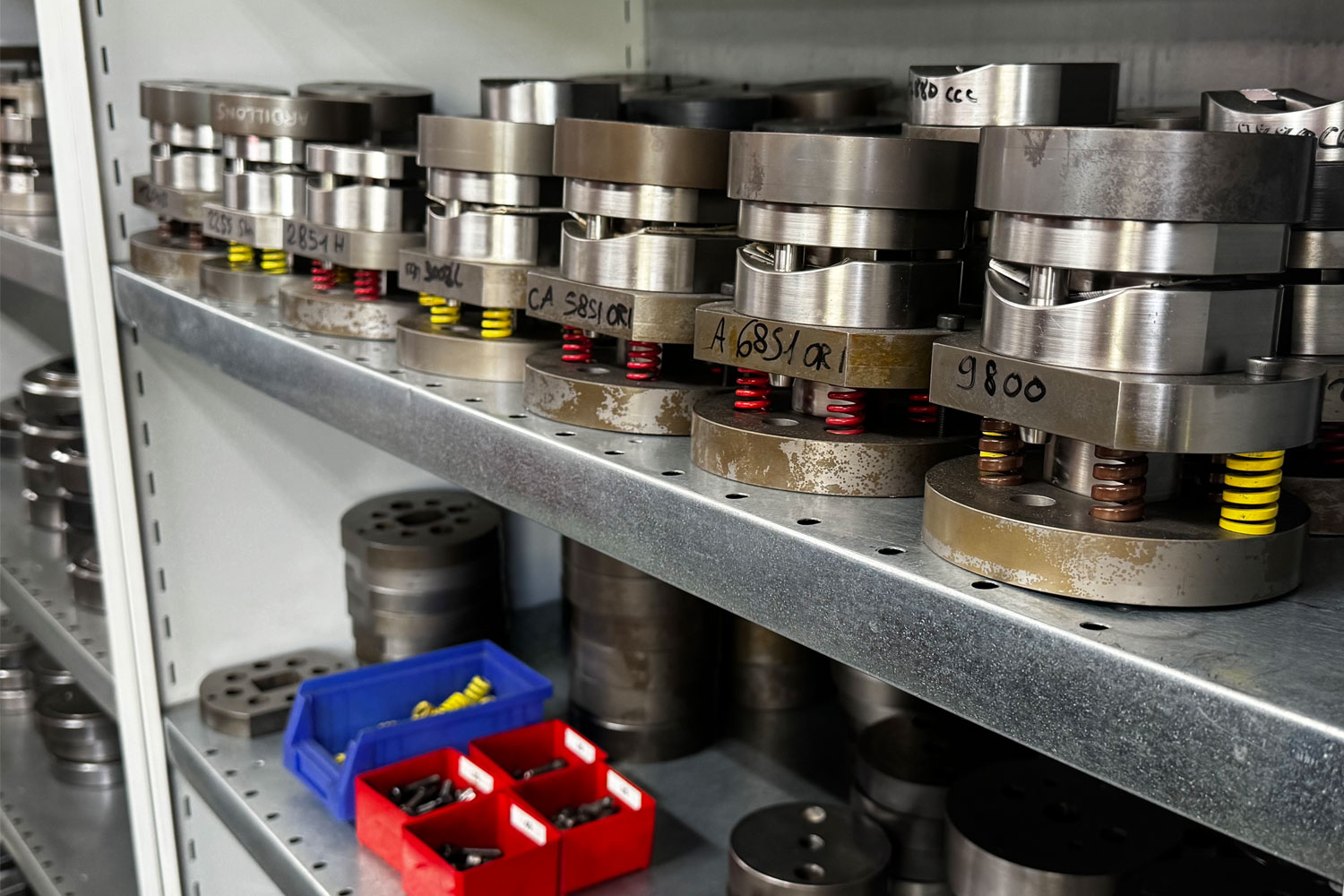
To guarantee consistently high precision and maintain dimensional tolerances of up to 0.01 mm, the company also designs and manufactures its own tooling, including stamping dies weighing as much as 25 kilograms.
Dials from Les Bois
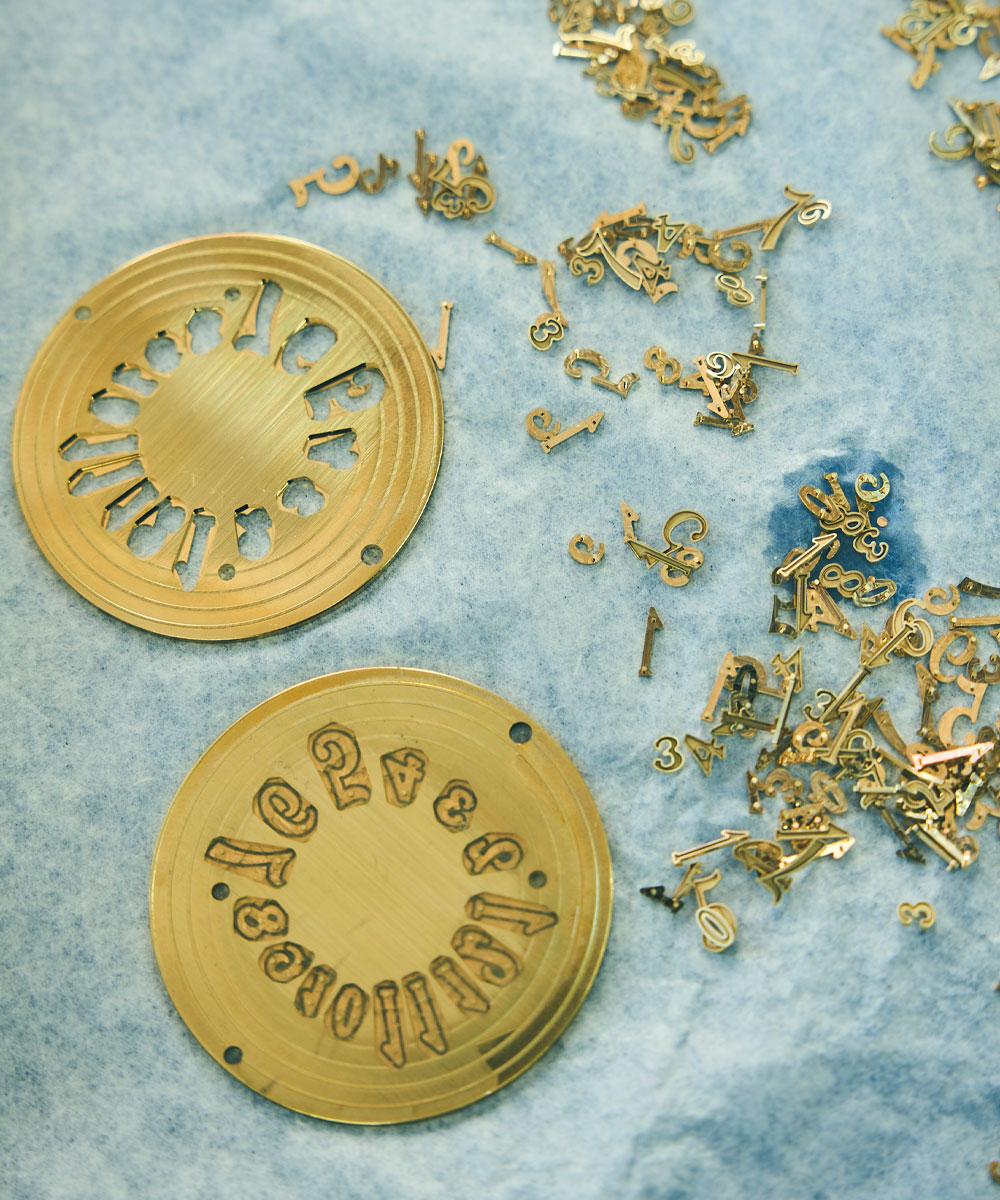
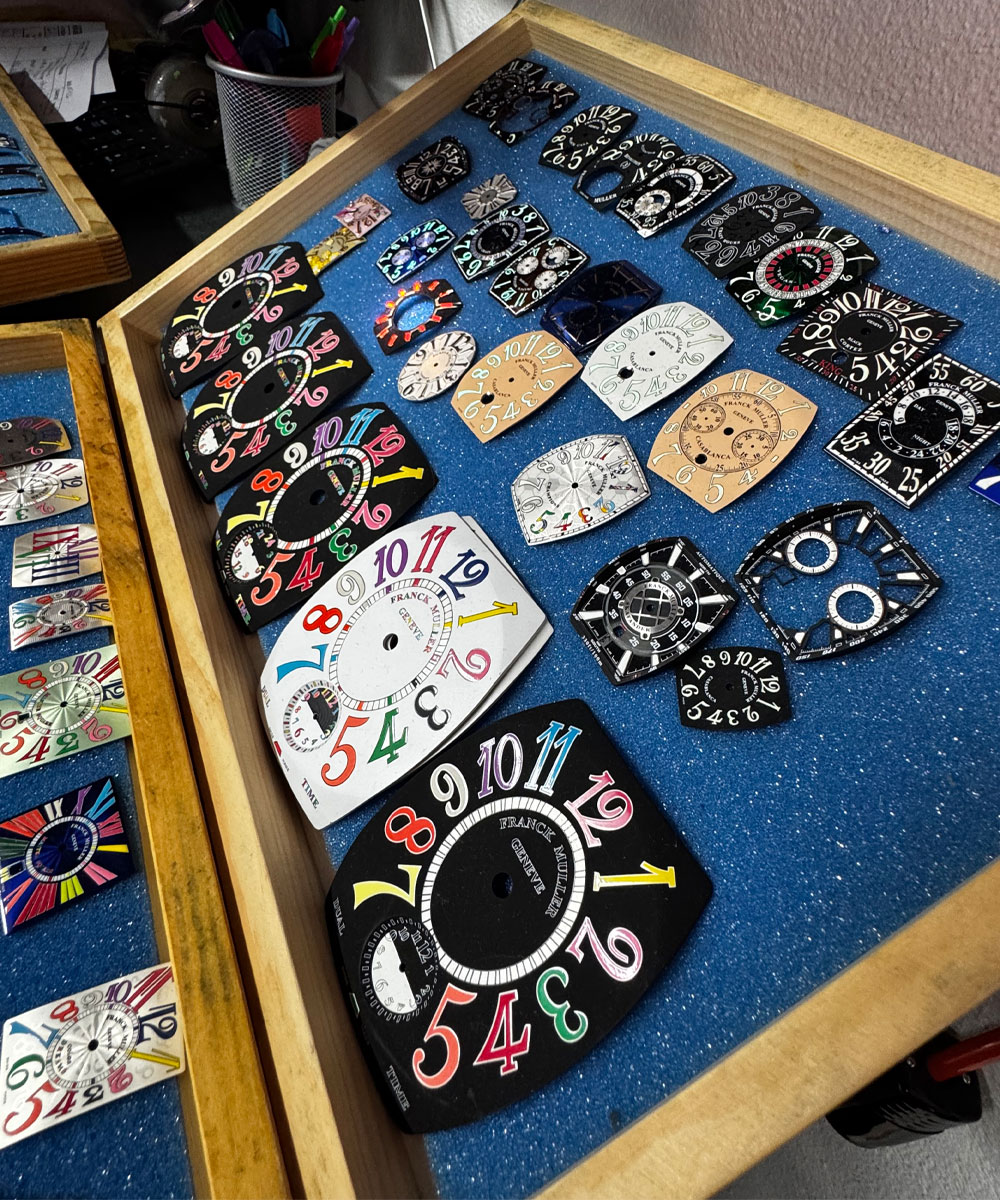
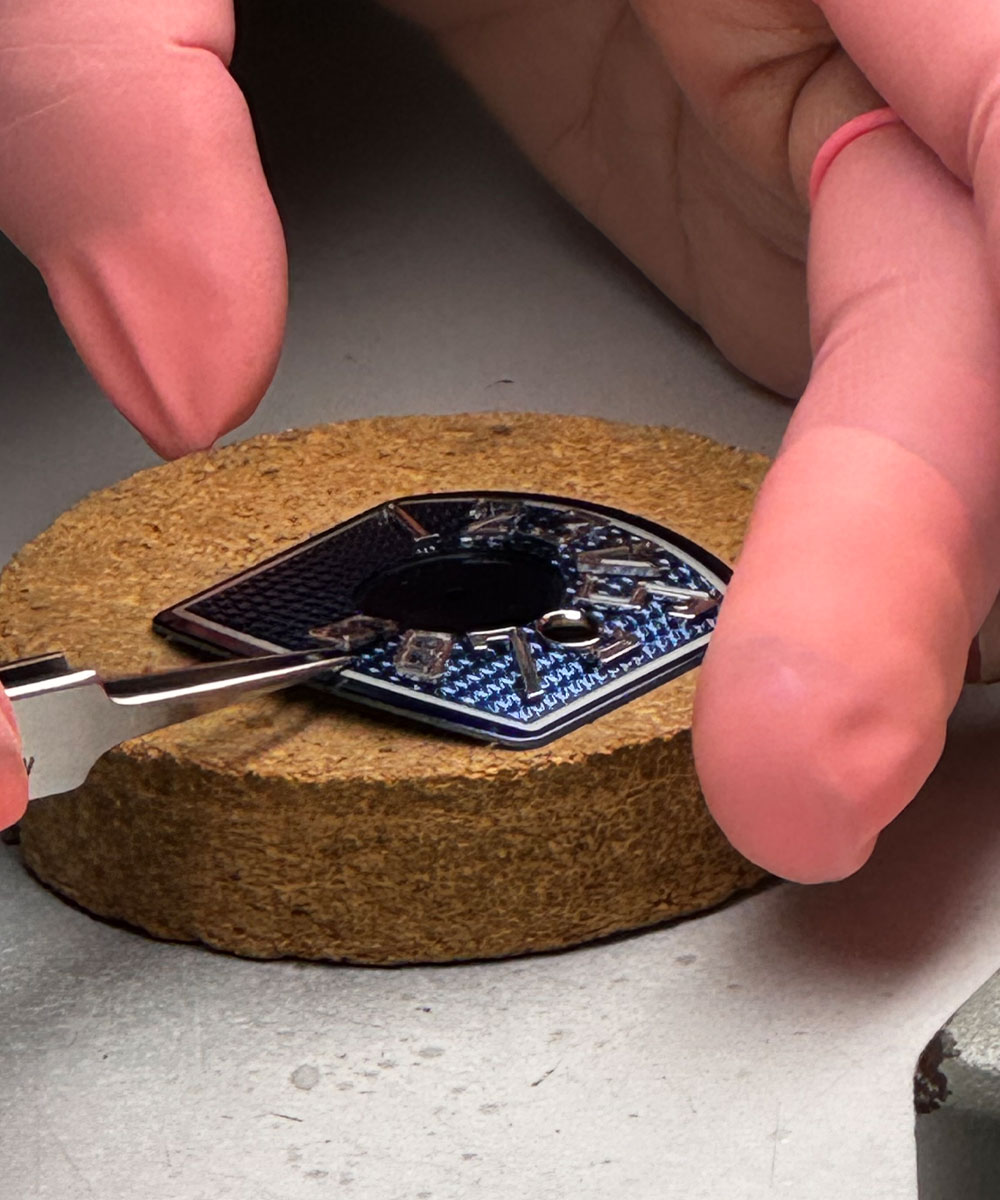
Stamping, pressing, electroplating, laser cutting, printing, painting, brushing, polishing, and a wide variety of decorative finishes—every dial for a Franck Muller watch is produced at the company’s own manufacturing facility in Les Bois, in the heart of the Jura region. Around 20 different specialist crafts, combined with state-of-the-art machinery operating around the clock, bring the brand’s remarkably diverse dial designs to life. Here, too, all the necessary tooling is designed and manufactured in-house.
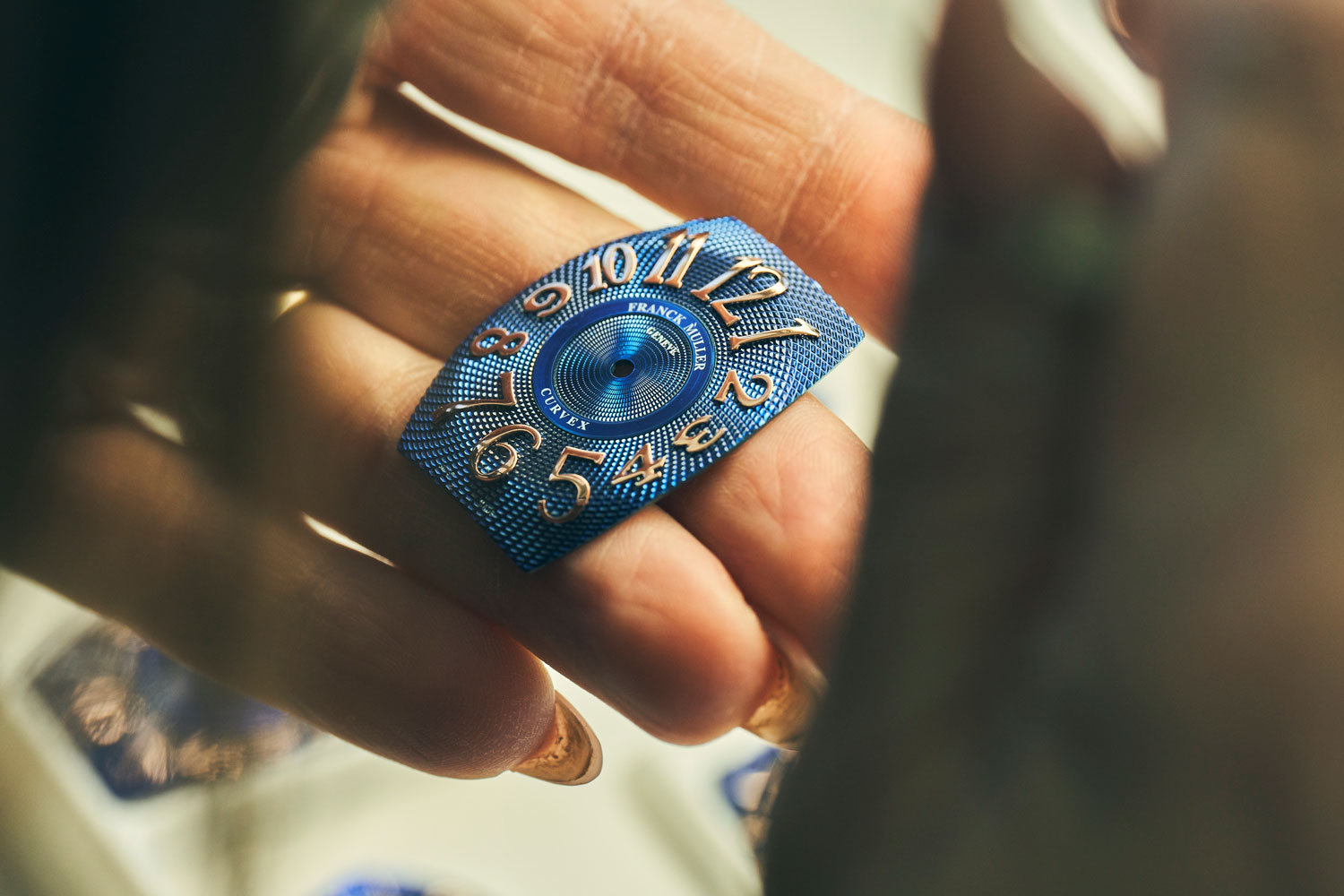
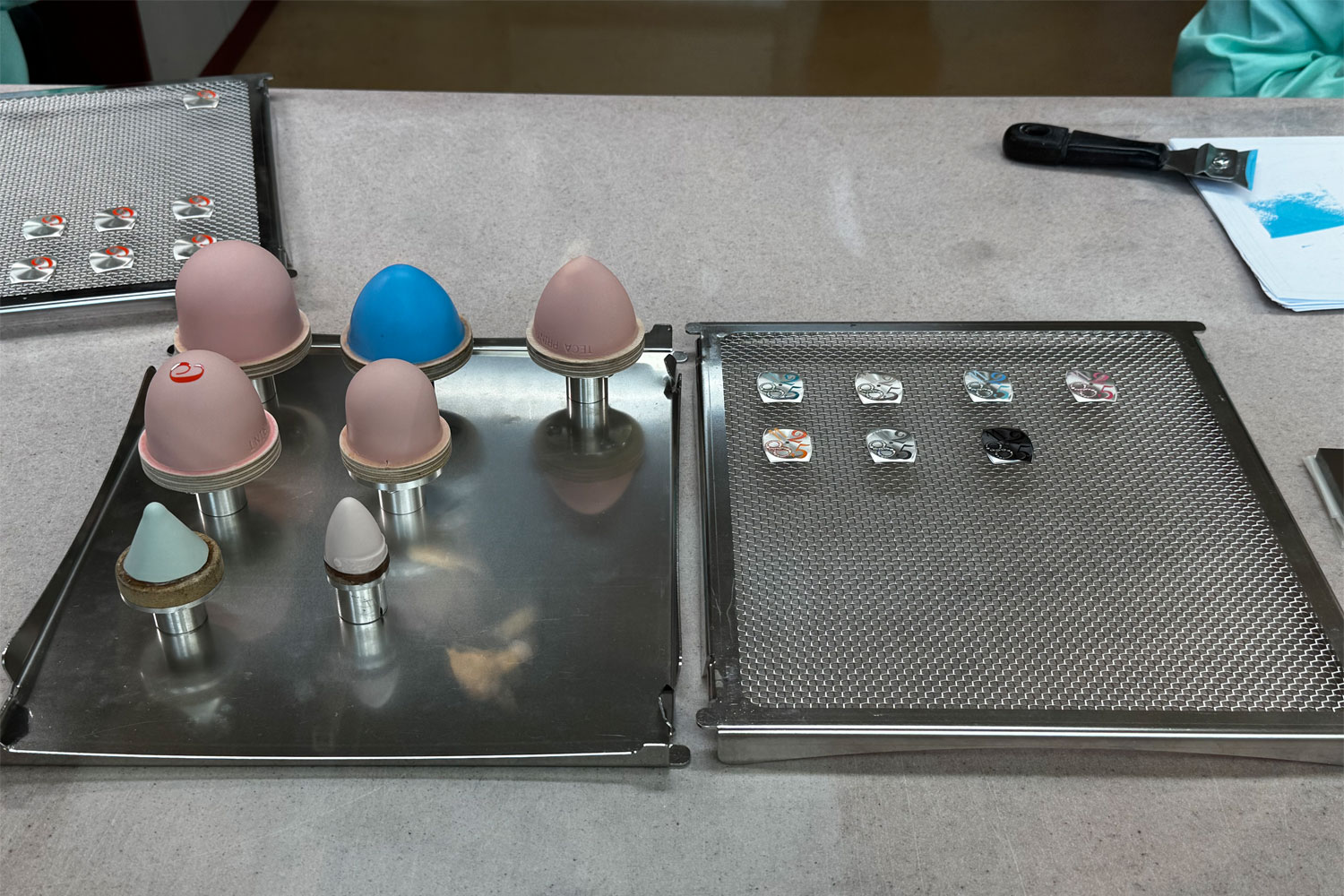
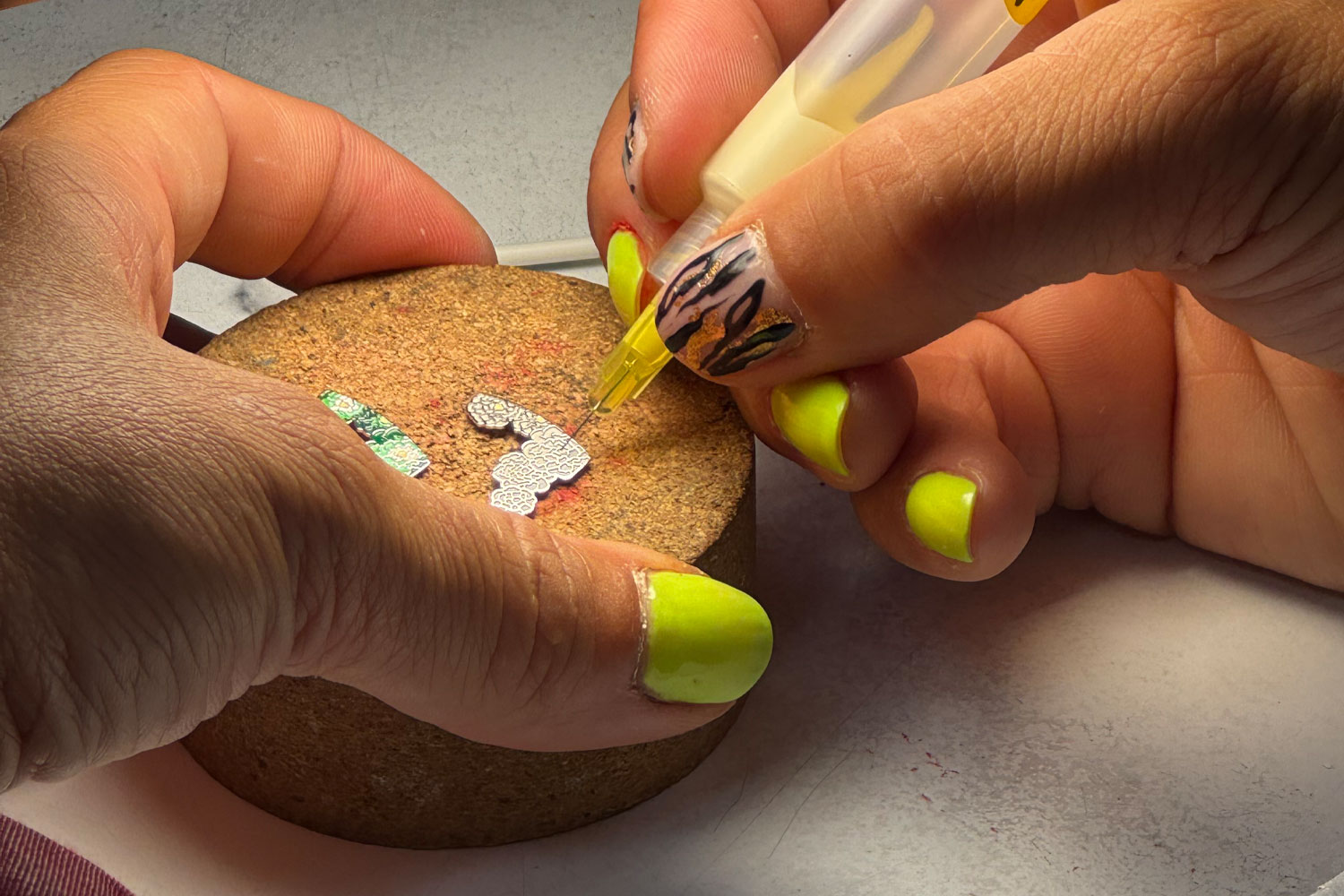
The characteristic depth of colour found in Franck Muller dials is achieved by applying up to 20 ultra-thin layers of transparent coloured lacquer. Each layer is left to dry for around an hour before the next is applied. Despite this painstaking process, the total thickness of the lacquer amounts to just 0.02 mm. The interaction between the individual layers and the way they refract light creates an exceptional sense of depth and luminosity.
Straps from Le Locle
Just as with its cases and dials, Franck Muller relies on exclusive in-house expertise when it comes to straps. At the company’s facility in Le Locle, an all-female team crafts leather, fabric, and rubber straps exclusively for the brand’s own watches. The distinctive curved case shapes of the Cintrée Curvex and Vanguard collections, in particular, require straps that are specially designed for each model.
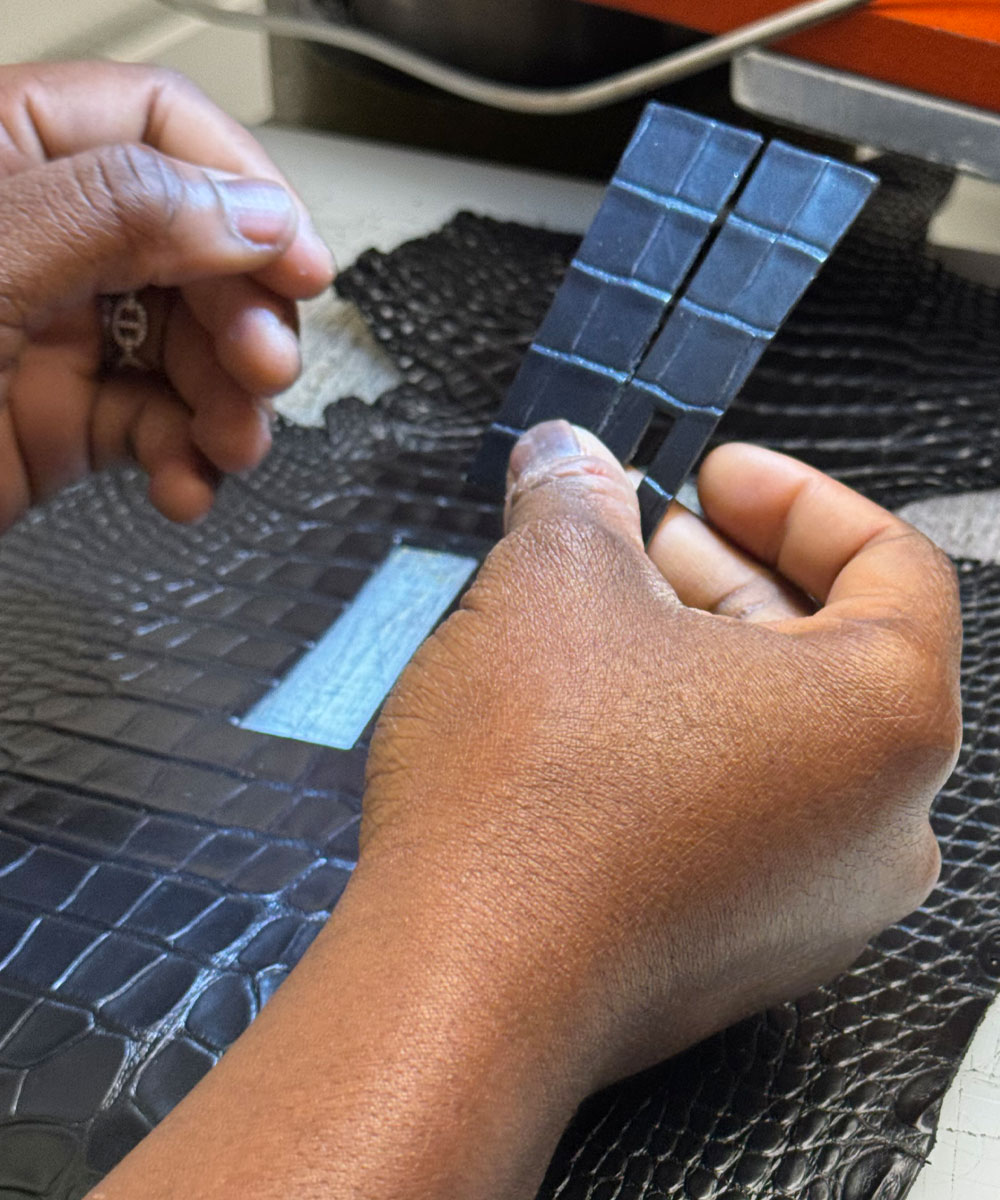
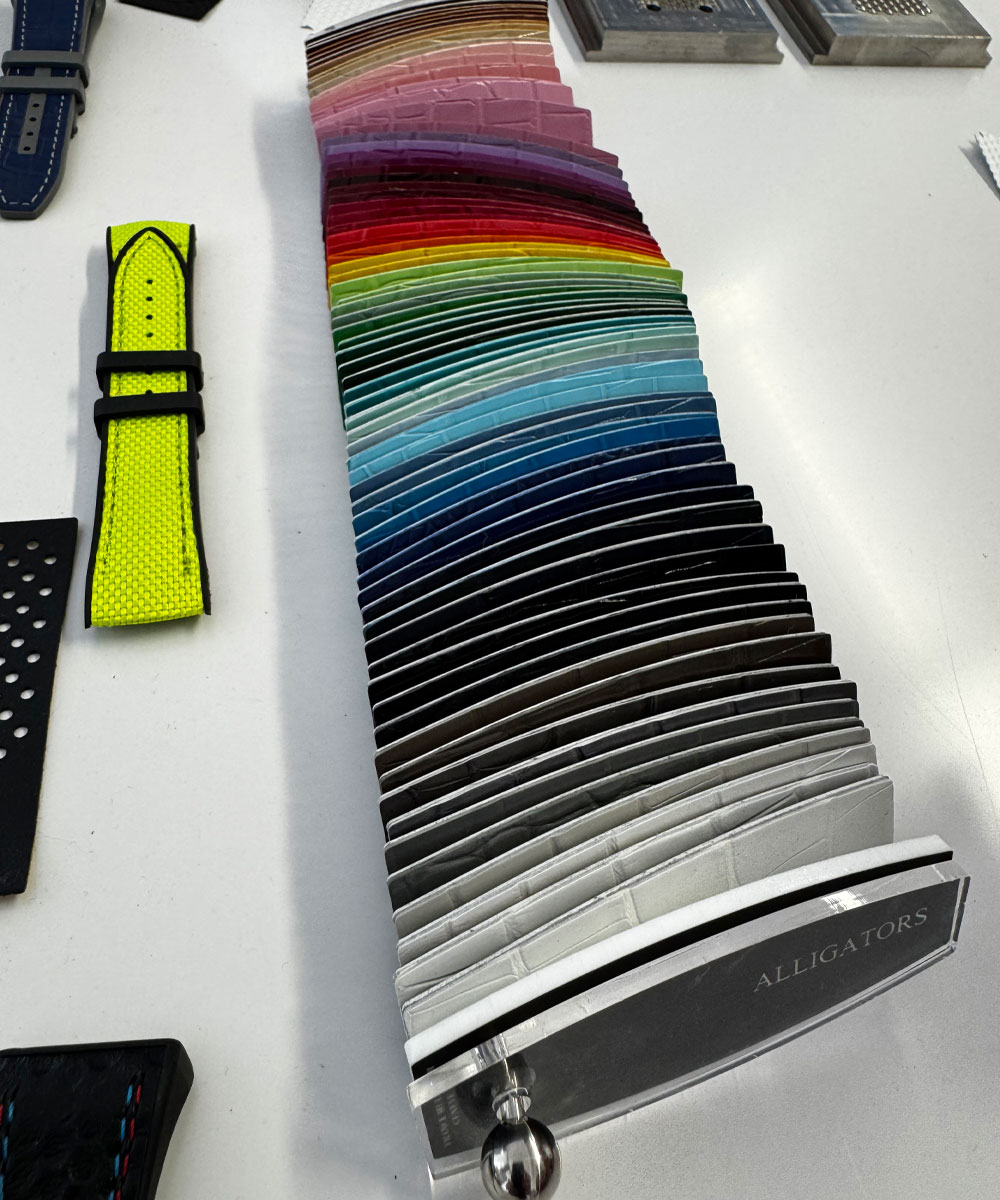
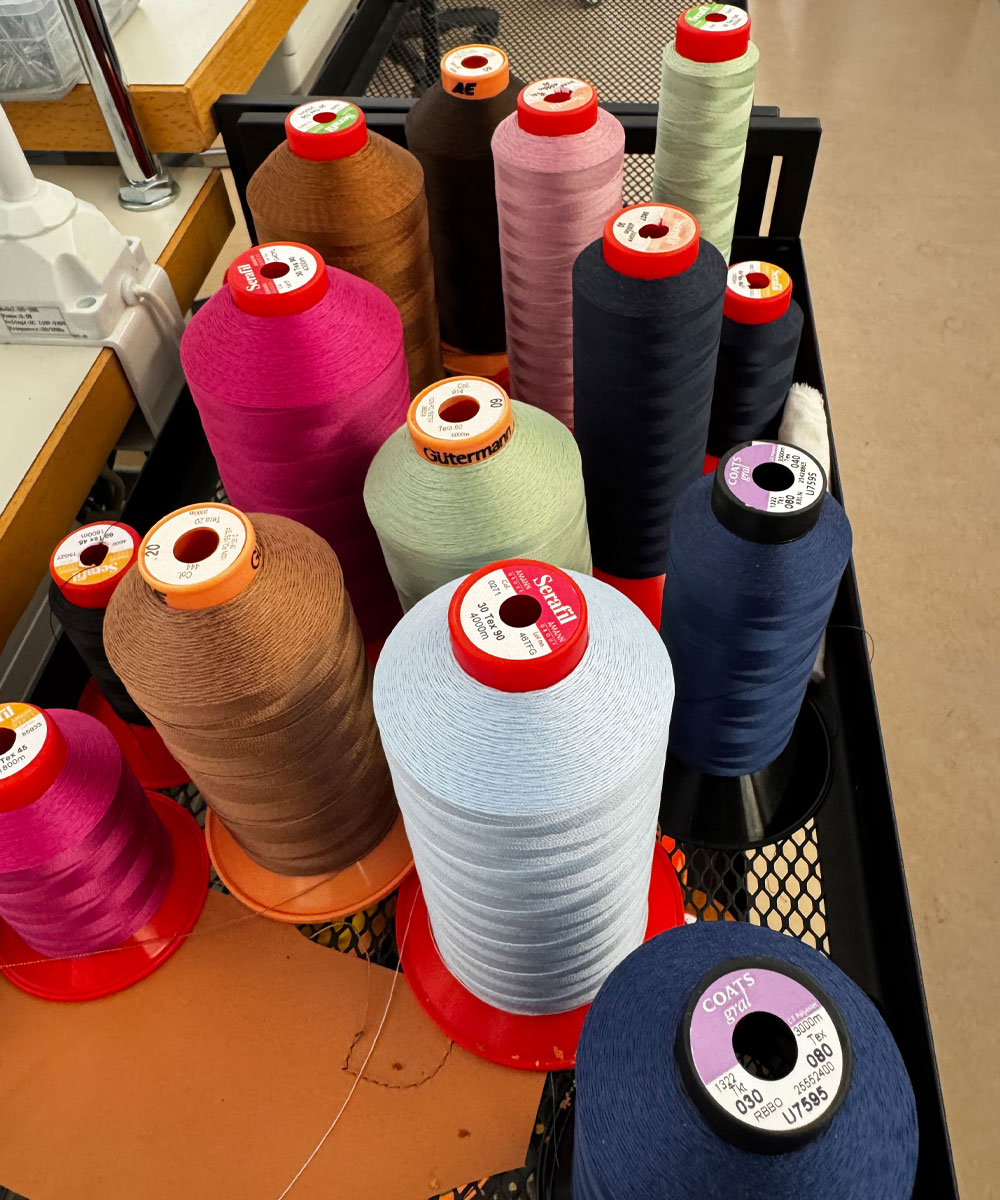
From selecting leather and high-performance materials to cutting, assembling the multi-layered strap construction, and carrying out the final finishing and quality control, every step combines traditional craftsmanship with specialised machinery.
Franck Muller Watches
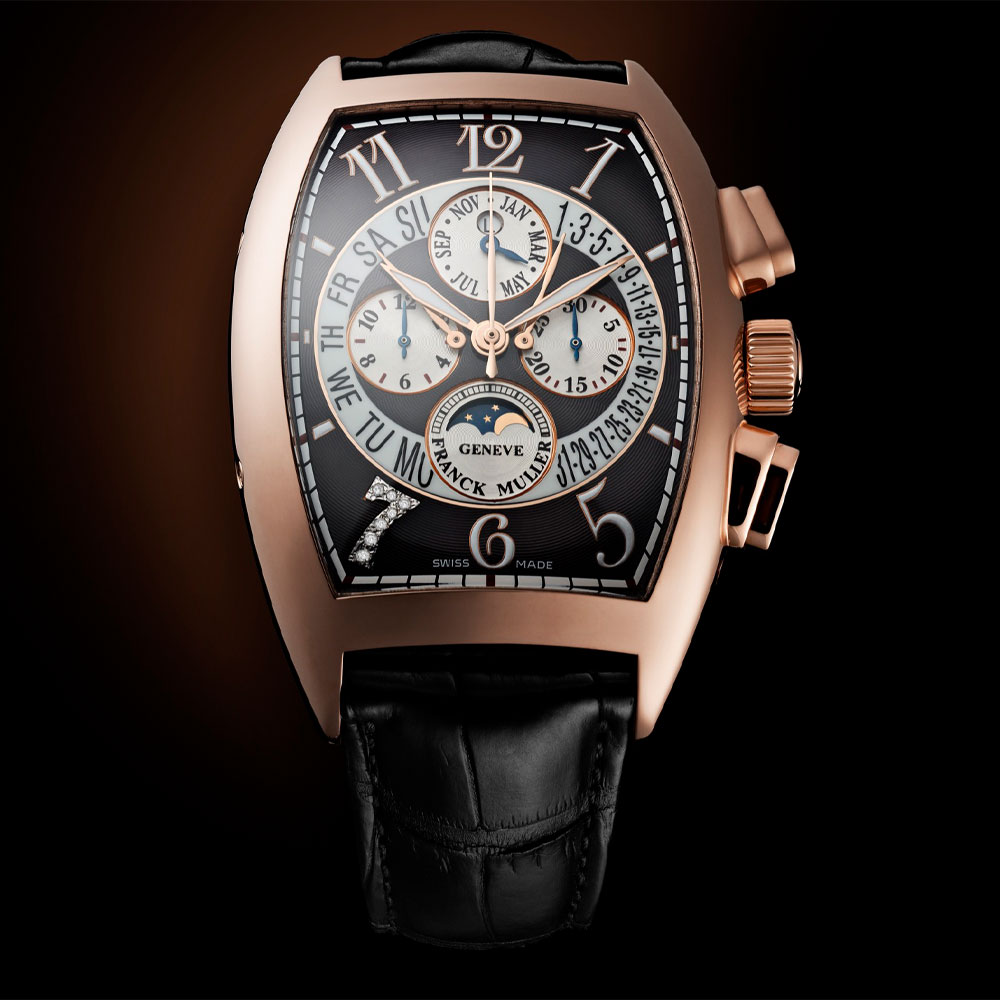
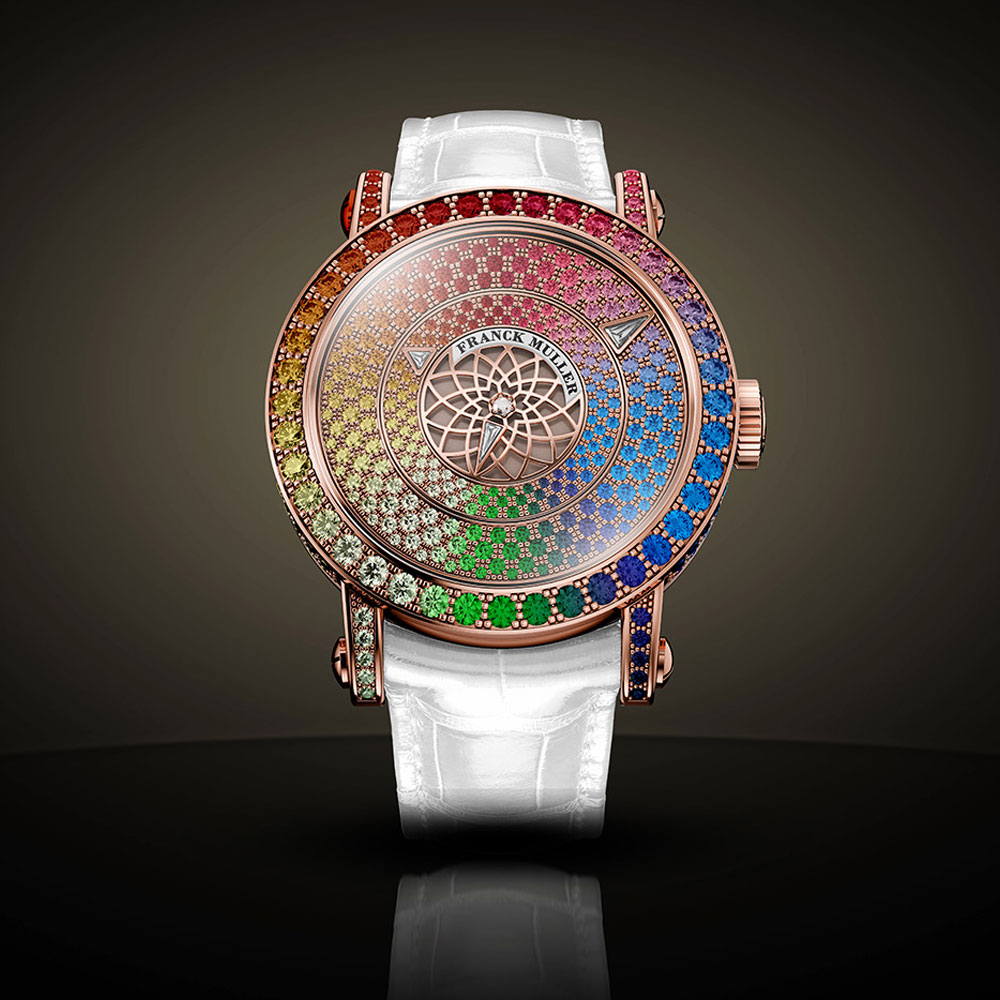
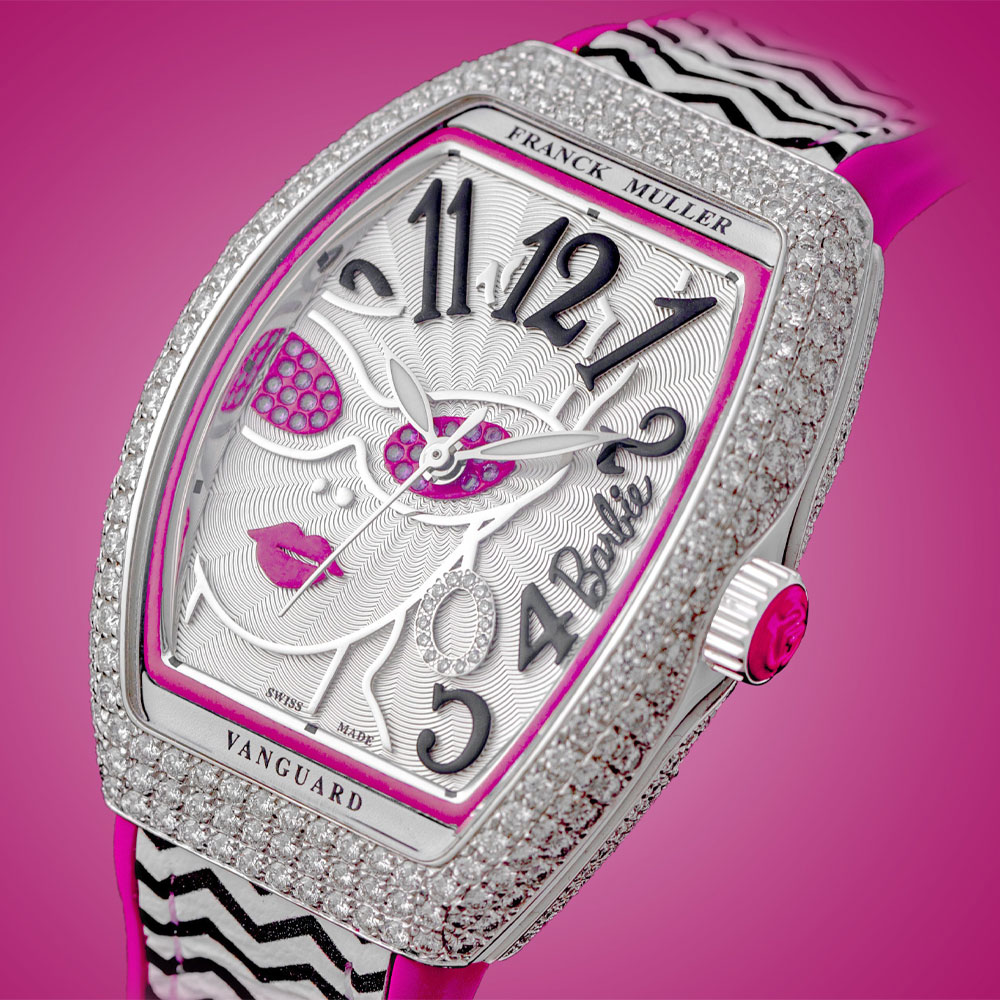
Franck Muller also takes an unconventional approach to structuring its collections. Rather than organising them around functions or complications, the brand bases its portfolio on distinctive case shapes such as the Cintrée Curvex, Vanguard, Long Island, and Master Square. Signature complications—including “Crazy Hours”, tourbillons, and perpetual calendars—are then integrated across these collections.
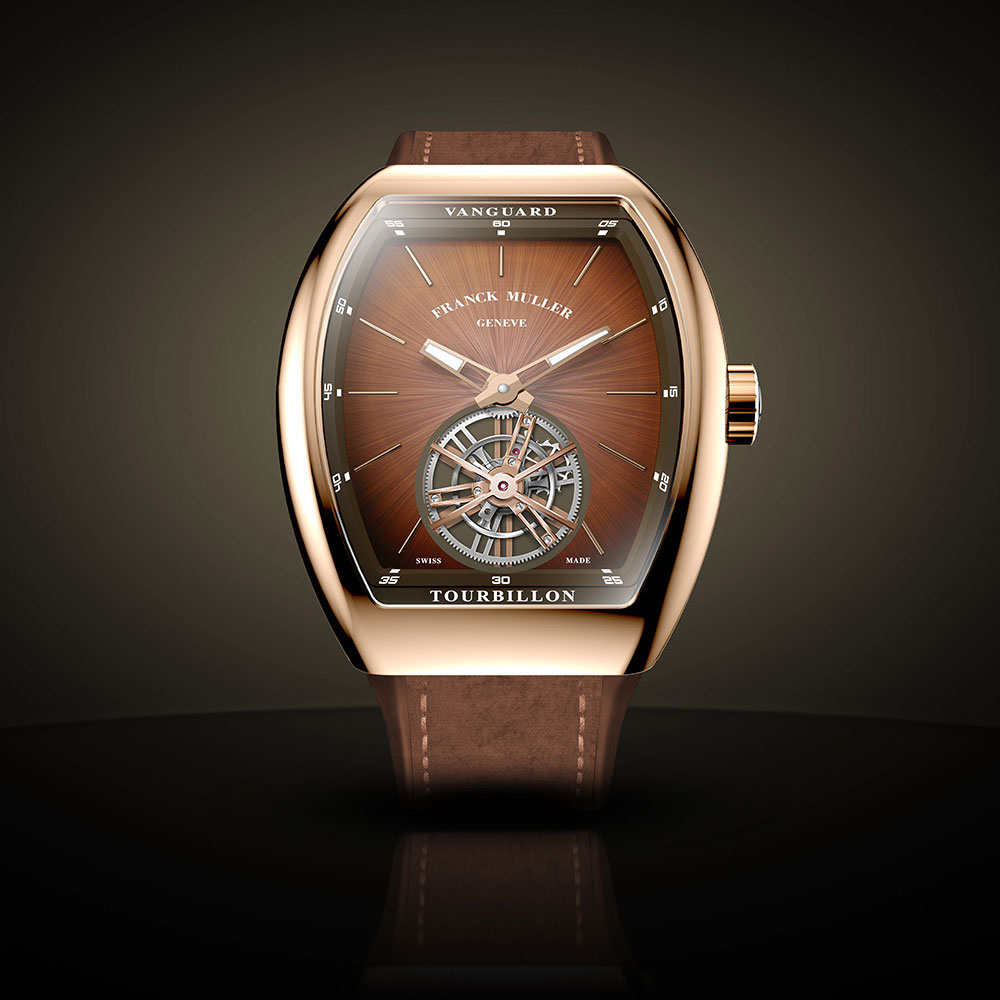
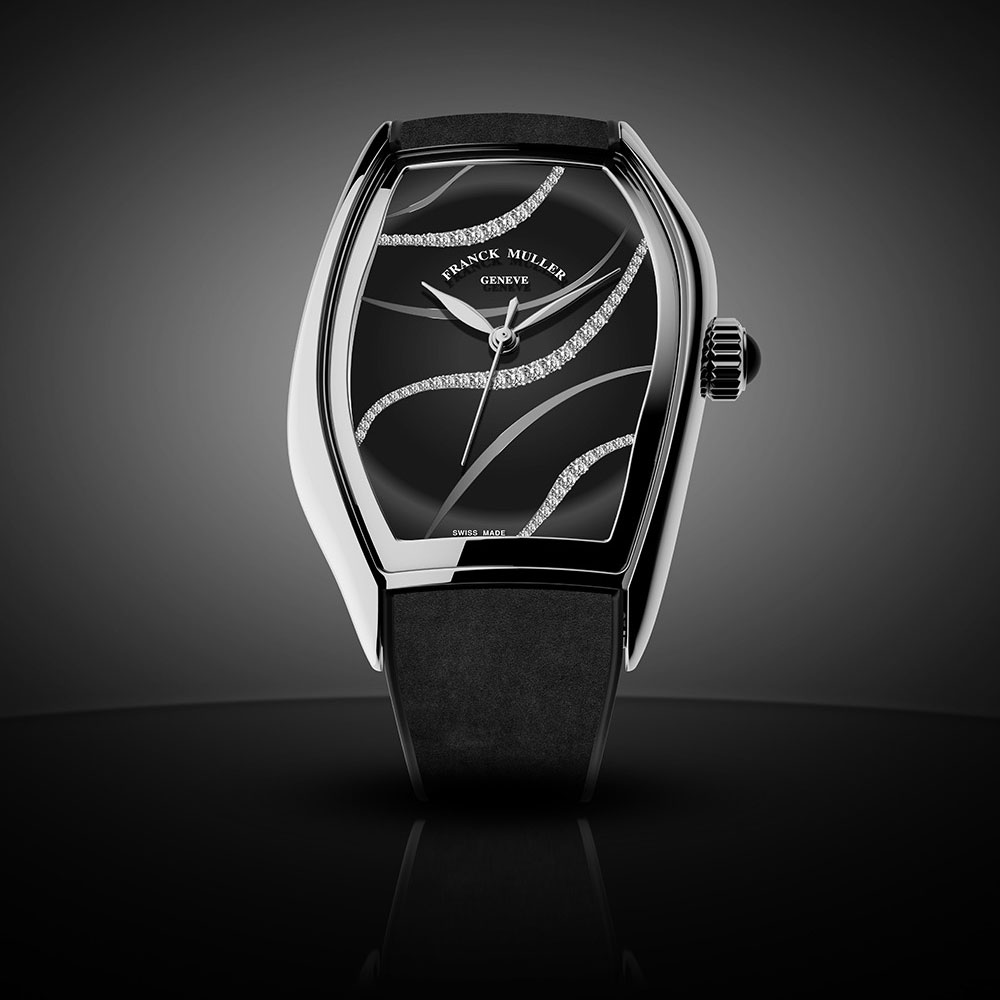
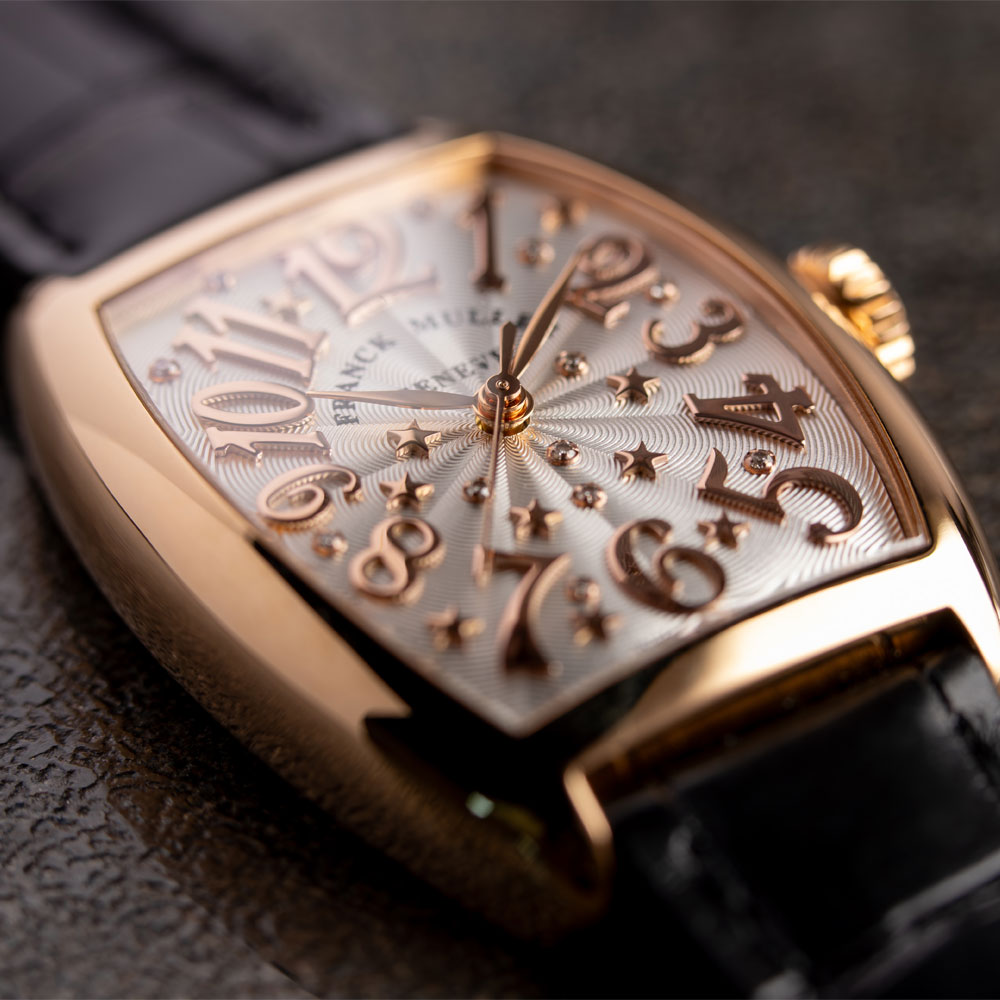
The breadth of the range is equally remarkable. The Cintrée Curvex alone is available in eight different sizes, while extensive customisation options allow both clients and authorised retailers to configure watches to their individual preferences.
Conclusion: Franck Muller—a statement on the wrist
My visit to Franck Muller changed my perspective on the brand and helped me understand why it continues to divide opinion.
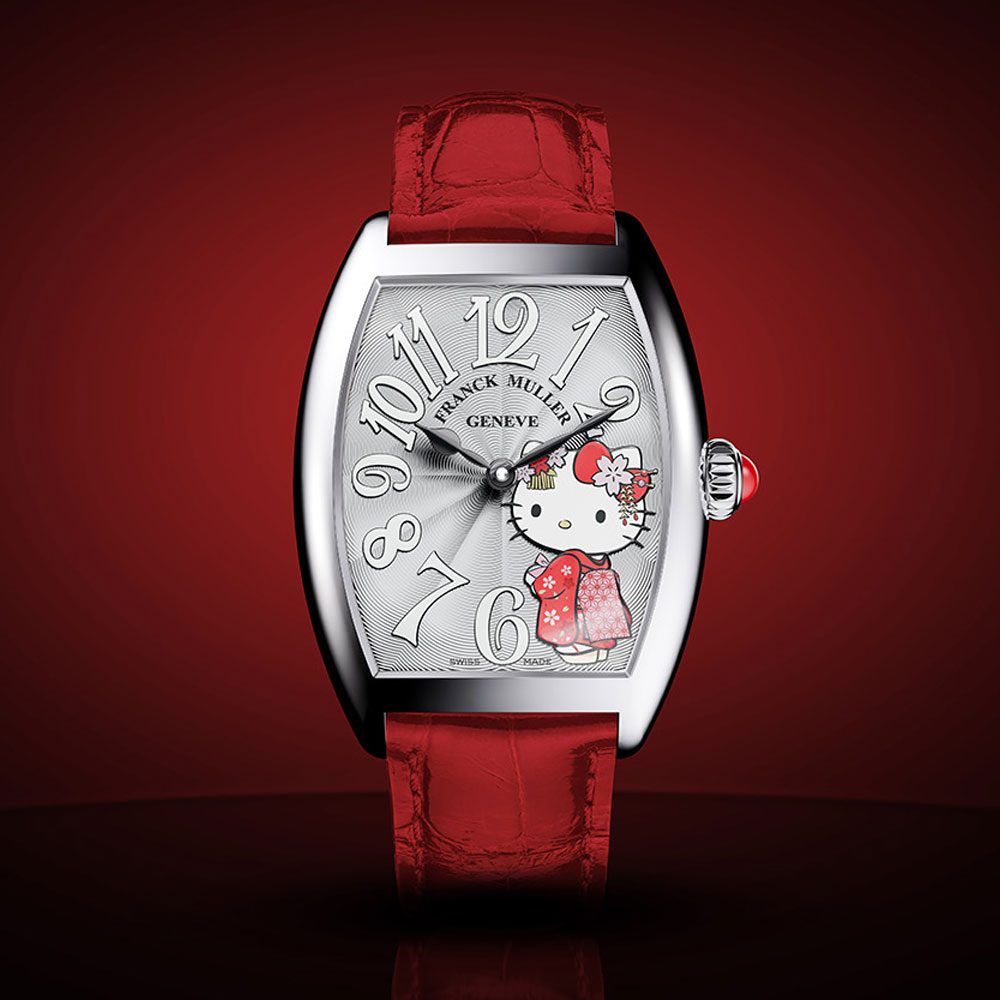
Yes, alongside the brand’s more classically styled timepieces, there are plenty of watches designed to make a bold statement. The skeletonised models, in particular, resemble miniature mechanical universes. Bursts of colour, Hello Kitty on the dial, oversized curved numerals, figurative motifs, striking patterns, and, of course, the “Crazy Hours” complication all reflect the brand’s fearless creativity. Yet despite this exuberant use of colour and design, the watches never strike me as childish or driven by fleeting trends. Instead, they feel genuinely original.
After my visit, Franck Muller has become far more than just another luxury watch brand in my eyes. It is a world of its own, where architecture, manufacturing, design, and watchmaking are all guided by the same philosophy: uncompromising independence and the courage to be different. Perhaps that is why it feels almost inevitable that this cosmos now extends beyond watchmaking to include chocolate, perfume, and even a 450-metre residential tower in Dubai.
About Franck Muller
Despite a level of vertical integration that is exceptional even by Swiss watchmaking standards, Franck Muller is a comparatively young brand. From the very beginning, its identity has been defined by boldness, creativity, and a distinctive approach to haute horlogerie.
History & Philosophy
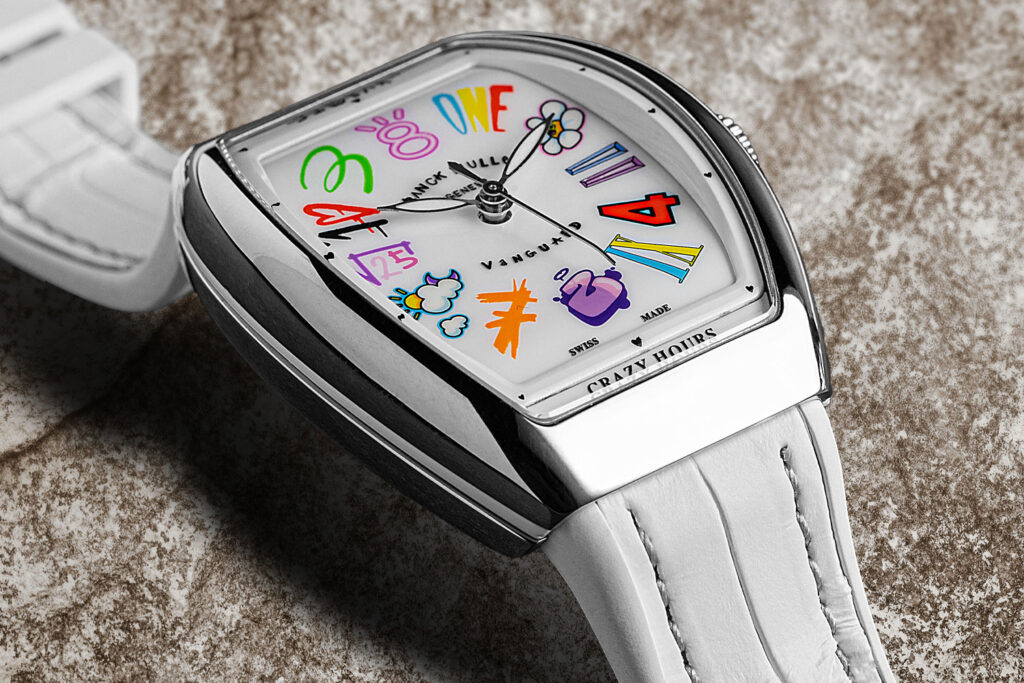
As a result, Franck Muller’s watches quite literally tick differently. Nowhere is this more evident than in the Crazy Hours, with its unconventional jumping-hour display. Here, the hours do not follow the familiar sequence from 1 to 12. Instead, the numerals appear to have been scattered at random across the dial. Yet the hour hand maintains perfect chronological order by jumping five “conventional” hours every 60 minutes, making the seemingly chaotic display surprisingly intuitive to read.
Despite its technical sophistication, the complication retains a playful character. That is precisely why Crazy Hours so perfectly embodies Franck Muller’s philosophy: daring to be different while combining the highest levels of watchmaking with a sense of lightness, humour, and joie de vivre.
How It All Began
Franck Muller, the brand’s founder and namesake, was born to Swiss and Italian parents. He began his career with a four-year apprenticeship at the Geneva Watchmaking School, graduating with honours. Before dedicating himself to creating his own highly complicated wristwatches in the 1980s, he earned an outstanding reputation for restoring historic pocket watches for auction houses, museums, and private collectors.
In 1991, he joined forces with entrepreneur and case specialist Vartan Sirmakes to establish the Franck Muller brand—a successful partnership. While Muller focused on watchmaking innovation and product development, Sirmakes built the industrial infrastructure that enabled the brand to grow without compromising craftsmanship or human expertise.
The company quickly gained international recognition as the “Master of Complications,” reinterpreting traditional complications such as the minute repeater and the tourbillon through an unmistakably individual design language. Among its most recognisable signatures is the Cintrée Curvex case, with its distinctive tonneau-shaped, three-dimensionally curved silhouette.
Today, Vartan Sirmakes serves as the company’s Chairman and CEO, alongside co-CEO Nicholas Rudaz. With Lori and Sisvan Sirmakes already assuming leadership roles, the next generation is helping to shape the future of the family-owned company. franckmuller.com