
A Moment at Franck Muller
A Visit to Franck Muller Watchland
A first impression is often more than just a snapshot. It’s a feeling, an atmosphere, authenticity. That’s exactly what we’re looking for when we encounter brands: beyond the staged image, where passion, craftsmanship, and history come to life. For our series “A Moment at the Maison,” we traveled to Switzerland to capture these moments at the great watchmaking houses.
Part 3 of our series: “A Moment at the Maison” – A Moment at Franck Muller

Anyone hearing the name Watchland for the first time might think of some kind of amusement park—perhaps with watch-themed attractions and a bit of entertainment thrown in. And yes: it has to do with watches, and it’s a real pleasure to be there. But that’s where the parallels end. Because the “attractions” that await you here are different—quieter, more serious, more fascinating.
Bold, precise, and uncompromising
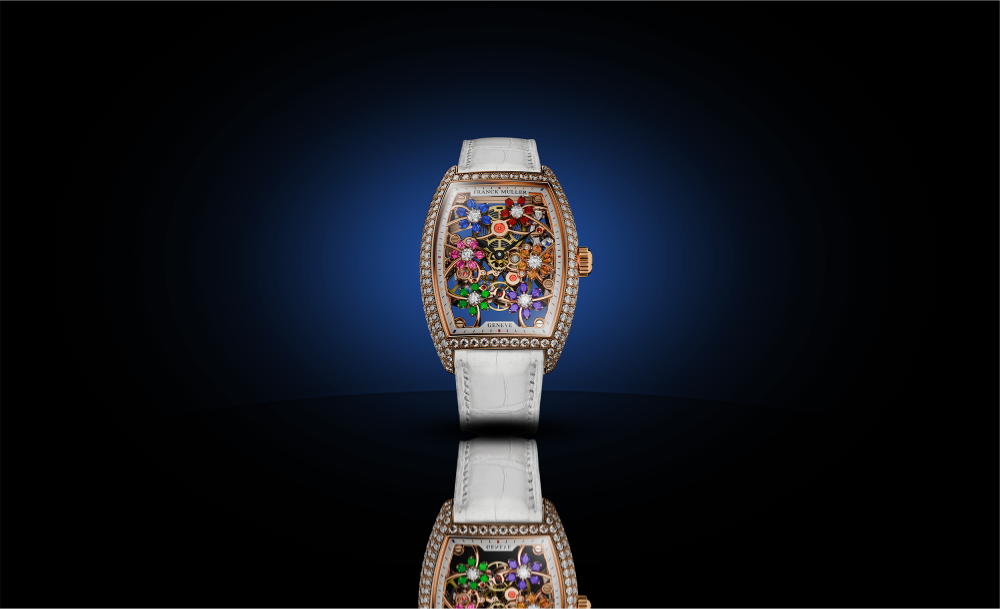
The history of Franck Muller began relatively recently in the world of haute horlogerie—yet with impressive consistency. In 1991, watchmaker Franck Muller and entrepreneur Vartan Sirmakes founded a brand in Geneva that charted its own course from the very beginning: bold in design, precise in craftsmanship, and uncompromising in its mastery of complex movements. Even in its early years, the brand made a name for itself with models such as the Cintrée Curvex, the whimsical Crazy Hours, and early tourbillon creations—watches that quickly became hallmarks of the brand.
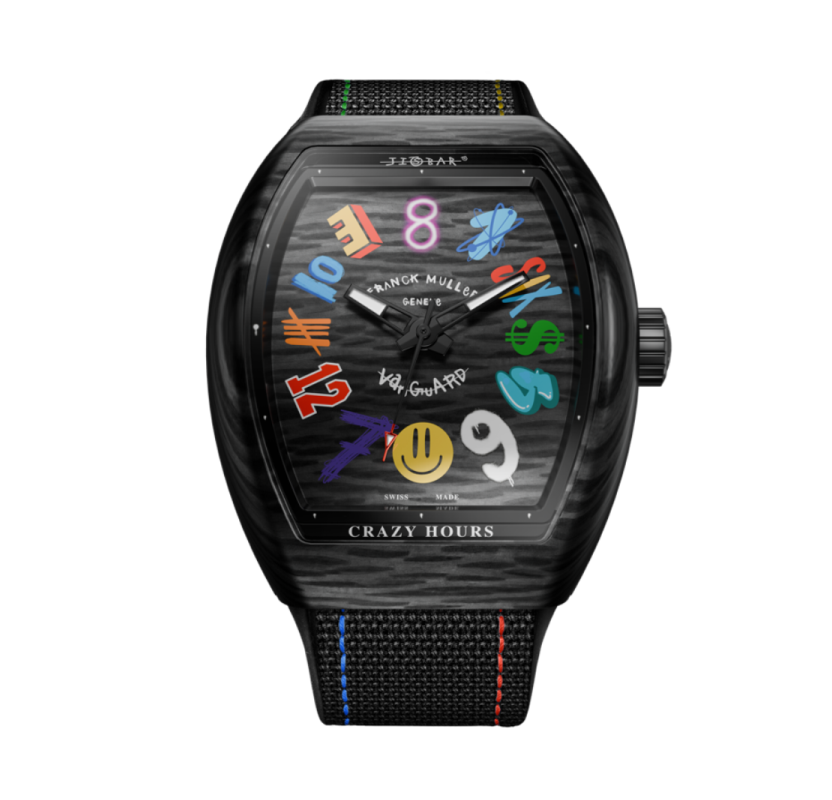

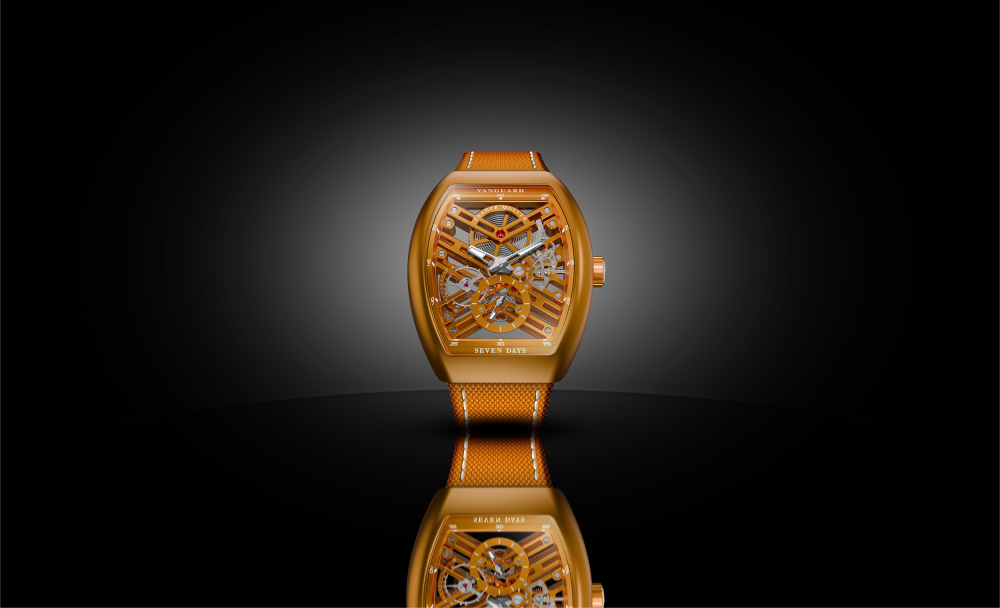
Two new models in Franck Muller’s iconic design: the Cintrée Curvex™ and, on the right, the elegant one (Copyright: Franck Muller)
Watchland
The development of the company’s own manufacturing campus, “Watchland,” beginning in 1998, reinforced this commitment: Here, a watch was not merely to be assembled, but to be created—from start to finish, from the initial idea to the finished timepiece. To this day, this spirit defines the brand: a blend of creative freedom and deep respect for the art of watchmaking.
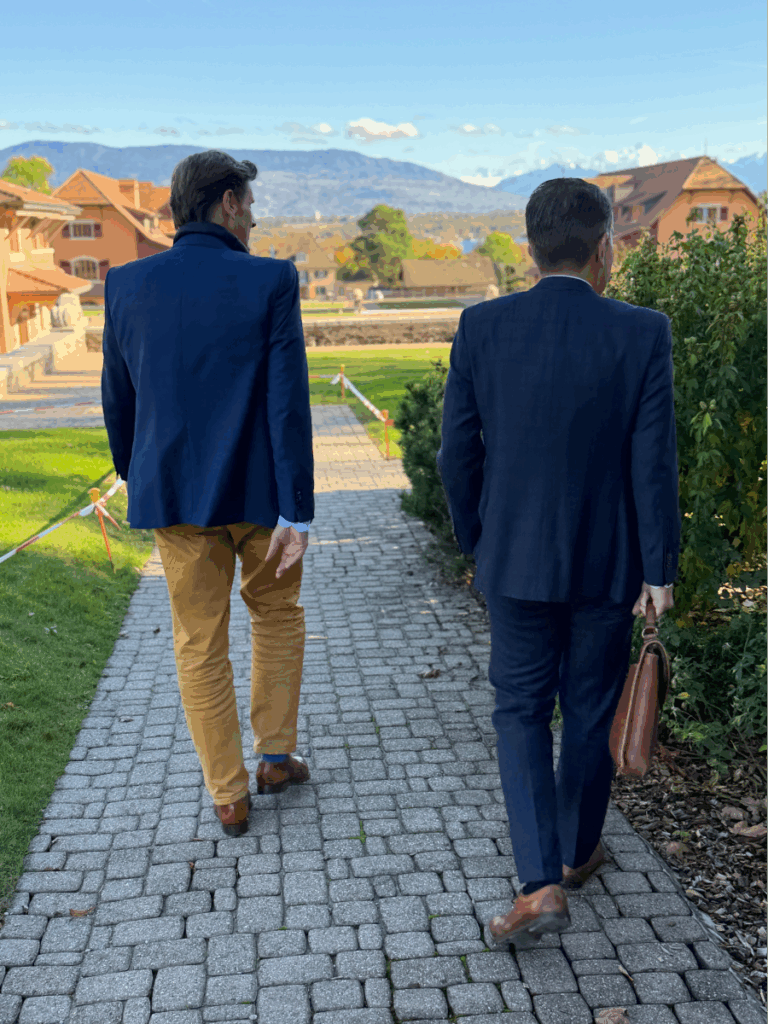
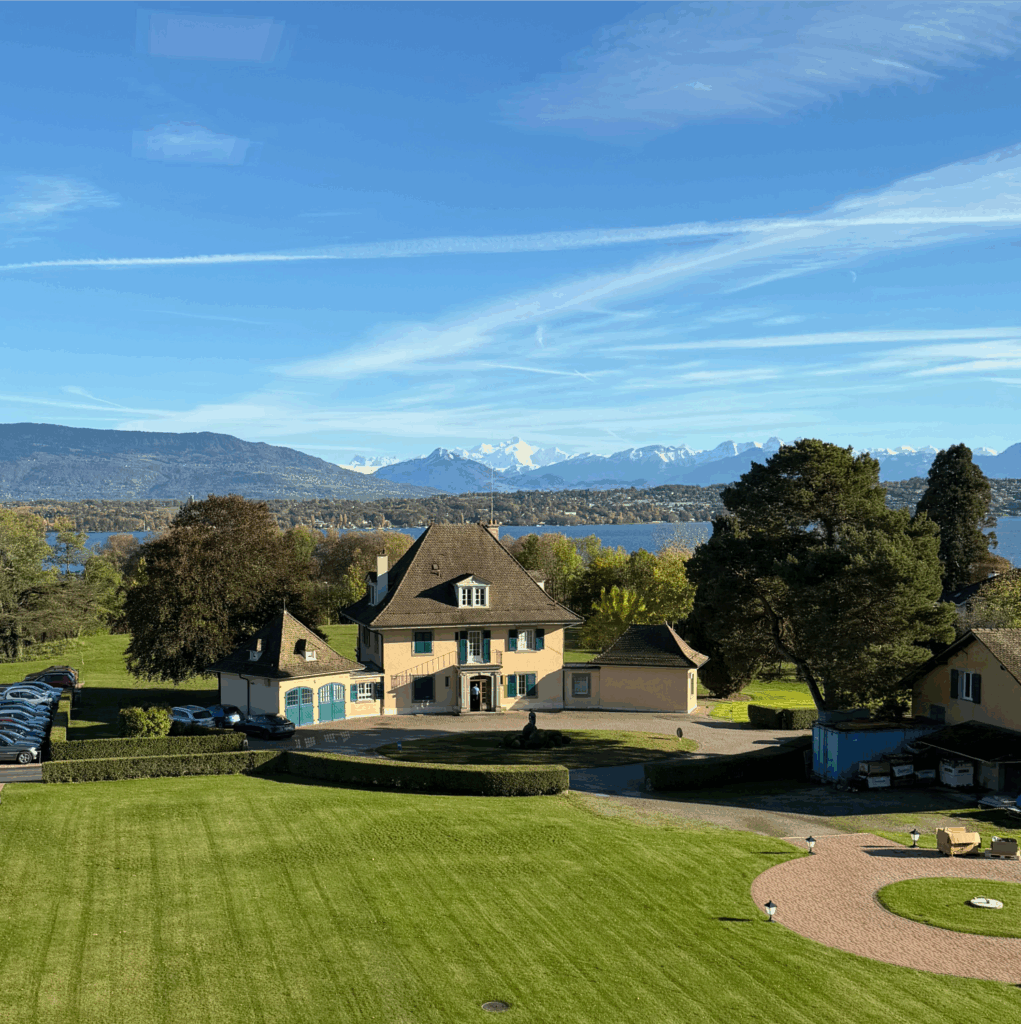
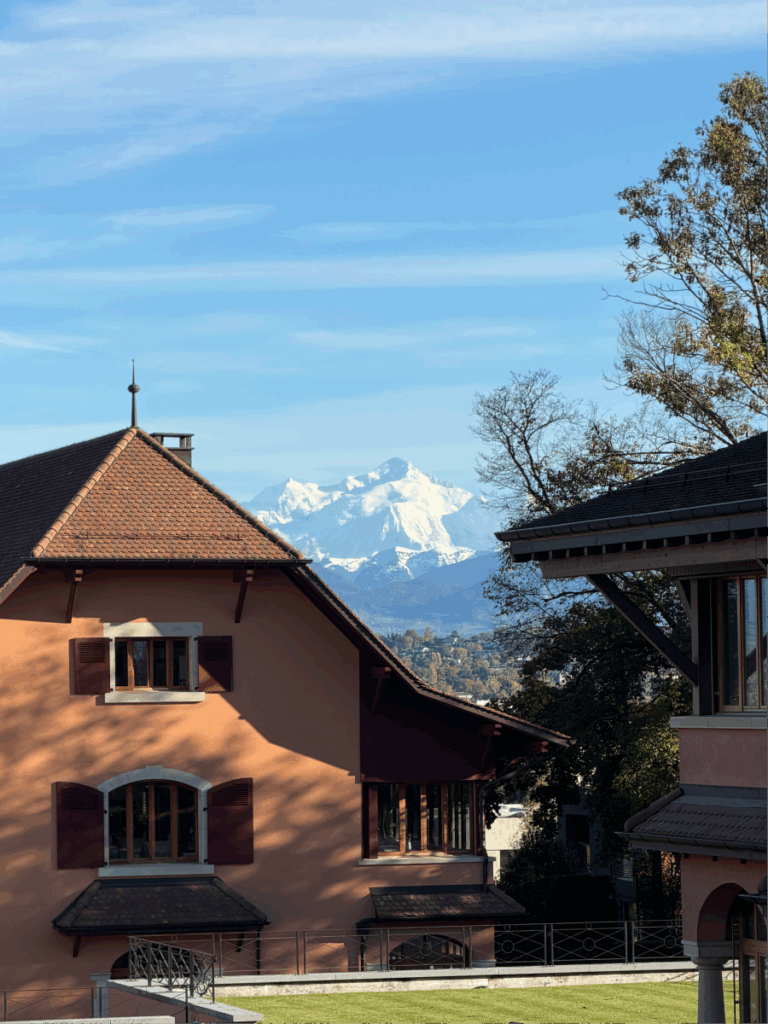
Watchland is located on the grounds of a historic estate in Genthod, about ten kilometers north of Geneva. You drive through the quiet, almost unassuming village of Genthod until, behind a hedge, the estate comes into view: a complex comprising a manor house, outbuildings, and plenty of greenery—and, when the weather is nice, a breathtaking view across Lake Geneva to the Mont Blanc massif. This view accompanies your visit and serves as a constant reminder of where you are.

A Historic Estate as the Heart of Modern Watchmaking
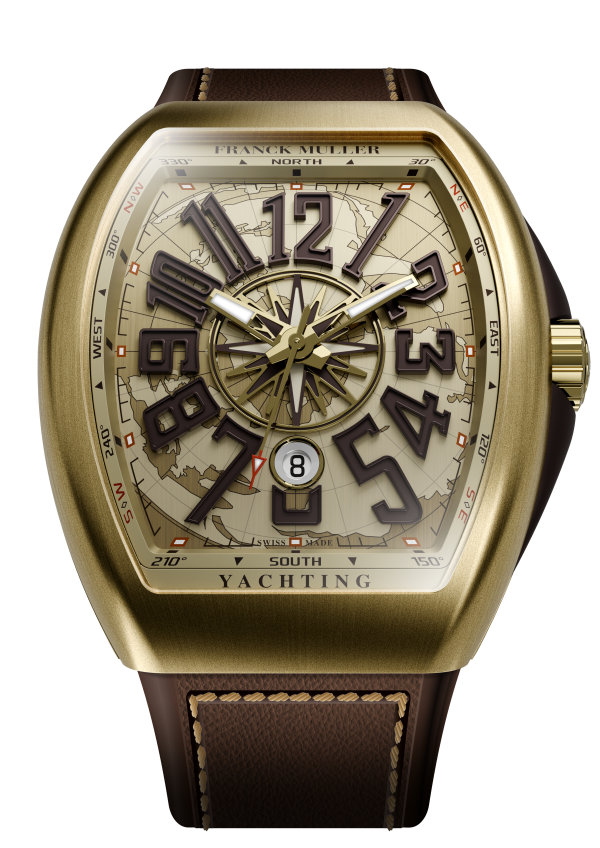
The manor house, built in 1905, was the first building to be restored starting in 1998 and converted into one of the manufacturing facility’s central locations. Today, it houses reception areas, marketing and sales, as well as the offices of Vartan Sirmakes and the administrative teams. In 2000 and 2019, two outbuildings were added in each year—each of which houses a portion of the production facilities. Impressive and designed to complement the Swiss-style manor house with its distinctive charm, the entire complex now exudes a look that is both classic and modern, elegant yet deeply rooted in tradition and heritage—much like the watches crafted here, including models such as the Vanguard, the sportier Yachting variant, and the elegant Long Island.

The idea behind Watchland is as clear as it is ambitious: watchmaking as a complete work of art. Virtually every aspect of a watch is created here, side by side. Watchland is less a location and more an ecosystem in which tradition, innovation, and craftsmanship reinforce one another.
Our tour begins at the manor house and takes us from there across the entire campus:

Cases, Materials, and the Art of Form
In the first building, we come across the case manufacturing facility. Amid metallurgy and modern CNC machines, the physical structures of a Franck Muller watch take shape here. Stainless steel, 18-karat gold in various shades, platinum, titanium—and materials such as carbon or cases milled entirely from sapphire. Depending on the model, many of these parts are still meticulously crafted by hand to this day. It is here that the designs of future watches—such as the Vanguard, the Master Banker, or the technically sophisticated tourbillon models—first take shape.

The Birth of the Works

In the second building, the work becomes even more intricate: this is where the timepieces are crafted—component by component. Gears, shafts, springs, screws, hands, numerals—essentially all components. This is also where the finishing touches are applied: polishing, beveling, engraving, and in the electroplating shop, the surfaces of more than just the movement components are refined. The precision of the craftsman’s hand touches every part—sometimes visibly, often only perceptible to the touch. All of this together forms the foundation for the complications and designs for which Franck Muller is renowned—from perpetual calendars to multi-axis tourbillons.

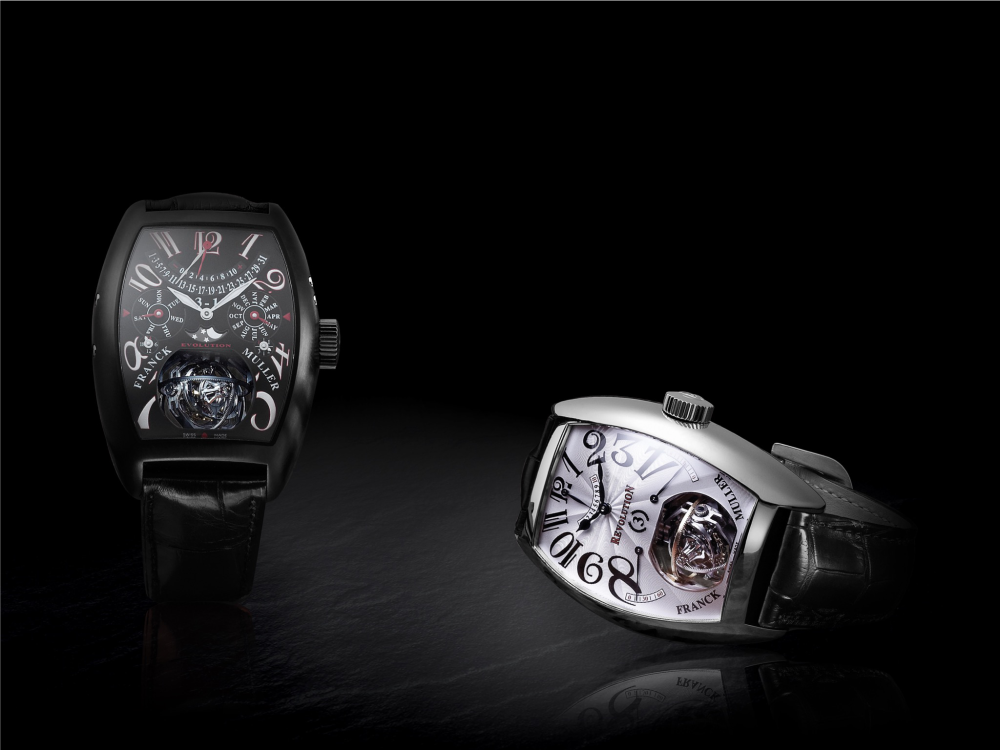
The Revolution is a world premiere and one of the masterpieces of the Franck Muller collection. After years of development, Franck Muller revolutionized the watch industry by creating the world’s very first three-axis tourbillon: the Revolution 3
Studios filled with light, concentration, and atmosphere
As if that weren’t fascinating enough, visitors can now explore the watchmakers’ workshops in the third and fourth buildings of the complex. These aren’t large rooms with long rows of workbenches, but airy studios where specialized teams work on their respective complications and assemble “their” watches from start to finish. Each team works independently in its own bright, modern Swiss-style setting, quietly and with intense focus.

My favorite part:
The workshop that specializes in tourbillons:
Eight workbenches, arranged to face a panoramic window that offers an unobstructed view of Lake Geneva and the Mont Blanc massif. Despite—or perhaps because of—this distraction, some of the Maison’s most impressive timepieces are created here, including the iconic Revolution Tourbillons.
The Journey of a Watch—and Ours
The ground floor and basement of the last building house the shipping and warehouse areas. From here, the finished watches set out on their journey around the world—following the same path we took today: from raw materials to the finished timepiece.
A visit to Watchland reveals just how deeply this place shapes the watches that are crafted here. The buildings, the people, the craftsmanship, the tranquil yet creative atmosphere, the view of the lake stretching all the way to Mont Blanc—all of these elements, both visible and invisible, flow into the work.
And what about us? We can’t wait for our next visit. Next time, we’ll dive even deeper—and capture even more of this special atmosphere.
We would like to extend our very special thanks to:
Mr. Ralf Kern, for making this visit possible, and to the entire team at Watchland who guided us through the facility, as well as to all the watchmakers, experts, and specialists whom we may have distracted from their work with our questions!