Champagne—Christmas in a Glass
We’re venturing into a world of culinary exploration beyond the big names.
An article for INSIGHT LUXURY by Nadine Rieck
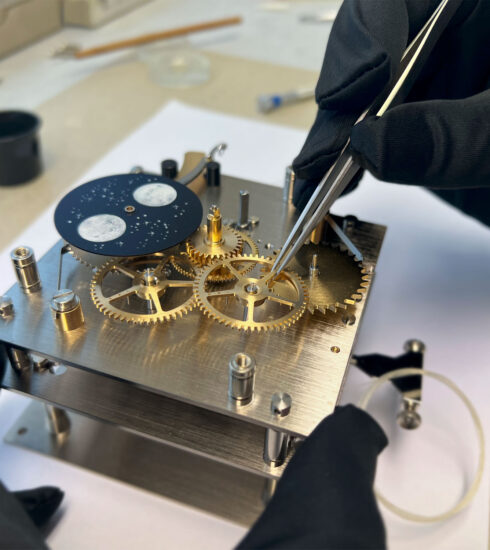
Christmas is approaching—as it does every year—with the unstoppable precision of a minute-repeater movement. And although the world of haute horlogerie places the utmost value on intricate complications, understated excellence, and masterful craftsmanship, when it comes to champagne, people surprisingly often reach for the same familiar names that are present in every lounge and at every gala dinner. It’s a bit like always wearing the same watch—one that is elegant, reliable, and high-quality, but no longer raises a connoisseur’s eyebrow.
Yet Champagne offers a world full of character and subtlety that all too often remains hidden: the world of artisanal champagnes.
We prefer them for one simple reason: they tell stories. Not the polished, marketing-optimized ones featuring drone footage of the Côte des Blancs, but those that smell of craftsmanship, of chalk, of decisions made early in the morning in the vineyard. They have character, depth, and a distinct style that you can taste—and that makes them a wonderful alternative, especially at Christmas.
We’d like to introduce you to three such treasures: Champagne Château de Boursault, Champagne William Saintot, and Champagne Veuve Fourny & Fils. Three independent winemakers who don’t just produce champagne, but wines full of character—for those willing to taste beyond the obvious.
Champagne Château de Boursault

Cuvée Le Clos: Delicately sparkling, full of character, and elegant.
The Cuvée Le Clos (a walled, premier vineyard) from Champagne Château de Boursault is a lyrical reflection of terroir, tradition, and craftsmanship. Composed of 80% Pinot Noir and 20% Chardonnay, it combines a powerful structure with supple elegance—a champagne that both seduces and impresses.
The cuvée rests on its lees for over six years, gently and unhurriedly, and even after disgorgement (the removal of the lees following bottle aging), it is allowed another six months of rest until its harmony, much like a finely woven fabric, emerges fully and clearly in the glass.
The dosage (a small addition of a wine-sugar-liqueur mixture after disgorgement) of just 1 g/l highlights the wine’s purity and precision, allowing the terroir’s natural finesse to shine through in every nuance.
The bouquet of Le Clos is beguiling and complex: delicate notes of beeswax blend with a hint of smoky vanilla, while on the palate, freshly baked brioche meets the gentle fruitiness of ripe figs. An experience that is both intense and exquisitely refined. The finish is long and assertive, rounding out the carefully composed interplay of vibrancy and delicate finesse—a quiet expression of power and graceful elegance.
Why Le Clos is an insider’s tip:
• This champagne is an extraordinary blend of robust Pinot Noir and elegant Chardonnay.
• Small batches and traditional winemaking methods ensure individuality, character, and exclusivity.
• Extended aging and minimal intervention preserve the terroir’s authentic character and leave a lasting impression.
Recommended retail price in Germany: approx. €85 for a 0.75-liter bottle.
Available at www.happyhourcollection.de

Château de Boursault: A family legend and the only “Mise en bouteille au Château” champagne from the Marne
Champagne Château de Boursault is a family-owned brand steeped in tradition, now in its fourth generation and currently led by Alex Fringhian. The château, built by the legendary Veuve Clicquot and located just ten kilometers from Épernay, was acquired by the family’s great-grandfather in 1927. His son, the grandfather, breathed new life into the estate, expanded the vineyards, and laid the foundation for the family’s own champagne production. Today, the 13 hectares of vineyards consist of Meunier (50%), Pinot Noir (30%), and Chardonnay (20%)—a reflection of the rich terroir and careful selection.
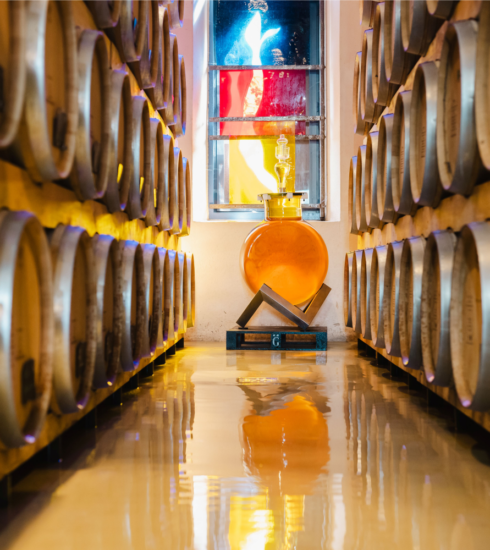
Champagne Château de Boursault is the only champagne from the Vallée de la Marne that is bottled entirely “Mise en bouteille au Château.” This means that the entire production process takes place within the historic castle walls: from the vineyards through gentle pressing, vinification, and aging in the historic vaulted cellars, all the way to disgorging, dosing, and the dressing, labeling, and presentation of every single bottle.
For more information, visit: www.champagne-chateau-de-boursault.fr/en/home
William Saintot

Blanc de Noirs Premier Cru: A Pinot Noir in a class of its own
William Saintot’s Blanc de Noirs Premier Cru is the heart and soul of the house—a champagne that captivates connoisseurs and enthusiasts alike. Made entirely from Pinot Noir, it hails from the renowned Premier Cru vineyards around Avenay-Val-d’Or, Mutigny, and Bisseuil, where limestone and clay soils give it its freshness, minerality, and depth. The vinification follows the domaine’s time-honored craftsmanship: 67% of the wine matures in oak barrels, 20% in stainless steel tanks, and 13% in concrete eggs, giving the Blanc de Noirs Premier Cru exceptional complexity and structure. With a dosage of just 2 g/l and a minimum of 2.5 years of bottle aging, it unfolds its harmonious richness. Cold treatment* and filtration** are deliberately avoided—thus the wine’s natural texture, aromatic diversity, and fine microstructures are fully preserved.
The bouquet unfolds with subtle complexity: hints of red berries and earthy notes intertwine with soft brioche, yeast, and a touch of delicate spice. On the palate, the champagne is fresh and mineral-driven with a distinctive structure, while its elegant balance reflects the terroir and the masterful craftsmanship of its creators.
Why the Blanc de Noirs Premier Cru is an insider’s tip:
• 100% Pinot Noir, which means: the highest concentration, maximum structure, and purity of the grape. This gives it depth and fruitiness, making it an exceptional alternative to classic cuvées. – At William Saintot, the winemaking process combines aging in stainless steel tanks, oak barrels, and concrete eggs, resulting in a remarkable complexity of textures and aromas.
• With an annual production of around 22,000 bottles, the Blanc de Noirs Premier Cru remains exclusive, full of character, and unique—a champagne for connoisseurs.
Recommended retail price in Germany: approx. €39.90 for a 0.75-liter bottle.
Available at: www.champagne-characters.com
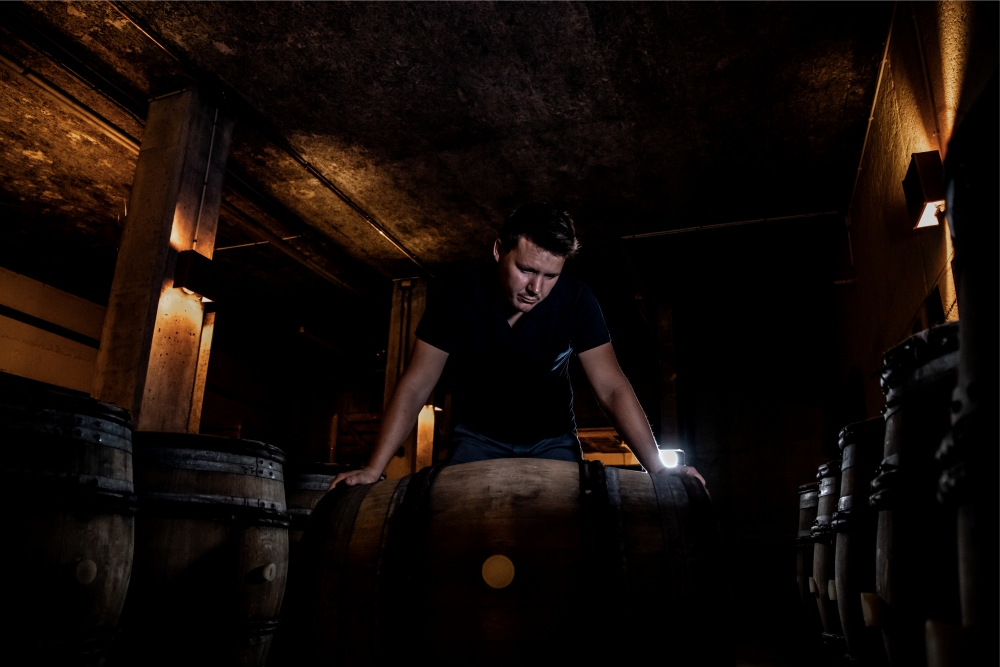
The Evolving Art of Champagne – Organic, Single-Vineyard, Full of Character
Morgann Trebutien manages the William Saintot winery in Avenay Val d’Or—founded in 1955 and nestled in the eastern Marne Valley, not far from Bouzy and Ambonnay—with great sensitivity and care. Pinot Noir dominates here, accounting for about 90% of the vineyard, and is cultivated with the utmost respect for nature and the terroir. The domaine is currently transitioning to organic farming, while the family also operates a vine grafting business.
In the cellar, Morgann Trebutien relies on a gentle, artisanal aging process: oak barrels, concrete eggs, and qvevris impart a nuanced maturation to the wines; the base wines are fermented spontaneously and aged strictly by plot. After a long period of aging on the lees, riddling is still done partly by hand, disgorging is carried out with minimal dosage, and some bottles even age under cork—a rarely used, cost-intensive process.
The result is champagne that embodies the terroir, offering great depth and profound complexity, where the expertise of generations of winemakers meets the fresh inspiration of a new generation—elegant, multifaceted, and unmistakable.
For more information, visit: www.champagne-william-saintot.fr/en
Veuve Fourny & Fils Champagne
Blanc de Blancs Extra Brut Premier Cru: A quiet triumph of the Côte des Blancs

There are champagnes whose greatness is not revealed through ostentatious display, but through subtle sophistication and refined precision. The Blanc de Blancs Extra-Brut Premier Cru from Veuve Fourny & Fils is one such wine. It reflects the soul of a house that has celebrated Chardonnay in its purest form for generations in Vertus, a Premier Cru village in the Côte des Blancs.
This cuvée—a pure Chardonnay, Extra Brut (i.e., very dry, with a dosage of 5 g/L)—embodies the house’s uncompromising terroir philosophy. The grapes come from the finest plots, including the legendary Clos Faubourg Notre-Dame, whose chalky soils of the Côte des Blancs lend every wine an incomparable minerality. The first-press musts (the highest-quality juices) are fermented spontaneously before being aged in traditional, large oak barrels. The result is an elegance that subtly combines extended yeast aging with gentle oak notes.
In the glass, the Blanc de Blancs is crystal clear. The nose is characterized by apple, pear, and delicate citrus notes, accompanied by subtle floral accents typical of the Côte des Blancs. The perlage is fine and lively, and the tiny bubbles lend the palate a sense of lightness and elegance.
On the palate, the minerality of the limestone soil comes through, paired with a sleek, precise structure that unmistakably reflects the character of these terroirs. Every sip speaks to the patience and dedication of the winemaking family, who have tended their grapes and cellars for years.
By the way, a quick tip for Berliners and lovers of fine dining: at Grill Royal, this cuvée demonstrates with understated elegance just how effortlessly it complements a wide variety of dishes. There are champagnes whose greatness isn’t displayed through ostentatious pomp.
Why the Blanc de Blancs Extra Brut Premier Cru is an insider’s tip:
• 100% Chardonnay from Premier Cru vineyards guarantees minerality, clarity, and elegance.
• A blend of first-pressing juice, reserve wines, and extended bottle aging imparts depth, finesse, and character.
• A small, family-run winery now in its fifth generation, with 8.5 hectares of vineyards, that consistently brings tradition, craftsmanship, and terroir to life in every bottle.
Suggested retail price in Germany: approx. €45 for a 0.75-liter bottle
Available at Weinladen Schmidt: www.shop.weinladen.com

Since 1856, Veuve Fourny & Fils has kept the art of Champagne-making in the hands of a single family, whose passion is evident in every vine.
In the village of Vertus, in the heart of the renowned Côte des Blancs, the Fournys cultivate old Chardonnay vines on soils—partly limestone-rich, partly pure chalk—that impart to the wines the characteristic delicate minerality and lightness of this terroir.
What sets Veuve Fourny & Fils apart is not its size, but its attention to detail: now in its fifth generation, the house is run by brothers Charles Henry Fourny and Emmanuel Fourny—who firmly believe in vineyard-specific winemaking, spontaneous fermentation, and artisanal techniques that allow the terroir to shine through unadulterated.
One of the jewels in their collection is the rare Monopole vineyard Clos Faubourg Notre Dame, which is considered a rarity in Champagne. It has been exclusively owned by the Fourny family since 1930.
The result of this meticulous craftsmanship is champagne that prioritizes substance over show: elegant, crisp, with a restrained dosage, yet featuring a delicate structure, mineral depth, and a terroir character that speaks—quietly, but clearly.
Veuve Fourny & Fils is not one of those estates that seeks to impress with grandeur. It is an estate that operates with prudence and dignity—an estate that one recognizes by its refinement, its authenticity, and its respect for the land it cultivates.
For more information, visit: www.champagne-veuve-fourny.com/en/
Anyone who enjoys a glass of Champagne from Château de Boursault, William Saintot, or Veuve Fourny & Fils this Christmas is savoring the family stories and their spirit—quiet, honest, and unadulterated—just as only winemakers can capture in their bottles.
With that in mind: Merry Christmas!
*Cold stabilization: During cold stabilization, the wine is rapidly chilled for a short period of time so that solid particles, such as proteins or small suspended solids, flocculate and can be easily removed later. This keeps the wine clear, but it loses some of its natural body and aromatic complexity.
**Filtration: Filtration is a process in which wine is passed through very fine filters to remove minute particles, yeast cells, or sediment. This, too, ensures absolute clarity and stability, but can slightly diminish the texture and full flavor.