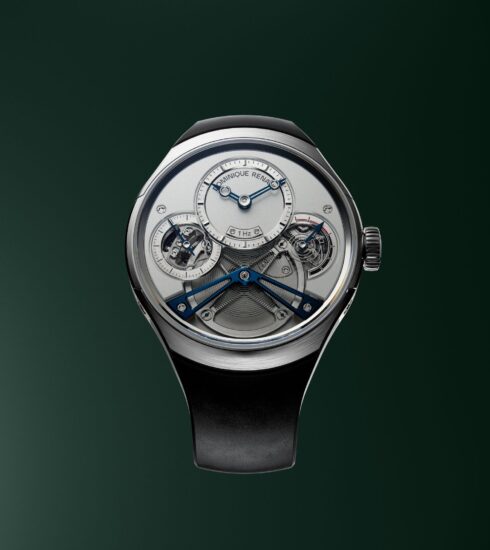
Time to Watches 2026: Focus on Titanium, Recycling, and High-Tech Materials
In recent years, innovation in watchmaking has not only focused on movements and design, but increasingly on materials—the very substance from which watches are made. At Time to Watches, independent brands in particular are exploring this field with notable creativity.
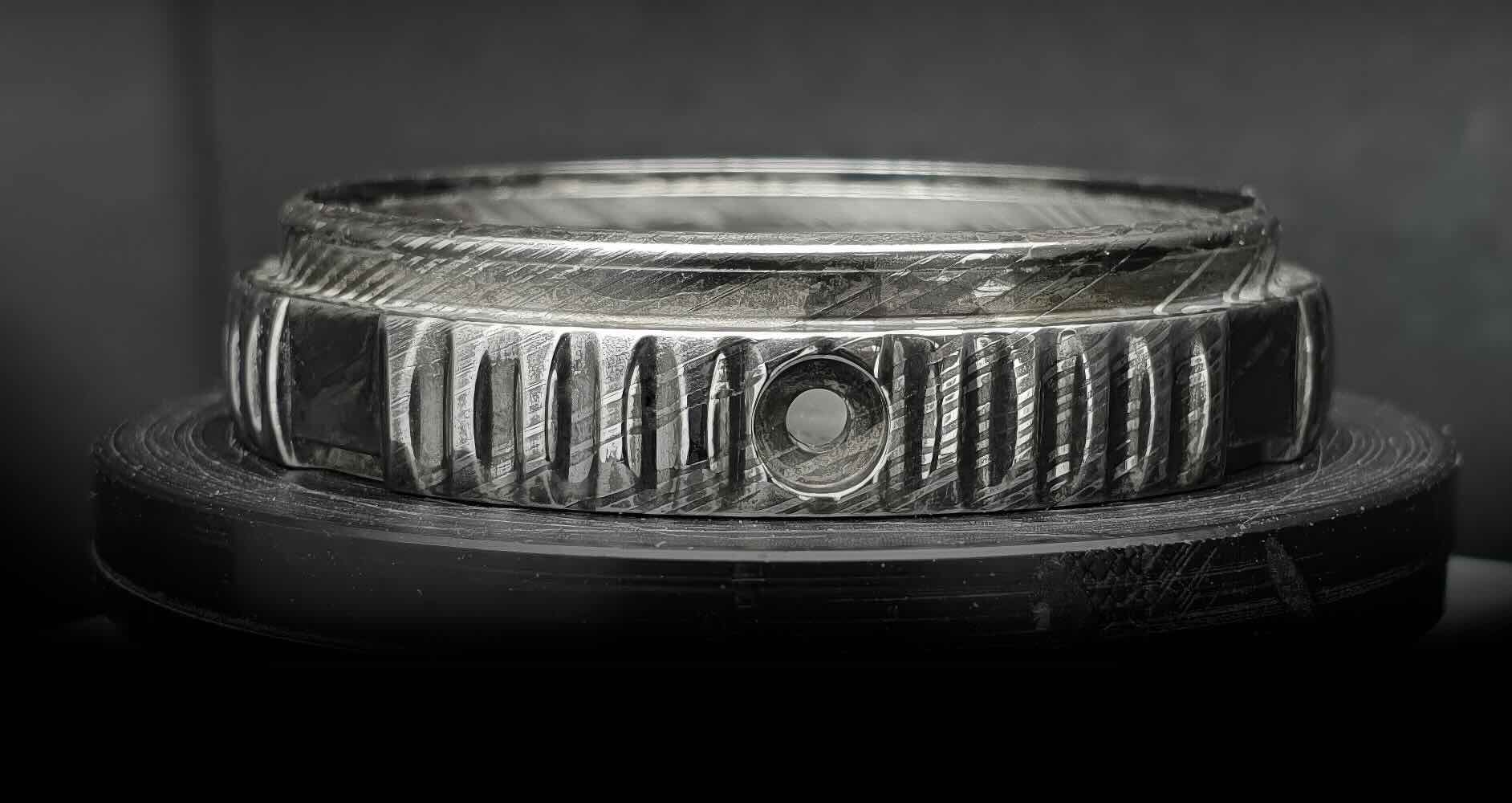
One example is the Swedish brand GoS Watches, which turns to an ancient technique rather than new materials. Each watch features Damascus steel, whose organic patterns make every piece unique. While inspired by Nordic and Viking aesthetics, the result is far from martial—subtle color variations give the watches a refined, almost aurora-like elegance.

Selbstheilung und Zifferblätter aus Titan
A very different approach comes from ID Genève, a brand built around sustainability. Its watches use refurbished, unsold automatic movements, while cases are made from recycled steel and straps from materials such as hemp, banana fibers, or natural rubber. Even the sapphire crystal contains recycled content. Pushing this concept further, the Circular C model introduced a case made from recycled carbon fibers sourced from wind turbine production—combined with a process that allows minor scratches to gradually disappear over time.
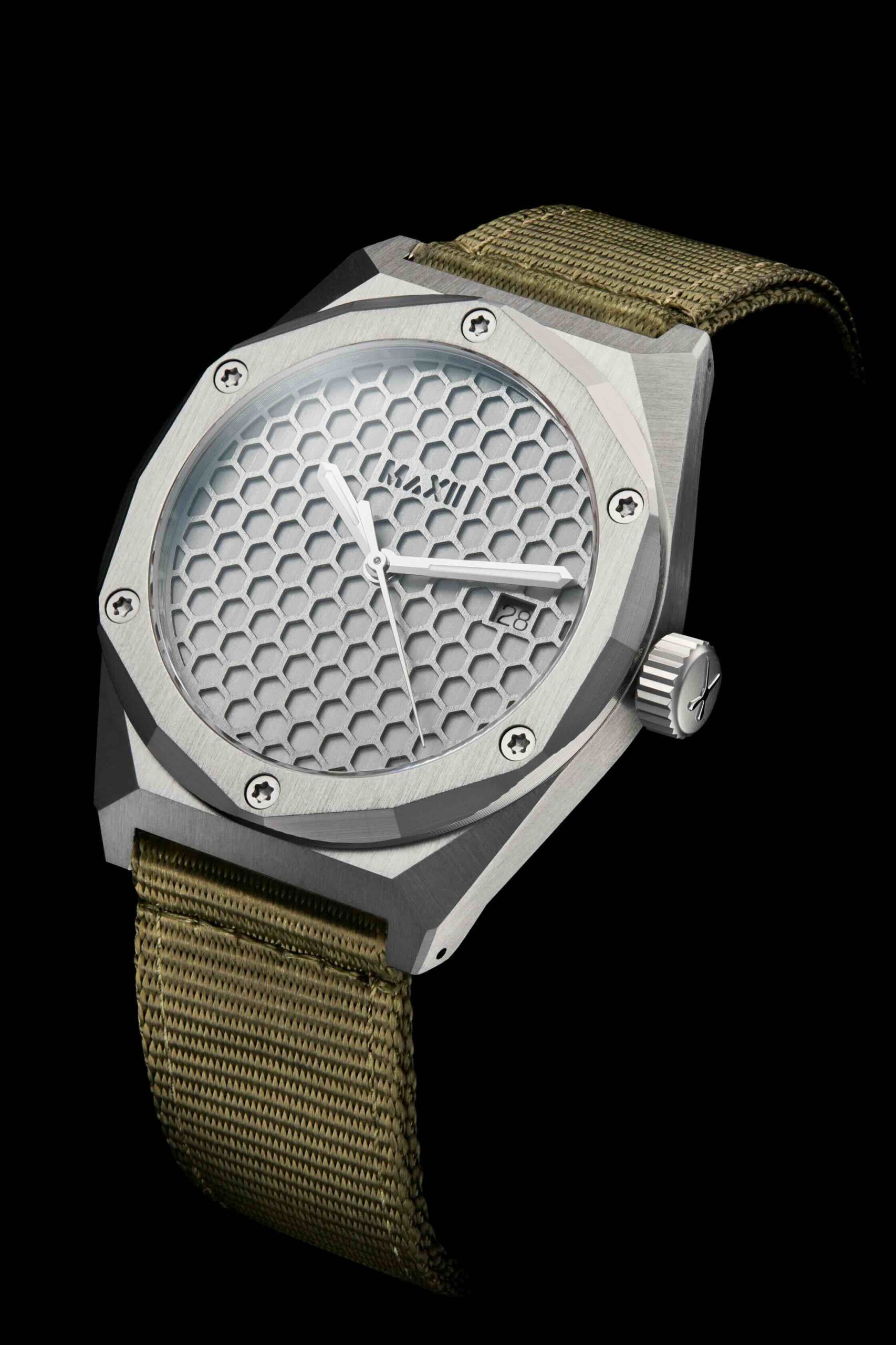
Titanium, long established as a case material, is also being reinterpreted. The brand Max Twelve uses it not for the exterior, but for a two-layer dial in its Hexagon. The result is a technical, almost architectural aesthetic that highlights the visual appeal of precision engineering without relying on historical references.
Together, these examples show how material innovation has become a defining element of contemporary watchmaking—shaping not just durability and performance, but also the visual and conceptual identity of a watch.
Images: MAX TWELVE, GoS Watches