
Piaget – Movement, Color, and the Dissolution of Boundaries
New Releases from Watches & Wonders 2026
Title: Piaget – Possession Ornamental Stones (C) Brigitte Niedermeier
With its new creations for Watches and Wonders Geneva 2026, Piaget continues to evolve its design DNA with a dazzling array of impressive new pieces. The focus is not on individual models, but on an overarching theme: time as movement, material as expression, and form as the connecting element between watches and jewelry.
Swinging Pebbles – Time in Motion
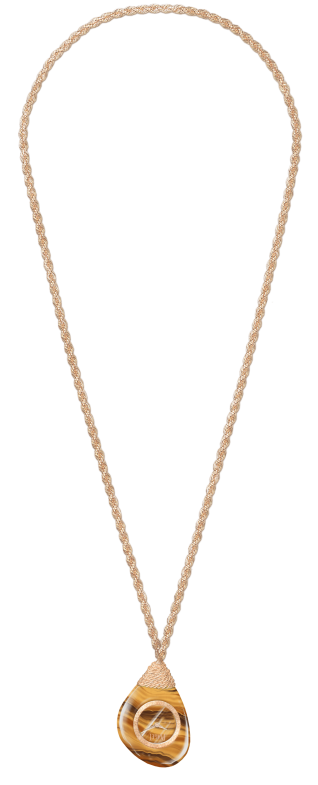
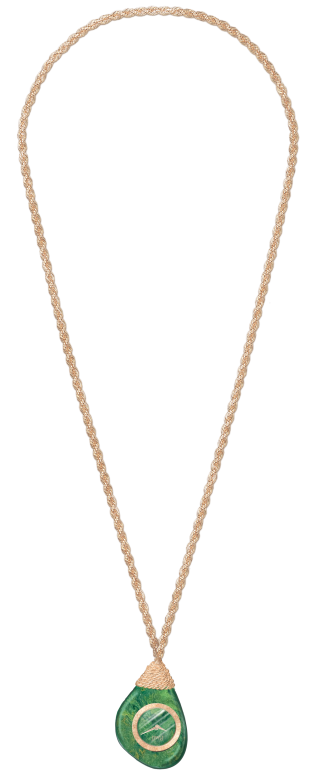
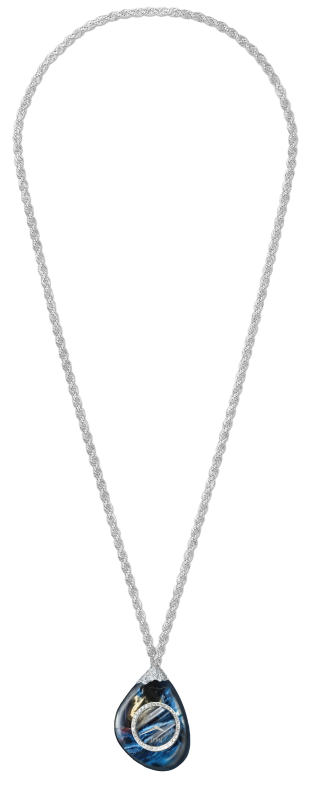
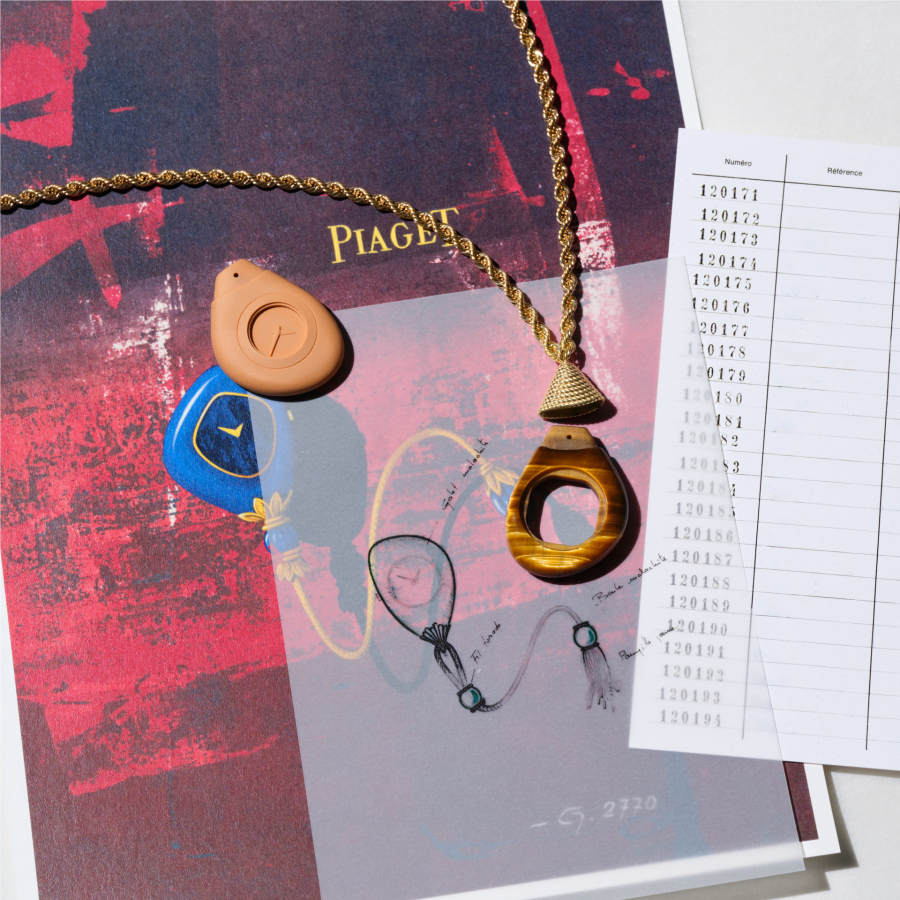
With the new Swinging Pebbles, Piaget draws directly on the iconic sautoirs of the late 1960s and 1970s. Back then, with its “21st Century Collection,” the Maison redefined the watch as a wearable work of art—a development whose influence is still felt today.
Piaget – Swinging Pebbles
The new models take this idea and reinterpret it in a contemporary style. Each watch is crafted as a pendant from a single piece of ornamental stone—such as tiger’s eye, verdite, or pietersite. The material is precisely hollowed out to accommodate a manual-winding movement and then sealed shut, so that the case and dial form a single unit.
The watches are worn on curved, twisted gold chains that shift with every movement of the body. Here, time is not merely displayed but staged—as a fluid element between the object and the wearer.
The Art of Ornamental Stones – Color as Identity
These models are part of a central theme for the Maison: the “Art of Color.” Since the 1960s, Piaget has been working with gemstones such as lapis lazuli, malachite, and turquoise—not as decorative details, but as the focal point of the watch’s design.
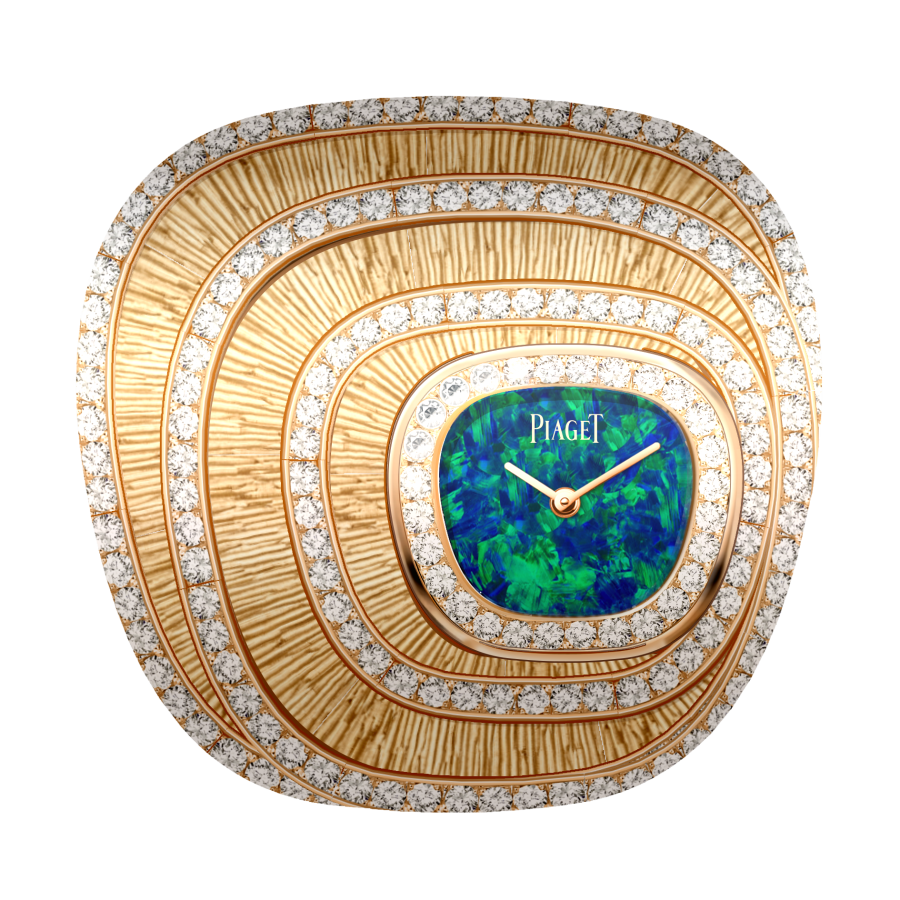
This was made possible by the development of ultra-thin movements, which created space for larger, more expressive dials. The stone became a stage—every grain, every shade of color, part of the composition.
Piaget continues this approach in 2026 as well. New color palettes, including deep blues and warm, earthy tones, blend historical references with a modern take on materials.


Sixtie – Between Icon, Form, and the “Swinging Sixties”
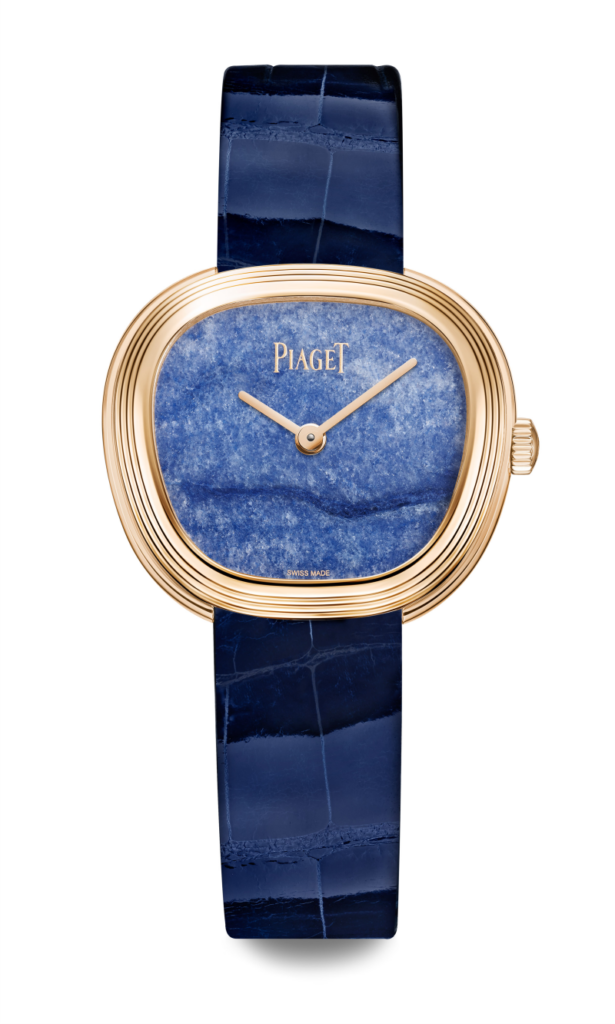
In addition, Piaget’s Sixtie collection consistently carries forward the design codes of the late 1960s. The distinctive, femininely proportioned trapezoidal case evokes the aesthetics of the “Swinging Sixties”—a time when the boundaries between watches and jewelry were deliberately blurred.
The current models translate this approach into a contemporary design language: instead of integrated precious metal bracelets, the new versions feature deep blue alligator leather straps that highlight the finely crafted godron detailing in satin-finished rose gold. Two dial variations—a silver-satin dial with Roman numerals and a version featuring blue quartz stone—underscore the Maison’s commitment to treating material, color, and form as equally important design elements. Despite its reduced functionality, the Sixtie thus remains, above all, one thing: a fluid object straddling the line between watch and jewelry, making its origins in the avant-garde of the 1960s visible to this day.

Piaget Polo – Style and Continuity
While the jewelry watches showcase the Maison’s expressive side, the Piaget Polo remains the defining element of the collection.
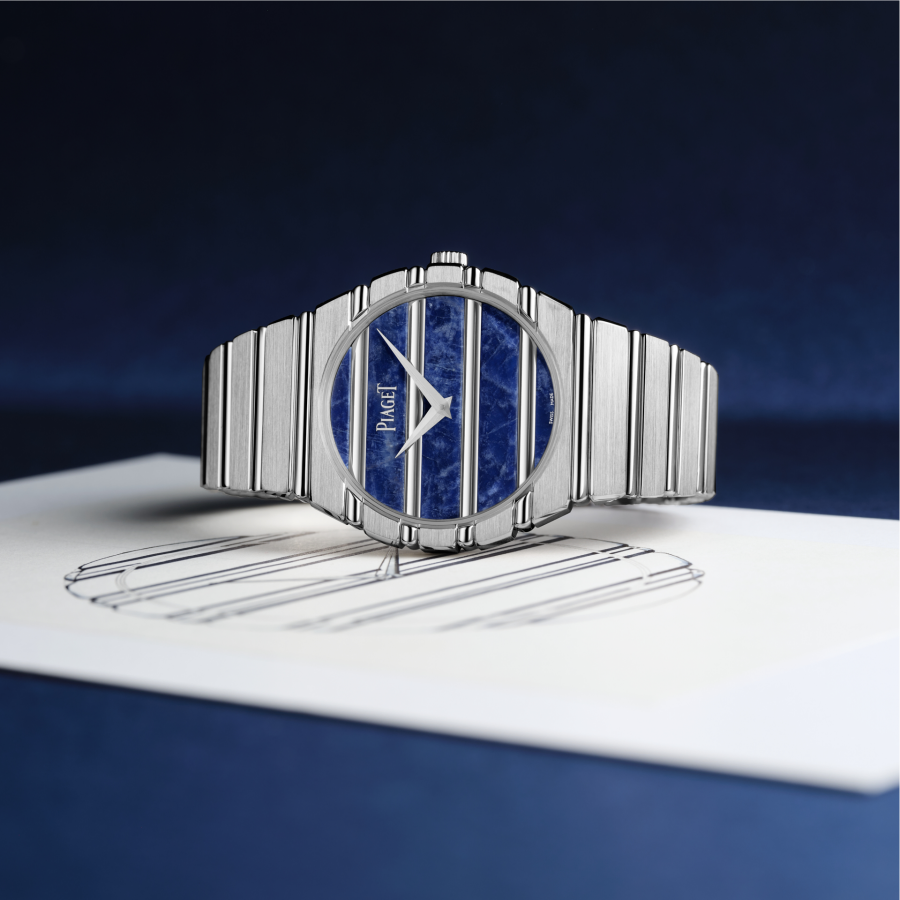
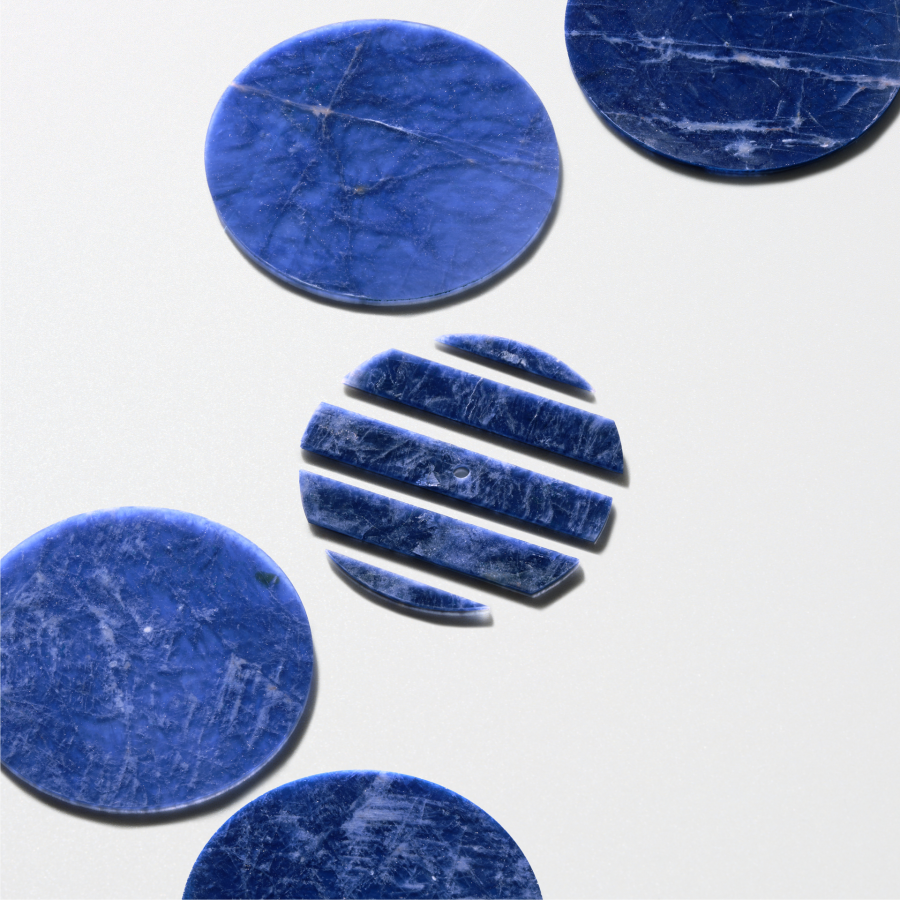
Launched in 1979, the collection—originally crafted entirely from gold—defined a new form of sporty elegance. The central design element is the gadroons—relief-like lines that give structure to the case and bracelet.
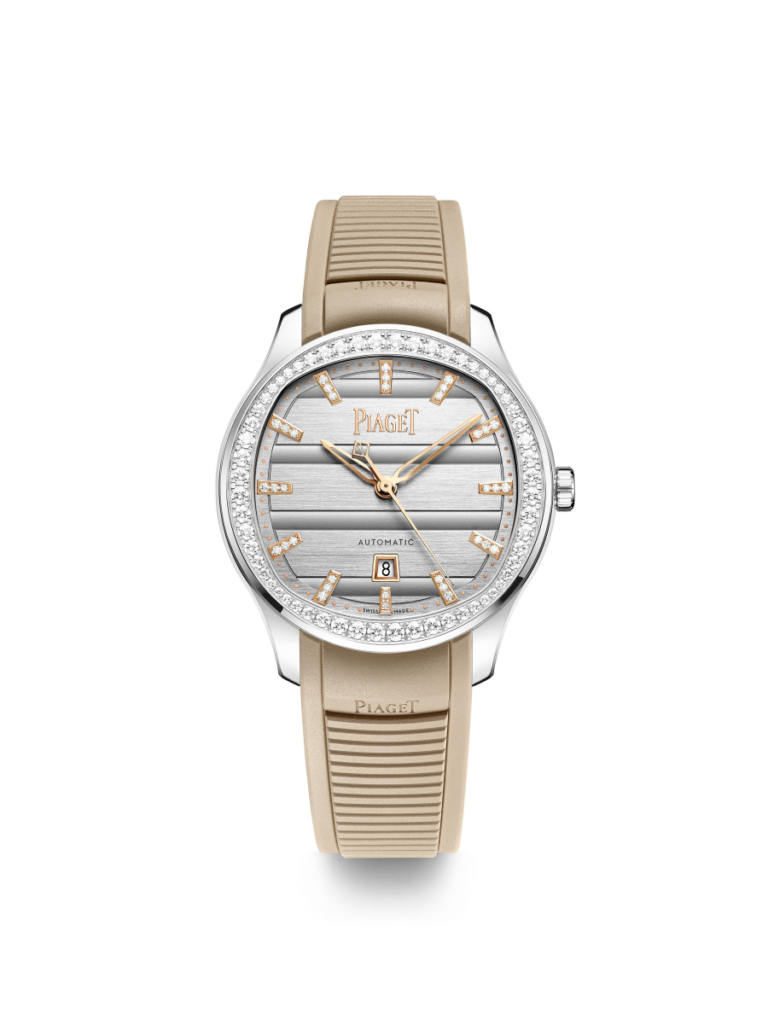
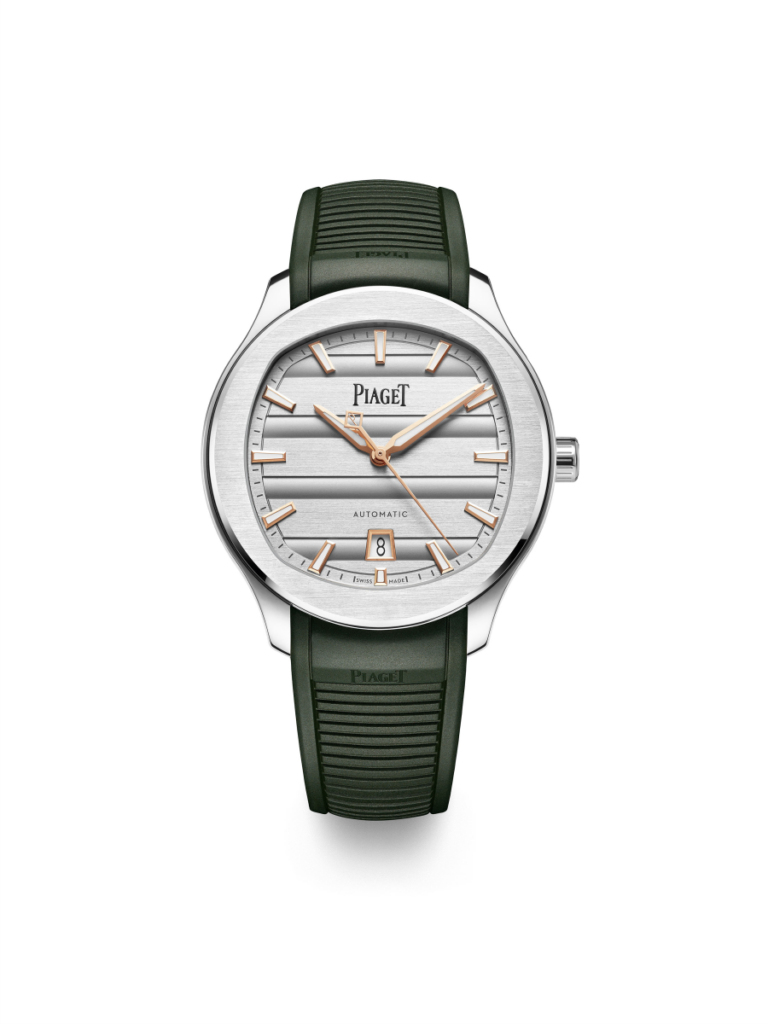
In 2026, these designs will be further developed—through new variations featuring ornamental stone dials such as sodalite, the consistent continuation of the characteristic lines throughout the entire collection, and new duo models that build on the concept of the “couple watch.”
The combination of rounded shapes and cushion-like geometry remains intact—a visual tension that continues to define the Polo’s identity to this day.
High Jewellery and Mechanical Extremes
At the same time, Piaget is expanding its expertise in the field of haute horlogerie. By incorporating decorative stones into technically sophisticated models such as the ultra-thin tourbillon, the Maison demonstrates that aesthetic and mechanical extremes are not mutually exclusive.
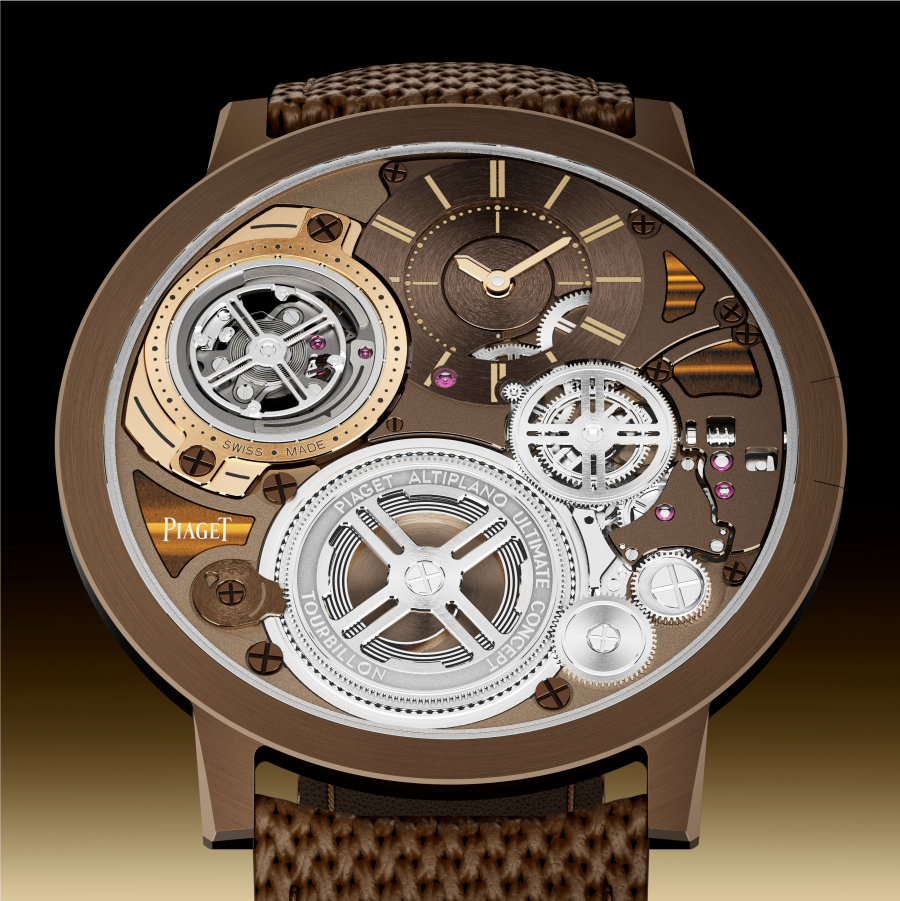
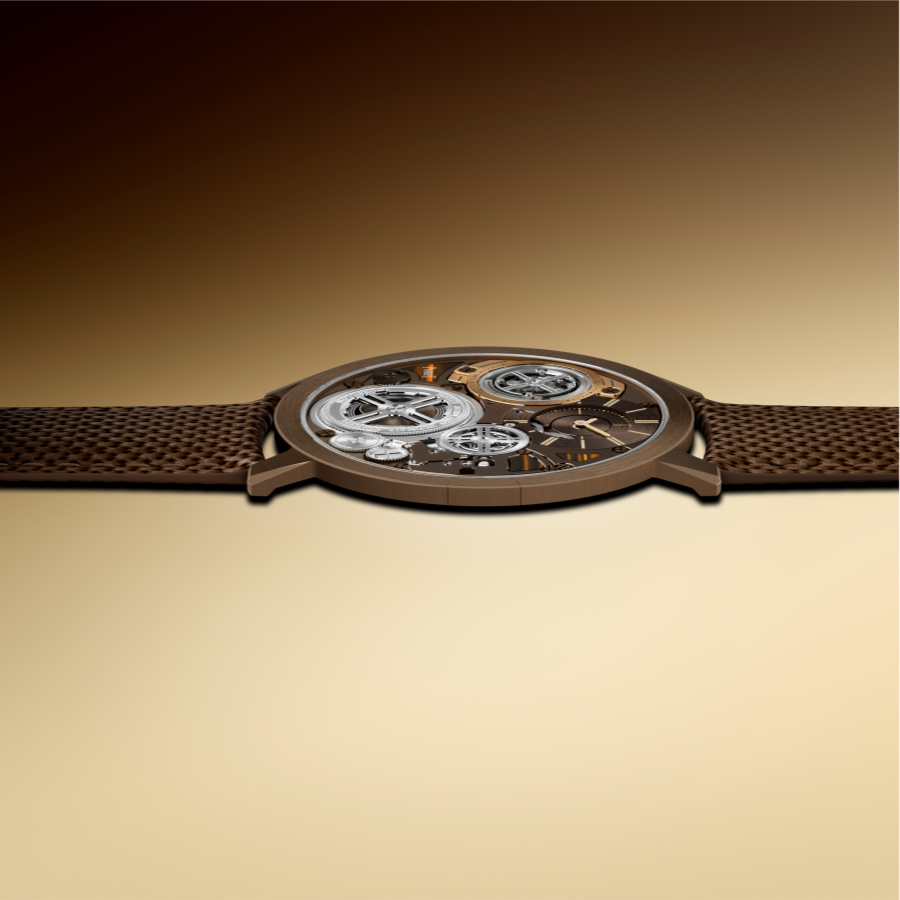
Working with these materials requires the utmost precision—from reducing them to minimal thicknesses to integrating them into the moving parts of the movement.
Piaget’s new creations do not appear as individual products, but rather as an expression of a clear, cohesive narrative—from time as a dynamic entity, to materials as a central design element, to a consistently refined design language that embodies the Maison’s identity. Here, time is not merely measurable, but visible, tangible, and in motion.