
Vicenzaoro September 2026: Trends and Observations
Freedom in material choice, flexible designs, color, and a keen sense of value: What stood out at Vicenzaoro in September 2026
The Vicenzaoro trade show in September presented a broad overview of current trends in jewelry design. It was difficult to identify a single dominant style at this time. Instead, several trends were evident here as well, trends that have been persisting and evolving for quite some time.
Gold remains central, but is combined more freely. Jewelry is more versatile, adaptable, and personalized. Color continues to play a major role, and with it, high-quality colored gemstones.
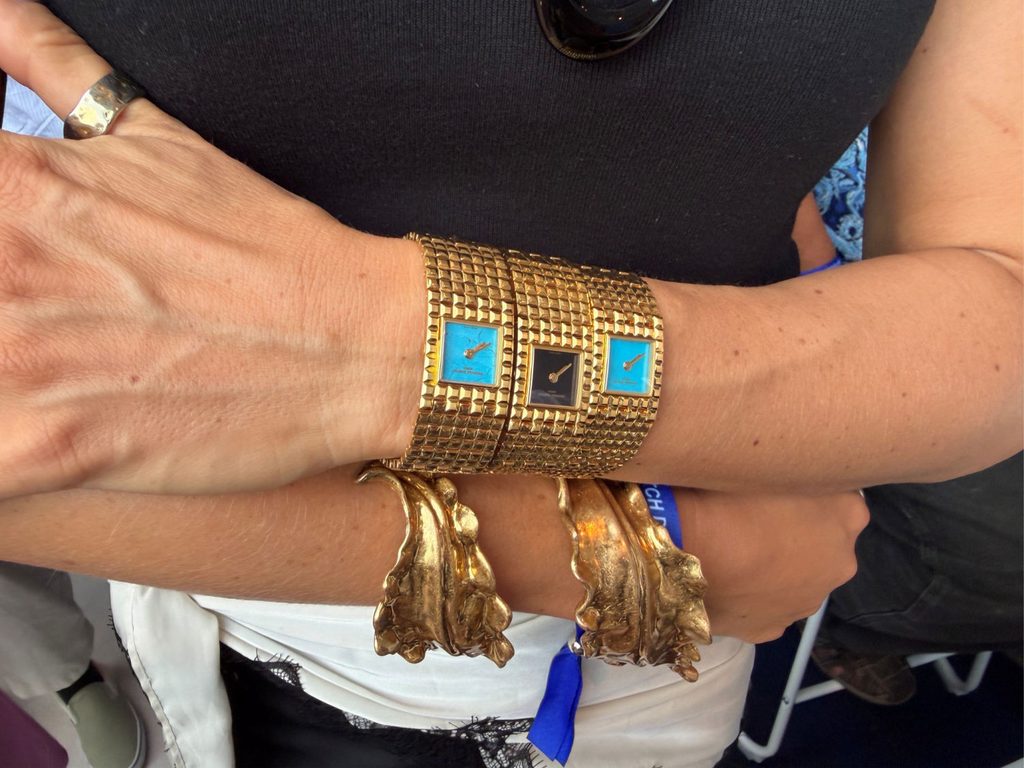
Added to this are flat shapes, unique finishes, layering and stacking, as well as pieces of jewelry that are no longer clearly categorized as men’s or women’s—wonderful pieces, but few true “innovations.”
Greater freedom in the choice of materials and gold combinations
Yellow gold, white gold, and rose gold remain the most important precious metals. At the same time, the boundaries between the classic metal colors are becoming more blurred.
Multicolored gold combinations, different finishes, and the blending of various materials appeared in many collections. The metal itself is increasingly becoming a visible part of the design.
Flexible and Stretchable Structures
Flexible, stretchy, and movable structures were a common sight in Vicenza.
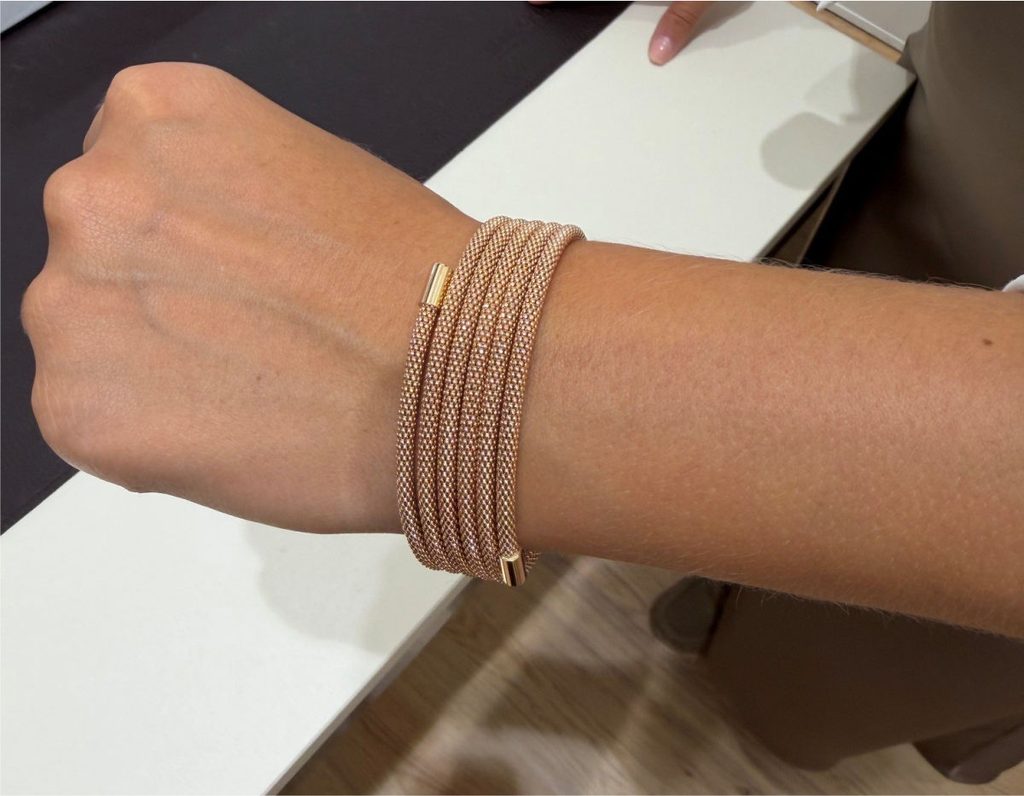
Bracelets conform to the wrist, rings feature movable elements, and necklaces can be adjusted or rearranged. Technical solutions that were once reserved for a select few specialists are now appearing much more widely on the market.
Transformable Jewelry
Multifunctionality remains an important issue.
Necklaces can be worn long, short, as a Y-necklace, or as a choker. Individual elements can be removed or added. Bracelets extend necklaces, pendants change their function, and rings can be combined in various ways.
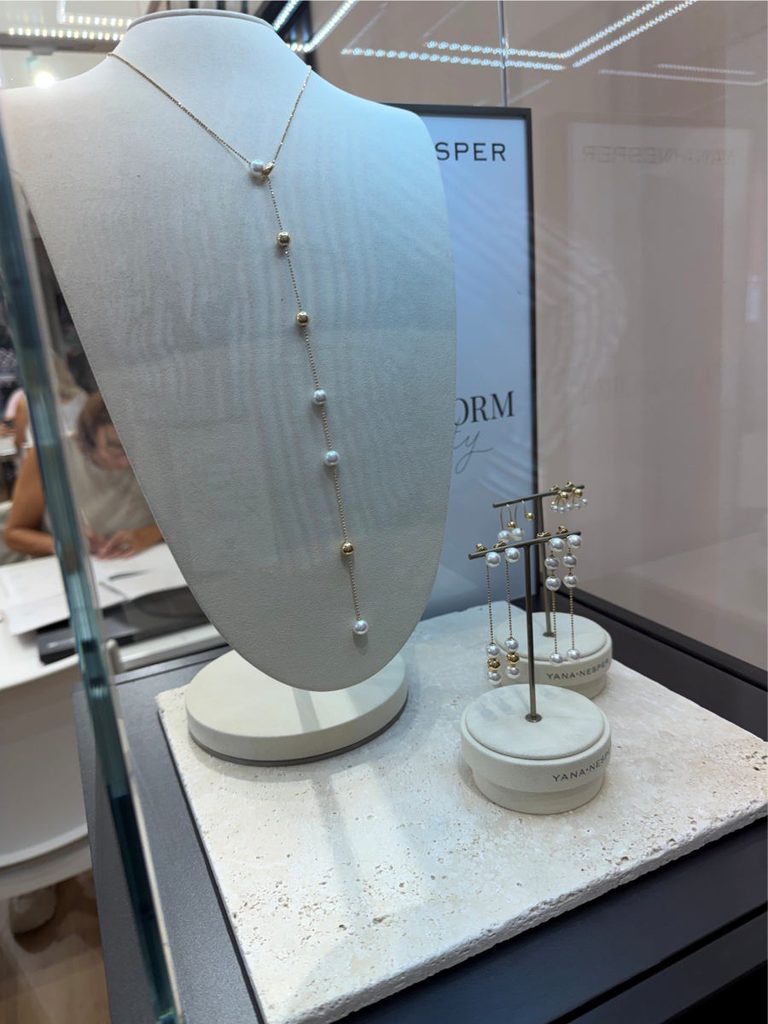
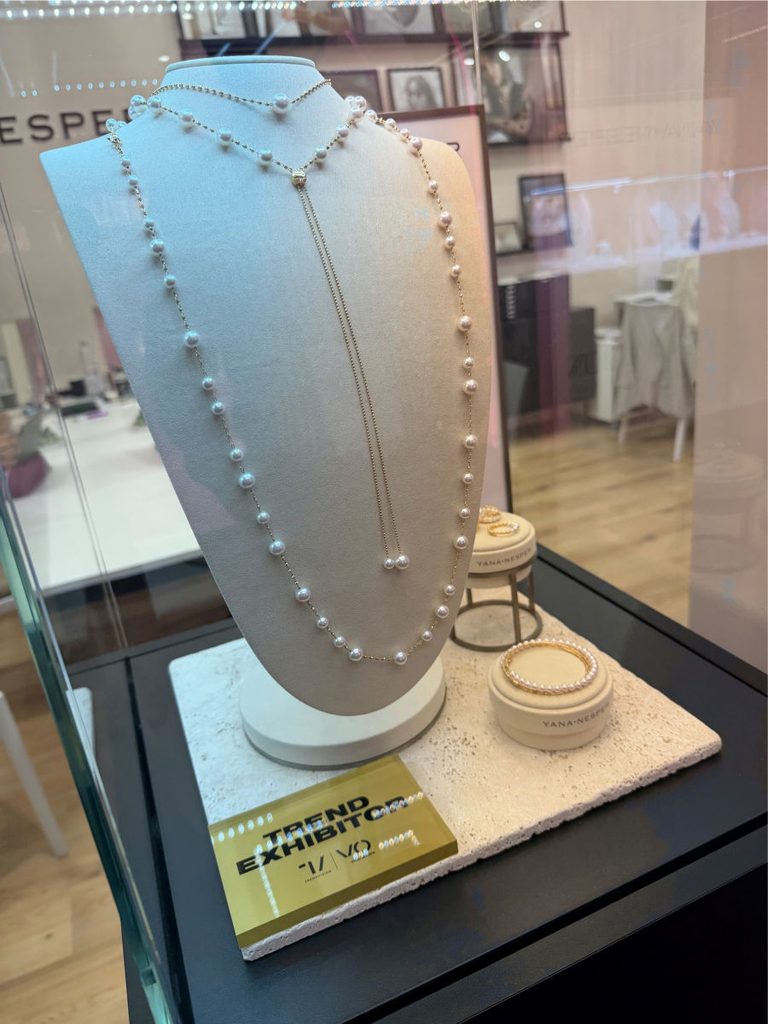
Jewelry by Yana Nesper: The necklaces can be freely customized in length, how they are worn, and how they are combined.
Personalization, therefore, is not limited to color, gemstone settings, or engraving, but increasingly extends to the way a piece of jewelry is worn.
Customization
Personalization remains a key trend, but its nature is changing.
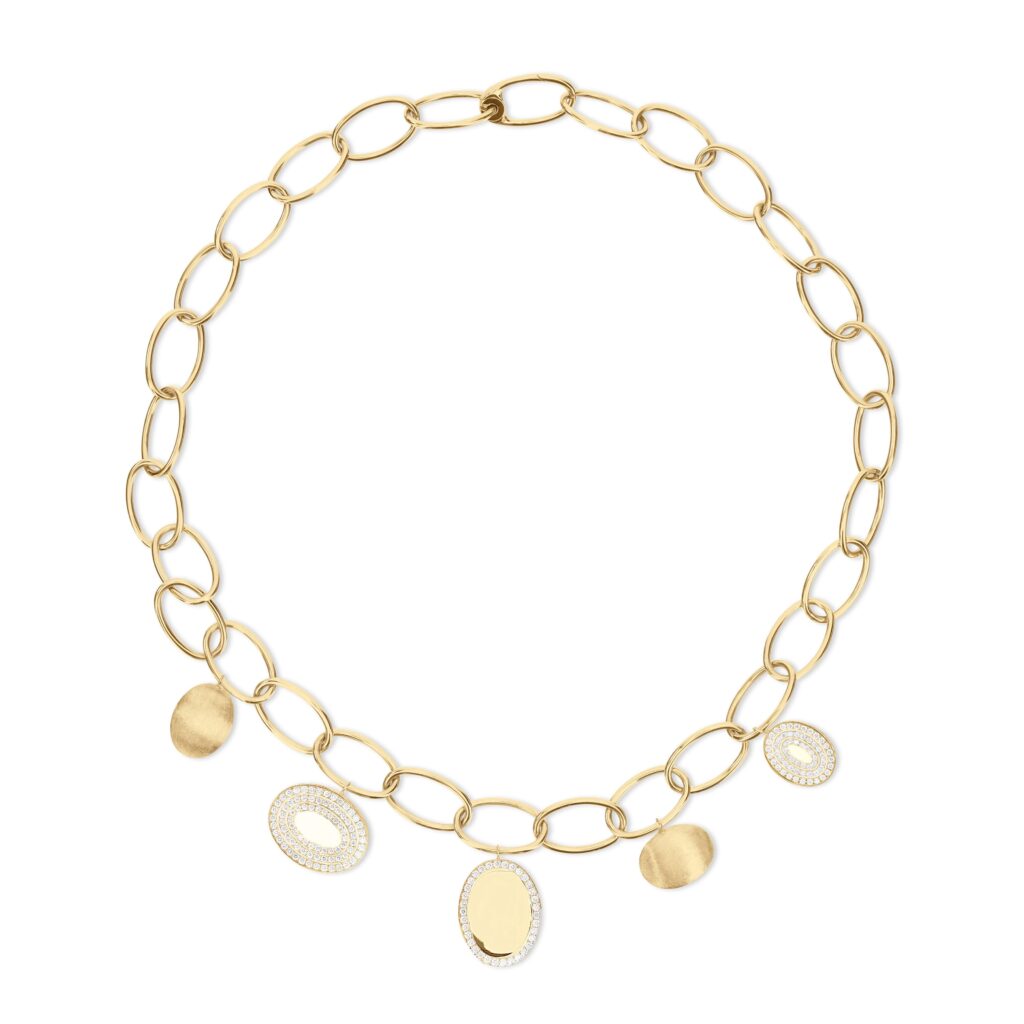
In addition to initials, engravings, and custom-selected gemstones, the focus is often on jewelry that can be adapted to different occasions and ways of wearing it.
Length, shape, combination, and function all become part of the individual design.
750 Gold and Value Orientation
Despite high gold prices, 750 gold remained a central topic in many discussions.
Several exhibitors reported sustained demand for high-quality gold jewelry—not limited to particularly lightweight or small pieces.
At the same time, high gold prices are weighing on demand in terms of volume. As a result, a certain polarization was evident: on the one hand, delicate, lightweight, and versatile pieces of jewelry; on the other, deliberately substantial pieces in which the value of the material and the piece’s presence play an important role.
Layering and Stacking
Layering and stacking remain firmly established in the market.
Delicate necklaces are paired together, rings are stacked, and bracelets of various widths and gold tones are worn together.
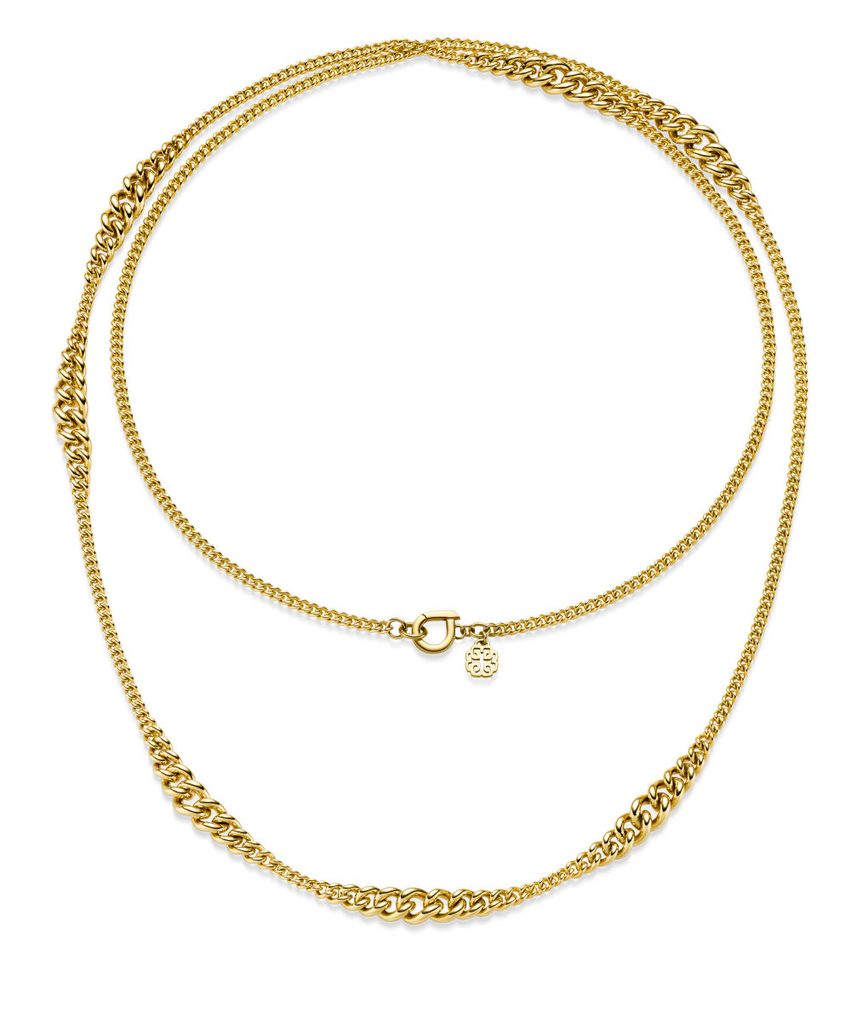
Combining multiple pieces of jewelry allows for personalized combinations and brings together smaller individual pieces to create a more striking overall effect.
Paint, Enamel, and Colored Stones
Color was represented in many different forms at the trade show.
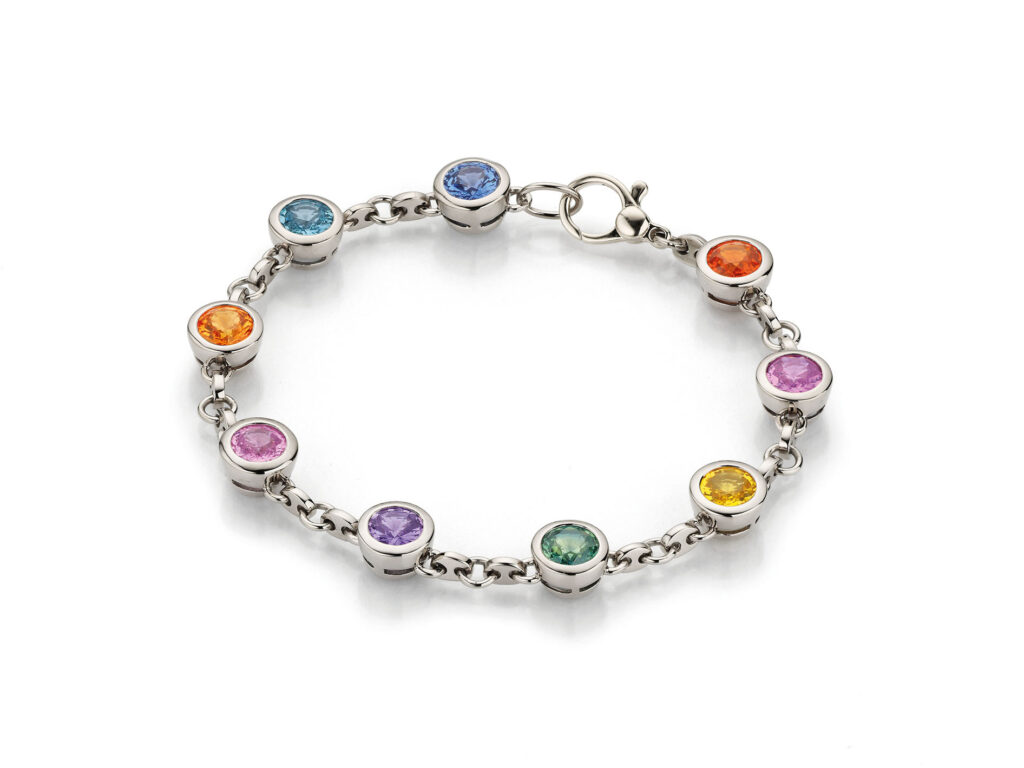
Colored stones, enamel, lacquer, and other surface techniques are found across various segments and price ranges.
The range extends from light, playful pieces of jewelry to intricately crafted high jewelry.
High-quality and rare natural stones
When it came to natural gemstones, there was a greater emphasis on quality, rarity, and origin.
Sapphires, high-quality tourmalines, diamonds, and rare individual stones were the main focus. In the high-end segment, value is increasingly defined by the unique characteristics of each individual stone—such as color, origin, quality, and rarity.
But the way the stones are arranged can also be what makes it special:
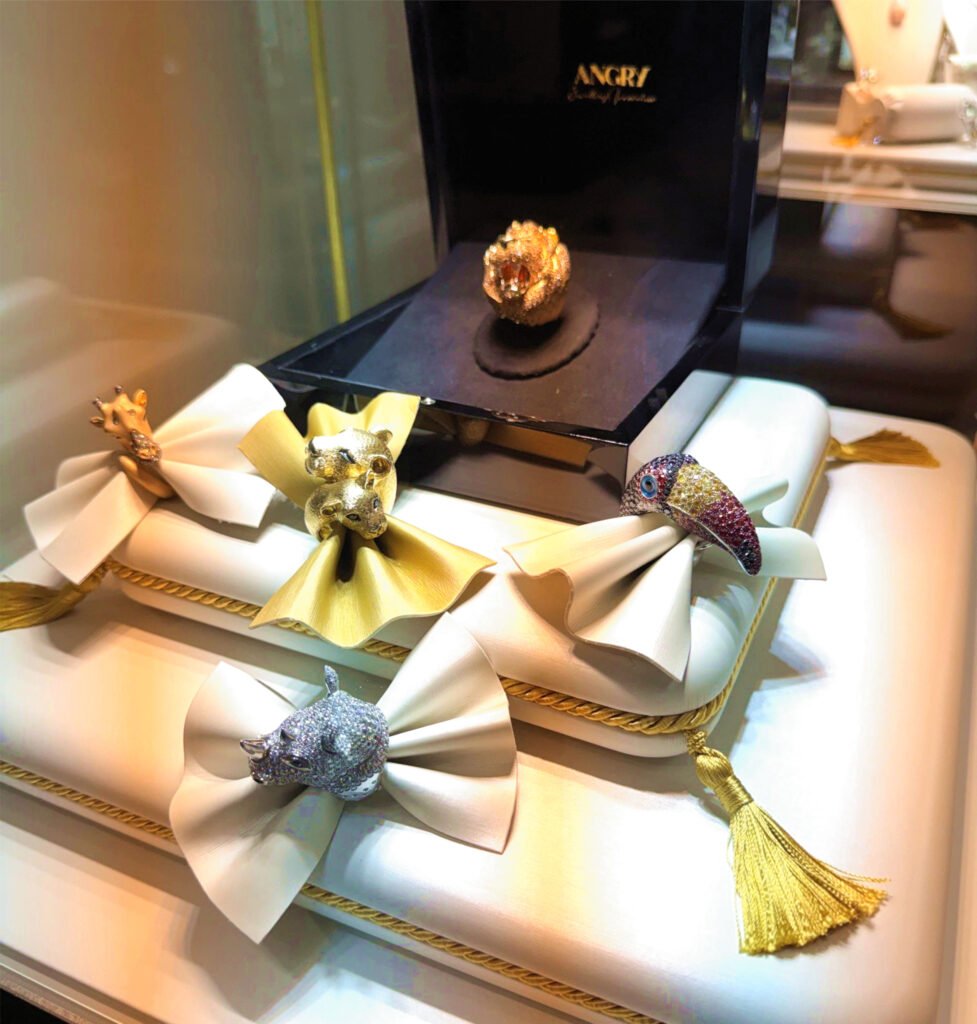
High Jewelry
High Jewellery had a strong presence in Vicenza.
Large stones, elaborate settings, technically complex designs, and high price points were a prominent feature of the trade show. The high-end segment thus appeared robust and well-represented.
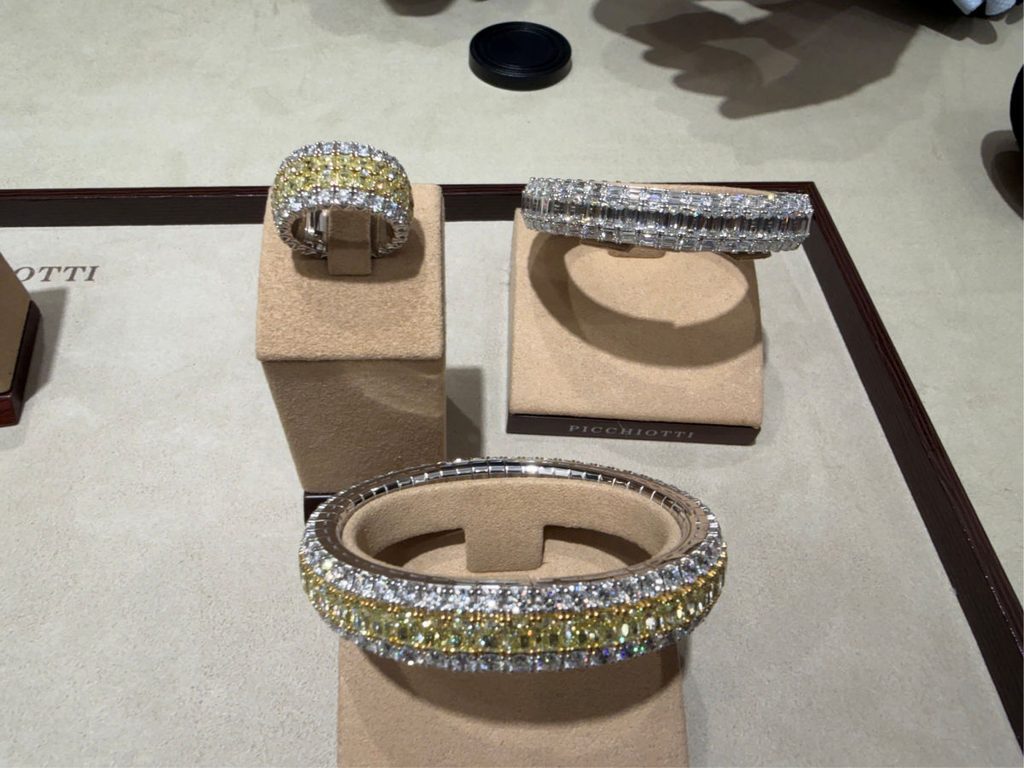
Spaces, Surfaces, and Influences from the 1960s and 1970s
Wider silhouettes and striking finishes were featured in many collections.
Wide bangles, chokers, large rings, and statement earrings feature shapes reminiscent of the 1960s and 1970s. These are complemented by satin-finished, hammered, grooved, or heavily textured surfaces.
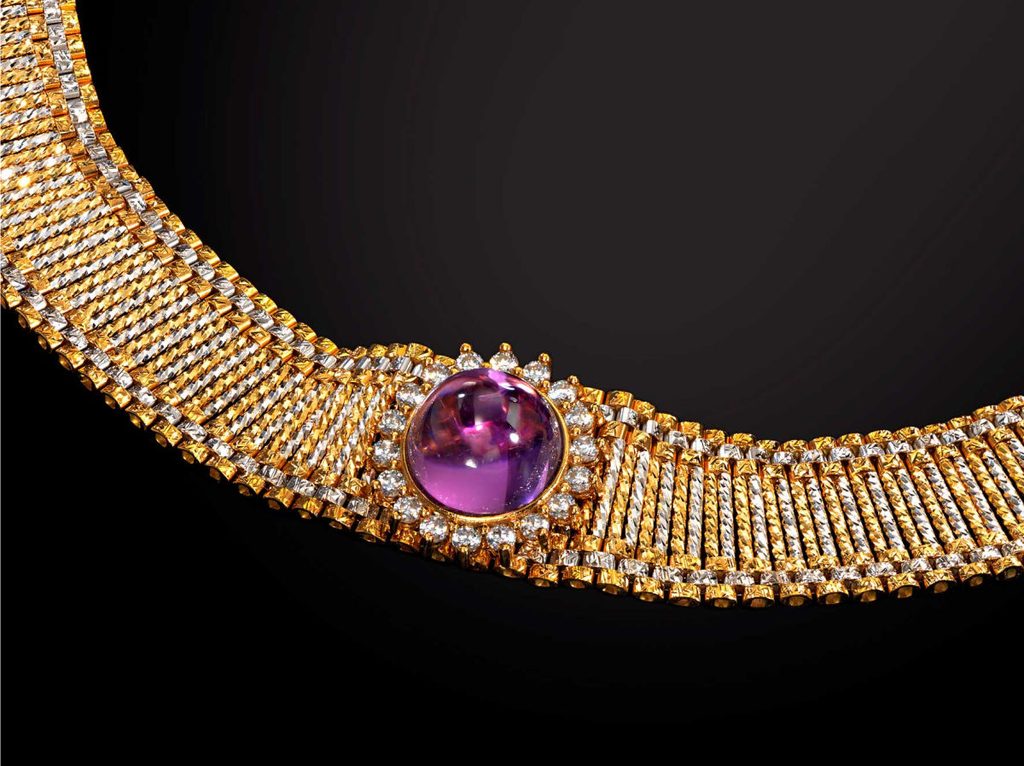
Men’s and unisex jewelry
Men’s jewelry is becoming more commonplace.
At the same time, many pieces are no longer clearly categorized as women’s or men’s jewelry. Rings, bracelets, and necklaces are increasingly defined by style, size, and wearability.
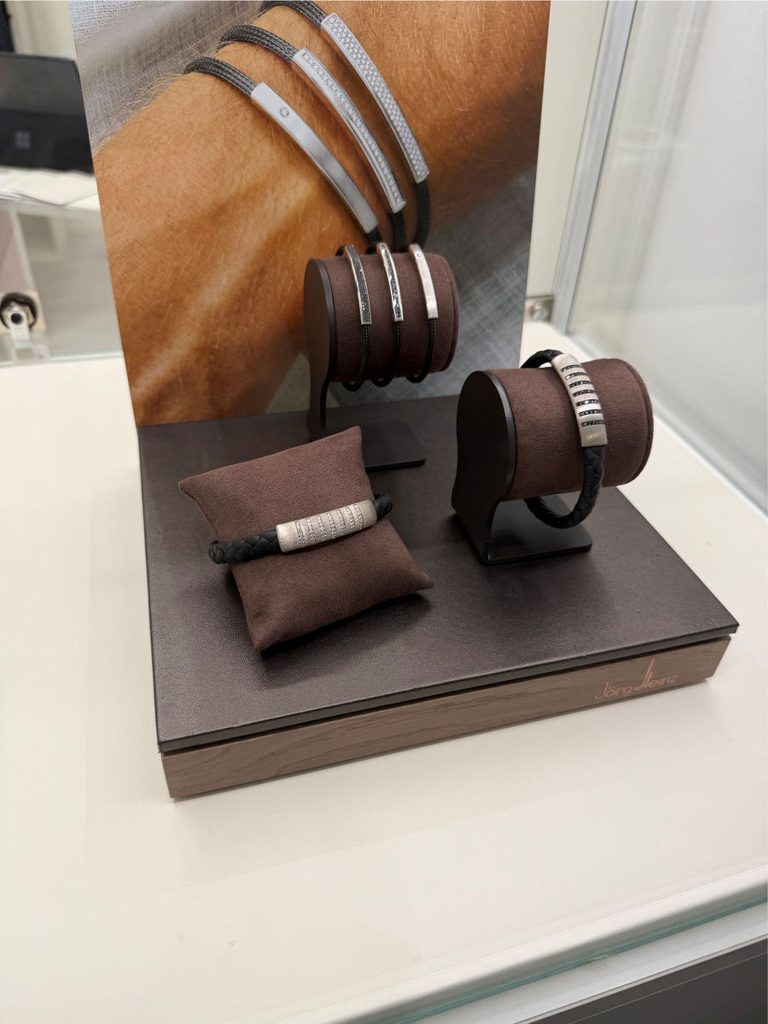
The term “genderless” is less important here than the fact that the dividing line in the product line is becoming less and less significant: maybe something like this?

Synthetic gemstones are becoming more visible
Synthetic colored stones were more common in Vicenza.
Synthetic rubies, sapphires, spinels, and emeralds are not technically new. What is striking, however, is their growing presence in jewelry collections that do not rely solely on low prices as a selling point.
This raises the question of distinction and value even more sharply when it comes to colored gemstones: What constitutes the pure effect of color, and what pertains to the rarity and origin of a natural stone?
This issue is likely to become even more important in the coming years.