

Range Rover Classic by Vinile: A Restomod with an Italian Touch
Vinile applies the concept of the Italian “restomod” to a Range Rover Classic. The series, built in Maranello, is limited to 15 vehicles and features an unusually high level of craftsmanship, particularly in the interior.
The Range Rover Classic is one of those SUVs whose clean, basic design has lost virtually none of its appeal over the decades. Vinile uses this architecture not as a basis for a radical reinterpretation, but for a carefully crafted redesign. What matters most here is not so much a single spectacular detail as the interplay of proportions, materials, and craftsmanship.
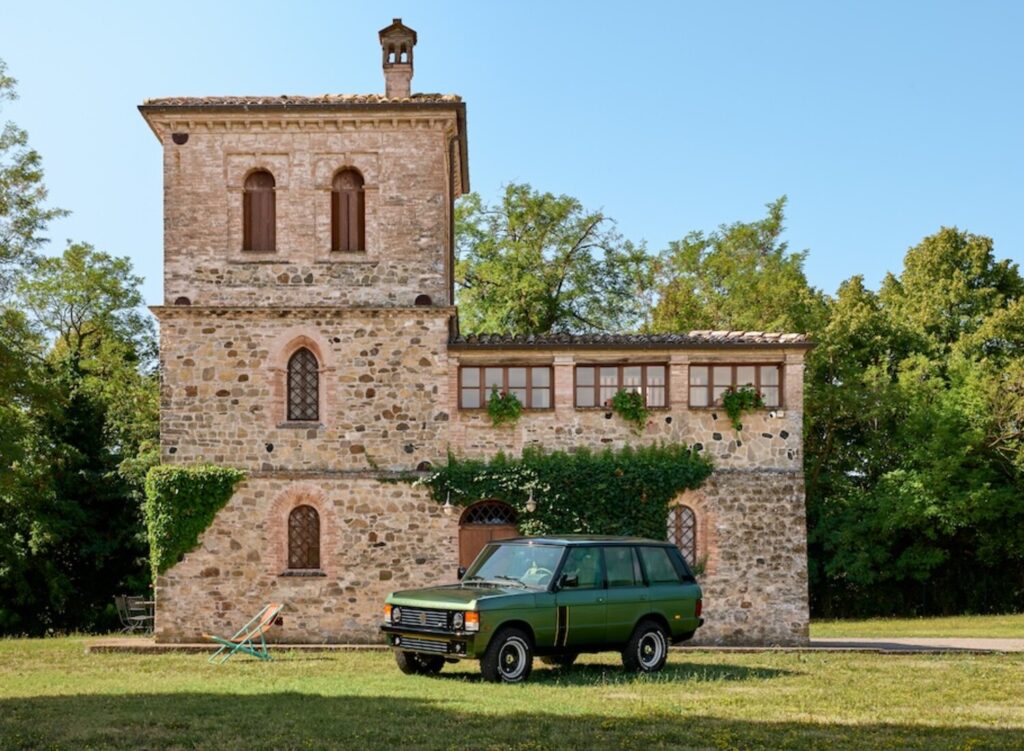
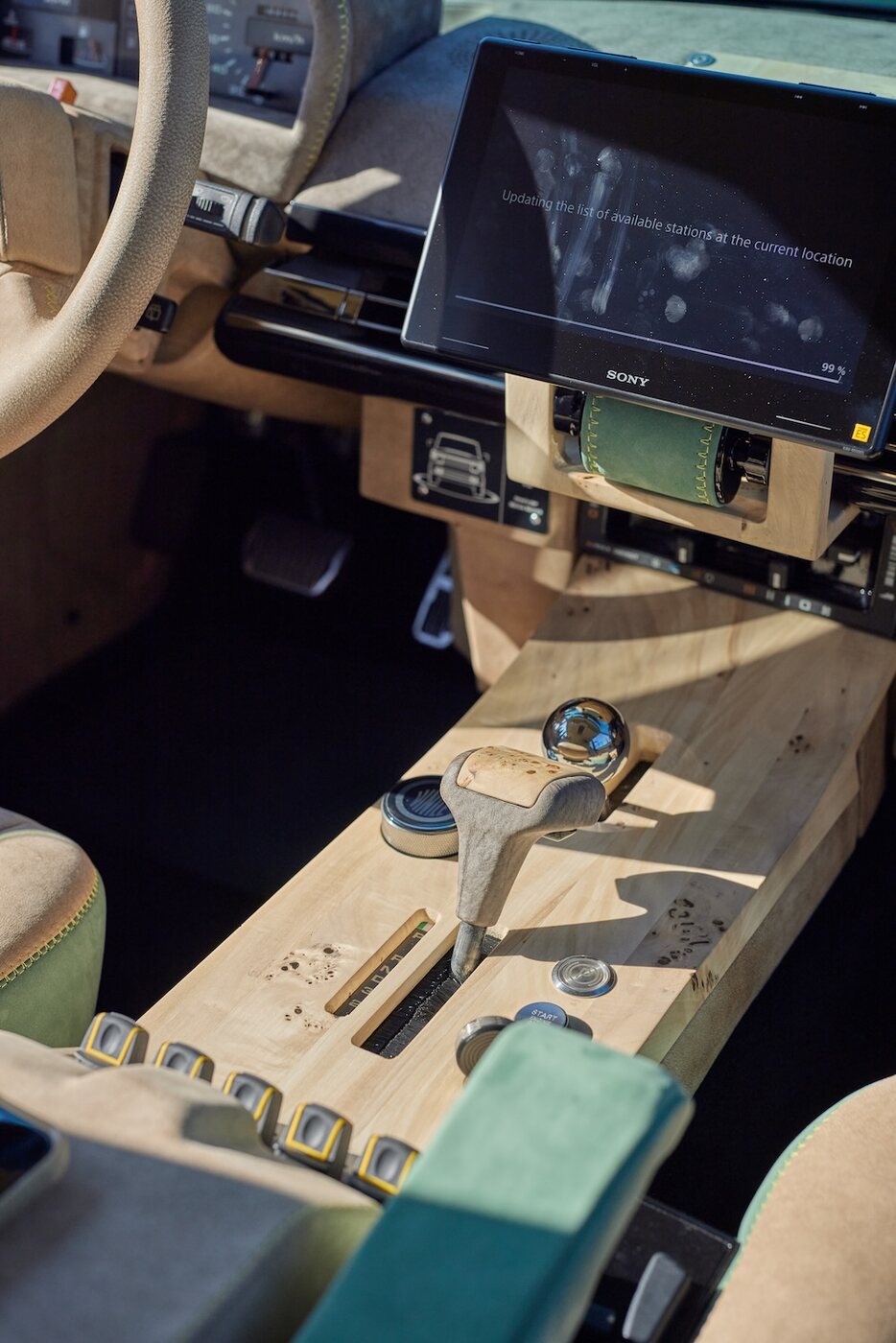
45 square meters of leather in the interior
For the interior, Vinile uses approximately 45 square meters of Baxter leather. This transforms the seats, door panels, and other surfaces into a nearly seamless, color-coordinated space. Inlays made of solid poplar burl wood are carved from a single block and are designed to showcase the grain as a design element.
The approach is more reminiscent of furniture and boat building than of conventional vehicle restoration. This perspective works particularly well with the Range Rover Classic: its understated exterior provides a calm contrast to the material-focused interior.
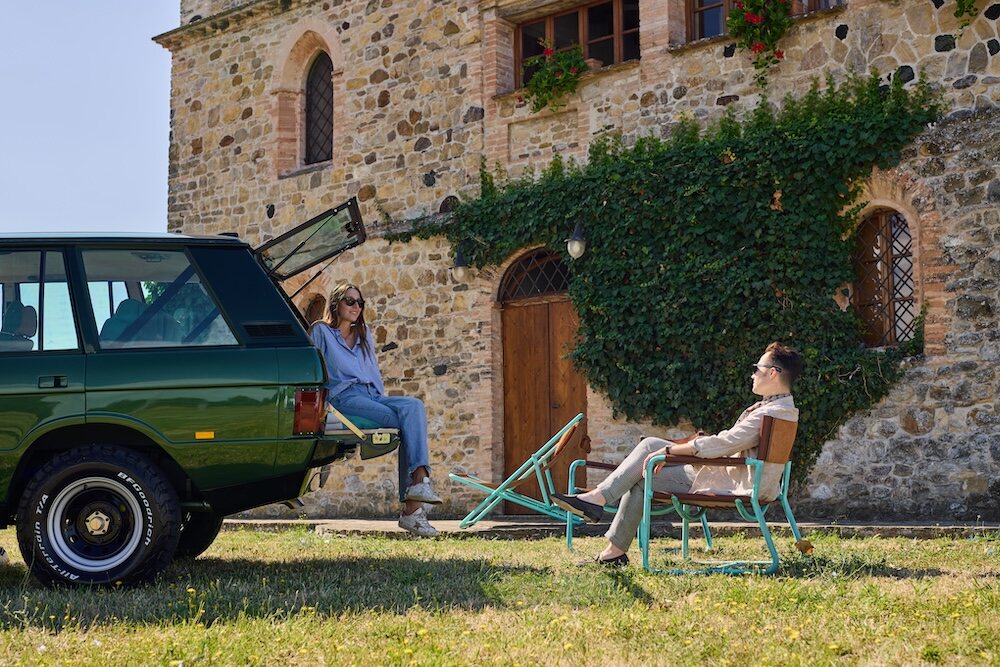
Restomod from Maranello
The vehicles are built in Maranello and configured to meet customer specifications. With a maximum of 15 units, the project is intentionally kept small. With a starting price of 310,000 euros, the Range Rover Classic by Vinile is positioned not as a restored everyday classic, but as a collector’s vehicle at the intersection of automotive engineering, design, and craftsmanship.
Whether the elaborate use of materials will prove just as compelling in the long run as the understated bodywork will become clear, above all, from the immediate impression it makes. The concept, however, is clear: Vinile does not seek to reinvent a well-known classic, but rather to combine its presence with Italian interior design.

A restomod combines historic character with modern technology. In this process, an older vehicle is not only restored but also specifically upgraded—for example, in terms of the engine, suspension, brakes, electronics, or interior. The original character and design are preserved, while technology, comfort, and practicality for everyday use are brought up to today’s standards. The term is, accordingly, a combination of “restoration” and “modification.”