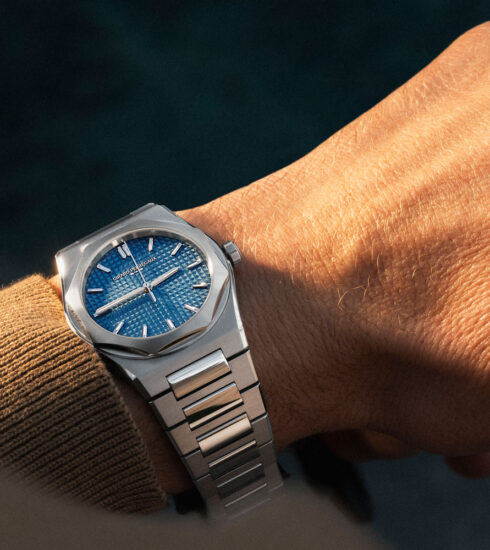

Swiss Watches: China Opens Its Market
But do the customers come back, too?
Switzerland and China have expanded their free trade agreement. In the future, Chinese import duties on Swiss watches will be eliminated. This is a significant trade policy achievement, though it comes at a time when the luxury market faces challenges that extend far beyond pricing.
On October 30, 2026, Switzerland and China signed an expansion of their free trade agreement, which has been in place since 2014, in Beijing. According to the Swiss State Secretariat for Economic Affairs (SECO), 99.8 percent of Switzerland’s current exports to China will be eligible for duty-free import in the future.
The watch industry, in particular, is expected to benefit. Once fully implemented, Swiss watches will be subject to comprehensive duty-free treatment. This would eliminate the current import duties, which range from four to eight percent in some cases. Depending on the product, implementation will take place over transition periods of up to ten years. The agreement must first undergo the necessary approval procedures.
Cheaper watches, higher demand?
In theory, the tariff reductions could make Swiss watches a few percent cheaper in China. It remains to be seen whether manufacturers will pass this benefit on to customers or use it to improve their margins. In addition, Chinese excise taxes on certain luxury watches remain in effect.
However, another question is more critical to market trends: Will Chinese consumers even start buying more luxury watches again?
Swiss watch exports to China have fallen by more than a third over the past two years. This downward trend continued in the first half of 2026, with a decline of five percent.
The causes lie primarily in weak Chinese consumer spending, economic uncertainty, and changes in purchasing behavior. The real estate crisis has weighed on wealth and consumer confidence. At the same time, luxury spending has become more selective, and traditional status symbols are increasingly competing with other forms of consumption and experiences.
High precious metal prices and the strong Swiss franc are further exacerbating the situation. However, even more affordable watches would not automatically reverse these fundamental changes.
Better conditions, but no guarantee
For the Swiss watch industry, however, the expanded free trade agreement is a significant success. It improves competitive conditions in the long term, provides flexibility in pricing, and strengthens trade relations with a market that remains a key sales channel.
Whether manufacturers will benefit from this in the form of higher sales, however, depends far more on China’s economic development and the return of consumer confidence than on tariff reductions alone.
Switzerland is improving access to one of its most important watch markets. However, the real challenge remains winning back Chinese buyers.
Sources: State Secretariat for Economic Affairs (SECO), Switzerland–China Free Trade Agreement; Swiss Watch Industry Federation (FH), 2025 Annual Statistics and 2026 Semiannual Statistics; Chinese and Swiss government press releases dated October 30 and 31, 2026; Market reports on Chinese luxury consumption.