
Time to Watches: High-Tech, Solar, and Quartz – The New Trends in the Watch Industry
Time to Watches aims to be a platform for all facets of the watch world—open to every trend and every audience, deliberately without prejudice or entry barriers, except for one: the quality of the products on display.
This also makes it a stage for brands that consciously embrace electronics and digital technology. For a long time, the prevailing mantra in fine watchmaking was that mechanical meant good, while electronic meant inferior. After the quartz crisis of the 1970s, the European watch industry reinvented itself as a luxury sector—defined not by modern electronics, but by traditional mechanics and artisanal craftsmanship. Quartz movements were often dismissed, almost as if they had been a curse, rather than a result of research, expertise, and cultural progress. Many collectors still relegate them to household appliances—or at best to smartwatches worn purely for sport.
Yet alongside this narrative, there are brands that have consistently developed electronic watches at a high level, combining advanced technology with the values of traditional watchmaking. In some cases, these brands master both worlds equally well, suggesting that the choice of digital technology is not a compromise, but simply another form of horological excellence.
Tradition and High-Tech
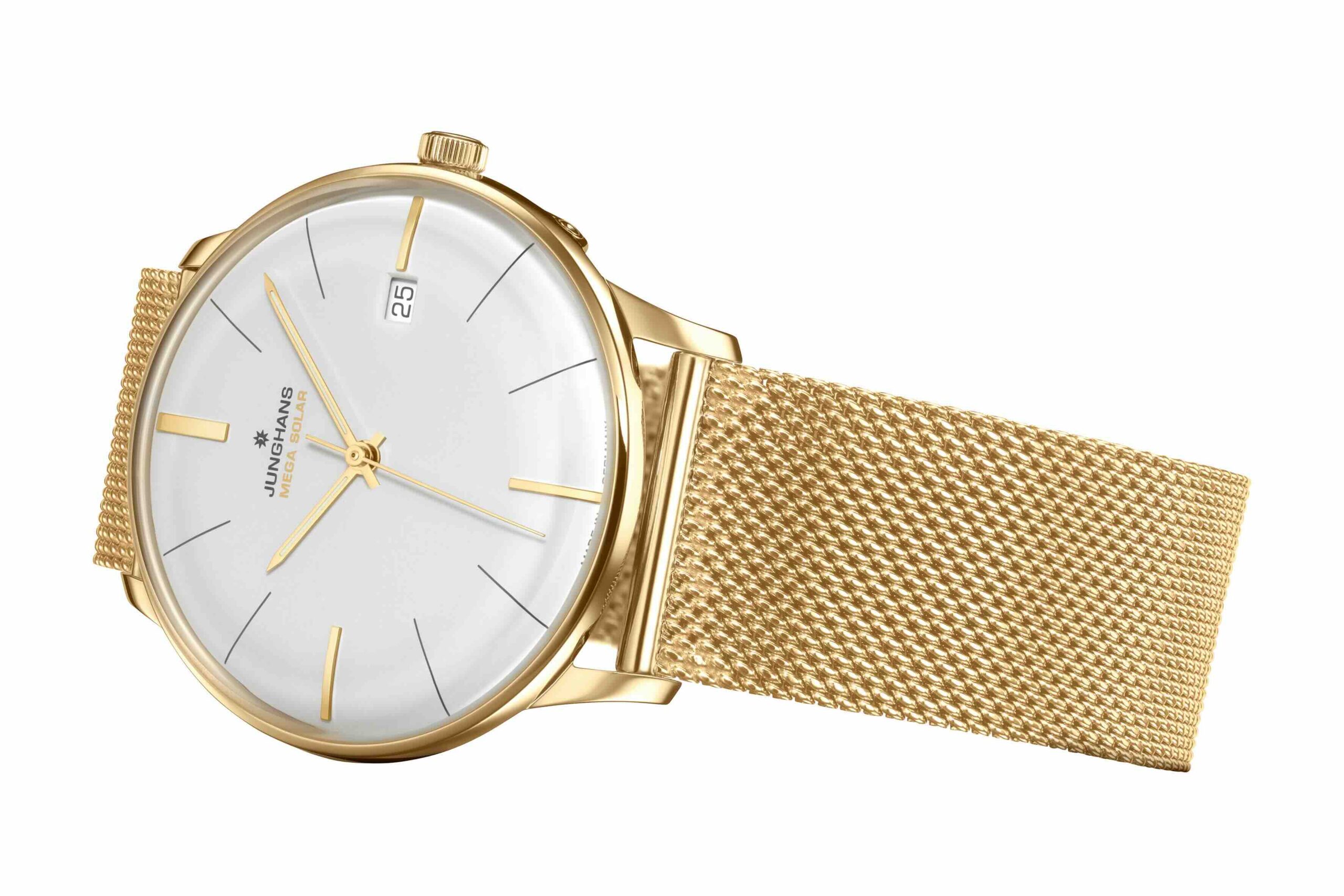
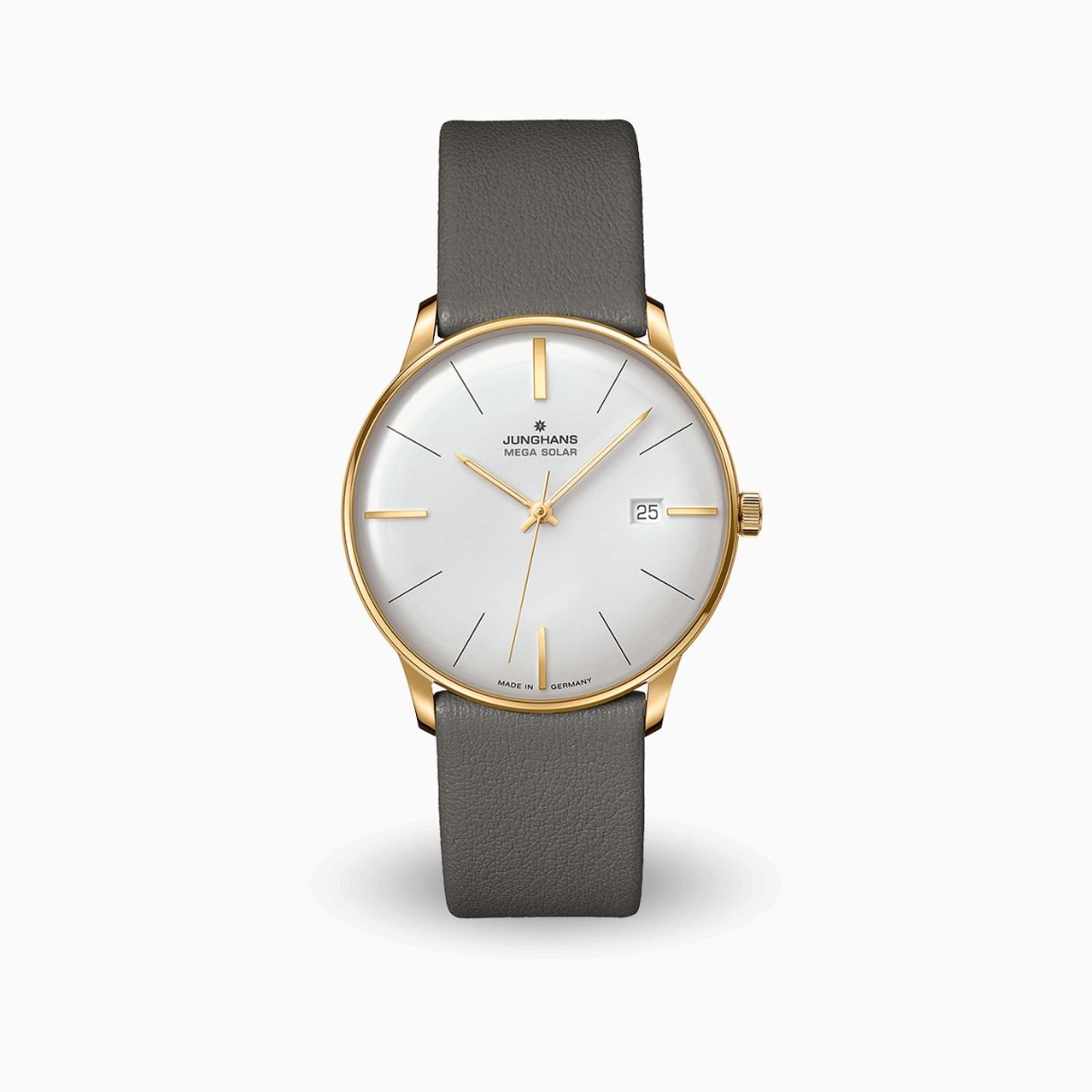
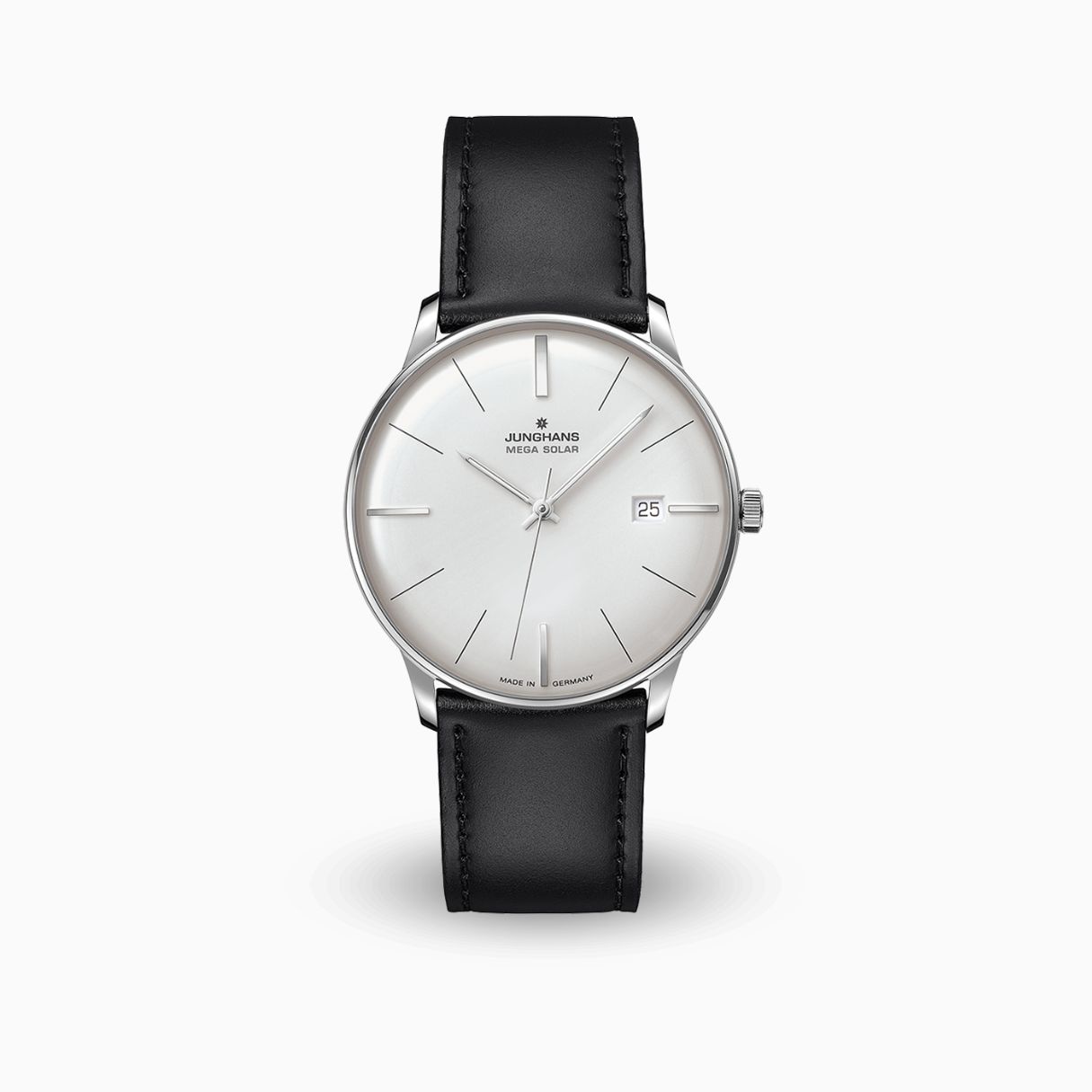
Junghans, for example, recently introduced a new line of robust mechanical dive watches, firmly rooted in the tradition of classic tool watches. At the same time, the brand continues to expand its technological expertise. Models like the Meister Mega Solar reflect the restrained elegance of the 1960s, while integrating radio-controlled precision and solar-powered autonomy—features that remain largely invisible at first glance.
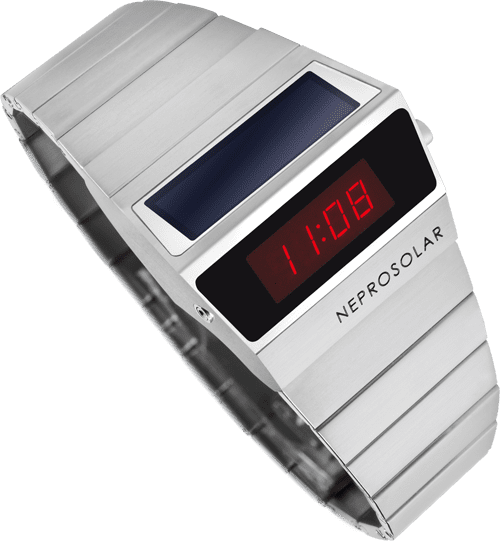
At Nepro Watch in La Chaux-de-Fonds, a pioneer in digital technology, a model from 1976 has been revived: the Neprosolar, one of the first autonomous digital watches at a time when most competitors still relied on frequent battery changes. Its integrated bracelet and “driver’s watch” architecture—designed for legibility without removing hands from the steering wheel—also translate well into today’s digital working environments.
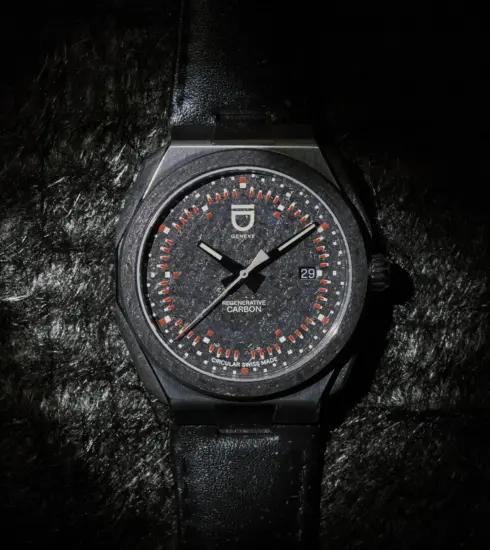
Swiss Military Hanowa, meanwhile, focuses on durability in its quartz-powered watches, pairing it with technical design innovation. The dial of the new Sirius Lightning is made from irregularly structured carbon infused with luminous material. By day, it appears relatively conventional; by night, it reveals an unusual glowing effect.

Together, these examples illustrate how electronic watchmaking is no longer an outsider within the industry, but an integral and evolving part of it.
Images: Junghans, Swiss Military, Nepro