The Chronograph – The Art of Timekeeping
Sometimes you just want to stop time—because the moment is so beautiful, or because you want to put off impending trouble for a little while longer.
A chronograph can’t stop the course of events—but it can measure time. But this coveted feature does more than just precisely measure the duration of events. When combined with pulsometers, tachymeters, or telemeters, chronographs can also be used to calculate heart rates, average speeds, and distances.
Chronographs—Not Just for Measuring Time
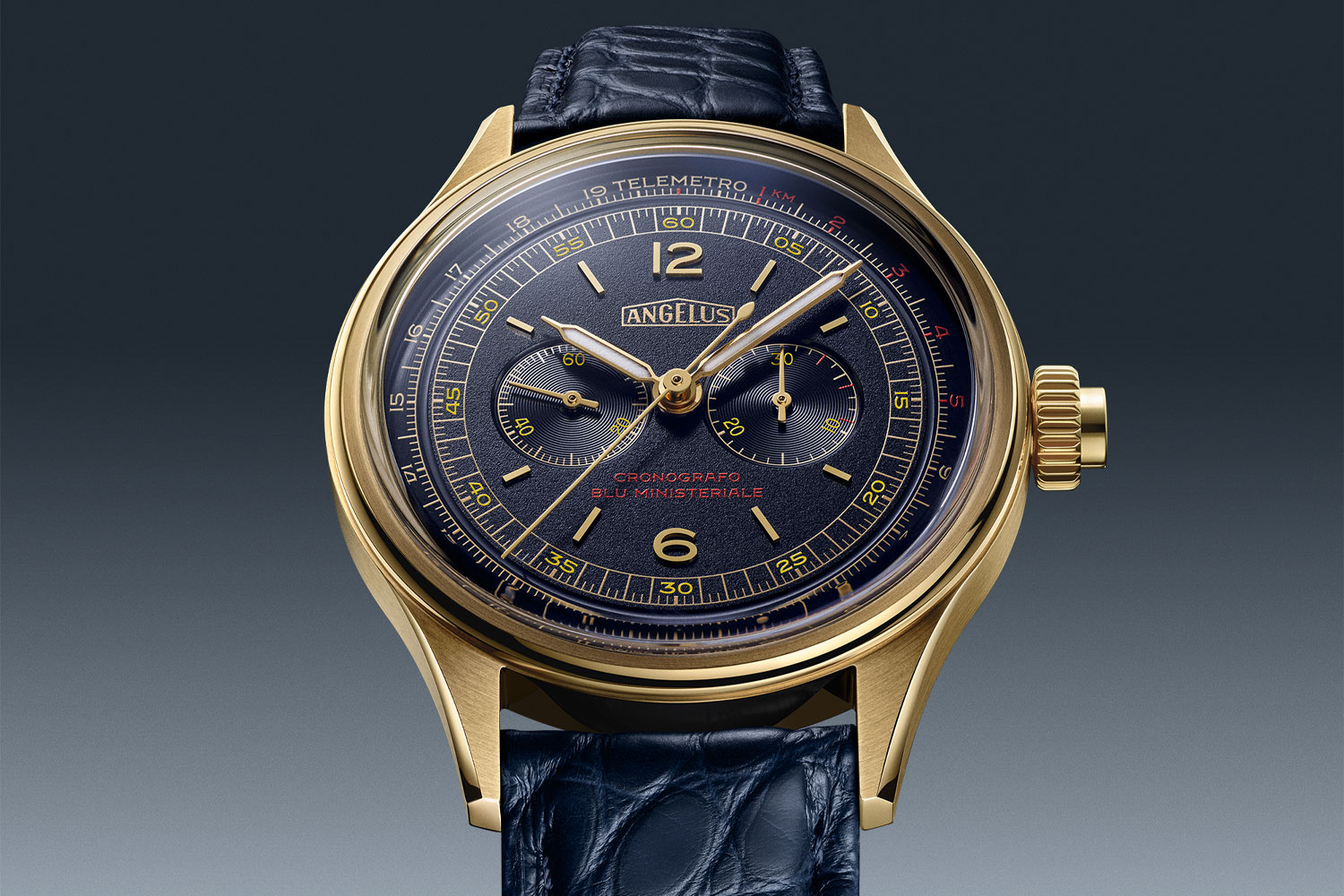
The “Cronografo Telemetro Blu Ministeriale” by Angelus was developed in collaboration with select Italian retailers. It reinterprets the blue of the Italian government in a limited edition with a classic, technical character. It also features a telemeter scale on the dial. This allows the wearer to determine the distance to a visible or audible event. This is based on the fact that light travels almost instantaneously, whereas sound travels at a finite speed.
Complex Complication
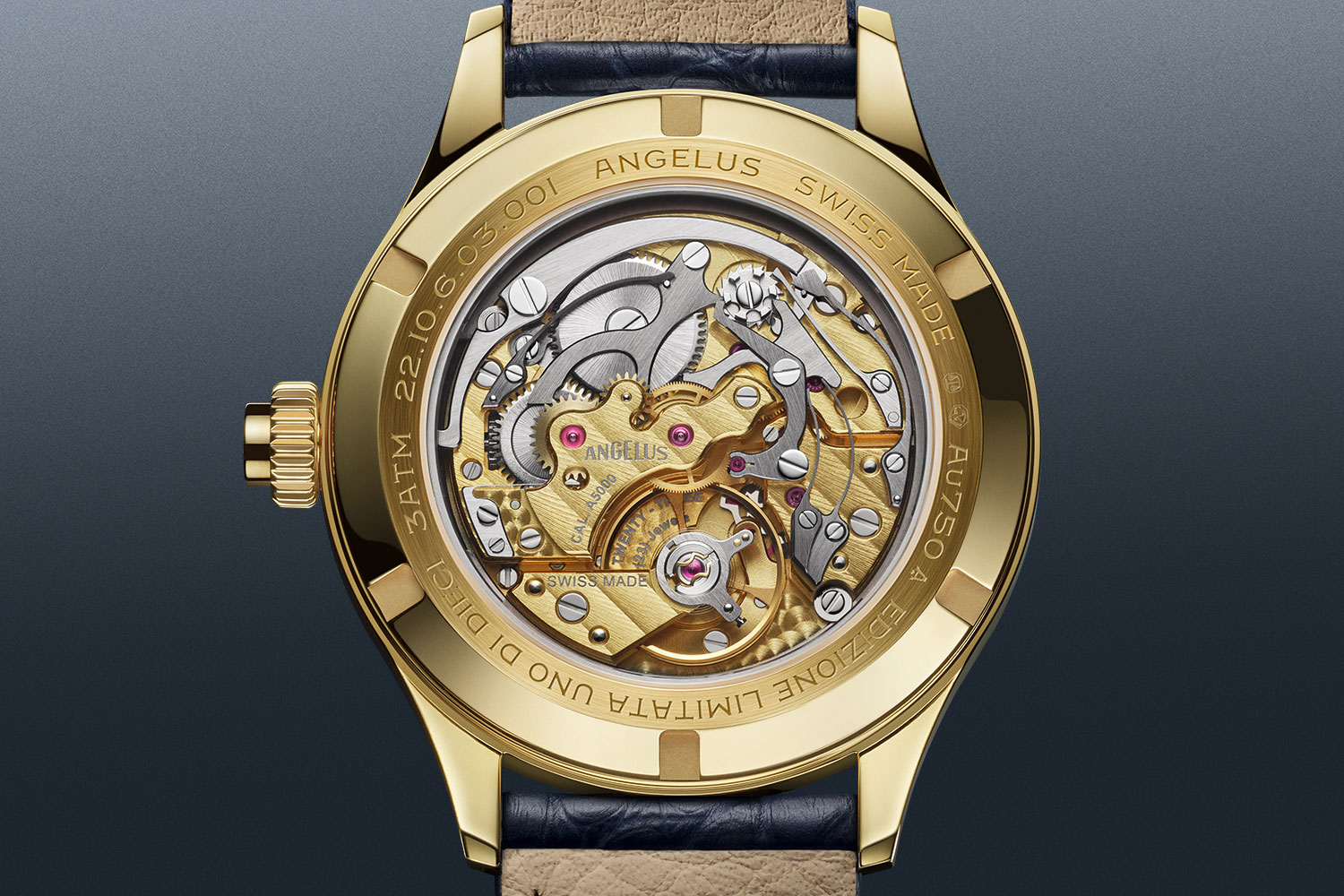
After the date display, the chronograph is probably the most common complication—yet at the same time one of the most underappreciated—perhaps precisely because it is such a familiar sight on the wrist. It’s easy to forget just how complex its construction is: a chronograph combines two systems in a single movement—the standard time display and a precise stopwatch mechanism that is engaged and disengaged at the push of a button.
Chronographs for Car Enthusiasts
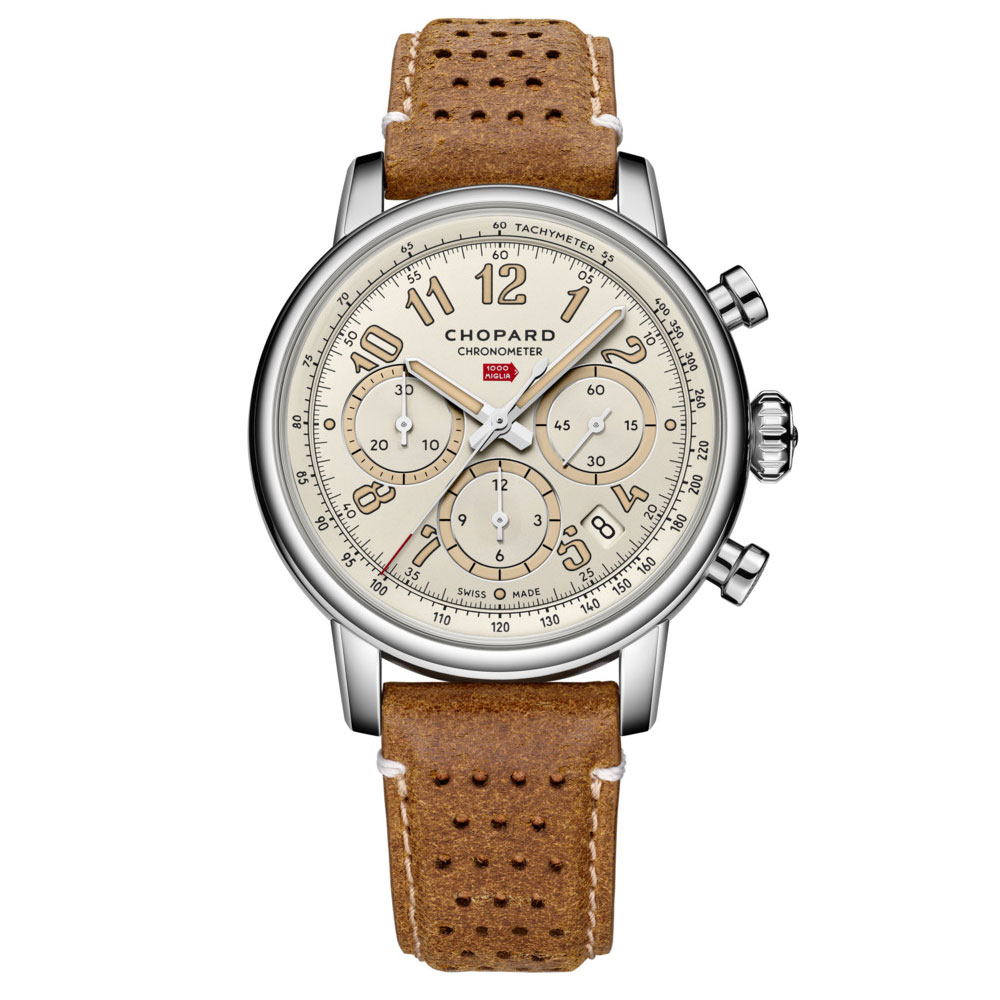
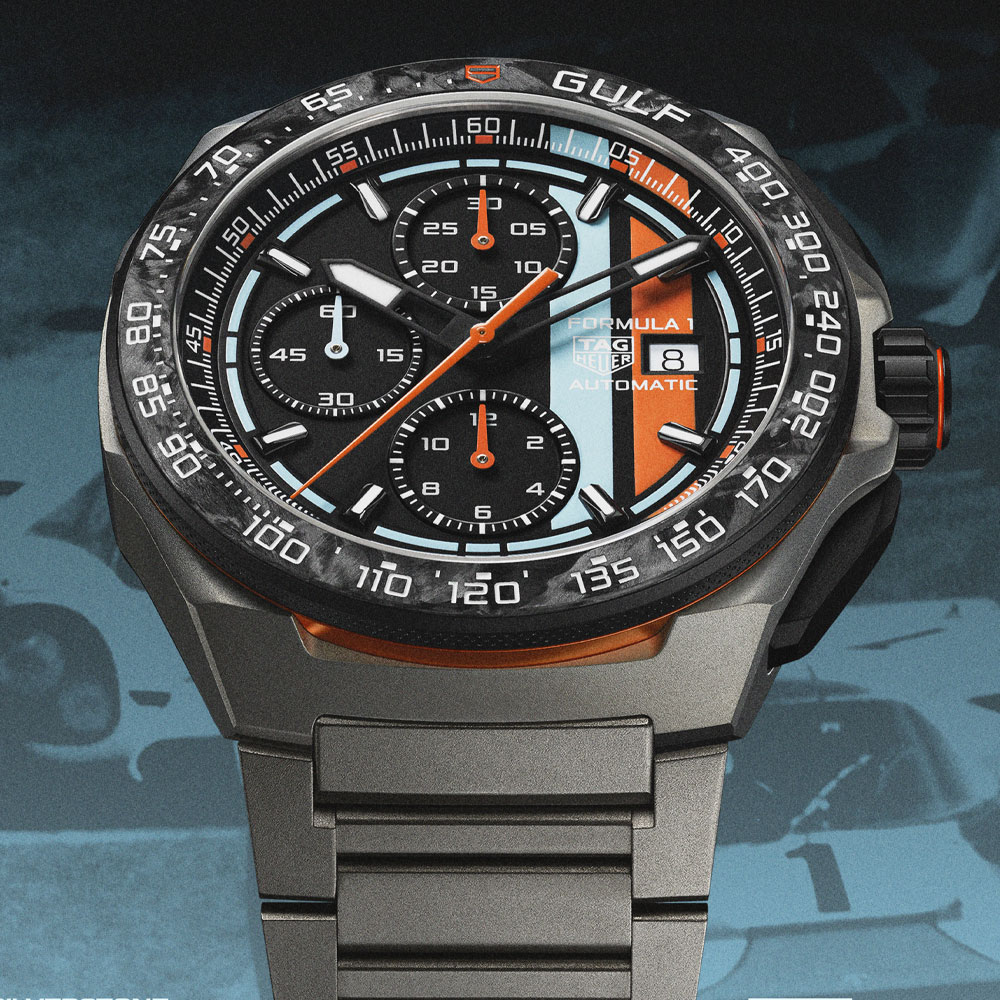
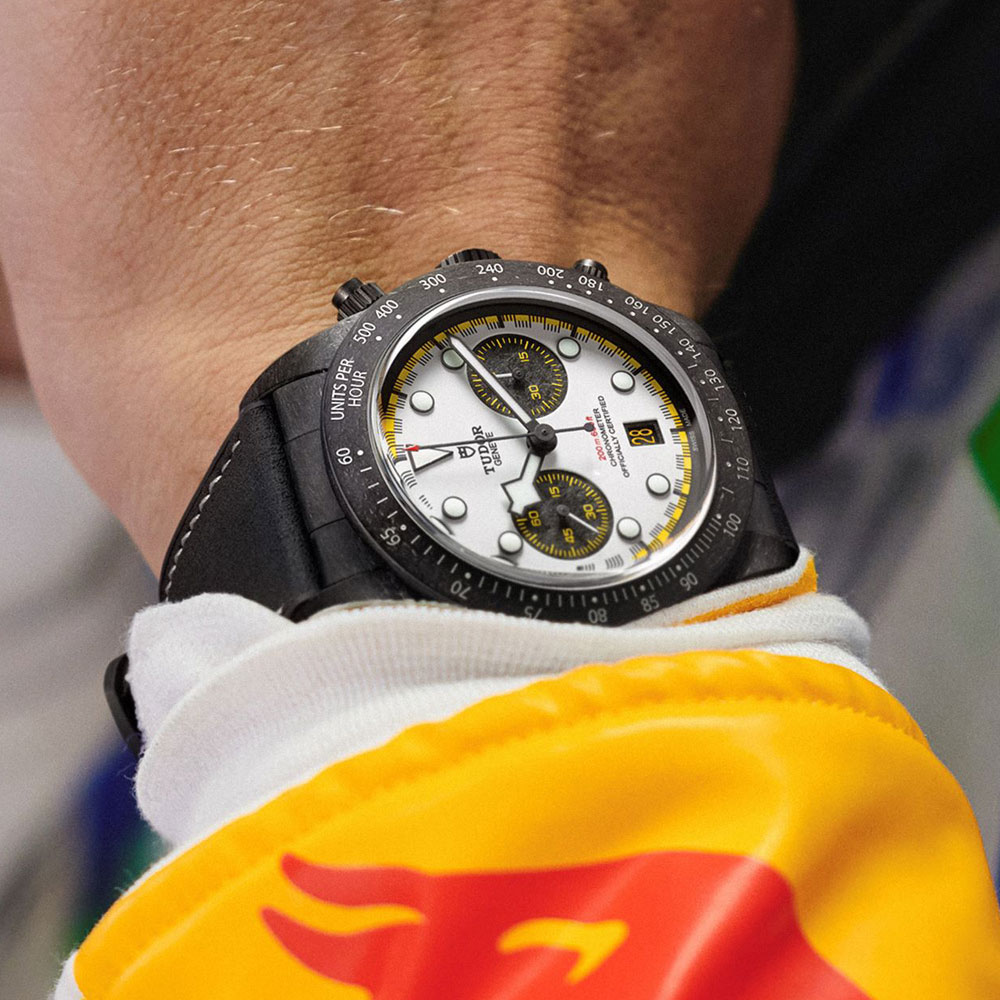
Chopard presents a new version of the “Mille Miglia Classic” chronograph. The “Raticosa” version is once again dedicated to one of the stages of the legendary Mille Miglia. TAG Heuer’s “Formula 1 Automatic Chronograph x Gulf” draws on the visual elements of motorsports and features a dynamic dial in black, light blue, and orange. With the “Black Bay Chrono Carbon 26,” Tudor pays tribute to this year’s race car from the Visa Cash App Racing Bulls Formula 1 team.
Chronographs—the favorites of experts and enthusiasts
Chronographs are traditionally found in tool watches designed for pilots, motorsports enthusiasts, divers, and military personnel. Even astronauts use them. But many people without a professional connection to these fields also appreciate chronographs, which give their wearers a sporty, dynamic look.
Let’s be honest, dear chronograph owners: How often do you actually use this feature? Not very often, right? That’s okay. Because it’s reassuring to know that, just in case, you’re wearing a highly functional watch on your wrist.
Chronographs That Take You to New Heights
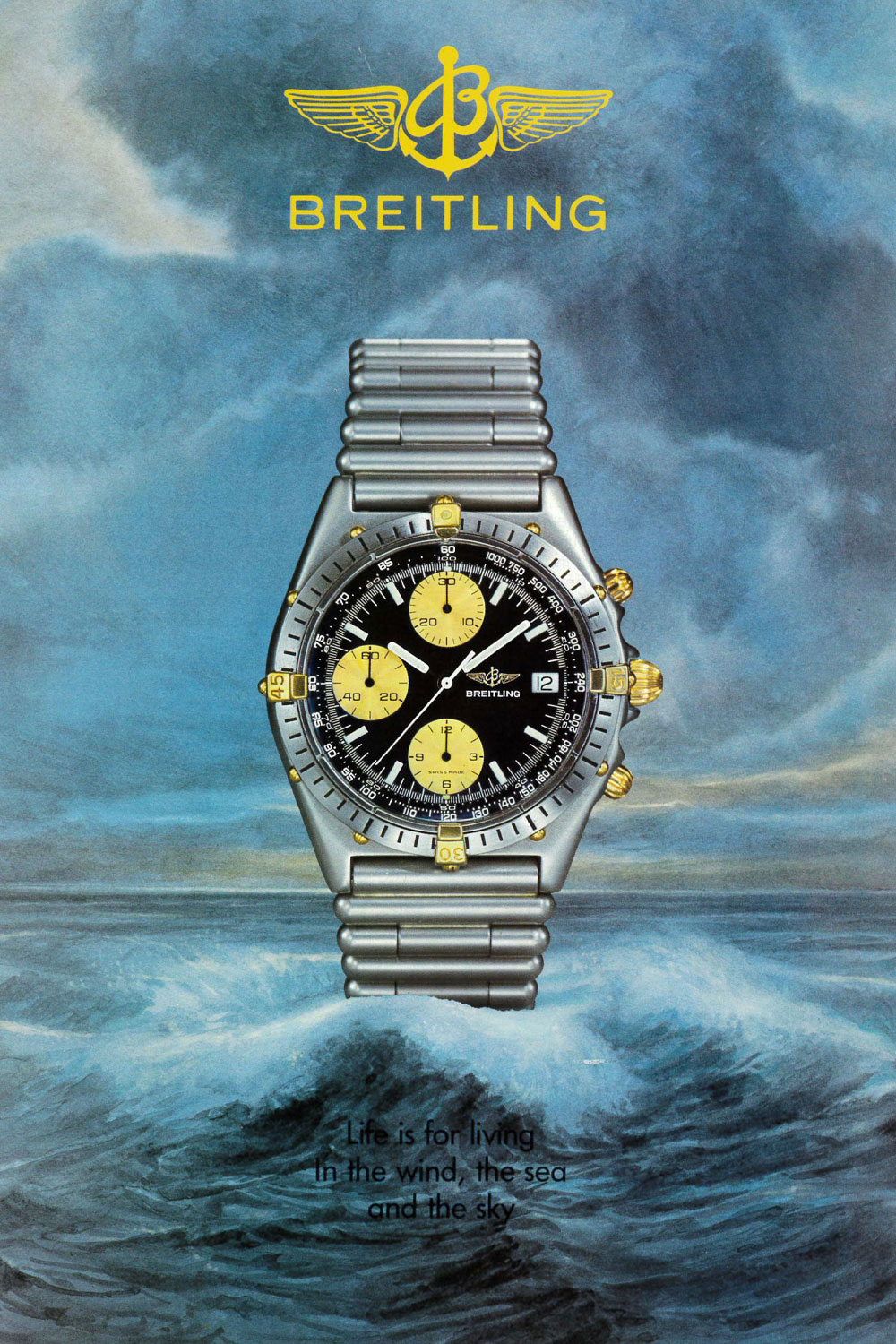
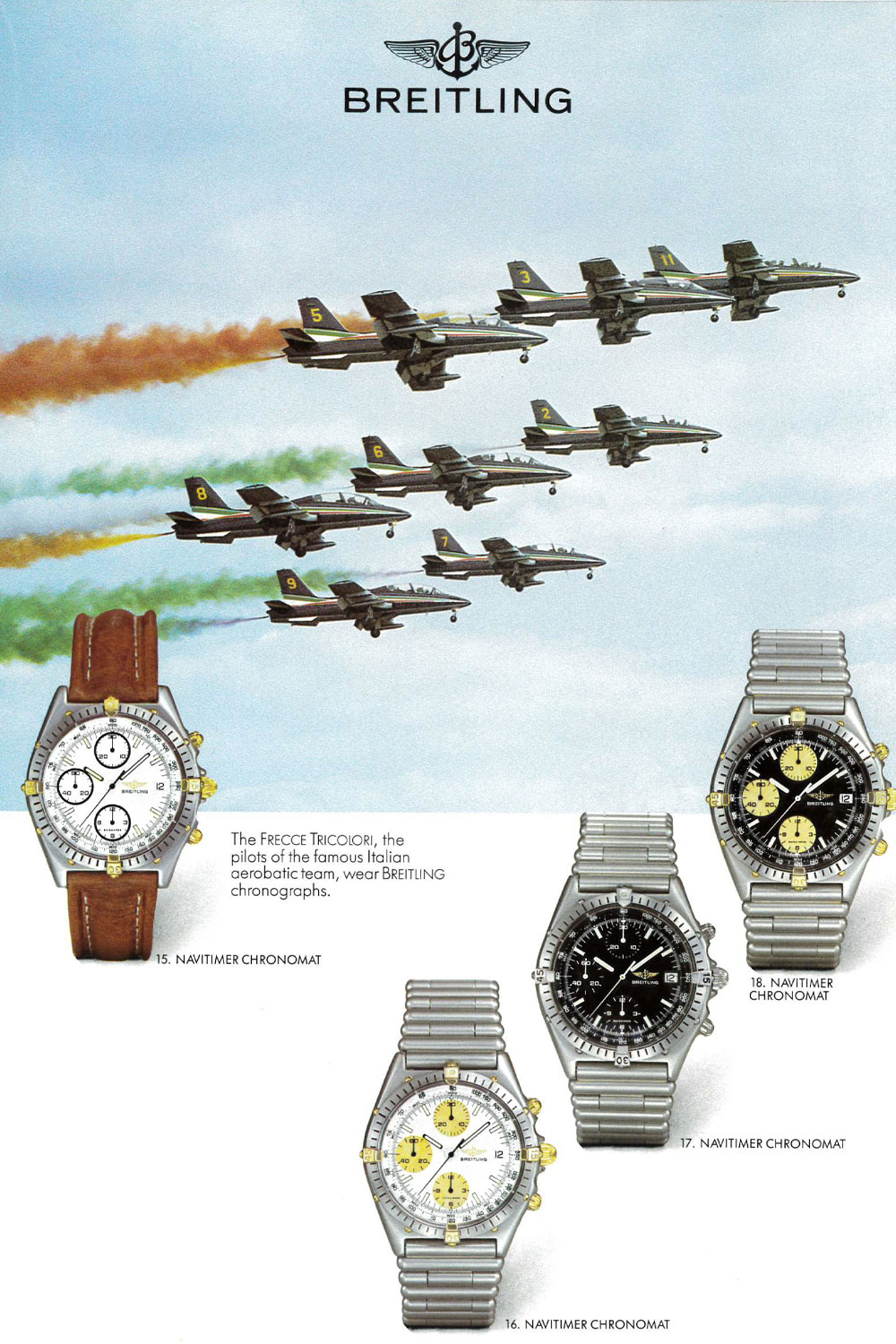
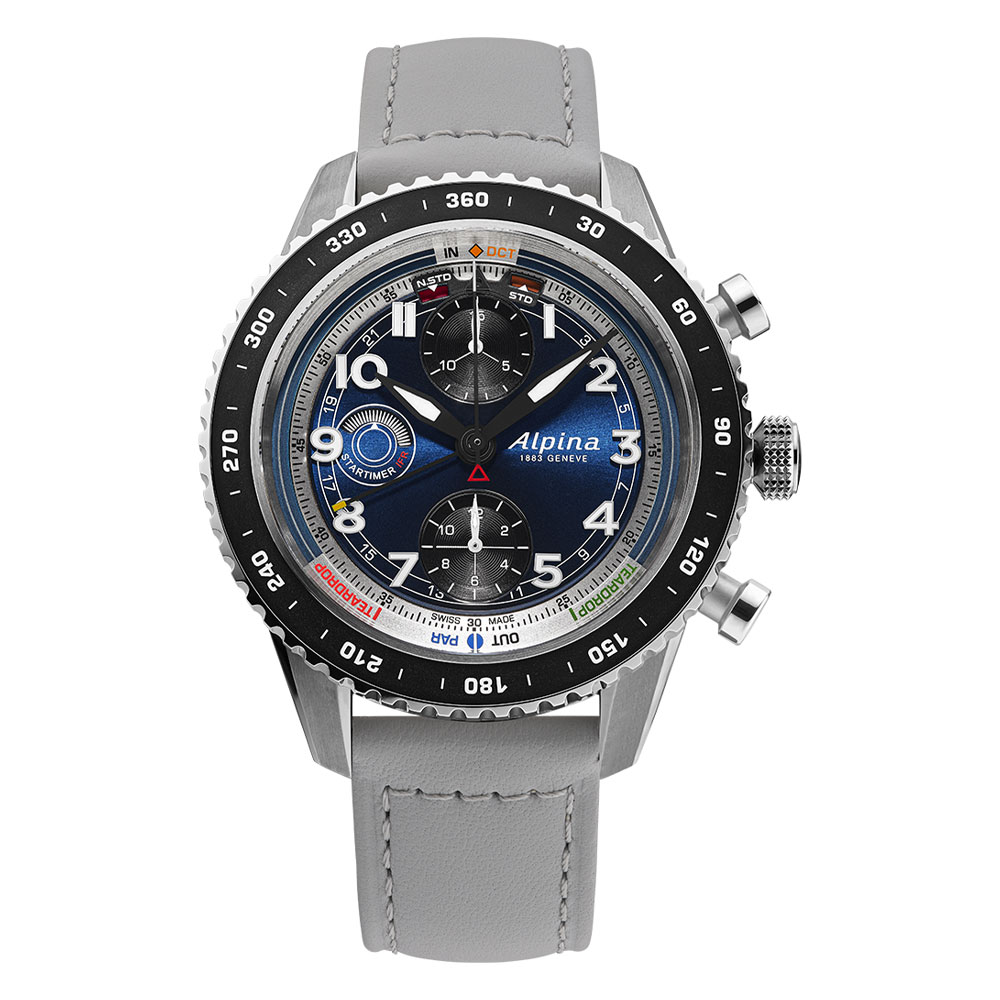
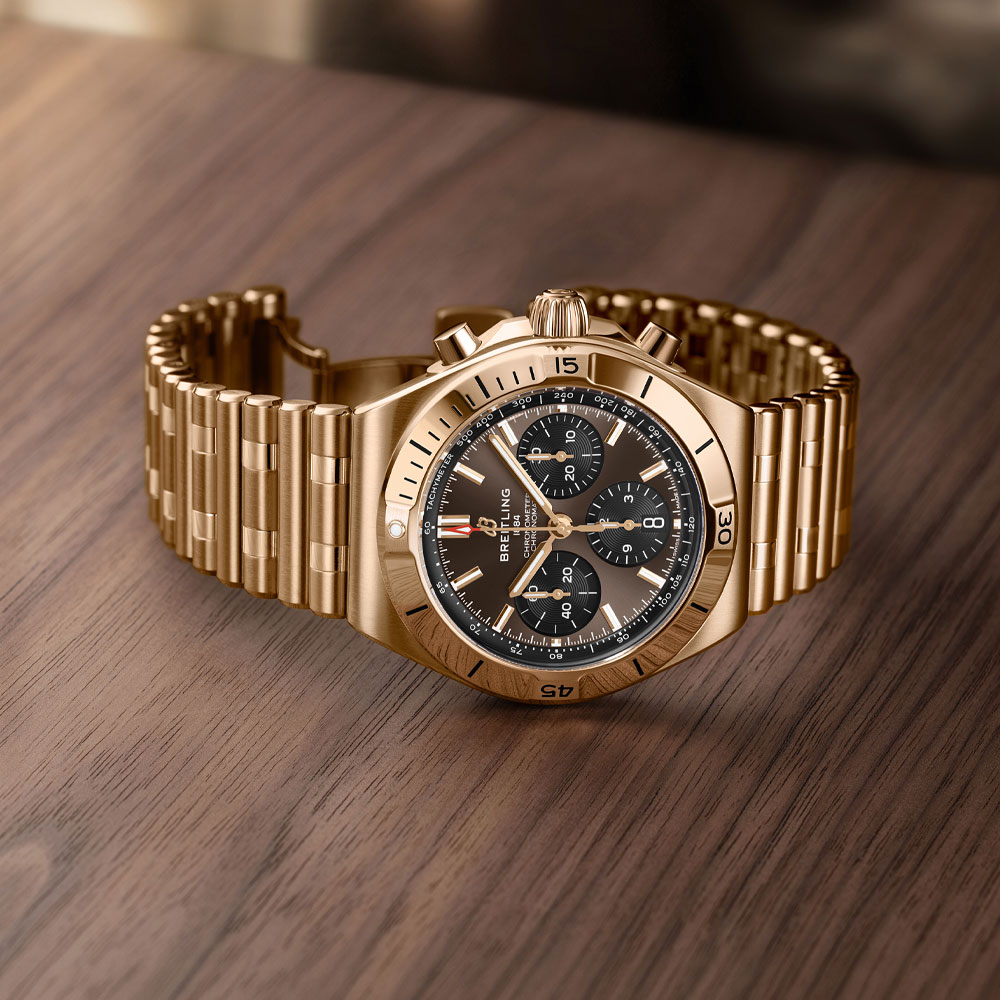
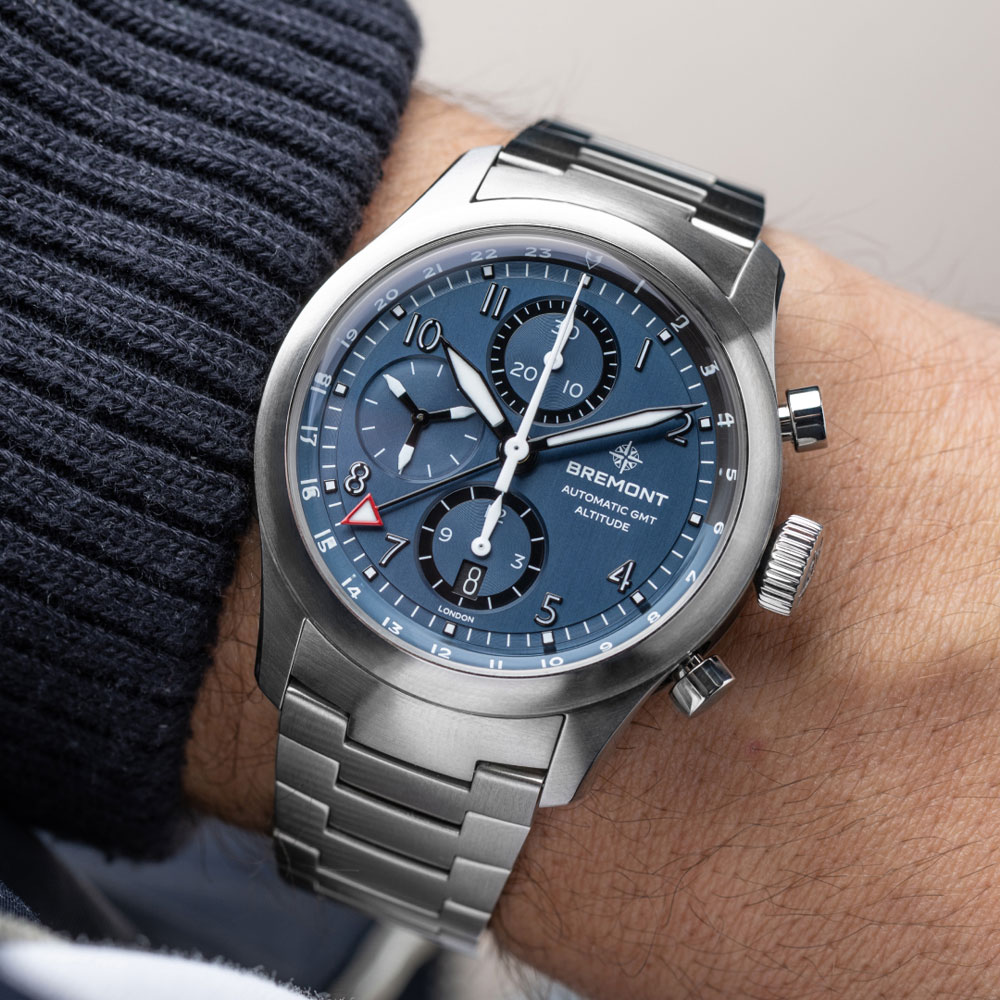
With Alpina’s “Startimer Pilot Chronograph Automatic IFR,” pilots can determine the correct approach path into the holding pattern. Breitling’s “Chronomat” was designed in the 1980s for the Italian aerobatic team Frecce Tricolori and withstood forces exceeding 7G. The new “Chronomat B01 42” returns with contemporary innovations. The “Altitude Chronograph GMT” was designed by Bremont for long-haul flights, worldwide travel, and demanding missions.
The History of the Chronograph
Nicolas Mathieu Rieussec is generally considered the inventor of the chronograph. In 1821, he developed a device to precisely time horse races in Paris. What makes it special is that his invention recorded elapsed time using a small drop of ink on a rotating disc. This is also where the name comes from: “chronos” means time, and “graphein” means to write. A chronograph is, therefore, a time recorder.
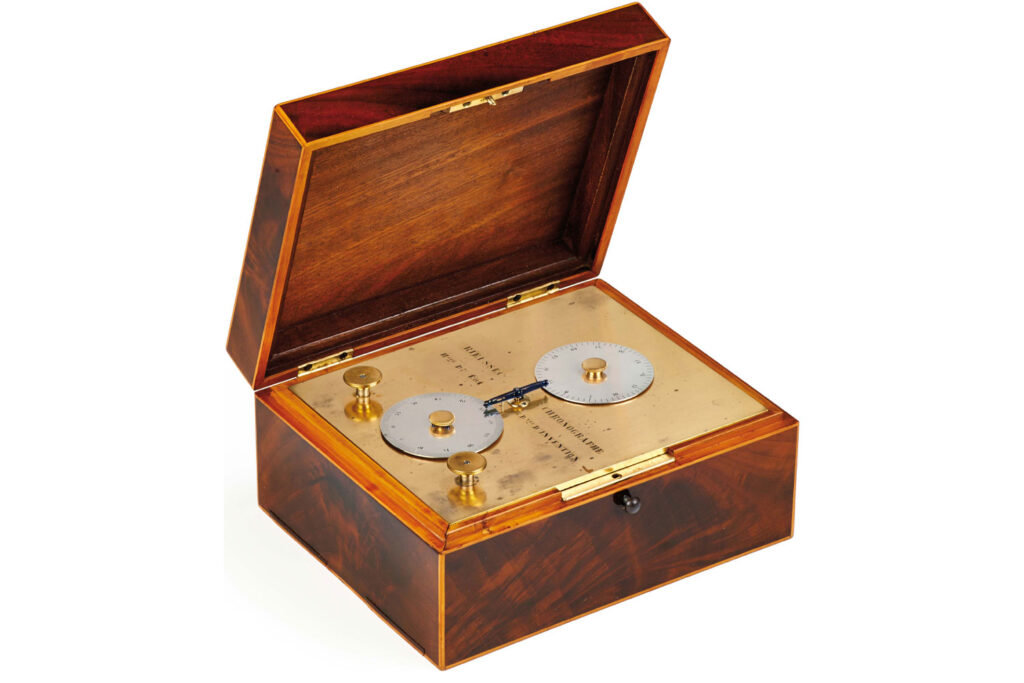
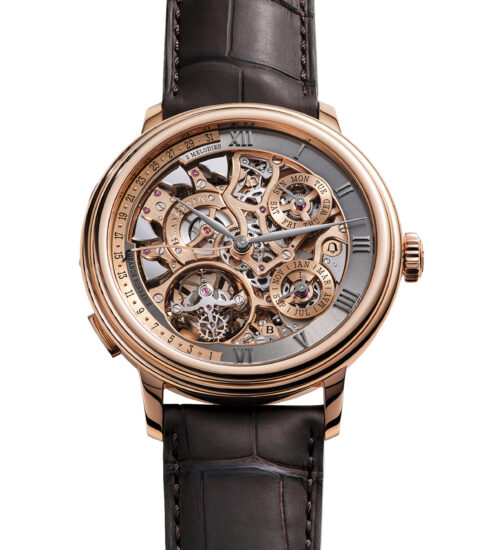
As early as 1816, however, watchmaker Louis Moinet had developed a pocket watch with three subsidiary dials and a pusher that could measure time intervals with an accuracy of 1/60 of a second. (Image on the left). In 2016, Guinness World Records officially recognized the instrument as the “first chronograph.”
Historically Inspired Chronographs
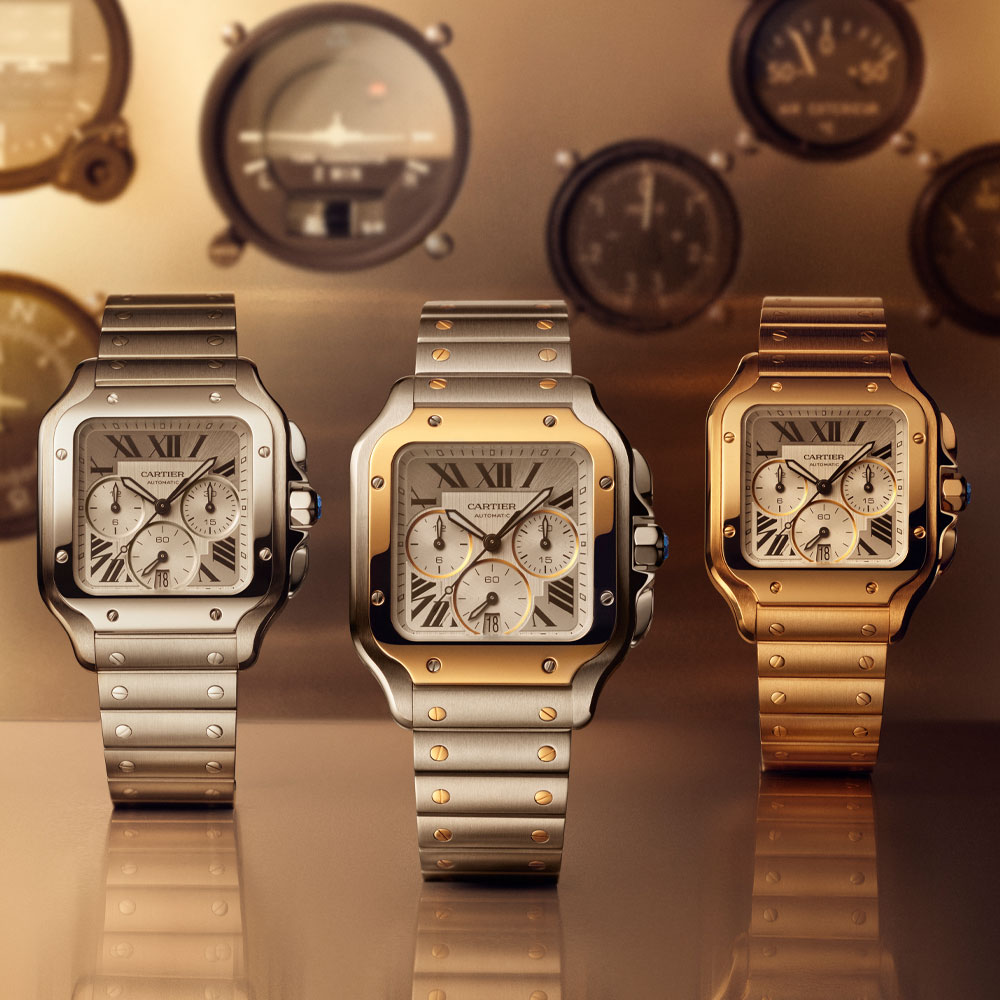
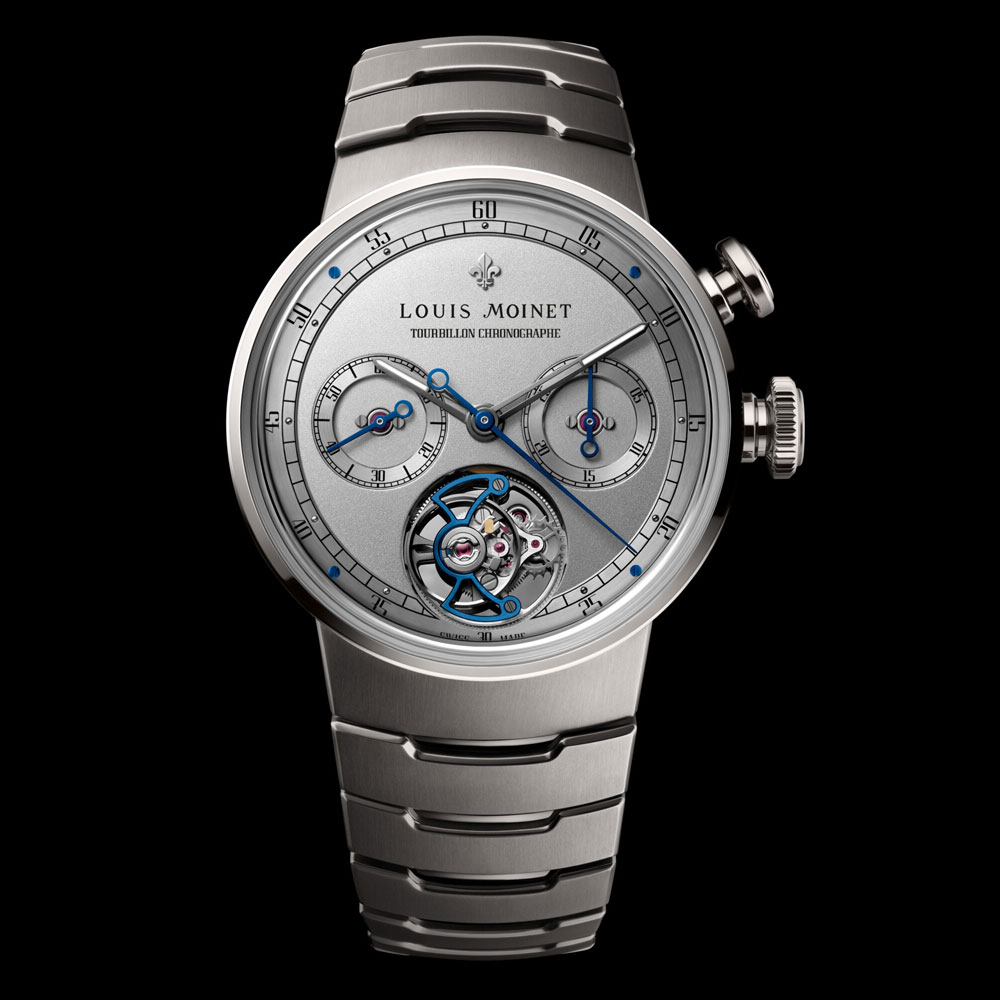
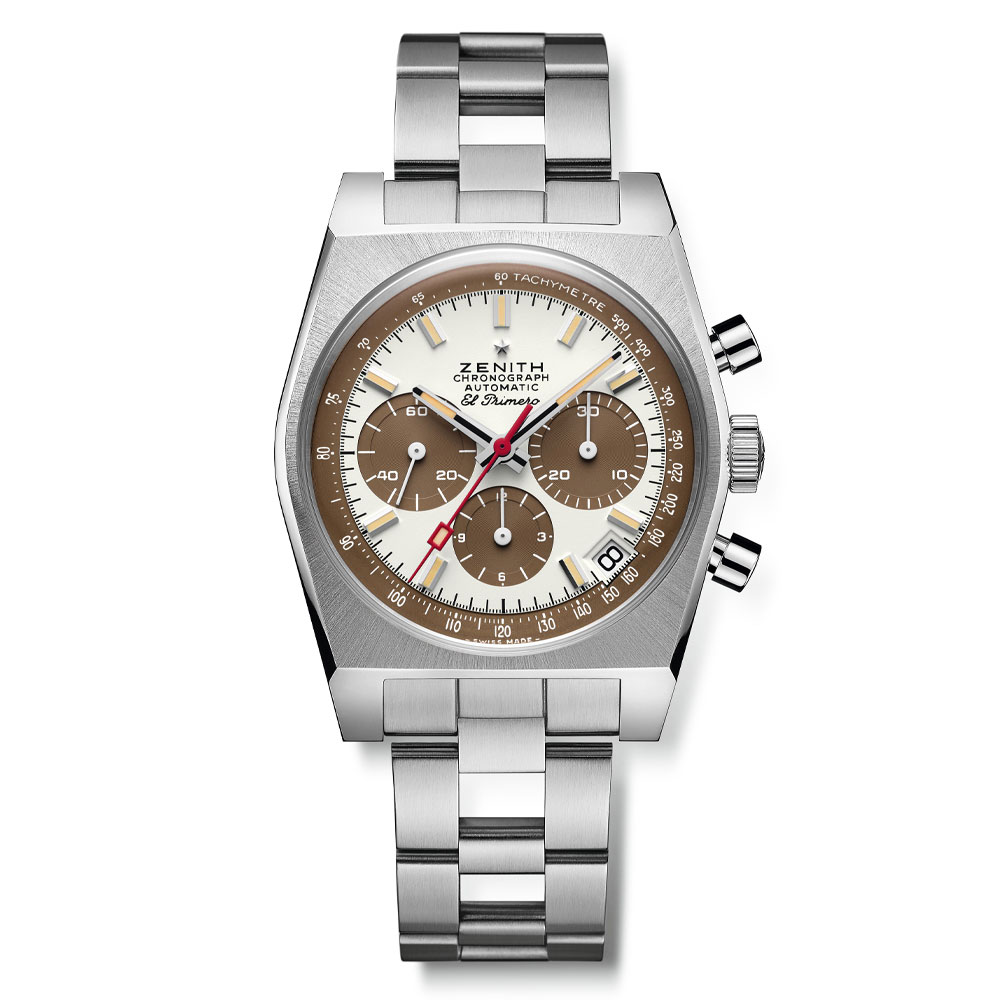
The history of the “Santos de Cartier” dates back to 1904. At that time, Alberto Santos-Dumont asked his friend Louis Cartier to create a watch that would allow him to tell the time while flying. The result was the first modern men’s wristwatch, which Cartier has reinterpreted time and again. With the new “1816 Tourbillon Chronograph,” Louis Moinet pays homage to the timepiece developed in 1816 by the brand’s namesake, which is now considered one of the first chronographs. With the “Chronomaster Revival A384 Tropical,” Zenith commemorates the 1969 launch of the El Primero caliber, the world’s first automatic, integrated high-frequency chronograph.
Breitling and the Second Pusher
After its founding in 1884, Breitling quickly made a name for itself with pocket watches that were often equipped with a chronograph complication. In 1923, the company launched the first timepiece with an independent chronograph pusher at the 2 o’clock position. This pusher was used to start, stop, and reset the chronograph.
In 1933, Willy Breitling, grandson of the company’s founder Léon Breitling, finally filed a patent for a second chronograph pusher at the 4 o’clock position. This marked the birth of the modern chronograph’s design and layout.
Sun Worshippers – Solar Chronographs
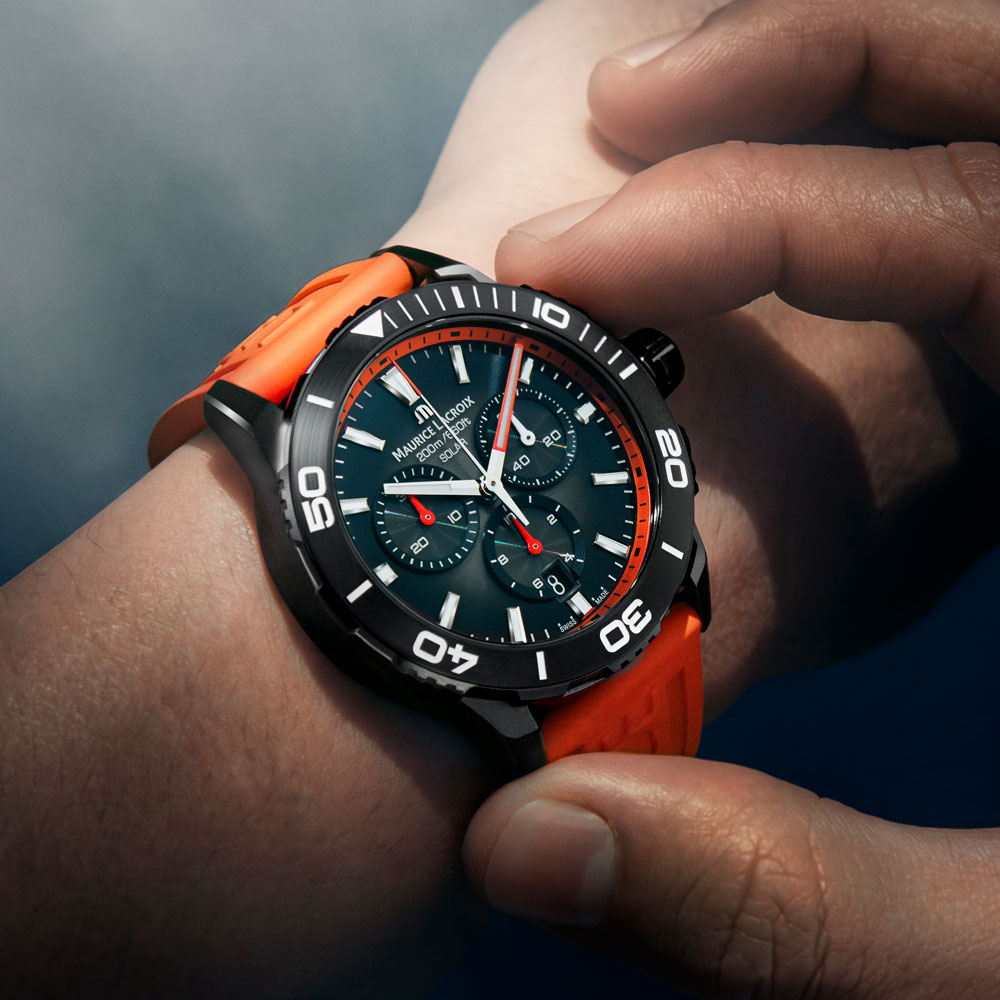
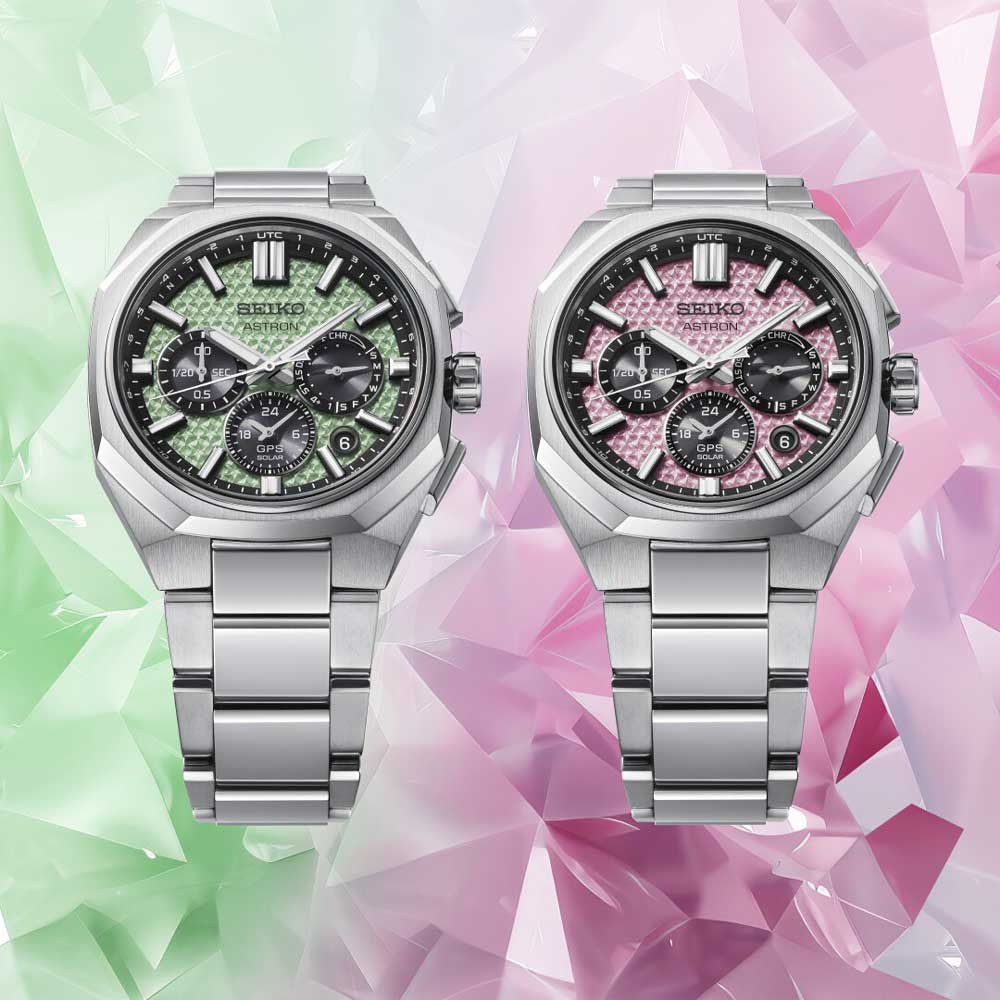
The “Pontos S Solar” chronograph by Maurice Lacroix features orange accents that extend to the hands of the 30-minuteat 9 o’clock and the 1/10-second counter at 6 o’clock, and are powered by the sun’s energy. Seiko’s new limited-edition “Astron” models, the “HAB005J1 Crystal Green” and “HAB006J1 Crystal Pink,” translate the concept of light and energy into a modern design statement.
Longines and the Flyback Chronograph
In 1878, Longines introduced its first chronograph caliber, the 20H, designed for precise timekeeping. The stopwatches powered by this caliber were used primarily at American horse racing tracks in the 1880s.
In 1936, Longines was granted a patent for the flyback chronograph introduced in 1934, which allowed pilots to measure successive phases of flight. The term “flyback” itself originates from aviation: With the push of a single button, pilots could stop the running chronograph, reset it to zero, and restart it immediately—without having to go through the usual three steps (stop–reset–start). This reduced the risk of human error, sped up decision-making, and enabled faster course corrections in real time.
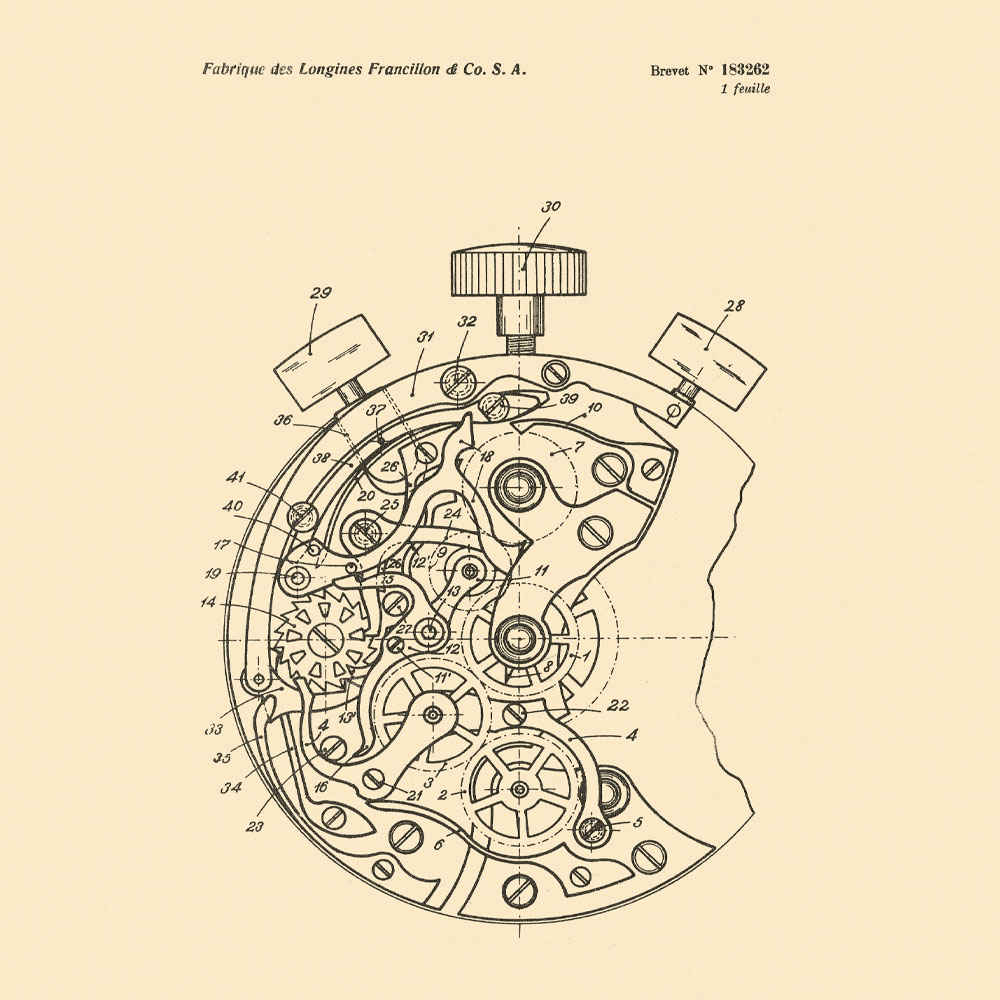
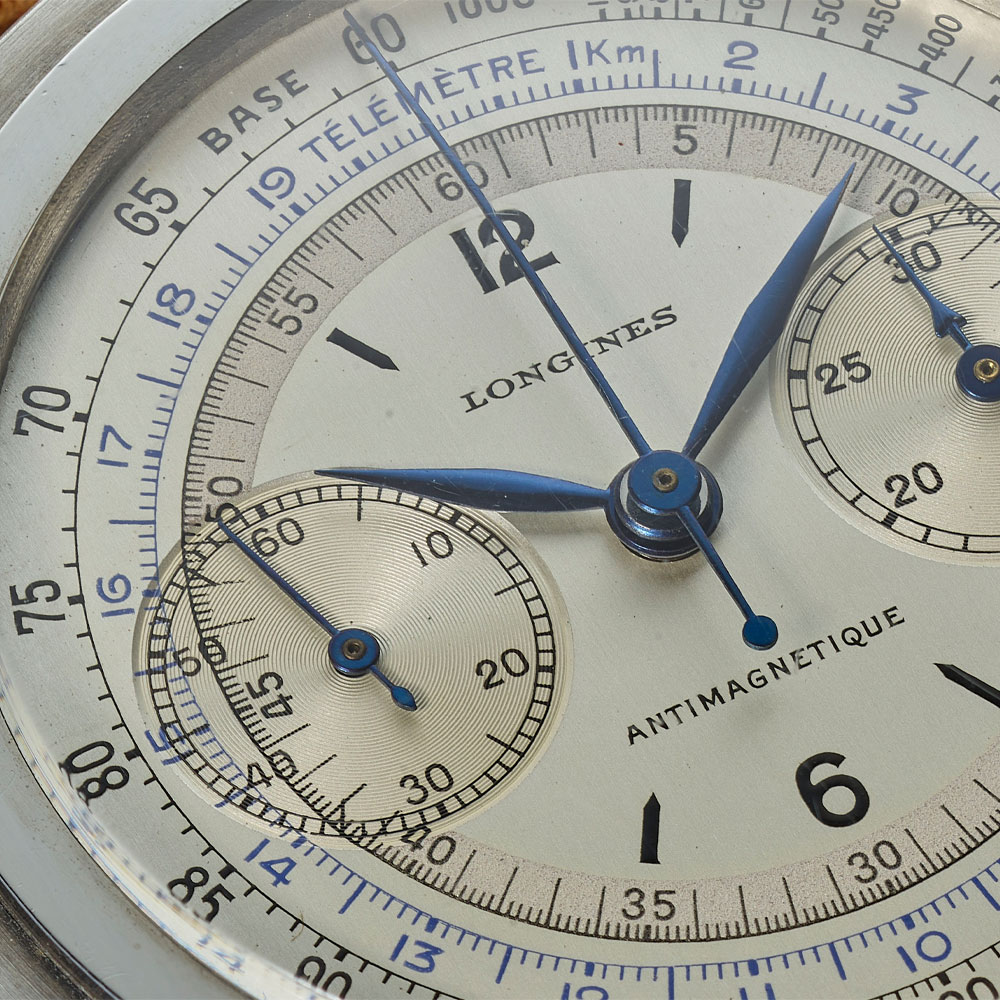
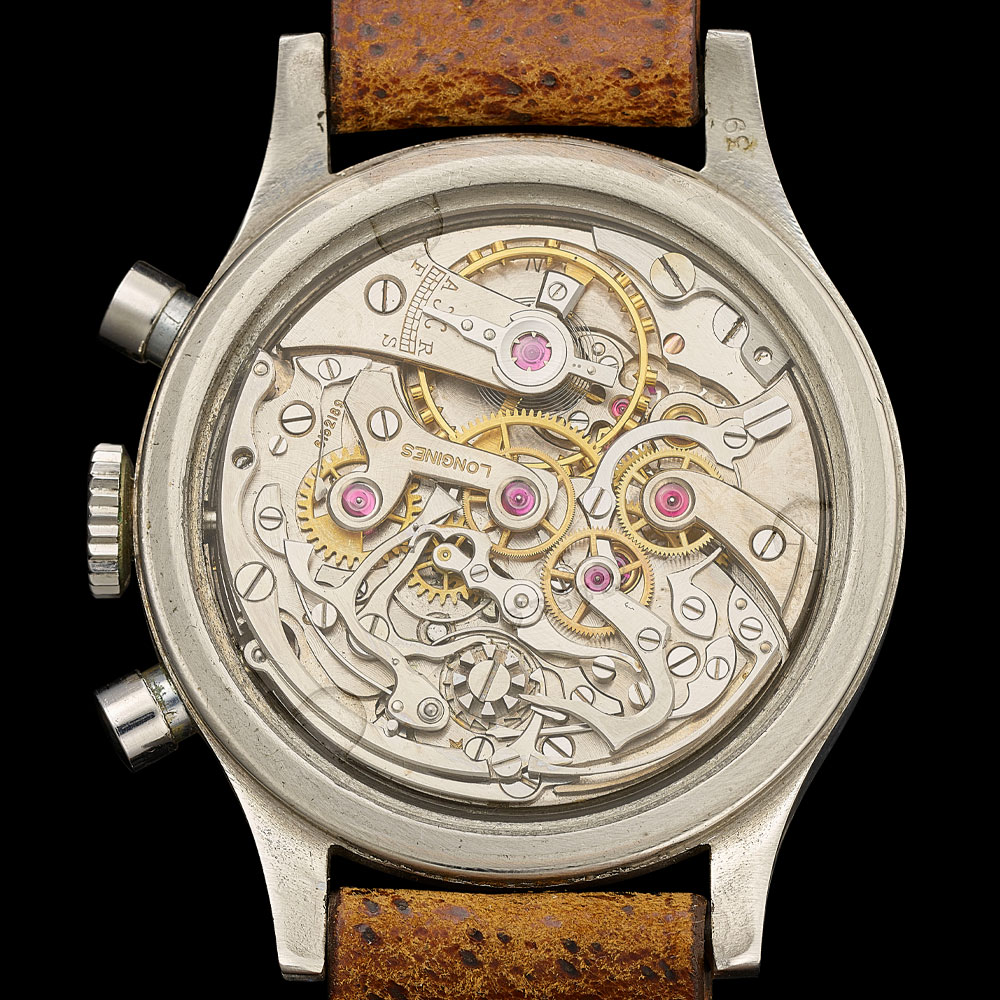
The 15-year patent granted Longines a significant advantage in the development of flyback chronographs, as it prevented competitors from offering comparable mechanisms. In 1936, the flyback function was first used in the Caliber 13ZN. With this, Longines also brought the function into mass production. The integrated column-wheel mechanism powered numerous Longines chronographs of the late 1930s and 1940s.
Many of the early models were shipped to Italy and the United States during the interwar period; there, the rapid development of aviation helped establish the flyback function among a new generation of pilots and technical pioneers.
Non-Circular – Chronographs in Tonneau and Square Shapes
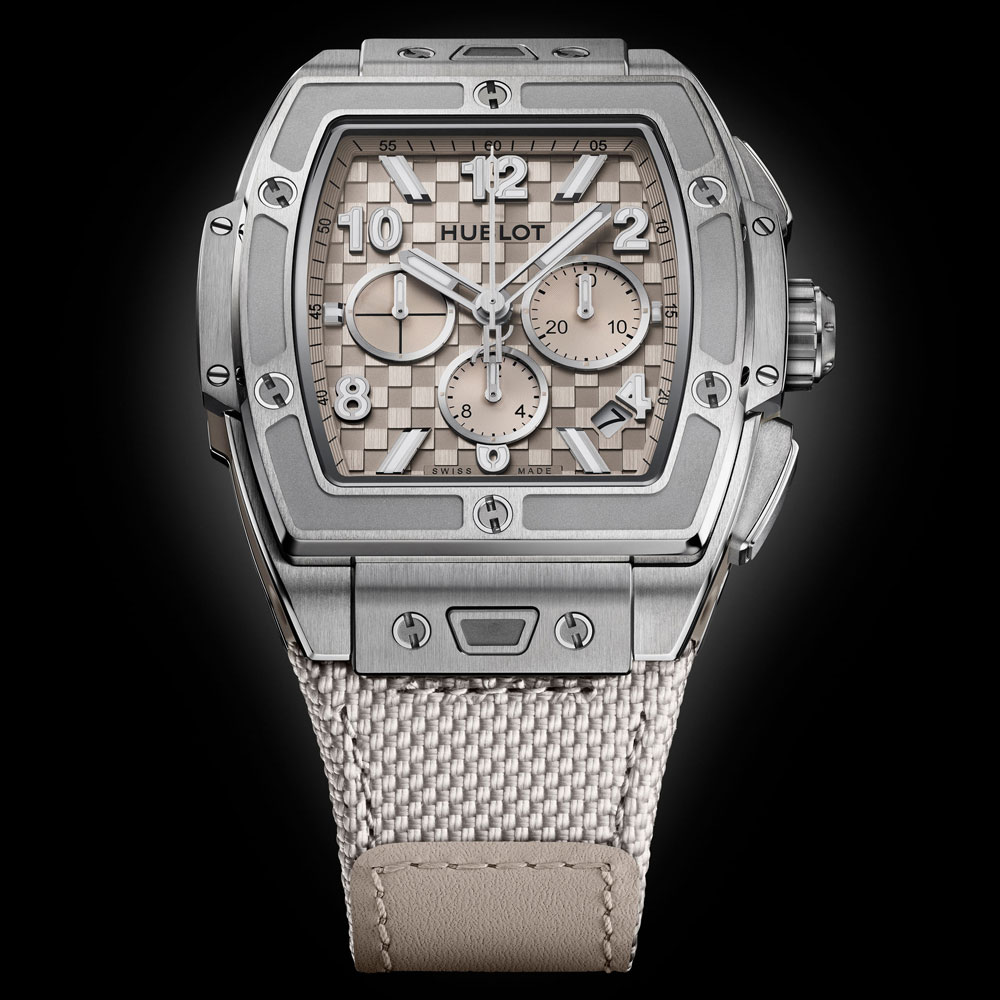
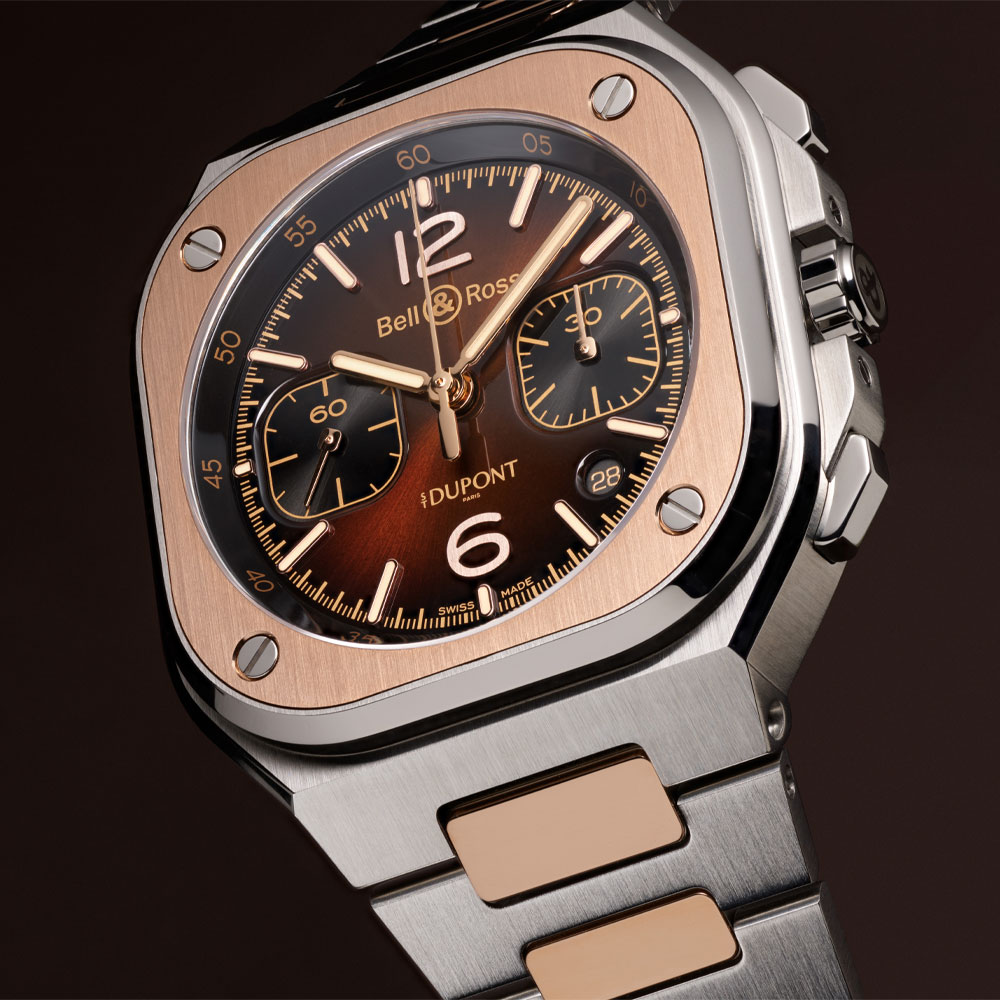
Hublot has equipped the “Spirit of Big Bang Essential Taupe 42 mm,” crafted from lightweight, satin-finished, and polished titanium, with a new carbon-look dial. For the “BR-05 Chrono S.T. Dupont,” Bell & Ross collaborated with the French brand S.T. Dupont, known for lighters and smoking accessories.
The Race for the First Automatic Chronograph
In 1969, three frontrunners emerged in the race to produce the first automatic chronograph: Zenith, Seiko, and Chronomatic—a consortium comprising Heuer, Breitling, Hamilton, and the movement specialist Dubois Dépraz. Depending on whom you ask and how you define the goal, each of these candidates won the race.
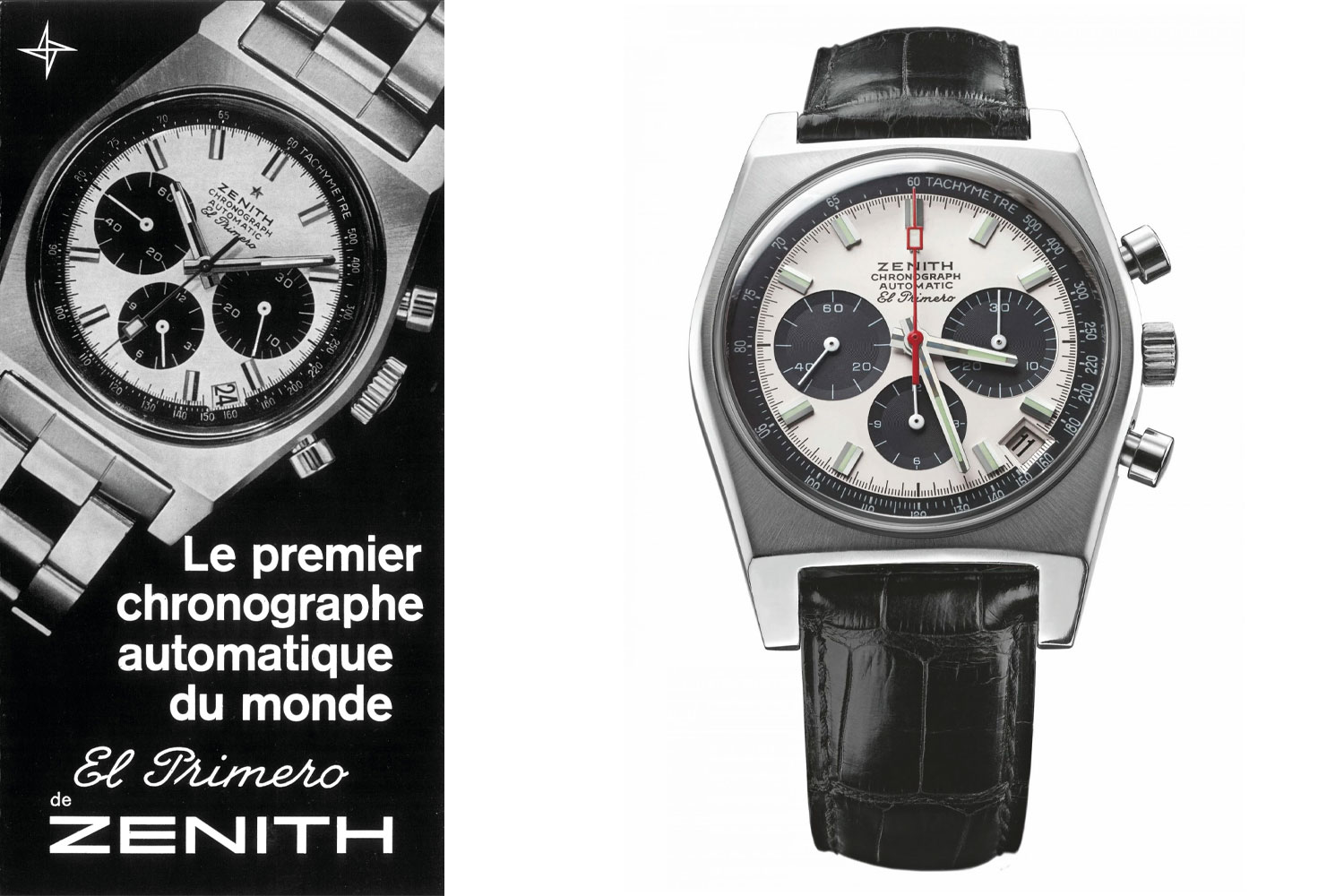
In January 1969, Zenith unveiled the El Primero, the first fully functional prototype of an automatic chronograph. However, the first watches did not reach their owners until the fall of that same year. Seiko’s Ref. 6139 was already available in March 1969—though initially only in Japan.
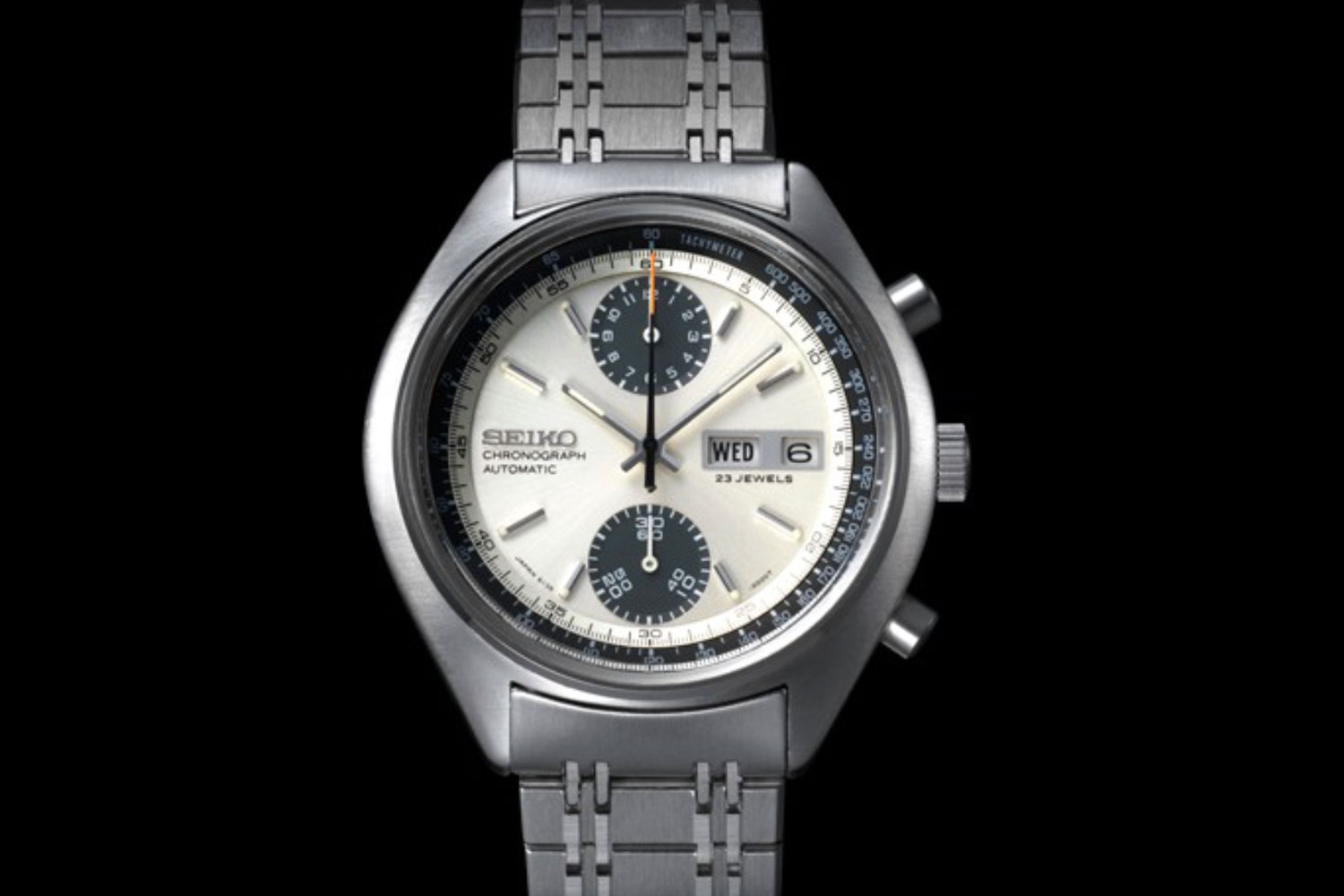
It wasn’t until 1970 that it was released outside of Japan. Last but not least, the brands of the Chronomatic Group simultaneously launched their chronographs on March 3, 1969, at 5:00 p.m. during press conferences in Geneva.