
The Automatic Wristwatch: How Fortis and John Harwood Changed Watchmaking Forever
One hundred years ago, the success story of the automatic wristwatch began in Grenchen with the “Fortis Harwood Automatic.”
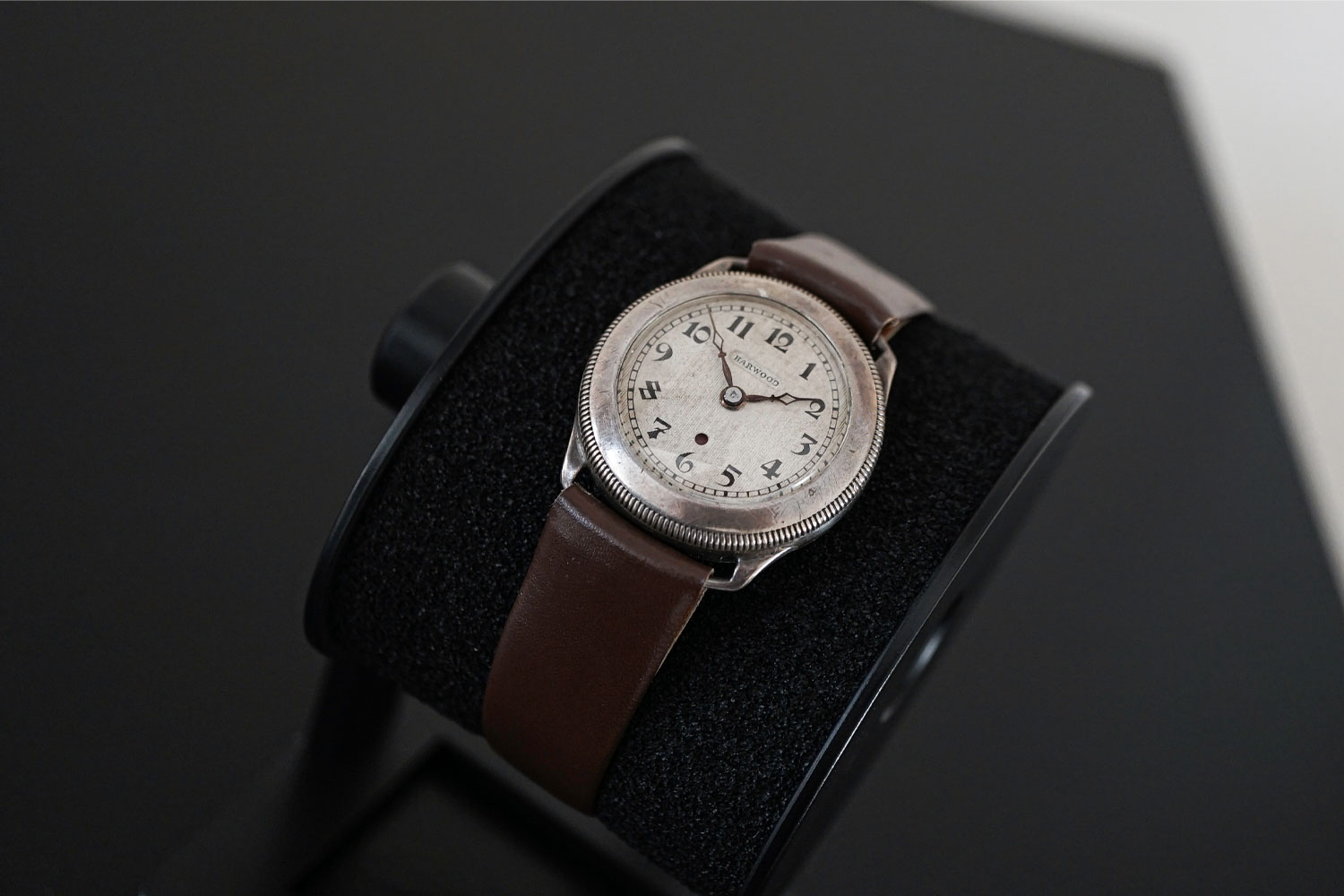
The year 1926 marked a turning point in the history of watchmaking and gave rise to a category of watches that remains one of the most popular to this day: the automatic wristwatch. It requires neither manual winding nor a battery. It almost seems like a perpetual motion machine—which, of course, it isn’t. Even John Harwood was unable to unravel its secret.
However, he did eliminate a major drawback of the manual-winding movements of that time. These had to be wound by hand every day—and that was precisely the problem: every time the crown was opened and turned, dust, moisture, and dirt could enter the movement.
1926 – An oscillating weight revolutionizes the world of watchmaking
At the heart of this story are two men: British inventor John Harwood and Fortis founder Walter Vogt. One developed the invention; the other made it a reality.
Together, they solved one of the biggest problems facing early wristwatches at the beginning of the 20th century. Water resistance was practically nonexistent, suitable sealing materials were scarce, and every watch had to be wound by hand every day.
For Walter Vogt, who had founded Fortis in Grenchen in 1912, this was a fundamental weakness. Even back then, the company was committed to the idea of robust mechanical watches for everyday use. But every time the crown was pulled out, the movement was exposed to dust, moisture, and dirt.
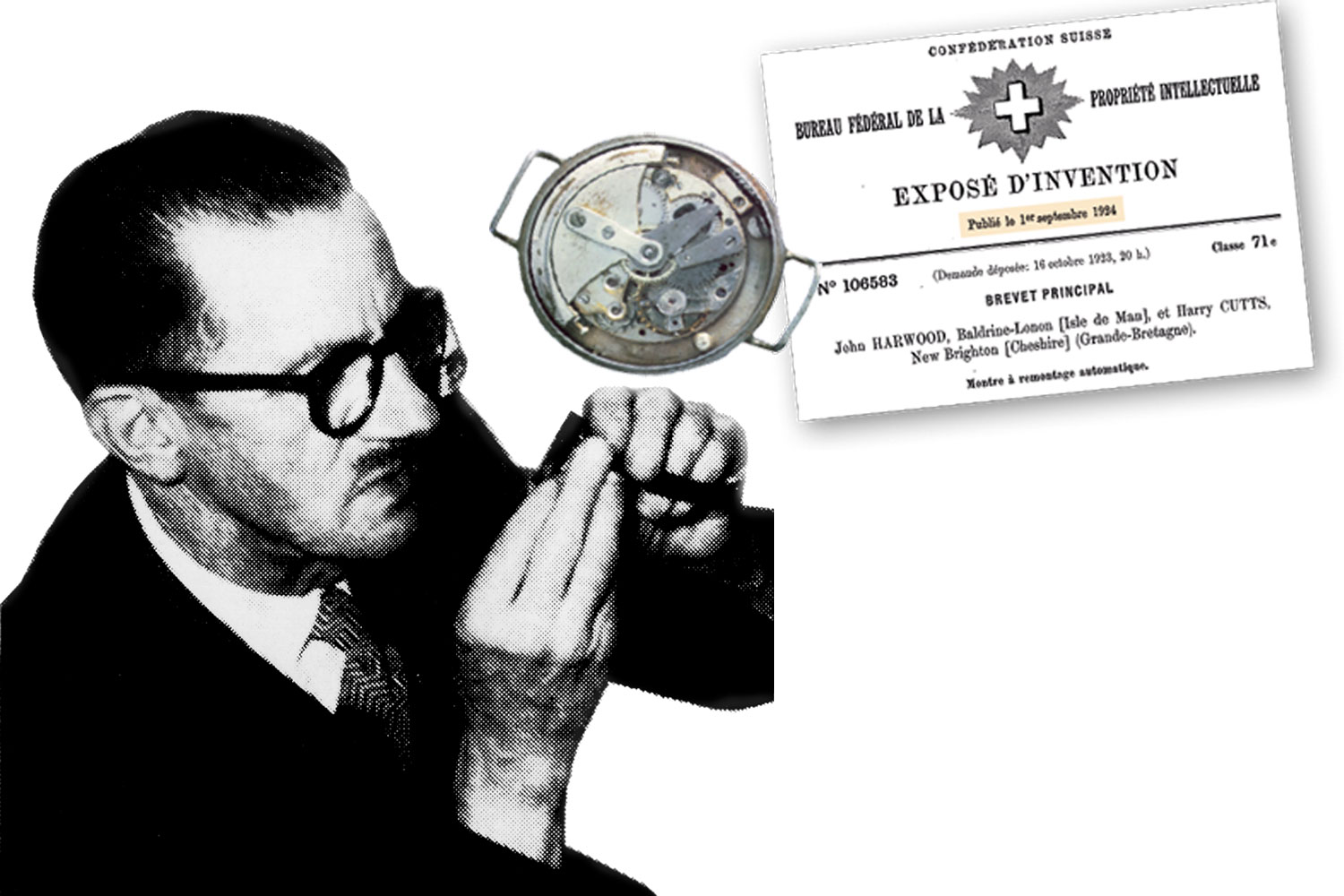
After years of development, John Harwood finally unveiled a self-winding system that harnessed the movements of the wrist to generate the energy needed to power the movement. In 1924, Harwood patented his invention in Switzerland, thereby laying one of the most important foundations of modern watchmaking.
Technically, the system operated using an oscillating mass that moved within a limited range. Unlike today’s full rotors, Harwood’s mechanism had a limited range of motion and encountered spring stops at its end points.
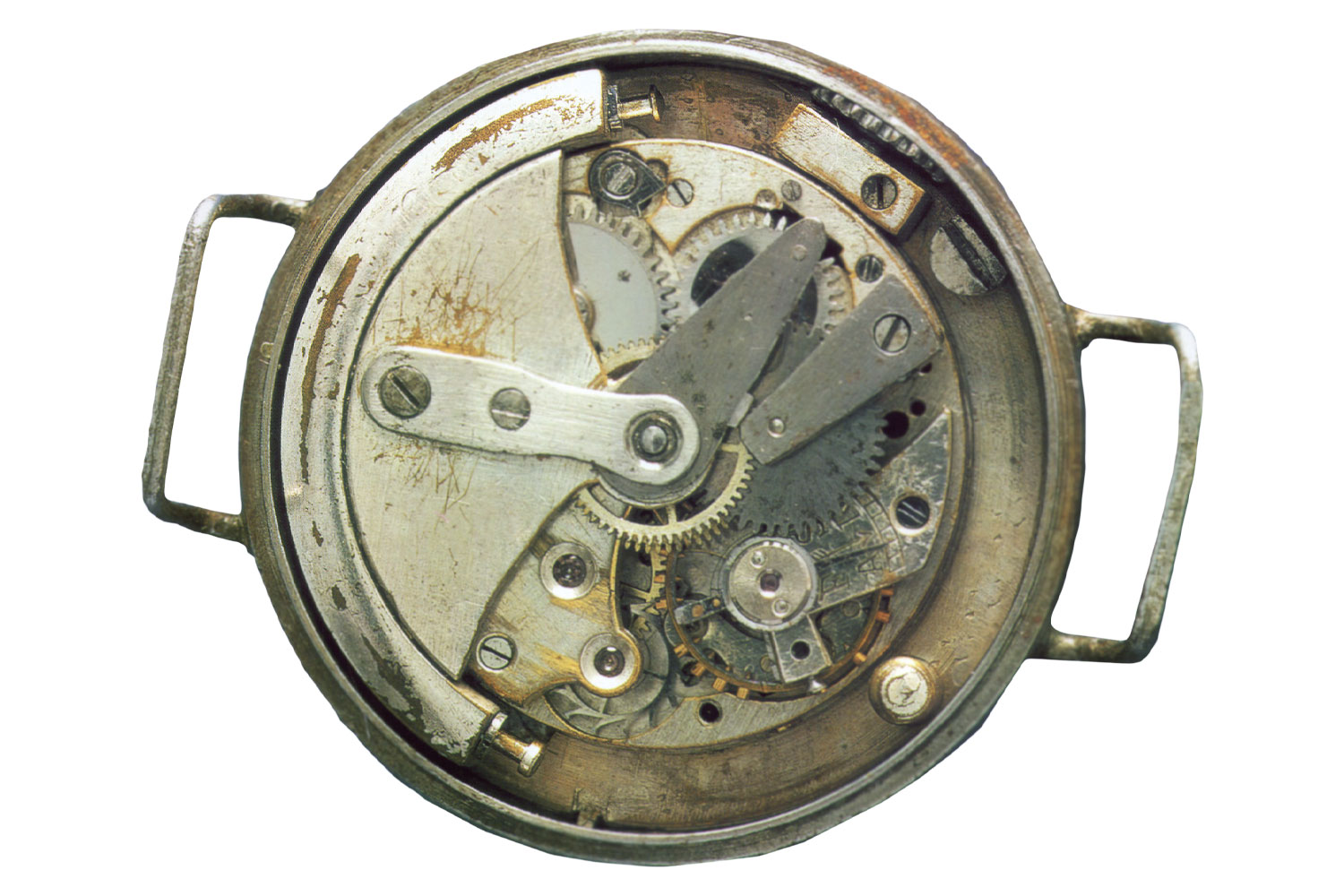
This early “Hammerautomatik” system transferred the energy from arm movements to the mainspring. But developing the mechanism was only half the challenge. Turning it into a reliable wristwatch that could be mass-produced industrially required extensive development work.
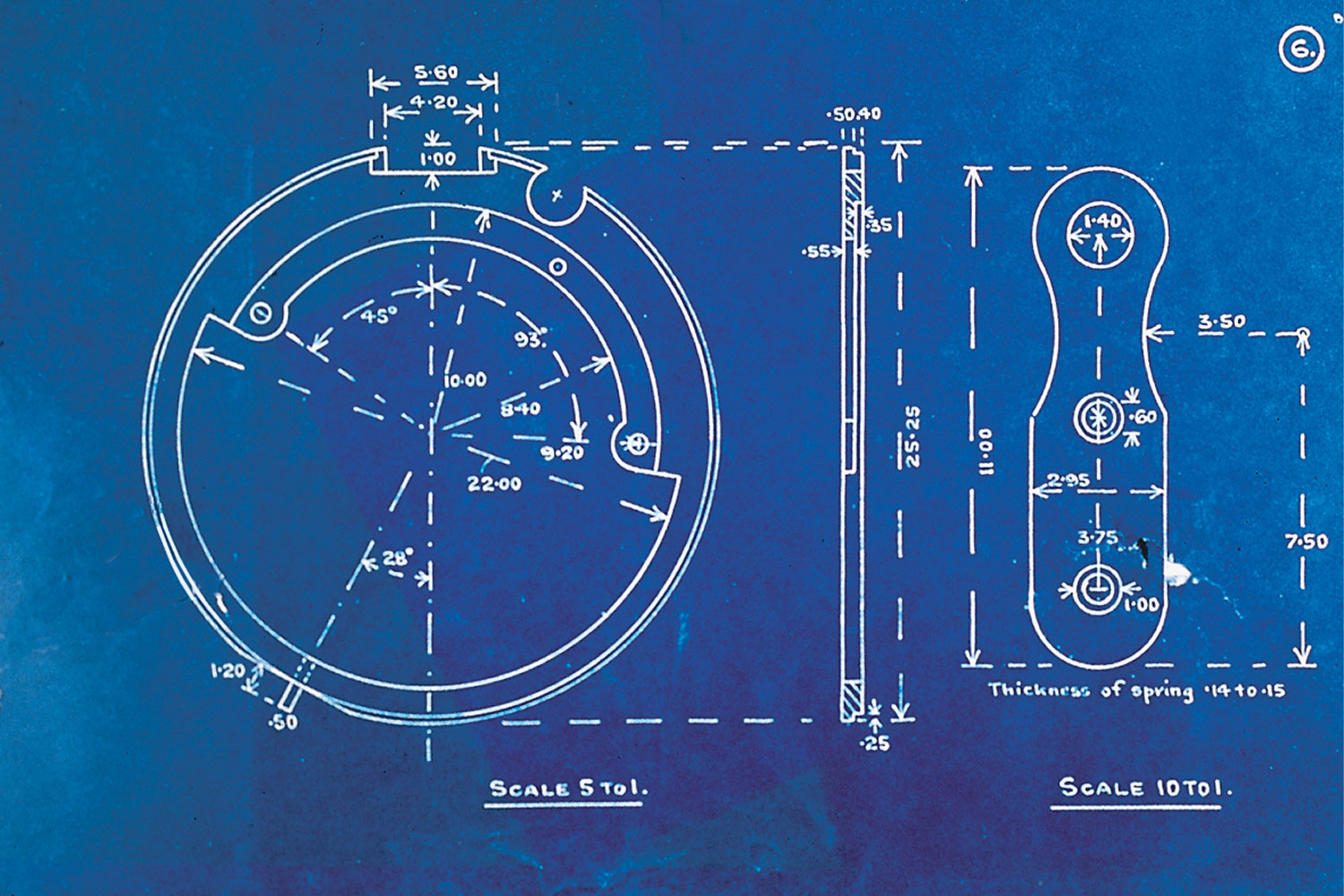
Fortis x Harwood: From Concept to Mass Production
Harwood needed a partner with the technical and industrial capabilities to bring his idea to market. Walter Vogt immediately recognized the invention’s potential. Fortis decided to put the automatic wristwatch into mass production.
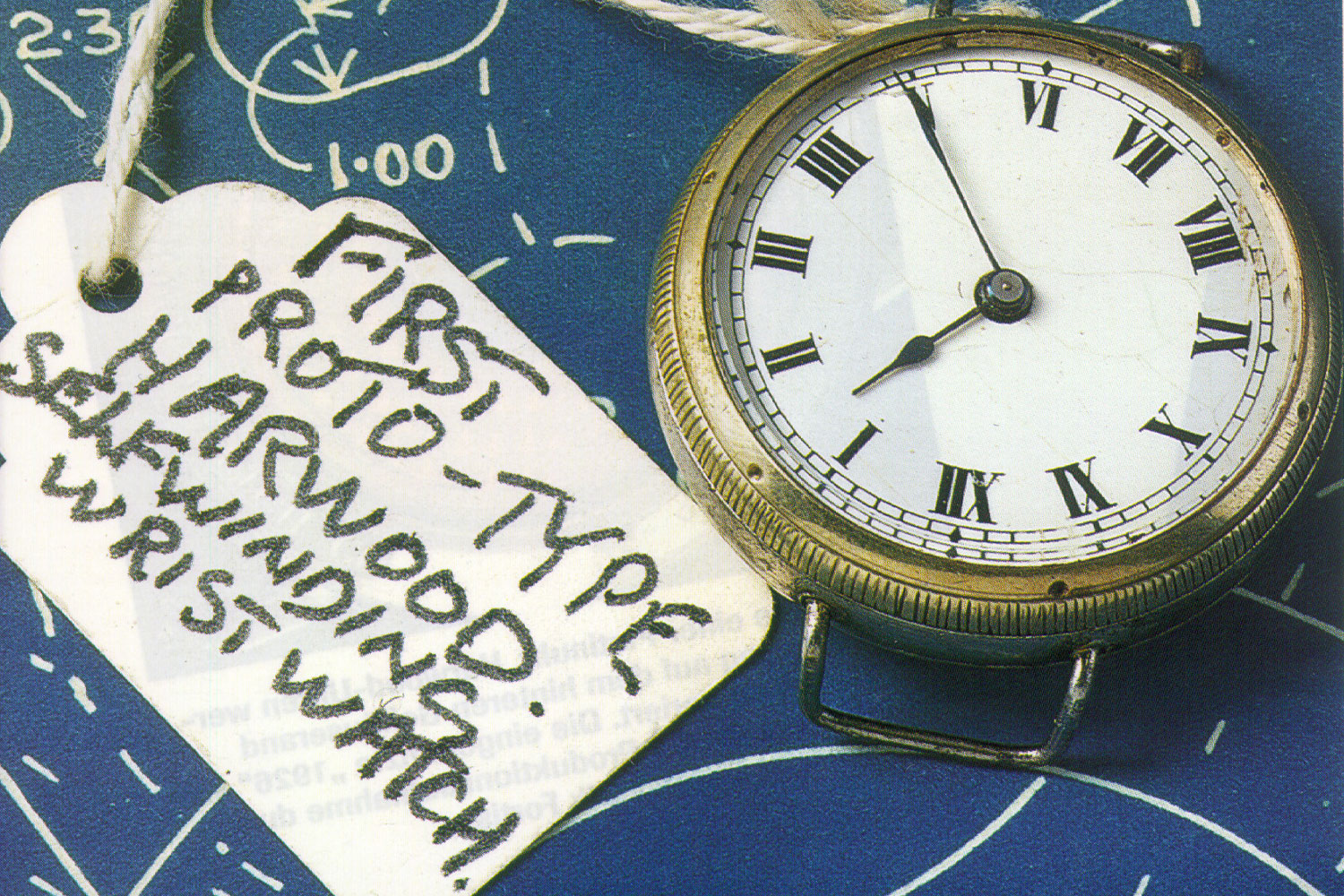
That meant far more than simply assembling a new movement. The entire design had to be reimagined for everyday use. The oscillating system had to withstand the constant movements of the wrist over the long term. At the same time, the movement had to remain protected, even though the traditional winding mechanism was omitted. Every single component had to be built for reliability.
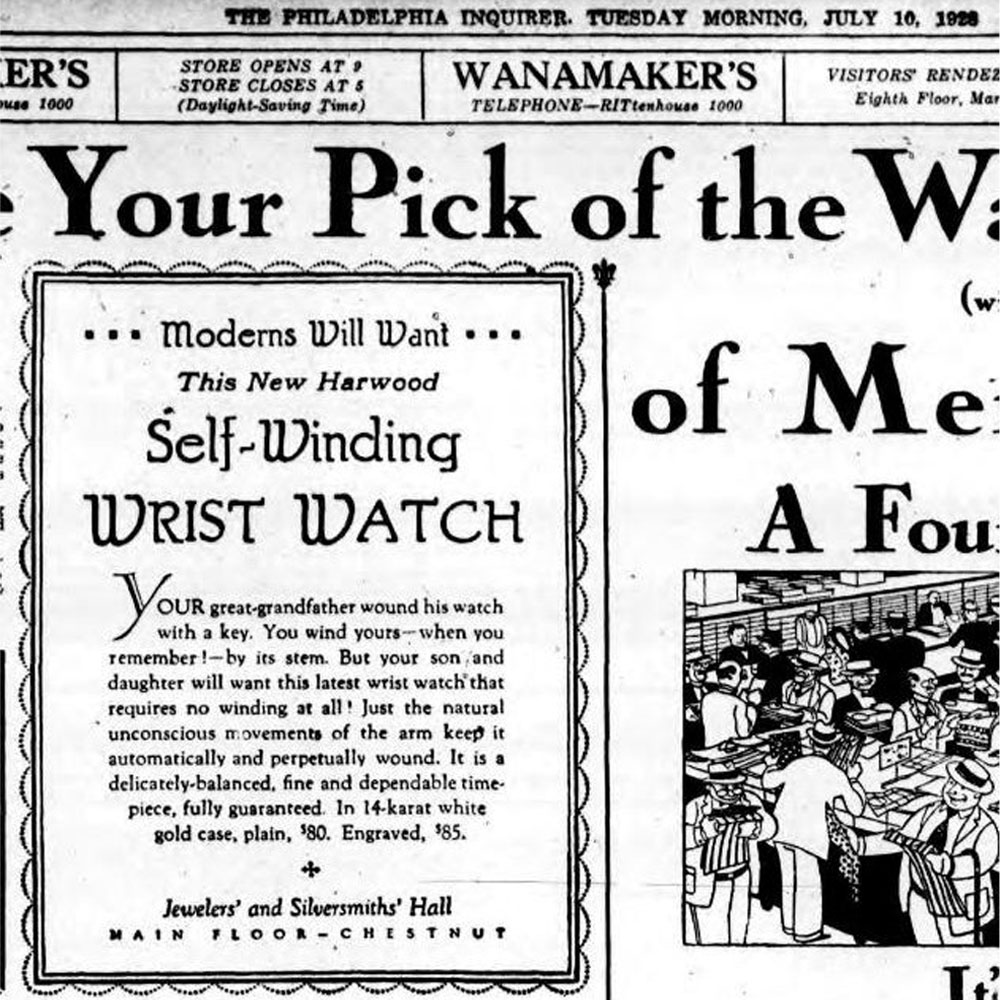
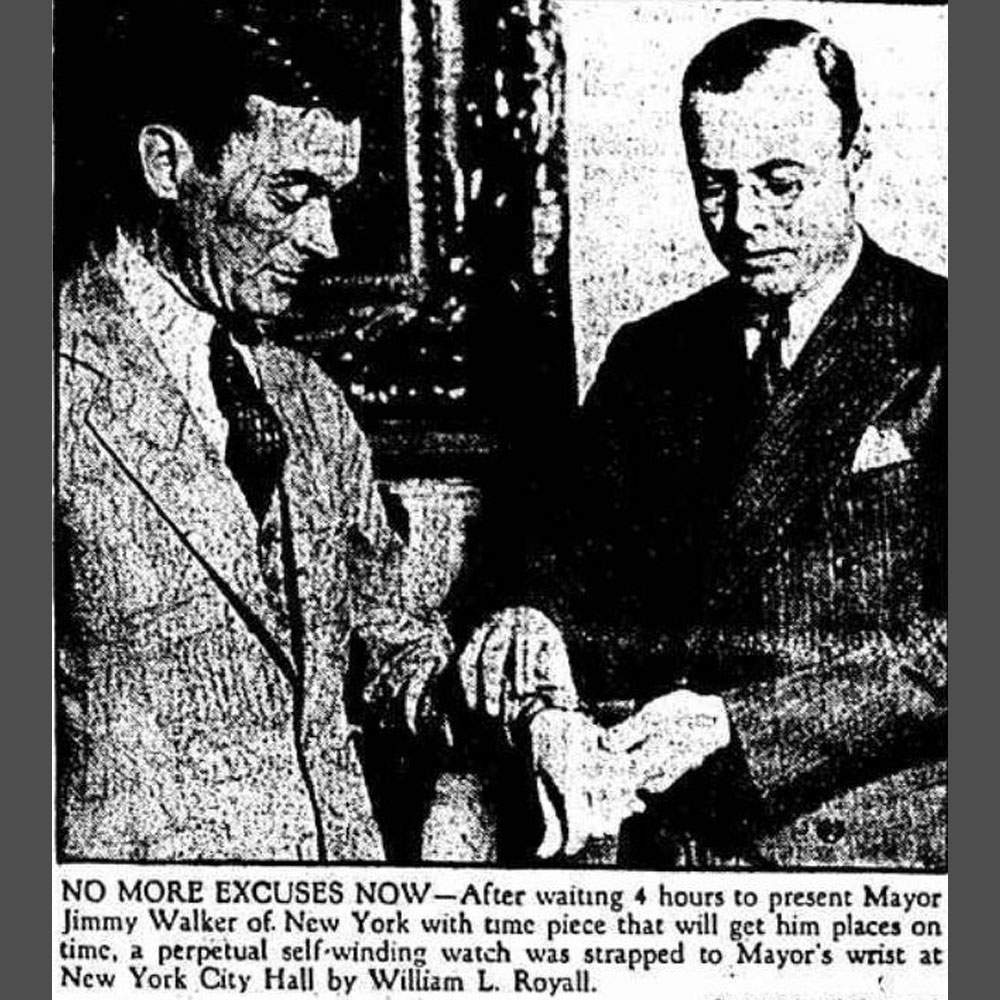
Fortis had the necessary infrastructure, manufacturing expertise, and determination to overcome these challenges. Harwood provided the invention—Fortis turned it into a mass-produced product.
The “Fortis Harwood Automatic” takes the watch world by surprise
On July 13, 1926, the moment had finally arrived: The first automatic wristwatches left the factory in Grenchen and caused a sensation with their unusual appearance.
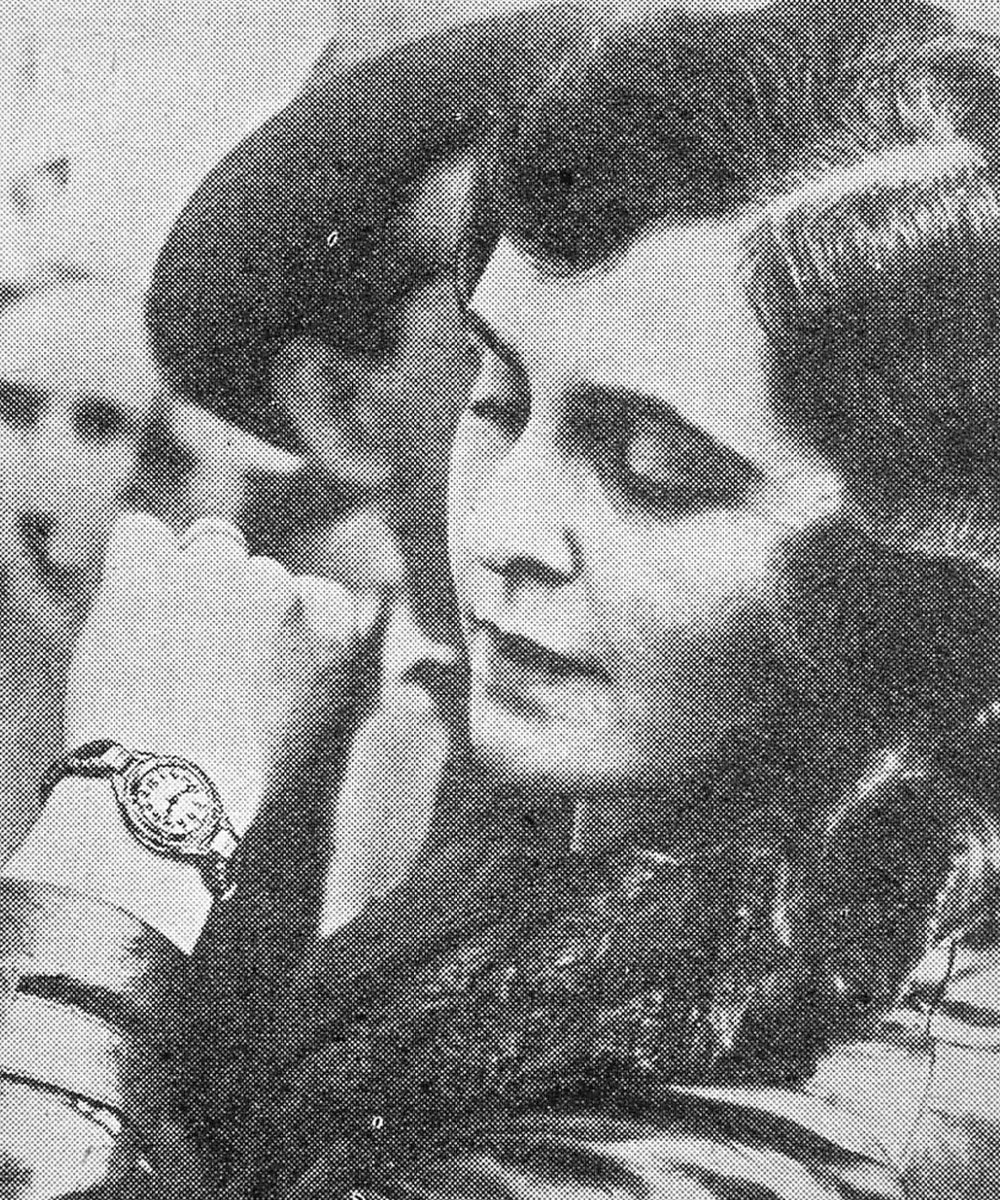
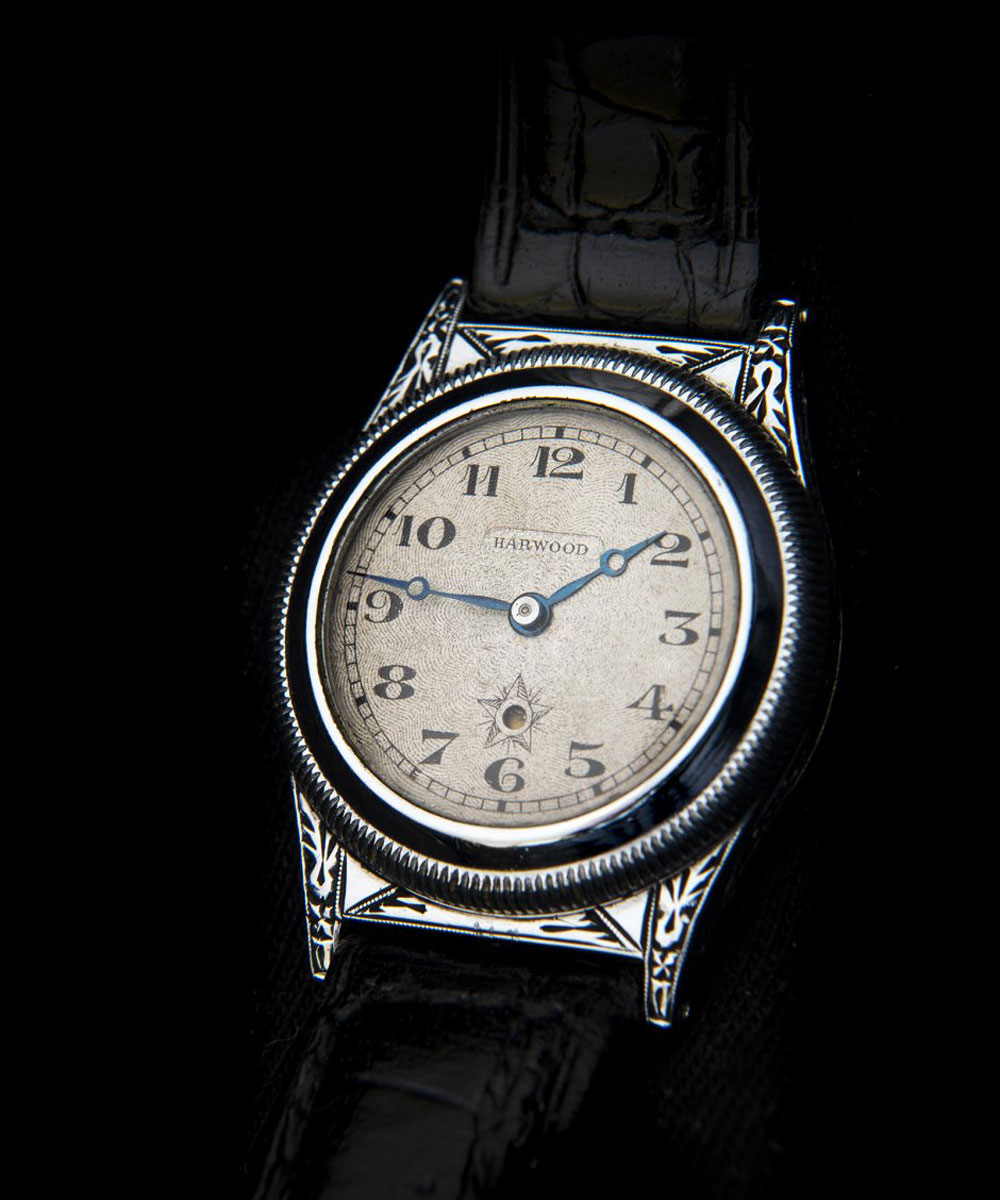
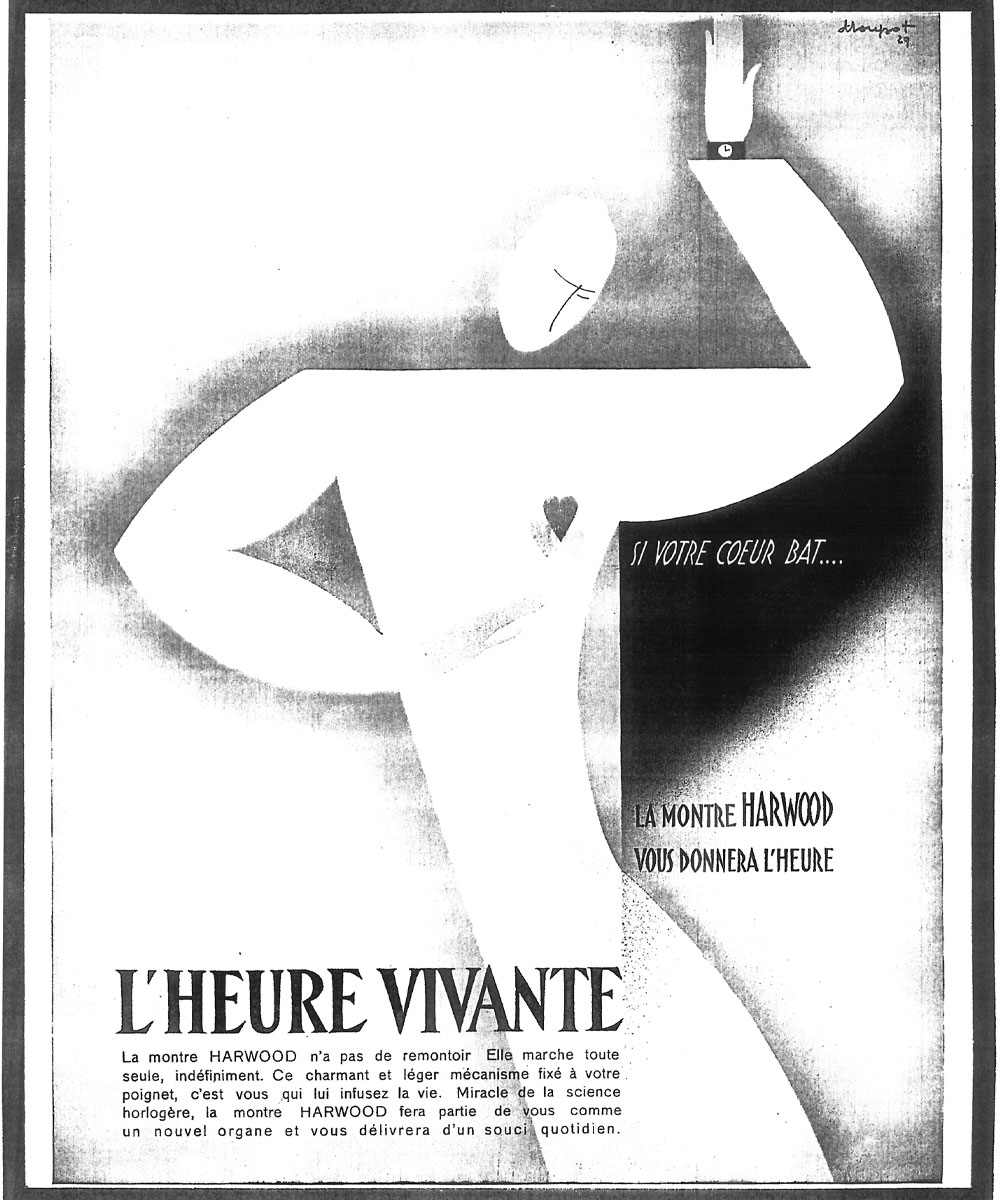
The most striking feature was the absence of a crown. The time was set using the rotating bezel, while the movement wound itself automatically through the wearer’s movements alone.
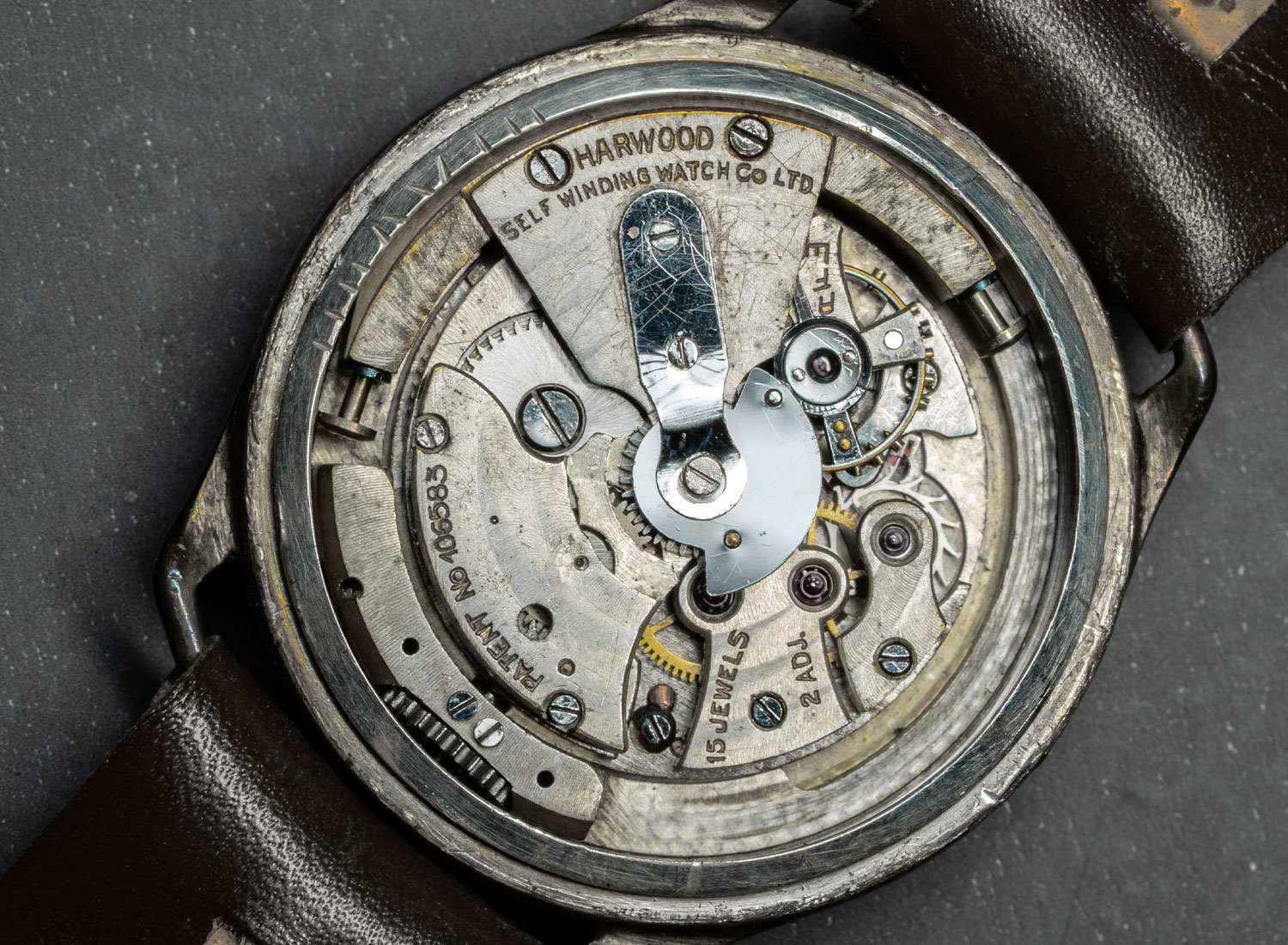
In the years that followed, numerous variations of the “Fortis Harwood Automatic” were introduced. Different case shapes, dials, and designs followed—but they all shared the same radical concept: the elimination of the crown.
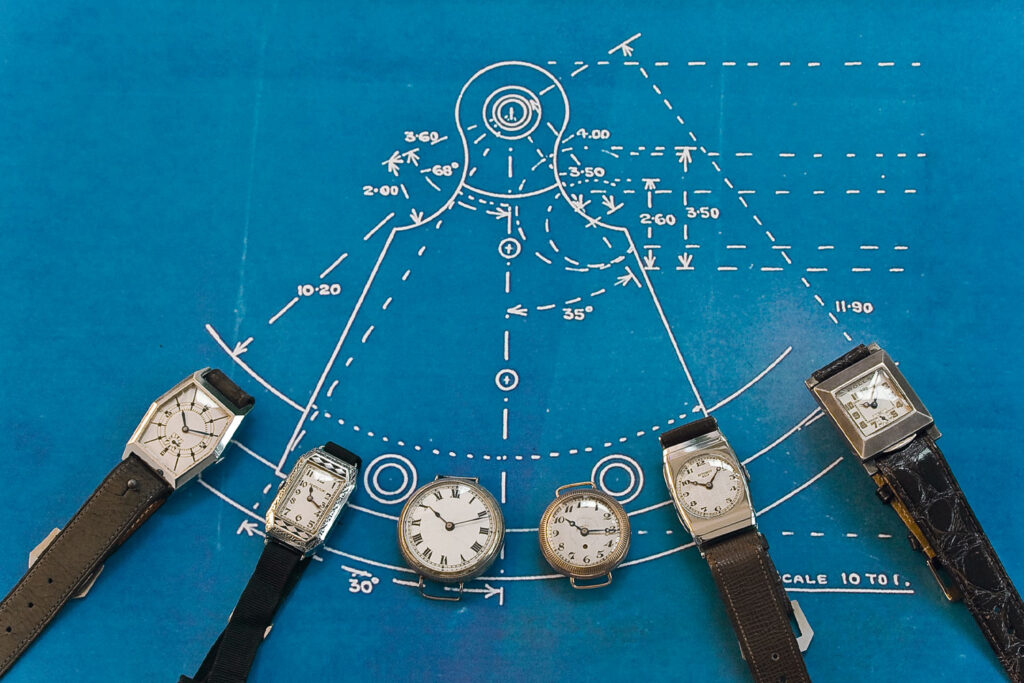
Today, the “Fortis Harwood Automatic” is considered the world’s first mass-produced automatic wristwatch.
The automatic elevator system continues to evolve
Over time, full rotors became the norm, and the efficiency of the winding mechanisms continued to improve. The basic principle, however, remained unchanged: a mechanical watch derives its energy from the movement of the wearer—an idea that continues to shape the art of automatic watchmaking to this day.
When Rolex Set the Record Straight
The impact of Harwood’s invention was so significant that even Rolex later publicly acknowledged his role in the development of the automatic wristwatch.
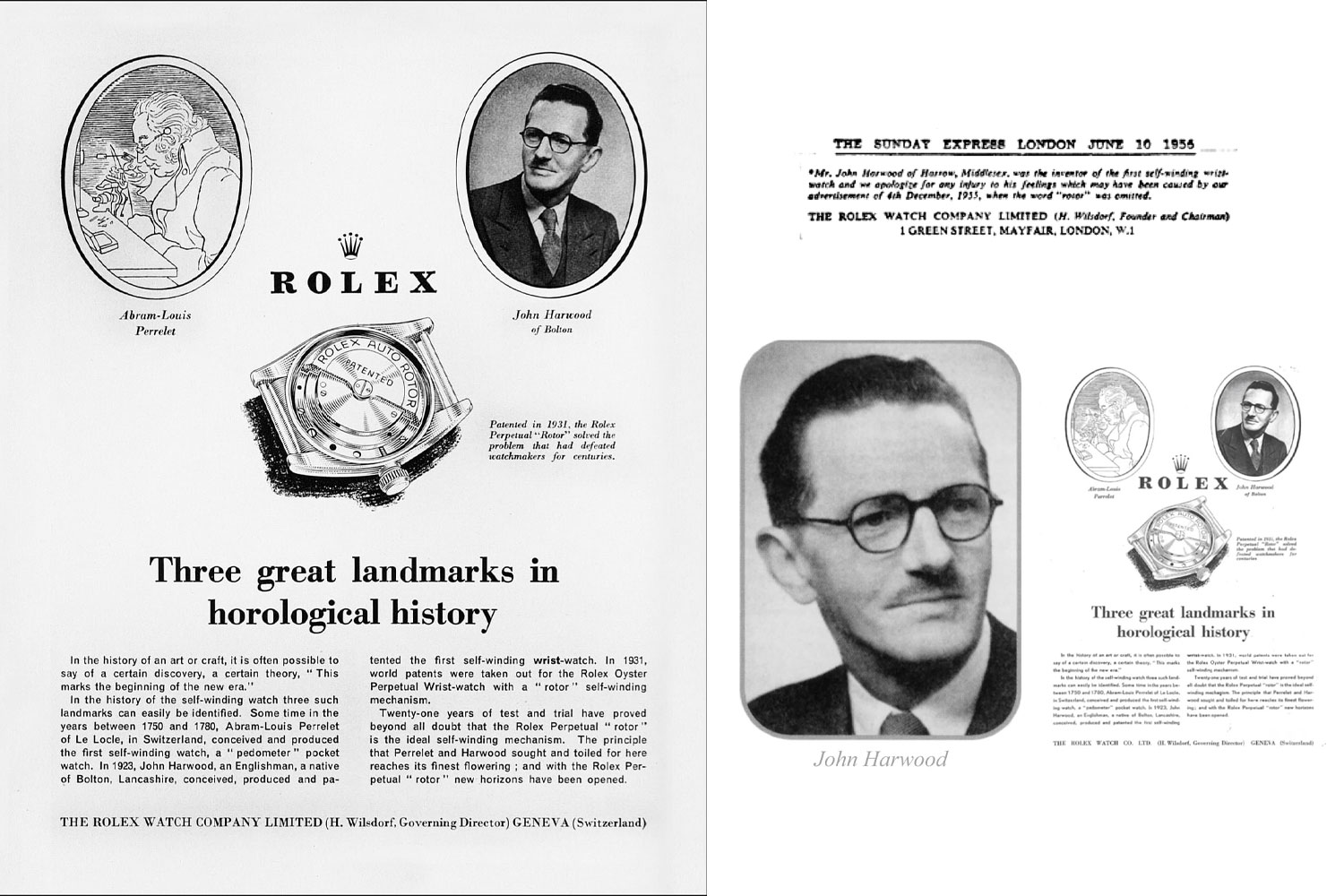
In 1956, Rolex published a correction in the Sunday Express after earlier advertisements had given the impression that the company had invented the automatic wristwatch. Rolex explicitly acknowledged Harwood’s contribution. In the years that followed, his portrait even appeared in the company’s advertisements.
Fortis continues the Harwood legacy
A hundred years later, Fortis is still manufacturing in the same building in Grenchen where this chapter in watchmaking history began. The original workshop has been transformed into a modern manufacturing facility, yet the philosophy has remained remarkably similar: robust mechanical watches designed for real-world use.
“A Fortis accompanies its owner in daily life, because it’s made for the wrist—to be worn and used, not to sit in a safe. What’s more, there’s much more of Switzerland in a Fortis than you might think. Our watches have been handcrafted in the same facilities in Grenchen since 1912, in collaboration with local partners,” says Fortis owner Jupp Philipp. fortis-swiss.com