In Step with Light: 50 Years of Citizen Eco-Drive
To mark the 50th anniversary of its Eco-Drive technology, Citizen impressively demonstrates how sustainability, technological innovation, and creative freedom can be combined.
Left: The installation “Light is Time,” which explores the themes of light and Eco-Drive, was first presented at Baselworld in 2014 and is based on the idea that our understanding of time originally arose from light—for example, through the position of the sun, shadows, or lunar cycles. To achieve this, tens of thousands of watch movement circuit boards are suspended in the room on thin wires and illuminated by programmed light sources. This creates moving fields of light, reflections, and an almost cosmic impression.
What began as a visionary response to the energy crisis of the 1970s is now a mature power system that reliably and sustainably supplies millions of watches worldwide with light energy—and no longer requires any compromises in design.
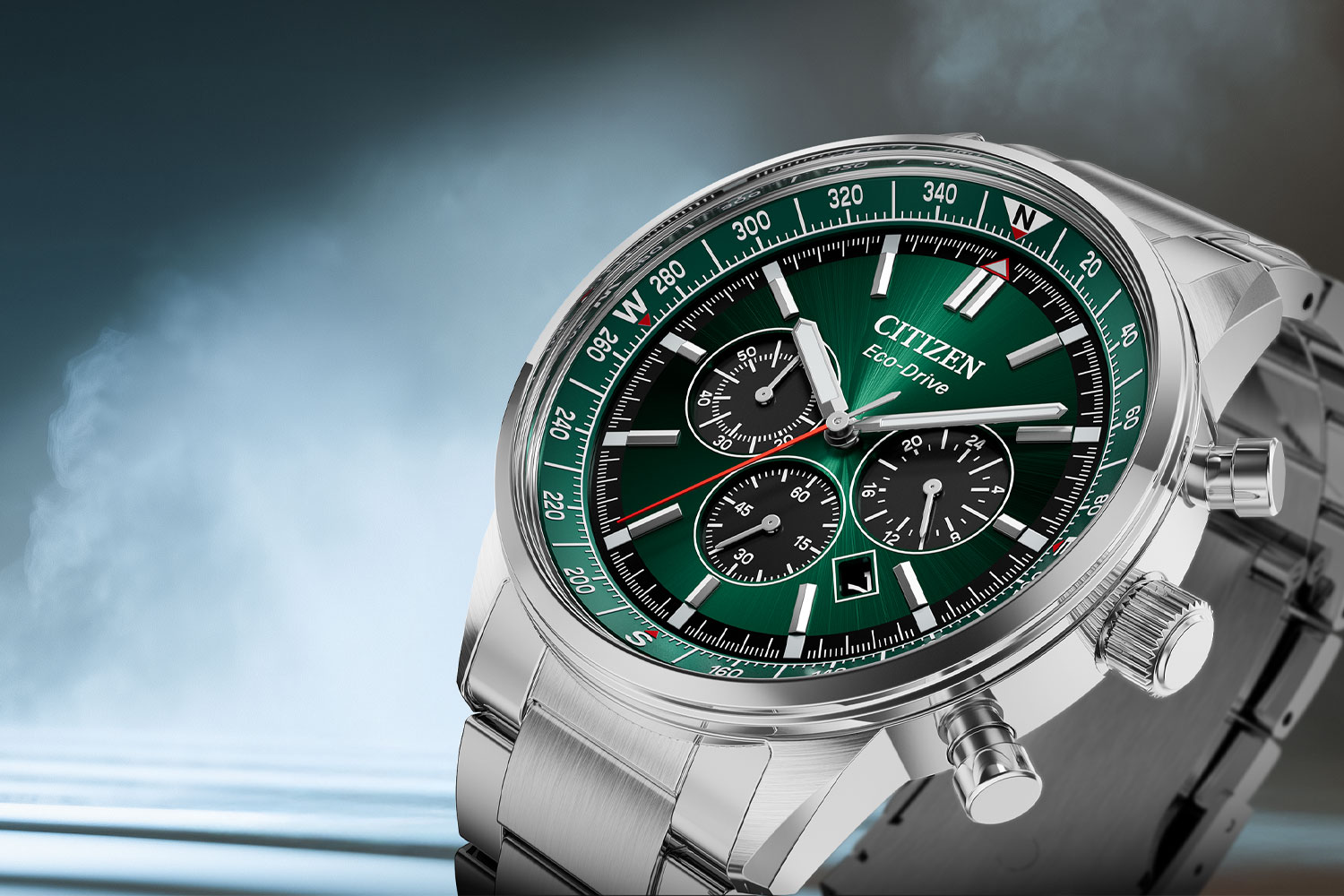
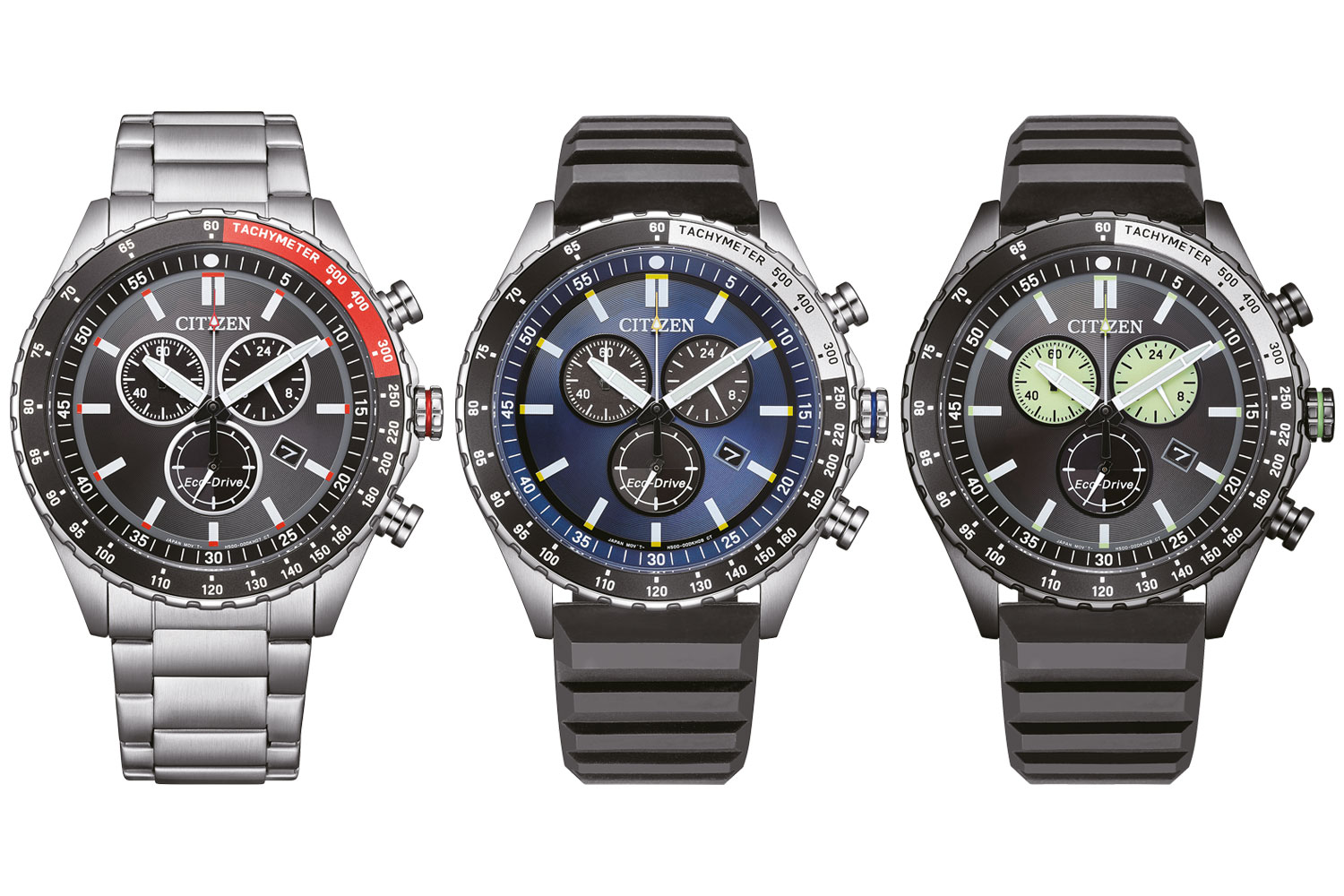
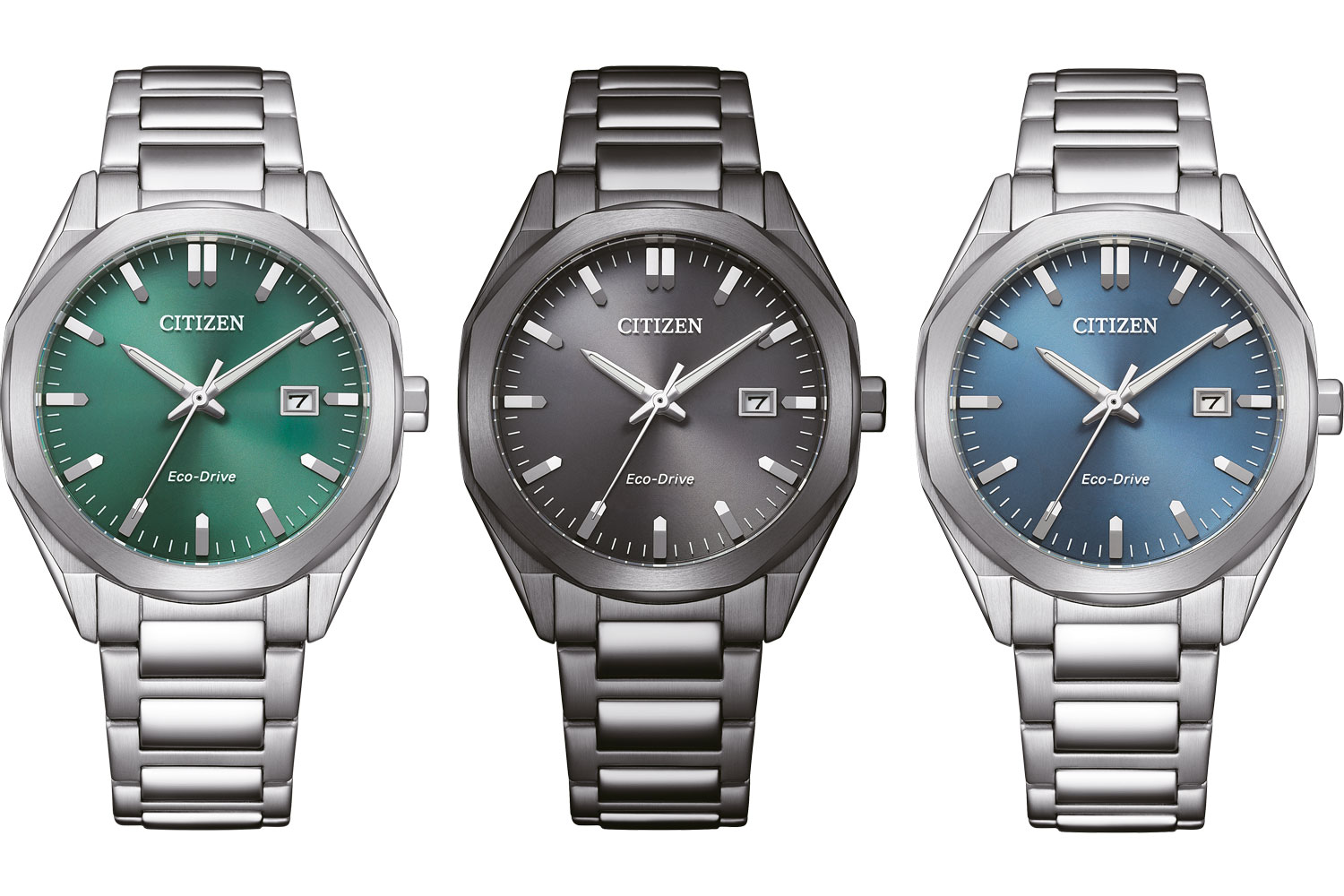
Nevertheless, the mistaken notion that a solar-powered movement severely limits the possibilities for dial design persists to this day. Yet with its Eco-Drive technology, Citizen proves that a light-powered system that is both sustainable and convenient in no way hinders creative diversity.
Eco-Drive technology for quartz wristwatches was launched 50 years ago—just seven years after Seiko introduced the first mass-produced battery-powered wristwatch. This makes Citizen—as with its use of titanium—one of the true pioneers in the watch industry.
1976: The Birth of Eco-Drive
The energy crisis of the mid-1970s was one of the factors that prompted Citizen to develop alternative power sources to the batteries commonly used at the time. In 1976, the Japanese brand finally unveiled the world’s first analog, light-powered watch: the “Crystron Solar Cell.”
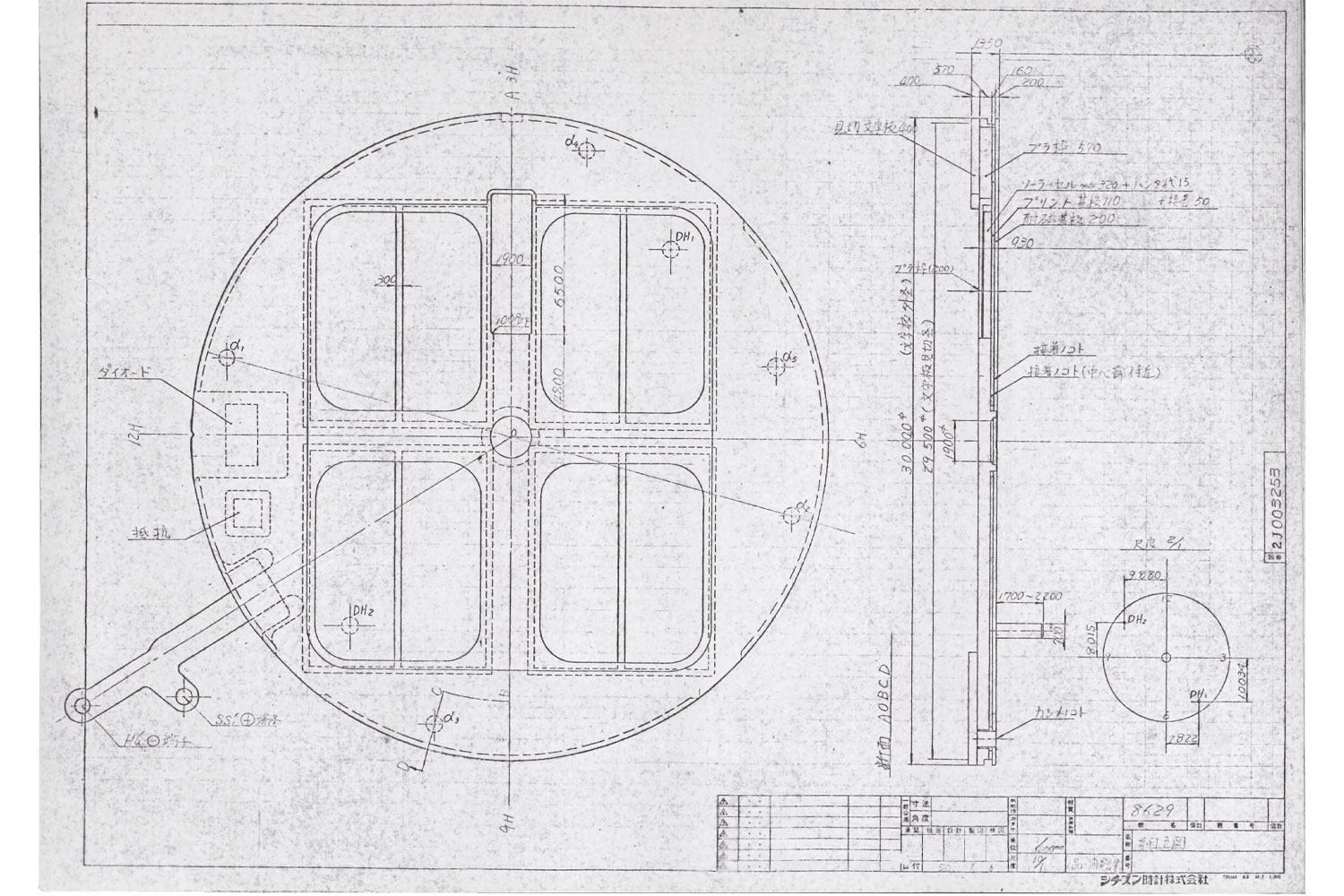
The technology behind it was named Eco-Drive—short for “Ecology Drive.” A solar cell, prominently integrated into the dial, converted natural and artificial light into energy, which was then stored in a microcell.
Today, Citizen sells around four million Eco-Drive watches annually—thereby saving just as many batteries. Based on an average battery thickness of 2.1 millimeters, this would result in a tower 8,400 meters high—almost as tall as Mount Everest. Today, about 80 percent of Citizen’s non-mechanical watches are equipped with Eco-Drive and are available in approximately 140 countries.

“Better starts now” – 50 Years of Solar Innovation
True to Citizen’s philosophy—“Better starts now”—the present is always the right time to make improvements. As a result, today’s buyers of Eco-Drive watches benefit from 50 years of research, development, and refinement of this eco-friendly technology. The goal has always been to further enhance efficiency, storage capacity, and design possibilities.
“More efficient light processing and energy storage automatically lead to greater design freedom. Whether it’s translucent dials or a ring-shaped solar cell—we’re still a long way from reaching the limits of what’s possible,” explains Kai-Erik Strehle (Product & Marketing Manager, Citizen Watch Europe).
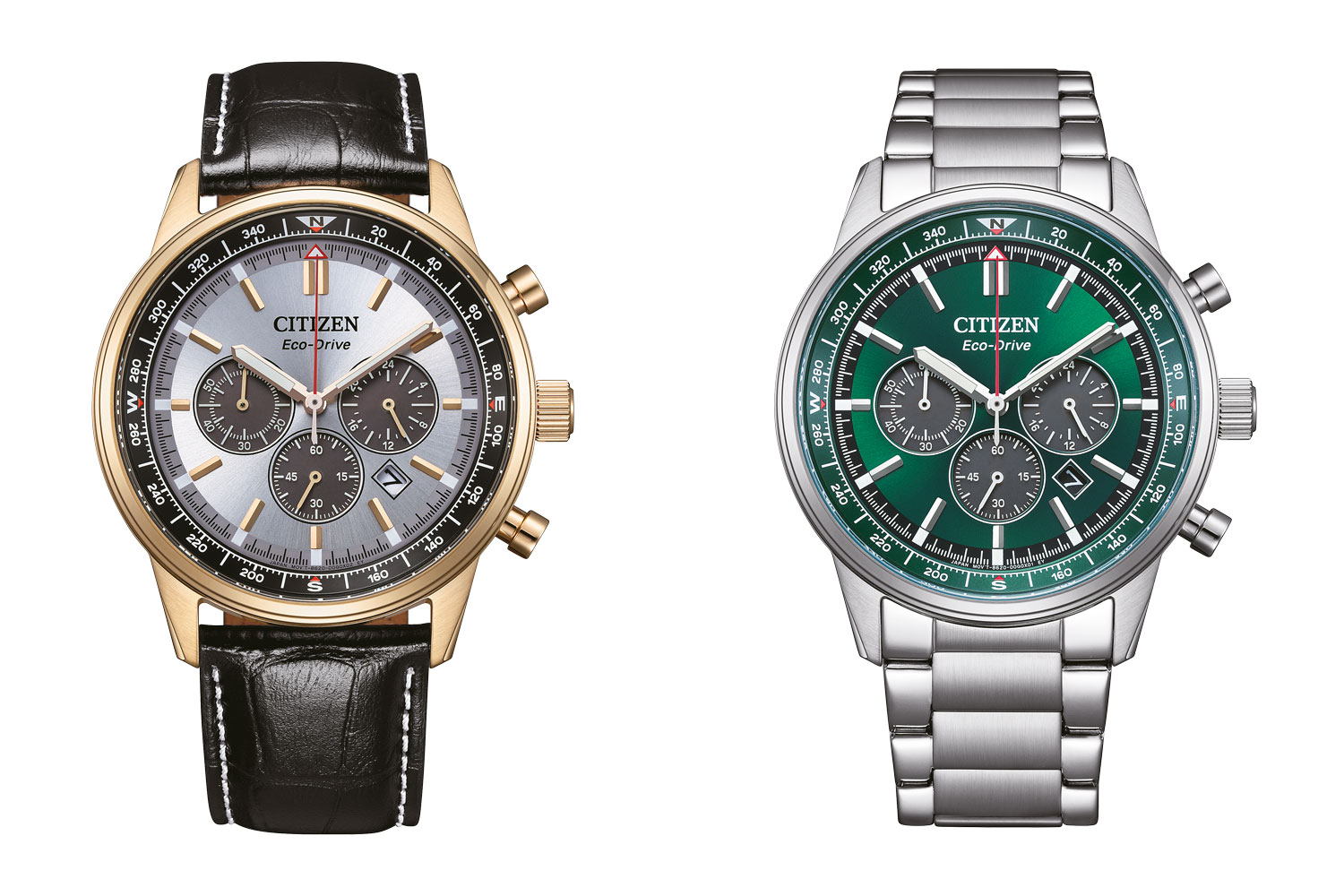
“Eco-Drive features a complex, modular dial design that only Citizen is capable of producing in the solar watch sector.”
Erik Strehle (Product & Marketing Manager, Citizen Watch Europe)
From striking solar cells to creative design diversity
Citizen unveiled the first prototype of a solar-powered wristwatch as early as 1974. Five solar cells were arranged in a fan-shaped pattern around the dial. Four minutes of direct sunlight provided enough power for one day of operation, and a full charge lasted for up to three months. The potential was clear, but the prototype was not yet ready for mass production.
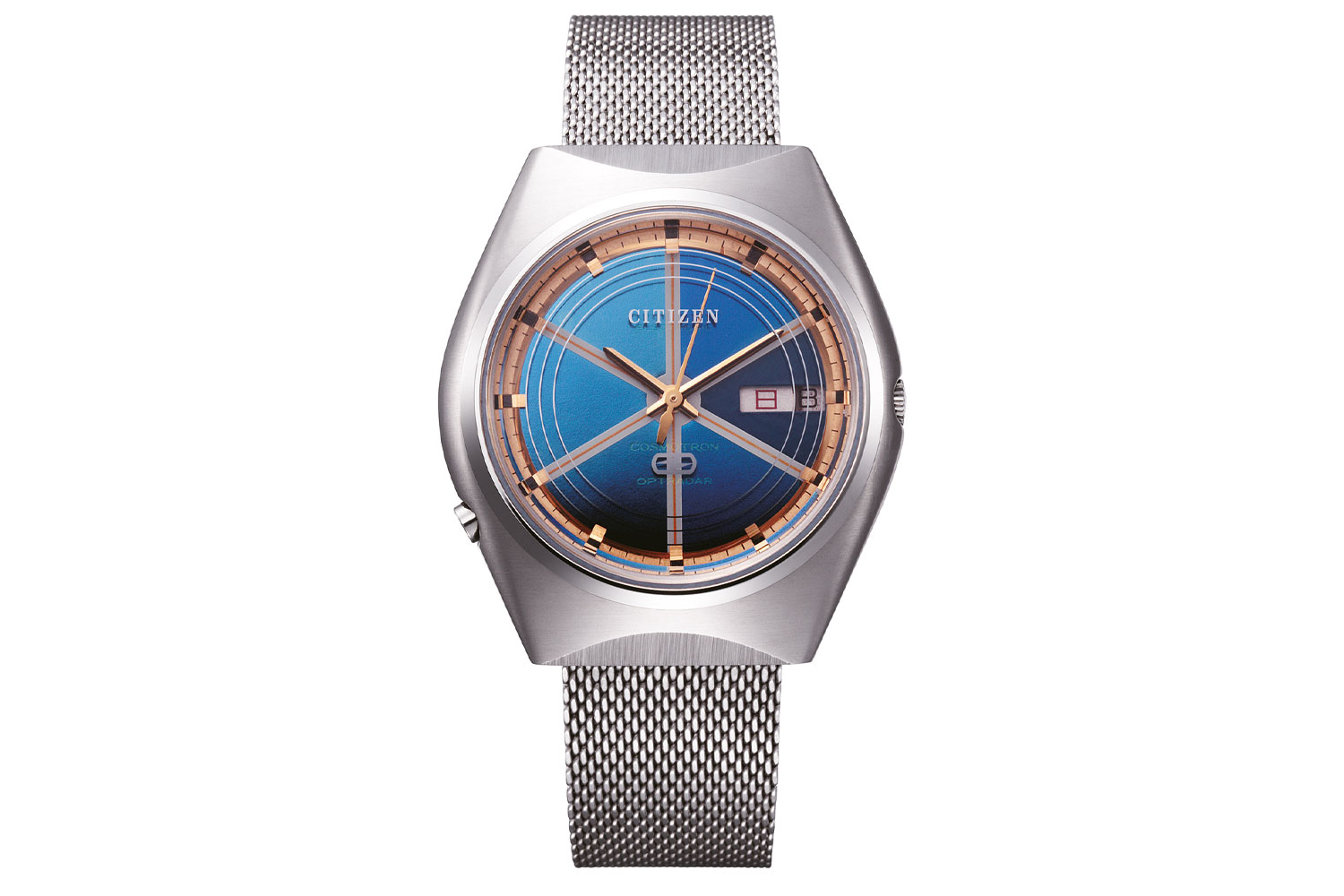
Two years later, the “Crystron Solar Cell” was introduced. Although it was relatively expensive at 45,000 yen (about $150), it still sold well—especially in Germany, where environmental awareness was already strong in the 1970s.
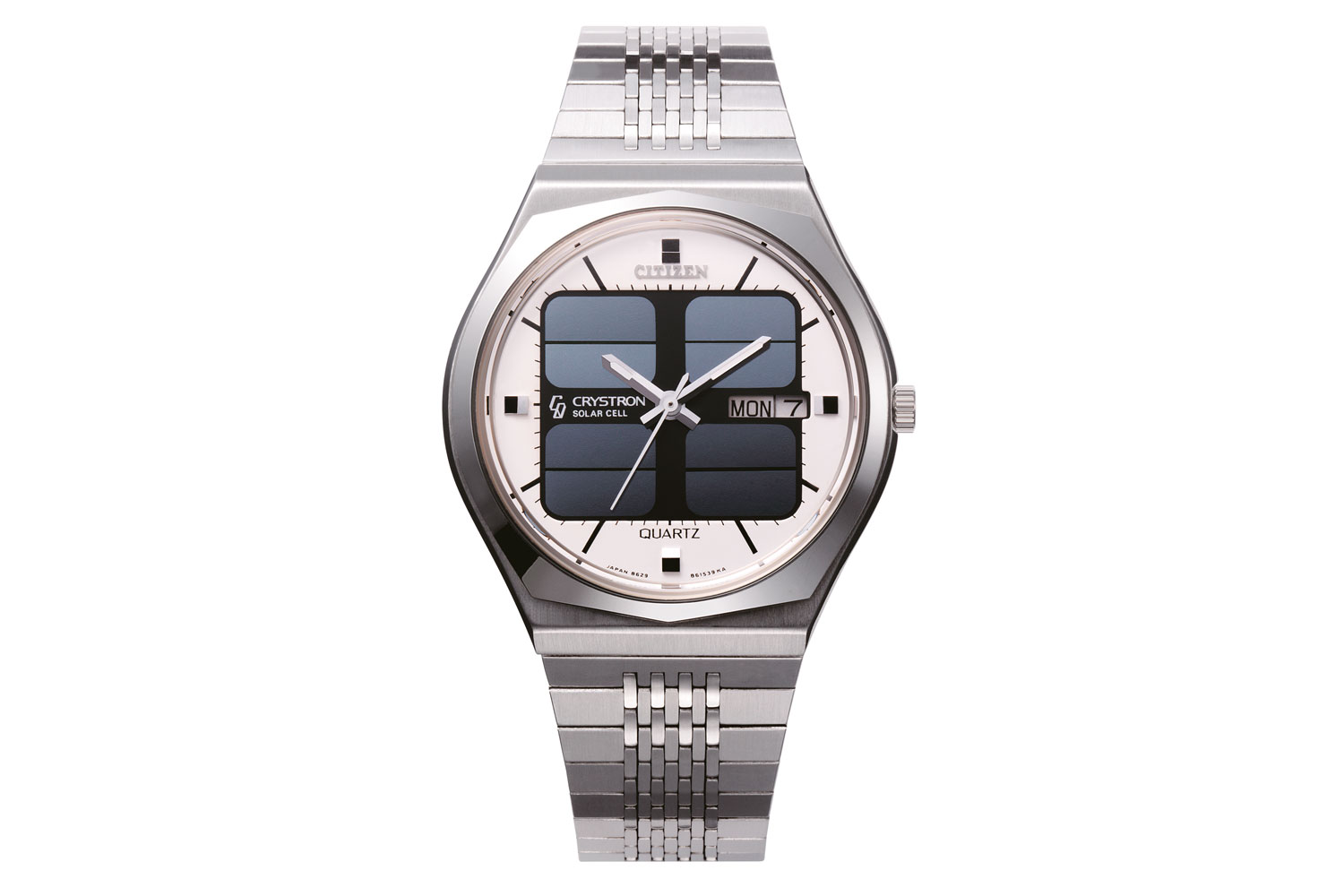
From today’s perspective, Citizen describes the design itself as “more unconventional than elegant.” While the clearly visible solar cell made the technology instantly recognizable—and was certainly a strategically sound marketing decision for launching a new category of watches—the “Crystron Solar Cell” left plenty of room for design interpretation.
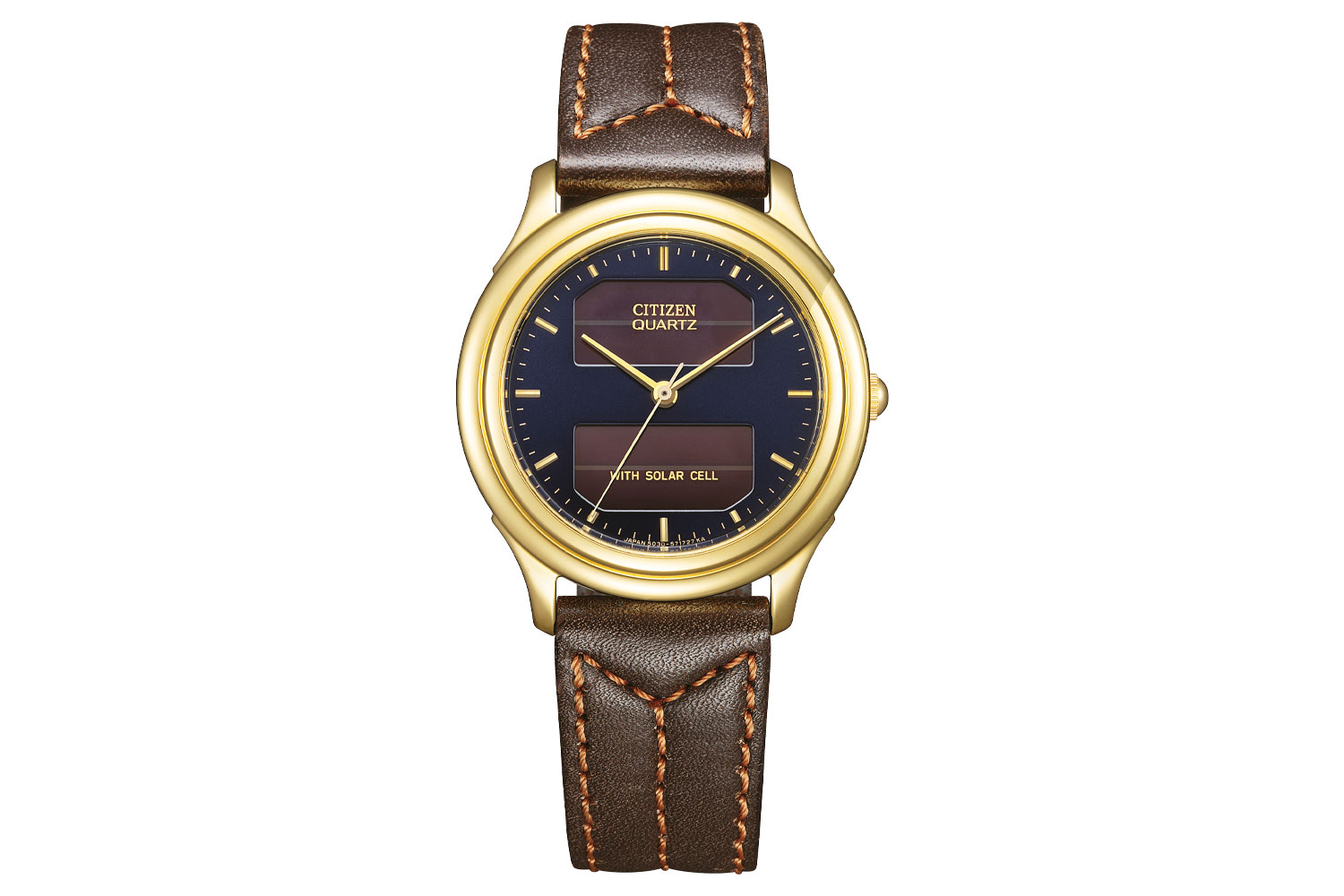
In 1986, the “Analogue with Solar Cell” marked a significant step forward: longer battery life, faster charging times, and a much more harmonious design featuring a solar cell discreetly integrated into the dark dial.
In the years that followed, Citizen also developed the ring solar cell, dials that were increasingly translucent, and more efficient solar-powered movements. Both innovations allowed for greater design freedom, so that it soon became impossible to tell just by looking at an Eco-Drive watch how it was powered.
Milestones from Five Decades
Citizen has continuously refined Eco-Drive and expanded into new areas of application—from elegant dress watches and extravagant ladies’ watches to professional tool watches.
Highlights include, among other things:
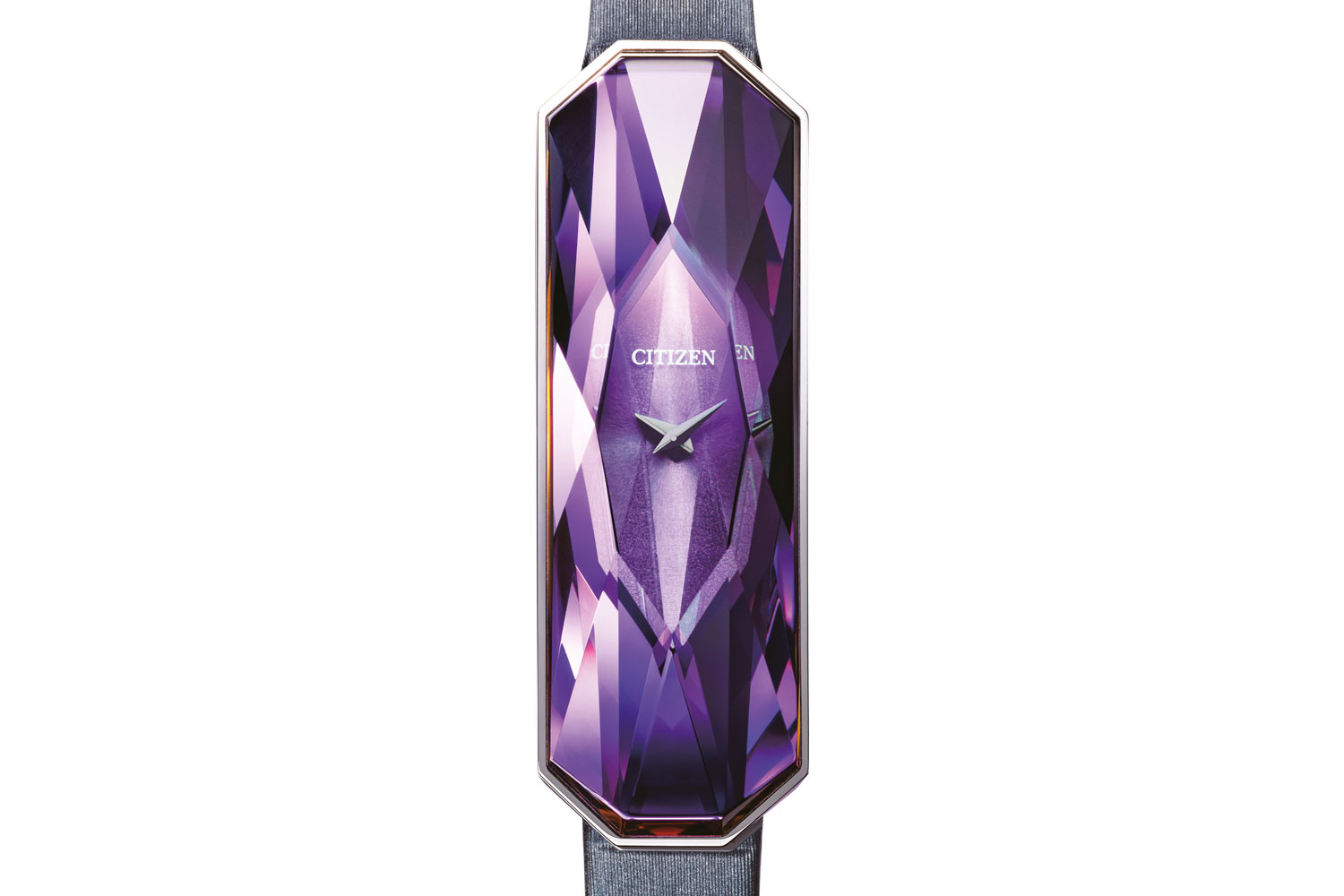
2009: “Exceed Magnifique,” featuring what was then the world’s smallest light-powered movement, the Caliber G620, and a large, faceted sapphire crystal over the solar cell.
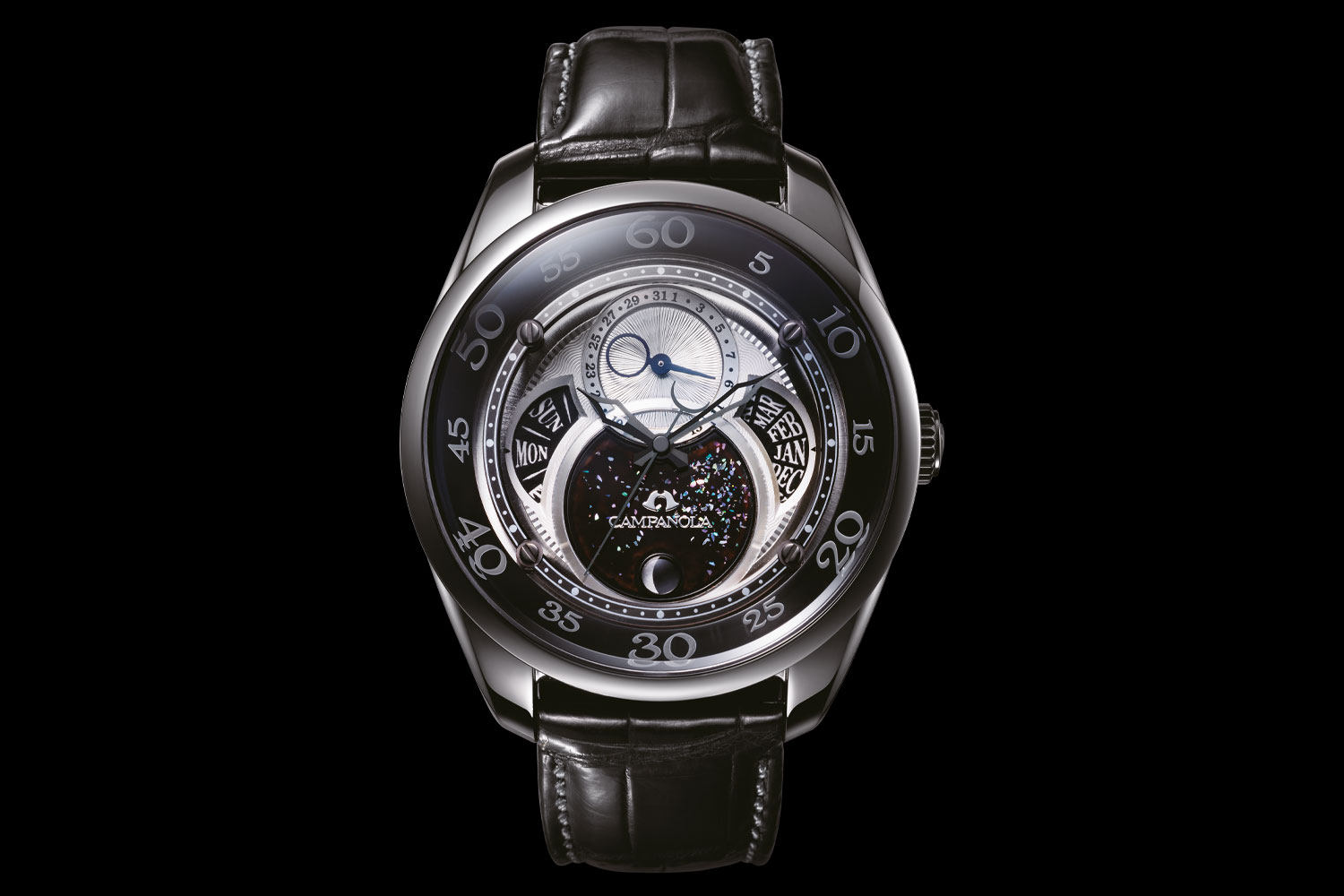
2014: “Campanola Chiriji Raden” with a ring-shaped solar cell and intricate mother-of-pearl decoration.
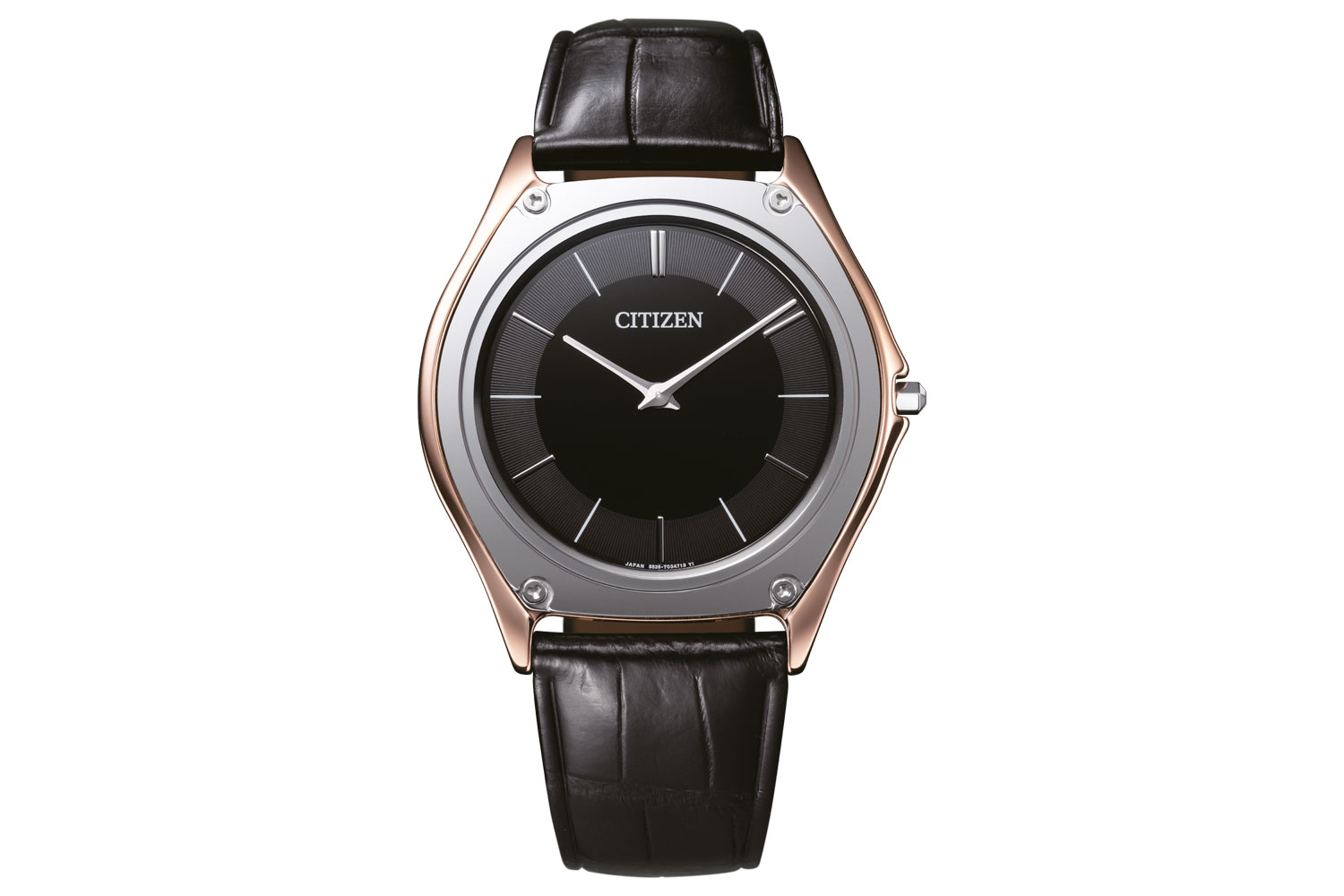
2016: “Eco-Drive One” – the world’s thinnest analog light-powered watch, featuring the ultra-thin Caliber 8826, which measures just one millimeter.
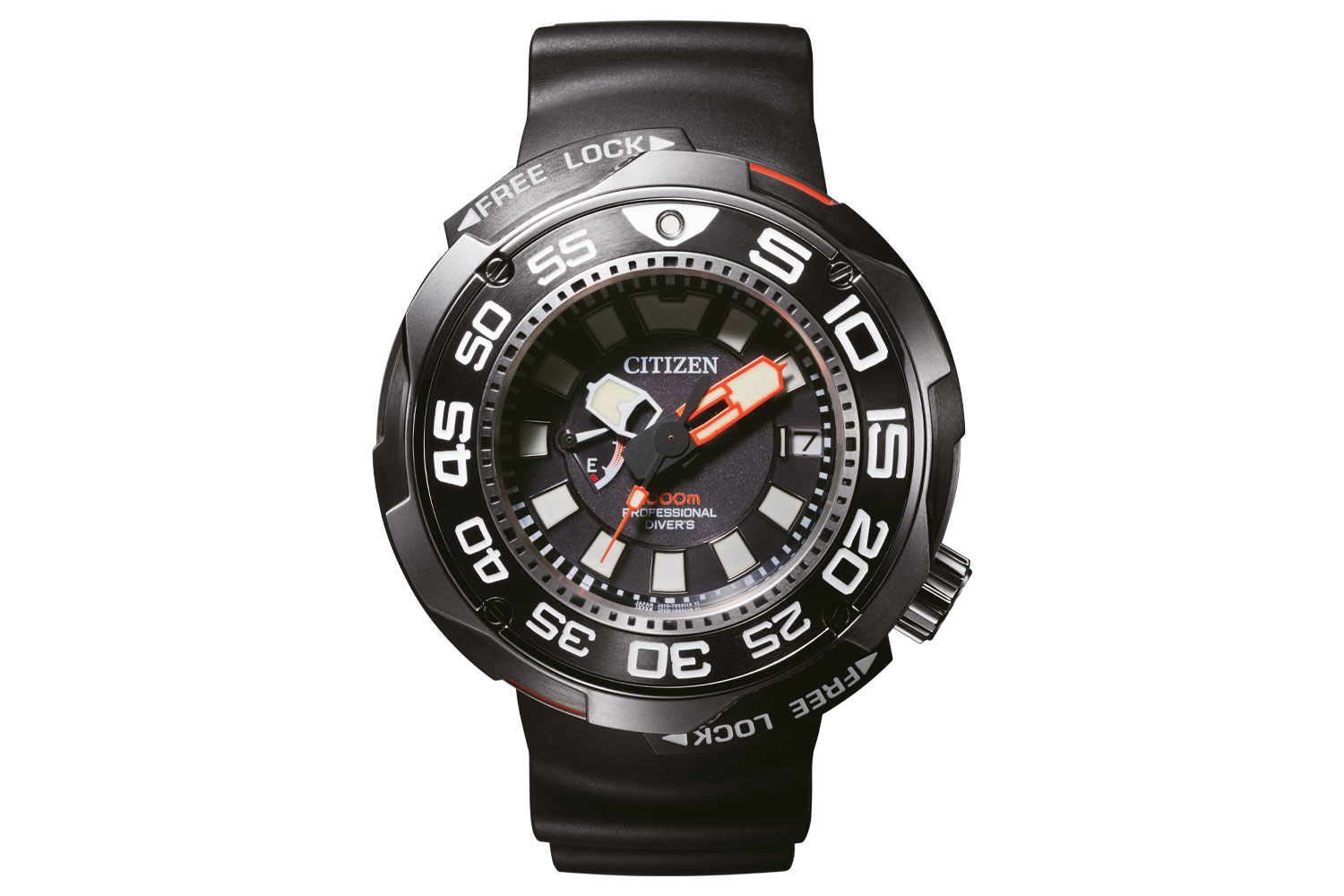
2017: “Promaster Professional Diver 1000m” for saturation divers, equipped with the J210 caliber featuring a 540-day power reserve, a monocoque case made of Super Titanium, a power reserve indicator, and a battery/power warning function.
These models demonstrate just how versatile the technology has become.
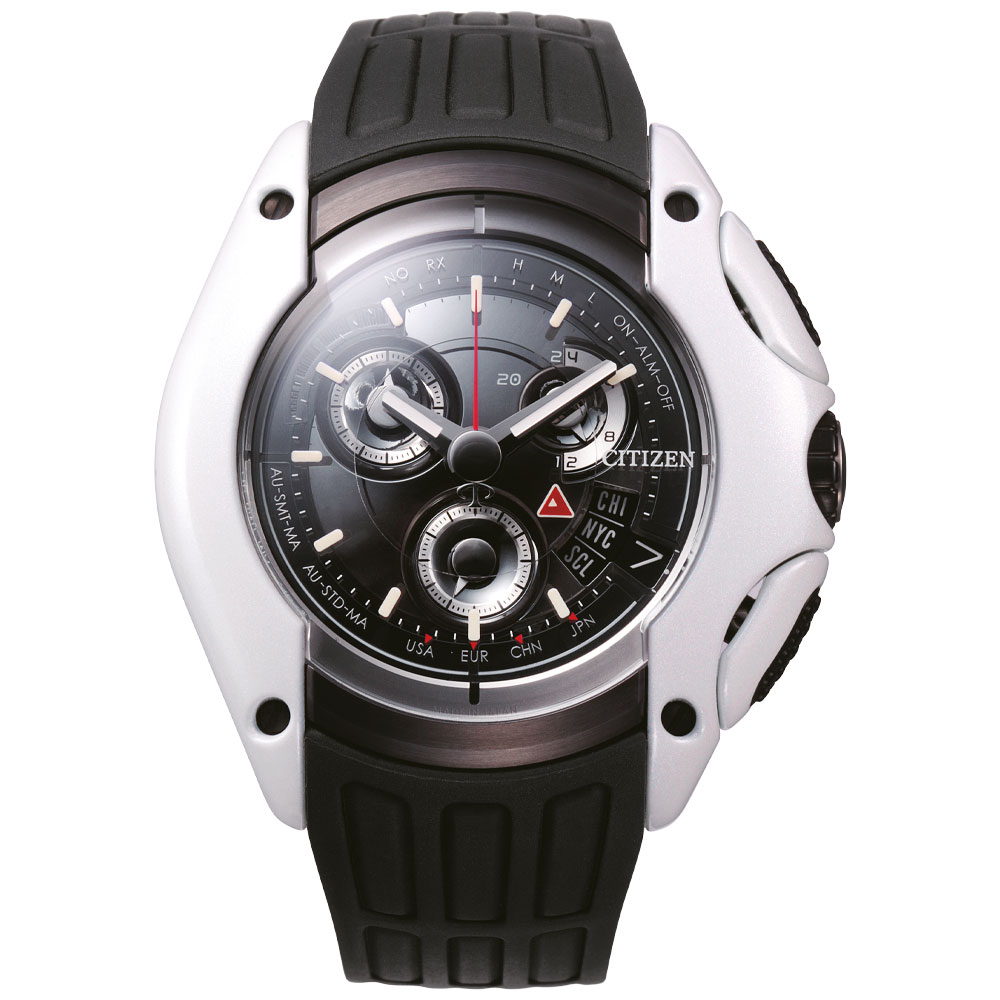
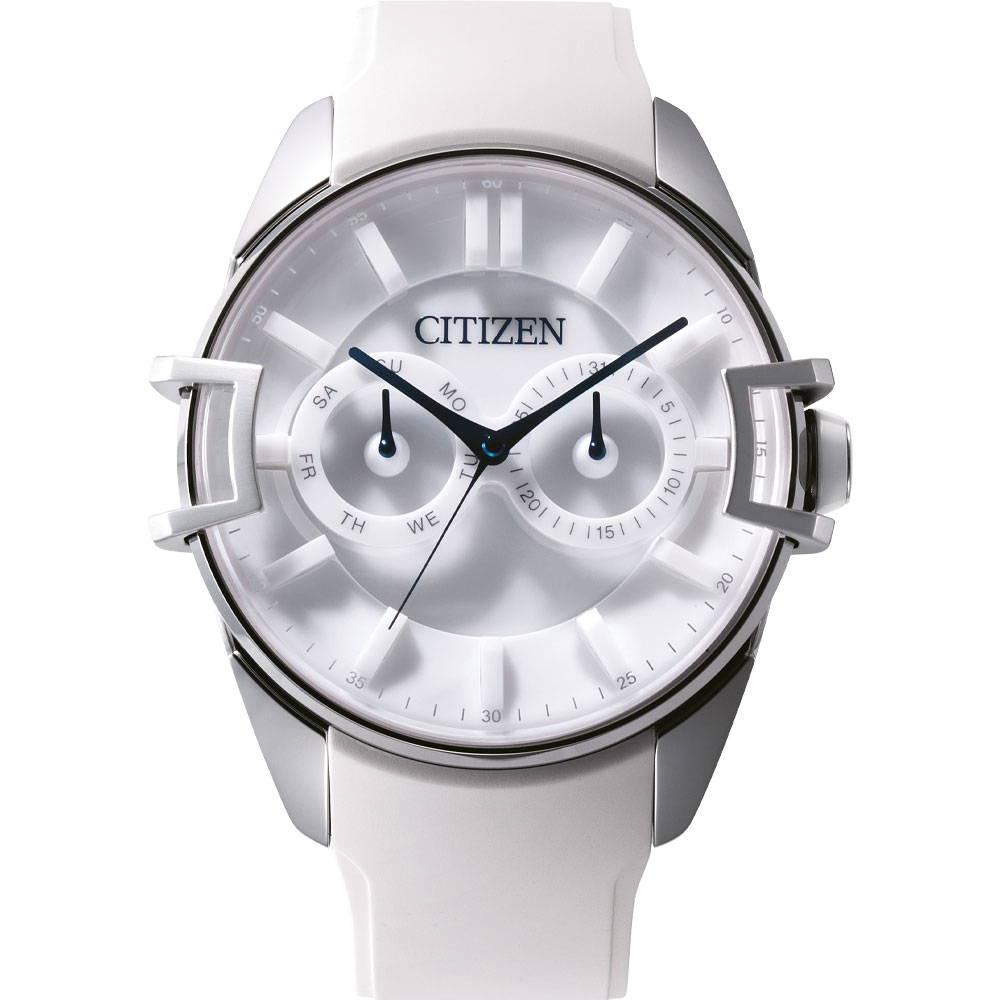
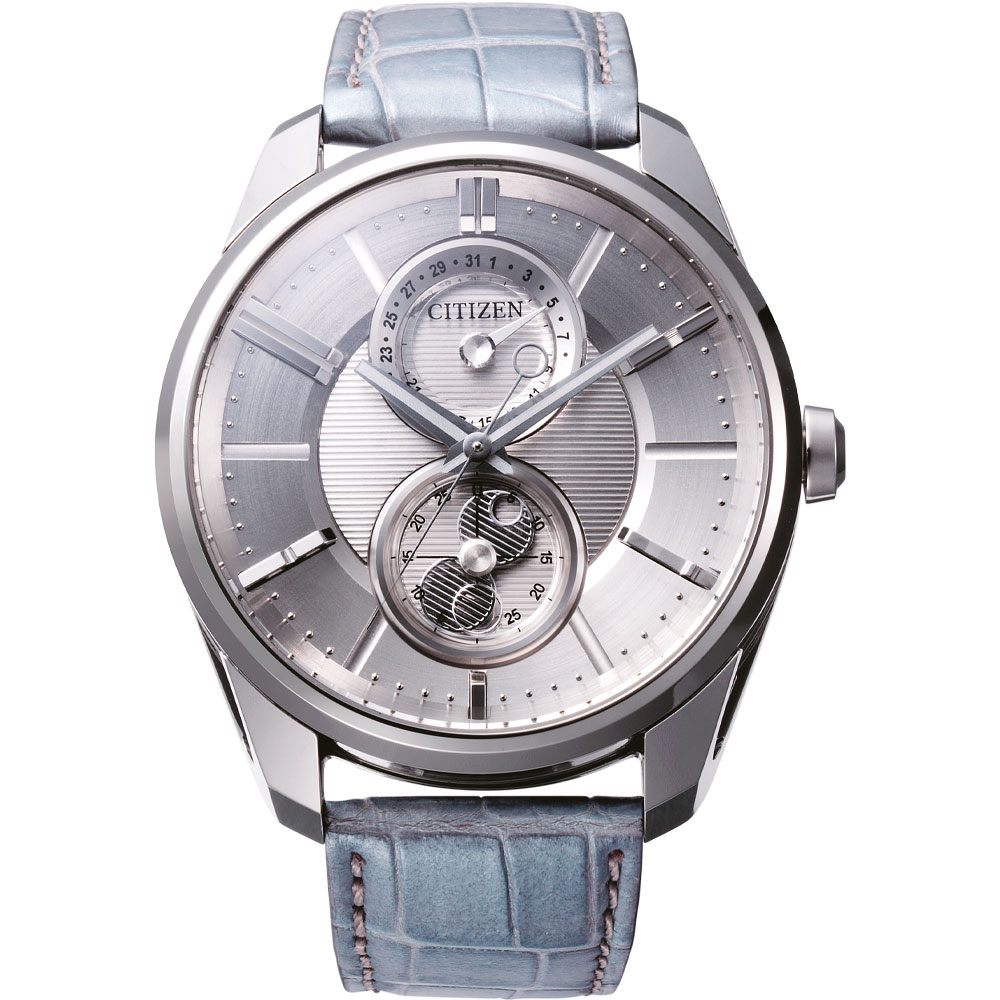
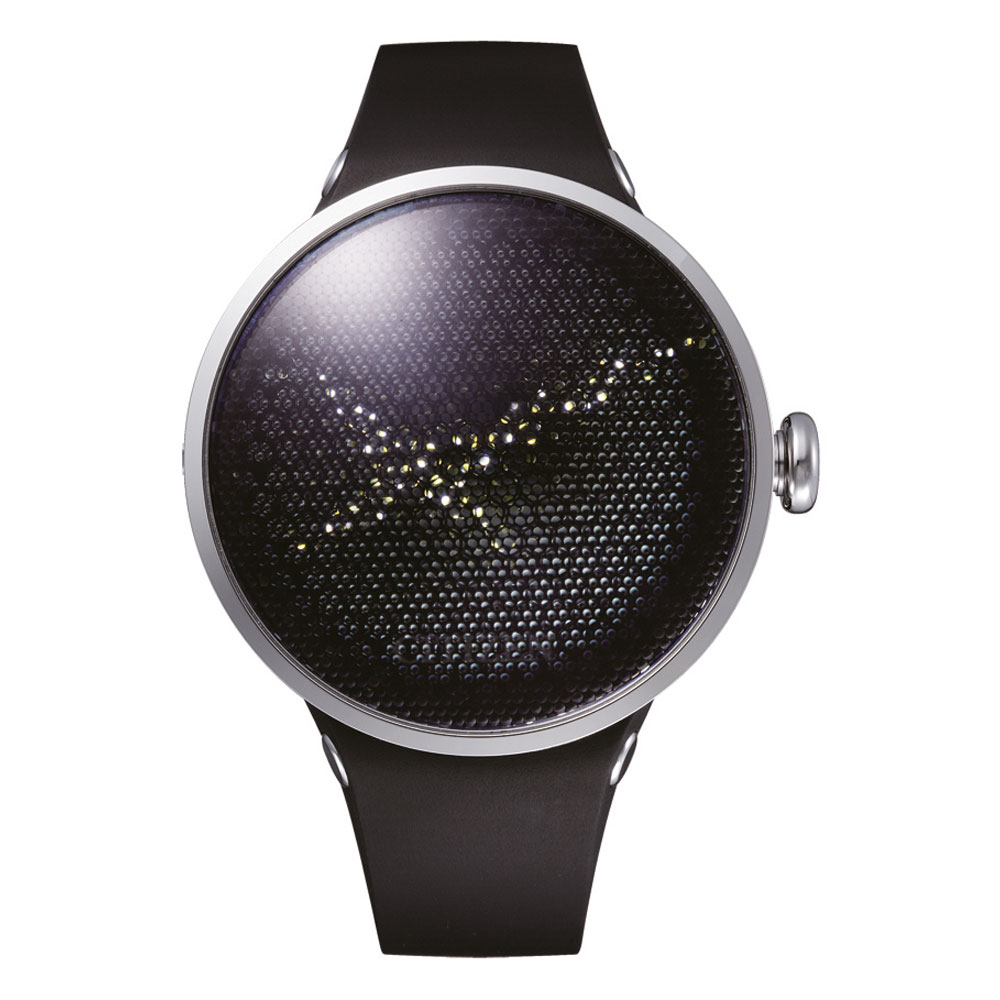
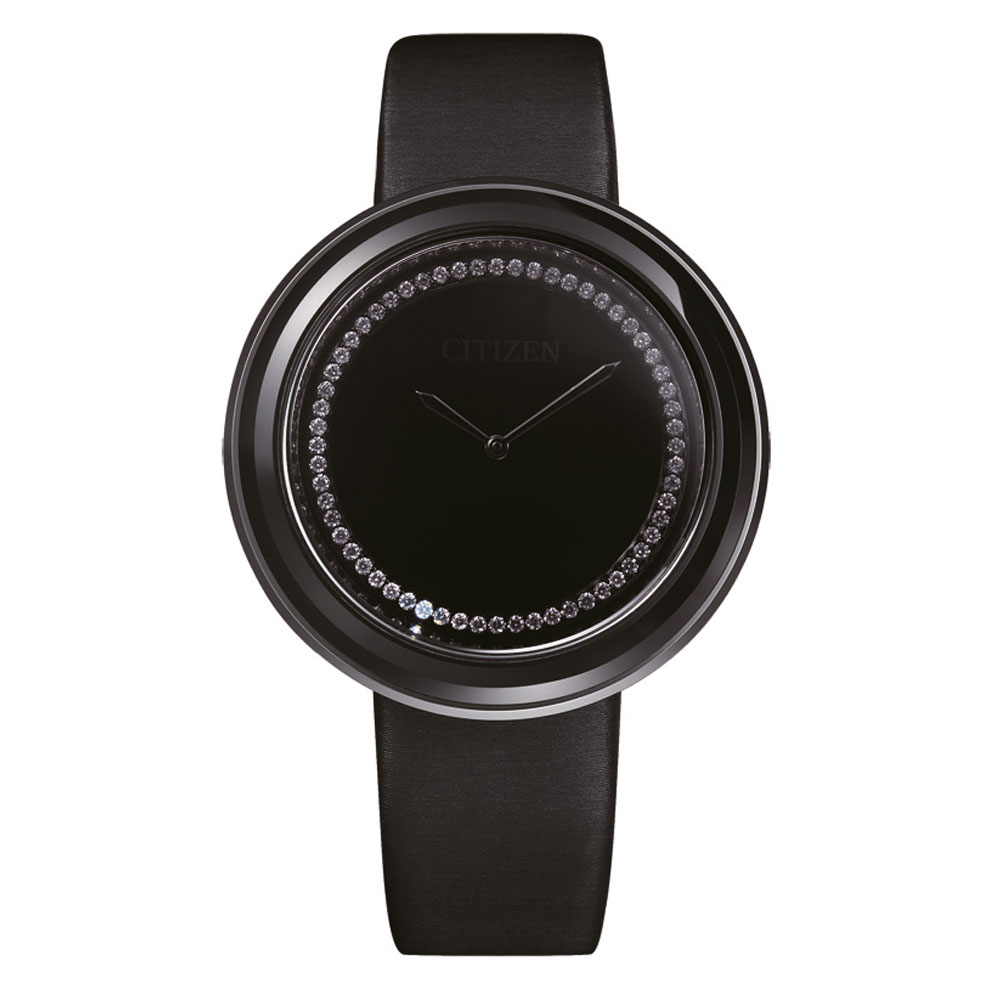
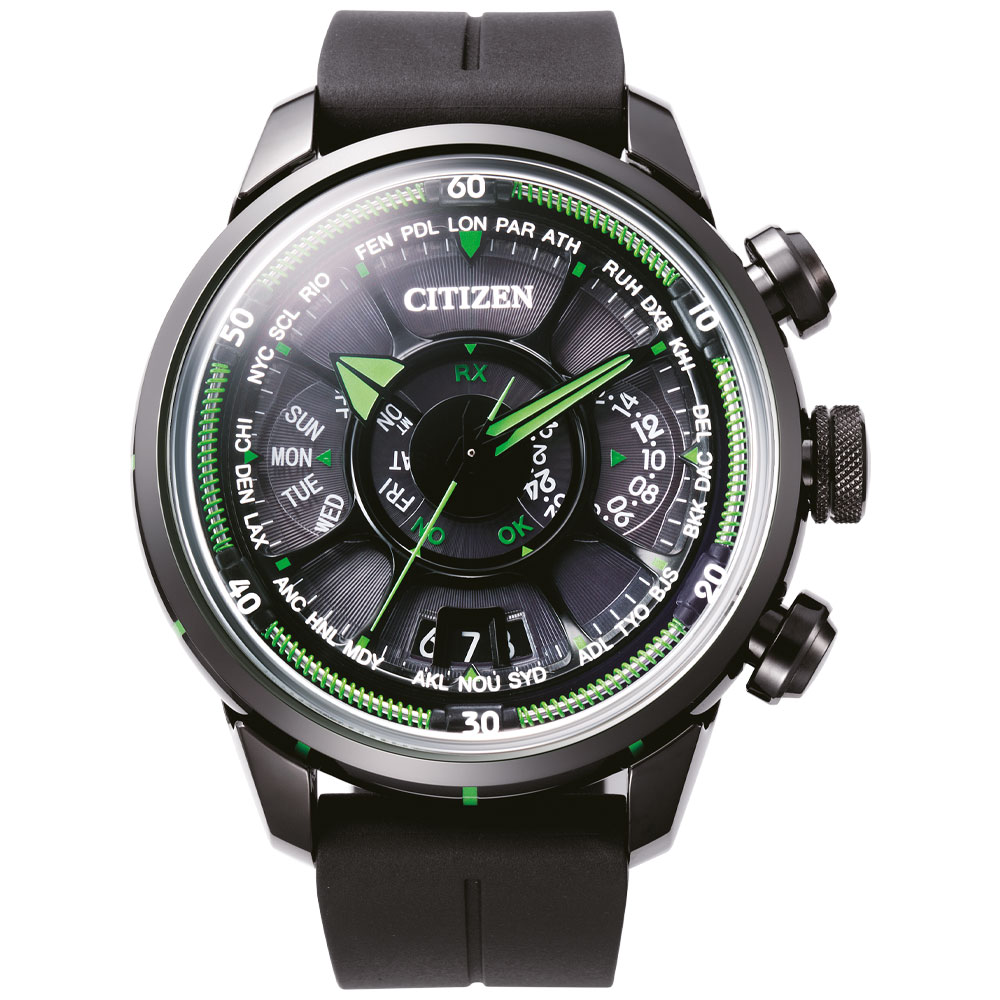
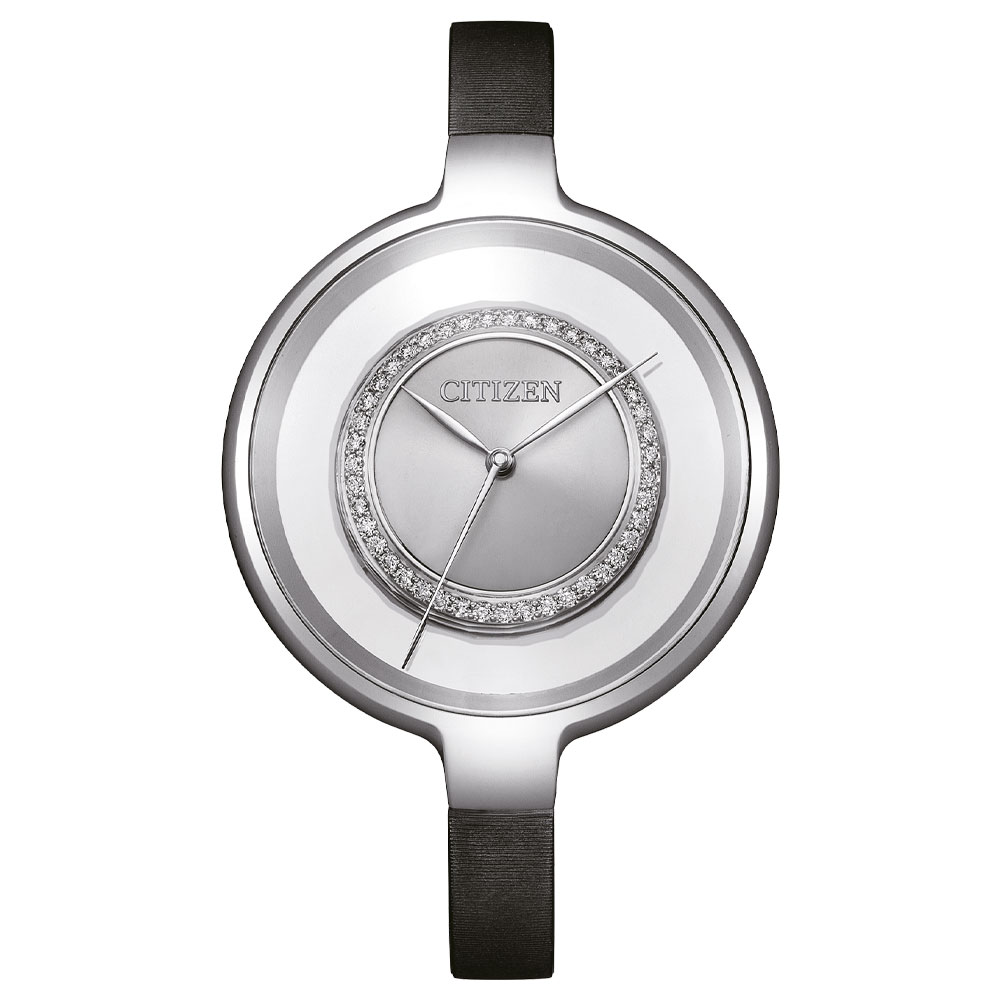
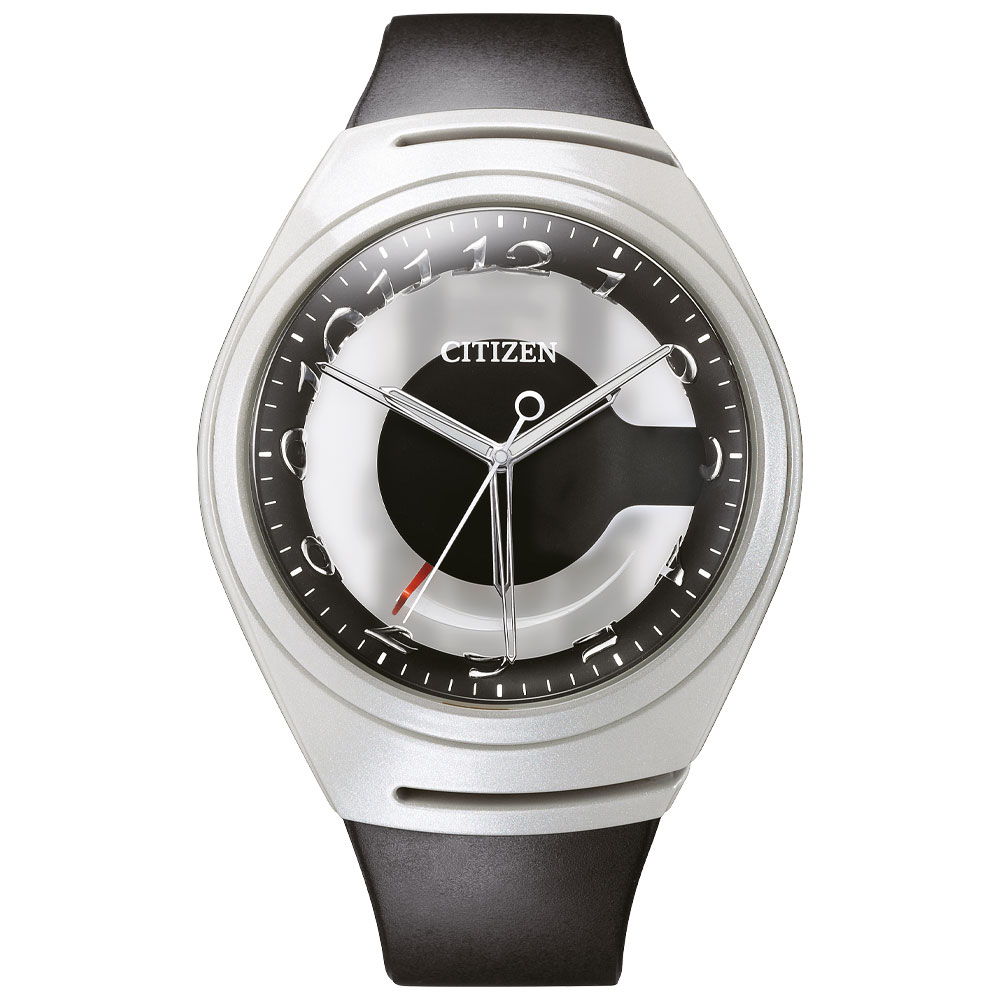
Citizen also demonstrates that solar power does not limit watch design with these eight Eco-Drive concept watches, which were created between 2009 and 2013:

Anniversary models and a new caliber
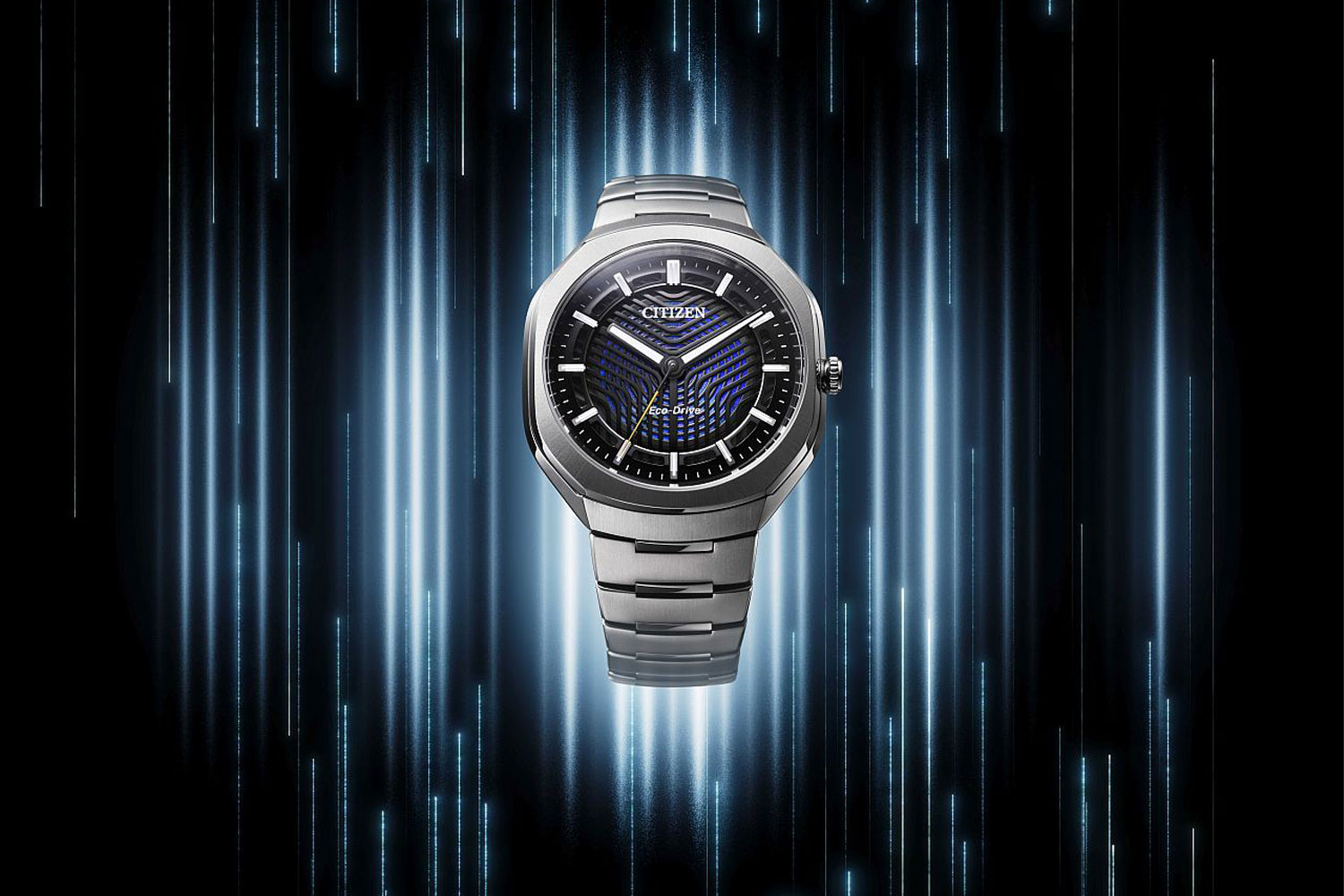
To mark the 50th anniversary of Eco-Drive, Citizen is introducing two models, each limited to 5,000 pieces, called “Photon”—named after the smallest unit of light.
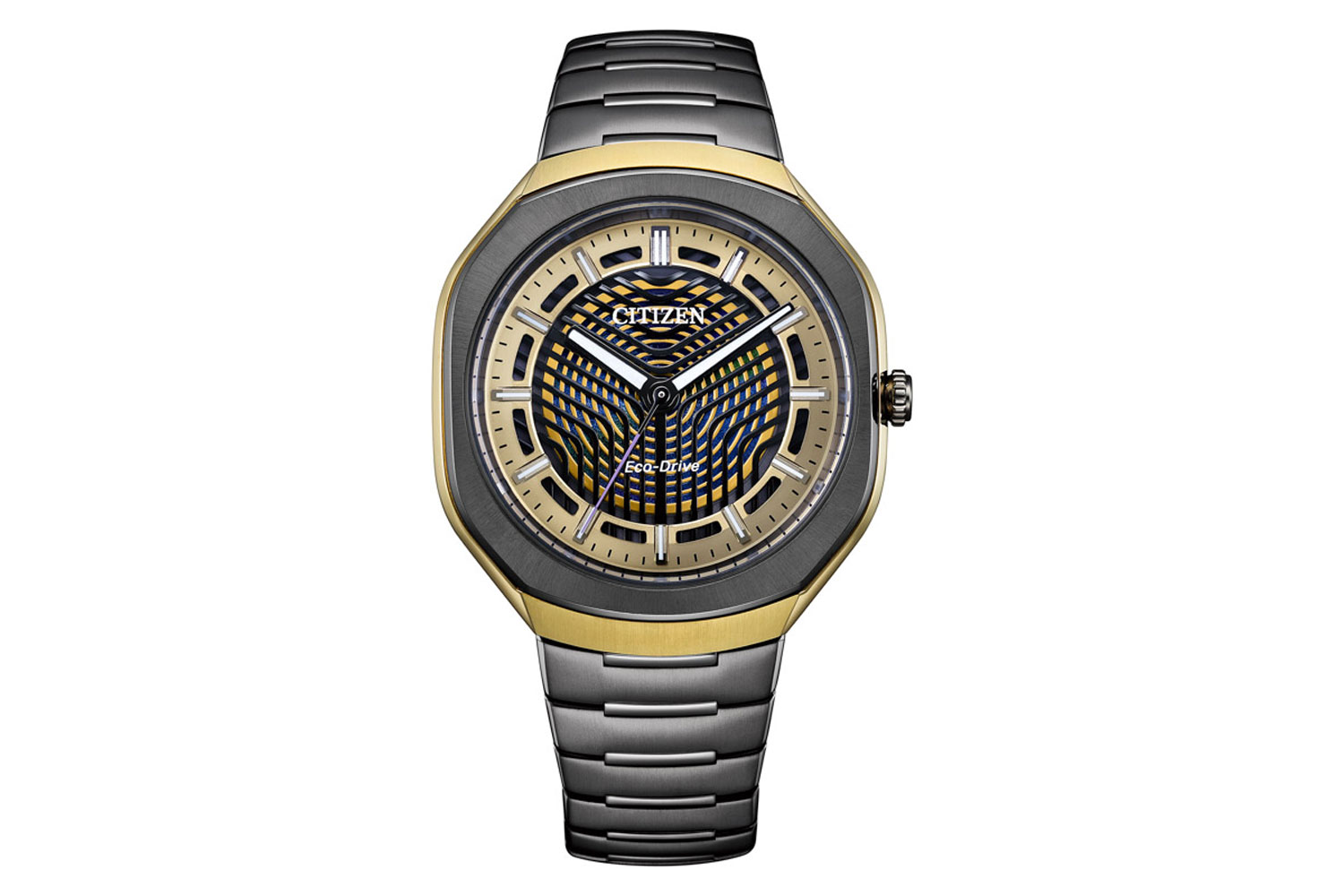
Crafted from Super Titanium—another result of Citizen’s pioneering spirit—these lightweight watches are available with either a blue dial or an amber-colored DLC coating.
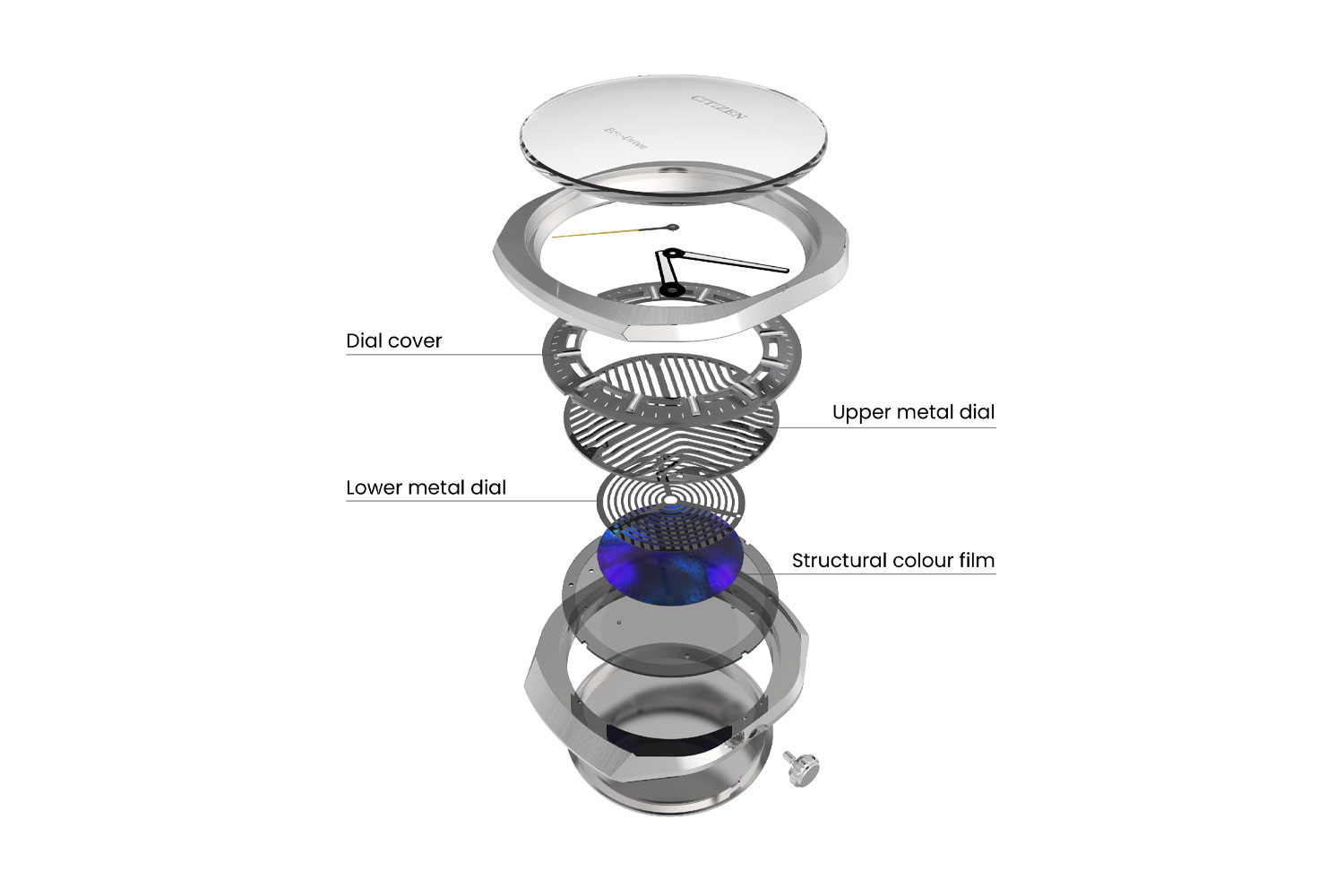
The dial consists of two overlapping metal plates with wave-shaped cutouts and an underlying textured color foil dial. The light reflected through the cutouts creates a dynamic play of light.
Inside, the new E036 caliber boasts an impressive power reserve of 365 days. Thanks to improved light efficiency, less transparent dial area is required than before, despite the longer running time—another step toward even greater design freedom.
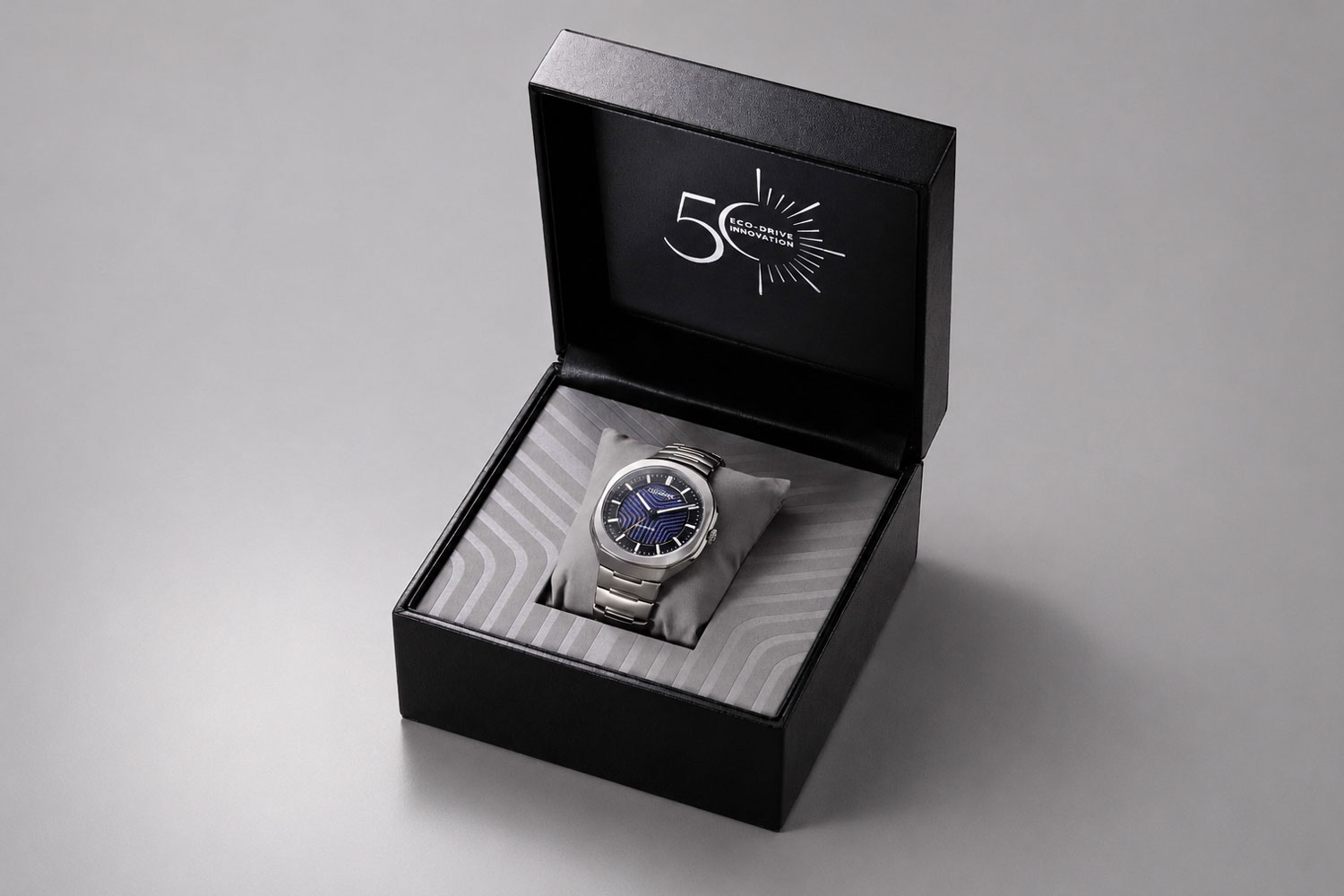
The Eco-Drive anniversary logo and a unique limited-edition number are engraved on the back of the case (39.6 x 9.9 mm). Each watch comes in a special box featuring the distinctive cutout motif from the dial. (MSRP €895 or €995)
How Eco-Drive works
The technology relies on the direct conversion of light into electrical energy—without the need for mechanical processes such as turbines, as is required in thermal and nuclear power plants or in wind and hydroelectric power generation.
Eco-Drive uses amorphous silicon solar cells to convert light—whether natural or artificial—into energy in a very small space, such as the face of a watch. An internal circuit determines the exact length of a second and either stores the generated energy in a rechargeable battery or transfers it to the watch’s motor, which generates a magnetic field. This sets a rotor in motion, which drives the gears, which in turn keep the hands moving with precision.

There are various ways to position the solar cell. In Citizen’s first light-powered watches, the solar cell was still clearly visible. However, the Japanese company quickly developed alternatives to ensure maximum design freedom on the dial.
New materials, new possibilities
Today, there are numerous ways to integrate solar panels invisibly:
- below the dial,
- as a ring-shaped solar cell and
- in the form of transparent strips beneath an outer plastic indicator ring.
In all cases, the dials must be at least partially translucent while also concealing the solar cell in order to meet Citizen’s aesthetic and creative standards. This is made possible by increasingly efficient use of light energy and reduced power consumption. Above all, however, it is achieved through innovative dial designs.
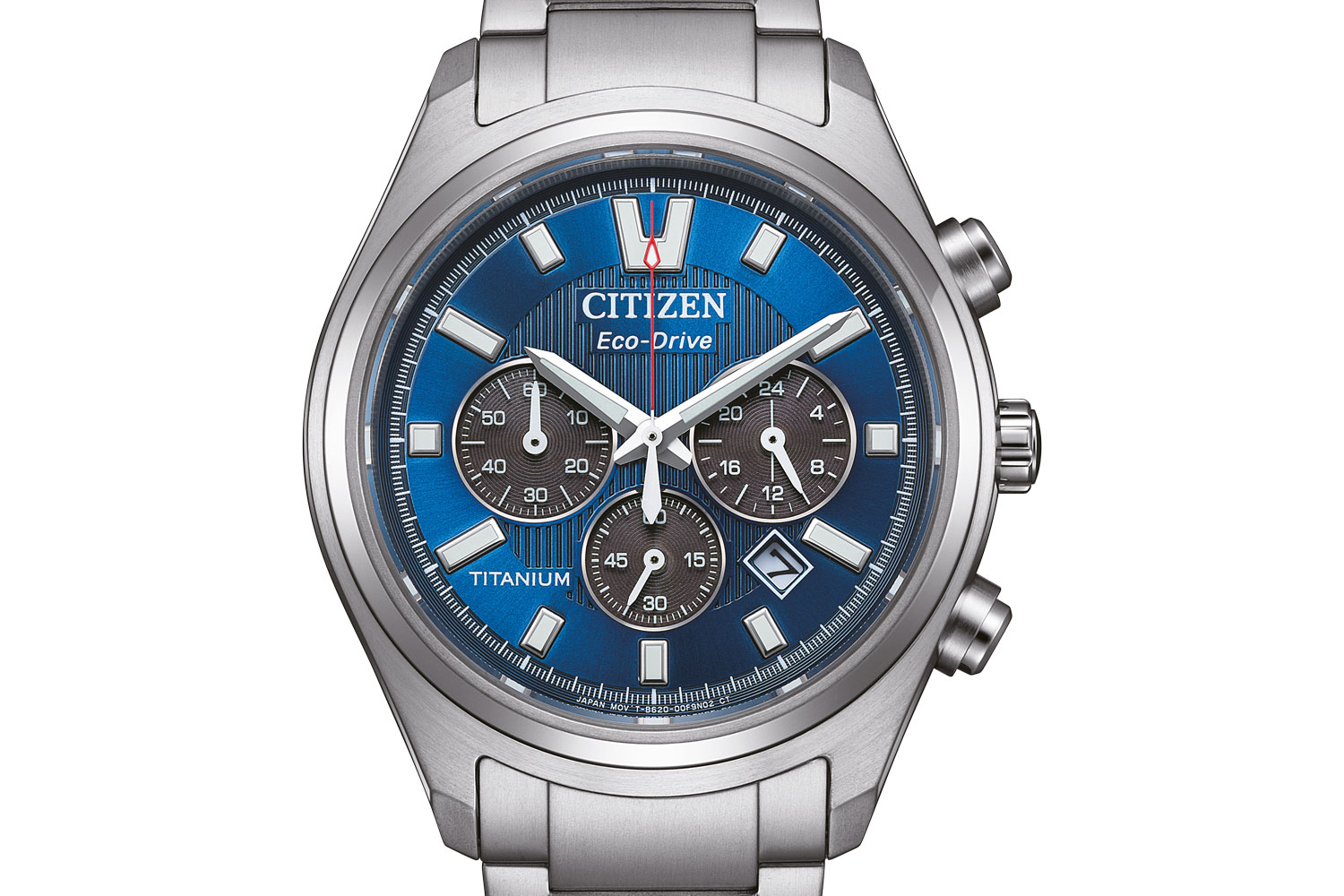
Recycled polycarbonate, the production of which generates 90 percent less CO2 than that of virgin PC, plays a key role in this. By 2025, 50 percent of Eco-Drive dials were already made from this material, and that figure is expected to reach 80 percent by 2027.
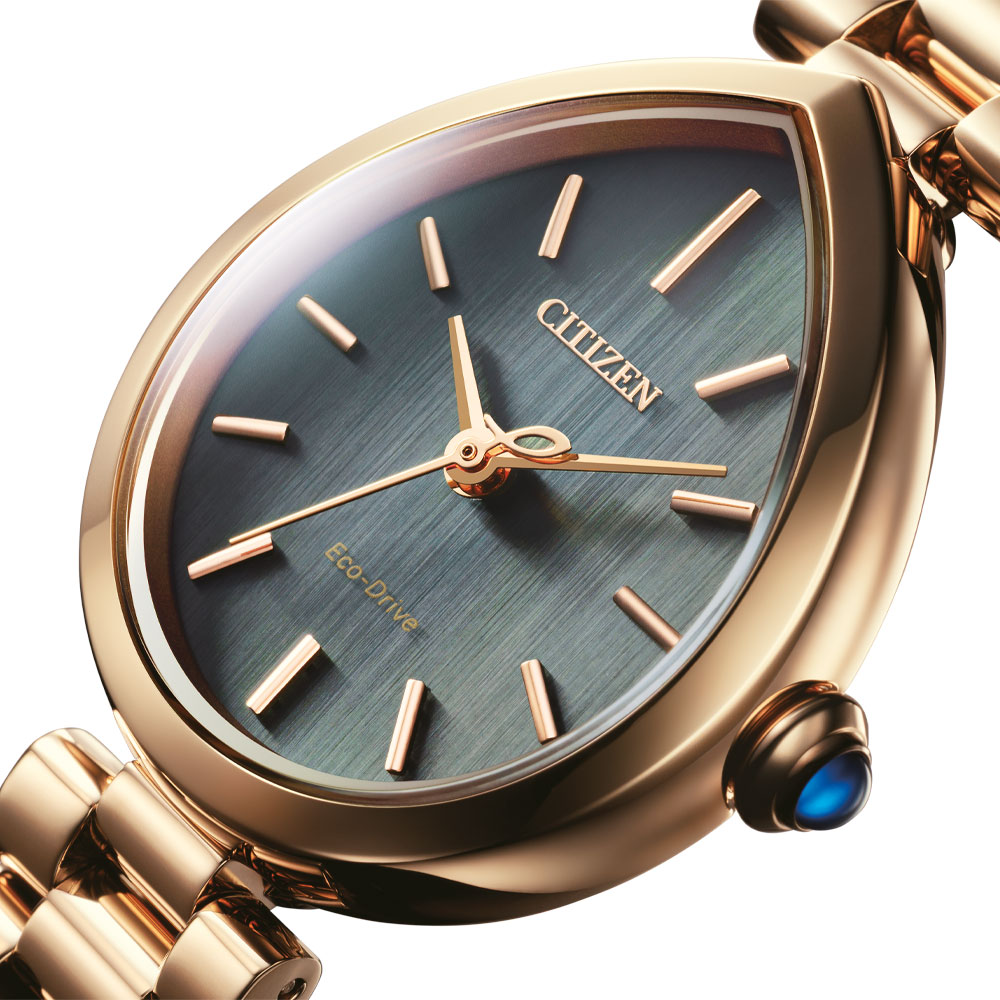
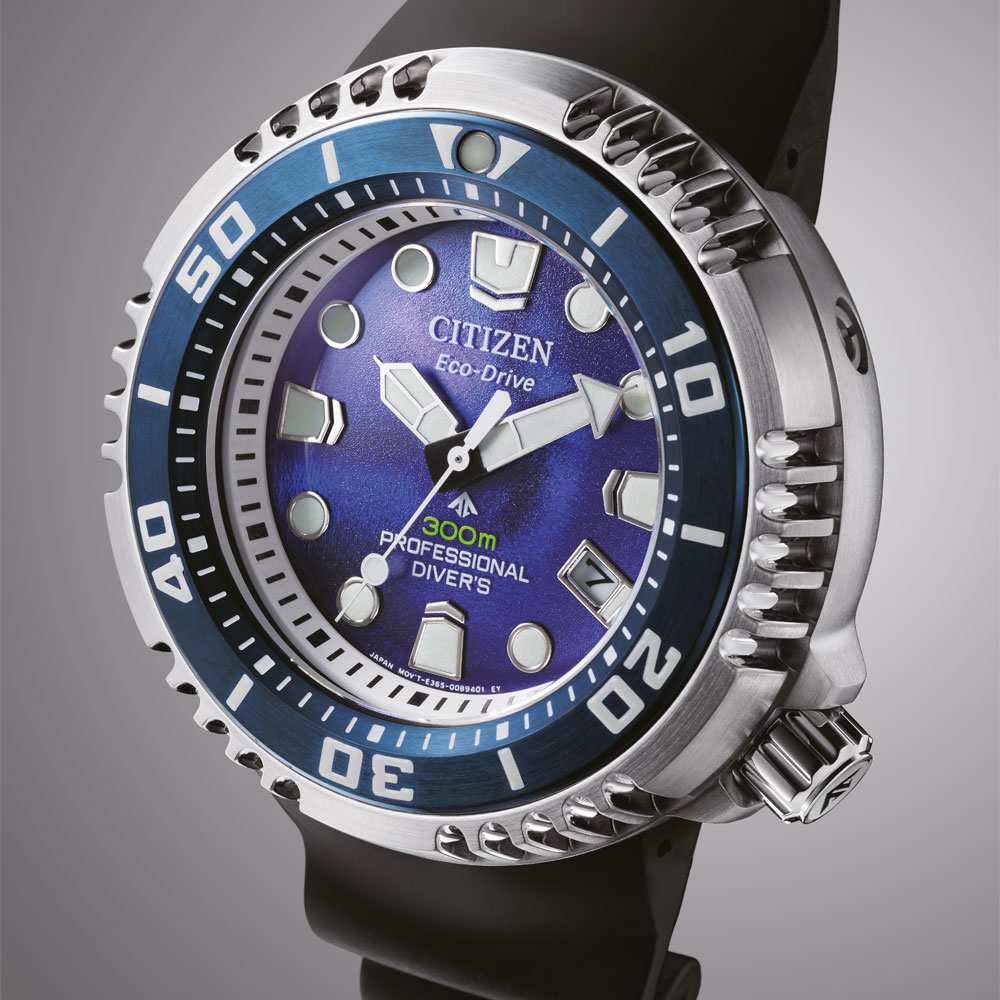
Another way to create translucent dials is through structural colors. These are not created by dyes or pigments, but by the physical structure of a surface. They change depending on the viewing angle or the angle at which light hits them, creating an iridescent effect.
But even very traditional materials are suitable for Eco-Drive dials. Japanese washi paper is one such material. Made from plant fibers, it is lightweight and translucent—perfect for a solar-powered dial.
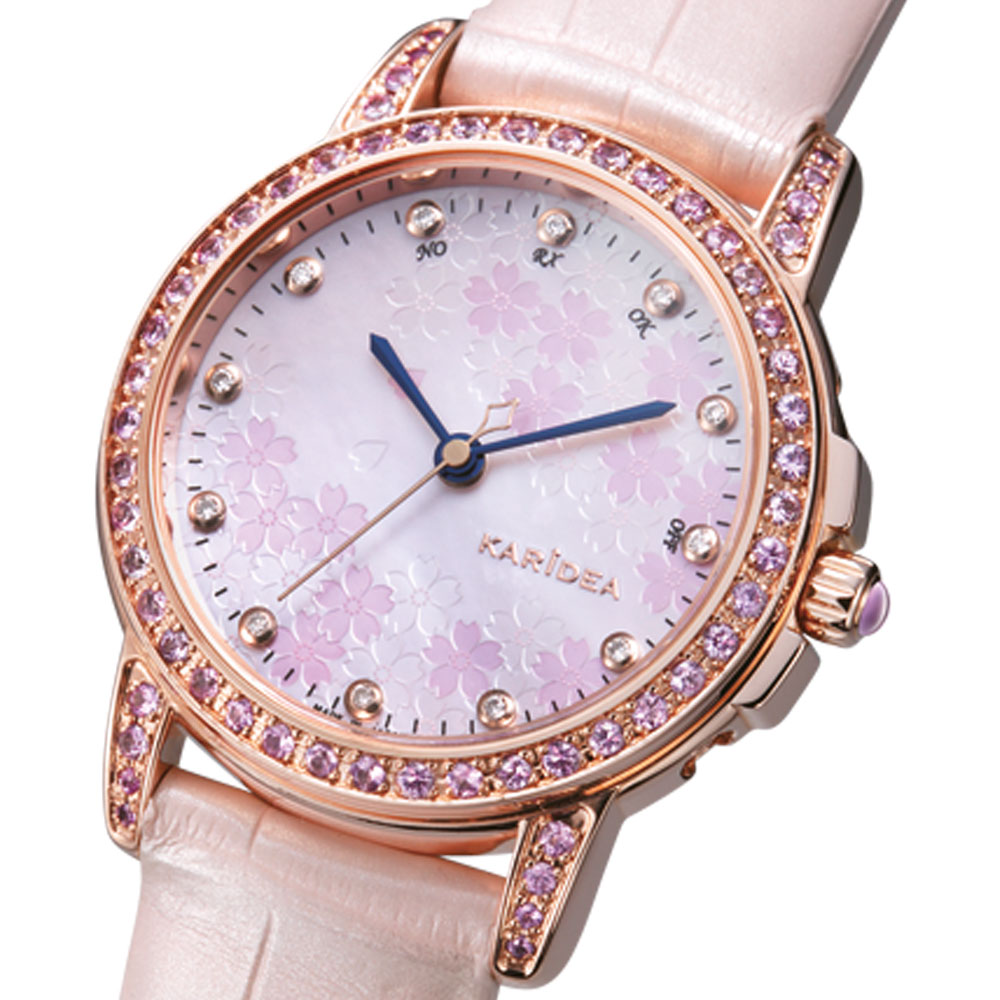
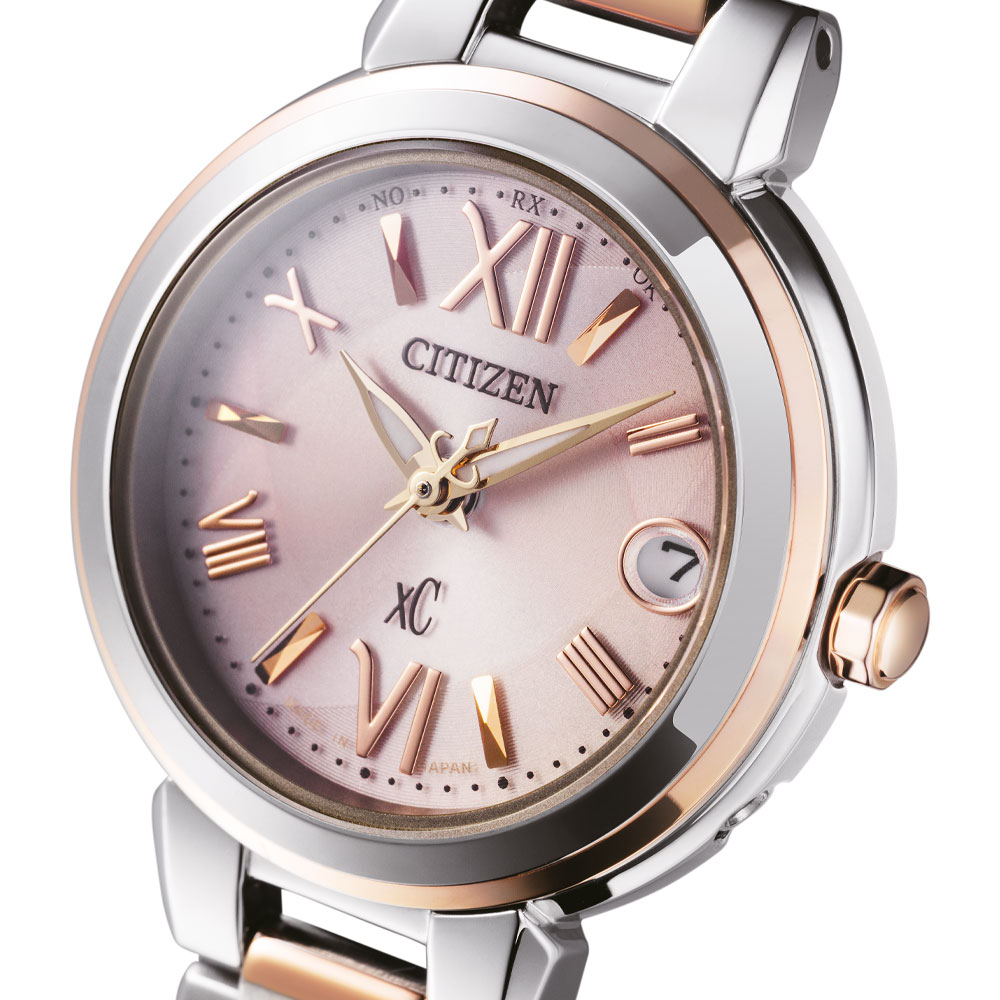
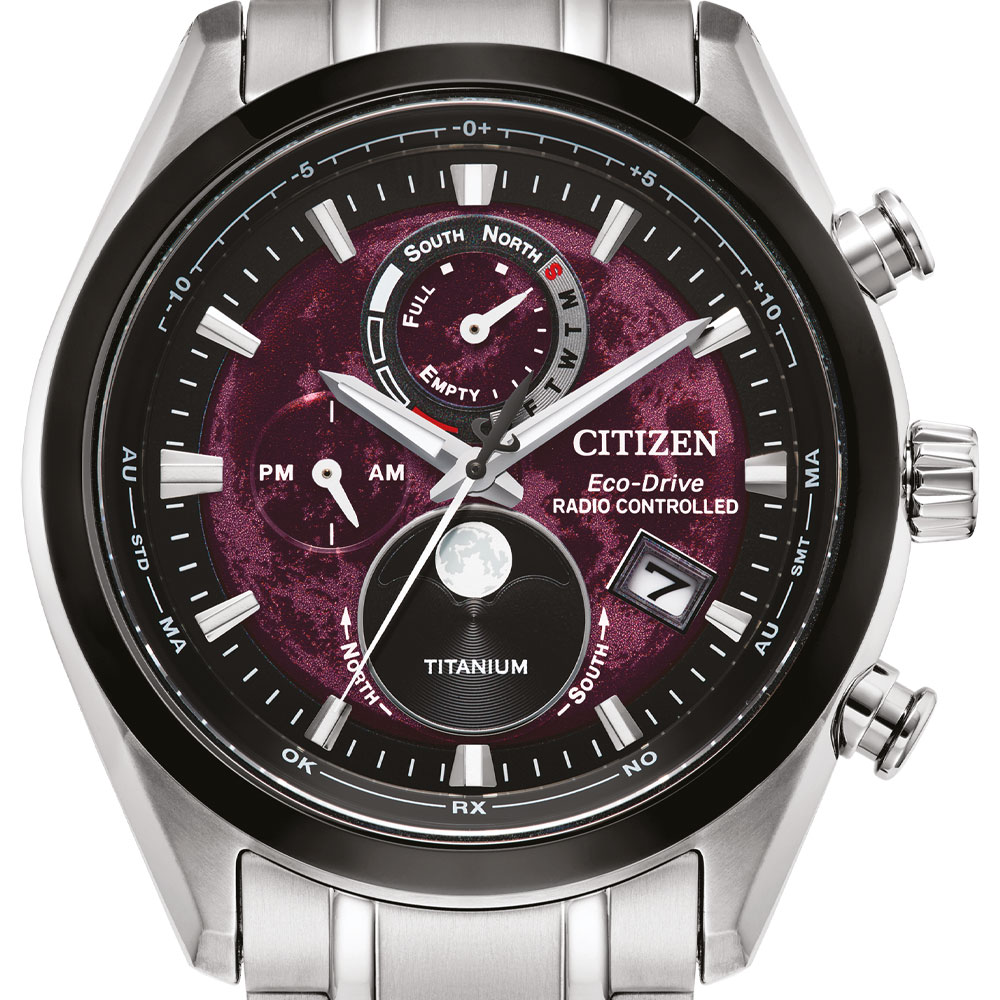
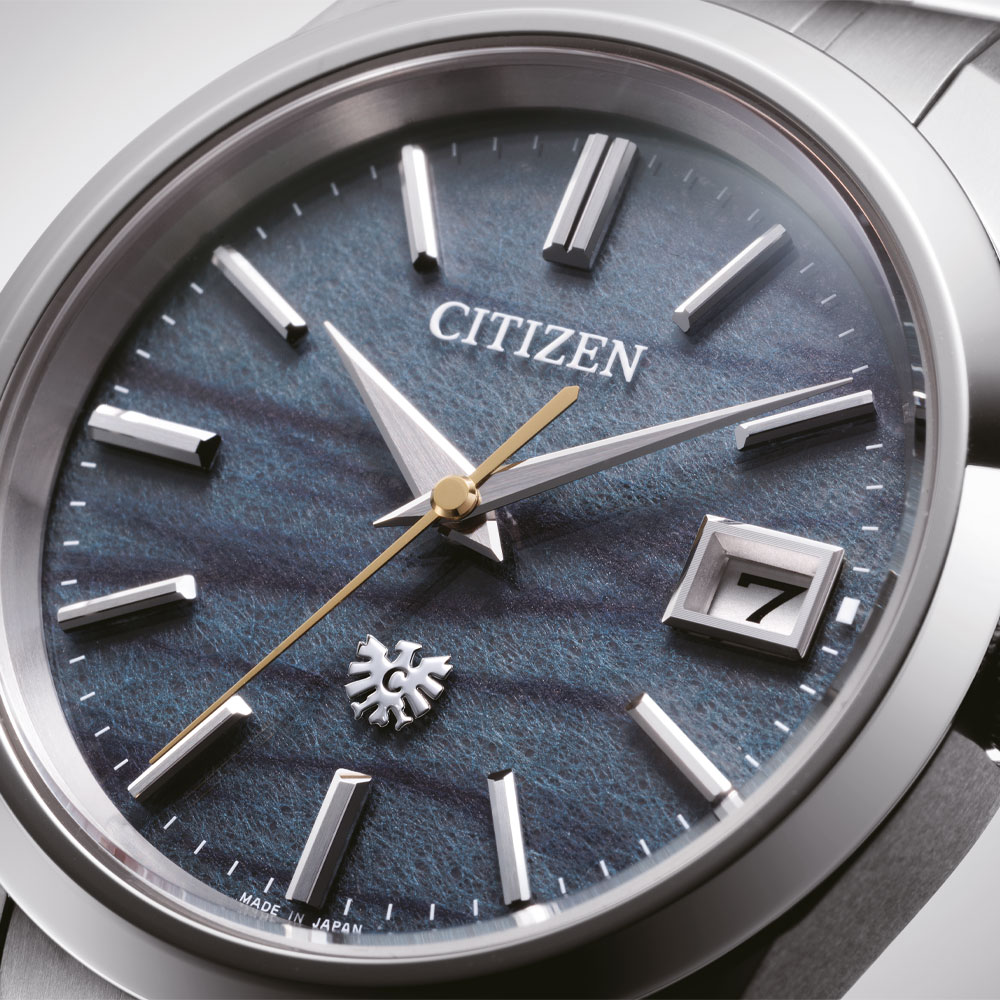
Semi-transparent mother-of-pearl and metal dials with tiny pores also allow enough light to pass through for a highly efficient Eco-Drive solar cell placed beneath them. URF resin dials, on the other hand—the abbreviation stands for Under Reflection Film—use a thin film to precisely control the transmission and reflection of light, giving the appearance of being made of metal.
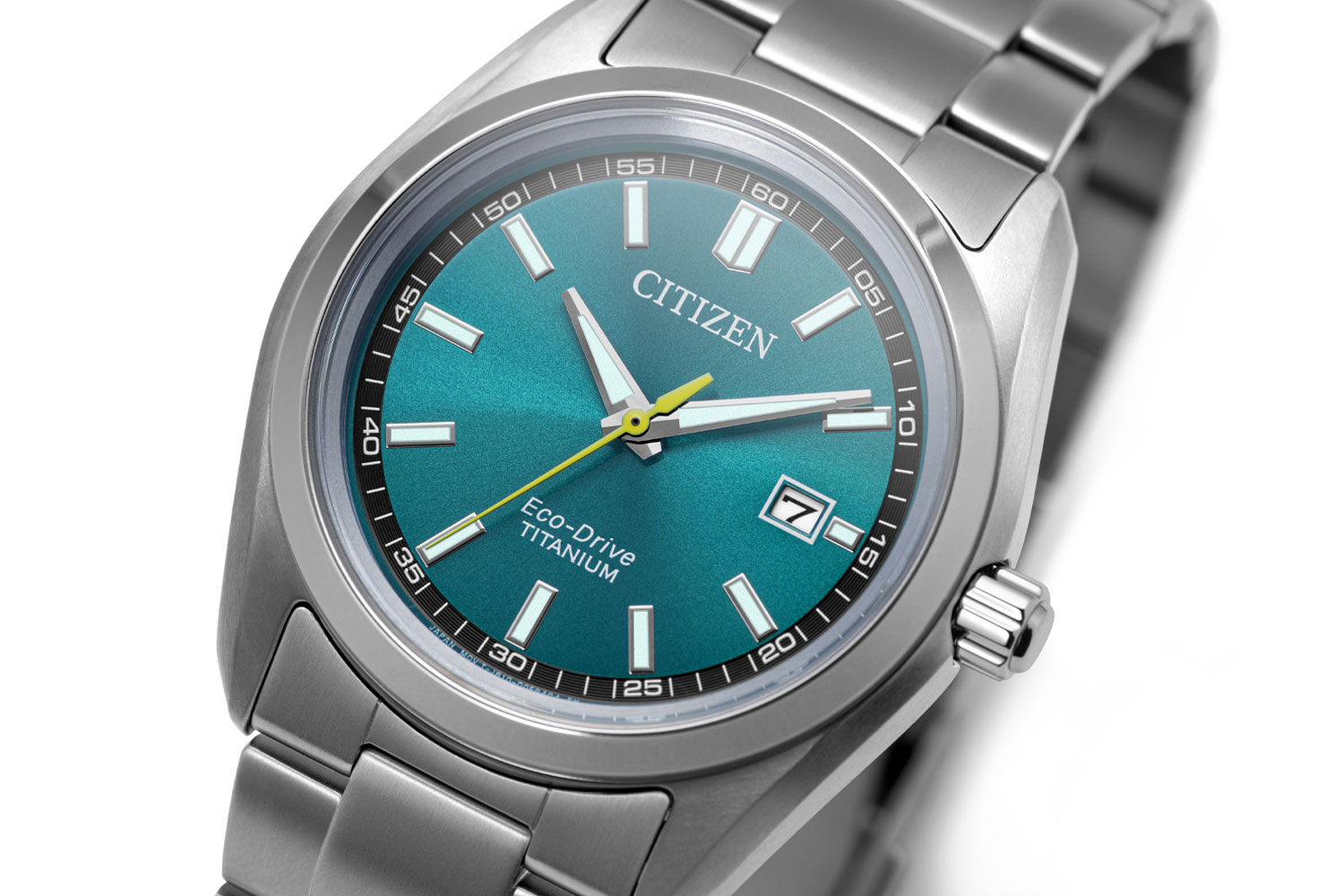
The use of a ring-shaped solar cell along the edge also makes it possible to use metal for the dial, opening up all the creative possibilities this material offers, such as sunburst finishes and color gradients.
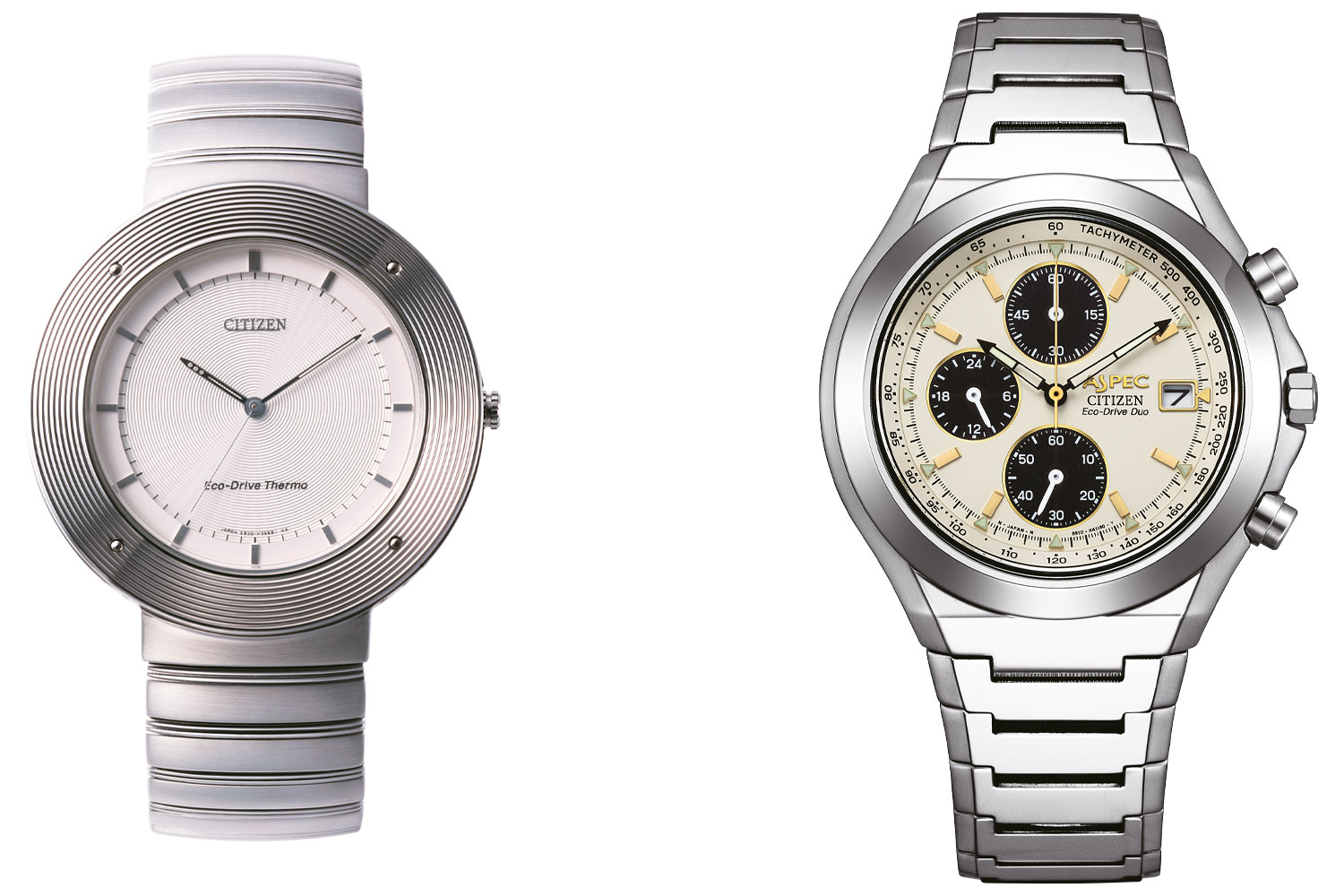
In addition, Citizen has also experimented with other methods of sustainable energy generation to power wristwatches. For example, the “Thermo,” released in 1999, utilized the difference between the ambient temperature and the wearer’s body temperature based on the principle of a heat exchanger. Also released in 1999 was the “Duo,” a hybrid model that combined light-generated electrical energy with an automatic movement.
Outlook: The Future in Light
After 50 years, Eco-Drive is more dynamic than ever, both technologically and in terms of design. Today, solar-powered watches operate at the intersection of sustainability, innovation, and design freedom—and thus perfectly capture the spirit of the times.
“Eco-Drive is more than just a light-powered technology. It is an idea: the idea of sharing the passion, the drive, and the sustainability of timekeeping with everyone, as long as there is light. And there is no place in the world without light.”
Yoshihisa Yajima (Citizen Brand Manager)